
How Flooding Happens: When Water Takes Over the Land
Flooding is one of nature’s most powerful and destructive forces. It can turn calm rivers into raging torrents, submerge entire neighborhoods, and reshape landscapes within hours.
Useful articles about nature and the world around us
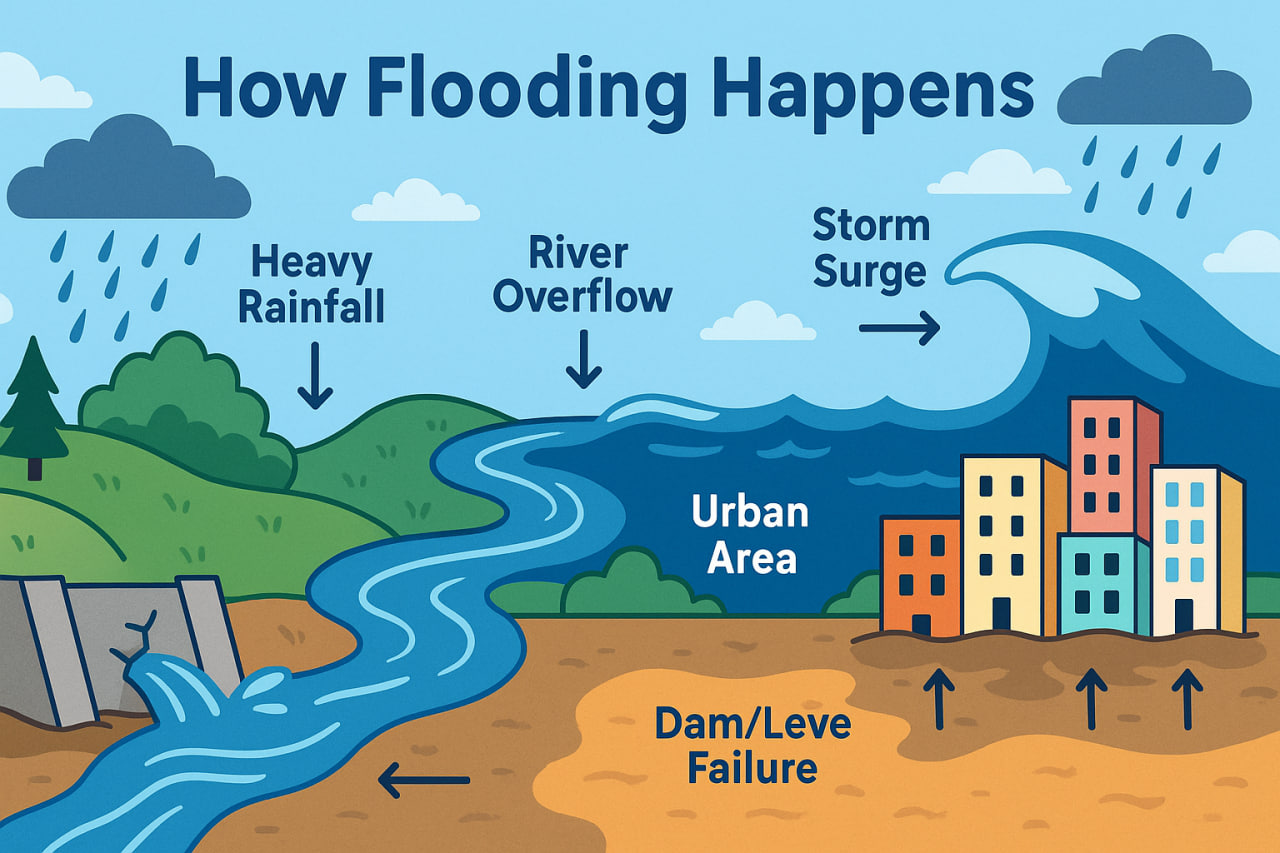
Flooding is one of nature’s most powerful and destructive forces. It can turn calm rivers into raging torrents, submerge entire neighborhoods, and reshape landscapes within hours.
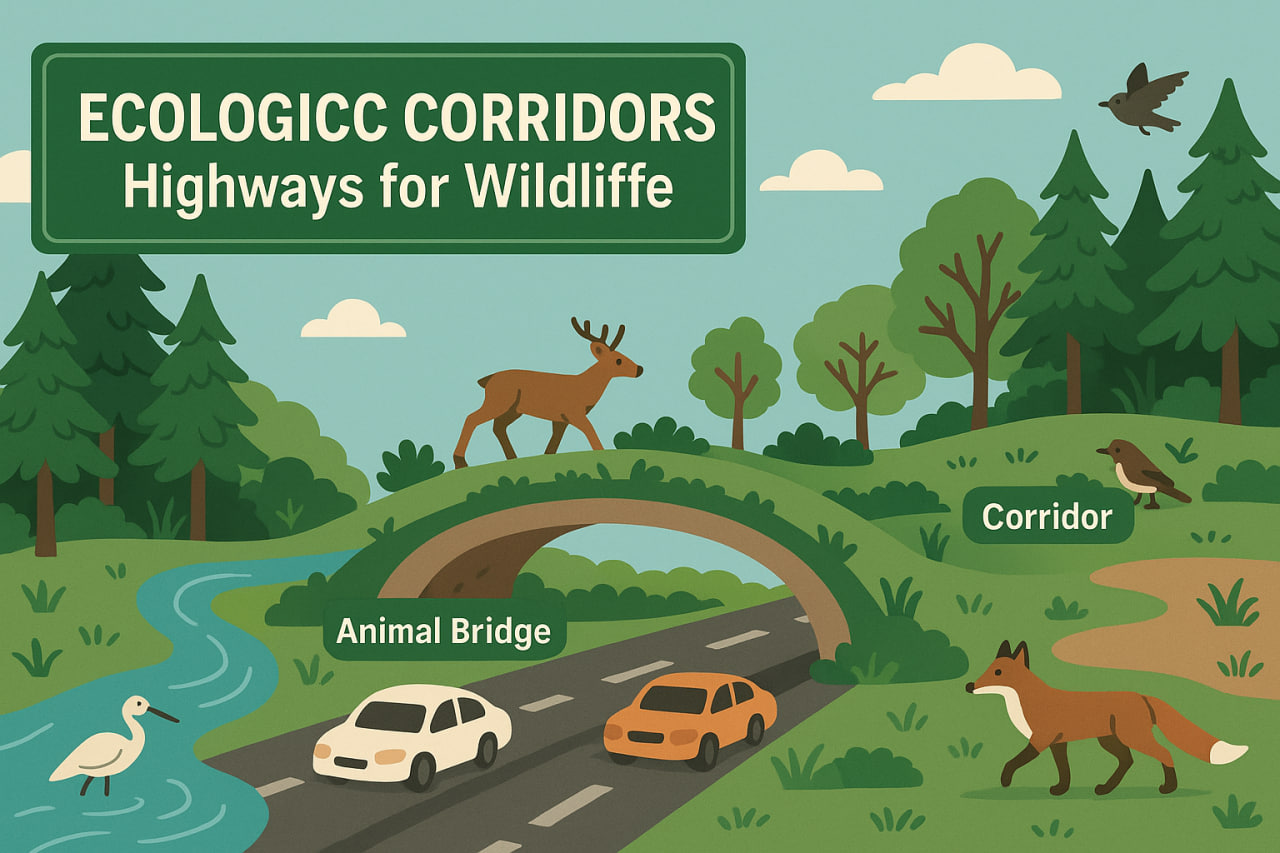
In a rapidly changing world, wildlife faces one of its greatest challenges — fragmented habitats.
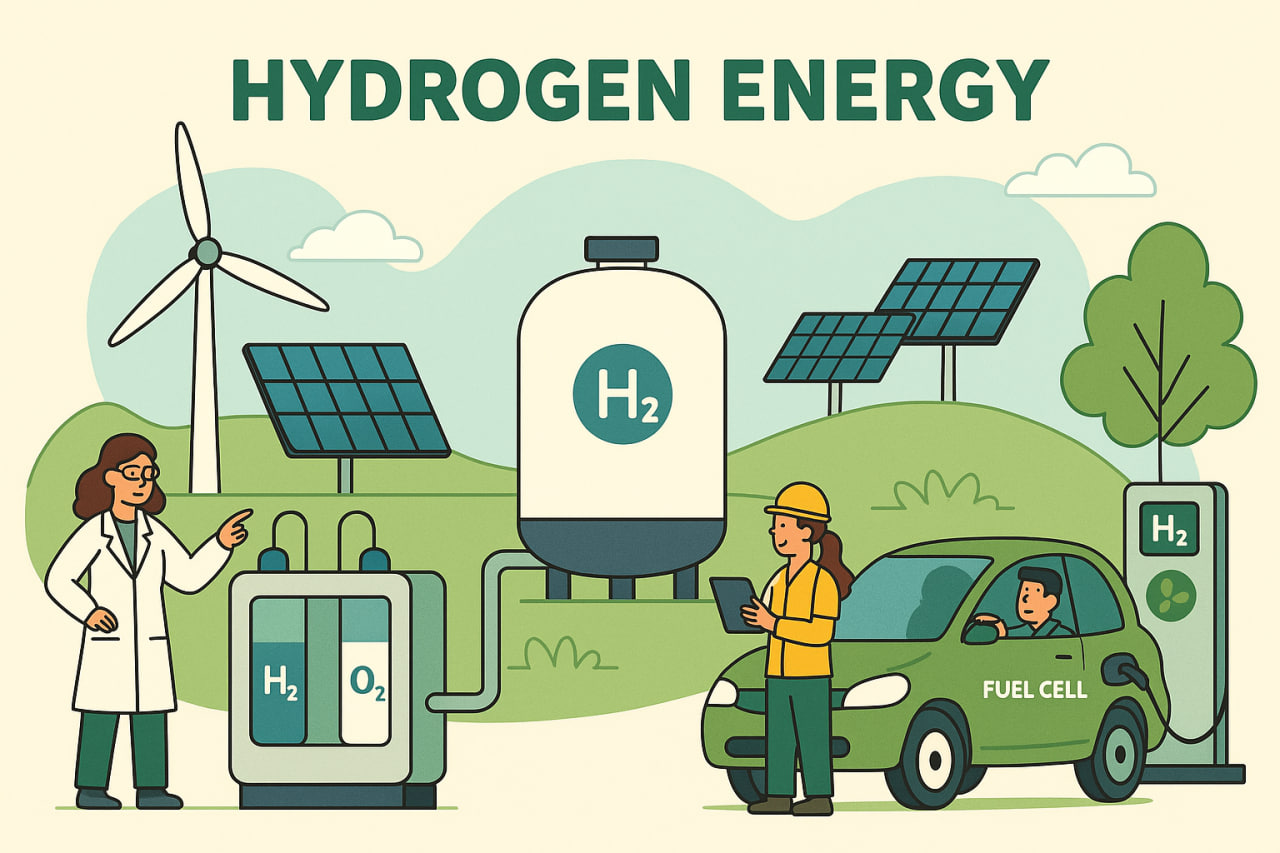
As the world transitions toward cleaner energy, hydrogen has emerged as one of the most promising alternatives to fossil fuels.
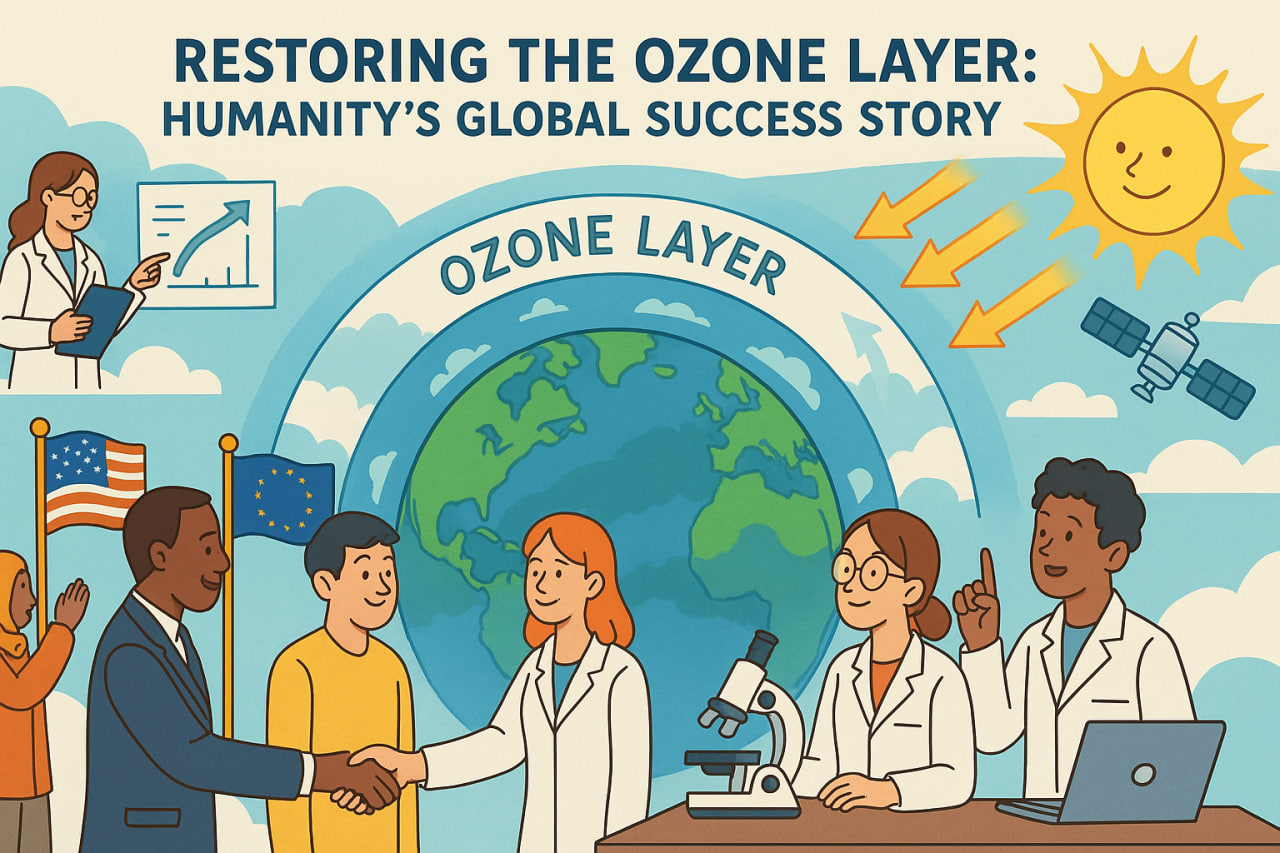
In an age of environmental crises, the recovery of the ozone layer stands as one of humanity’s most inspiring success stories.
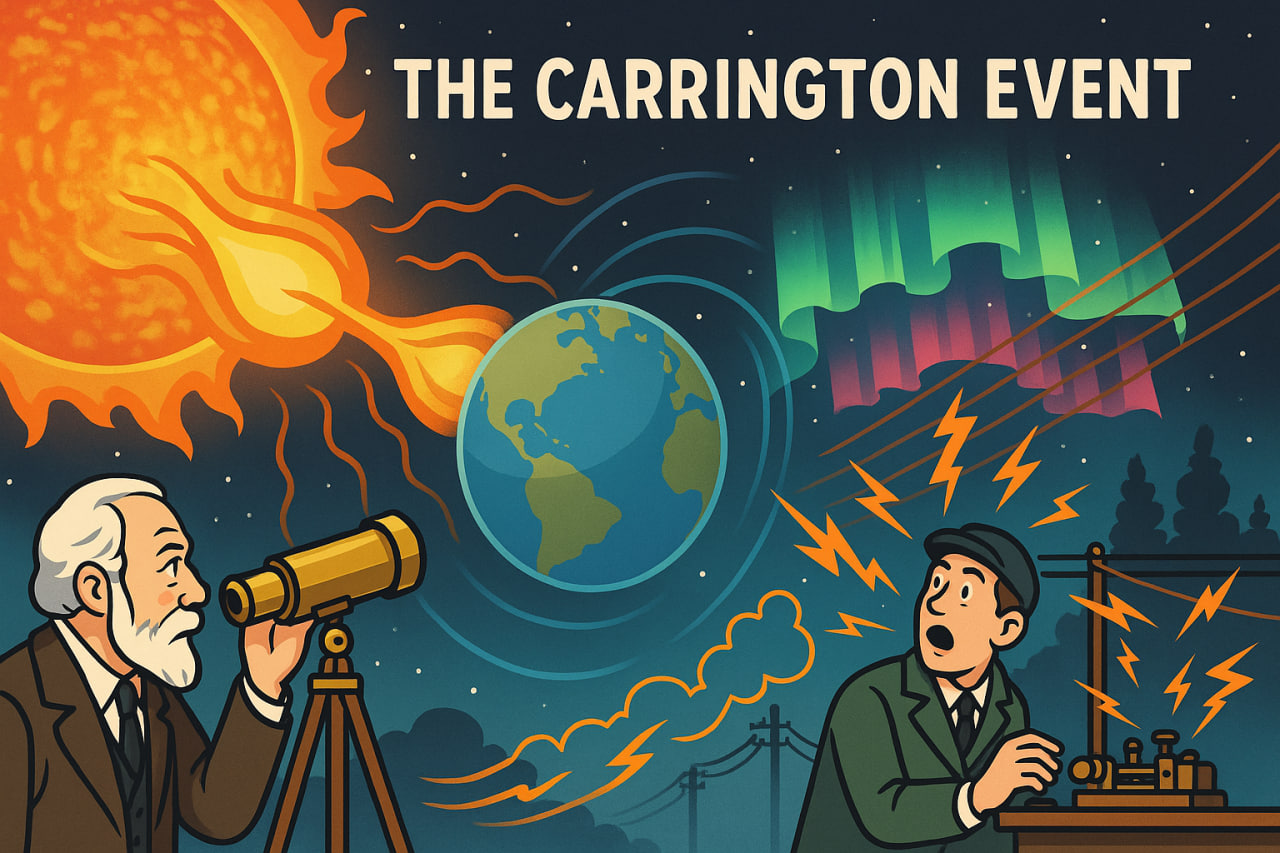
In 1859, long before satellites or smartphones existed, Earth was struck by the most powerful solar storm ever recorded — known as The Carrington Event.
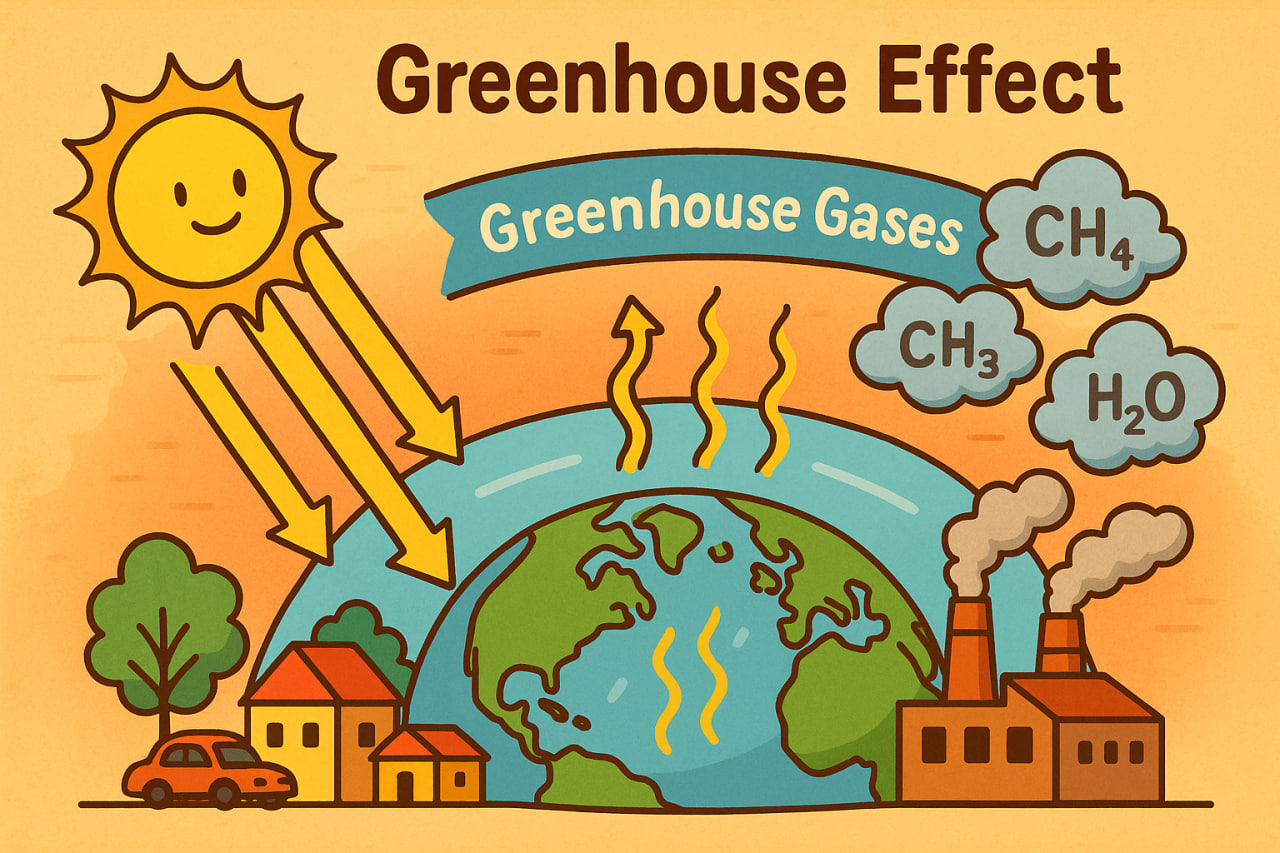
The greenhouse effect is a natural atmospheric process that helps regulate the Earth’s surface temperature and maintain conditions suitable for life.
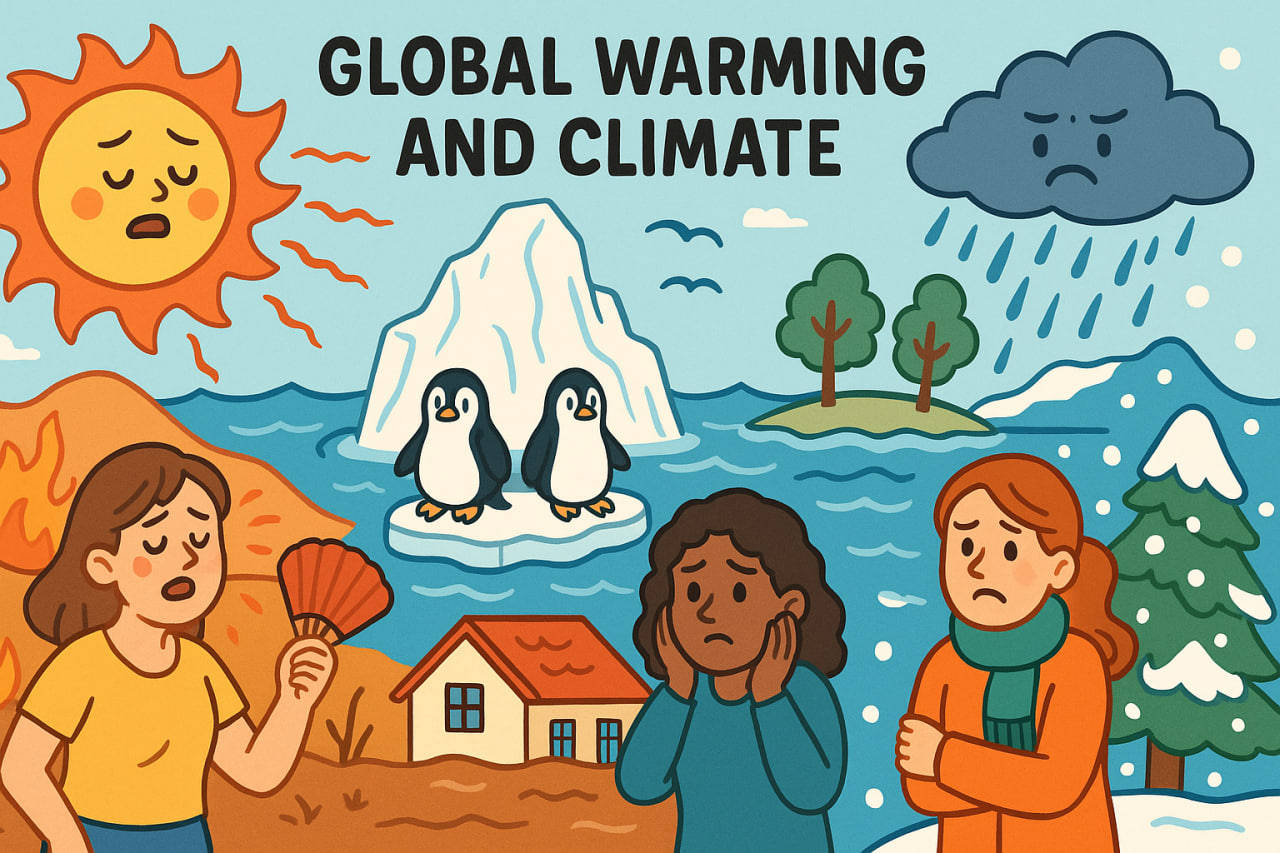
Global warming refers to the long-term increase in Earth’s average surface temperature, primarily driven by the accumulation of greenhouse gases such as carbon dioxide, methane, and nitrous...
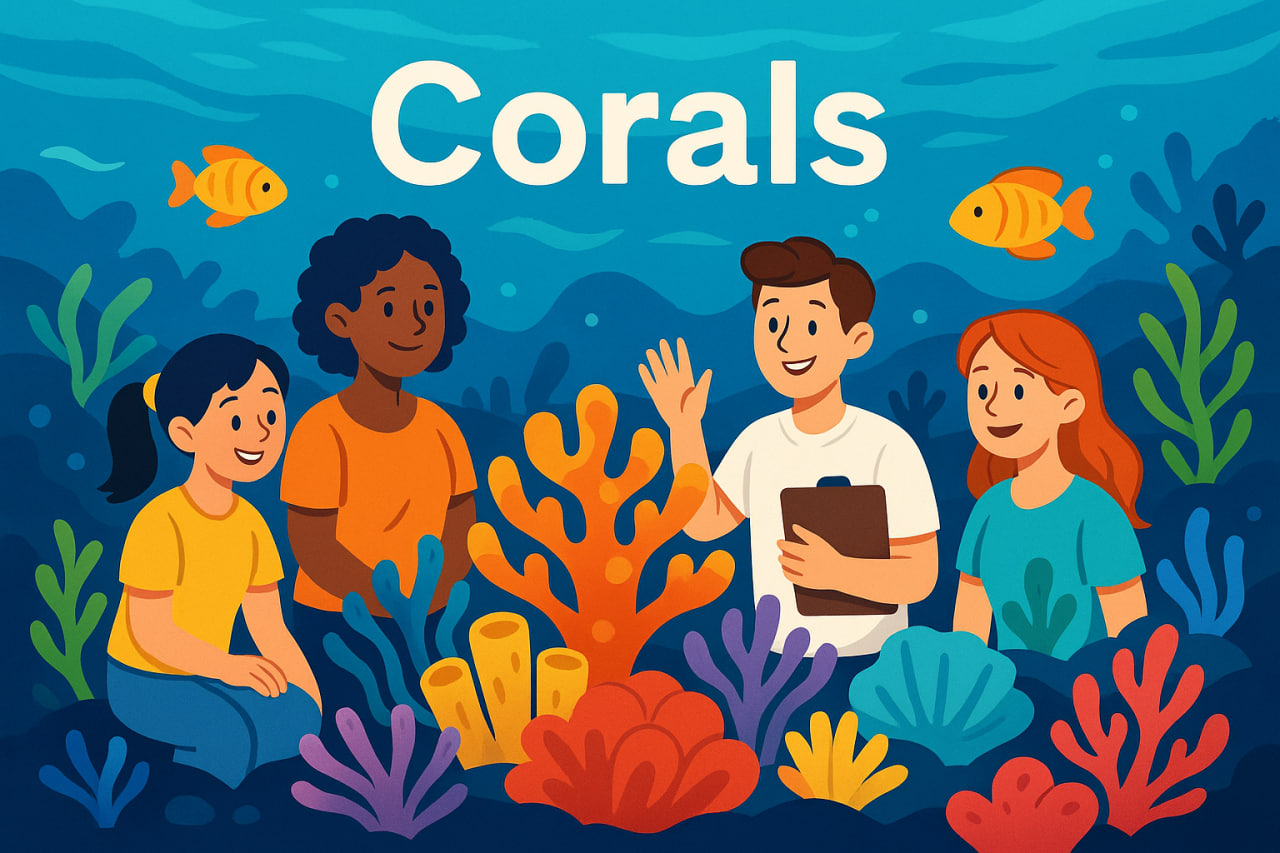
Corals are marine organisms that form some of the most biodiverse and visually stunning ecosystems on Earth: coral reefs.

The Batagaika Crater, located in the Sakha Republic (Yakutia) in Siberia, is one of the most dramatic geological formations linked to climate change and permafrost thaw.
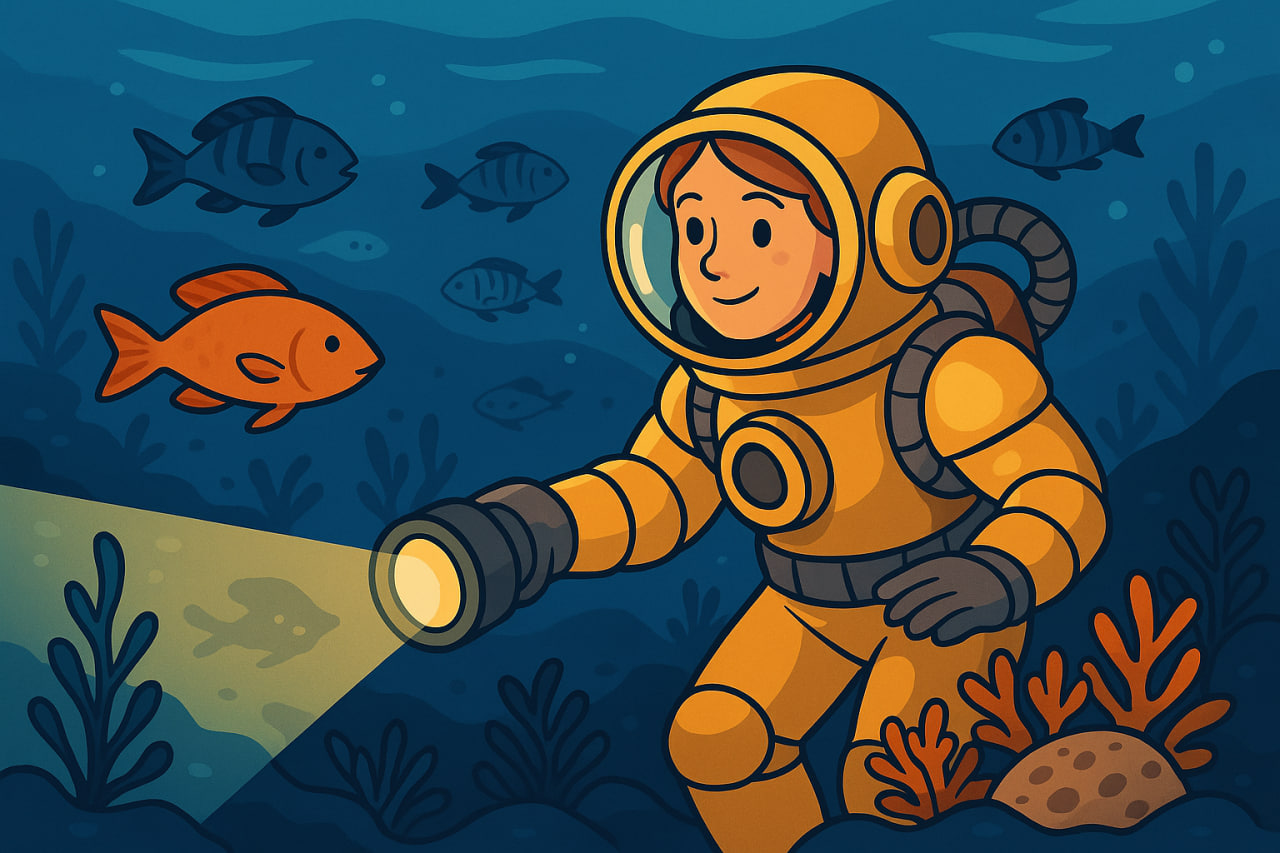
The exploration of the deep ocean is one of the most complex and challenging scientific frontiers.