
Modern Parks: Green Spaces for the Future
Modern parks are public spaces designed not only for recreation but also for ecological balance, health, and social interaction.
Useful articles about nature and the world around us
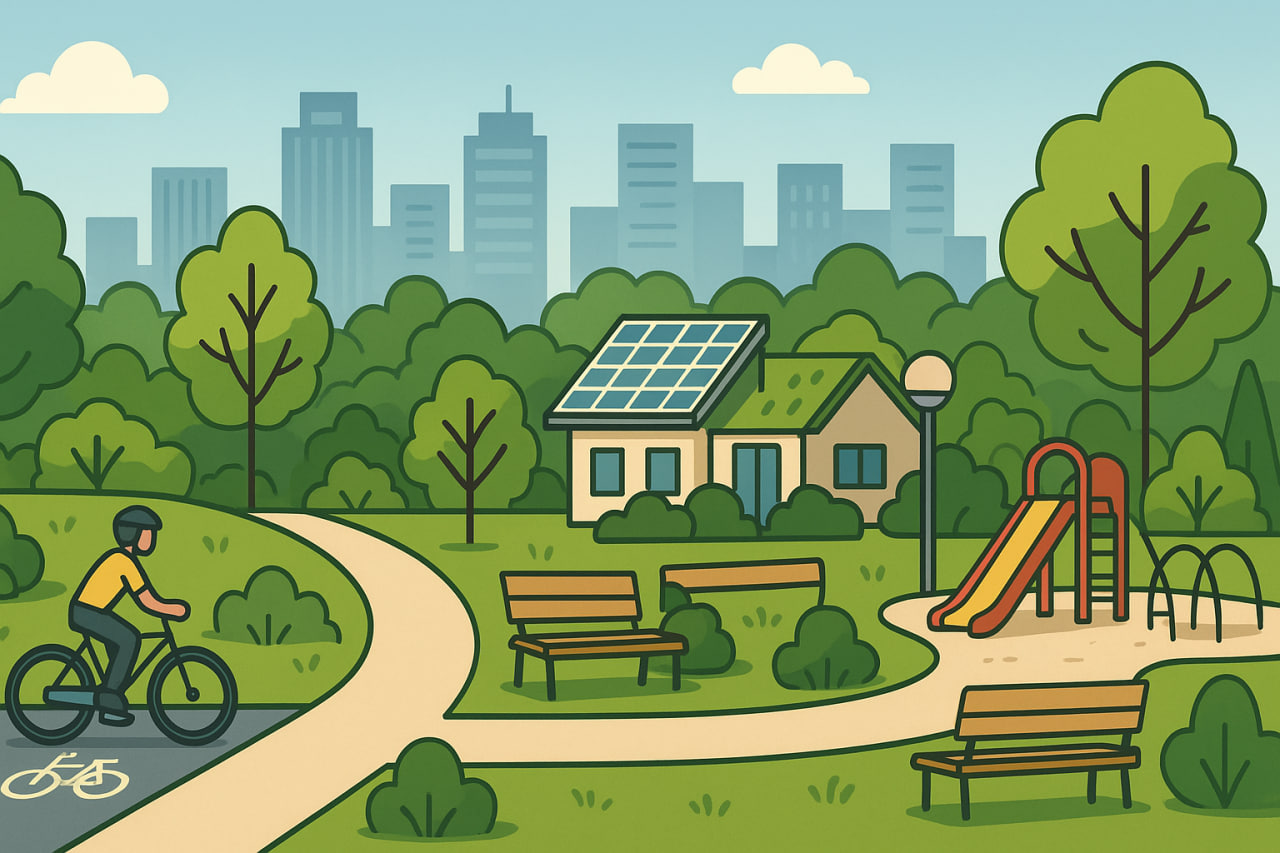
Modern parks are public spaces designed not only for recreation but also for ecological balance, health, and social interaction.
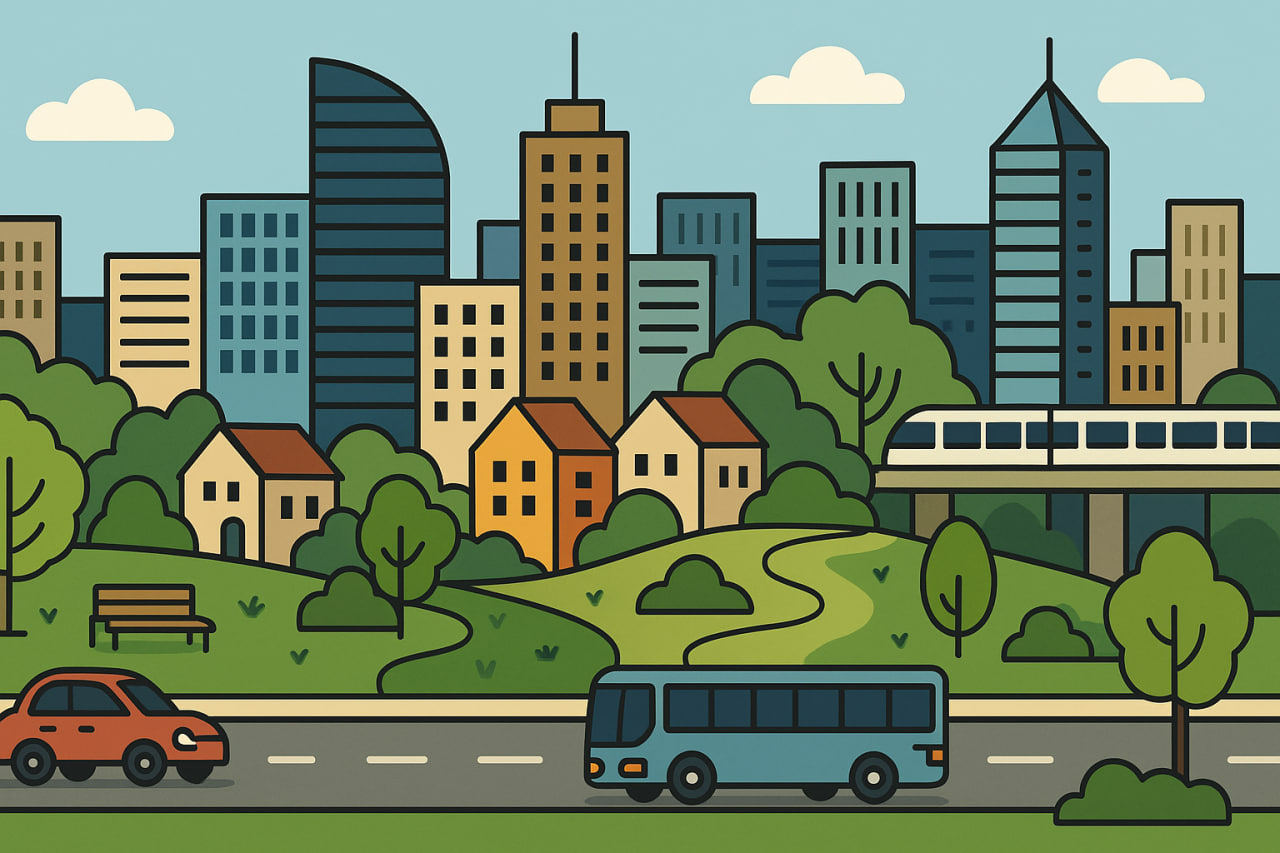
Urbanization is the process by which populations move from rural areas to cities, leading to the growth of urban settlements.
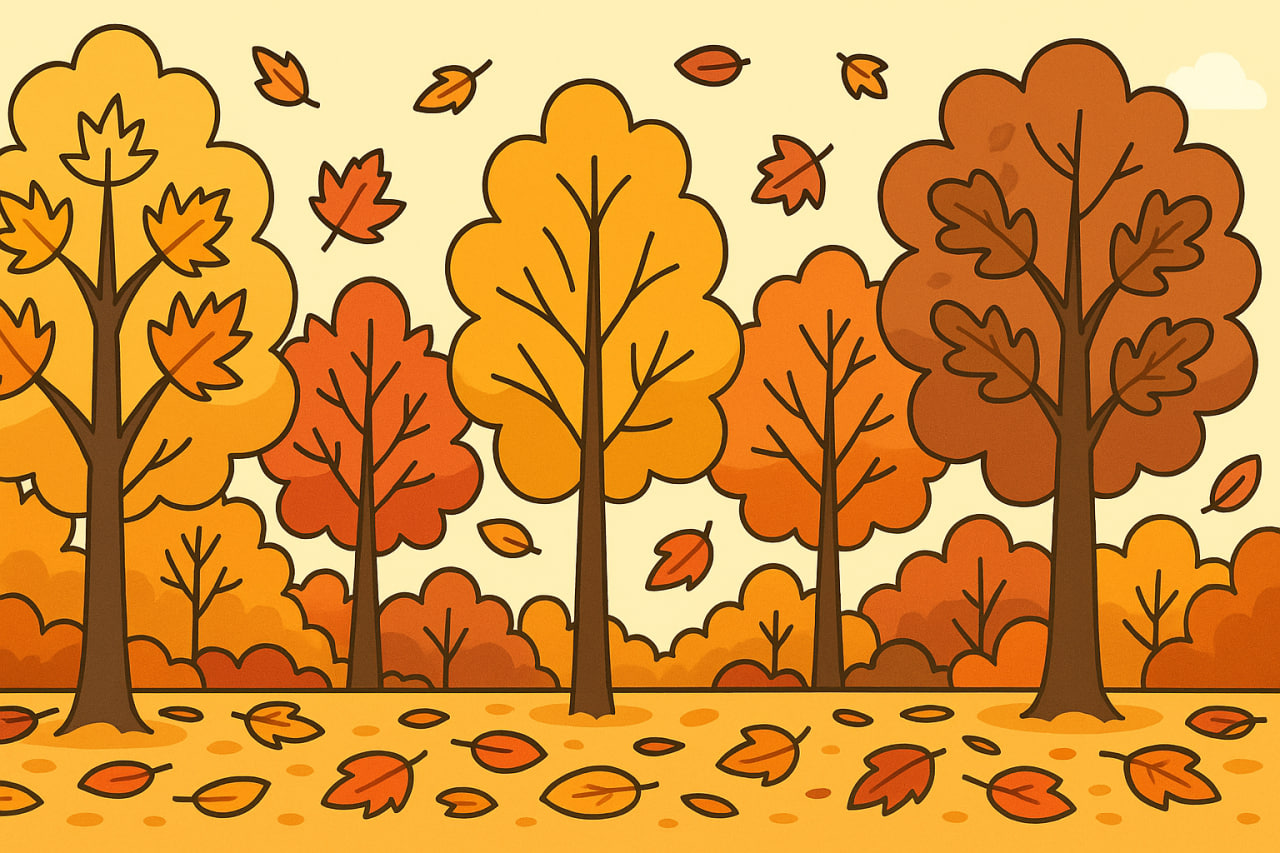
During spring and summer, leaves are green because of chlorophyll, the pigment that absorbs sunlight and helps plants make food through photosynthesis.
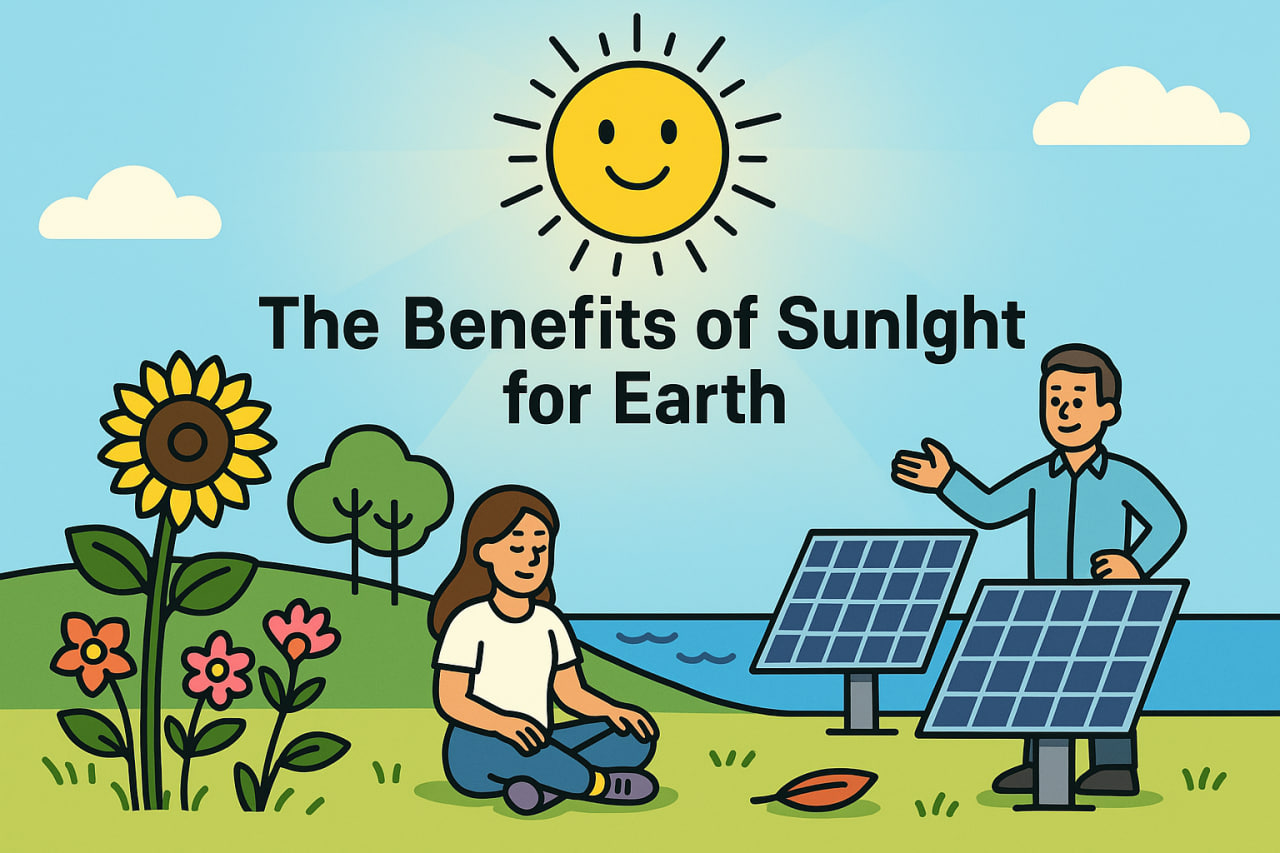
Sunlight is the primary source of energy for almost all life on Earth. Through photosynthesis, plants convert sunlight into chemical energy, forming the base of the food chain.
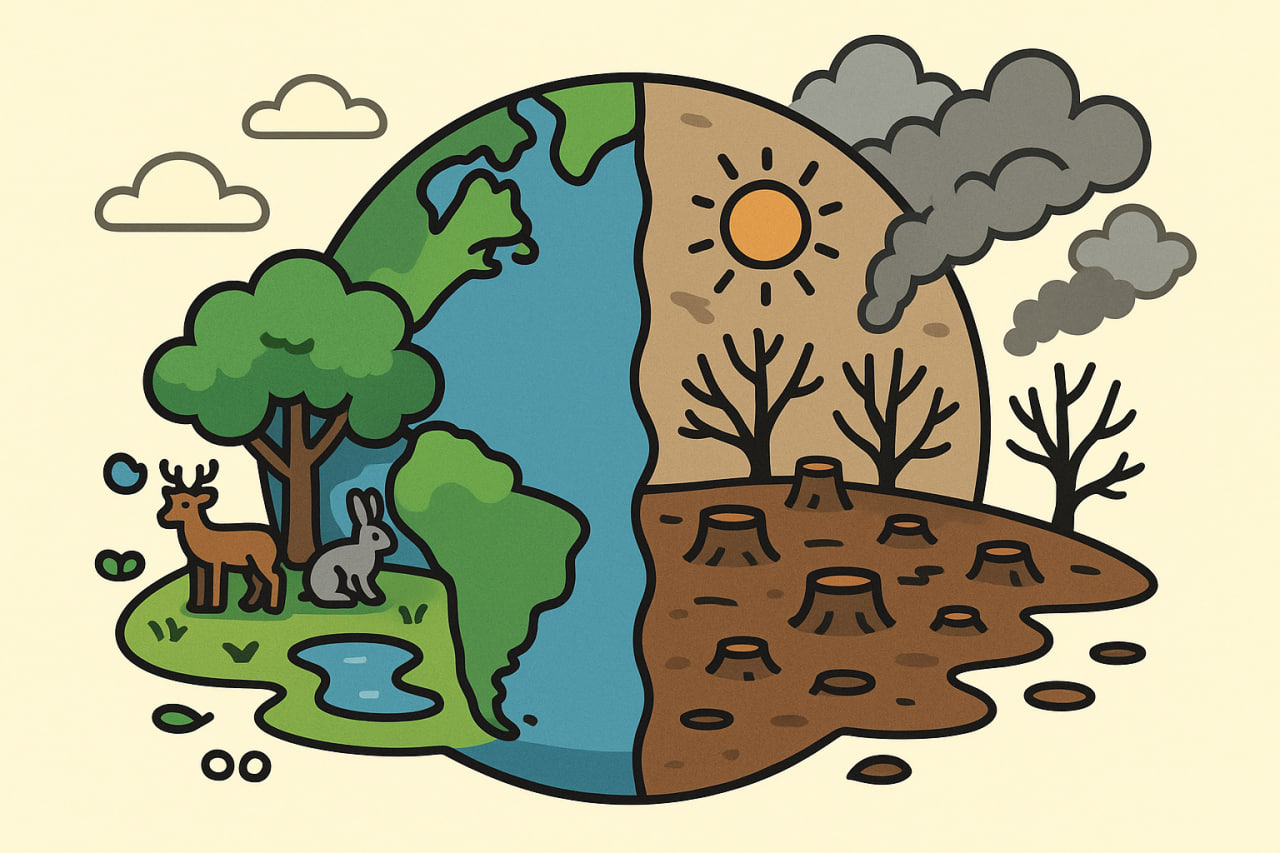
Forests play a critical role in maintaining Earth’s ecosystems. They absorb carbon dioxide and release oxygen, making them the "lungs of the planet.
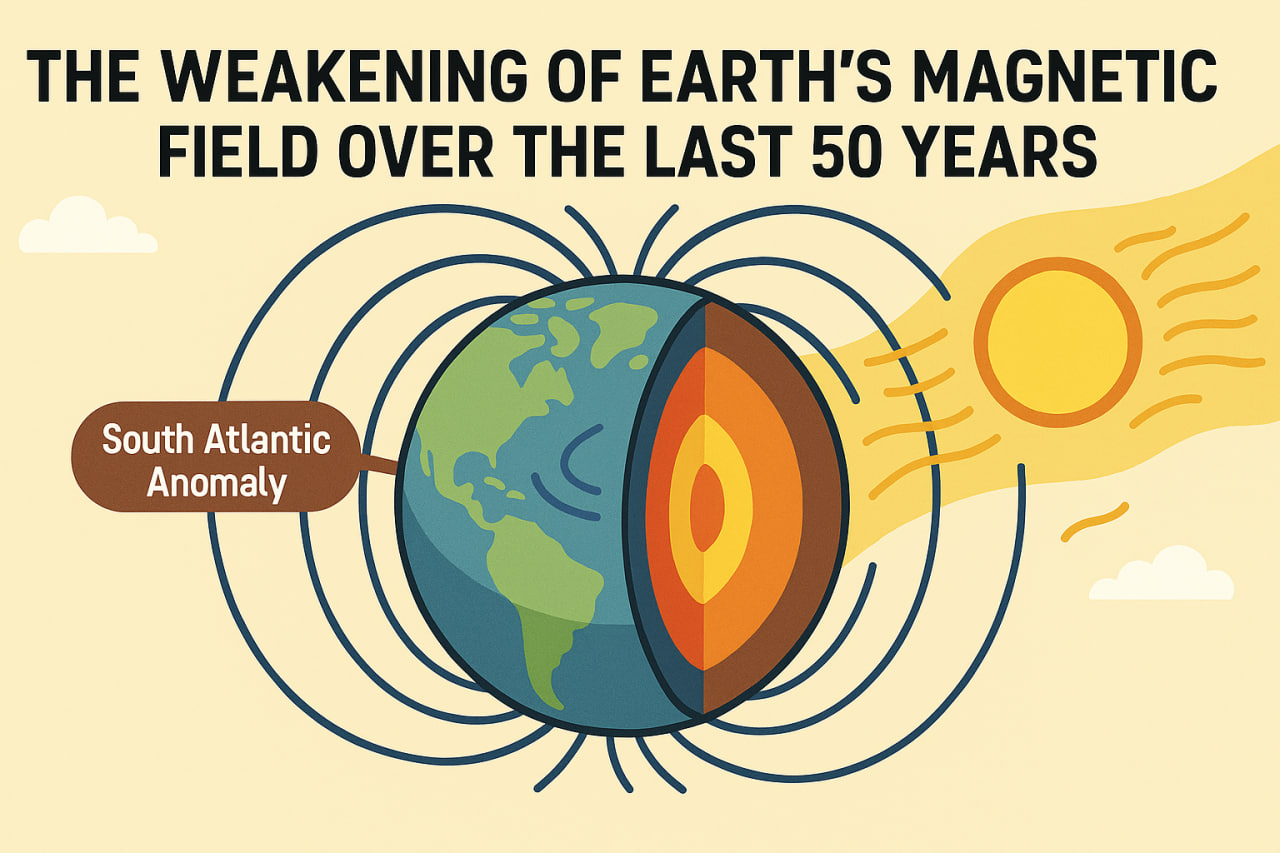
The magnetic field of Earth is generated by the motion of molten iron and nickel in the outer core. This process, called the geodynamo, creates a protective shield around the planet.
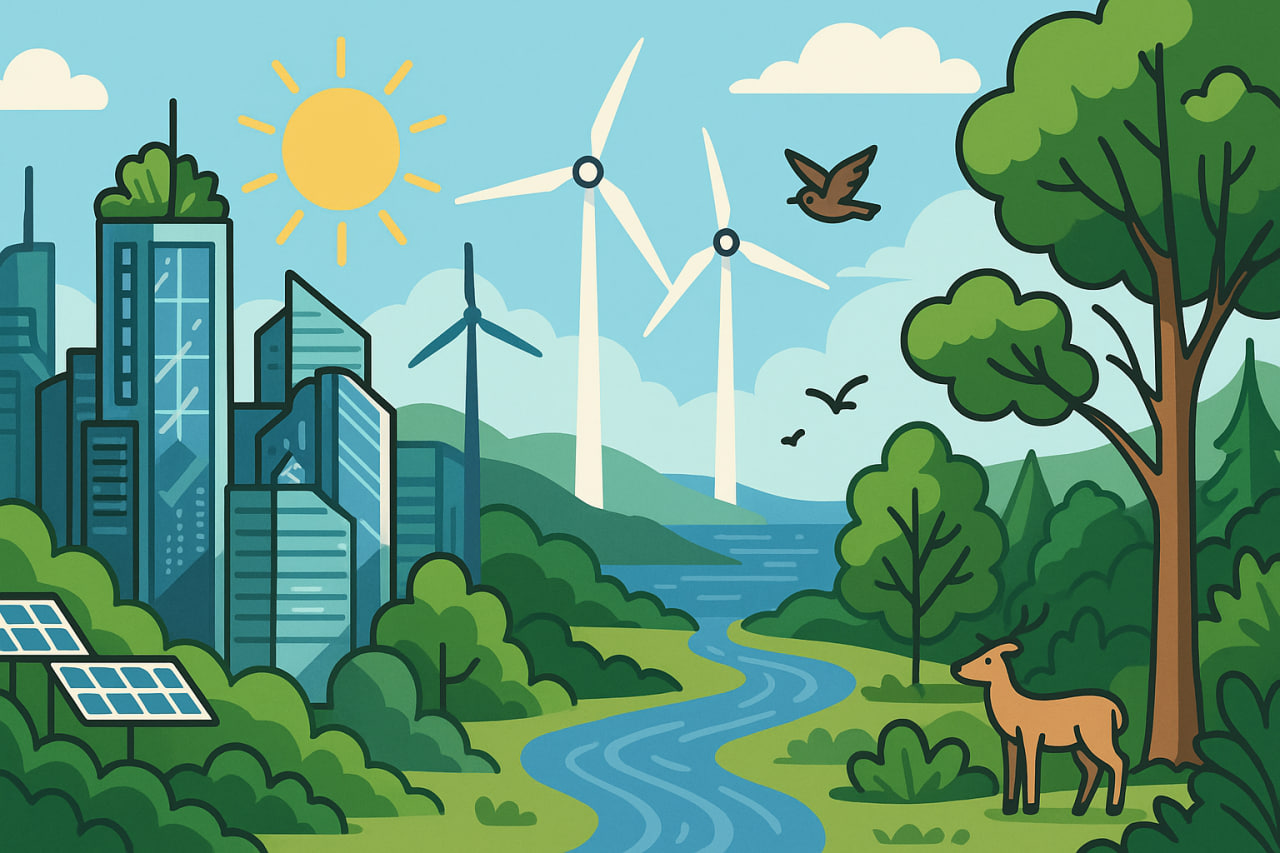
Modern civilization has brought rapid technological progress, but also unprecedented pressure on the environment.
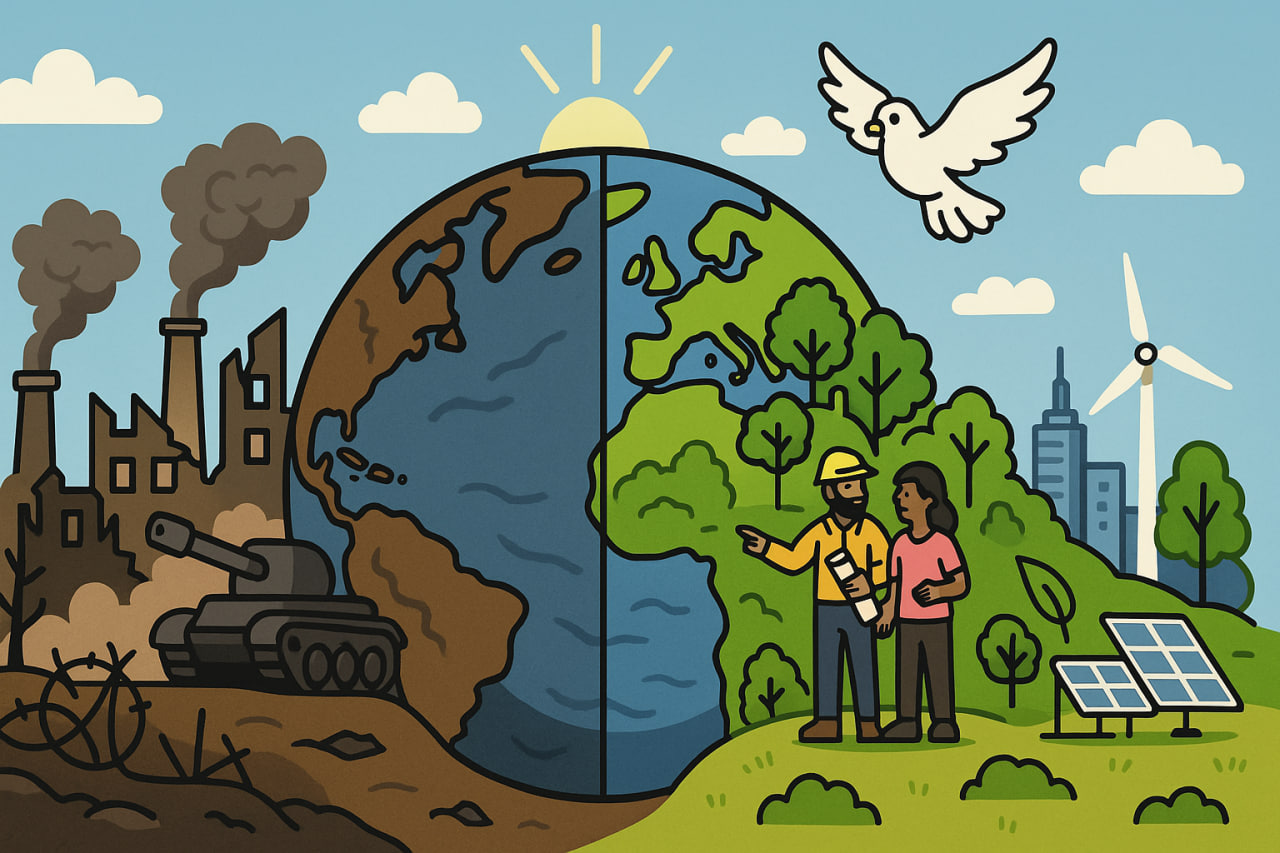
War consumes enormous financial and material resources. If humanity stopped all conflicts, trillions of dollars currently spent on weapons, military operations, and defense could be...
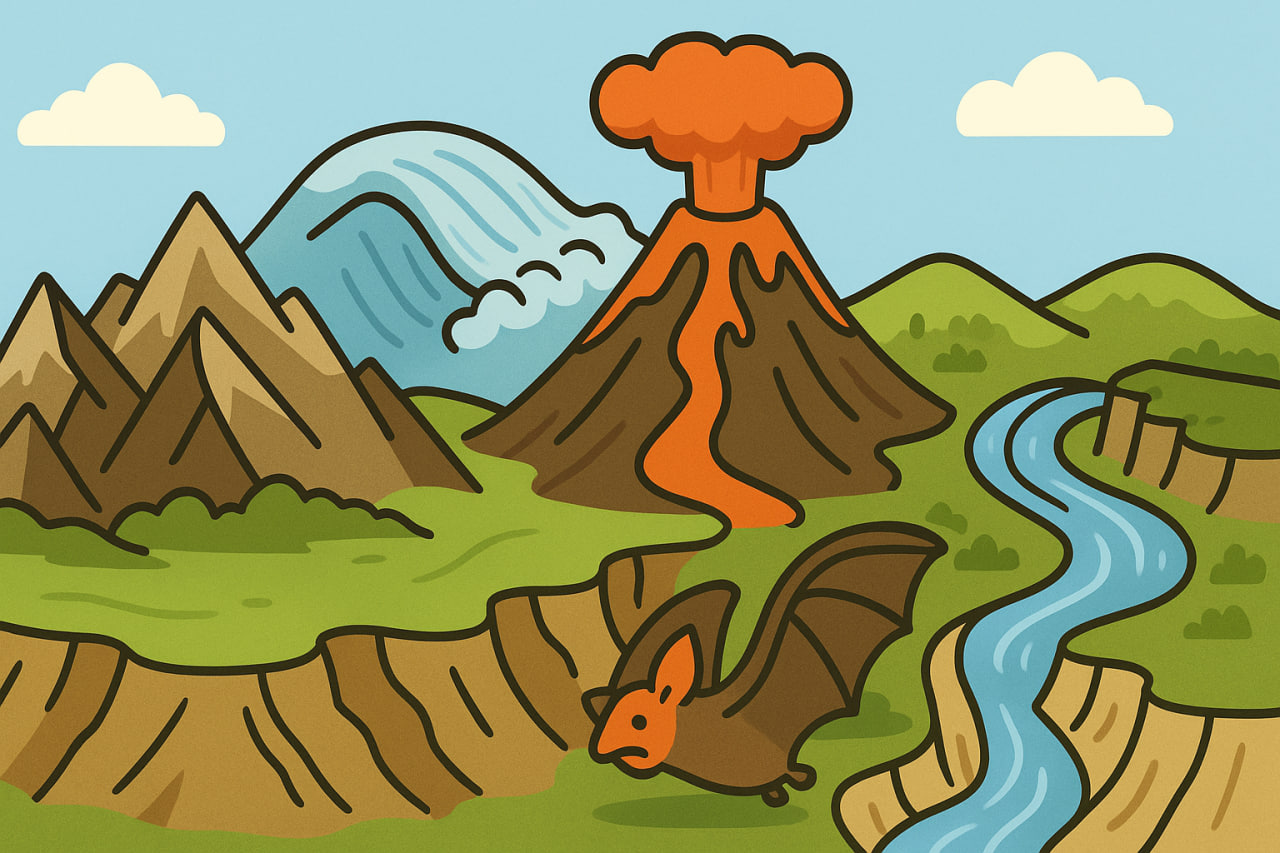
Relief refers to the variations in height and shape of the planet’s surface, including mountains, valleys, plains, and plateaus.
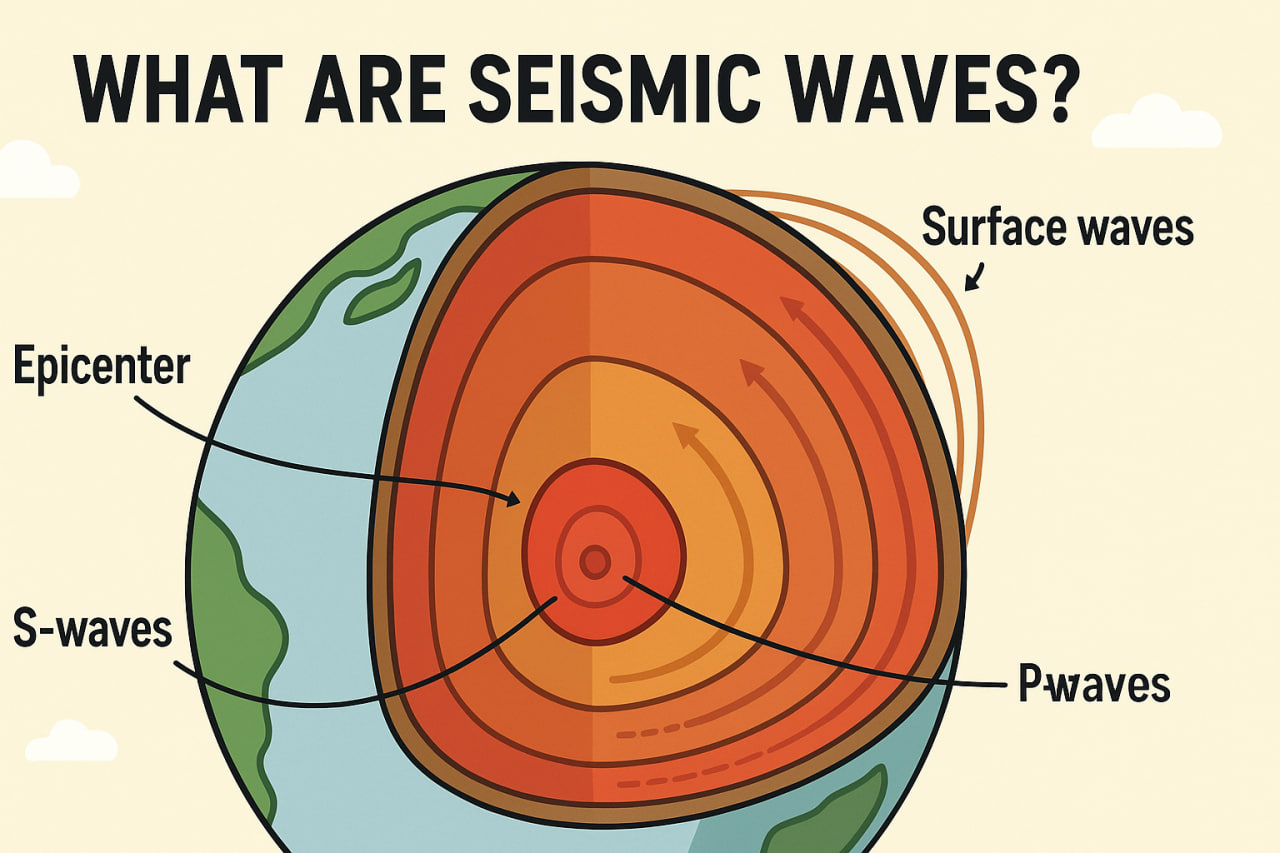
Seismic waves are vibrations that travel through Earth, usually generated by earthquakes, volcanic eruptions, explosions, or other strong disturbances.