
Carbon Dioxide: How Human Emissions Influence Its Atmospheric Concentration
Carbon dioxide (CO₂) is a naturally occurring greenhouse gas in Earth’s atmosphere. It plays a crucial role in regulating global temperature by trapping heat from the Sun.
Useful articles about nature and the world around us
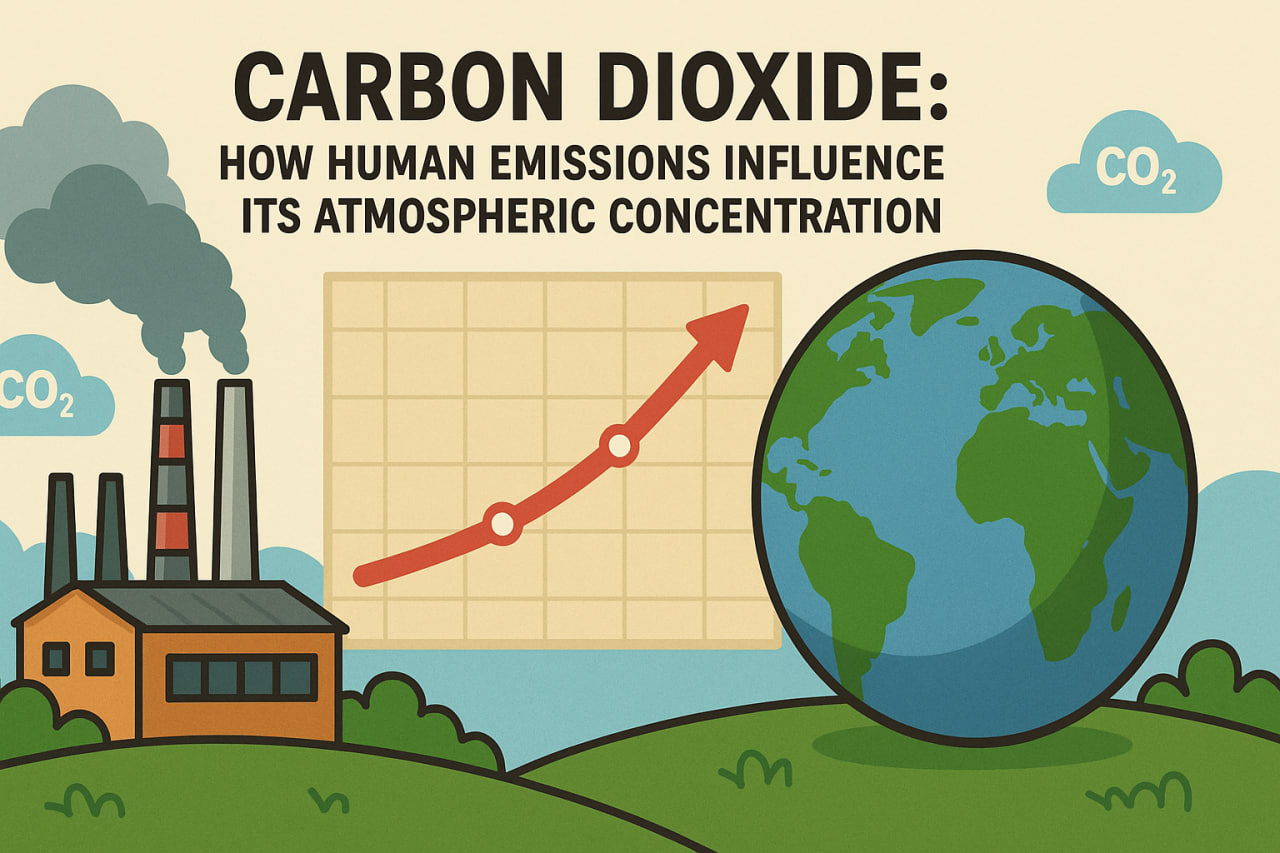
Carbon dioxide (CO₂) is a naturally occurring greenhouse gas in Earth’s atmosphere. It plays a crucial role in regulating global temperature by trapping heat from the Sun.
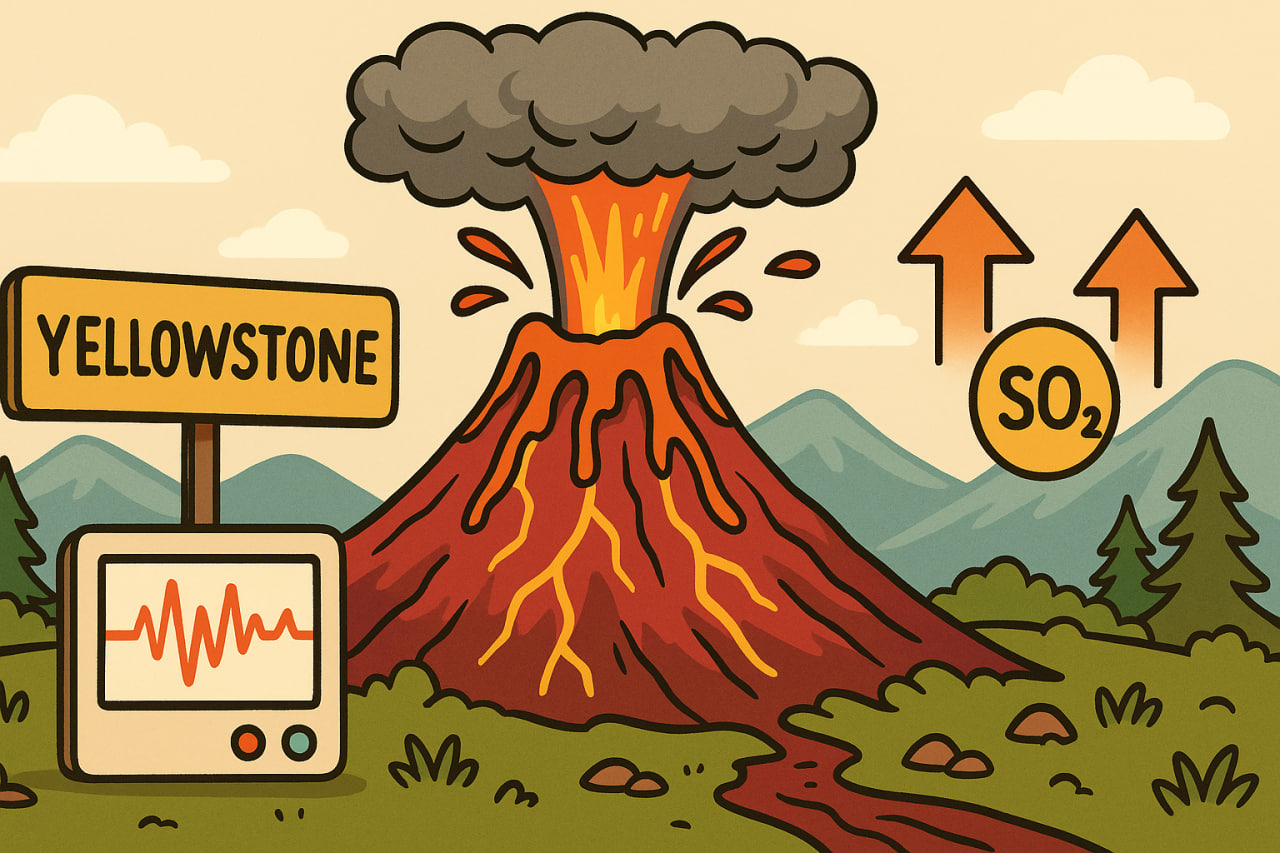
The Yellowstone supervolcano, located in Wyoming, USA, is one of the largest and most closely monitored volcanic systems in the world.
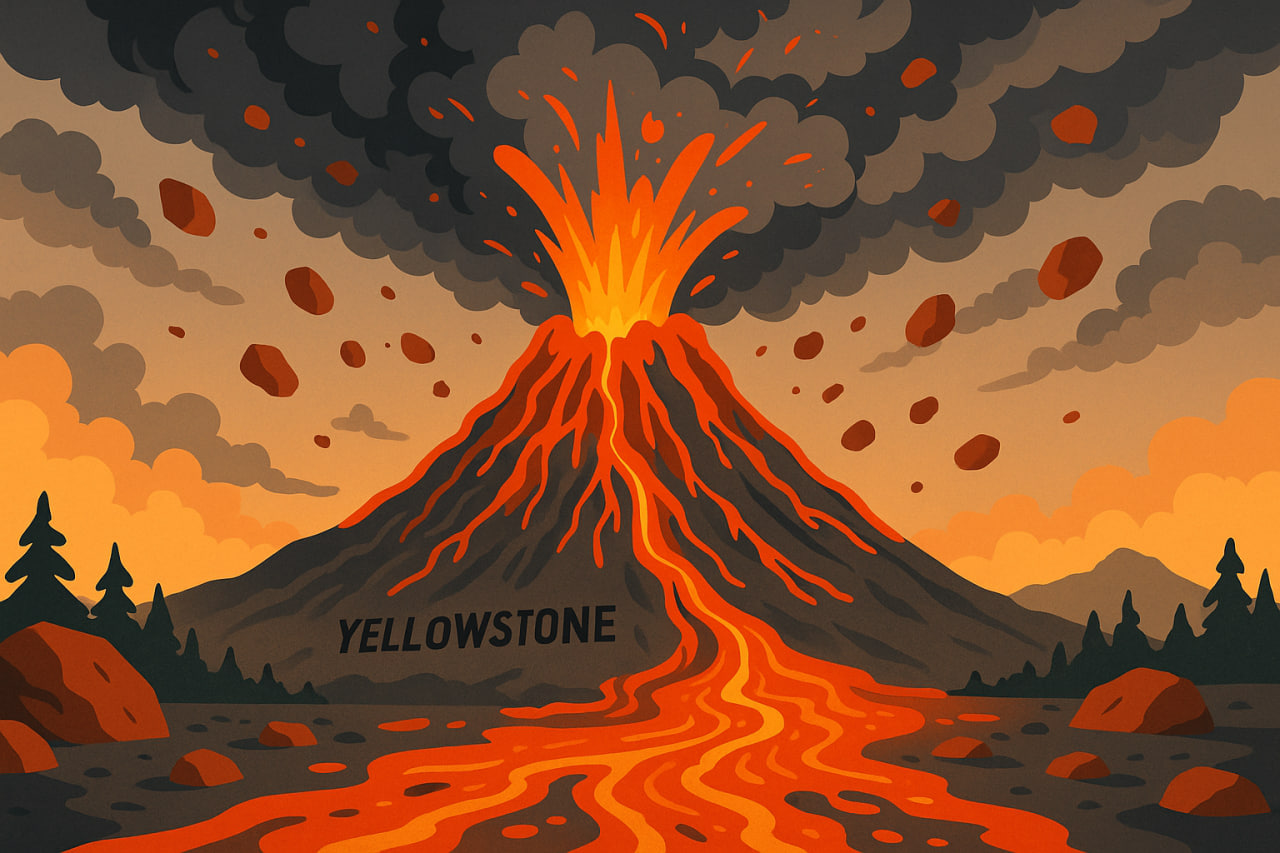
The Yellowstone supervolcano is capable of producing eruptions thousands of times larger than typical volcanoes.
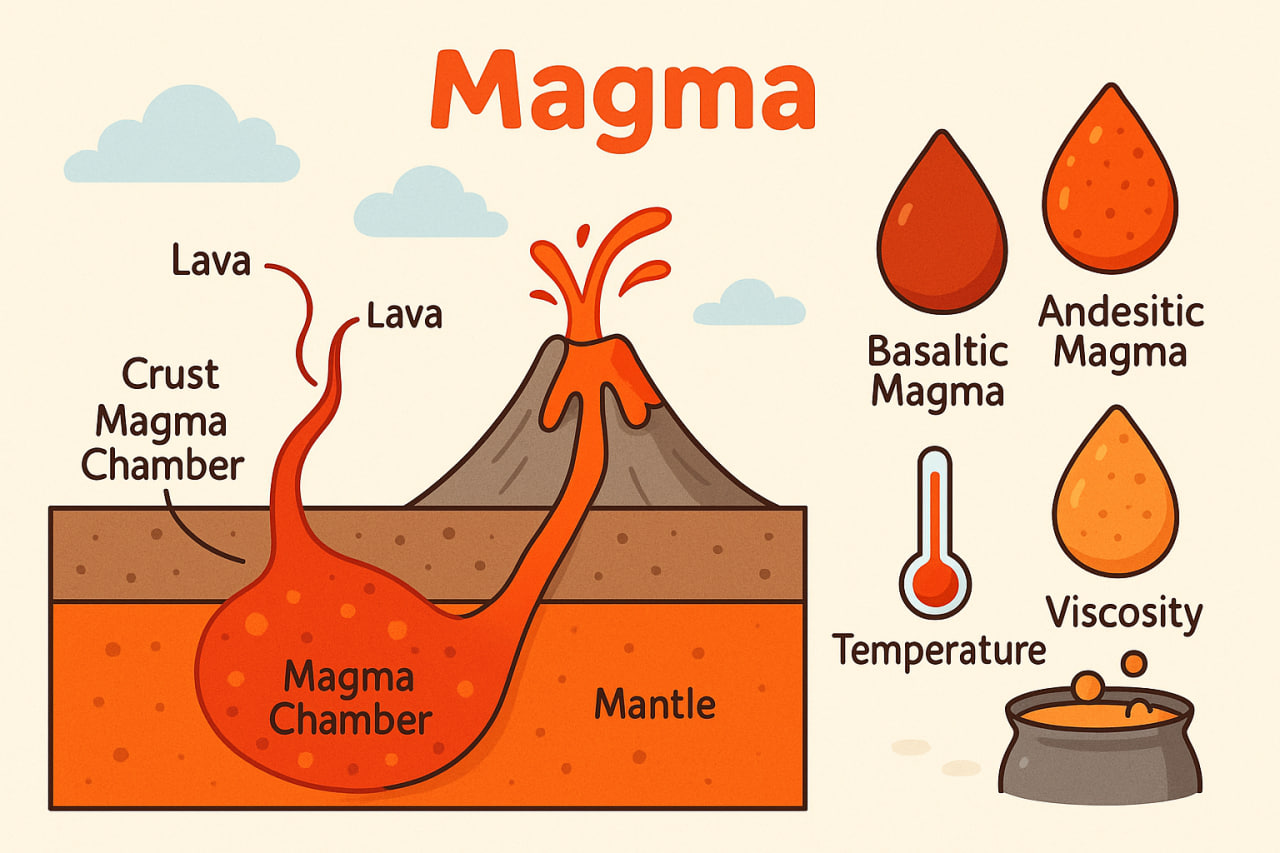
Magma is molten or partially molten rock located beneath the Earth’s surface. It forms deep underground where high temperatures and pressures cause solid rock to melt.
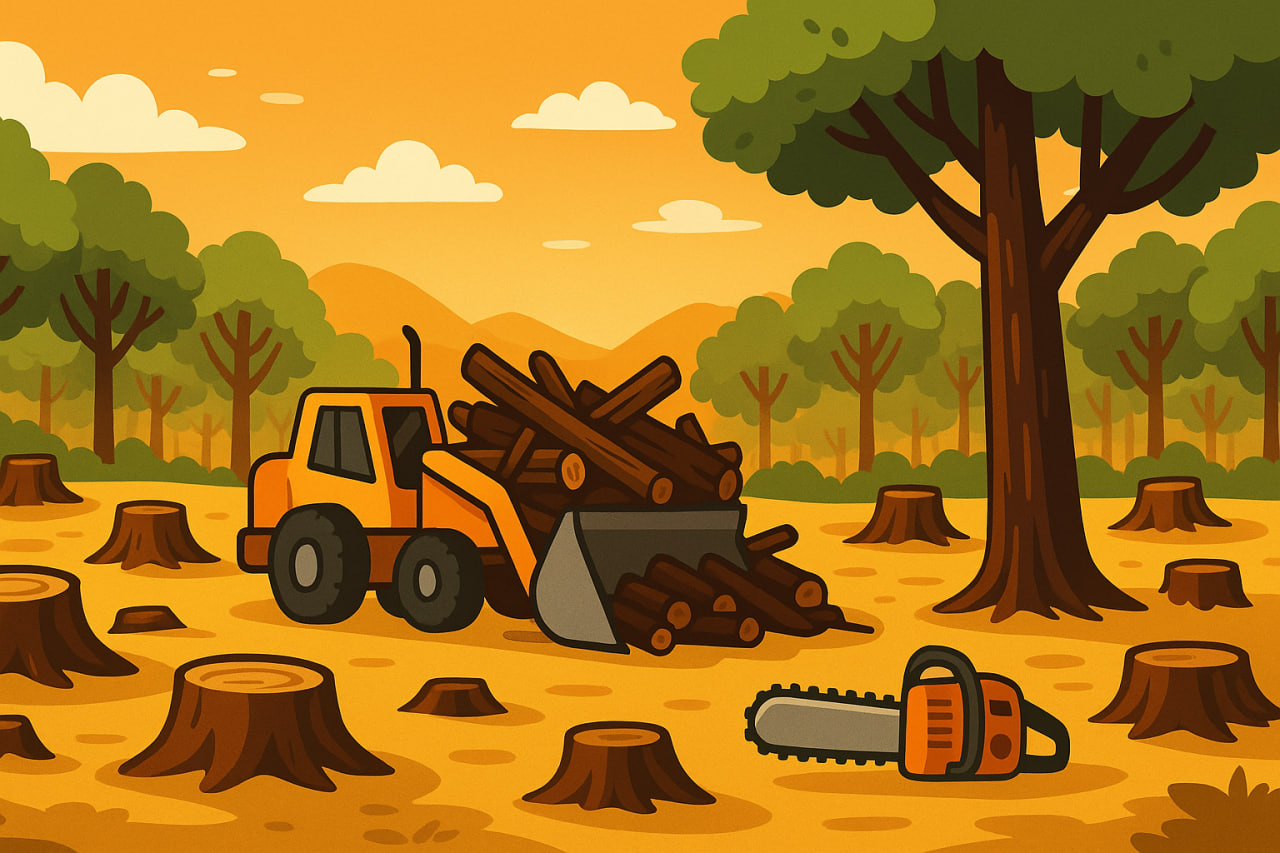
Deforestation is the large-scale removal of forests, usually to clear land for agriculture, urban development, or industrial use.
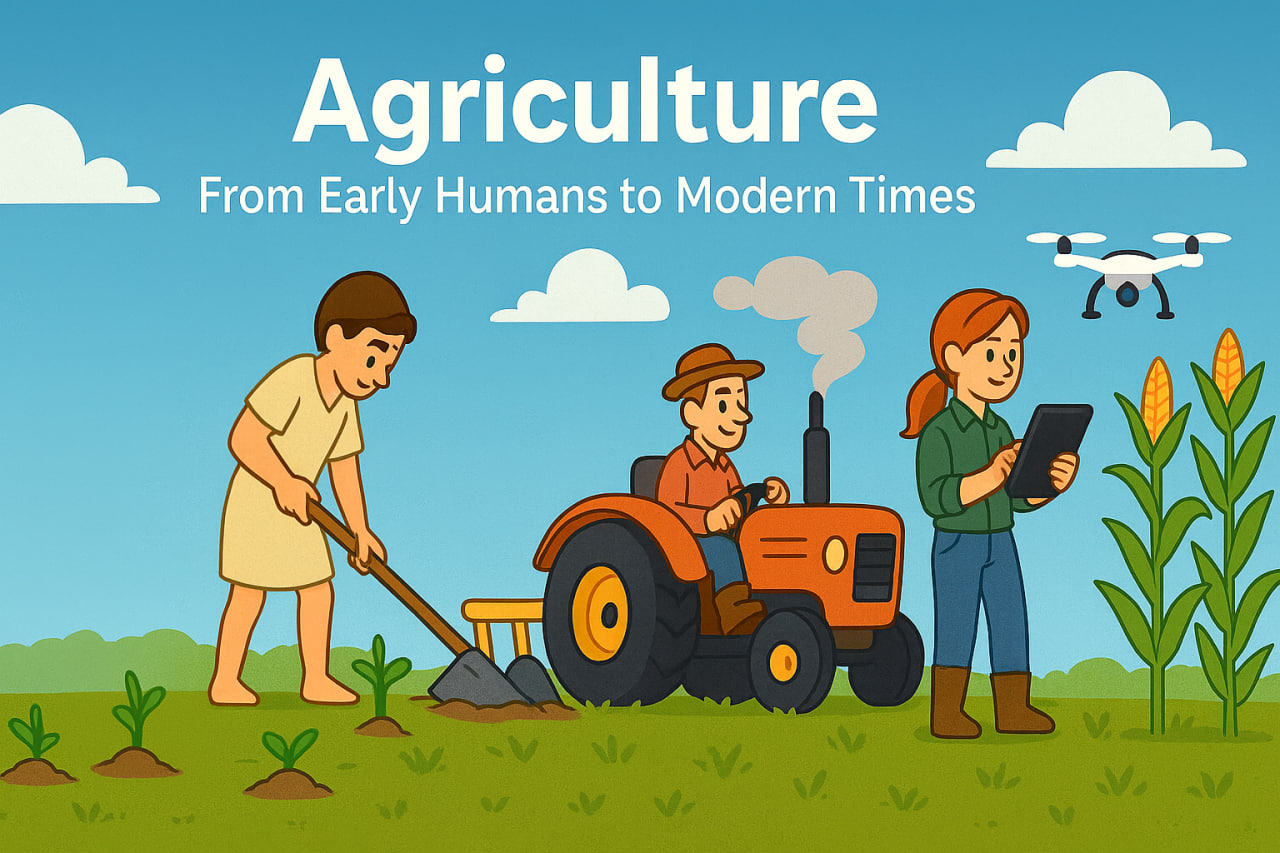
As far as we know today аgriculture began around 10,000 years ago during the Neolithic Revolution.
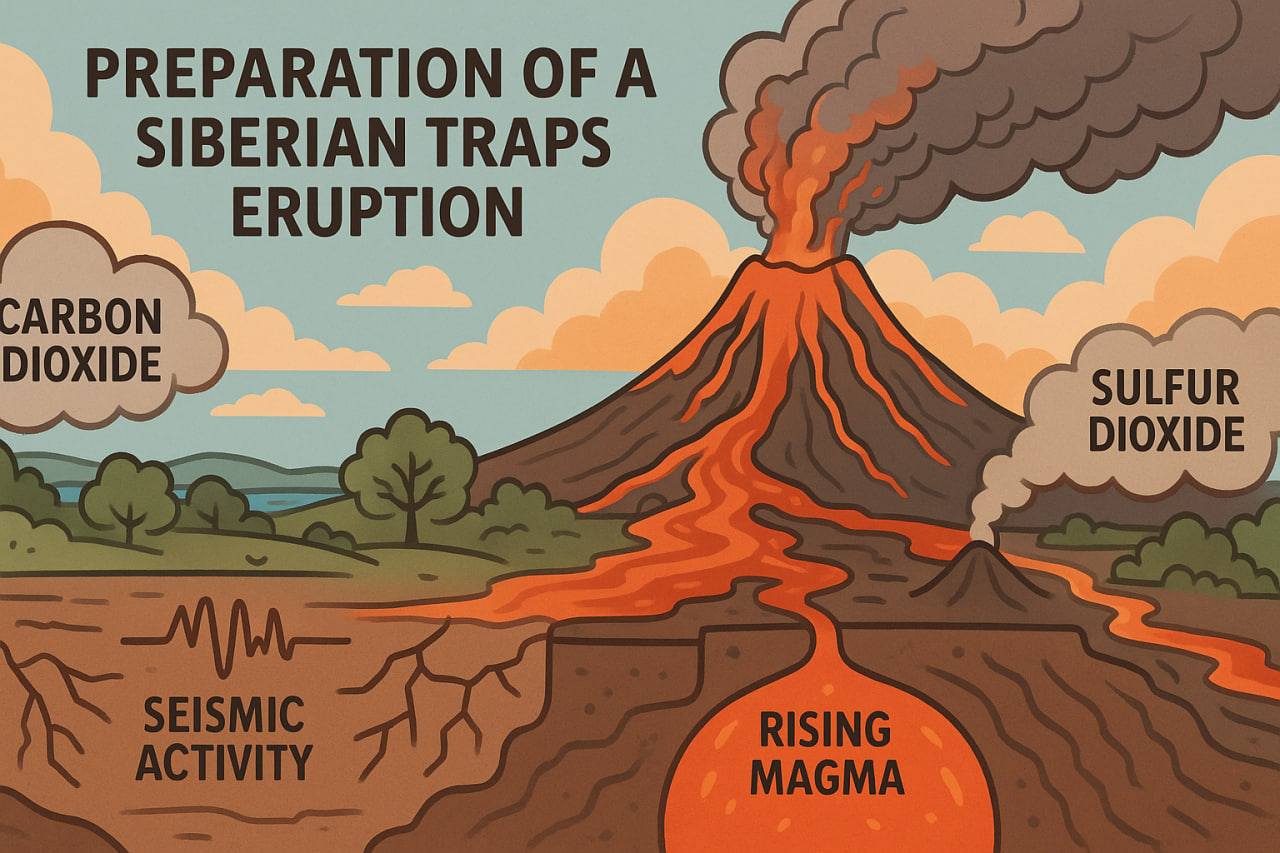
The Siberian Traps are one of the largest large igneous provinces on Earth, located in present-day Siberia, Russia.
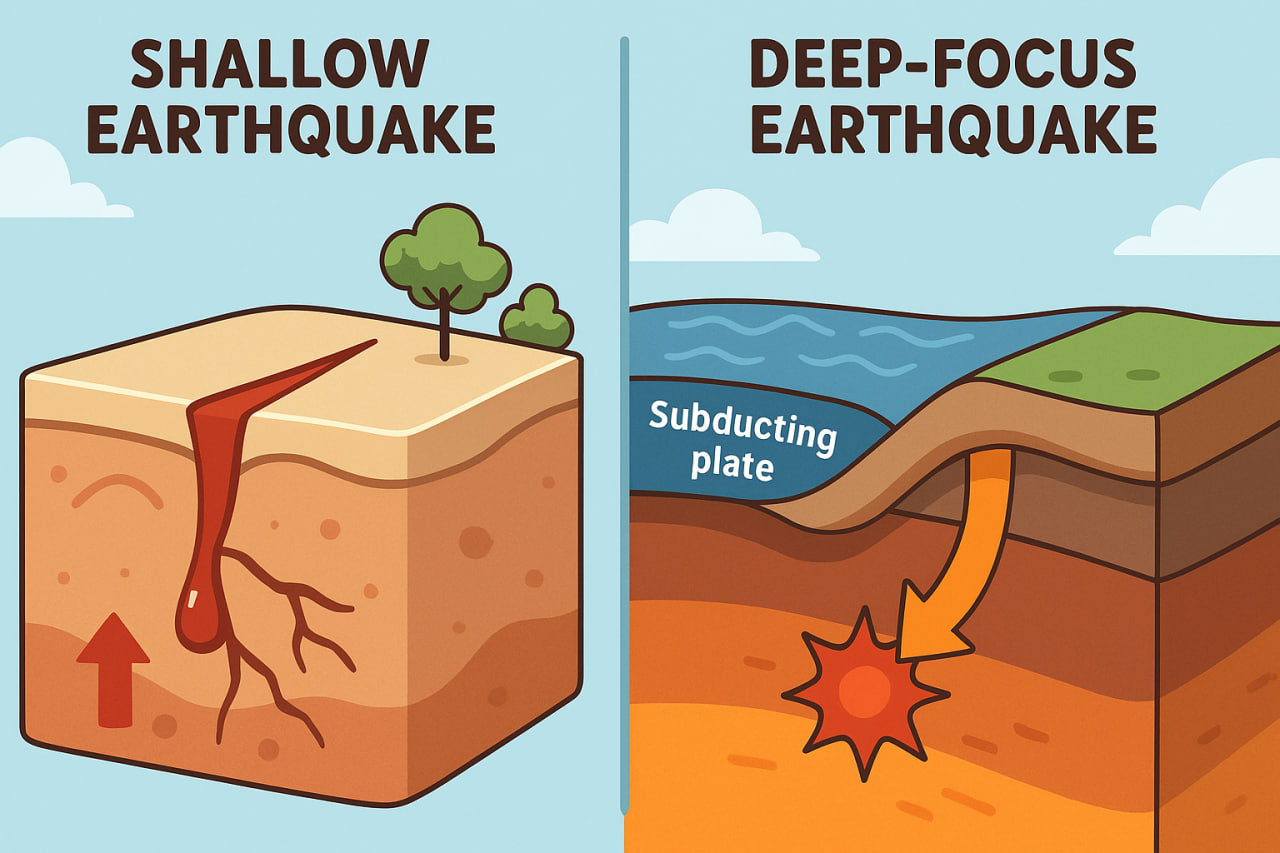
Earthquakes are sudden releases of energy in the Earth’s crust or mantle, producing seismic waves.
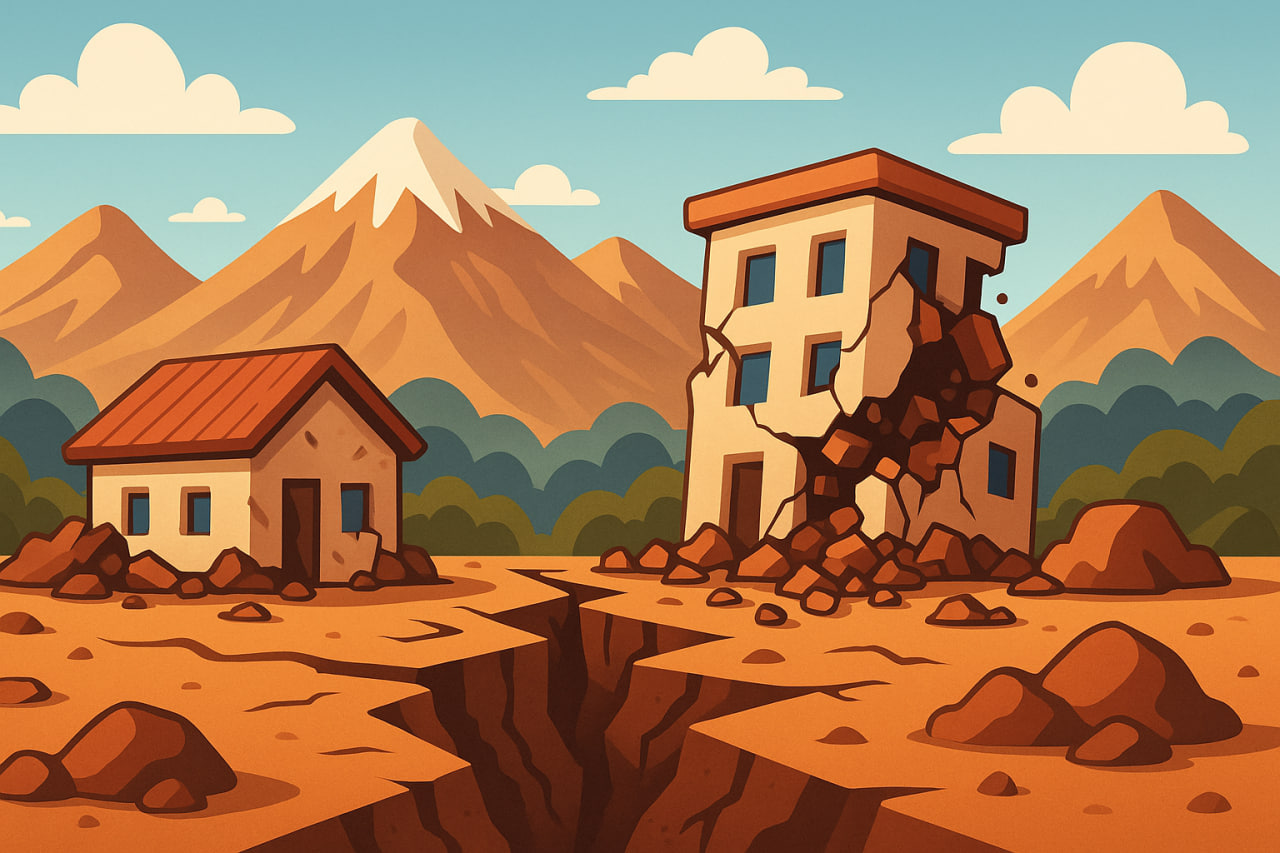
Afghanistan is one of the most seismically active regions in Asia, and devastating earthquakes have been part of its history for centuries.
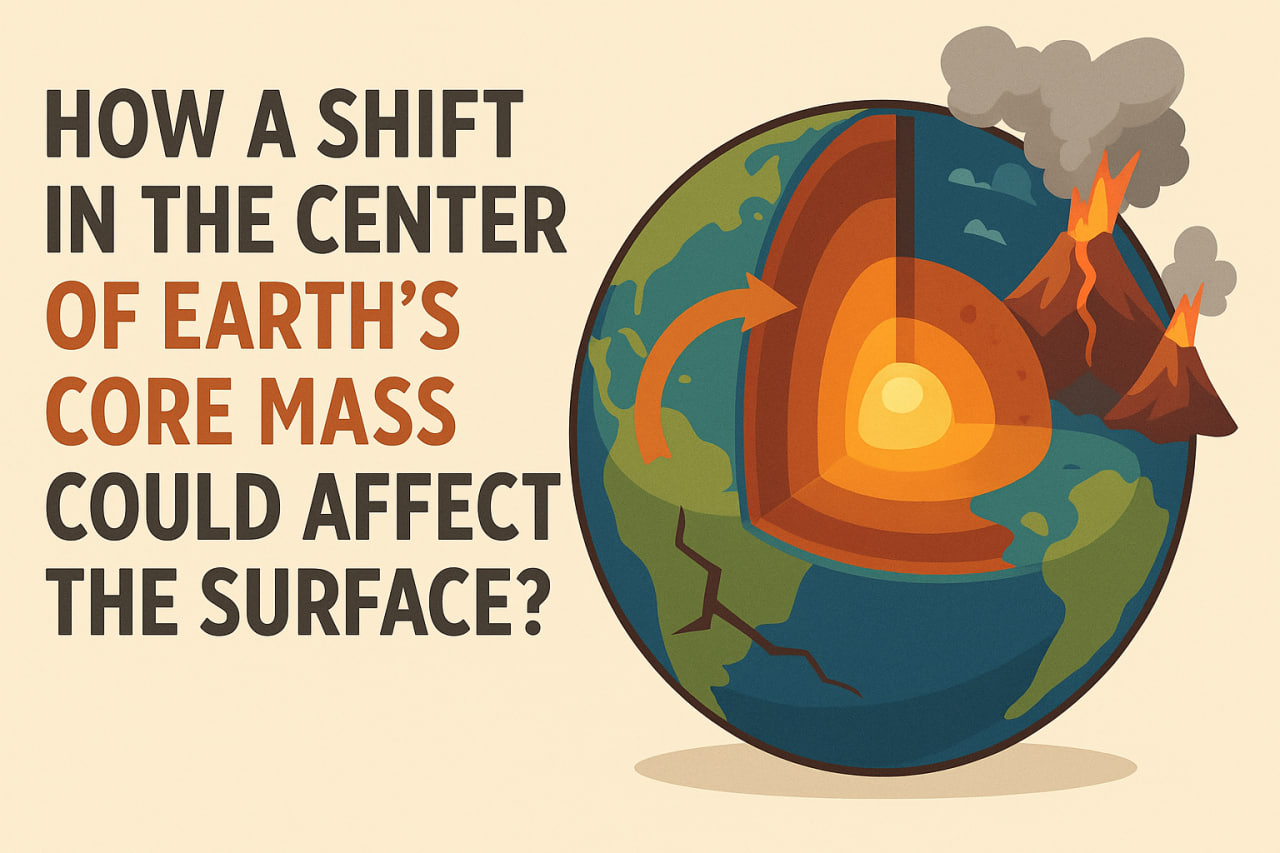
The Earth’s core plays a crucial role in maintaining the planet’s balance, magnetic field, and internal stability.