
What Is Climate? Understanding Earth’s Long-Term Environmental Patterns
Climate is the long-term pattern of temperature, humidity, atmospheric pressure, wind, precipitation, and seasonal changes in a particular region or across the entire planet.
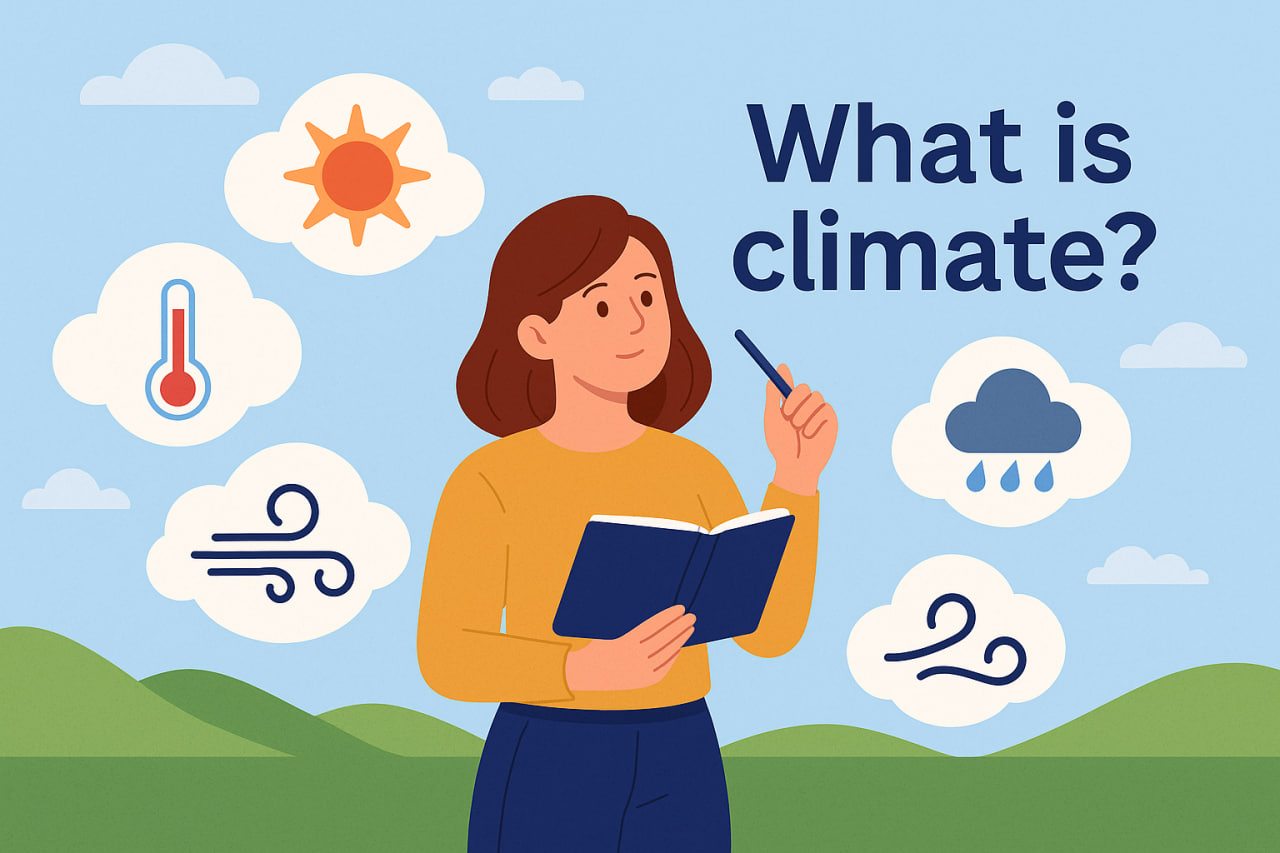
Climate is the long-term pattern of temperature, humidity, atmospheric pressure, wind, precipitation, and seasonal changes in a particular region or across the entire planet.
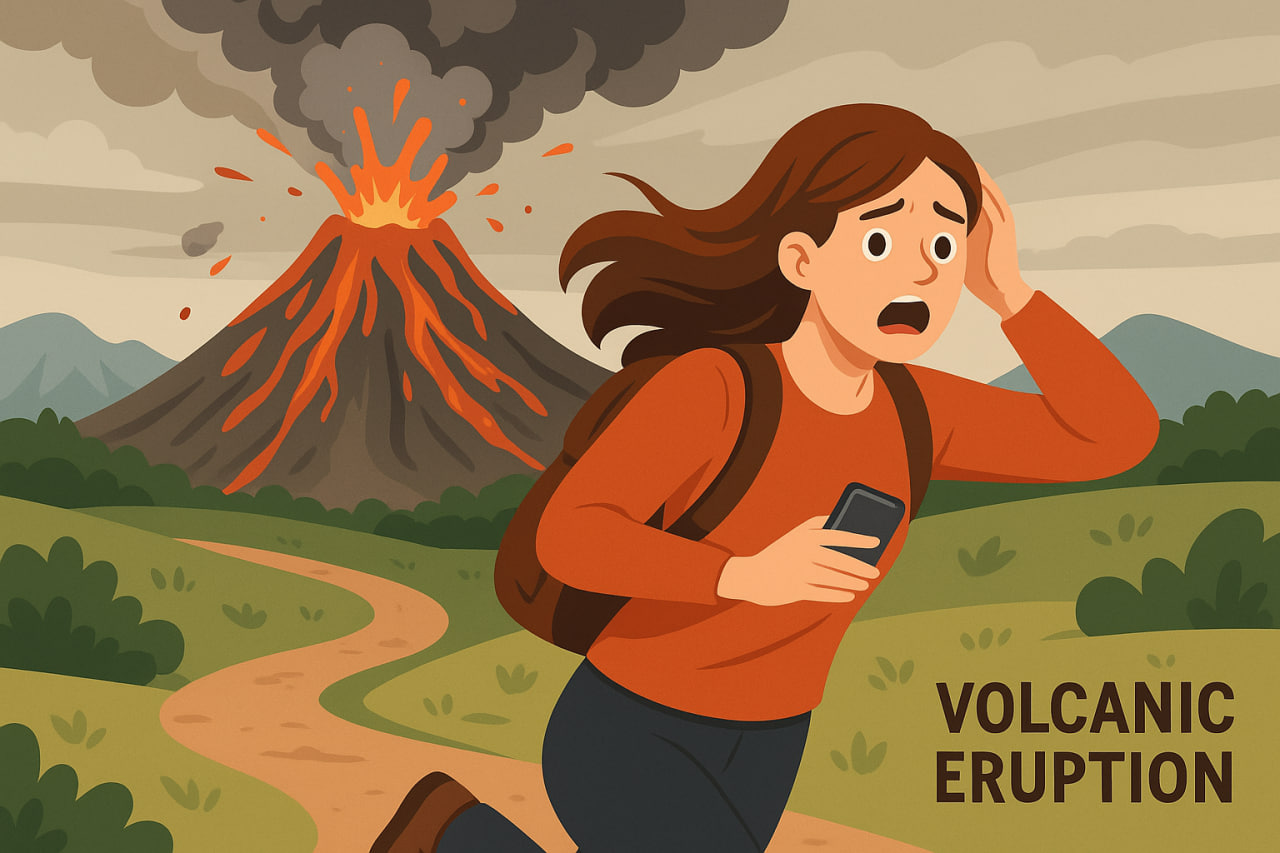
A volcanic eruption is one of the most dangerous natural events on Earth, capable of releasing ash clouds, lava flows, toxic gases, and fast-moving pyroclastic currents.
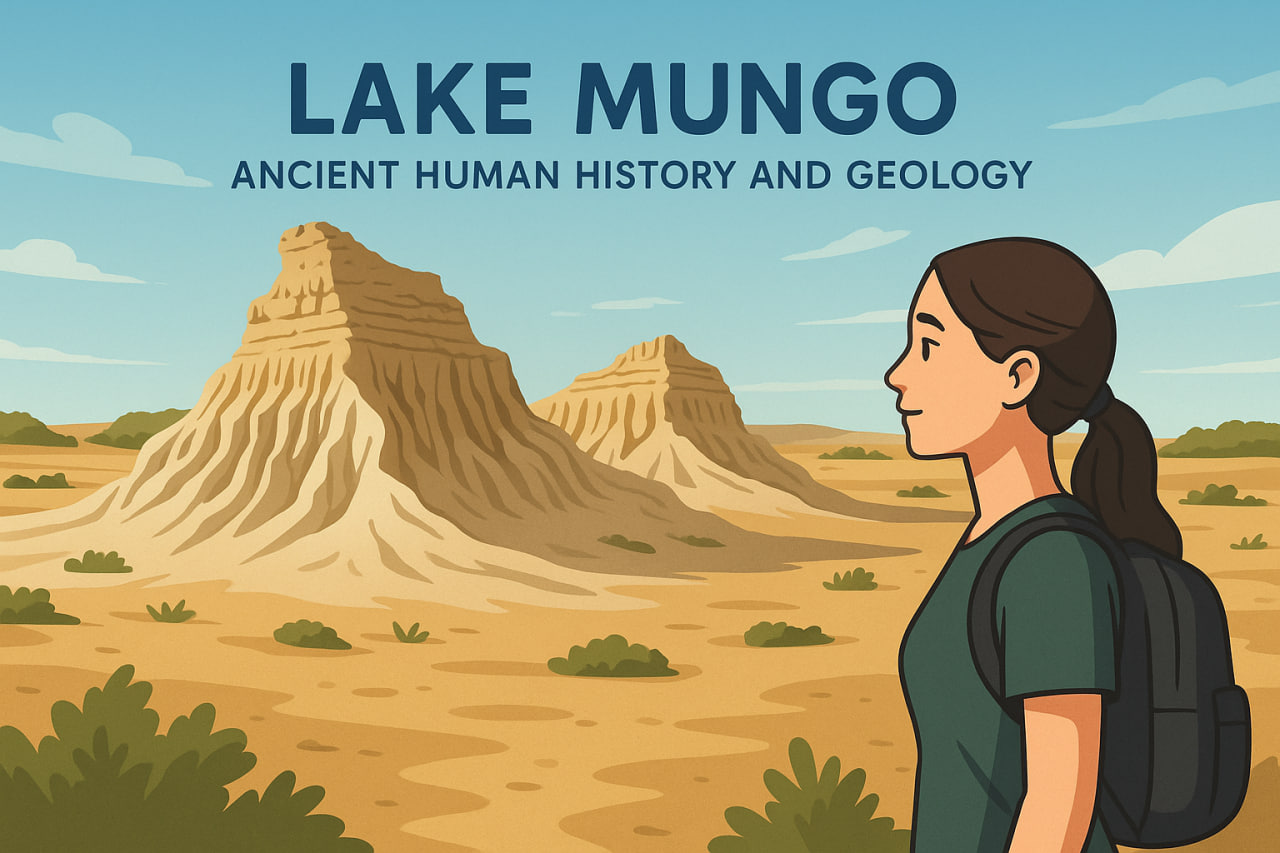
Lake Mungo is one of the most significant archaeological and geological sites in Australia, offering a rare glimpse into the deep past of human civilization.
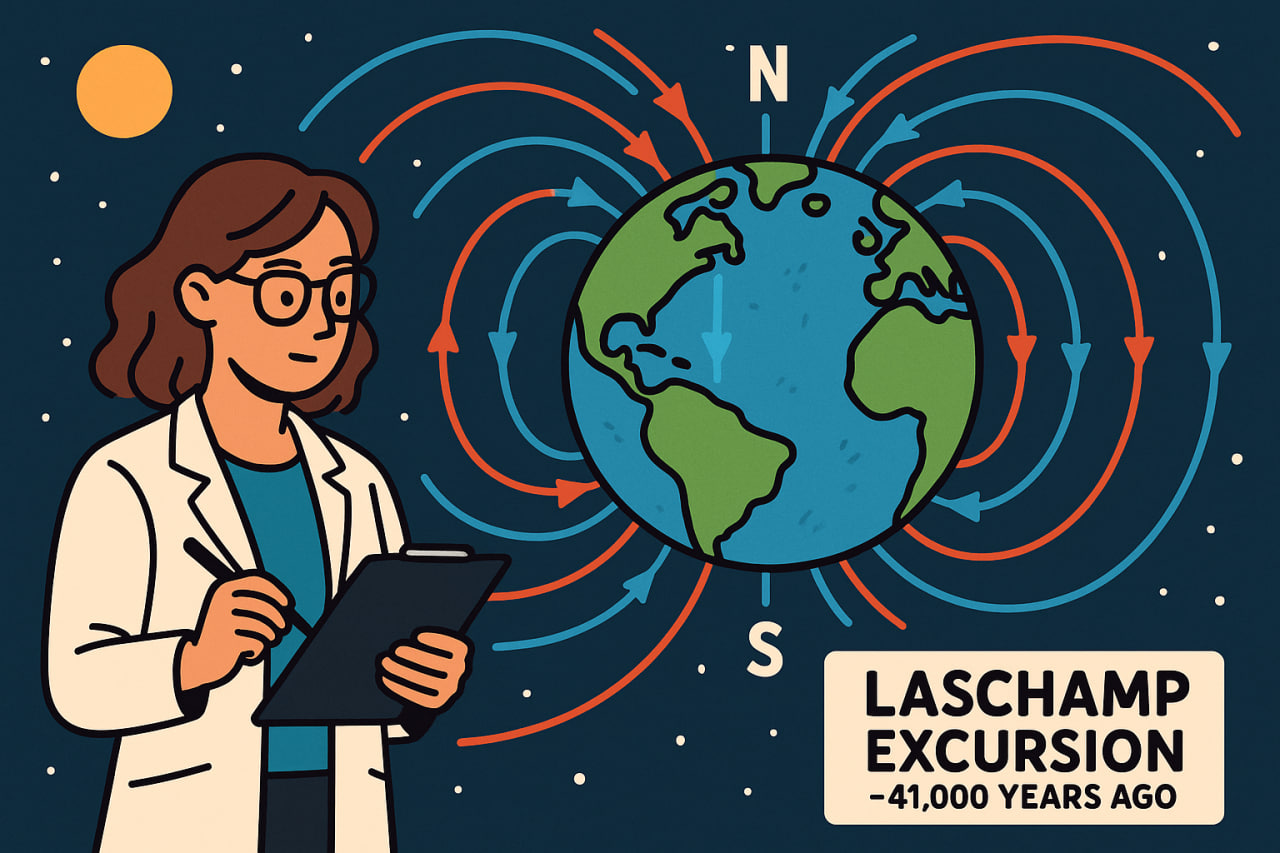
The Laschamp Excursion was a dramatic geomagnetic event that occurred approximately 42,000 years ago, during which Earth’s magnetic field weakened drastically and temporarily reversed its...
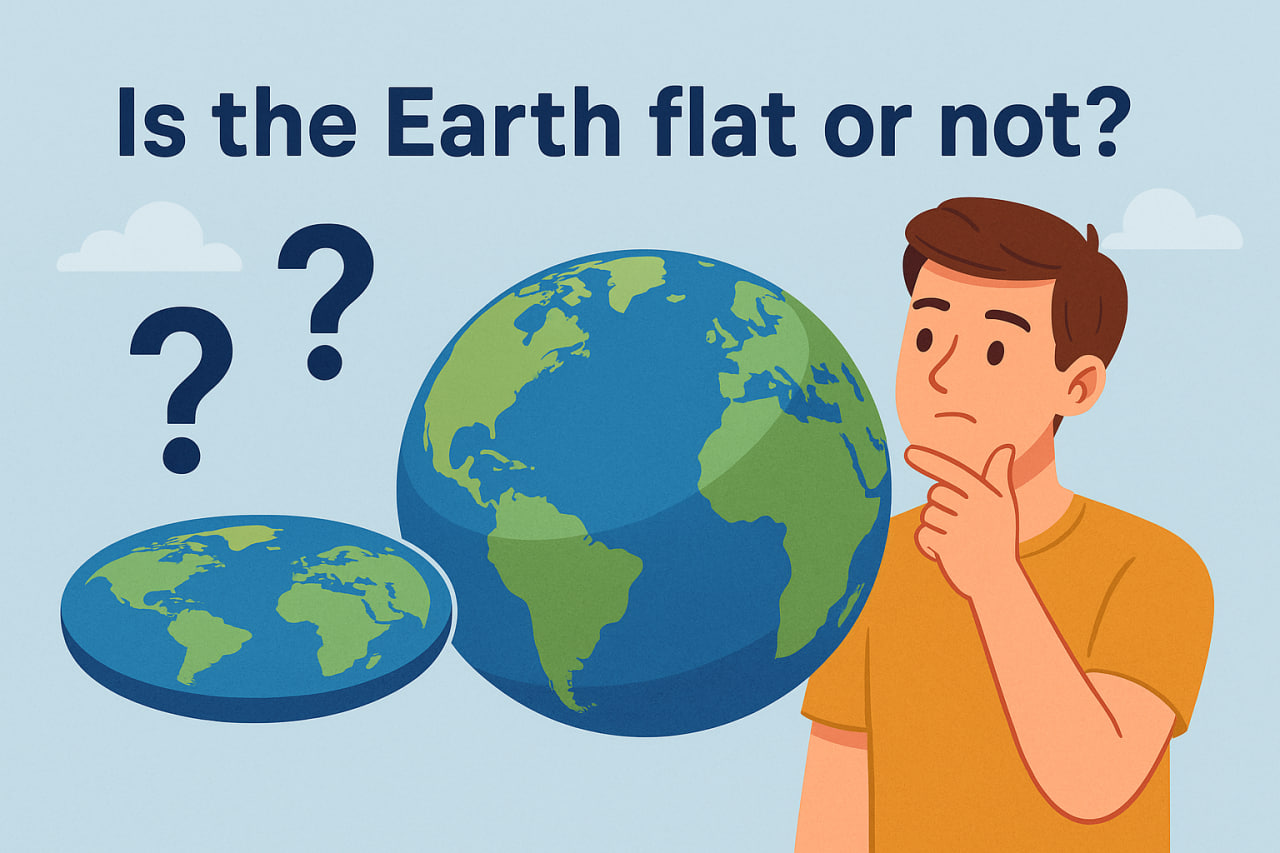
The question of whether the Earth is flat or round has been answered by science for centuries, yet it still appears in modern discussions.
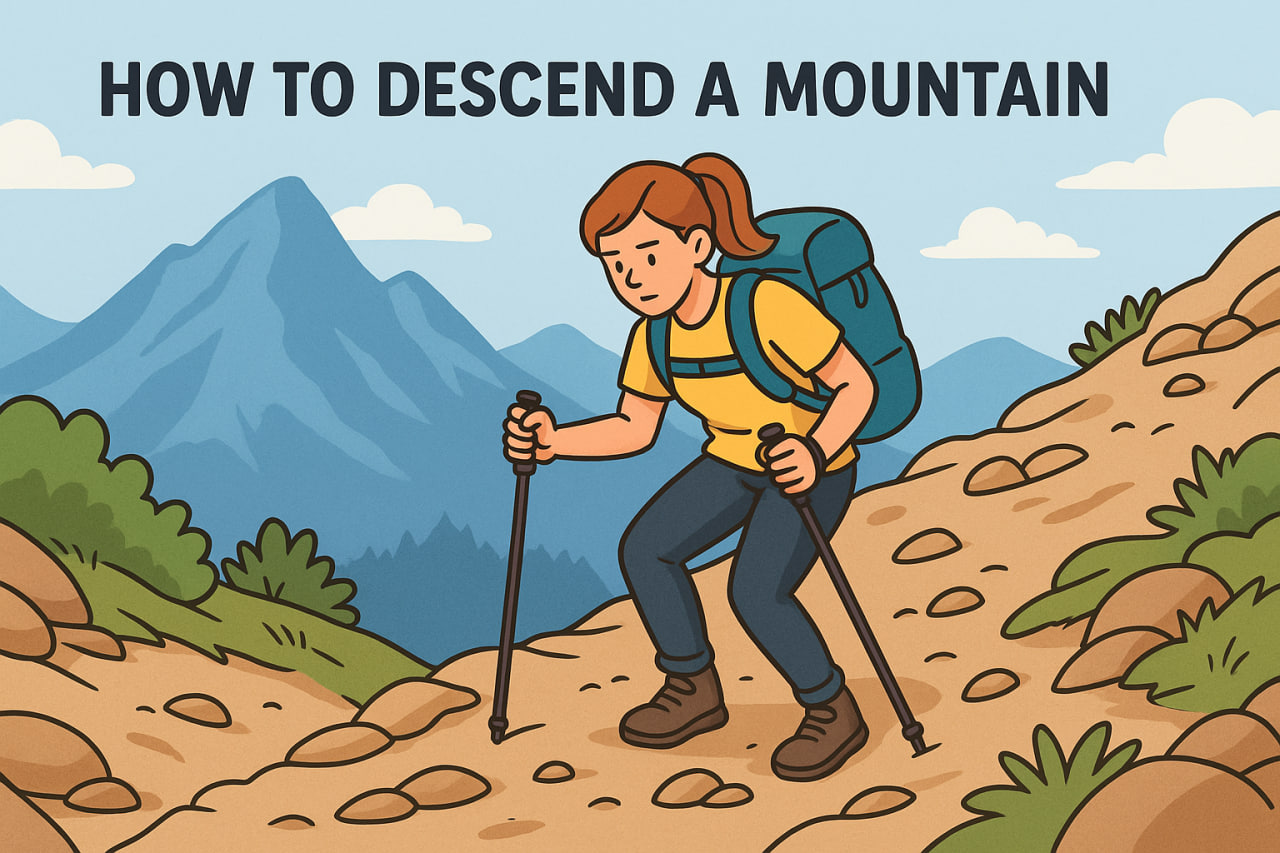
Descending a mountain may seem easier than climbing up, but in reality it is one of the most technically demanding and risky parts of any hike.
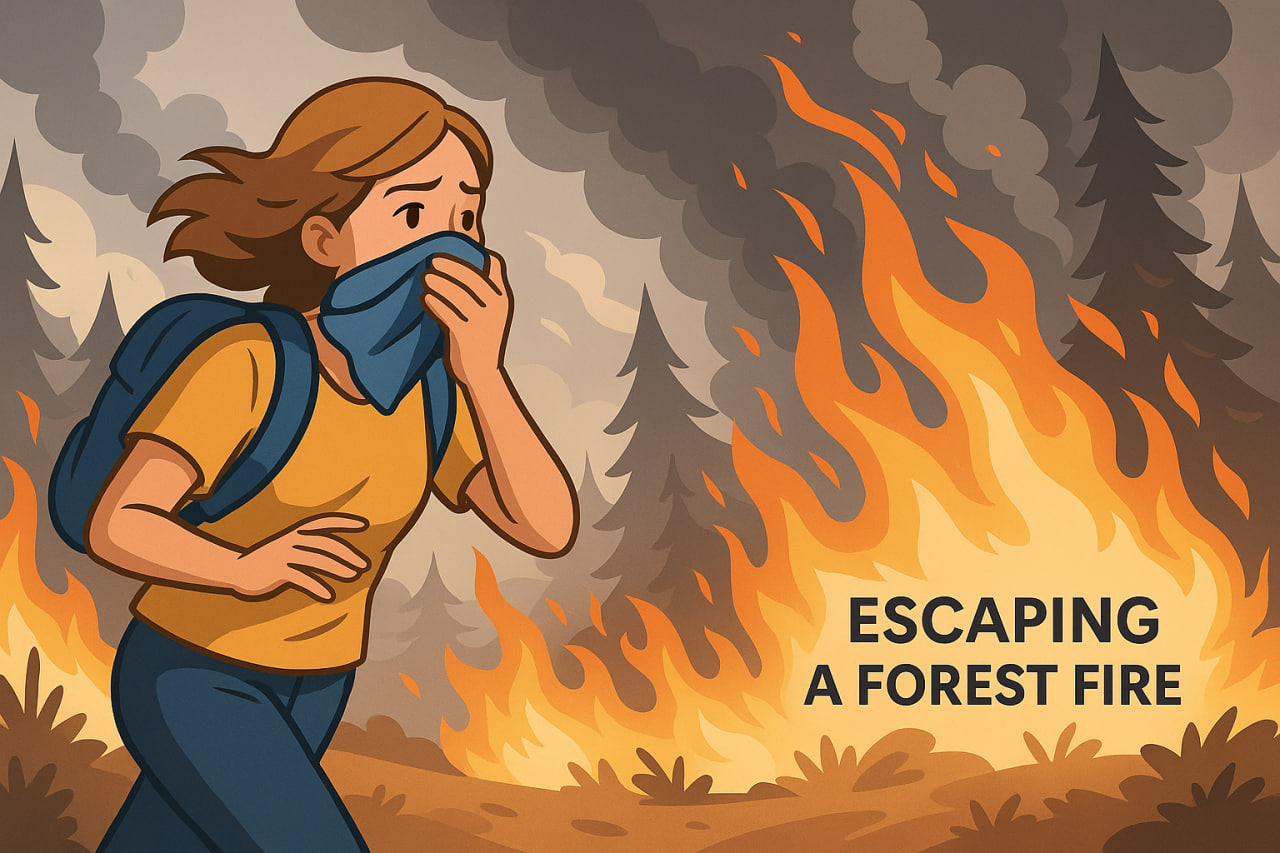
Finding yourself in a forest fire is one of the most dangerous and stressful situations a person can experience.

Although the underwater world may seem silent to the human ear, it is actually filled with an astonishing variety of sounds — including the singing of fish.
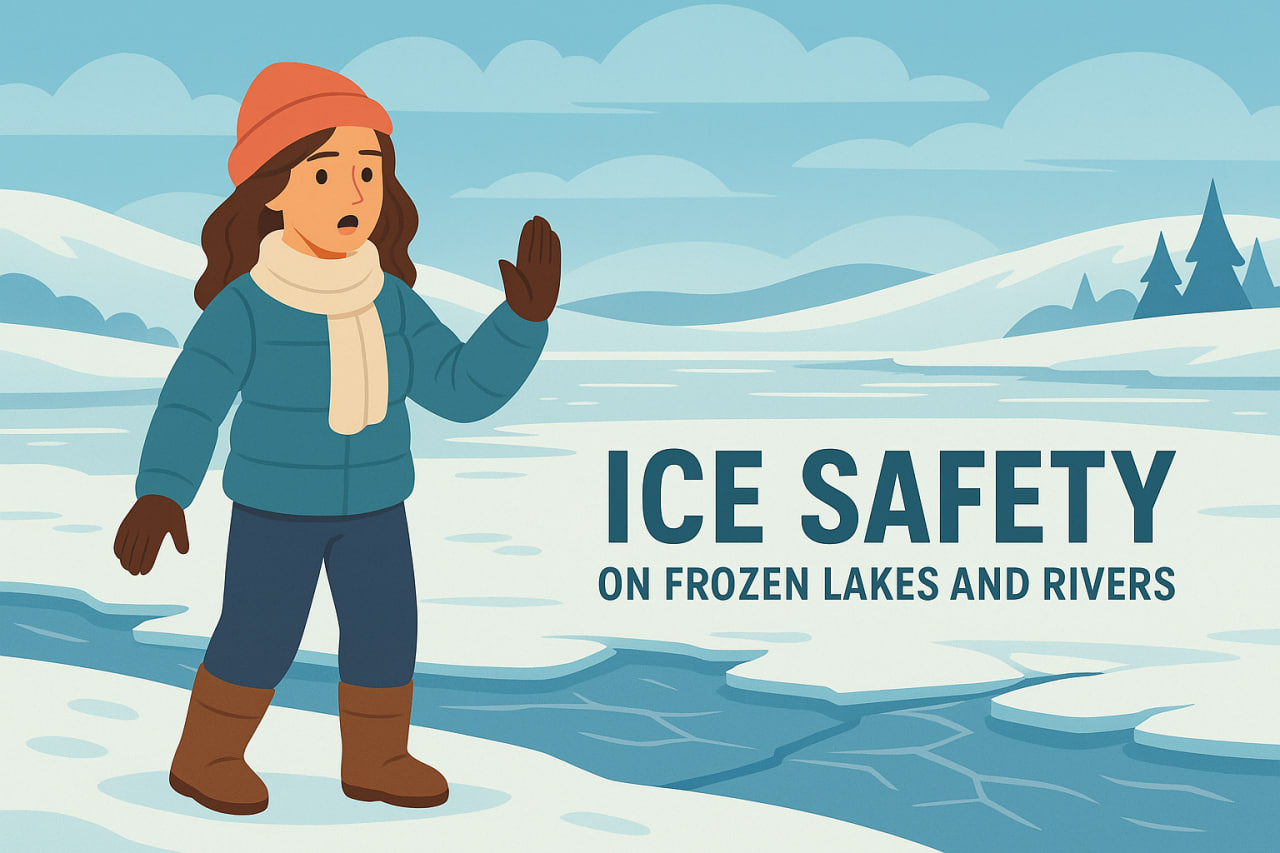
Ice safety is an essential topic for anyone who spends time near frozen lakes, rivers, or ponds during winter.
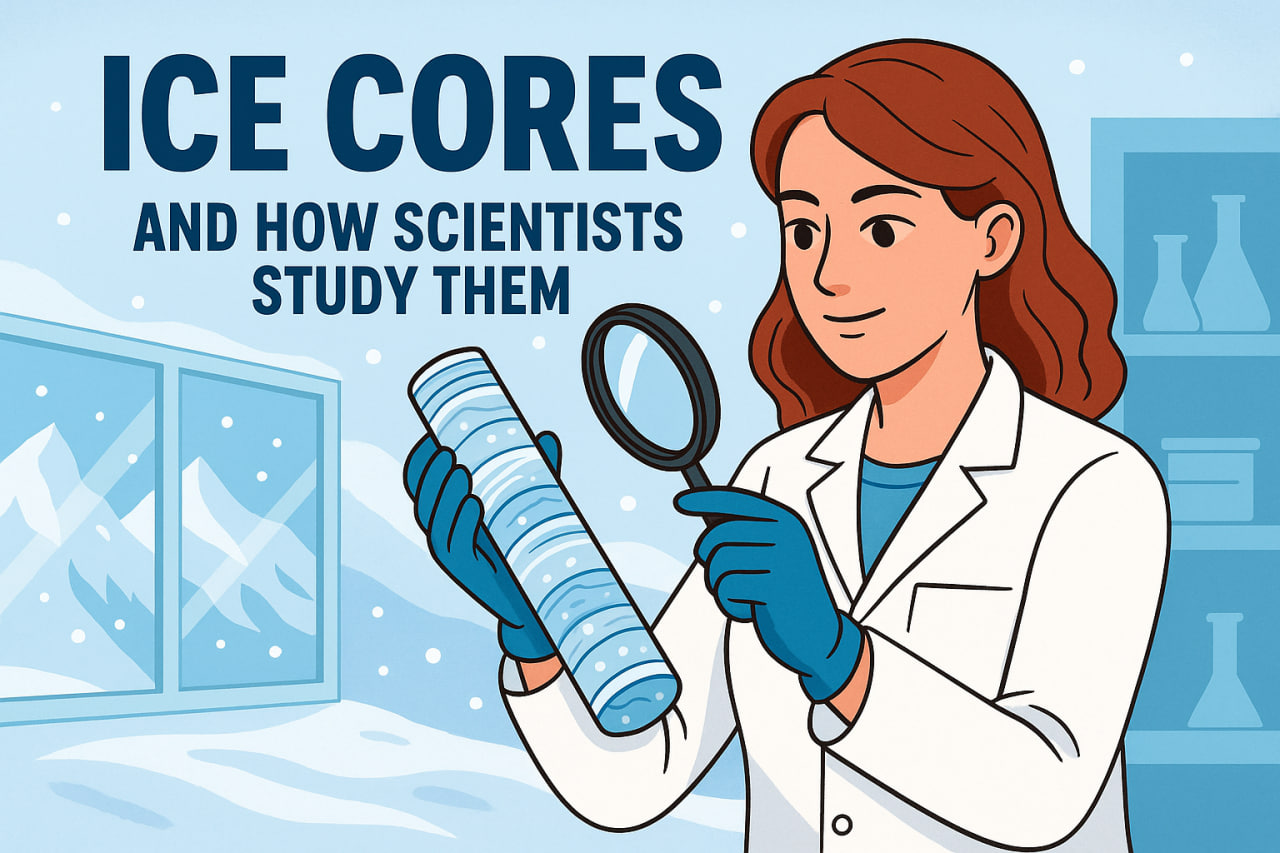
Ice cores are cylindrical samples drilled from ice sheets or glaciers, preserving thousands of years of climate history within their layers.