
How the Disappearance of One Species Can Change an Entire Ecosystem
Animals, plants, fungi, and microorganisms are connected through food, pollination, seed dispersal, shelter, competition, and nutrient cycling.
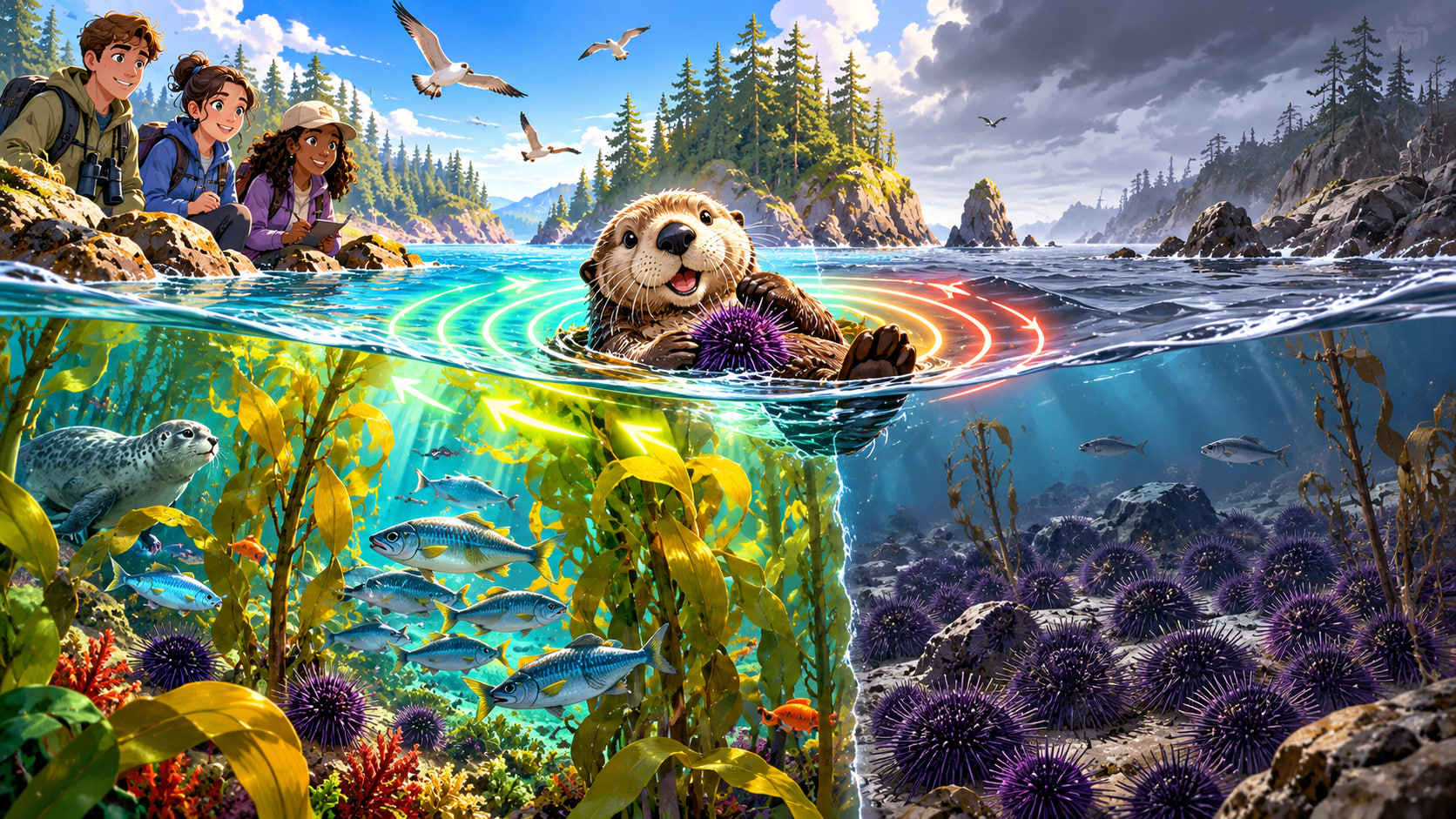
Animals, plants, fungi, and microorganisms are connected through food, pollination, seed dispersal, shelter, competition, and nutrient cycling.
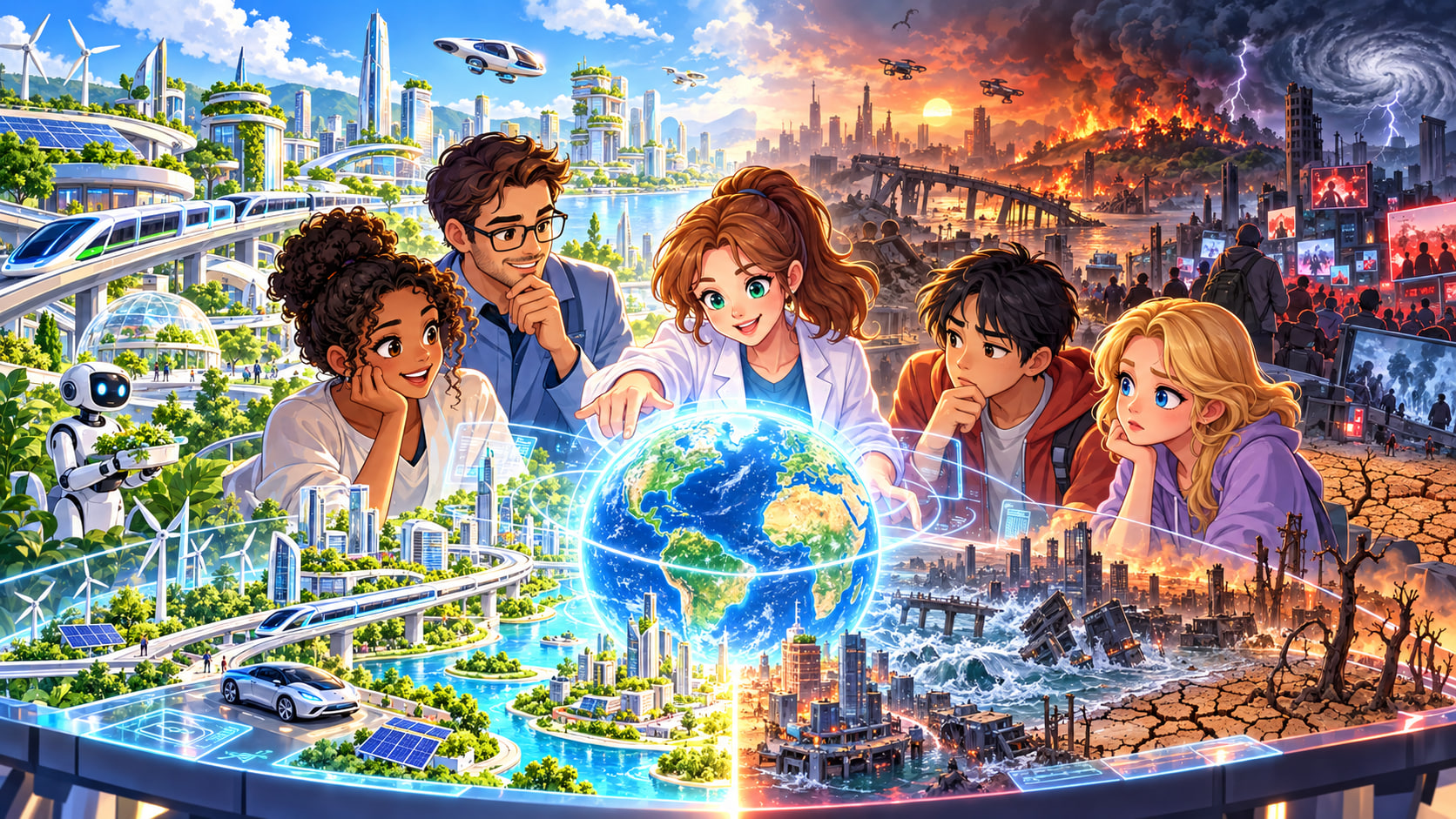
Predicting the world ten years ahead is difficult because technology, politics, climate, economics, and human behavior rarely develop in straight lines.
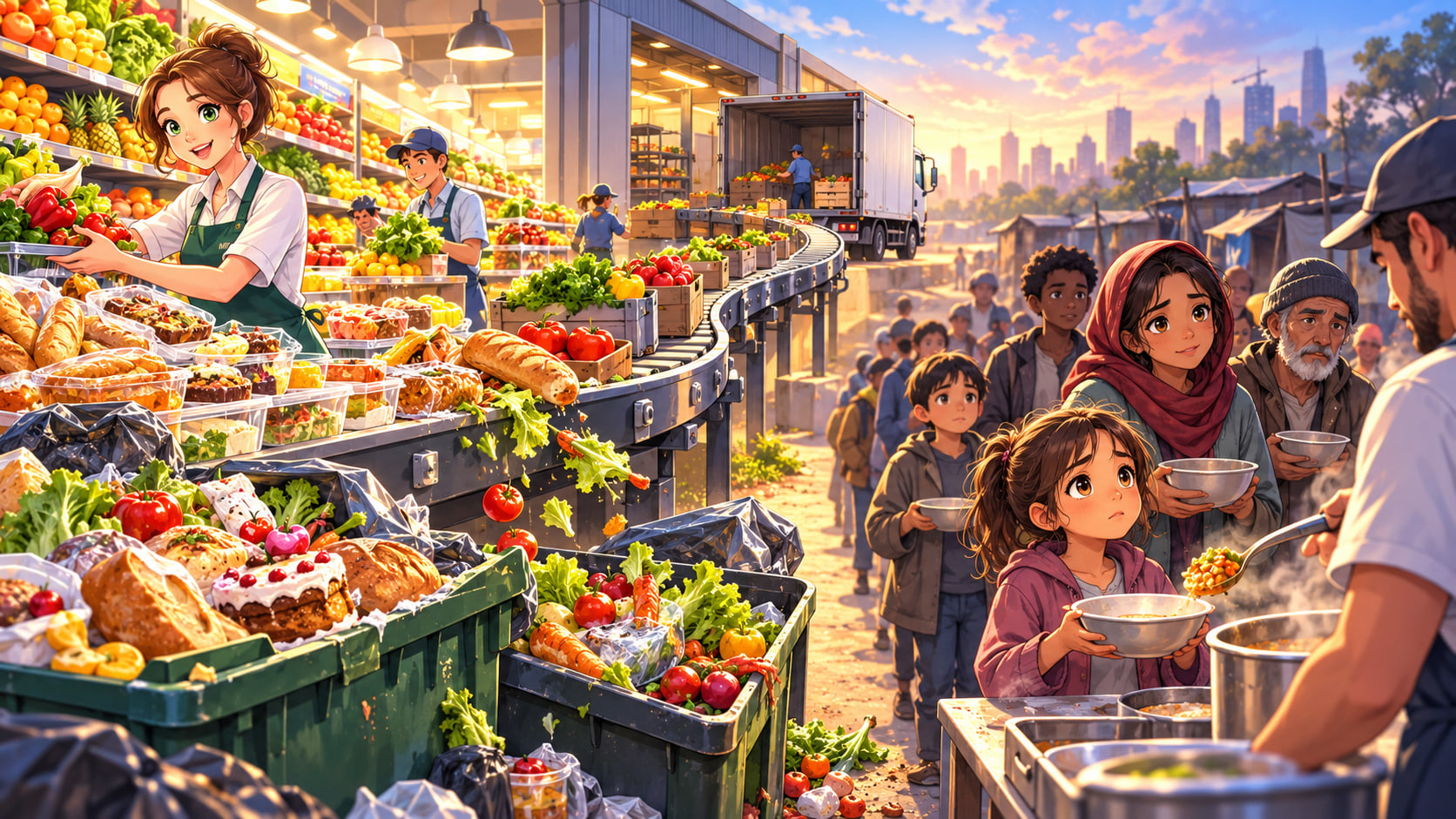
The modern food system can produce extraordinary abundance. Supermarkets offer food from multiple continents, farms achieve yields unimaginable a century ago, and global agriculture produces...
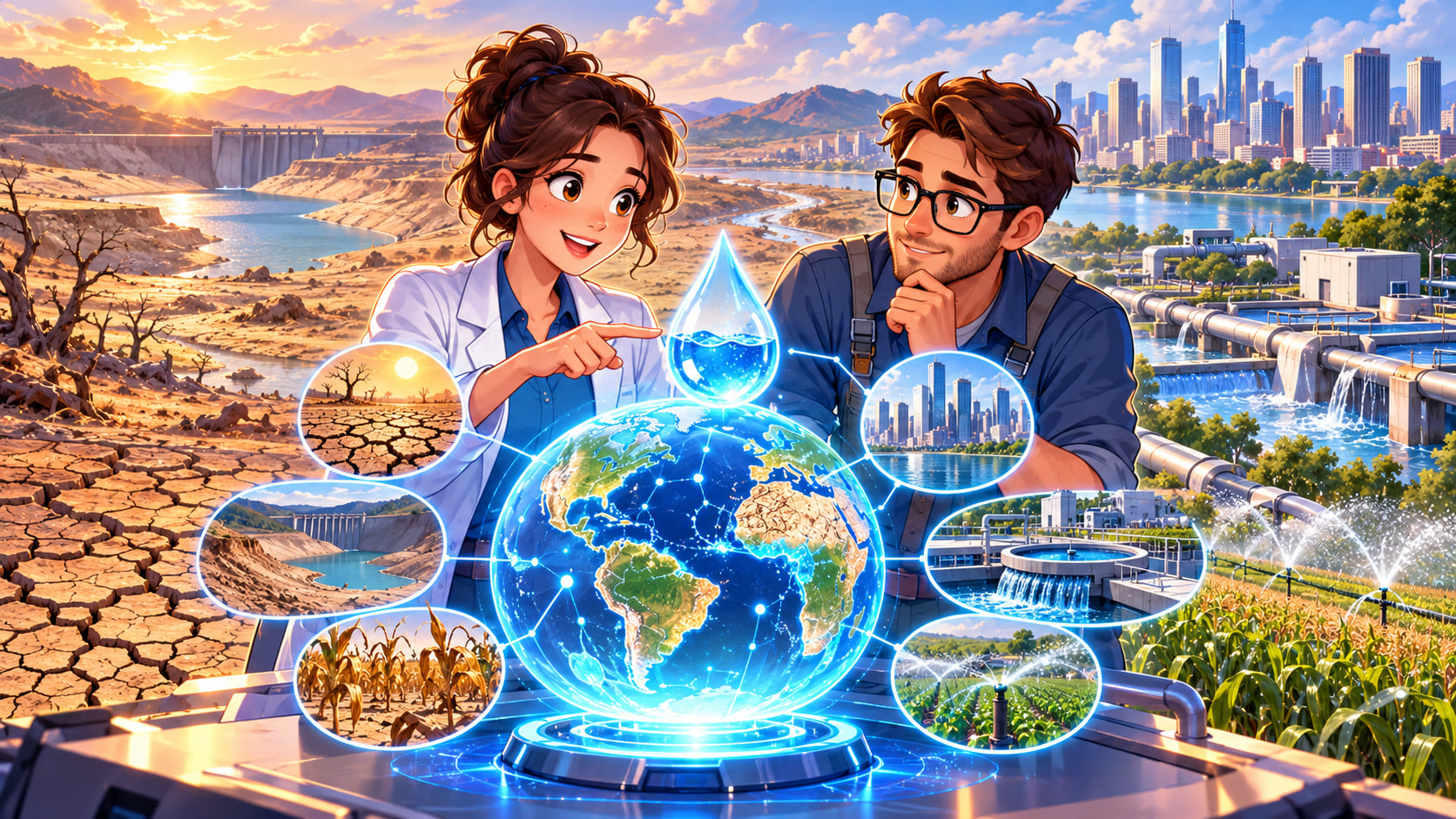
Water covers approximately 71% of Earth's surface, yet billions of people face difficulties accessing safe, reliable freshwater.
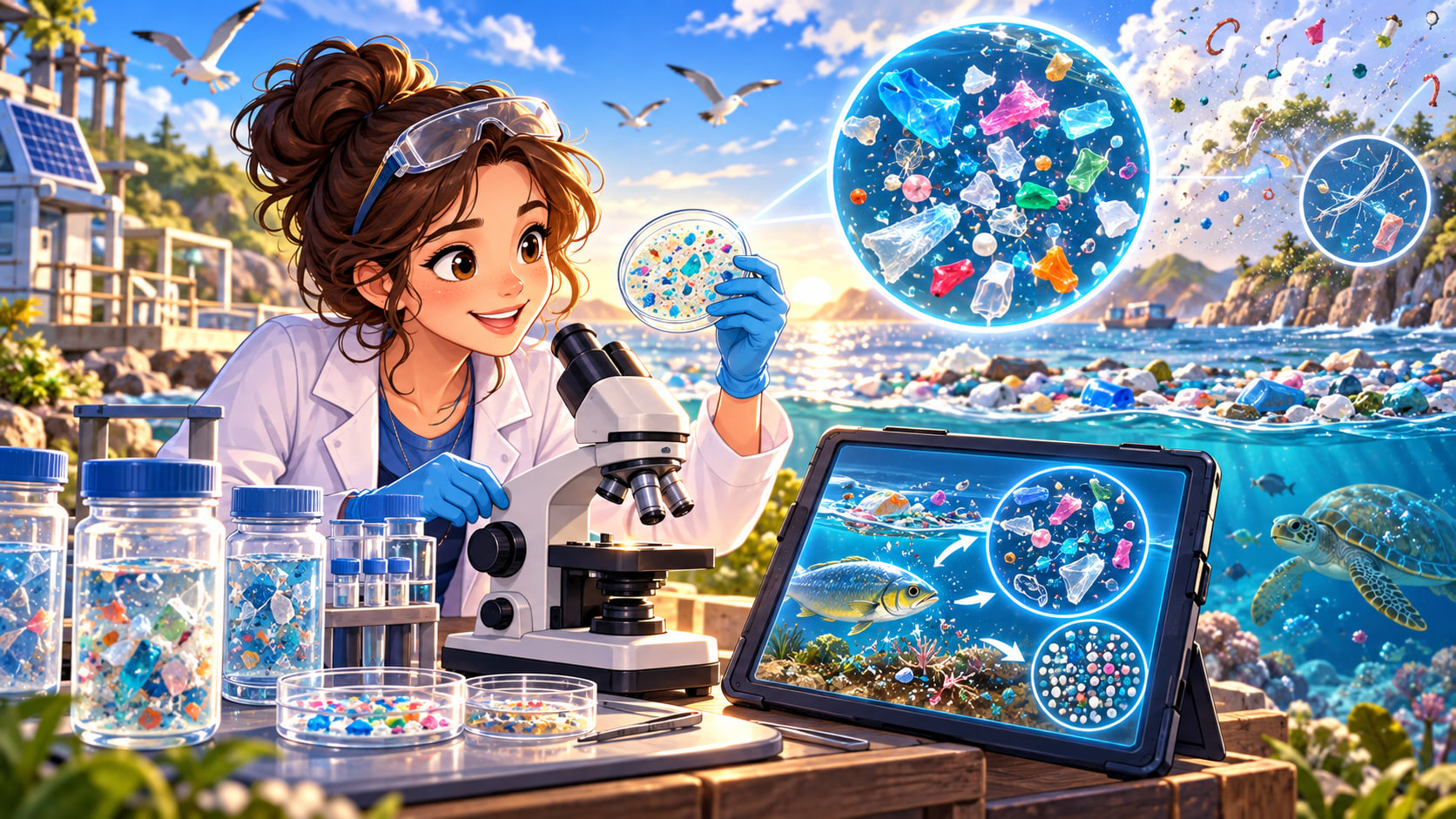
Plastic pollution is no longer limited to discarded bottles, floating garbage, or abandoned fishing nets.
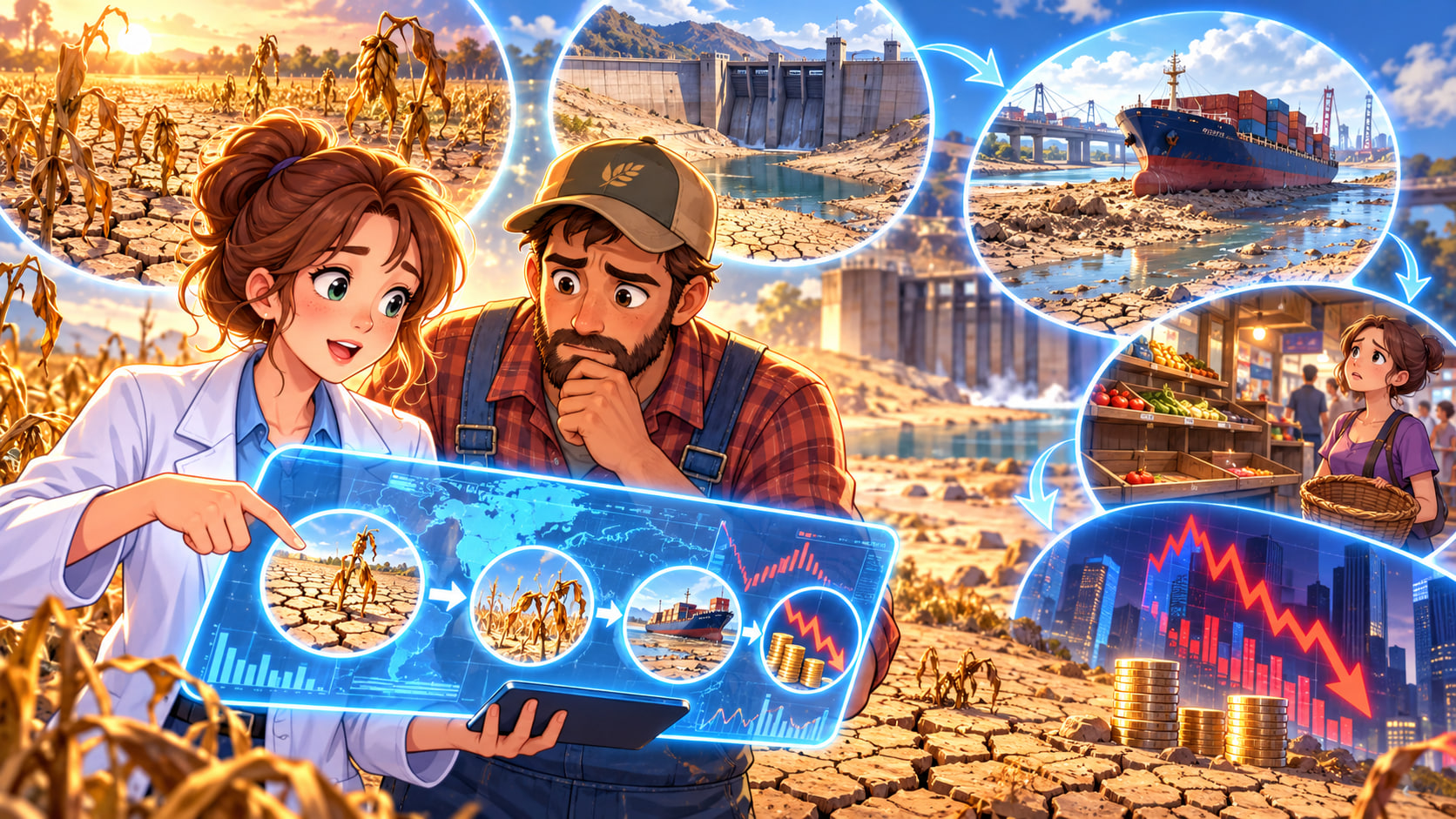
A drought may begin with something as simple as months without sufficient rainfall. Rivers shrink, reservoirs decline, and agricultural fields gradually lose their moisture.
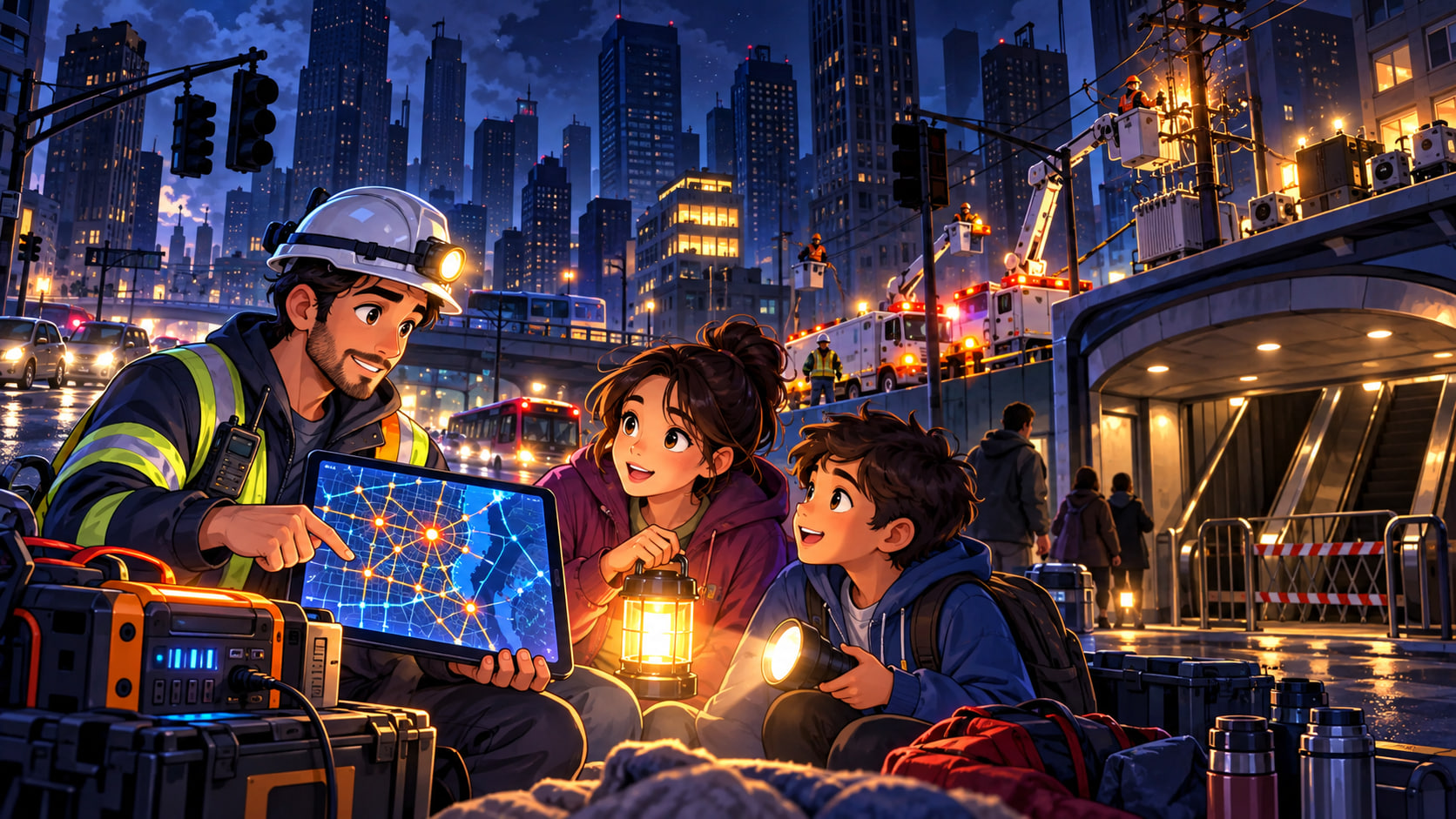
Imagine waking up in a city of several million people and discovering that the electricity has disappeared.

Drone attacks, missile strikes, and aerial bombardment can turn an ordinary day into an emergency within seconds.
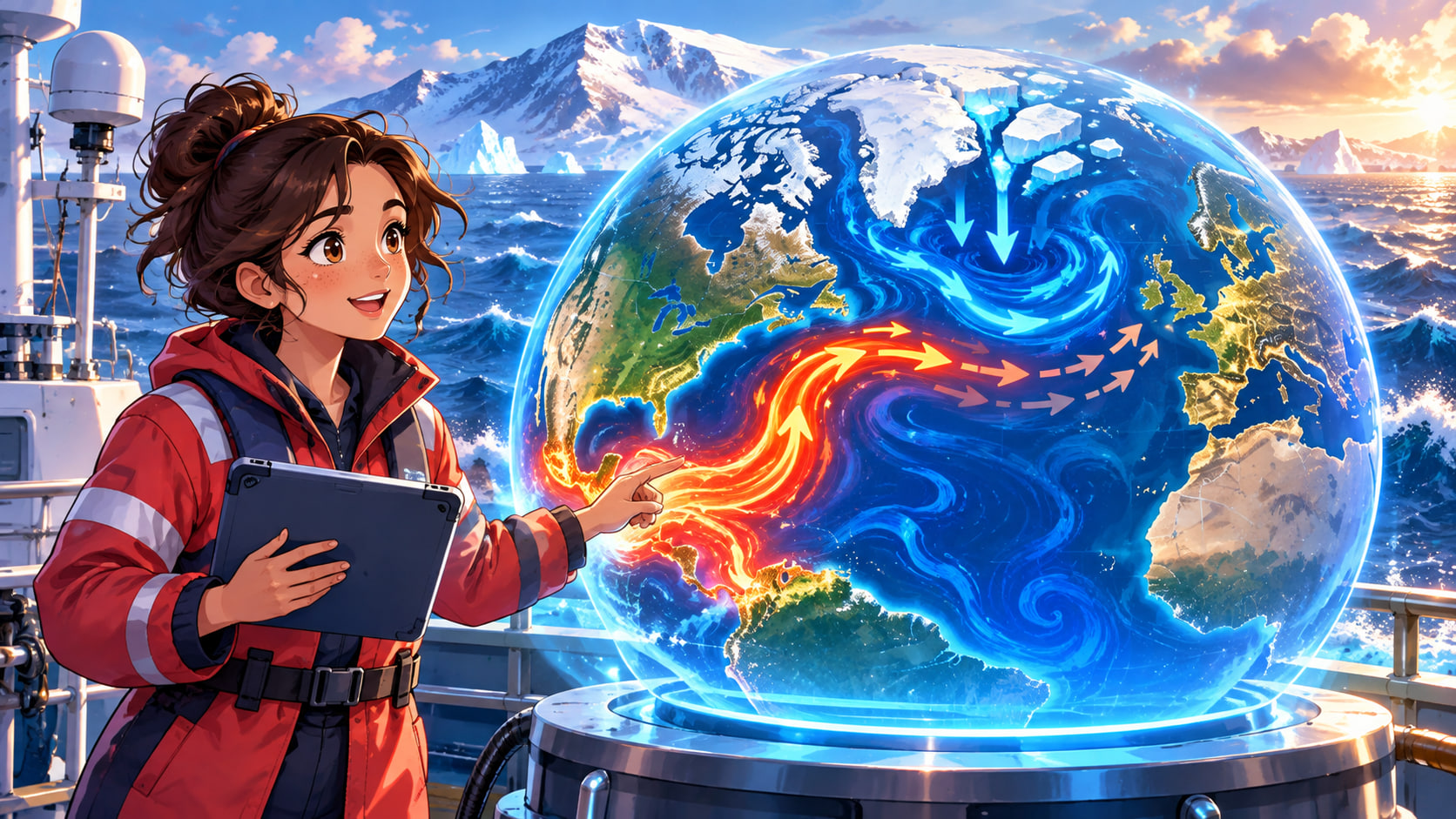
The Gulf Stream is often described as one of the great engines of Earth's climate. It carries enormous amounts of warm water northward through the Atlantic and helps shape weather conditions...
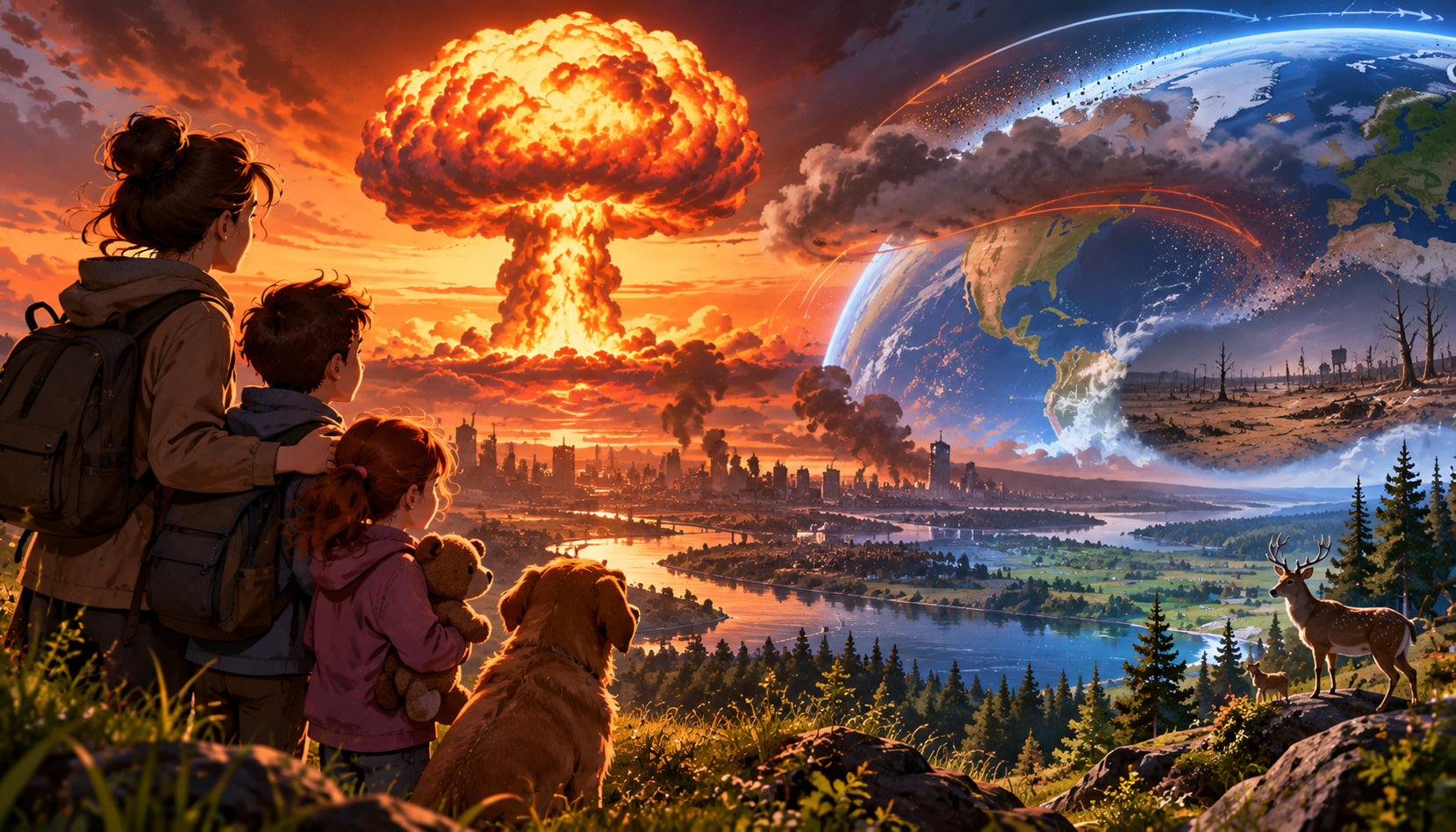
A single detonation can destroy a city in seconds, expose large populations to radiation, contaminate land and water, disrupt ecosystems, and create health effects that may persist for decades.