
Bioplastics: Can Plant-Based Materials Solve the Plastic Pollution Crisis?
Plastic has become one of the defining materials of modern civilization. It is lightweight, durable, inexpensive, and incredibly versatile.
This section explores biodiversity preservation, sustainable resource use, and climate-related issues. Learn about environmental threats, green initiatives, legislation, and the path toward a more sustainable future.
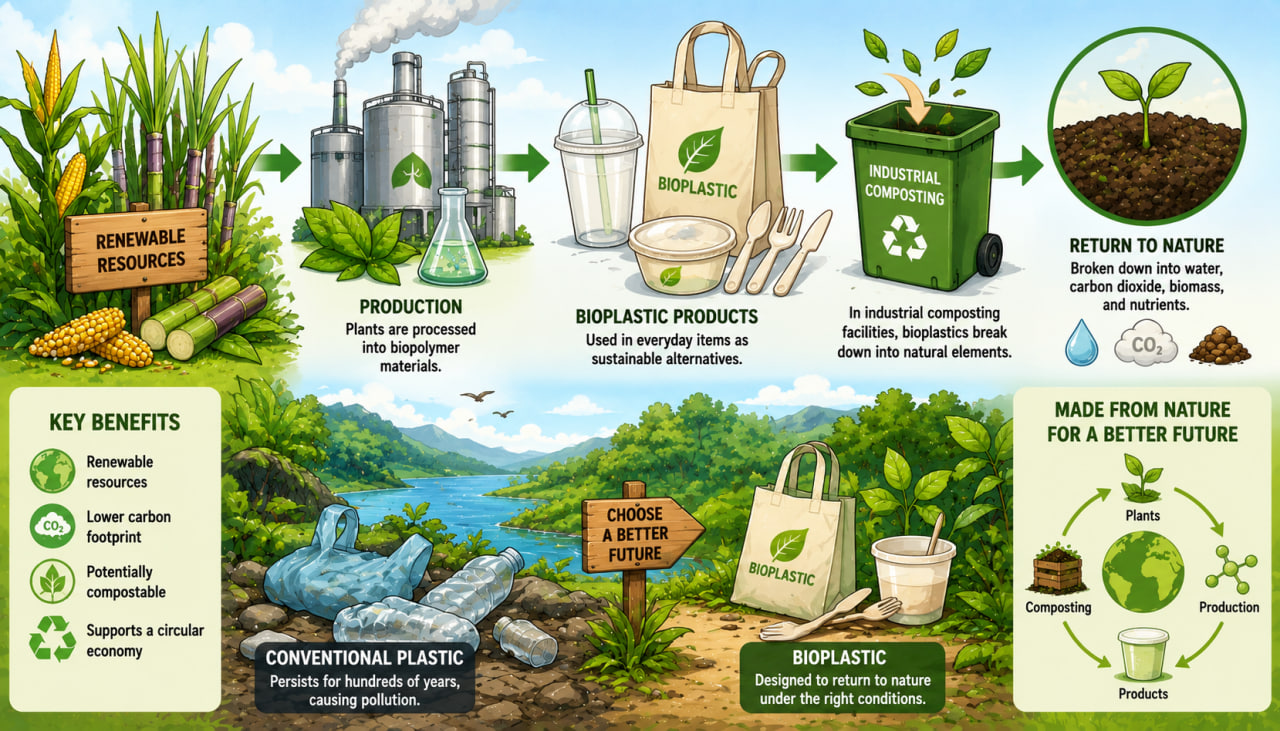
Plastic has become one of the defining materials of modern civilization. It is lightweight, durable, inexpensive, and incredibly versatile.
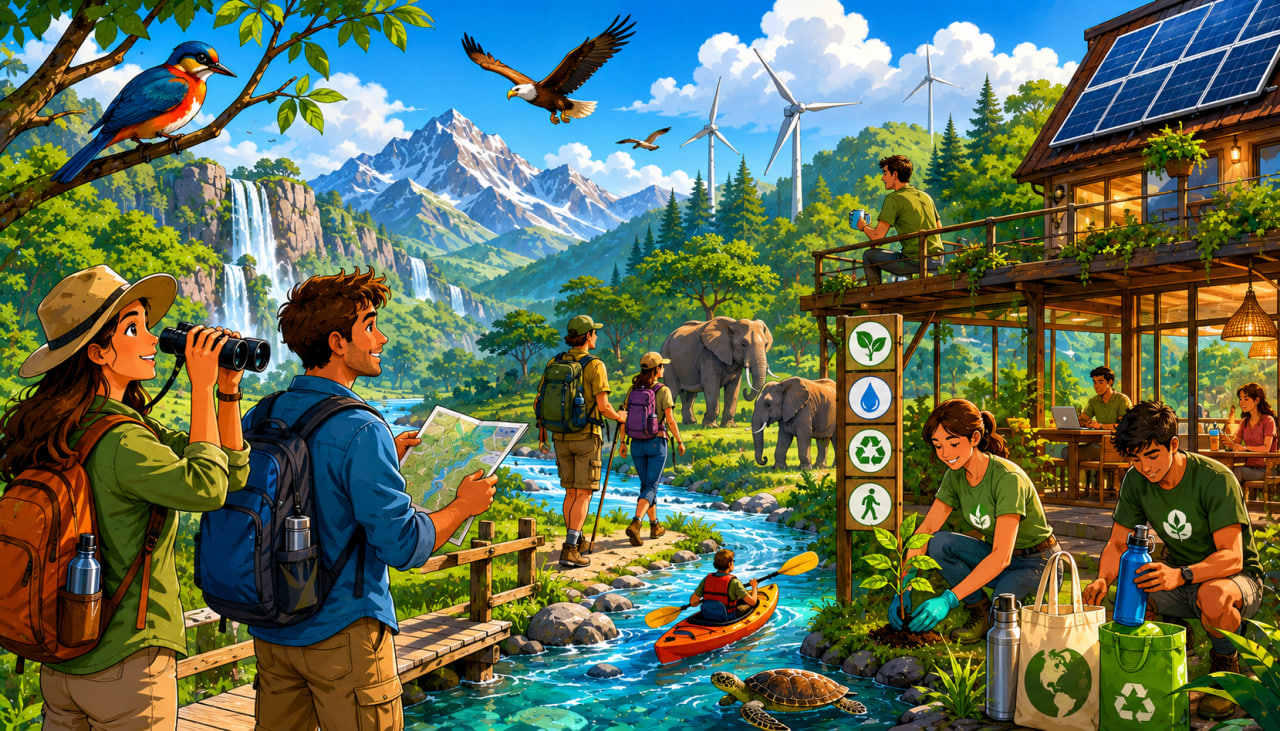
Tourism is one of the world's largest industries. Every year, billions of people travel to beaches, mountains, forests, deserts, and cultural landmarks.
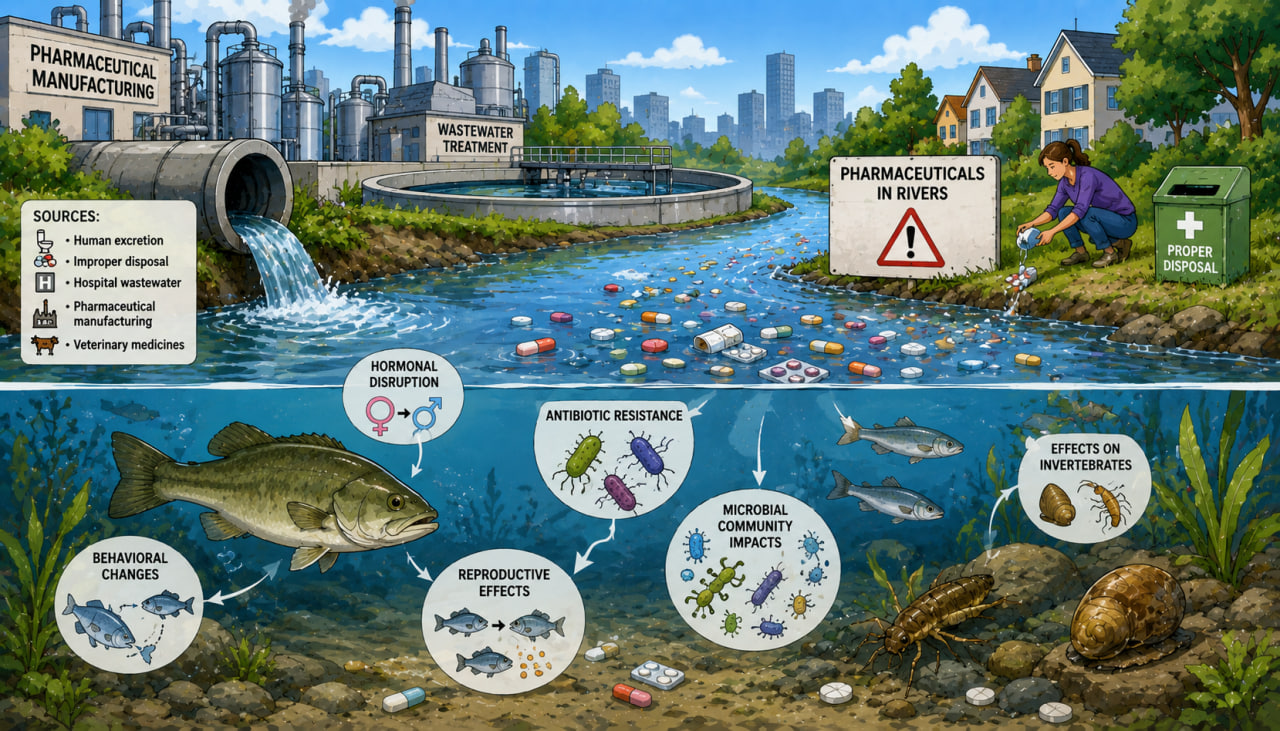
Modern medicine has transformed human life. Antibiotics, painkillers, antidepressants, hormones, and countless other pharmaceuticals have improved health and extended life expectancy around...
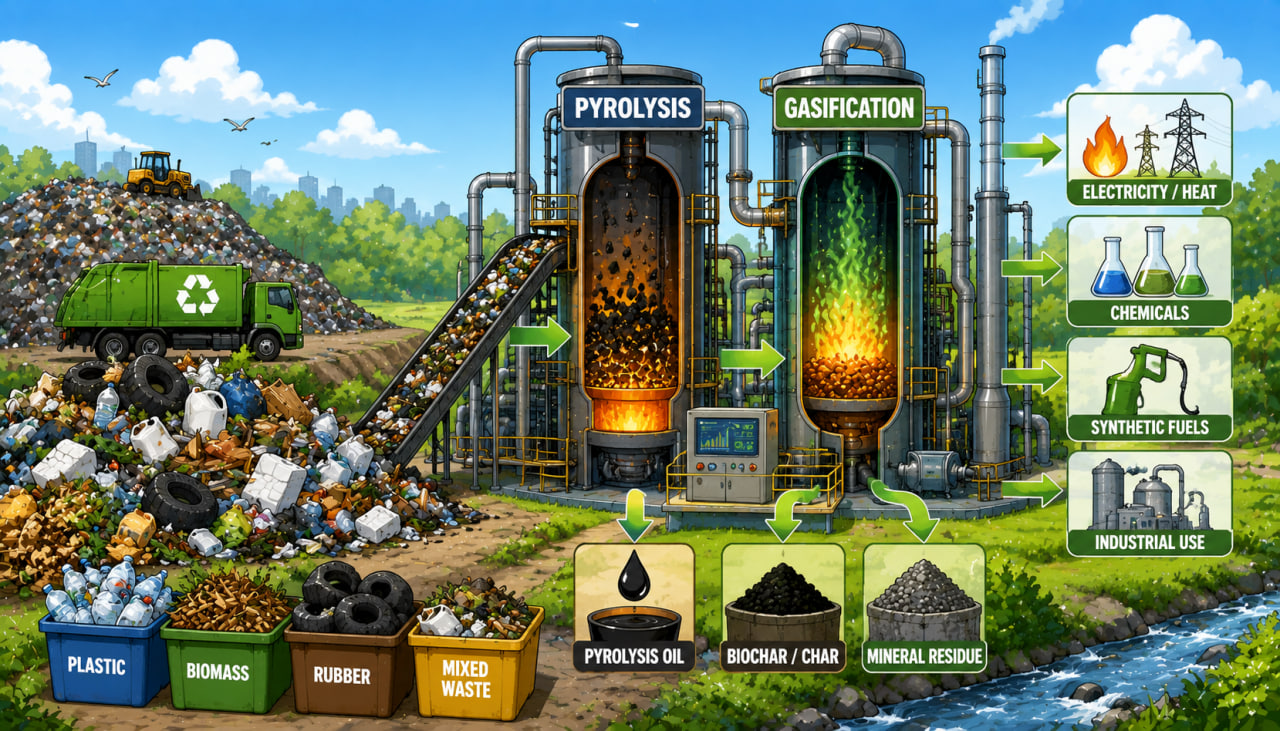
As cities grow and global consumption increases, the amount of waste generated by humanity continues to rise.
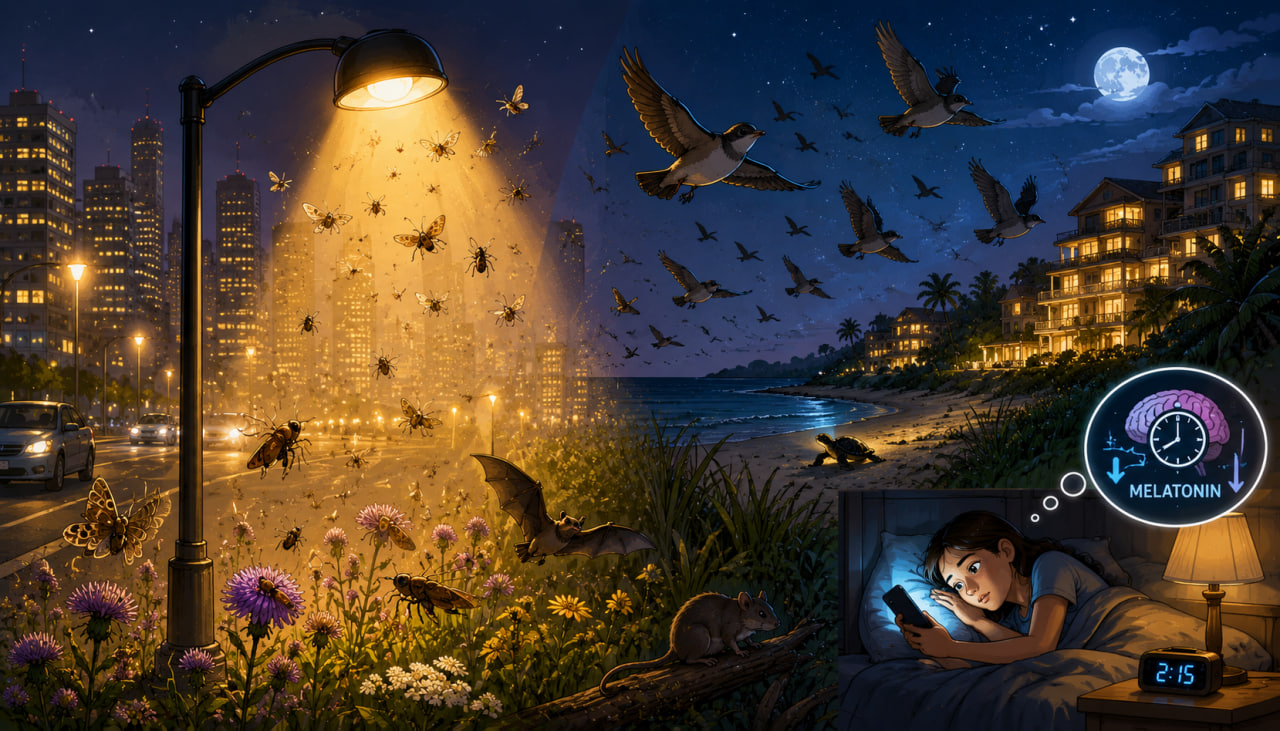
For most of human history, nights were naturally dark. The stars, Moon, and occasional fire provided the only sources of illumination after sunset.
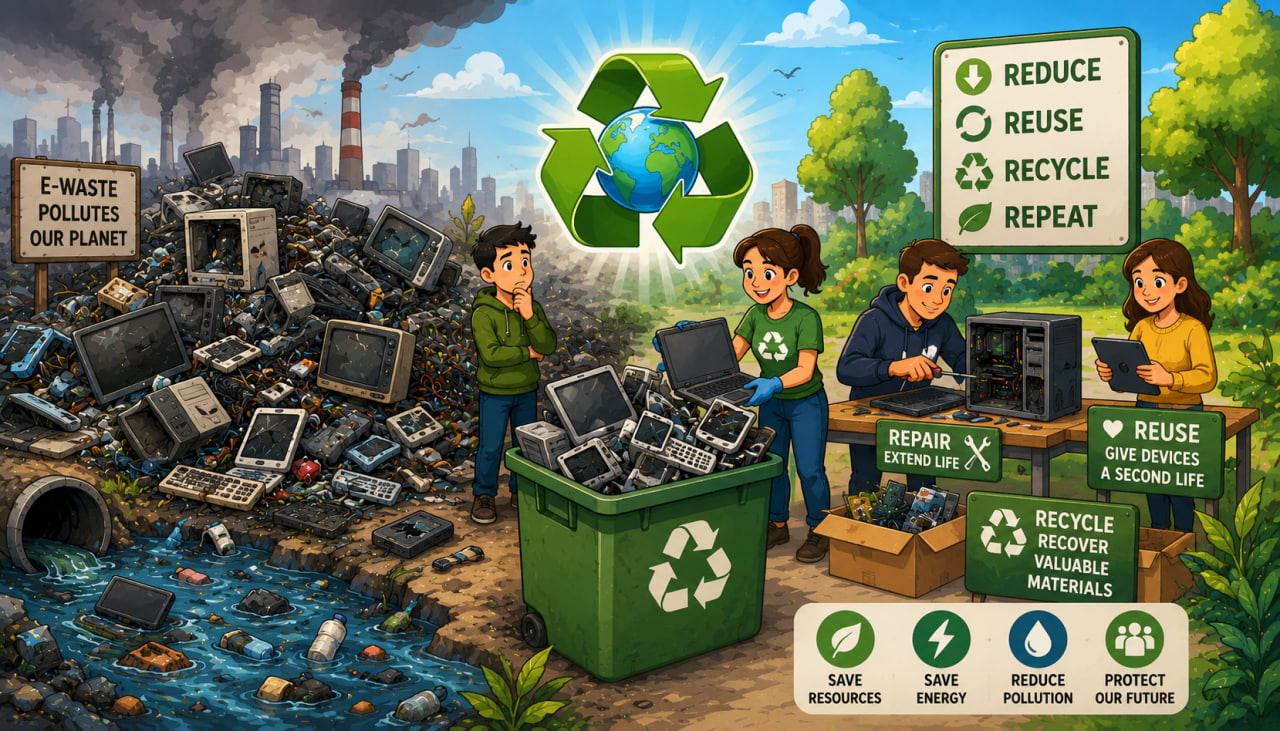
Modern life depends heavily on electronics. Smartphones, laptops, televisions, gaming consoles, tablets, smart appliances, and countless other devices have become essential parts of everyday...
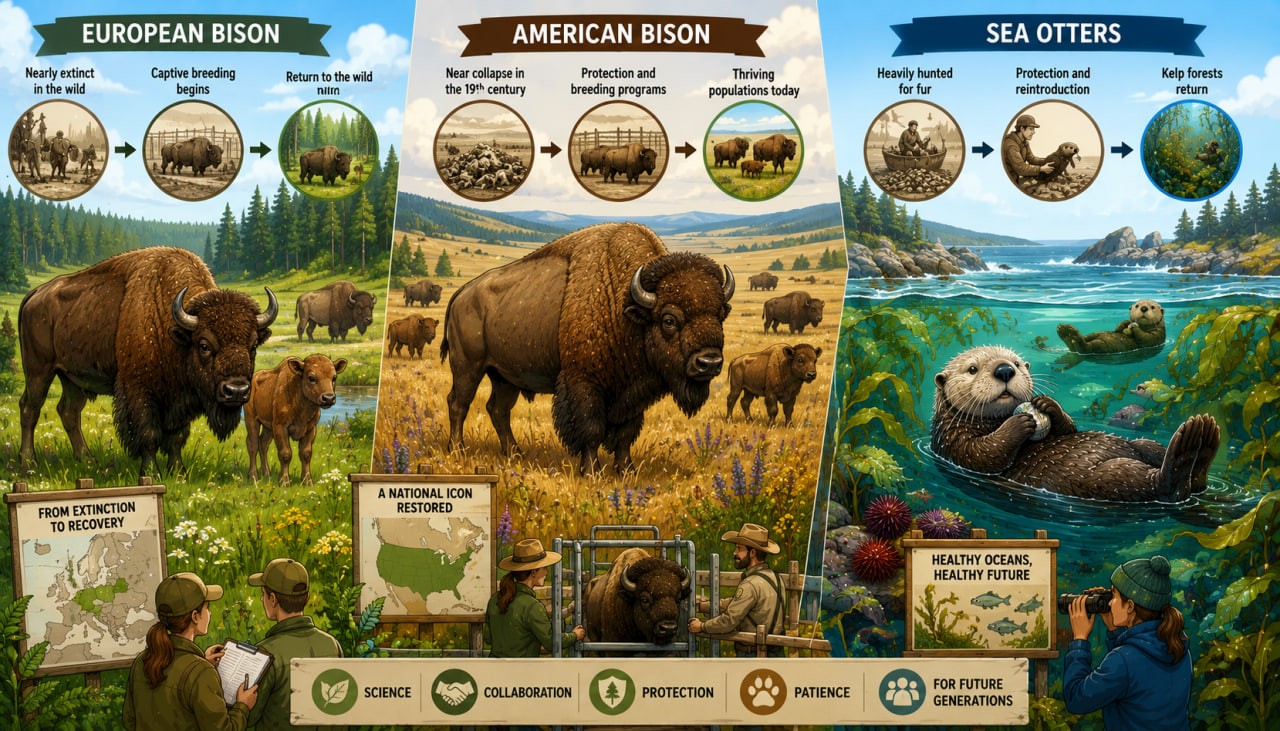
Throughout history, human activity has driven countless species to the brink of extinction.
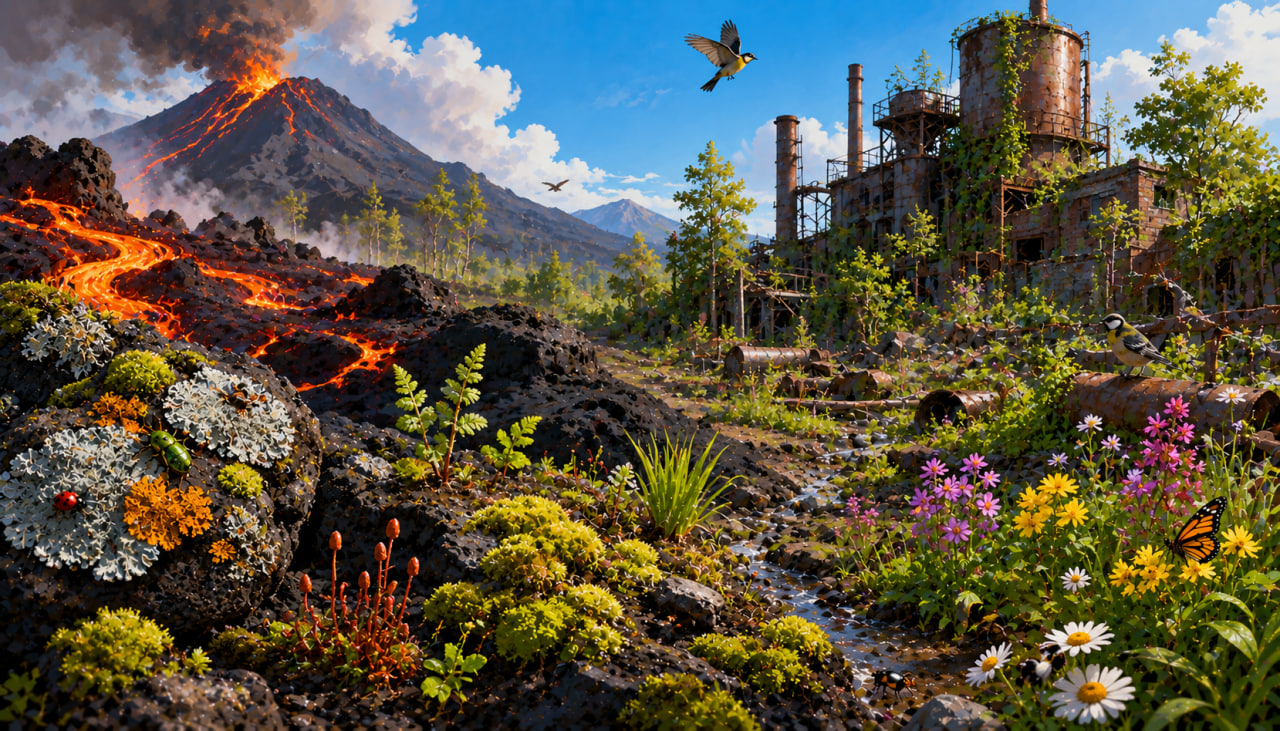
When a volcanic eruption covers the landscape with fresh lava, or when an abandoned industrial site is left barren and seemingly lifeless, it may appear that nature has been completely erased.
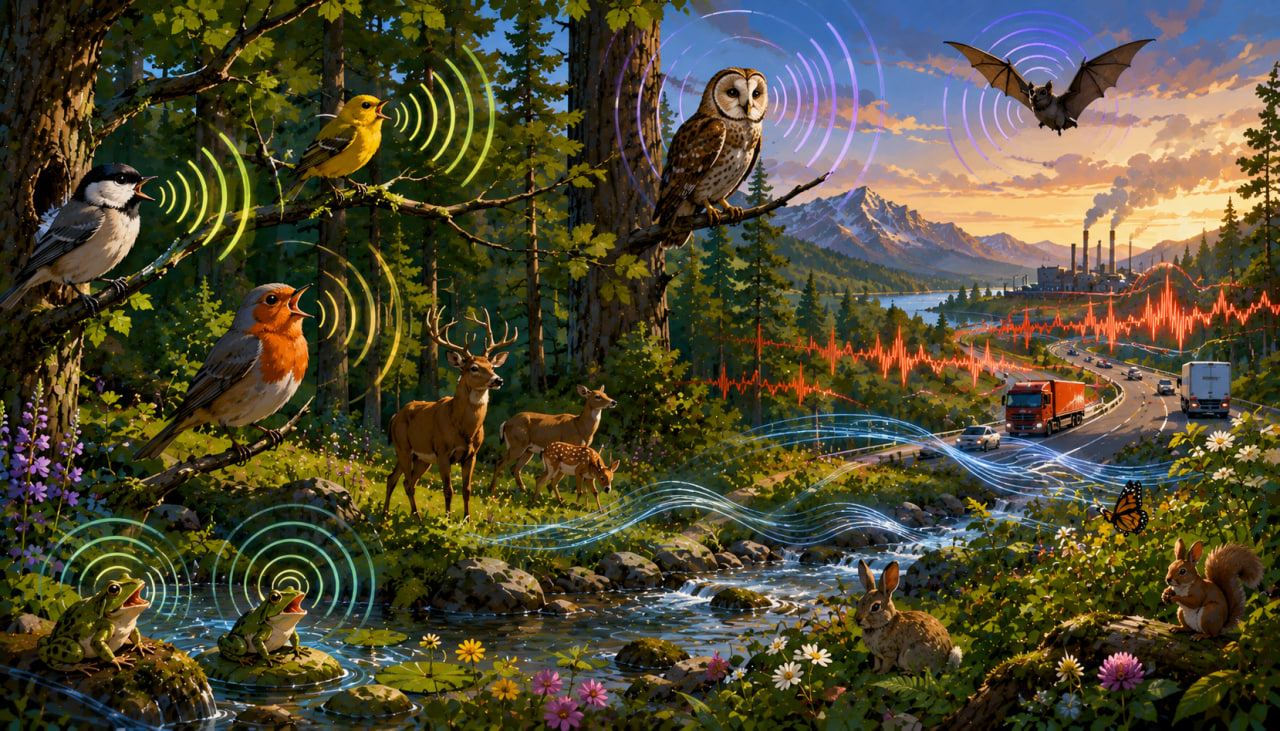
When people think about protecting wildlife, they often focus on forests, rivers, oceans, and habitats.

As human populations grow and landscapes become increasingly developed, natural habitats are often divided into smaller and isolated patches.