
Climate Migration: When Nature Forces People to Move
As the planet continues to warm and extreme weather events become more frequent, climate migration is rapidly emerging as one of the most pressing humanitarian challenges of the 21st century.
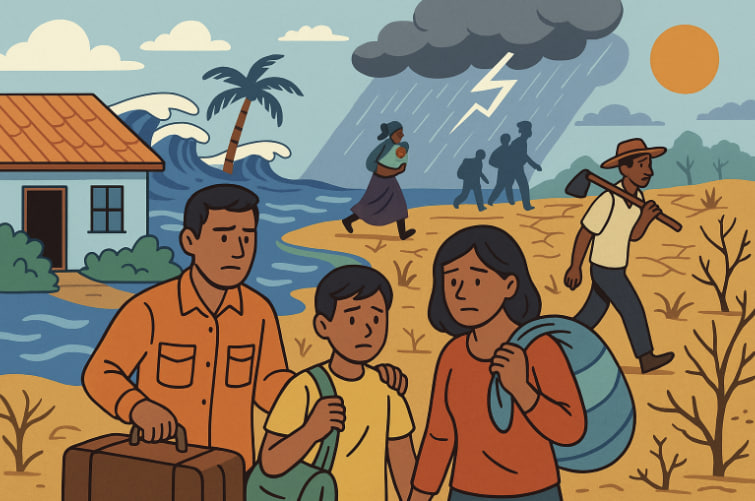
As the planet continues to warm and extreme weather events become more frequent, climate migration is rapidly emerging as one of the most pressing humanitarian challenges of the 21st century.
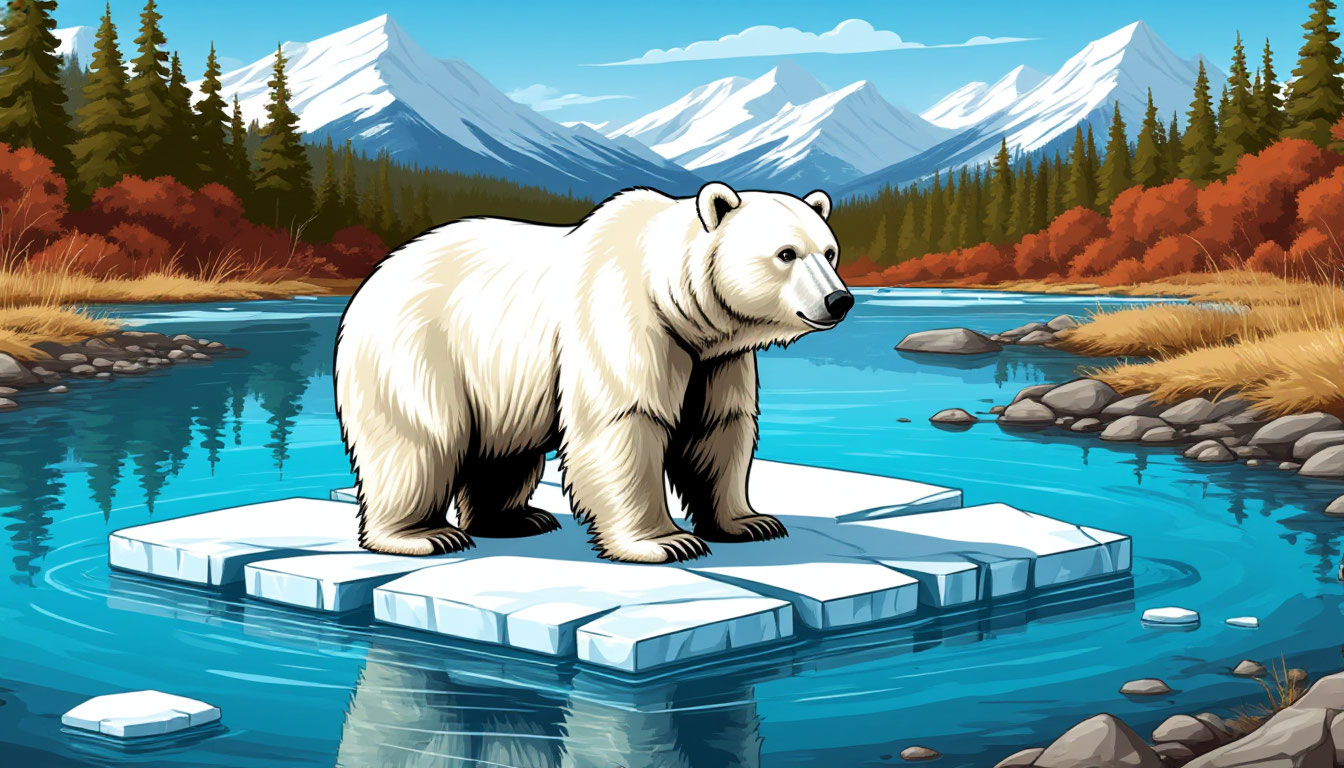
Global warming refers to the long-term rise in Earth’s average surface temperature, primarily caused by human activities such as burning fossil fuels, deforestation, and industrial emissions.
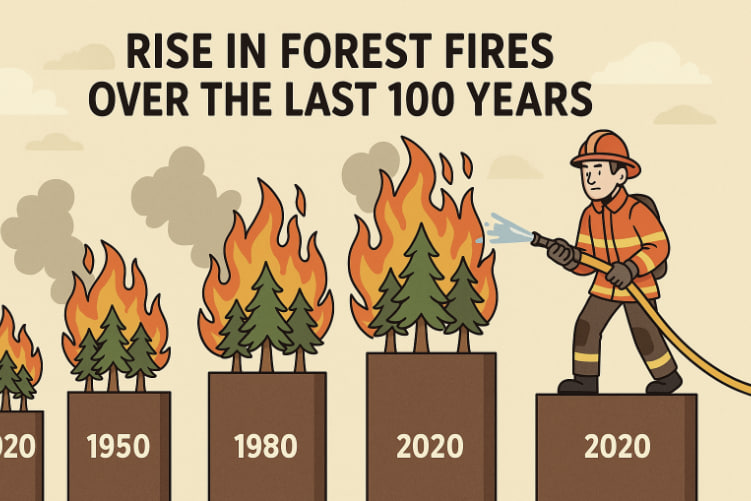
Over the past century, forest fires — also known as wildfires — have become larger, more frequent, and more destructive.
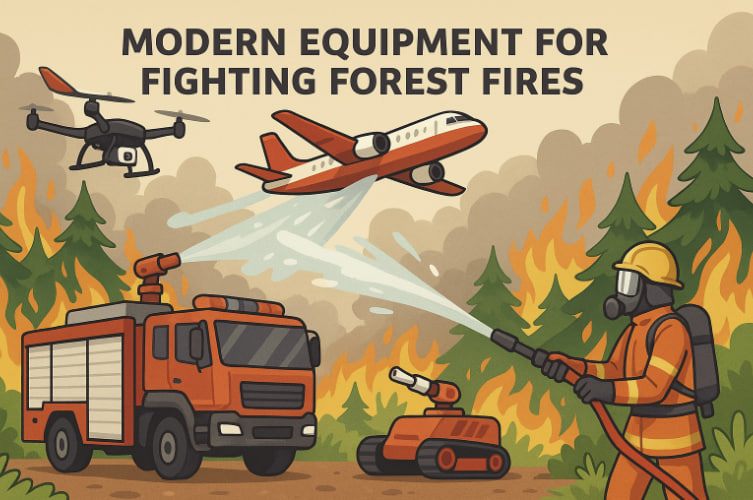
As forest fires become more frequent and intense due to climate change and human activity, the need for effective, high-tech firefighting tools has never been greater.
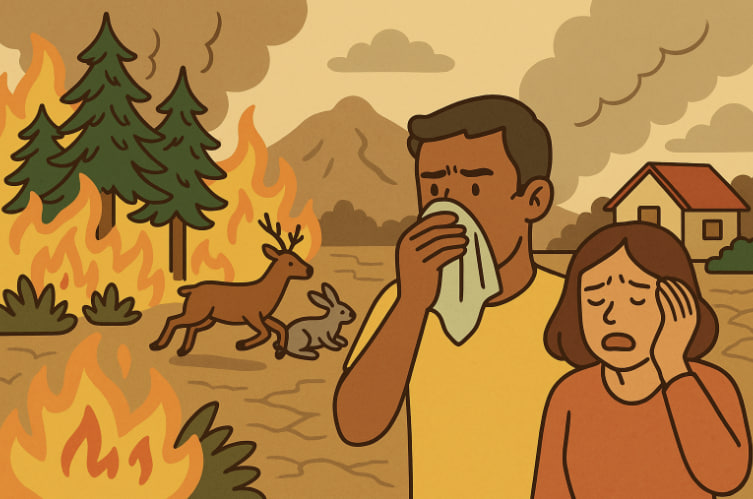
Forest fires — whether sparked by lightning, human negligence, or extreme heat — are becoming more frequent and intense around the globe.
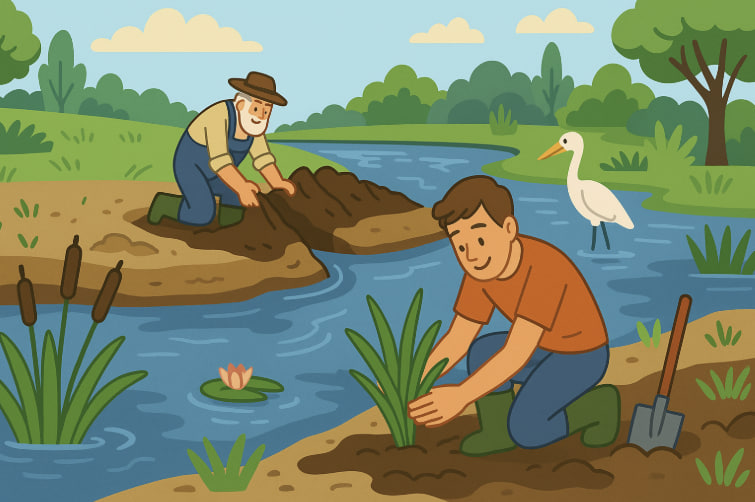
Wetlands — including swamps, bogs, marshes, and peatlands — are among the most valuable ecosystems on Earth.
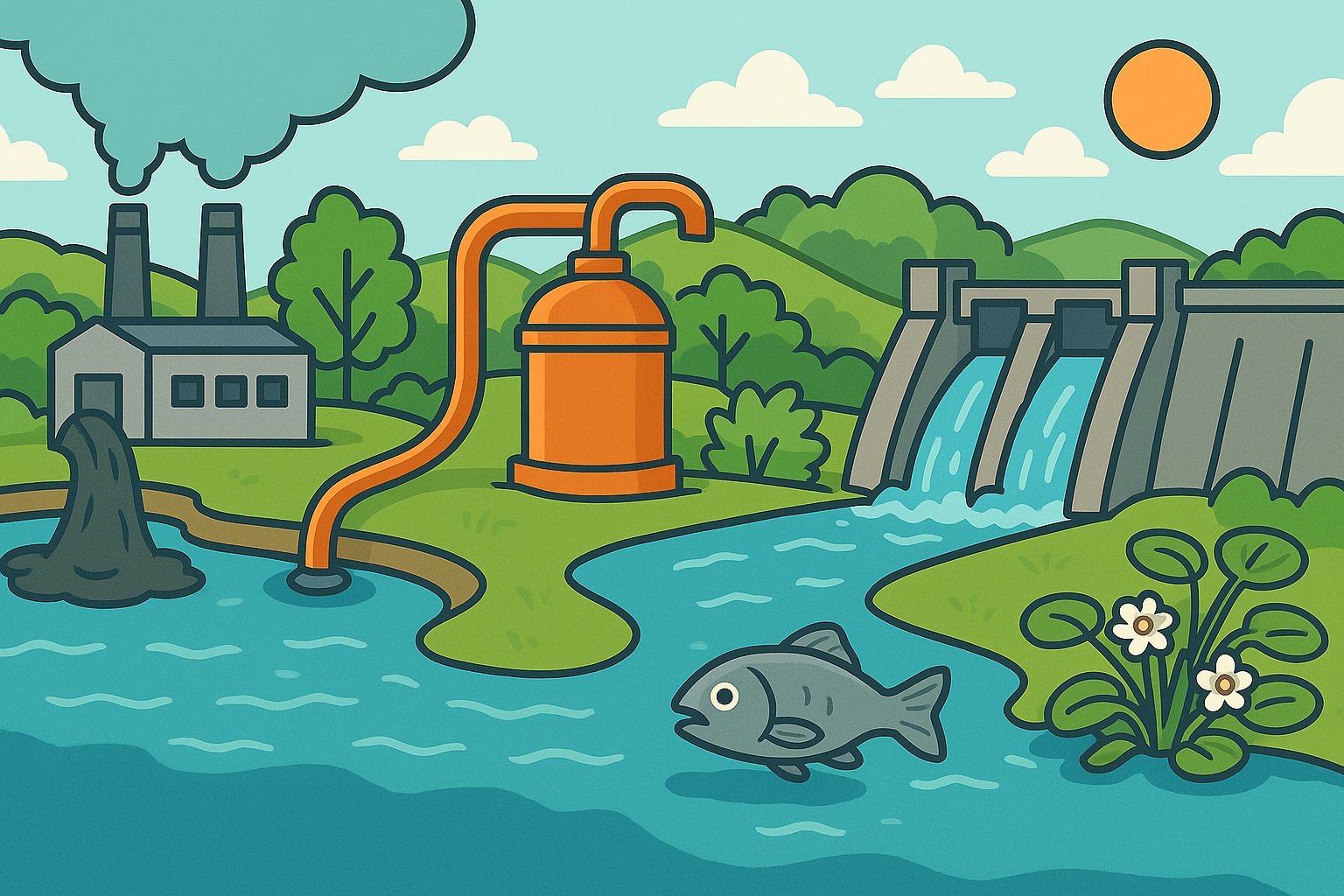
Rivers, lakes, and wetlands are the lifeblood of the planet. They supply drinking water, support agriculture, power industries, and harbor countless species.
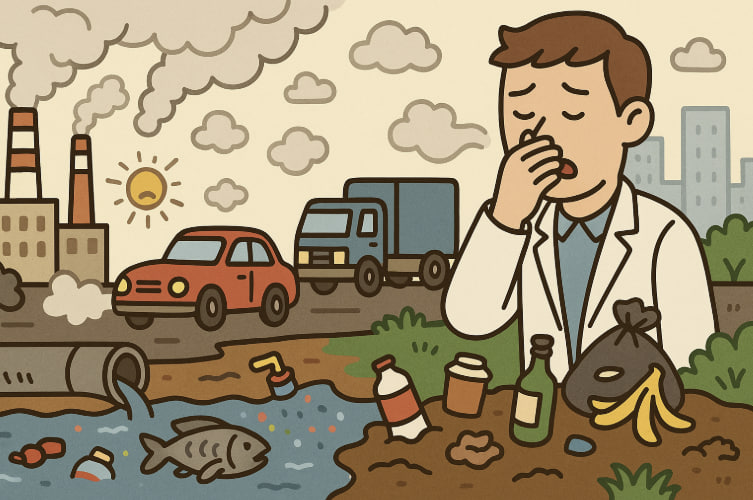
The environment is the foundation of life — it provides us with clean air, fresh water, fertile soil, and a stable climate.
Greenhouse gases play a crucial role in regulating Earth’s temperature. Without them, our planet would be a frozen wasteland.
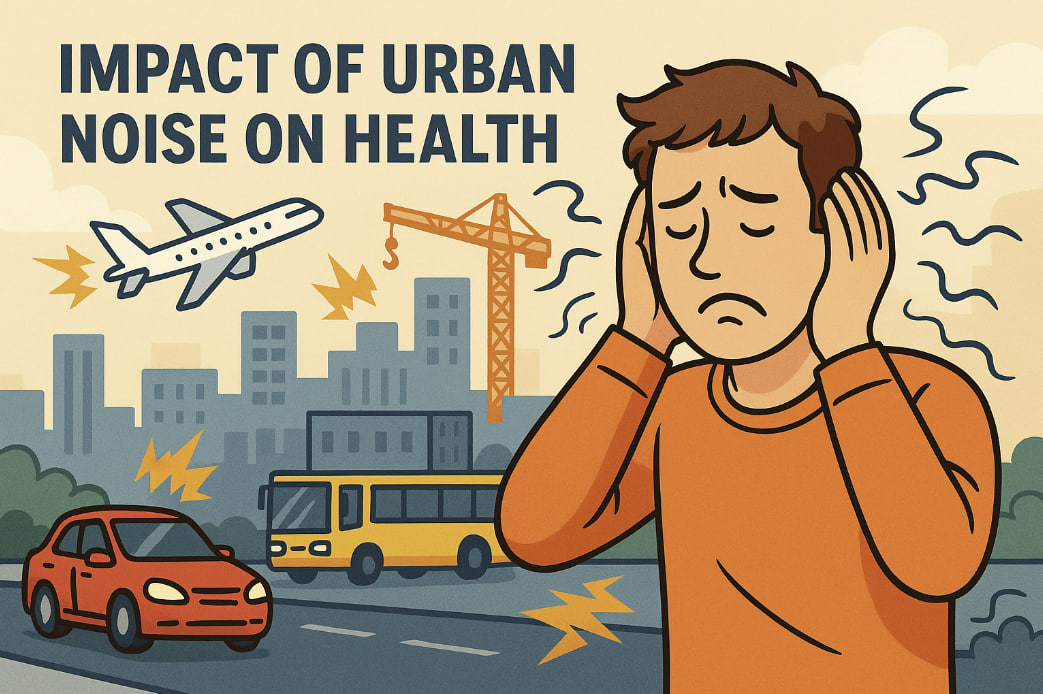
In modern cities, noise is an inescapable part of daily life. From the roar of traffic and construction to the constant hum of people and machines, urban noise pollution has become a silent...