
Second Life of Objects: The Best Upcycling Ideas for the Home
Upcycling is a creative and practical approach to sustainability that gives everyday objects a second life instead of sending them to waste.
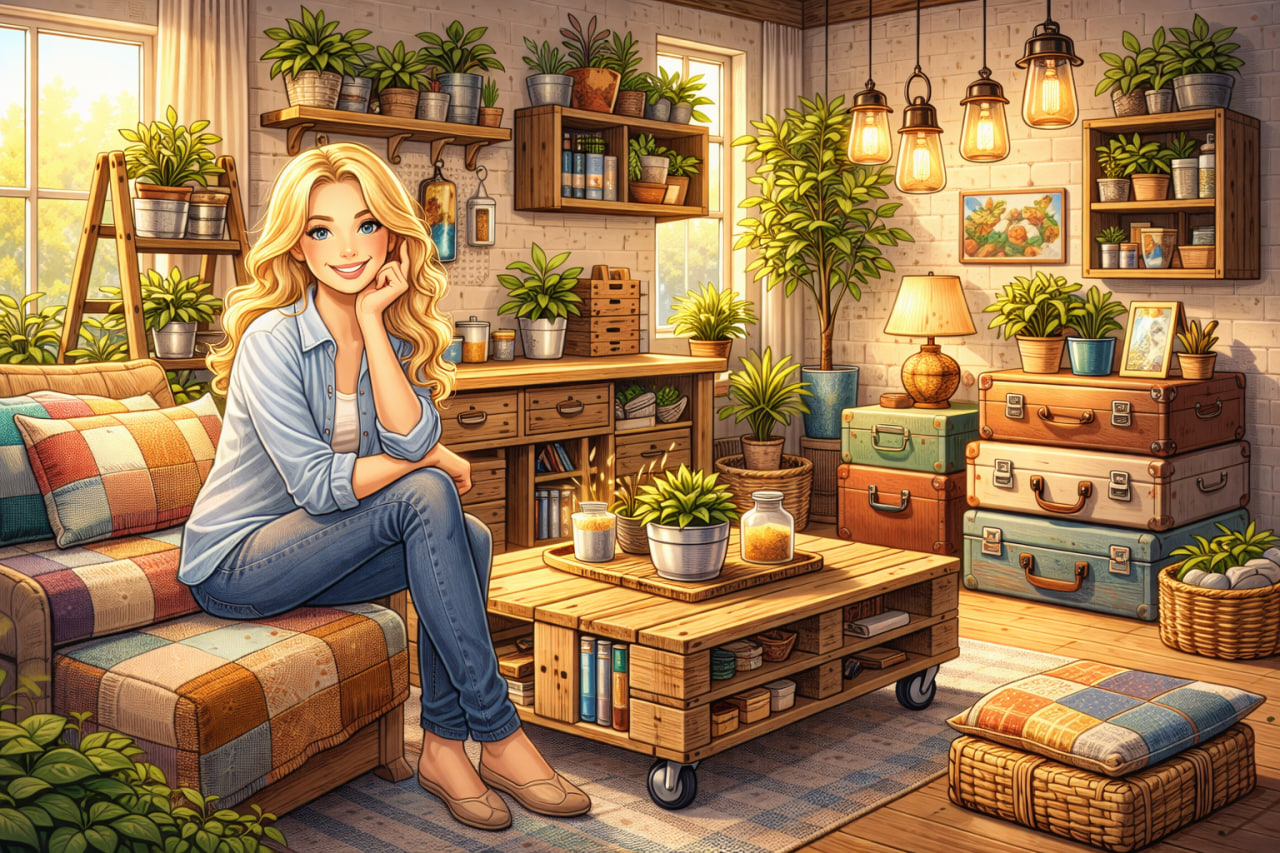
Upcycling is a creative and practical approach to sustainability that gives everyday objects a second life instead of sending them to waste.
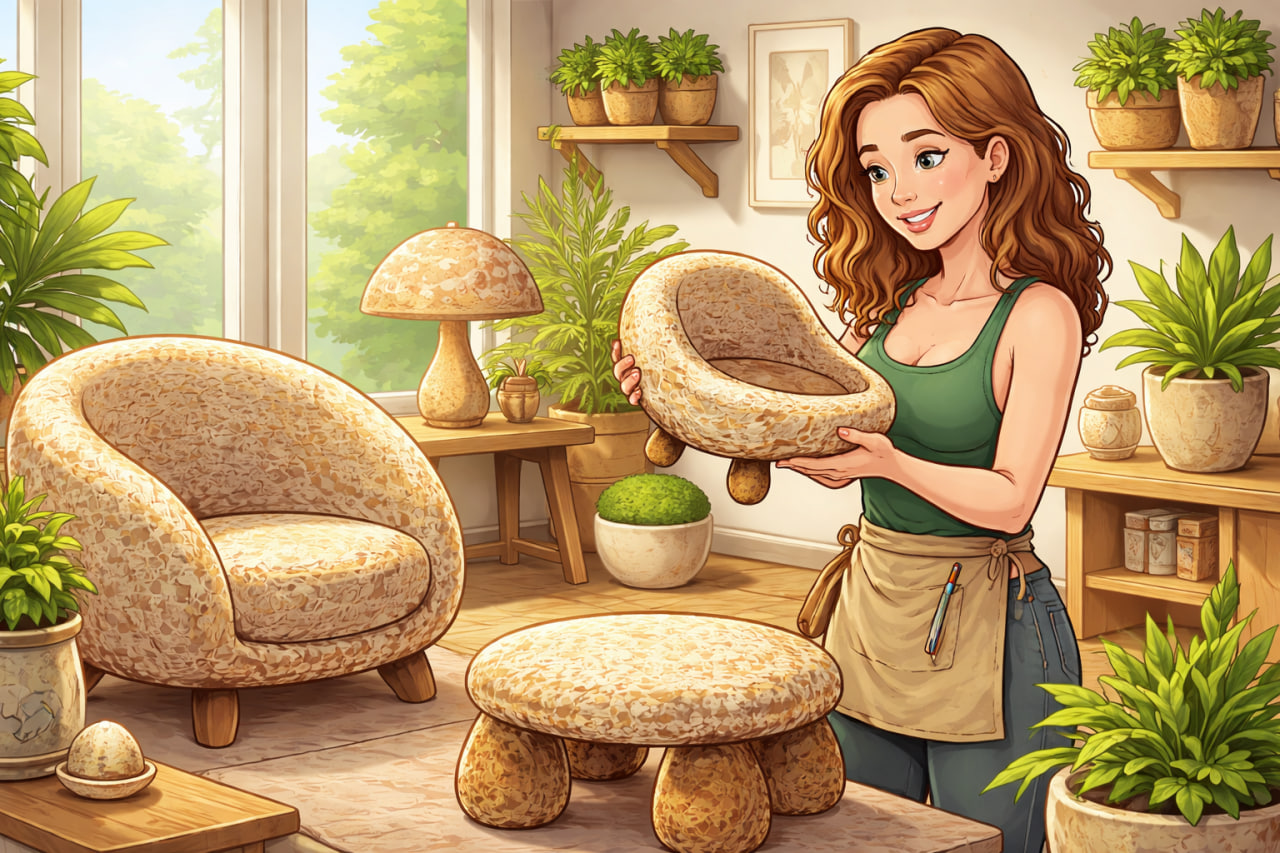
Furniture made from mushrooms may sound futuristic, but it is already becoming a real and promising alternative to traditional materials.
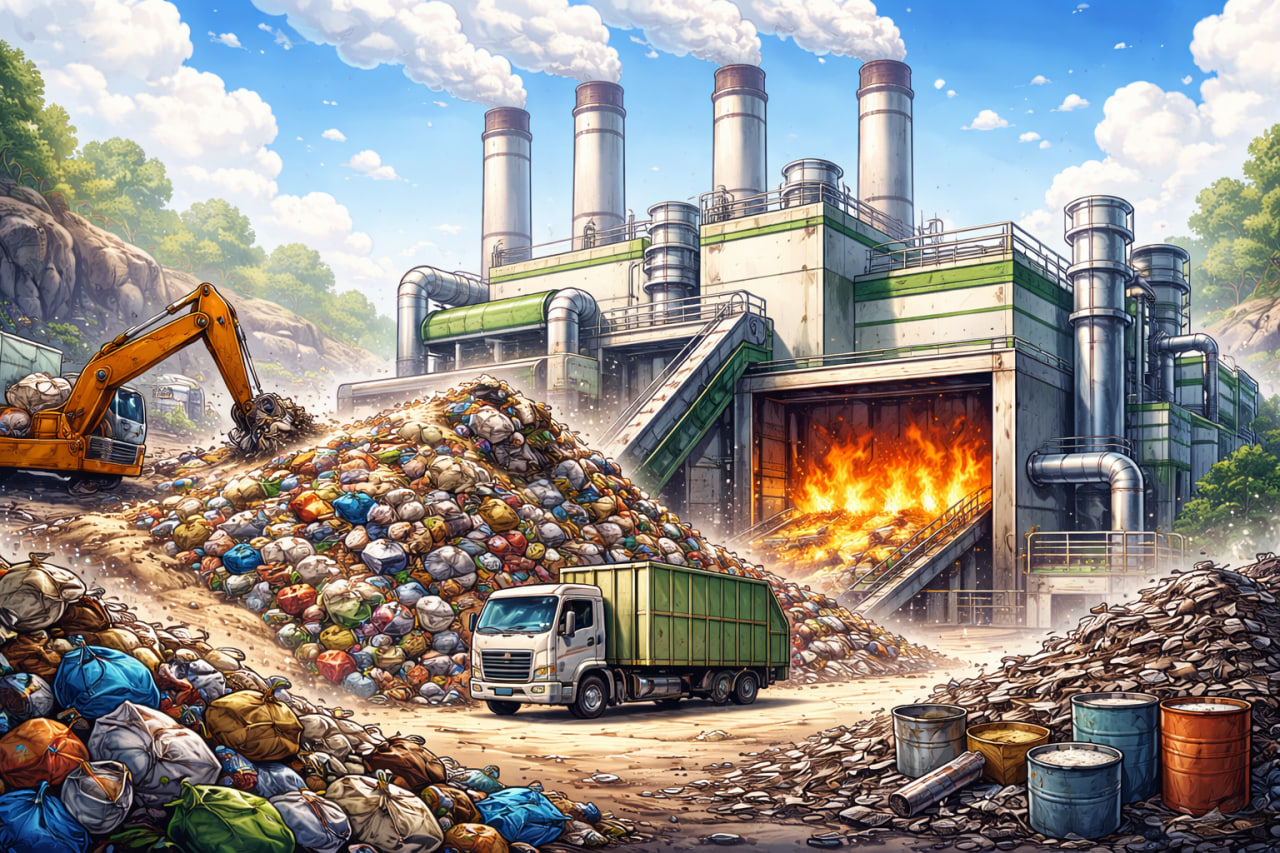
Waste incineration plants are facilities designed to burn solid waste in order to reduce its volume and, in many cases, generate energy.
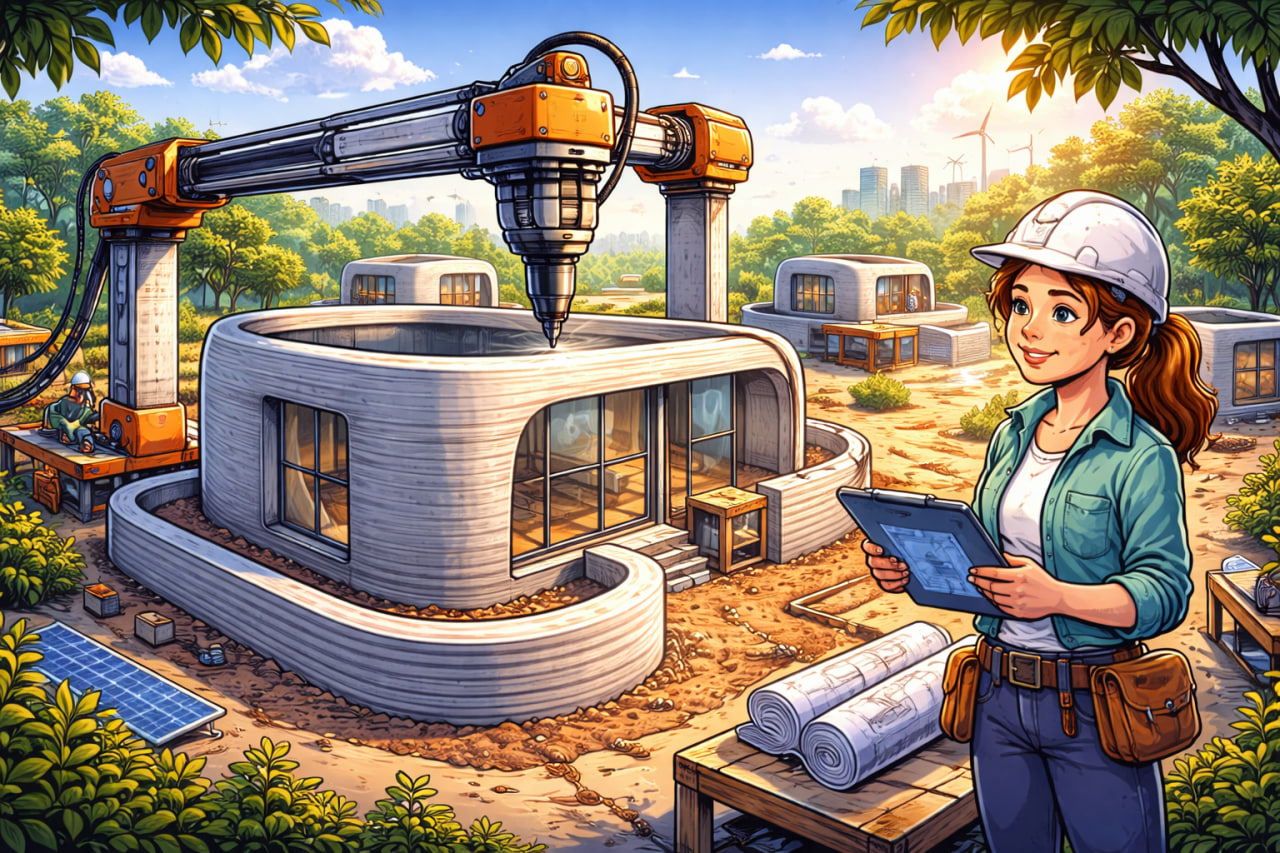
Printed houses are buildings created using 3D construction printing, a technology that deposits material layer by layer according to a digital model.
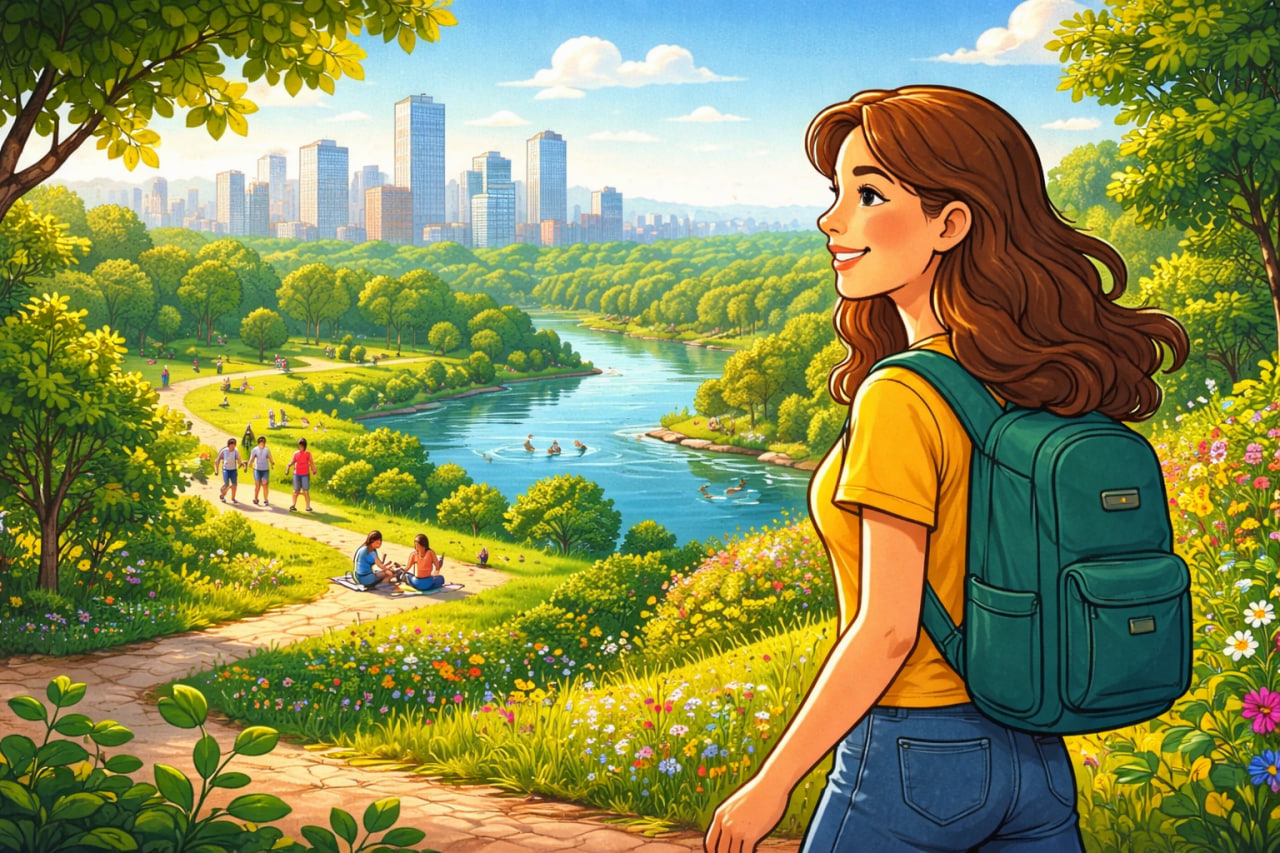
A green belt is a strategically protected area of natural or semi-natural land that surrounds or weaves through an urban environment.
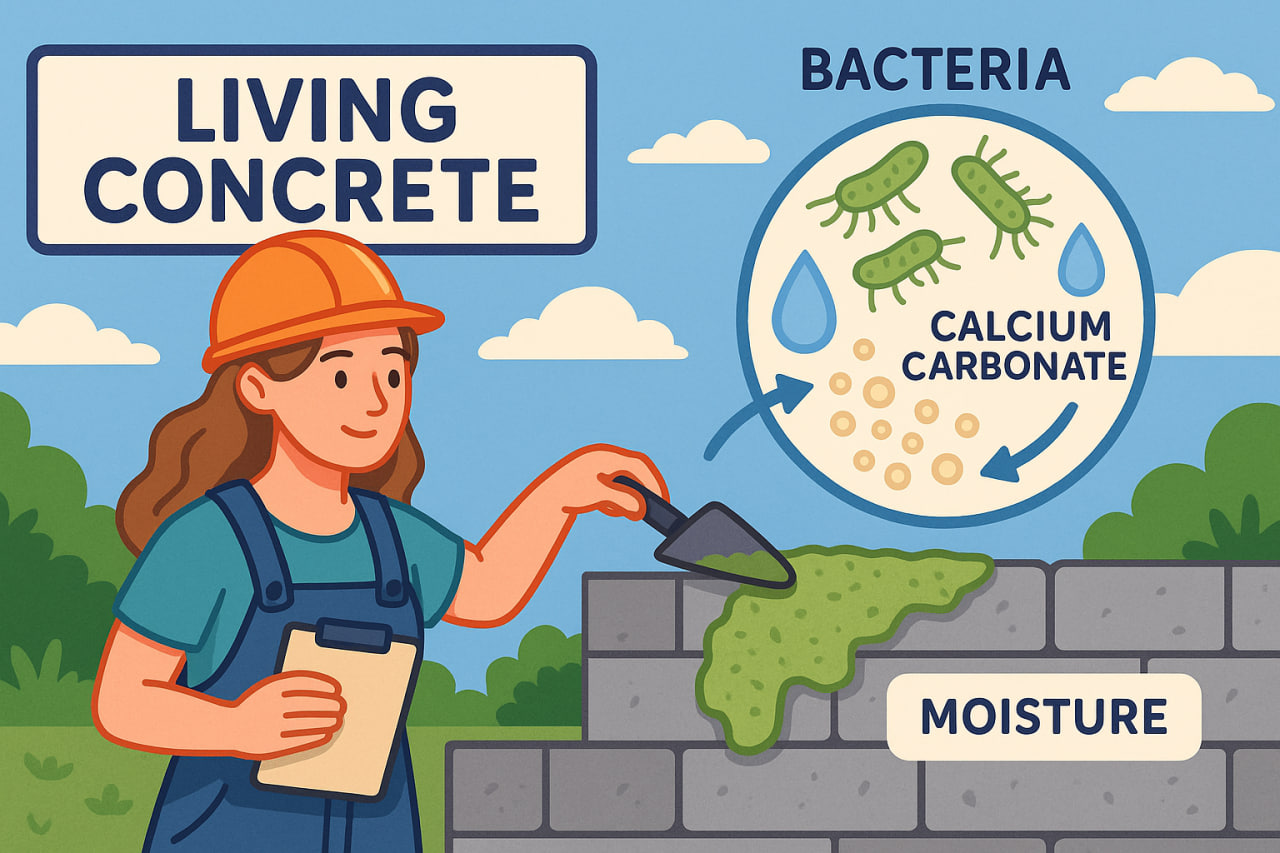
Living concrete is an emerging class of bioengineered construction materials that incorporate living microorganisms to give concrete new, remarkable abilities.
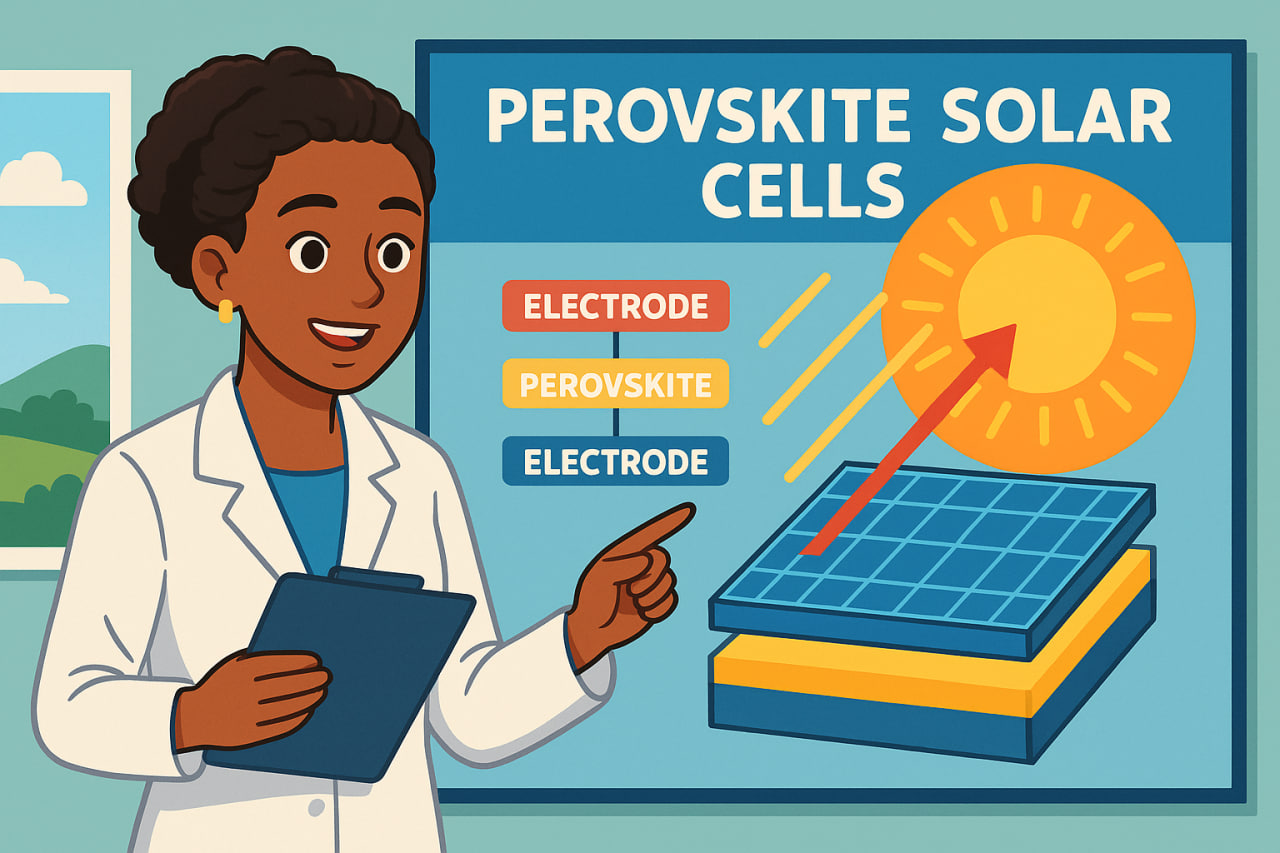
Perovskite solar cells are one of the most promising innovations in renewable energy.
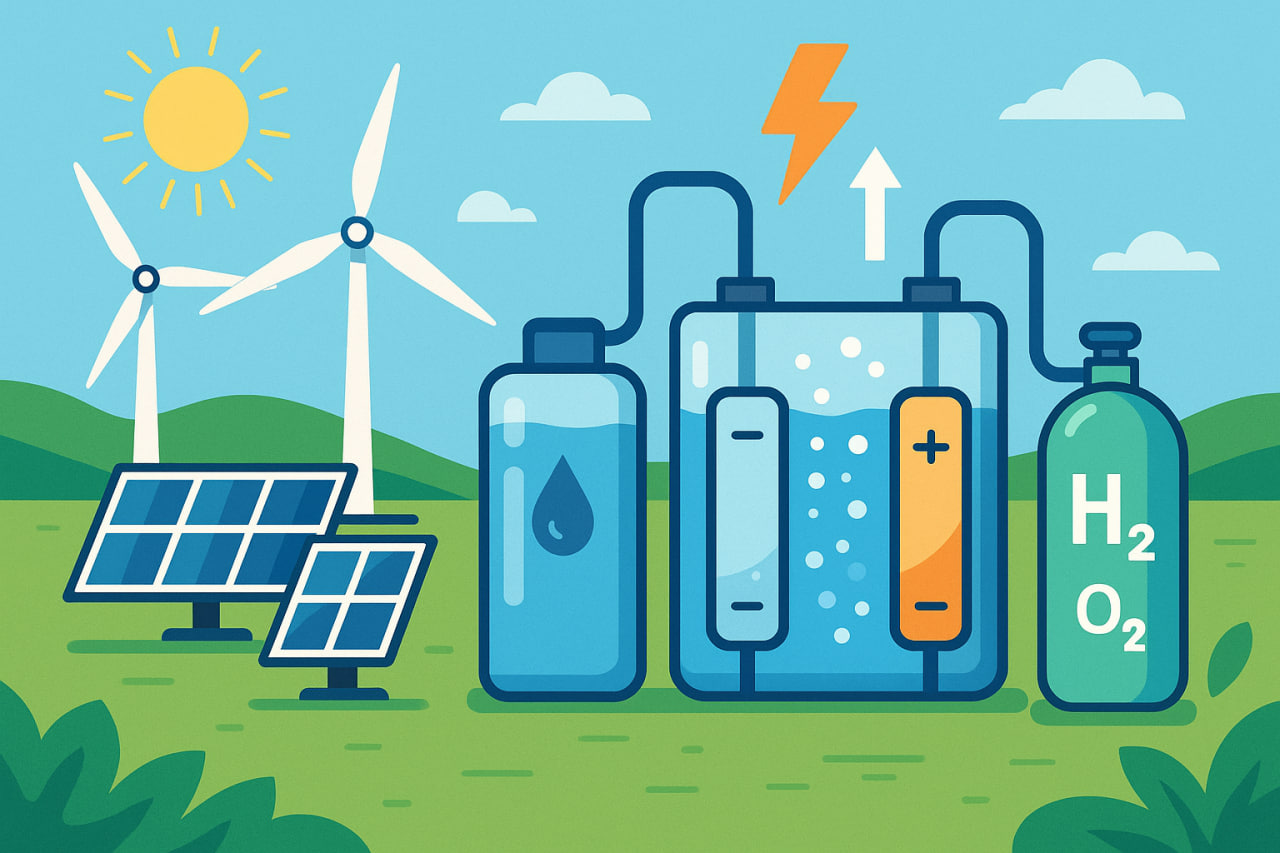
Green hydrogen is emerging as one of the most promising clean-energy technologies of the 21st century.
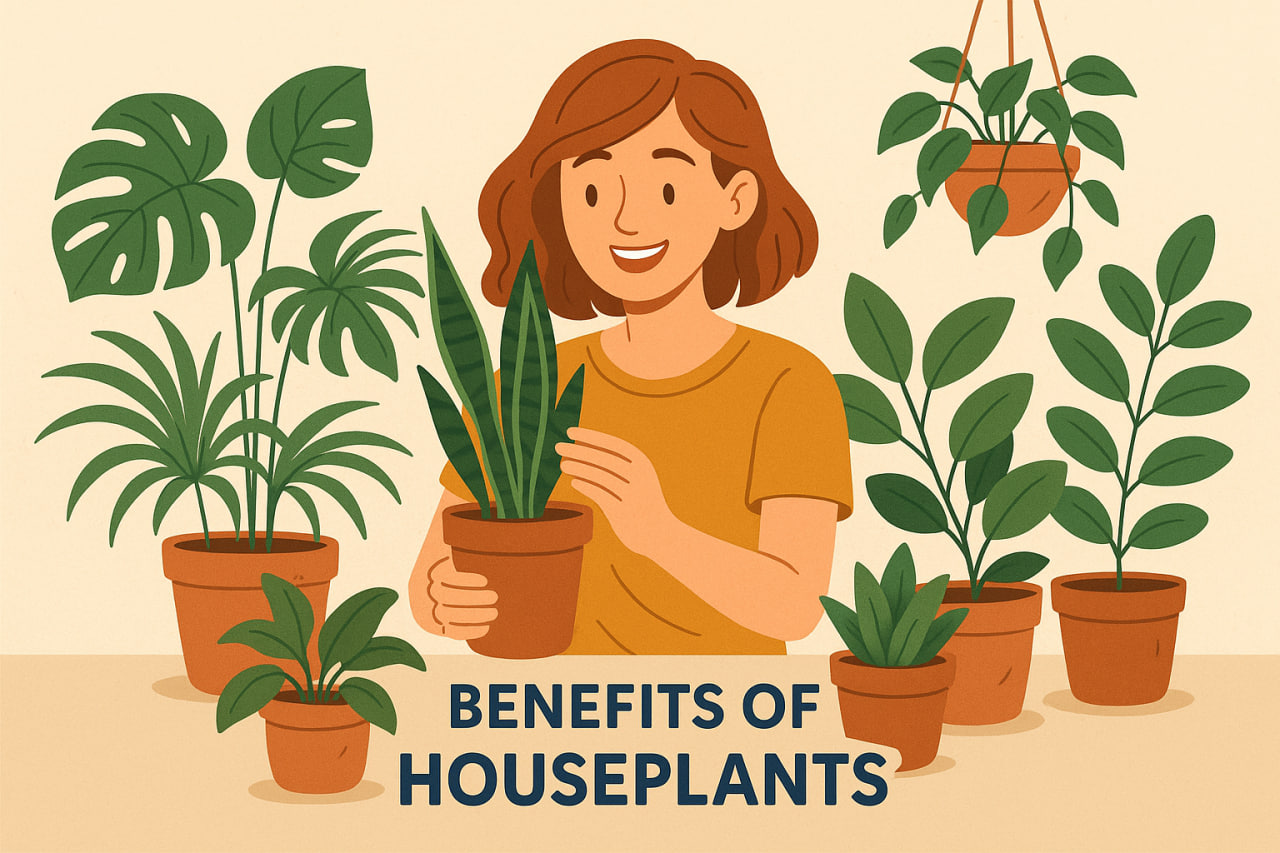
Houseplants are more than decorative elements — they are living organisms that actively support human well-being in homes, offices, and public spaces.
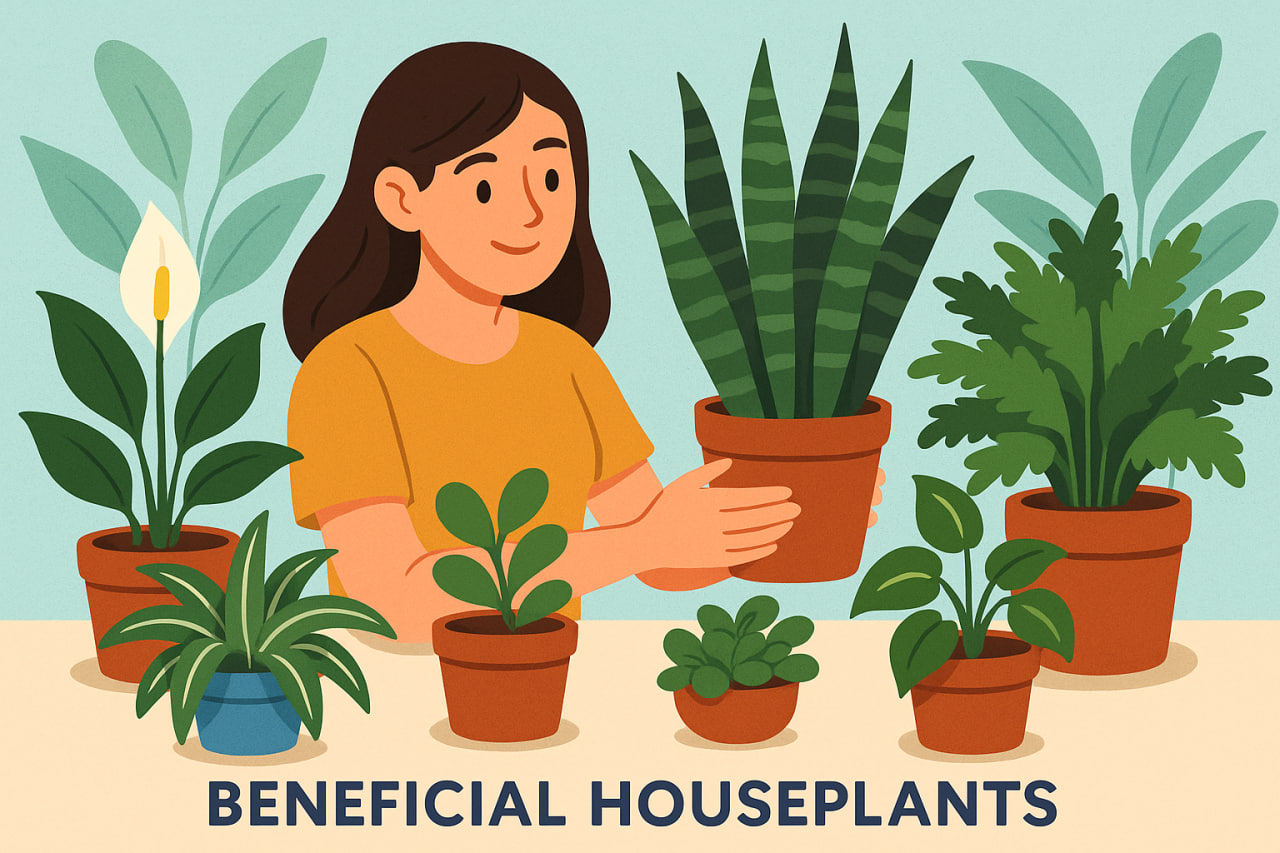
Houseplants do far more than decorate a room — they actively support human well-being by cleaning the air, regulating humidity, and creating a calming environment.