
Energy From Footsteps and Body Heat: Piezoelectric Technology for Smart Cities
Every day, millions of people walk through railway stations, airports, shopping centres, schools, stadiums, and office buildings.
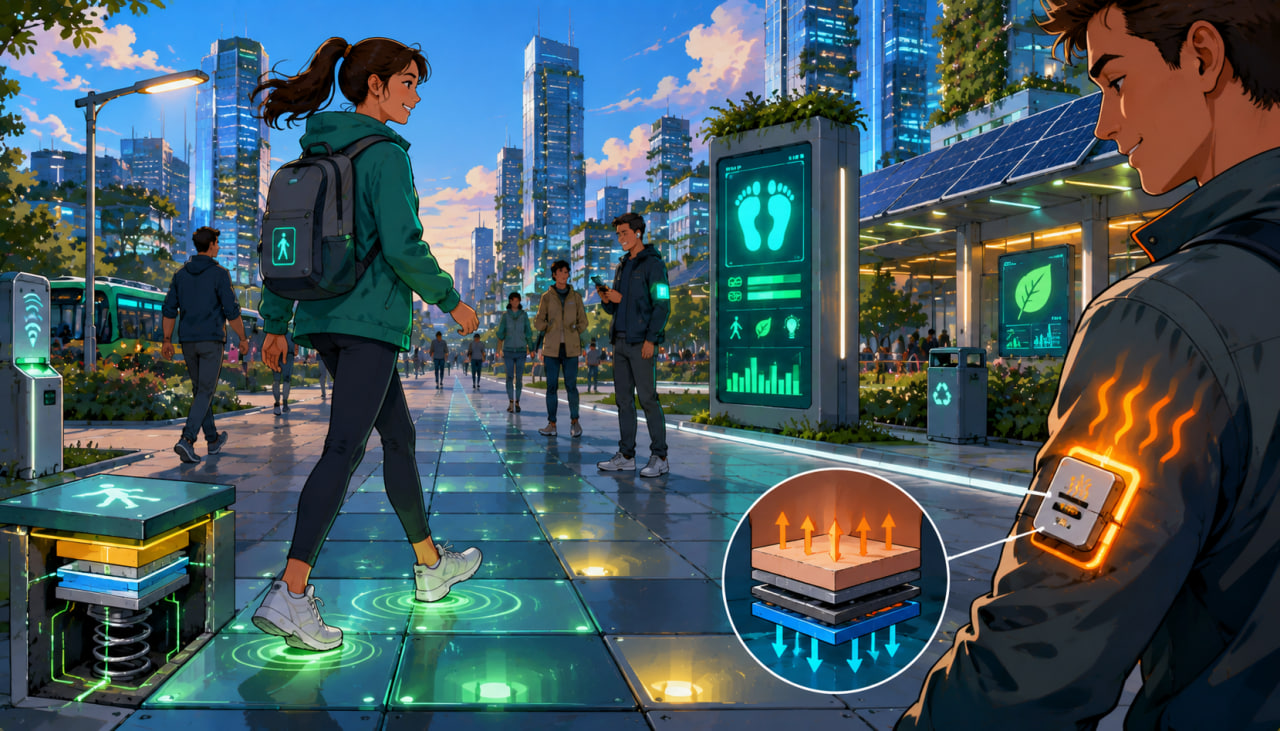
Every day, millions of people walk through railway stations, airports, shopping centres, schools, stadiums, and office buildings.
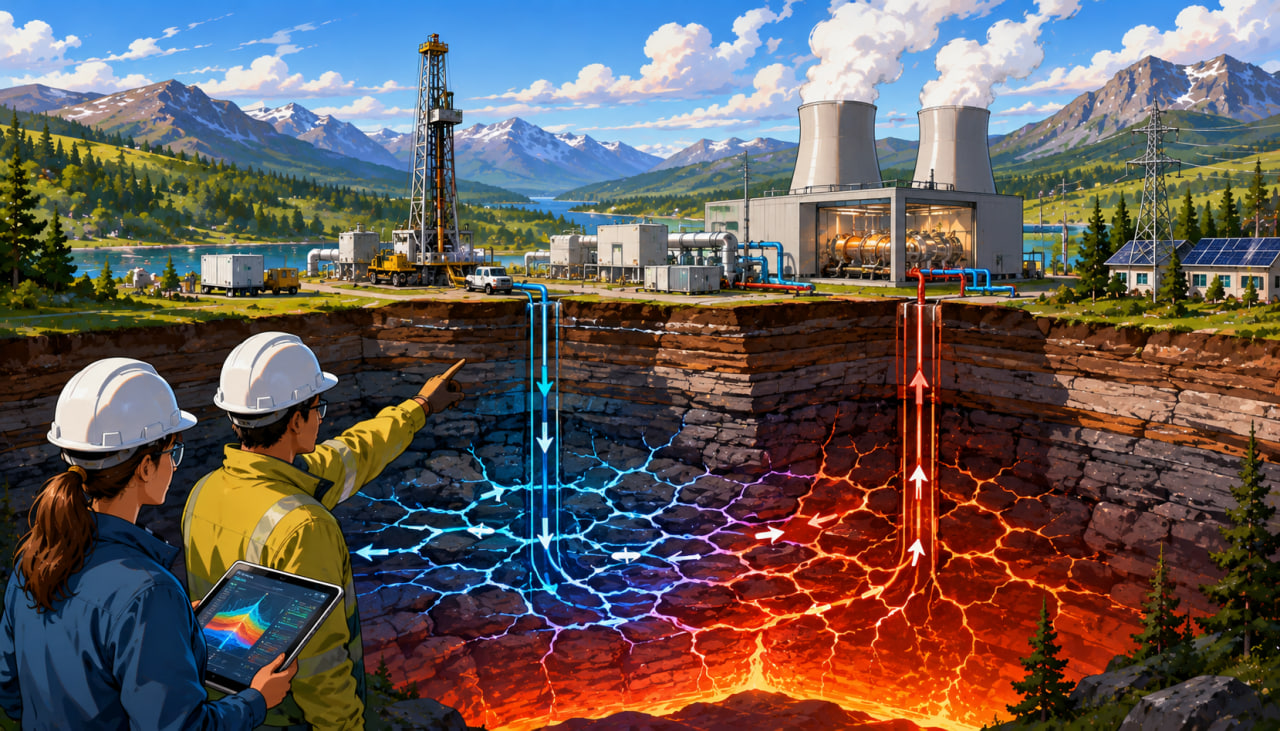
Geothermal power has traditionally depended on rare locations where underground heat, permeable rock, and naturally circulating water occur together.
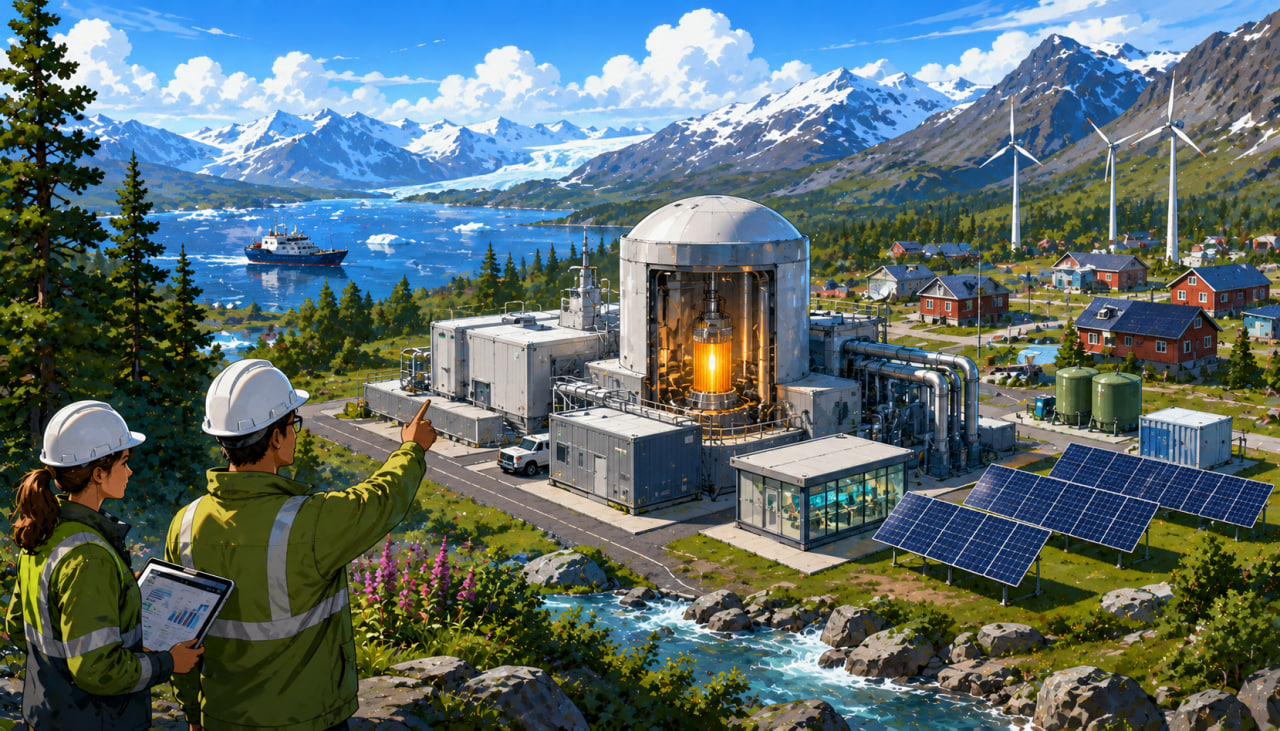
Remote communities, mining sites, research stations, military facilities, and isolated industrial projects often depend on diesel fuel transported across enormous distances.
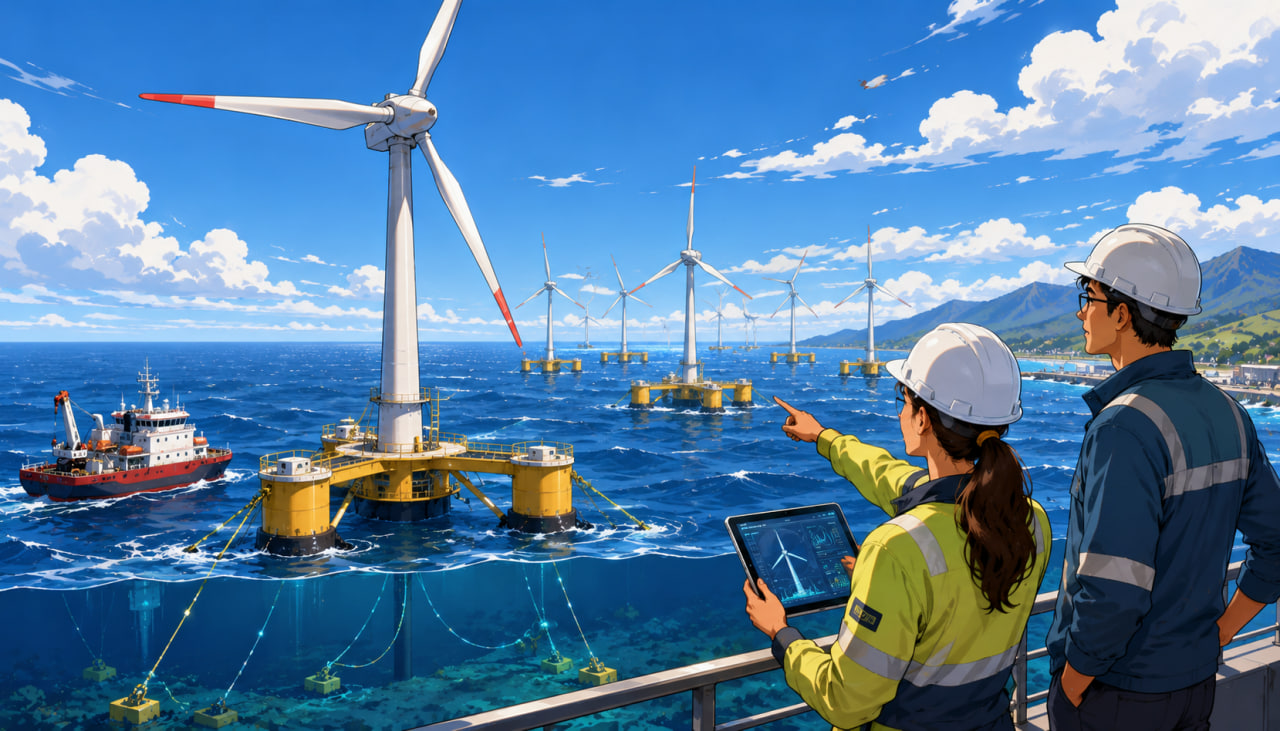
Floating offshore wind farms are among the most ambitious renewable energy technologies of 2026.
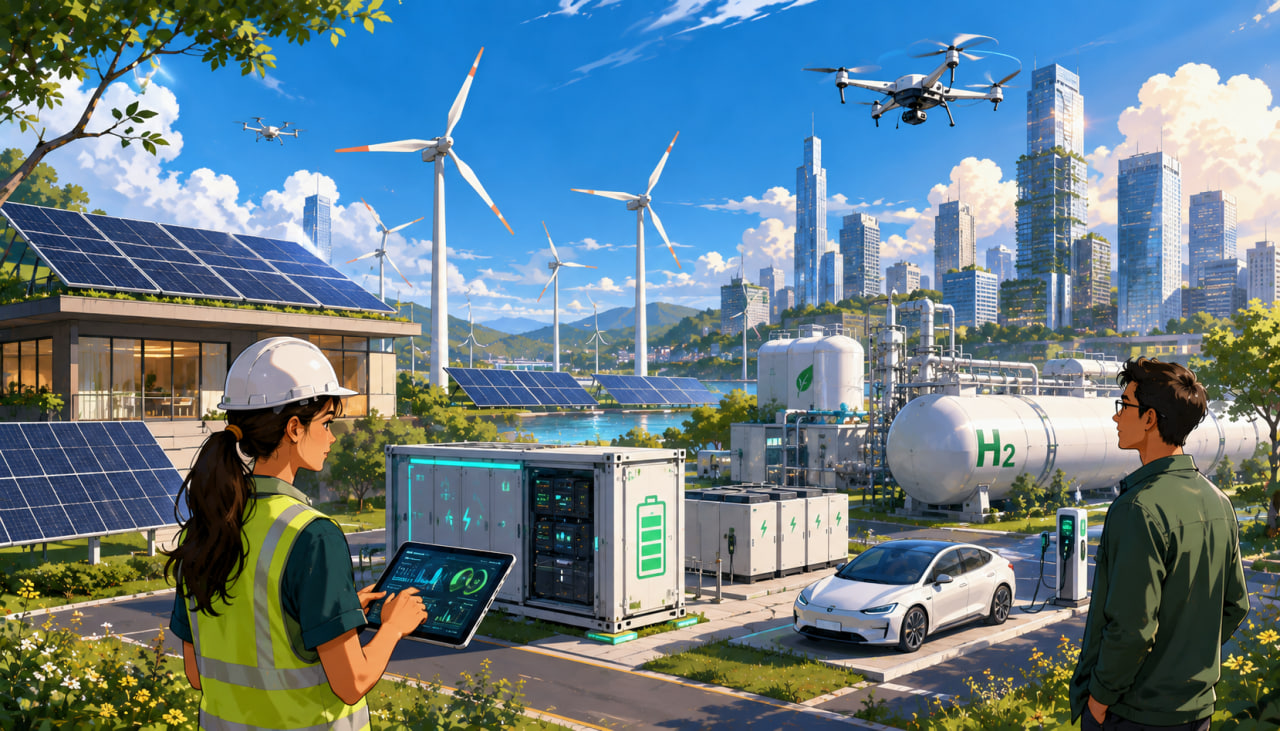
Renewable energy innovation in 2026 is no longer focused only on making solar panels and wind turbines cheaper.
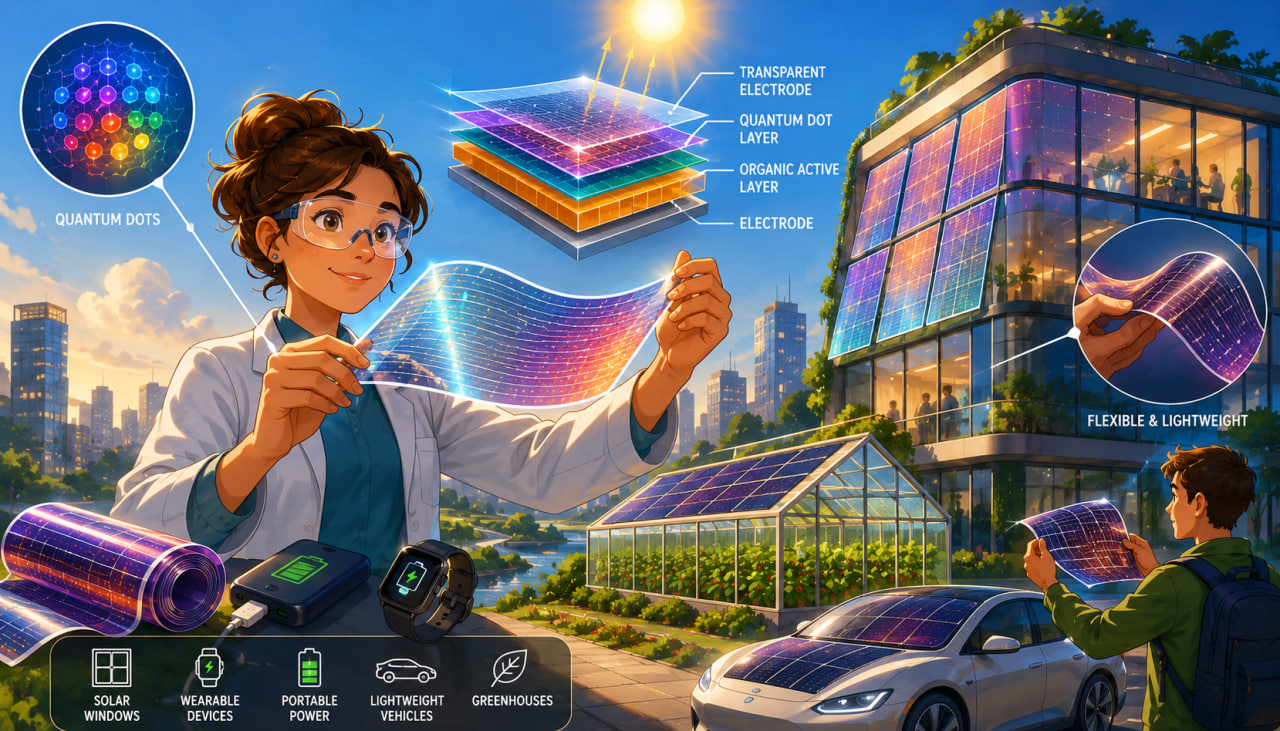
Solar energy is usually associated with rigid blue-black panels mounted on rooftops or arranged in large solar farms.

When a river flows into the sea, something invisible but powerful happens. Freshwater and saltwater naturally want to mix.

Windows have always been one of the most important parts of a building. They bring in daylight, provide views, shape architecture, and affect how much heat enters or escapes a room.
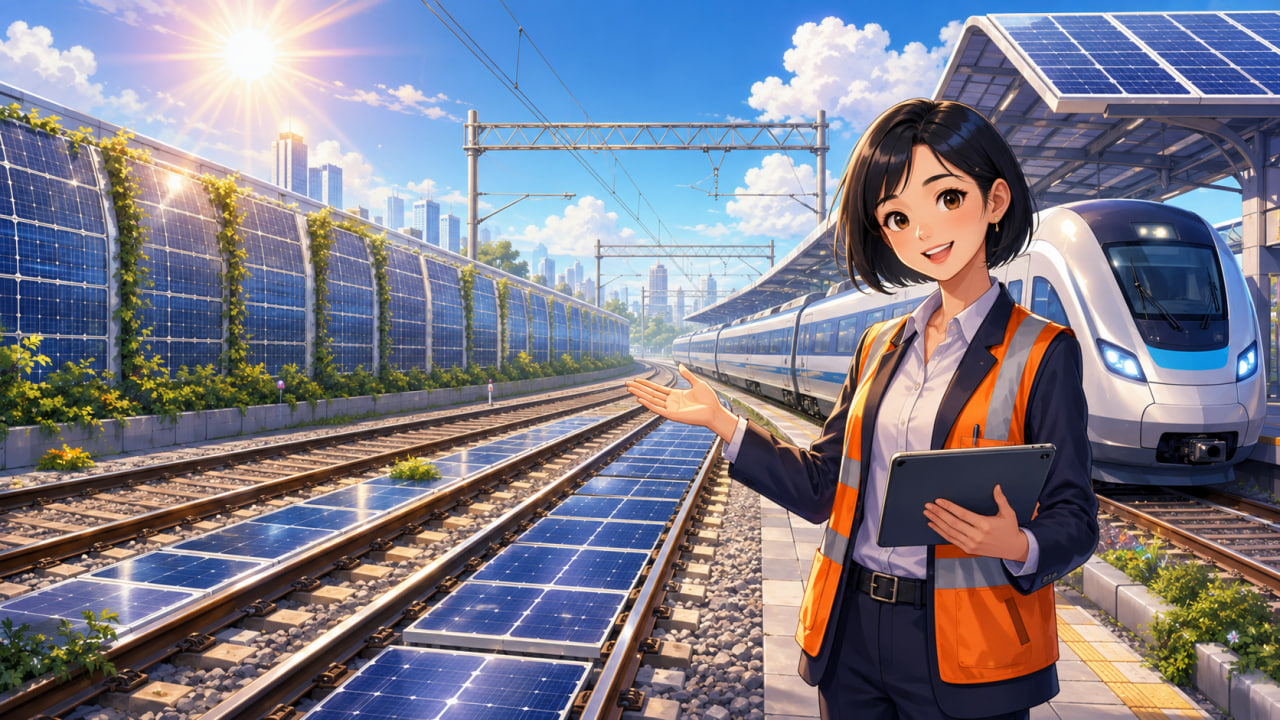
Railways already have one major advantage in the fight against climate change: they move large numbers of people and goods with far lower emissions than many road and air alternatives.
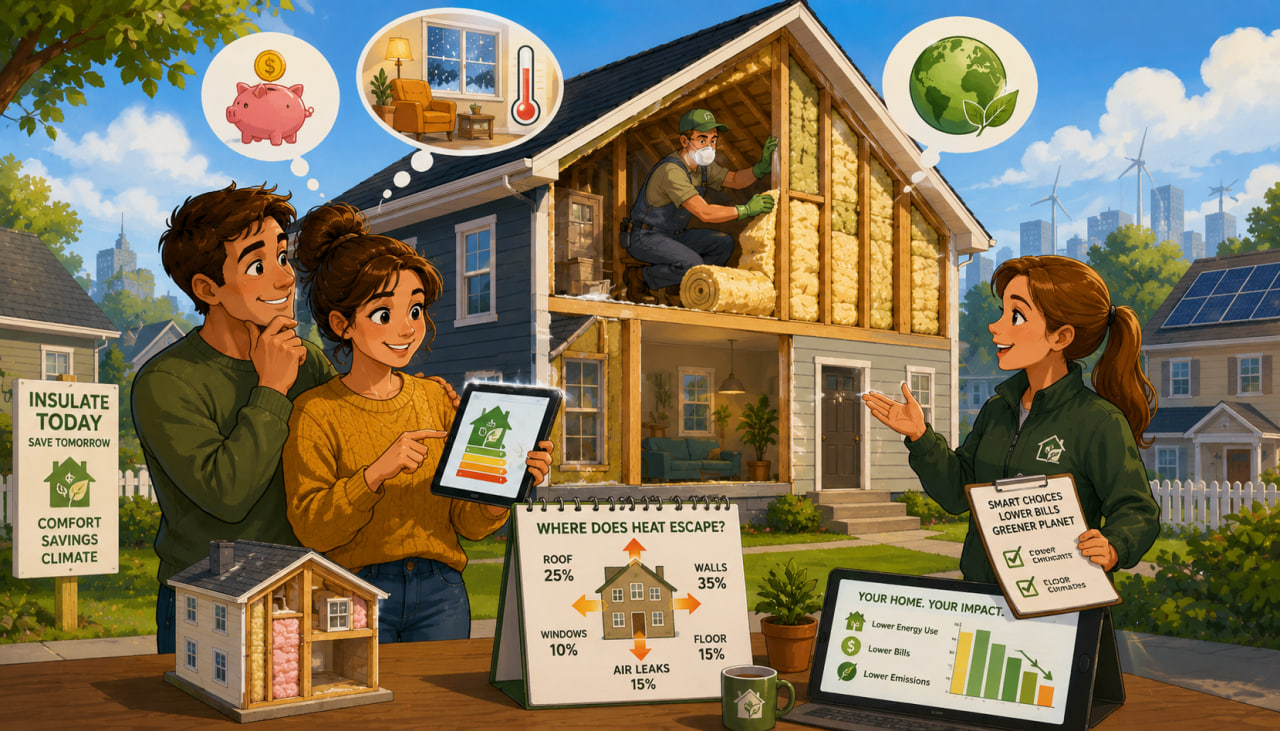
Improving home insulation is one of the most effective ways to reduce household energy consumption, lower utility bills, and decrease greenhouse gas emissions.