
Home Energy Storage Systems: Independence from the Power Grid
For more than a century, most homes relied almost entirely on centralized electrical grids.
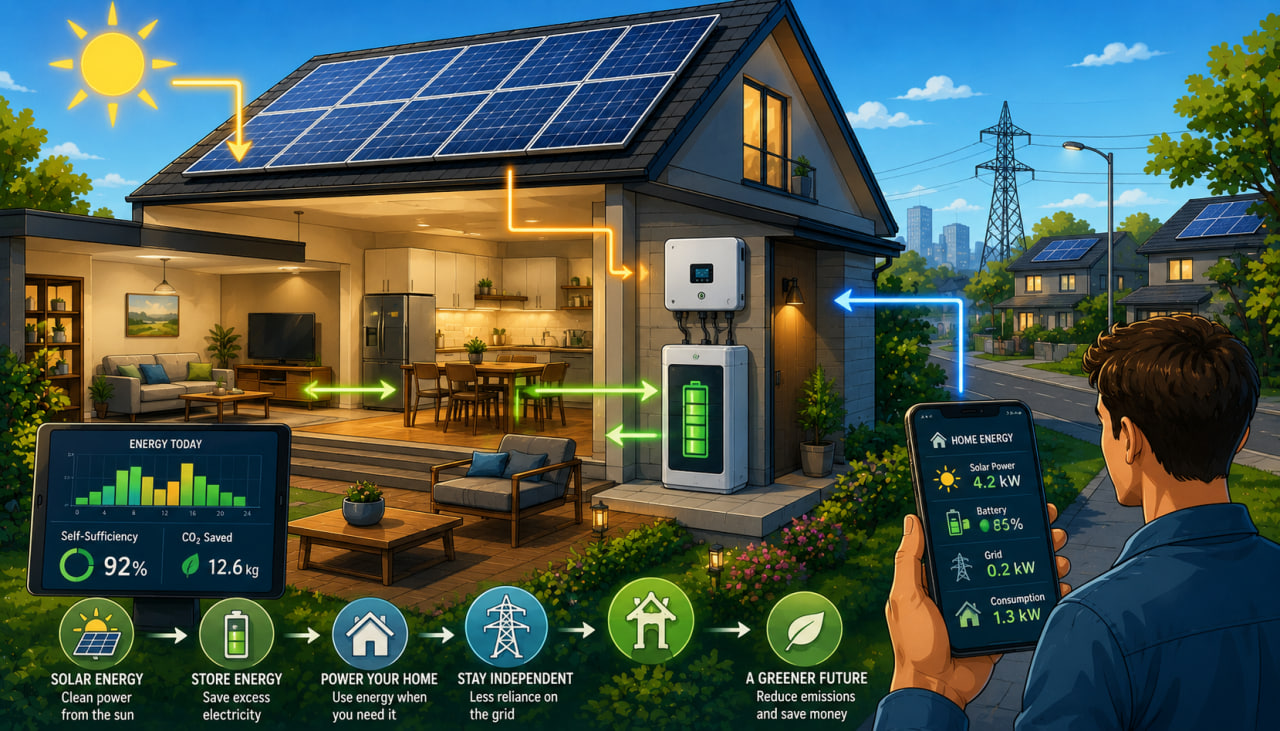
For more than a century, most homes relied almost entirely on centralized electrical grids.
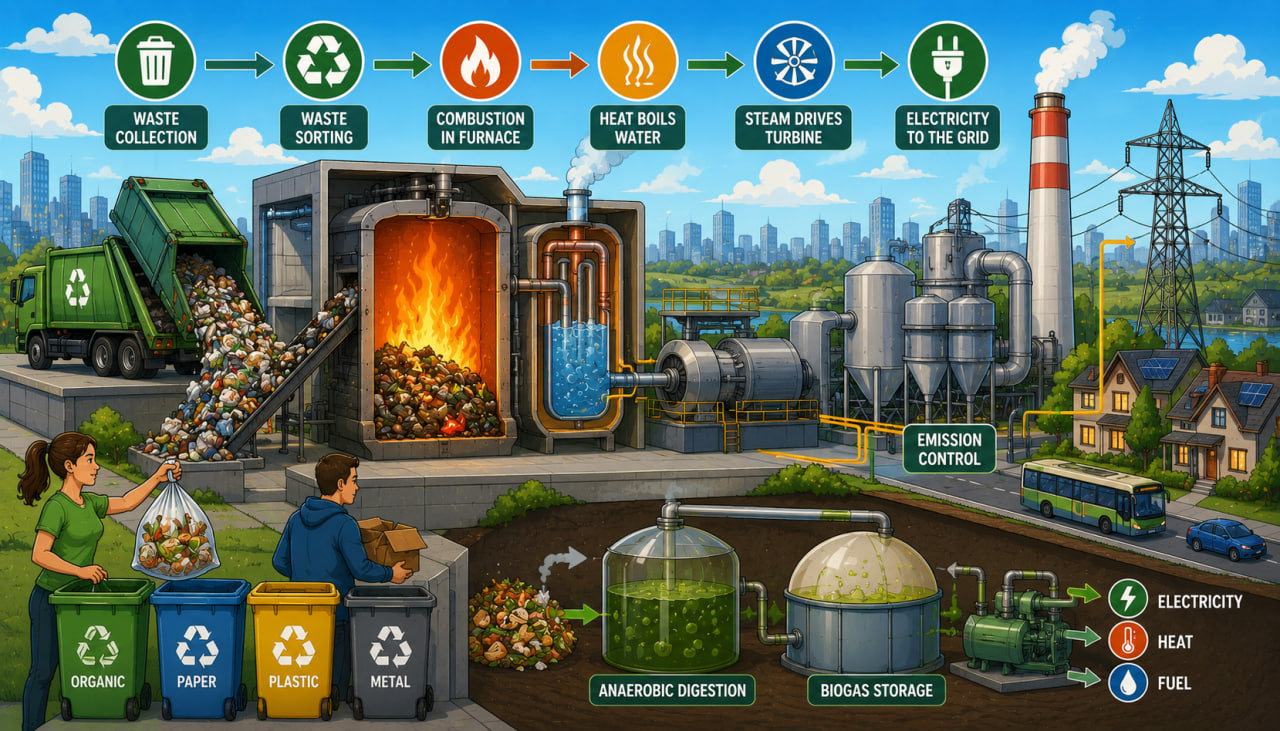
Modern civilization produces enormous amounts of waste every day. Cities generate mountains of garbage consisting of food scraps, plastics, paper, organic waste, and discarded materials from...
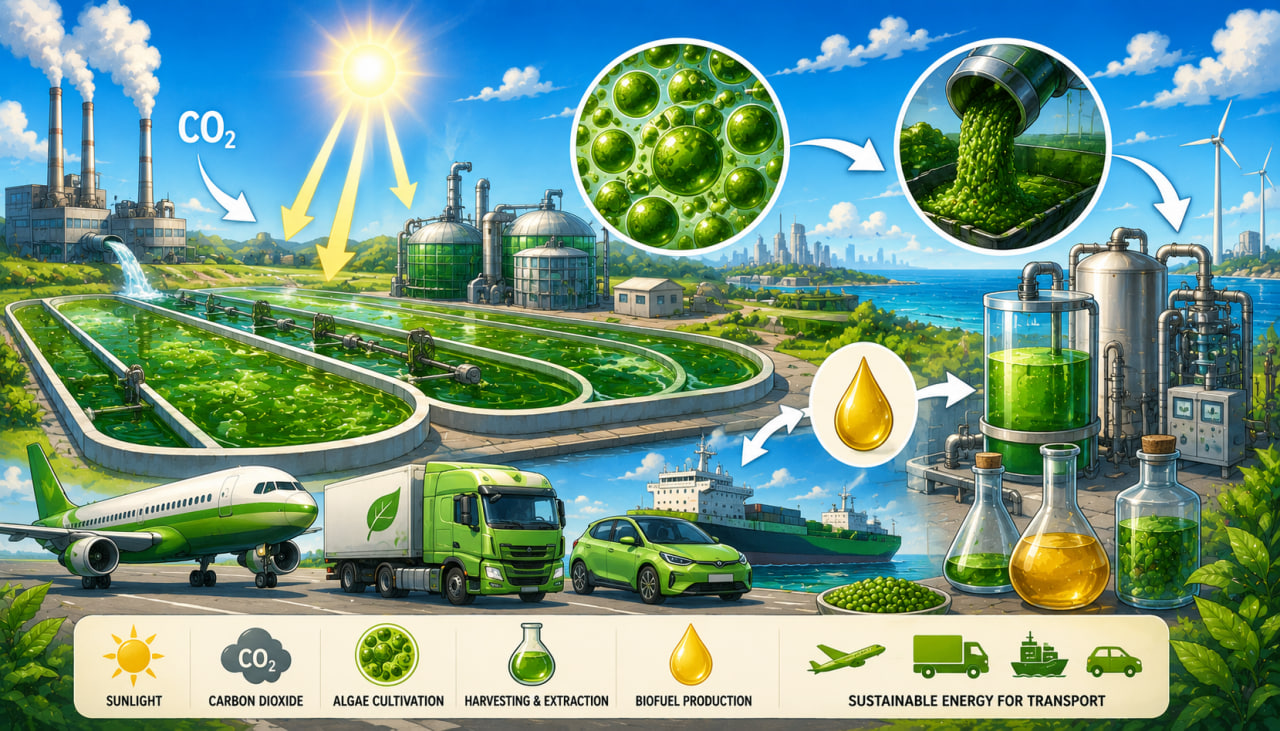
For decades, scientists and futurists dreamed about creating clean fuel from microscopic algae.
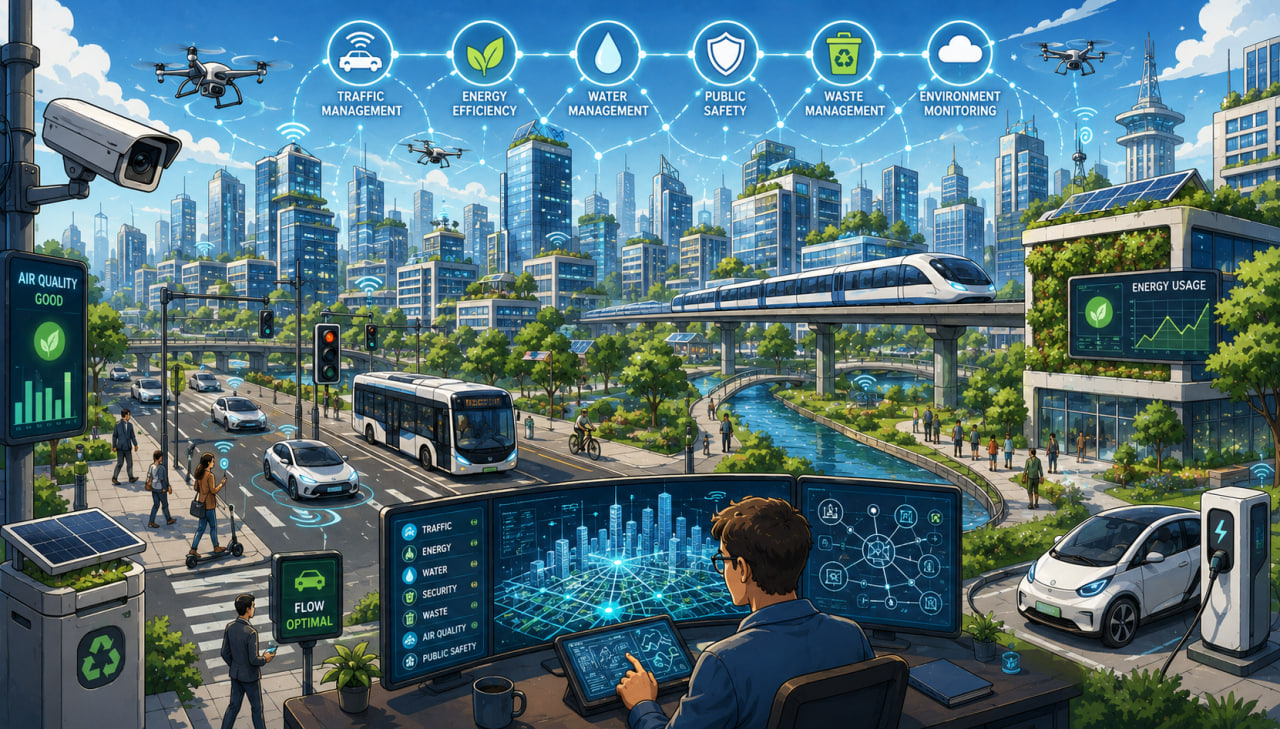
Cities are becoming increasingly intelligent. Traffic lights adjust automatically to congestion, public transport predicts passenger flows, surveillance systems analyze movement in real time...
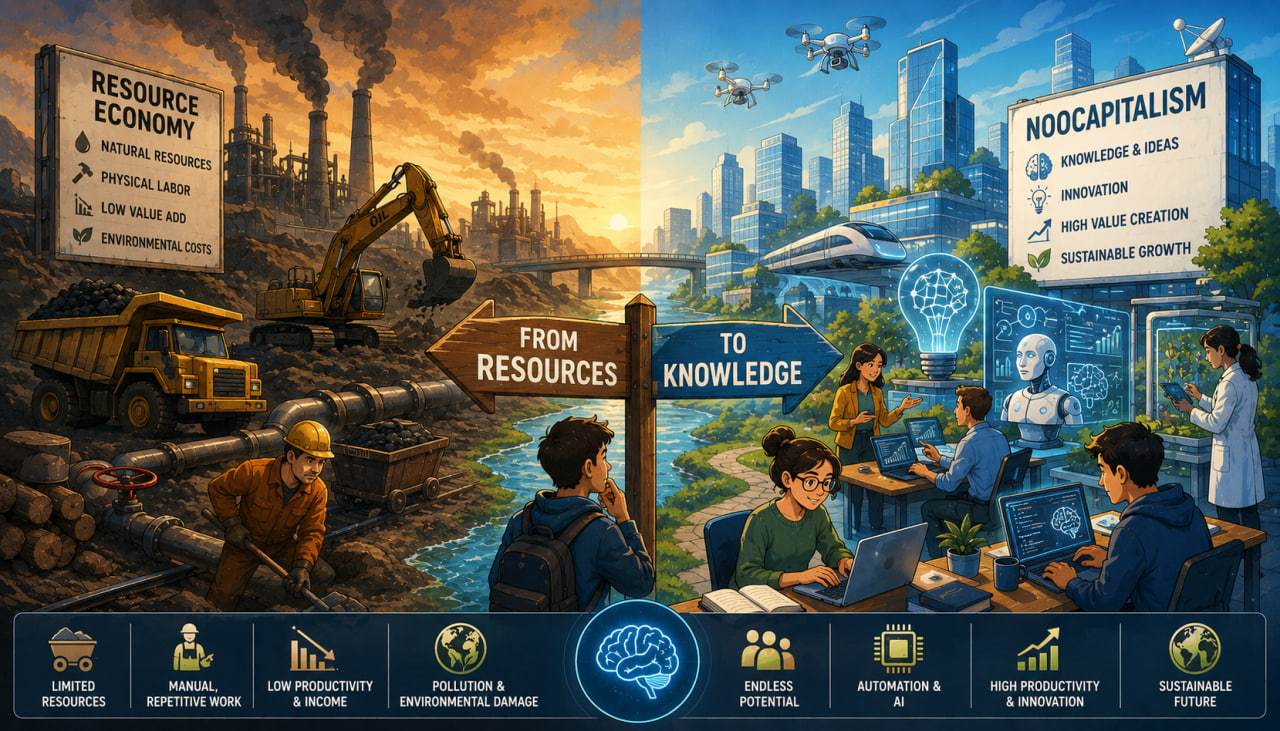
For centuries, the wealth of nations depended primarily on physical resources. Countries became powerful through access to land, oil, coal, metals, factories, and industrial production.
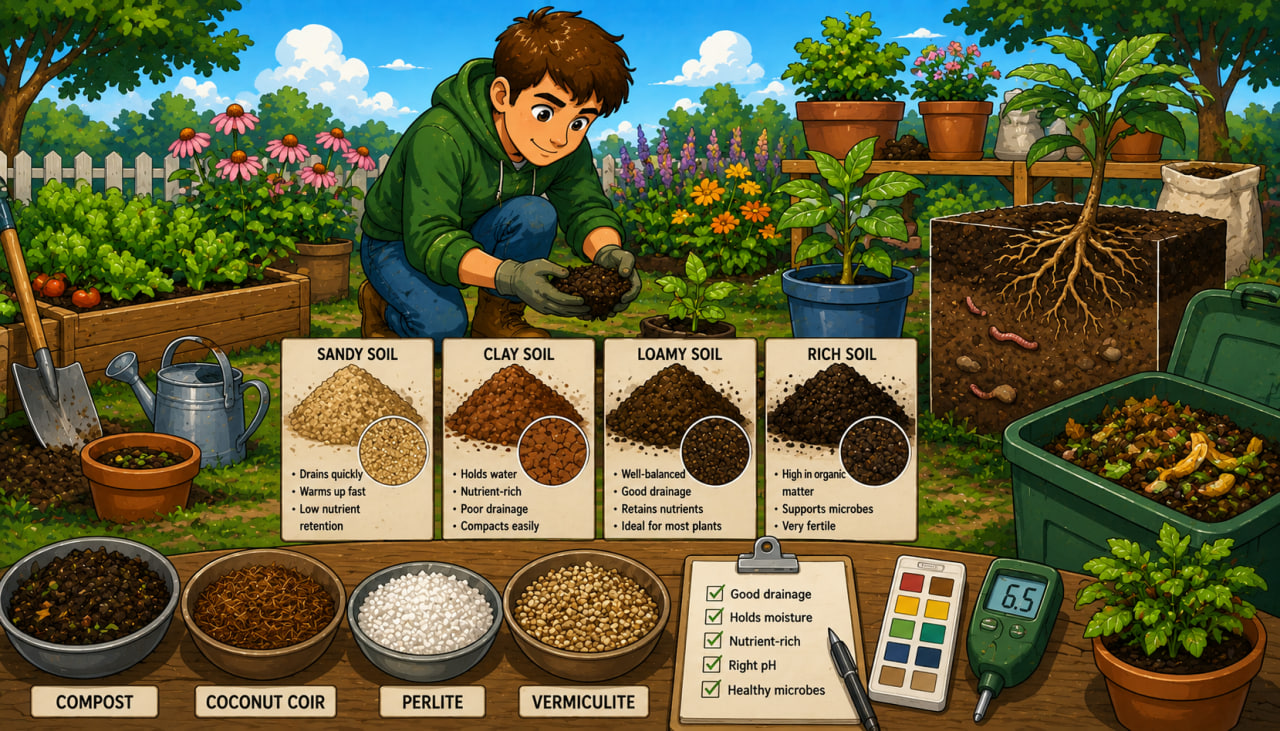
Healthy plants begin with healthy soil. Whether growing vegetables, flowers, herbs, or indoor plants, soil plays a critical role in supplying nutrients, water, oxygen, and structural support.
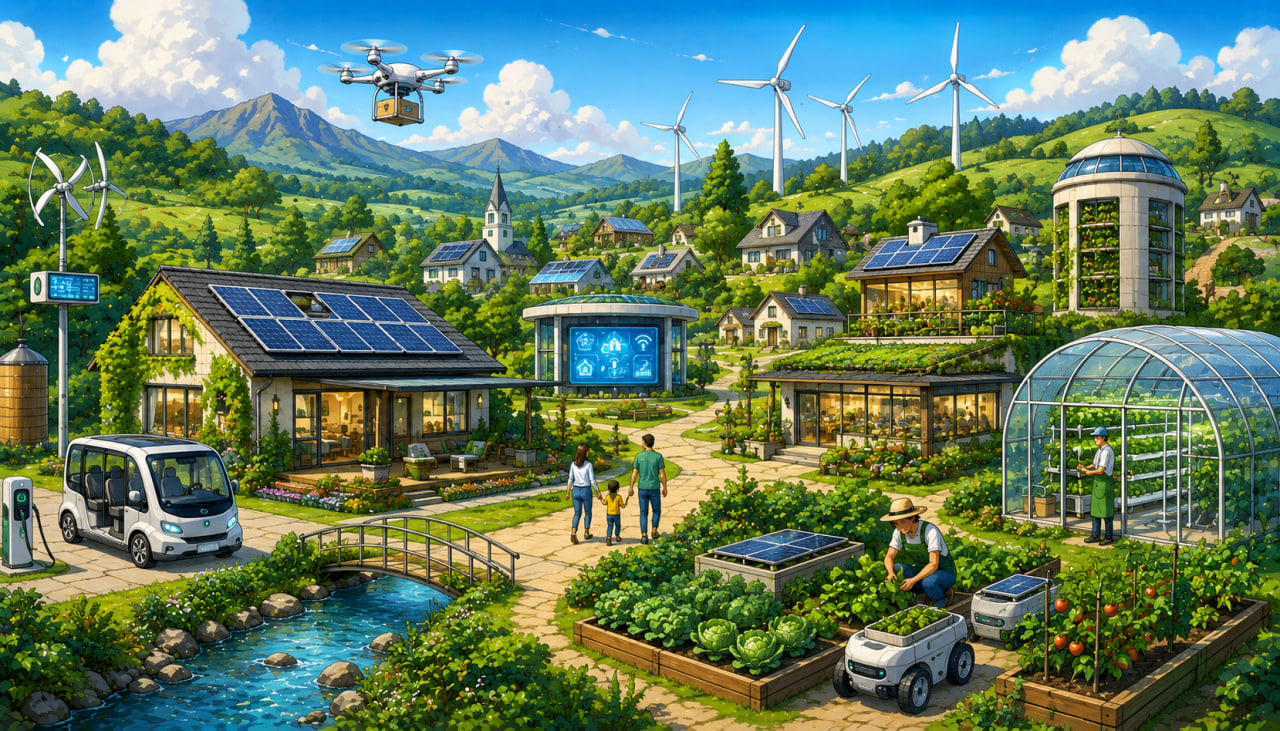
The concept of the “village of the future” combines modern technology, sustainable living, renewable energy, and smart infrastructure to create healthier and more efficient communities.
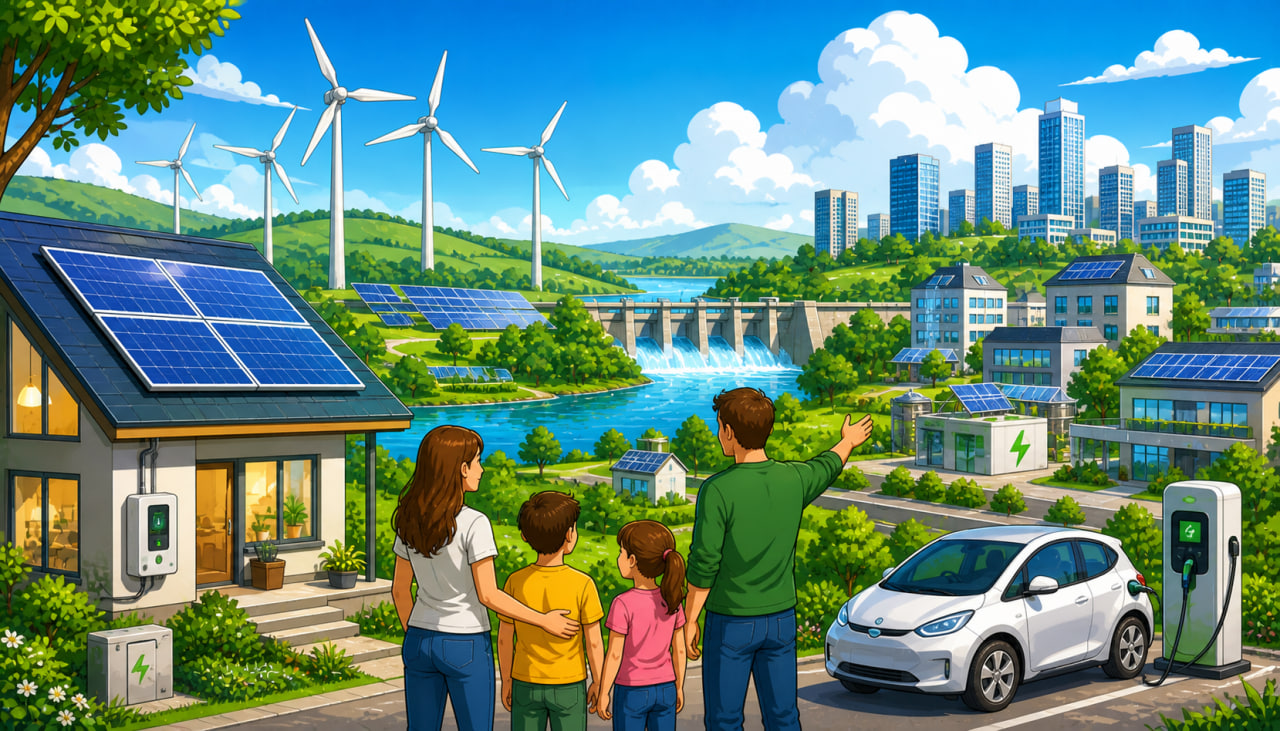
As the world faces climate change and environmental challenges, the question becomes increasingly important: can humanity rely entirely on eco-friendly electricity?
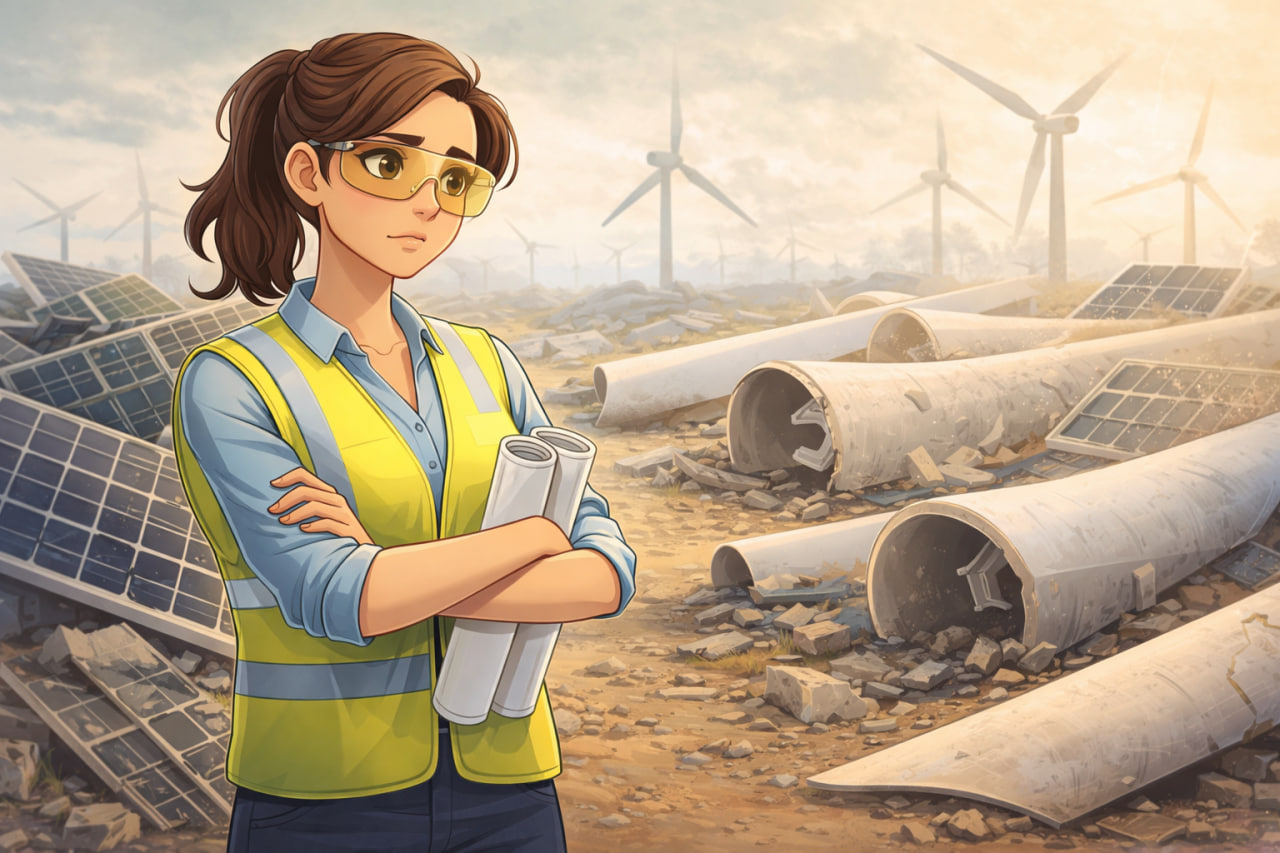
Renewable energy technologies such as solar panels and wind turbines are widely seen as a key solution to reducing carbon emissions and combating climate change.
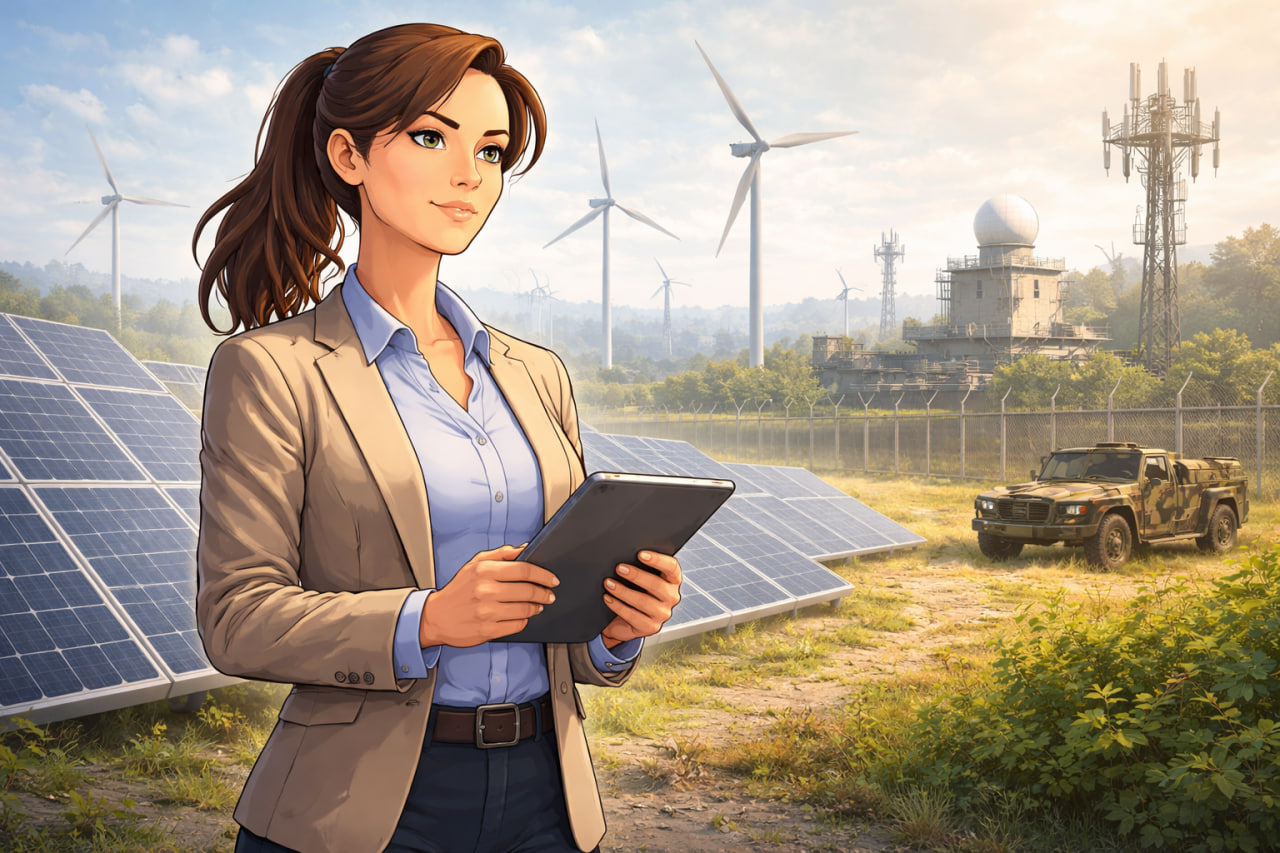
The transition to green energy is often framed as an environmental necessity, but it also has profound implications for national security.