
What Is Ecology? Understanding the Science of Life and Nature
Ecology is the branch of science that studies how living organisms interact with each other and with their physical environment.
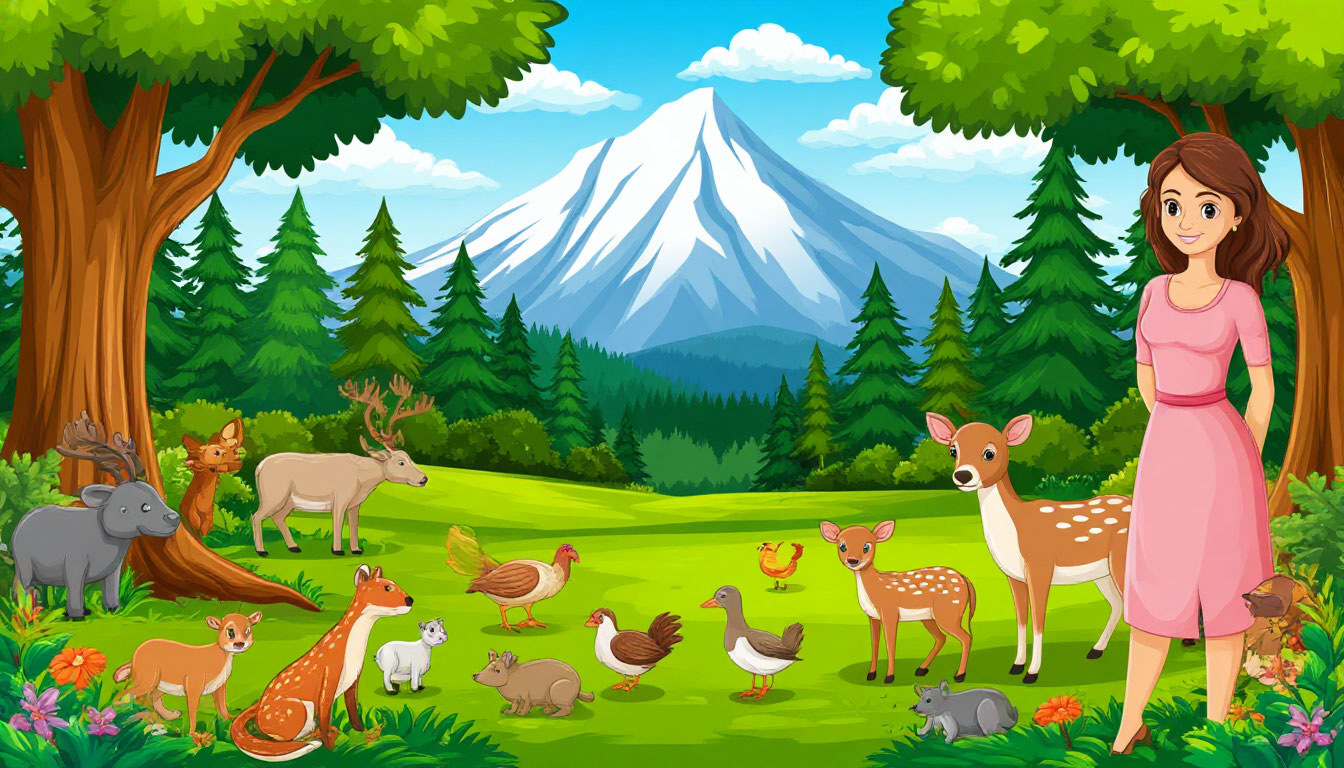
Ecology is the branch of science that studies how living organisms interact with each other and with their physical environment.
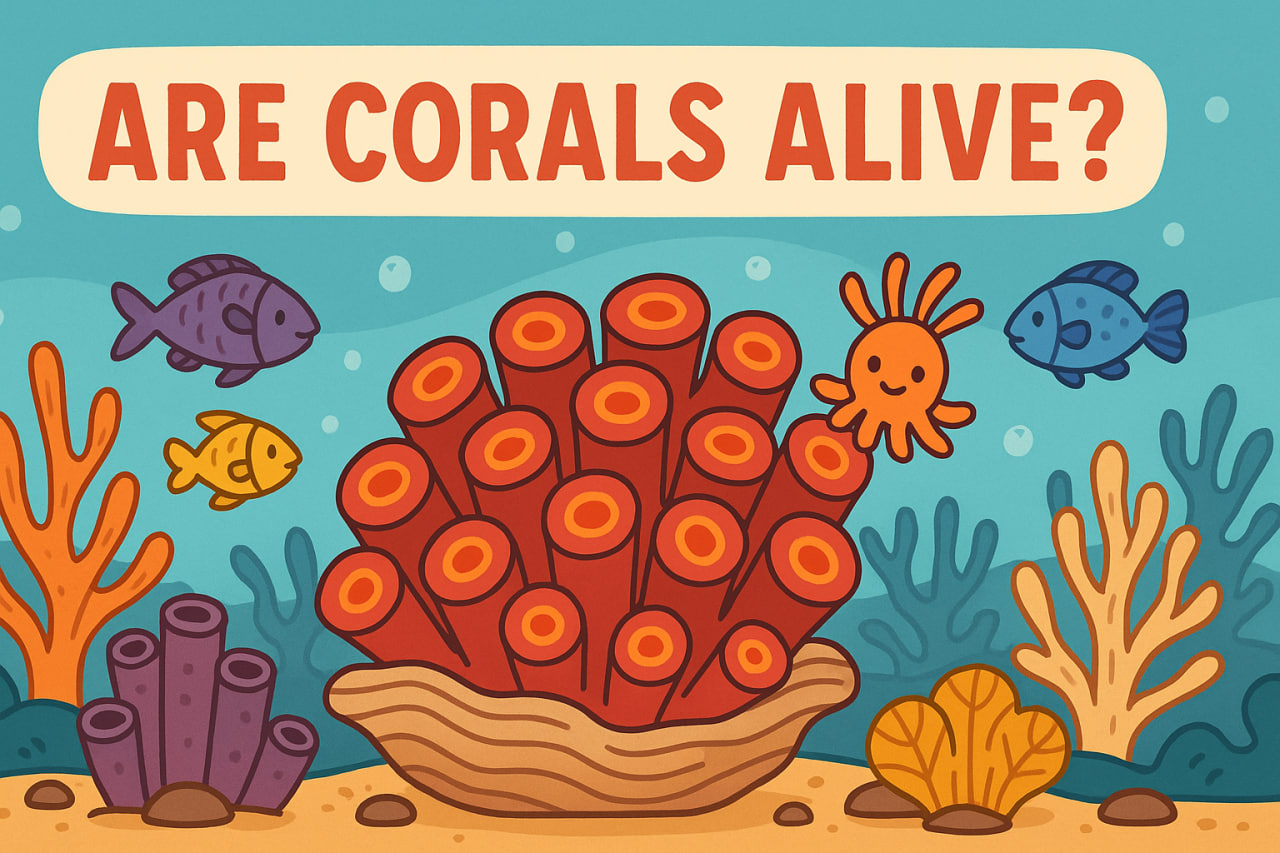
At first glance, corals might look like colorful rocks or underwater plants, but they are in fact alive—amazingly so.
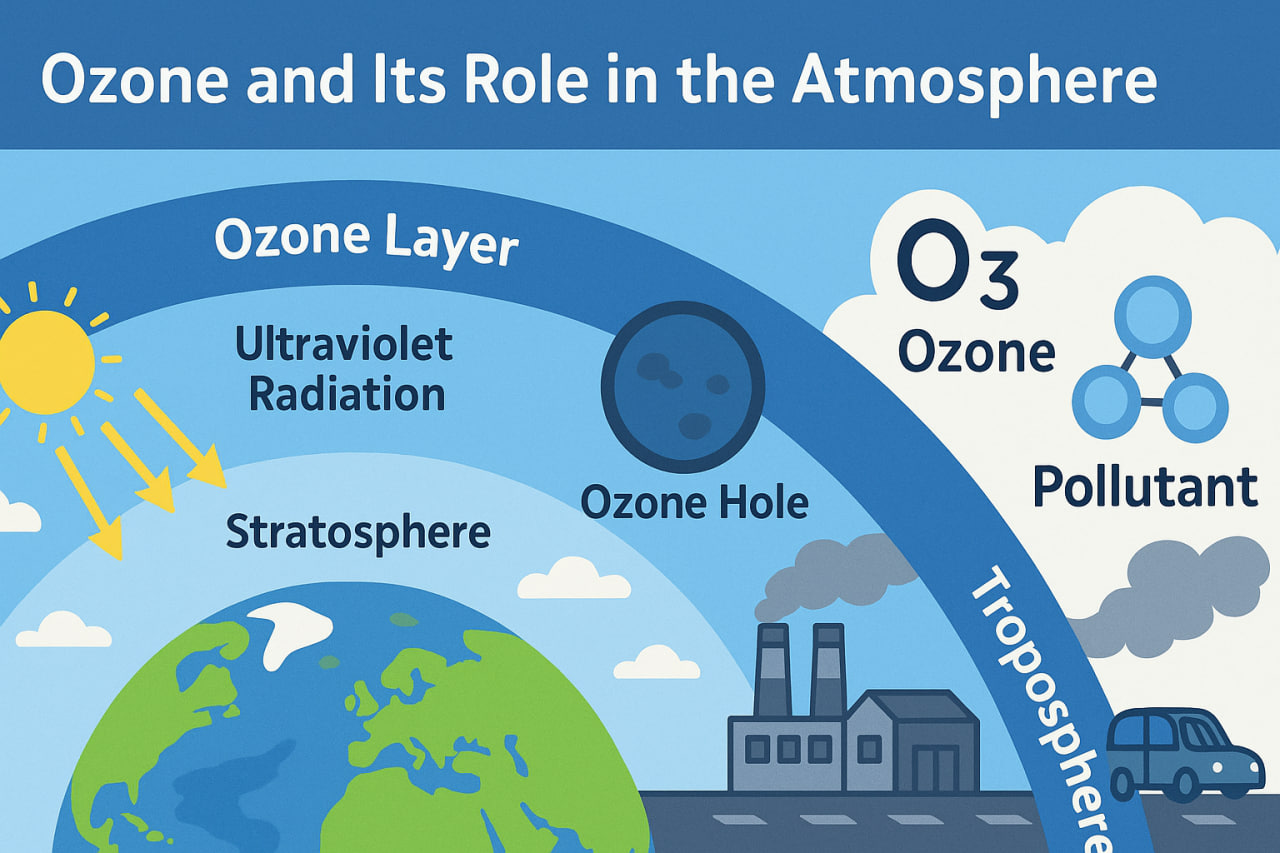
Ozone is a simple molecule made up of three oxygen atoms (O₃), yet it plays a complex and vital role in protecting life on Earth.
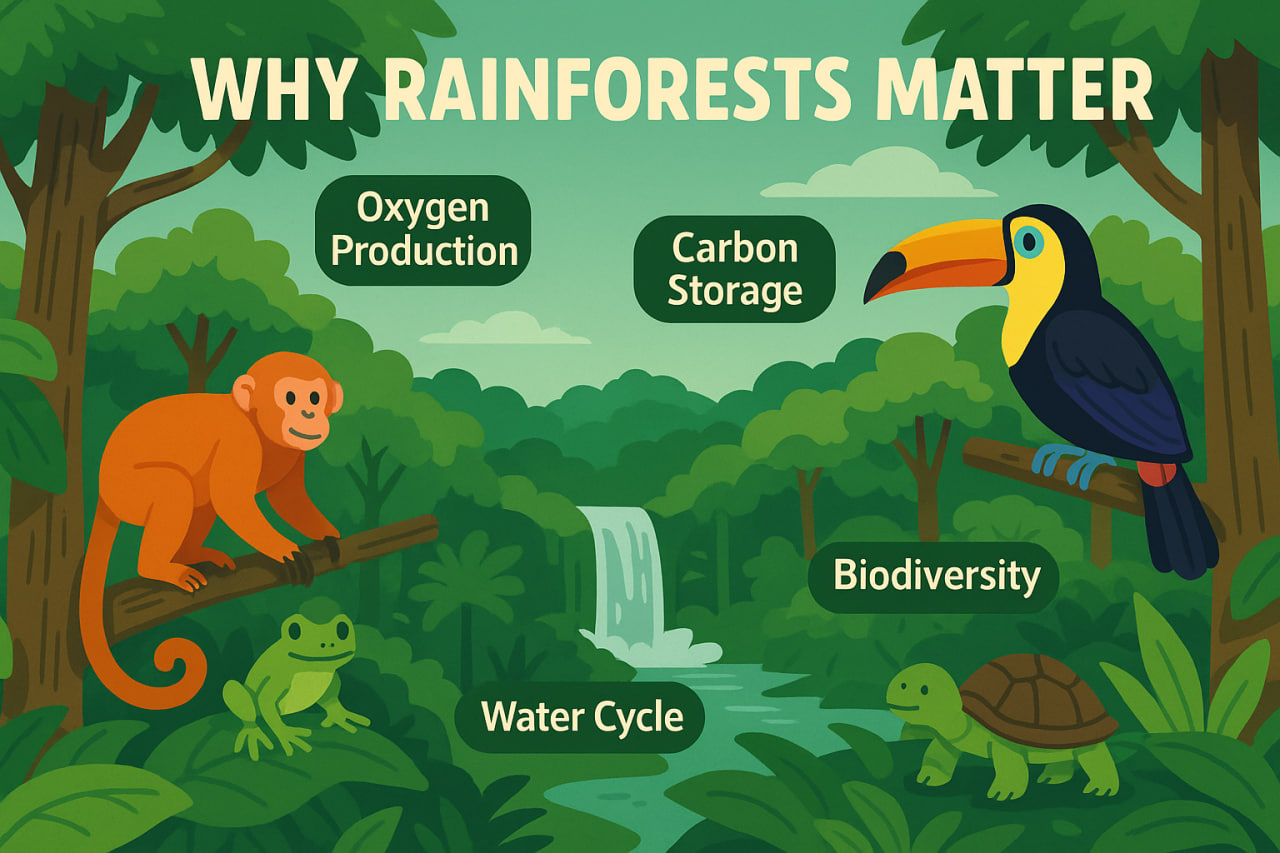
Rainforests are among the most vibrant and essential ecosystems on our planet. Although they cover only about 6% of Earth's surface, they support over half of all known species of plants and...
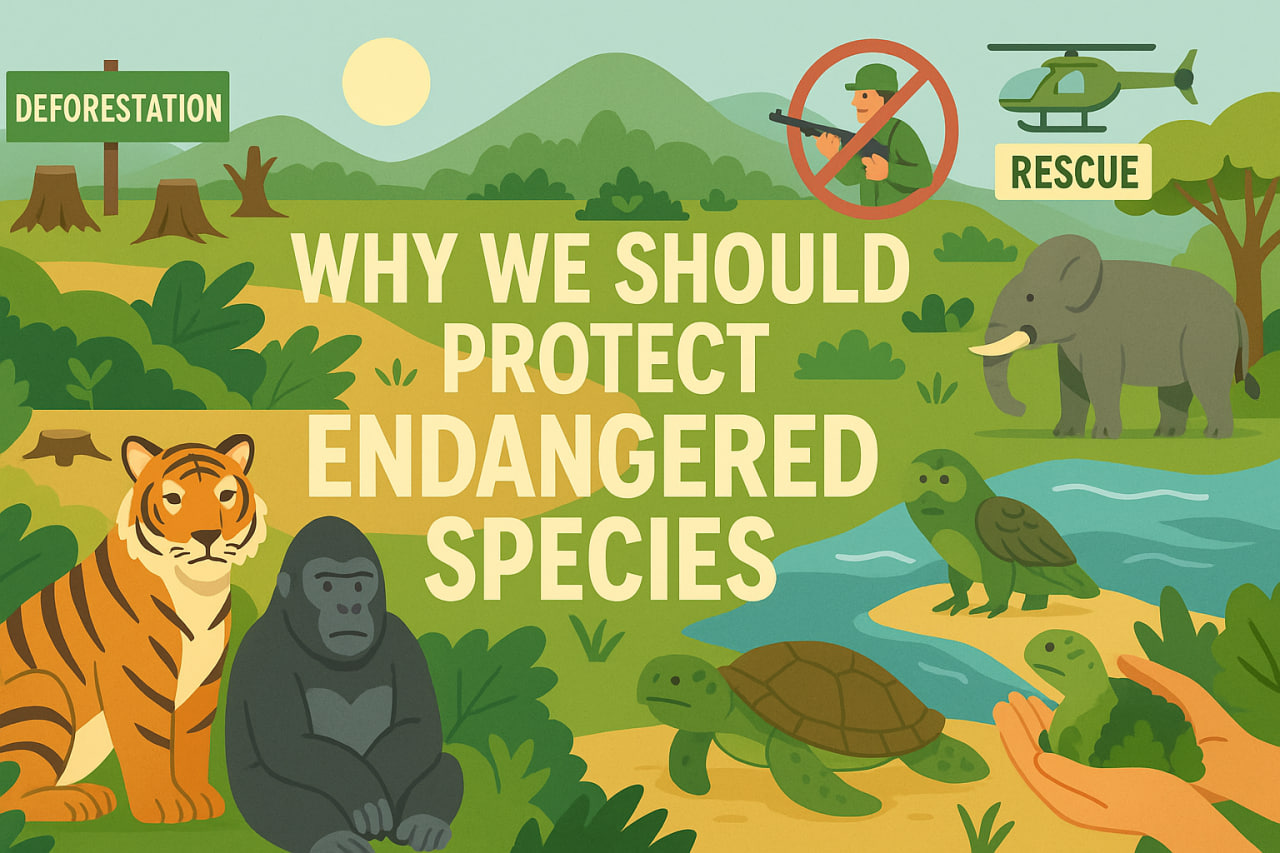
Across the globe, thousands of species are at risk of disappearing forever. From iconic animals like tigers and elephants to lesser-known frogs, birds, and plants, Earth’s biodiversity is...
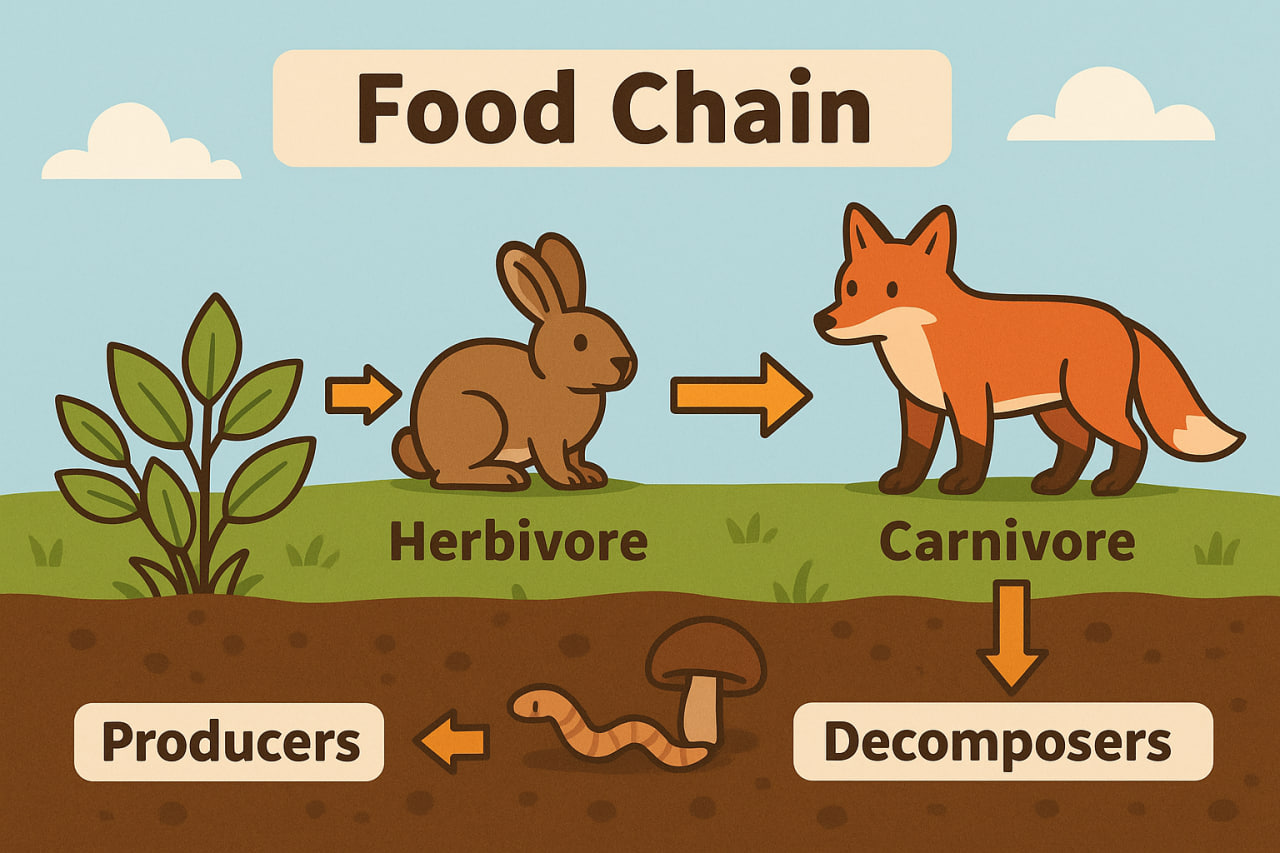
A food chain is a sequence that shows how energy and nutrients flow through an ecosystem. Each organism in the chain feeds on the one below it and is, in turn, eaten by the one above.
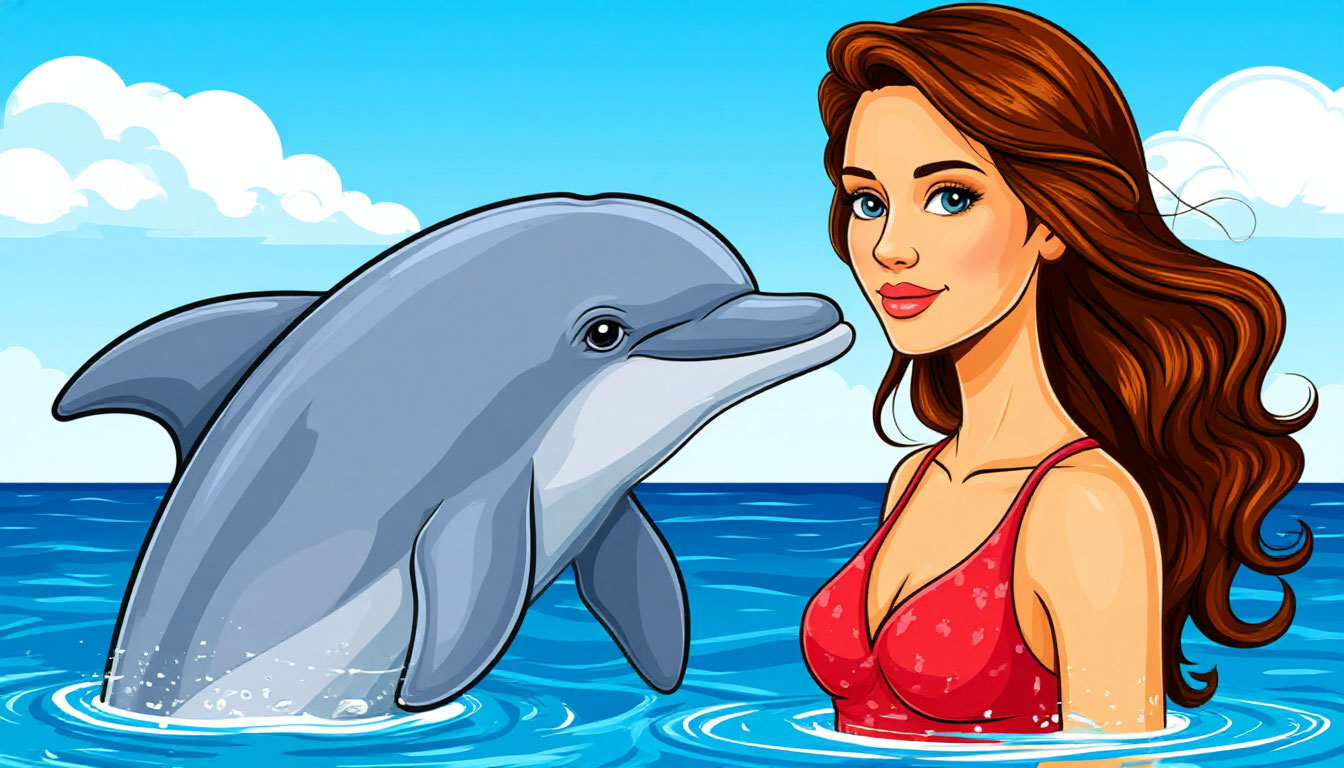
Dolphins are among the most beloved and intelligent marine animals on Earth. These highly social, agile, and curious creatures belong to the cetacean family, which also includes whales and...
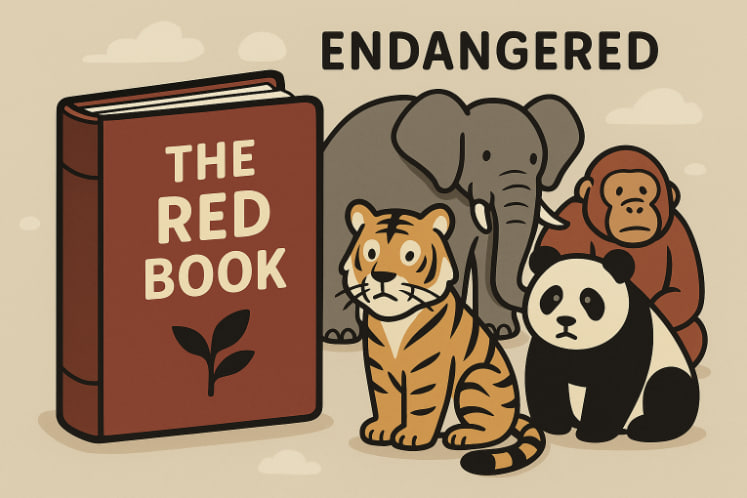
The Red Book, officially known as the IUCN Red List of Threatened Species, is the world’s most comprehensive inventory of the conservation status of animal, plant, and fungal species.
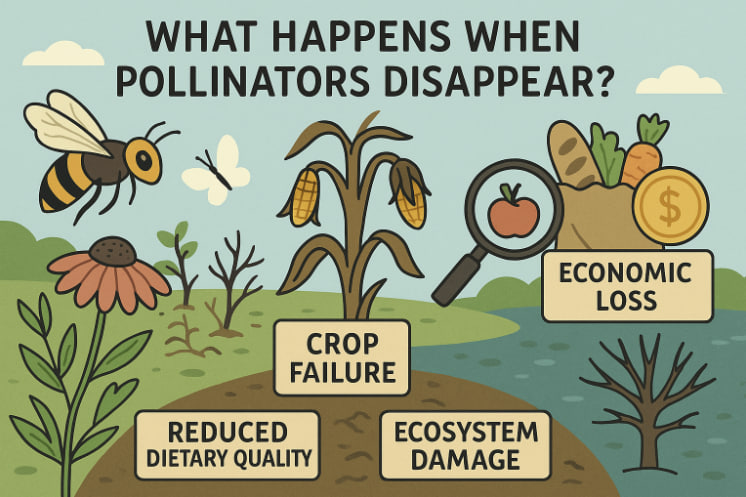
Pollinators such as bees, butterflies, beetles, birds, and bats play a crucial role in ecosystems and agriculture by helping plants reproduce.
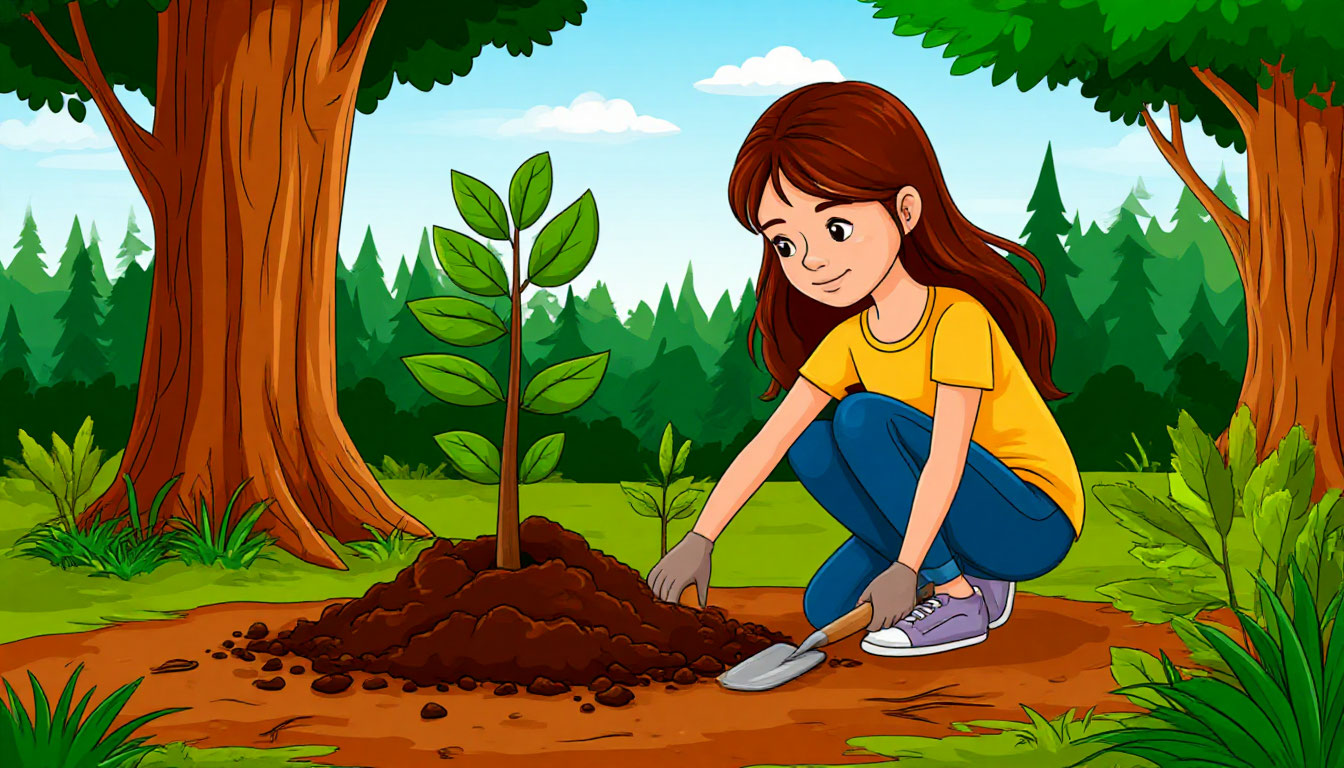
Forests are vanishing at an alarming rate, with millions of hectares lost each year. But this trend is not inevitable.