
Light Fences for Animals: How Invisible Barriers Influence Behavior
Light fences for animals are an unconventional but increasingly discussed method of guiding, restricting, or redirecting animal movement without using physical barriers.
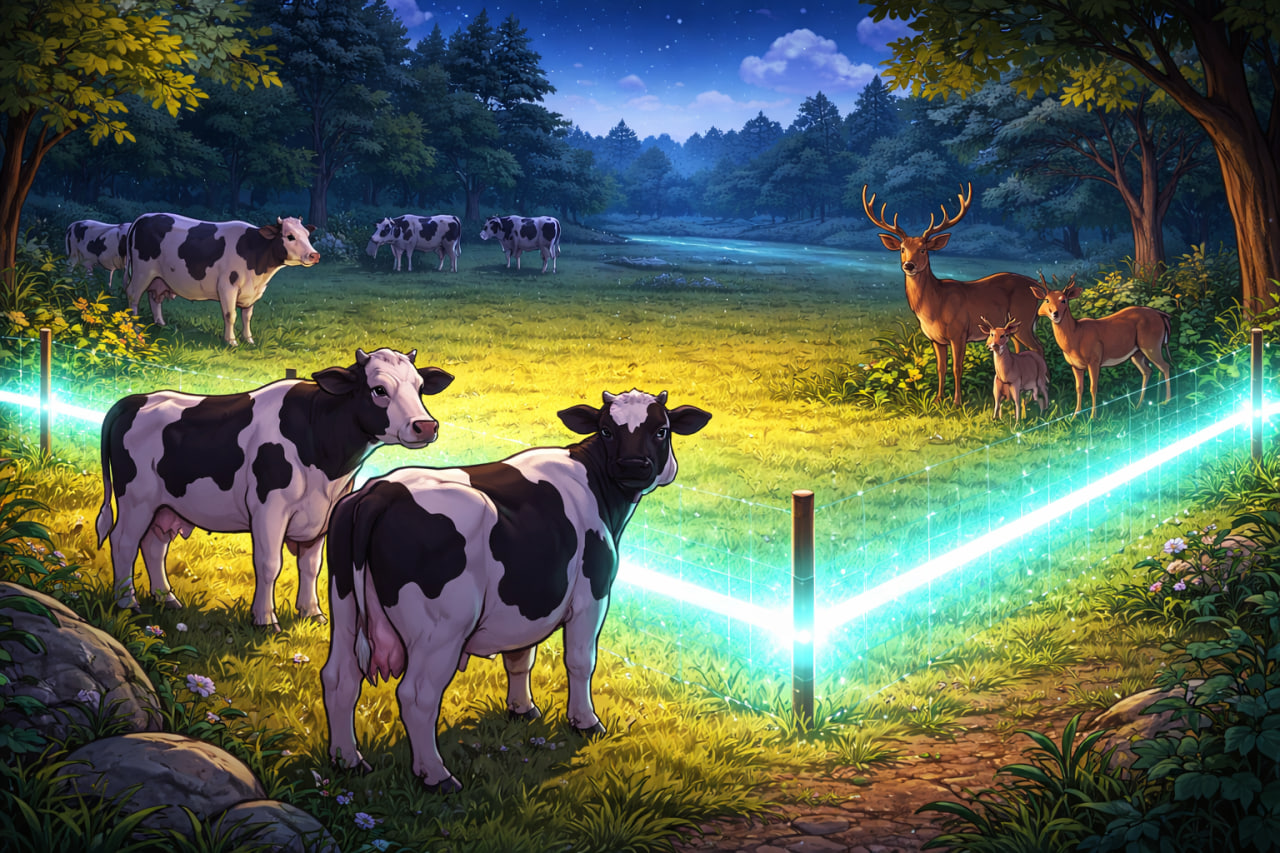
Light fences for animals are an unconventional but increasingly discussed method of guiding, restricting, or redirecting animal movement without using physical barriers.
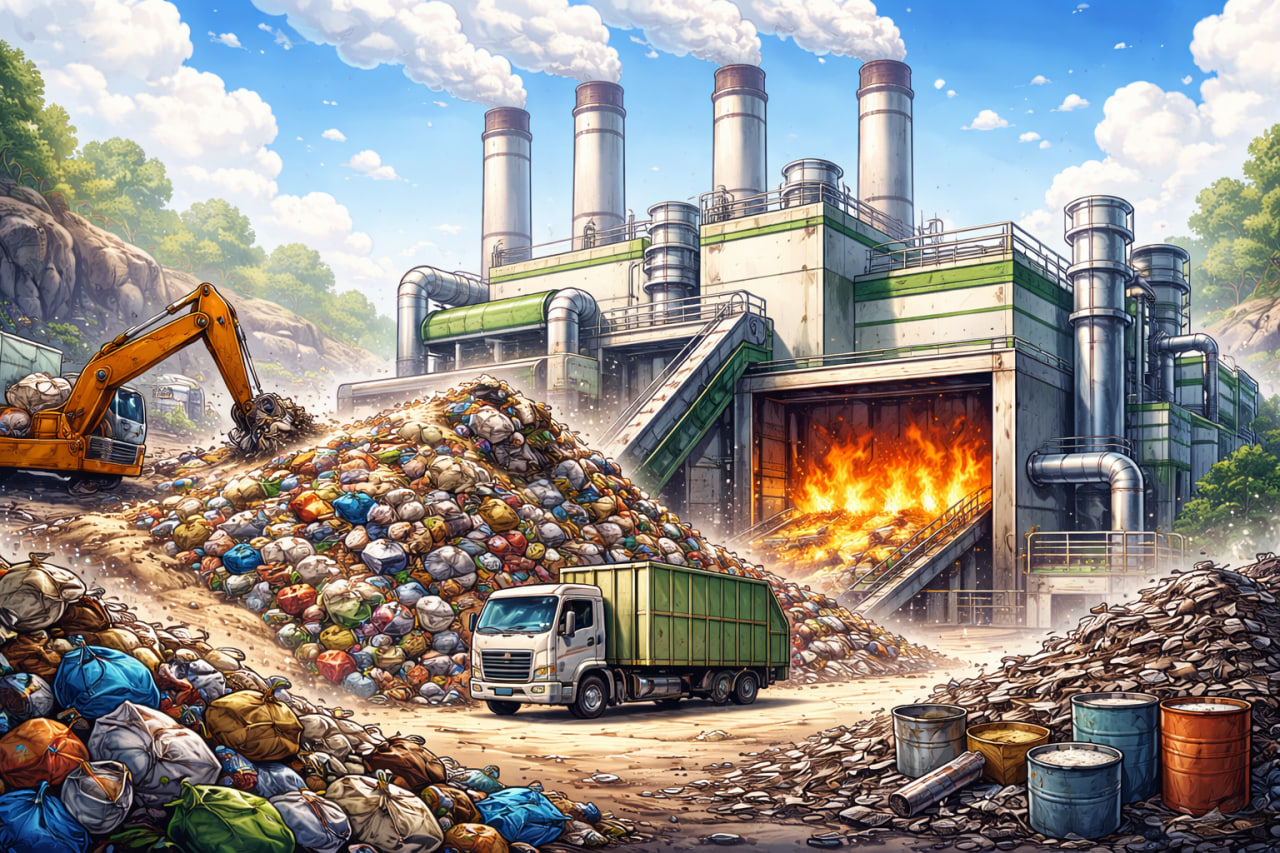
Waste incineration plants are facilities designed to burn solid waste in order to reduce its volume and, in many cases, generate energy.

A green belt is a strategically protected area of natural or semi-natural land that surrounds or weaves through an urban environment.
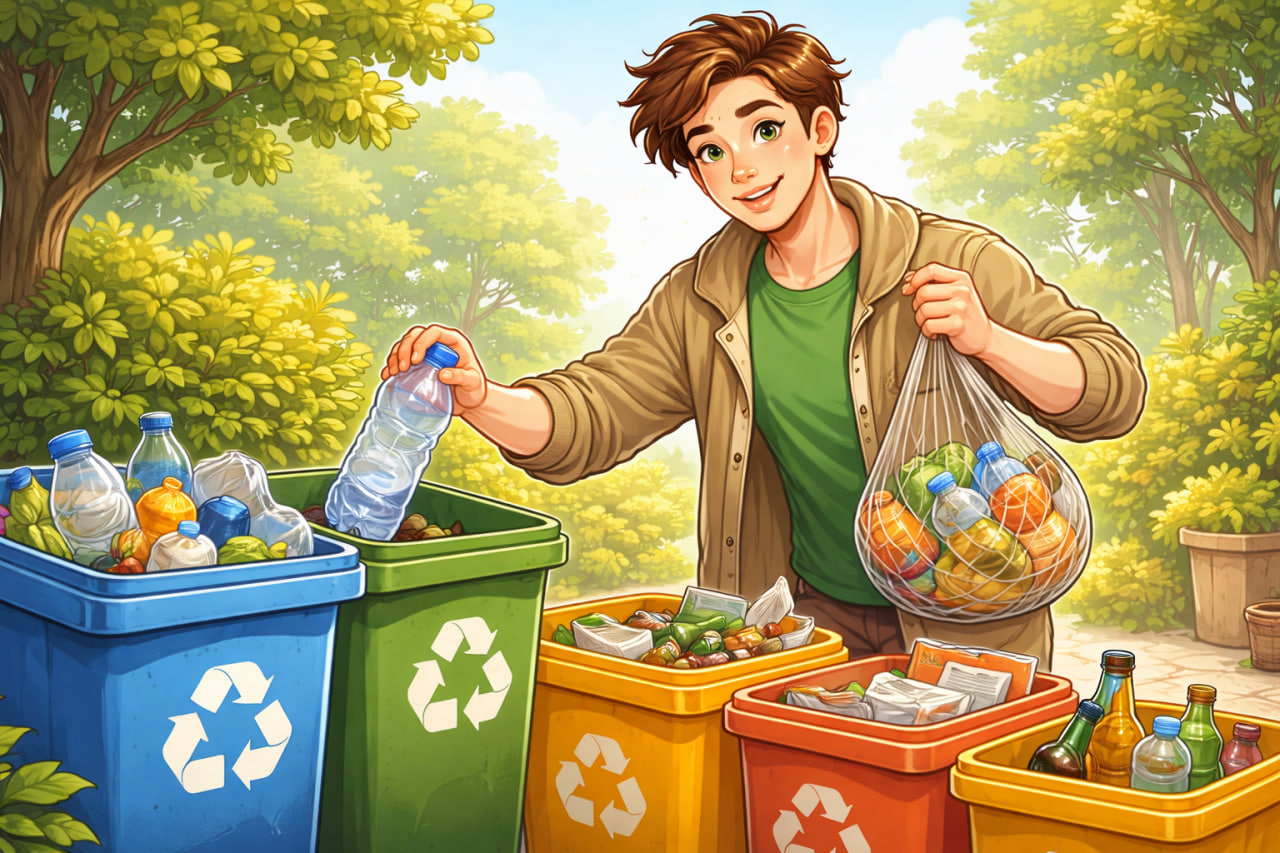
Waste separation is a system of sorting household and commercial waste into different categories so materials can be recycled, composted, or processed safely.
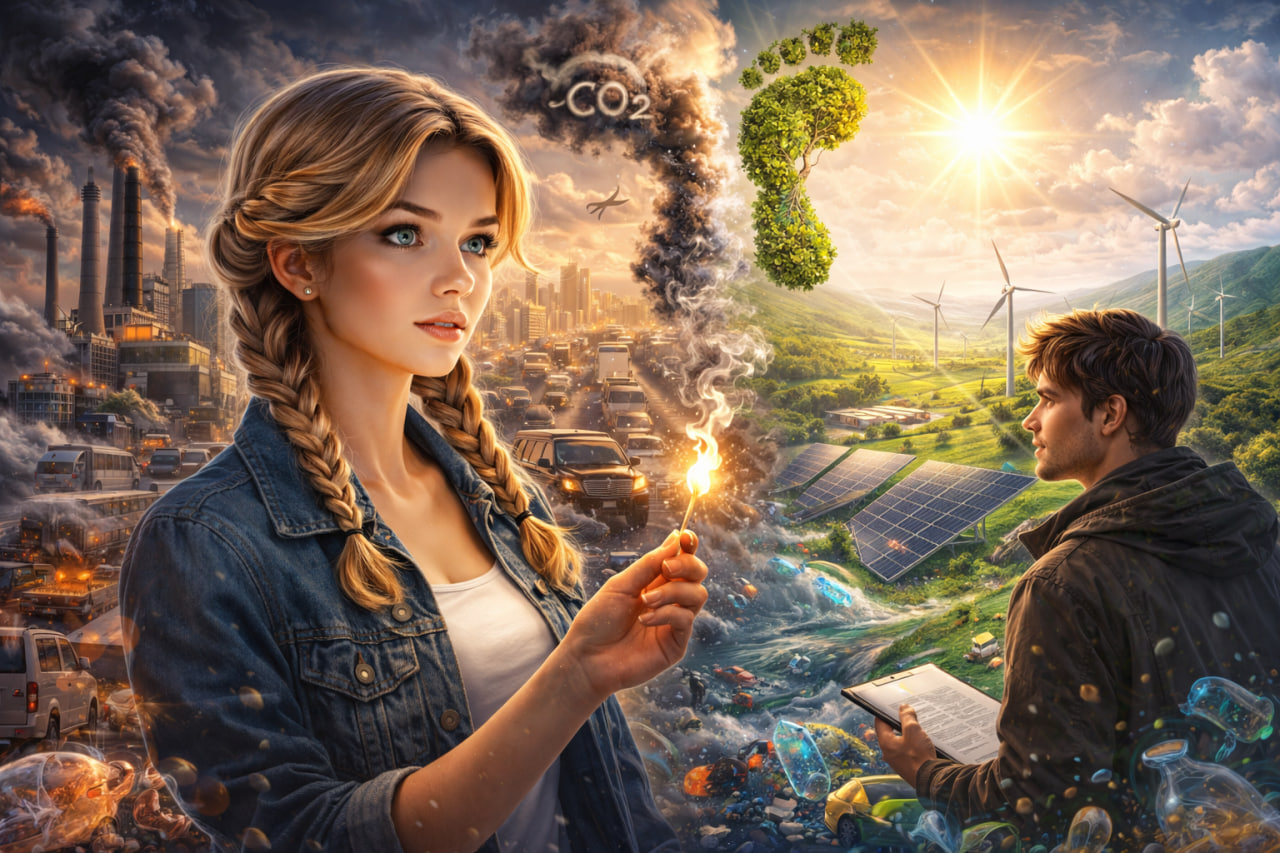
The concept of the carbon footprint has become central to discussions about climate change, sustainability, and personal responsibility.

Nature has an extraordinary capacity for recovery, often surprising scientists with its ability to rebound after disturbance.

Feeding a growing global population is one of the greatest challenges of the 21st century.

Rewilding is an ecological approach focused on restoring natural processes and allowing ecosystems to recover with minimal human intervention.
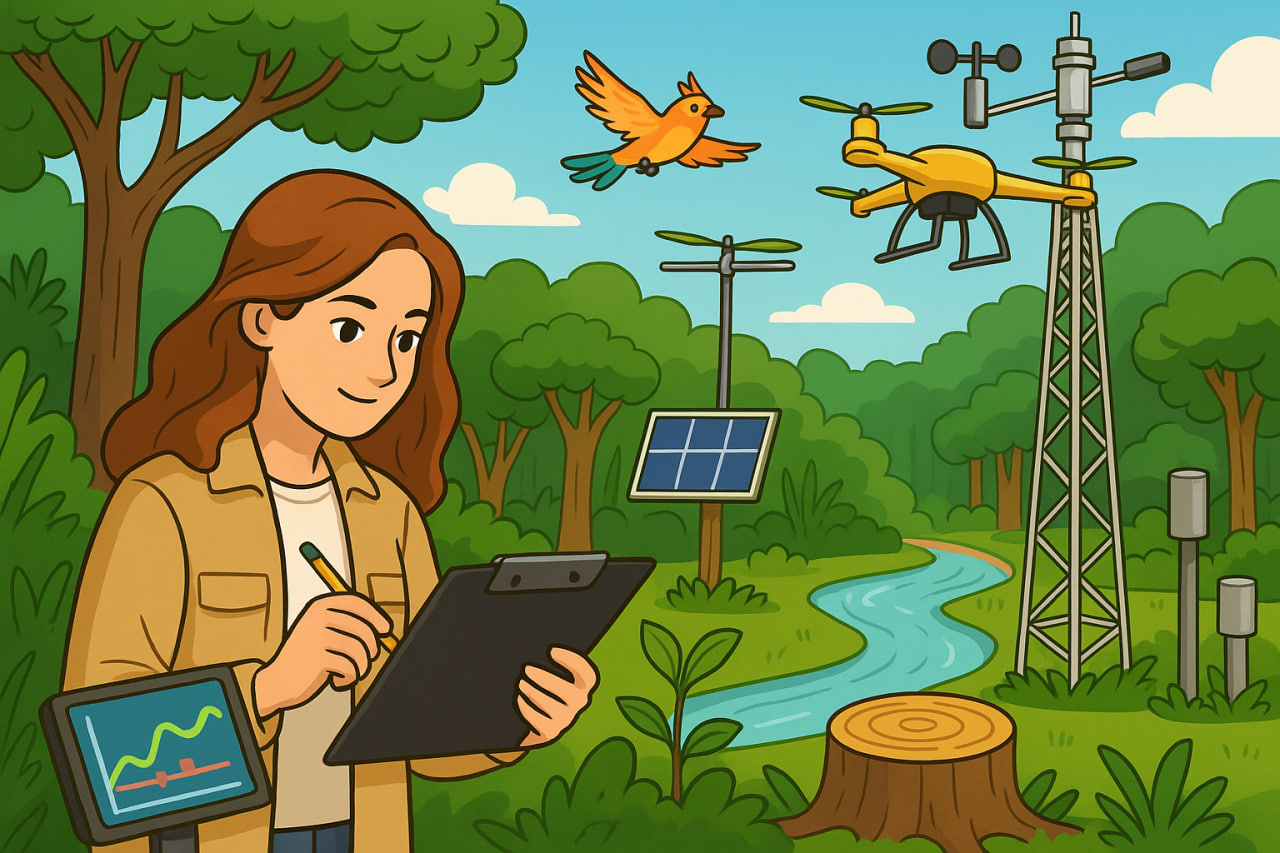
The Amazon rainforest is often called the “lungs of the planet” because it plays a critical role in absorbing carbon dioxide and regulating Earth’s climate.
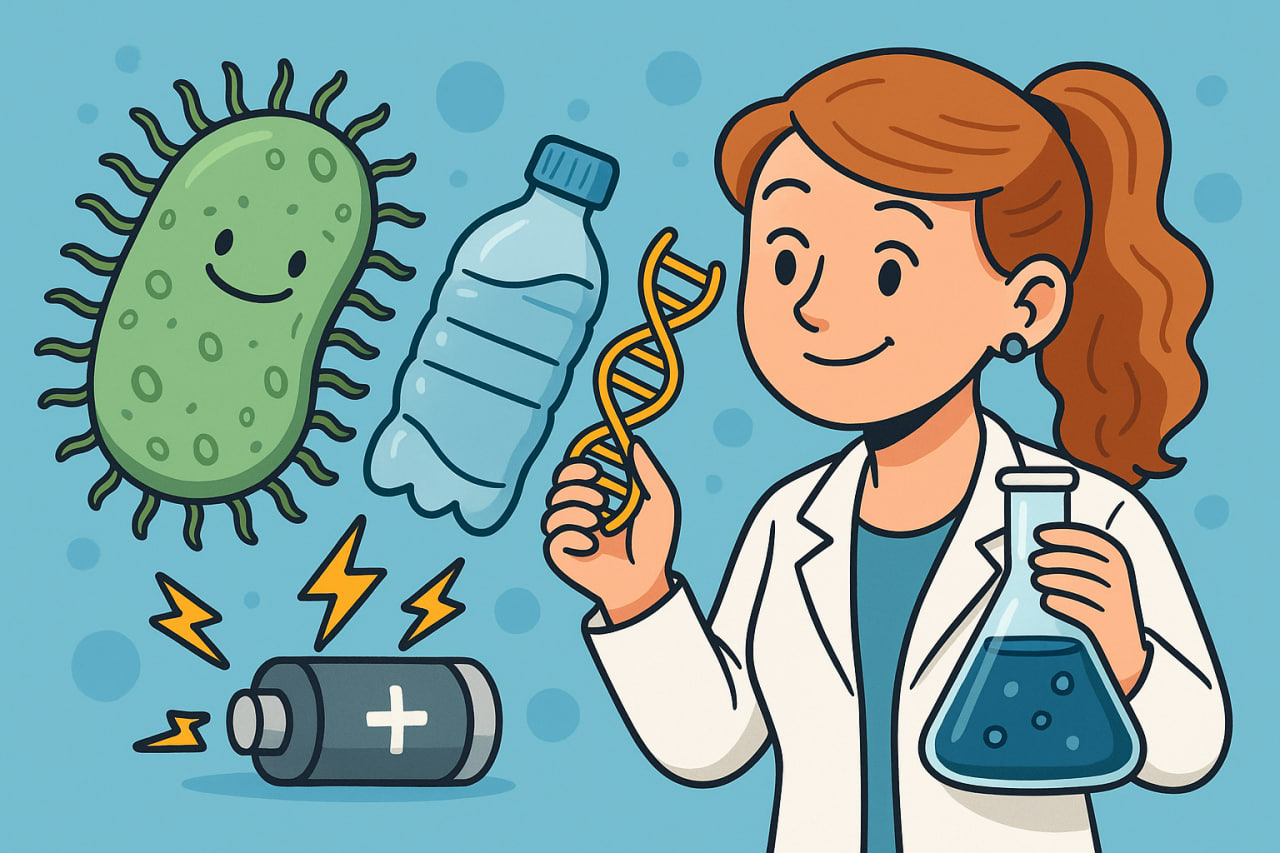
Plastic pollution is one of the biggest environmental challenges of the 21st century.