
How Much Do We Really Know About Our Planet?
Humanity has explored space, landed probes on distant planets, mapped galaxies billions of light-years away, and built machines capable of analyzing the smallest particles in existence.
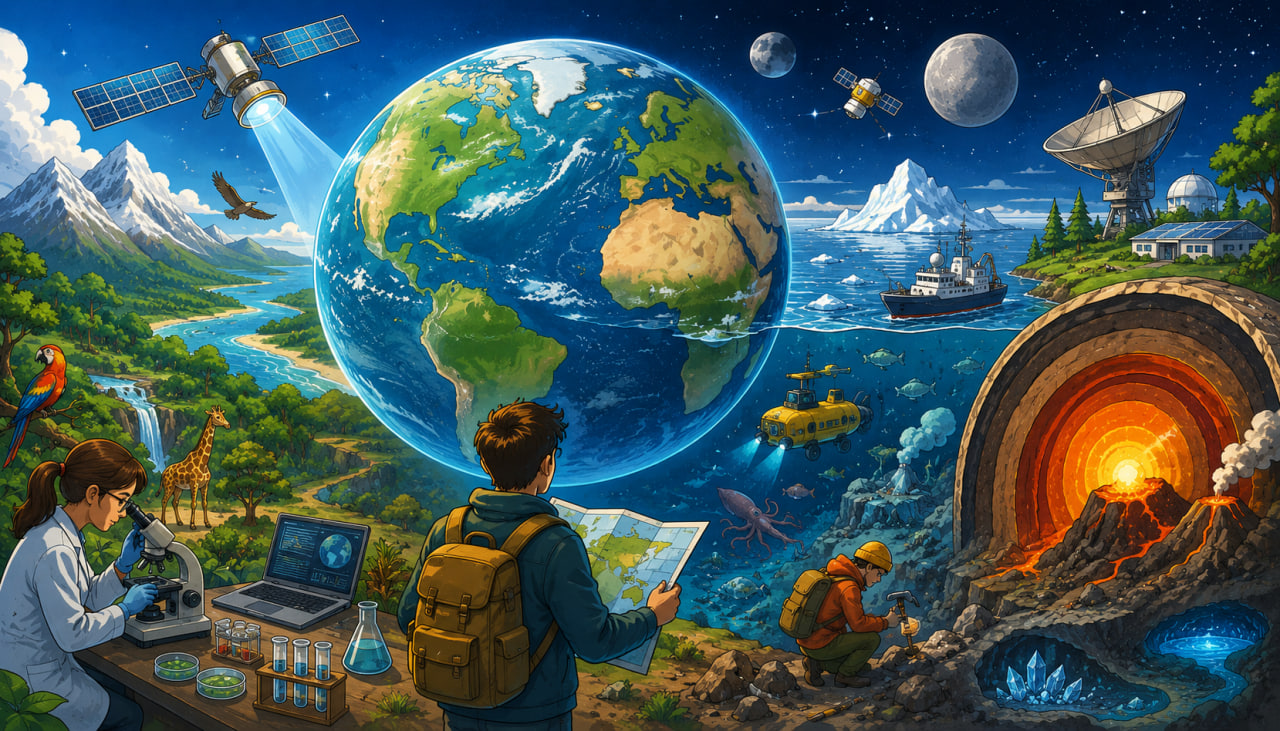
Humanity has explored space, landed probes on distant planets, mapped galaxies billions of light-years away, and built machines capable of analyzing the smallest particles in existence.
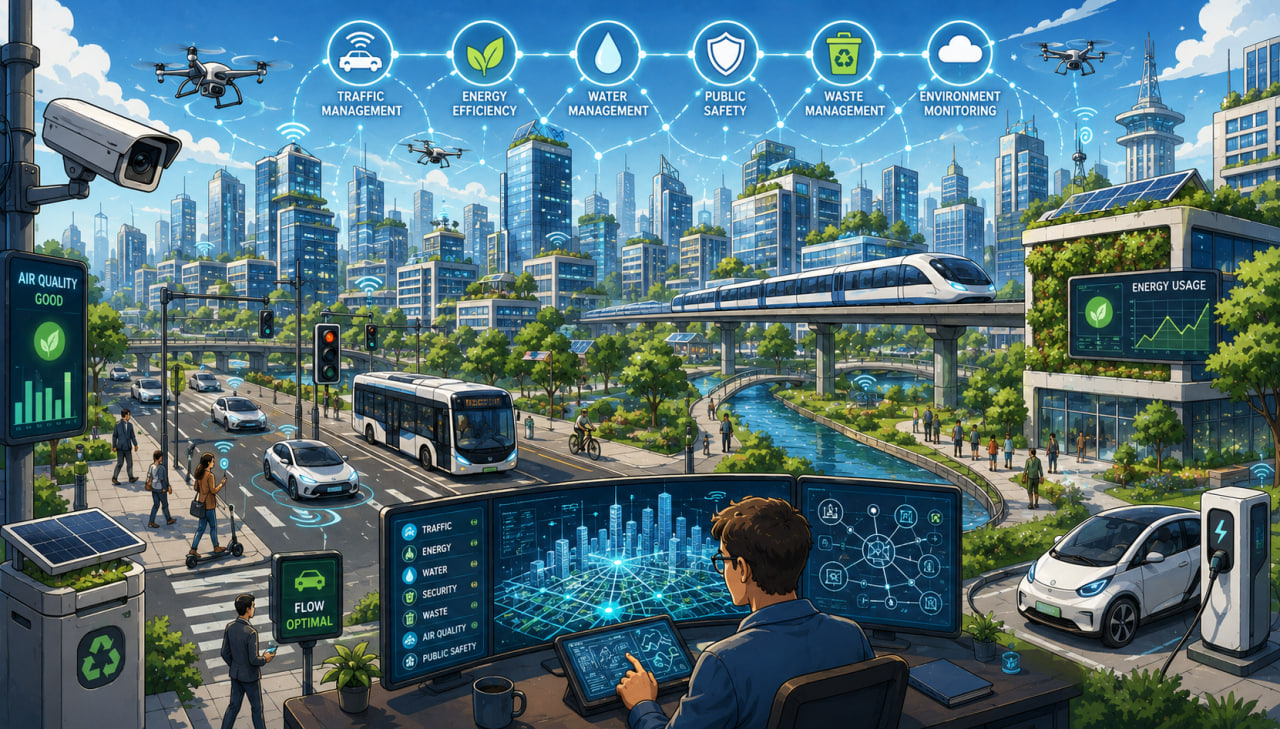
Cities are becoming increasingly intelligent. Traffic lights adjust automatically to congestion, public transport predicts passenger flows, surveillance systems analyze movement in real time...
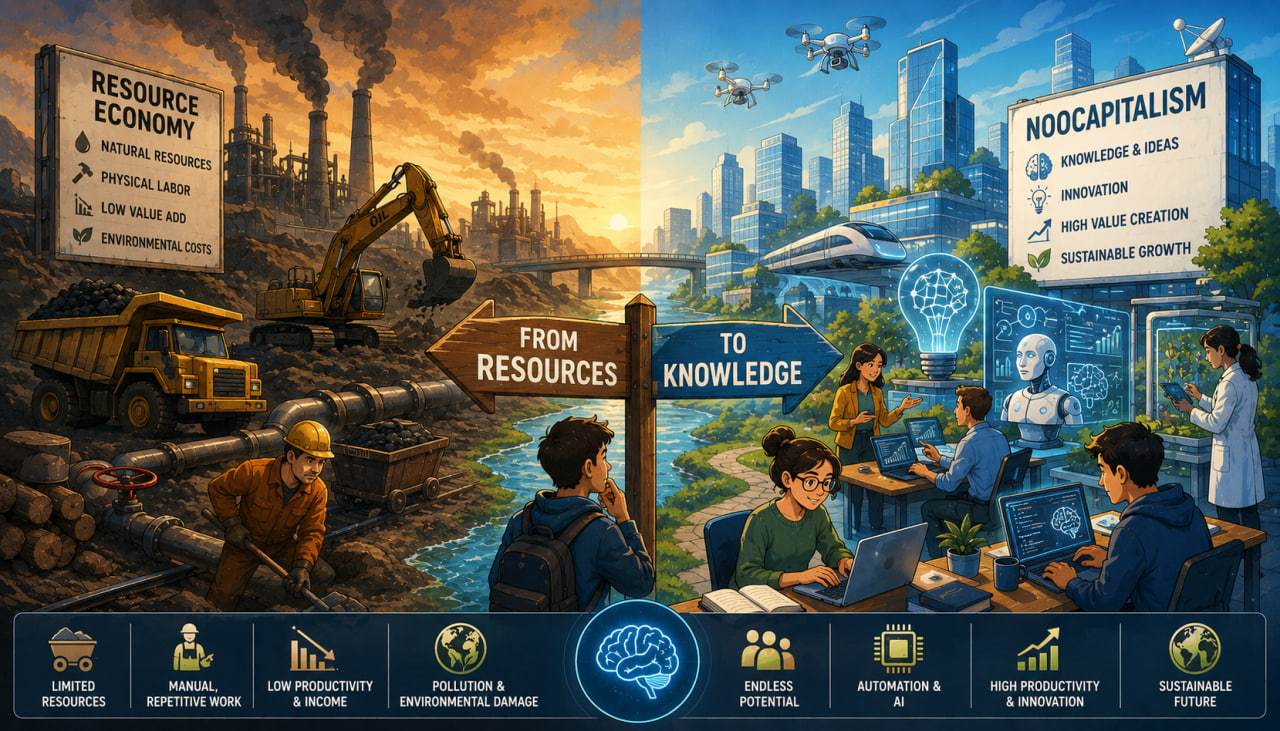
For centuries, the wealth of nations depended primarily on physical resources. Countries became powerful through access to land, oil, coal, metals, factories, and industrial production.
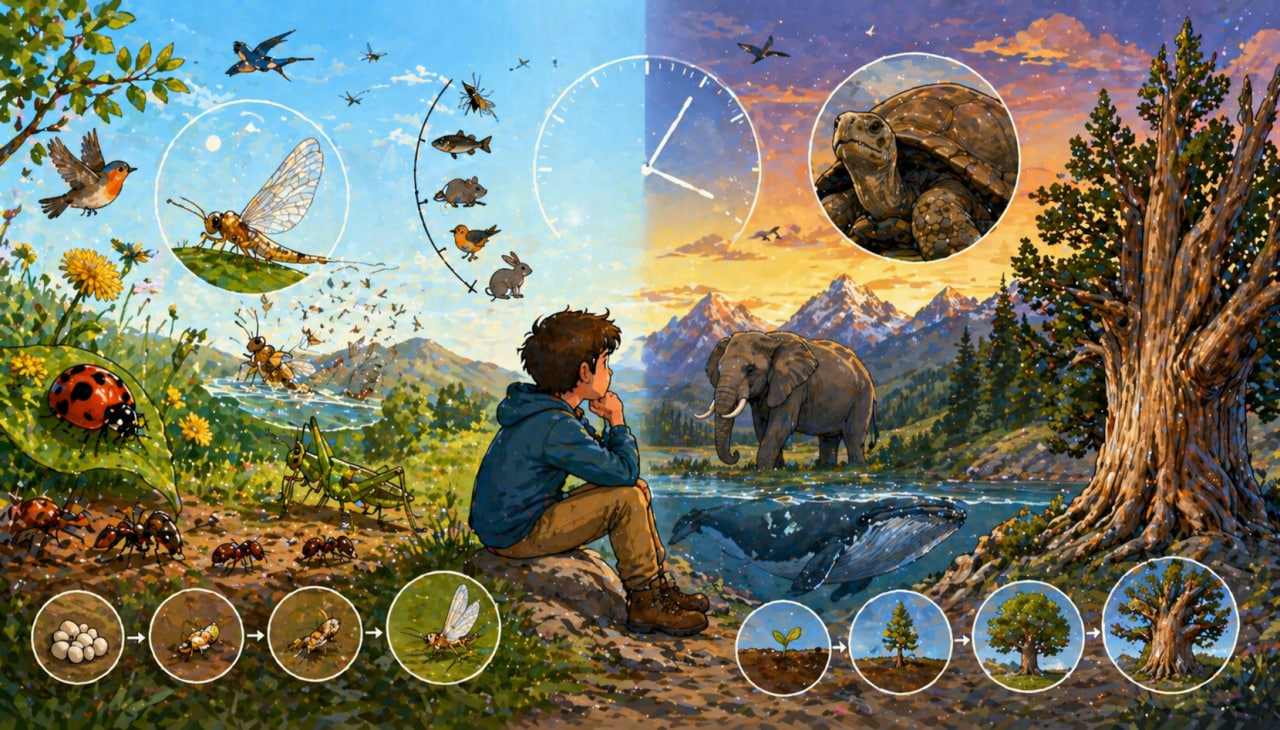
The “speed of life” describes how fast an organism goes through its life processes. These include growth, reproduction, and aging.
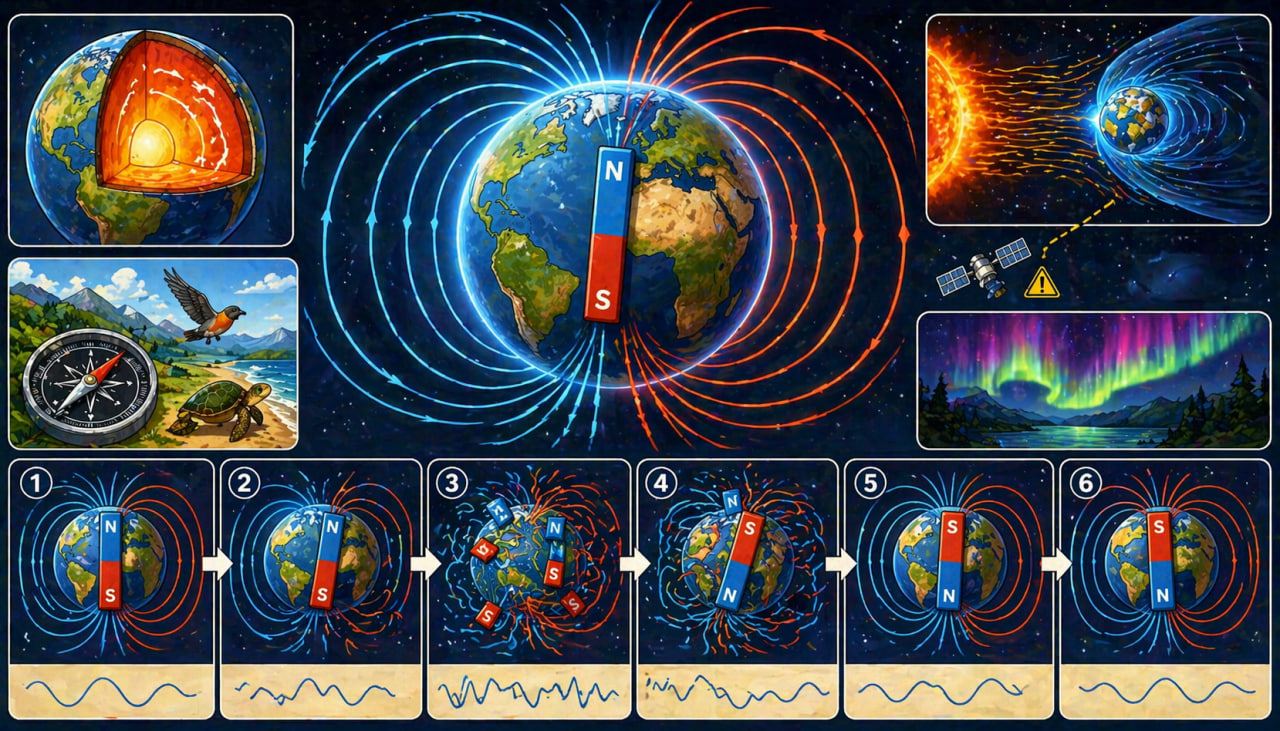
Earth’s magnetic field is one of the planet’s most important yet often overlooked natural systems.
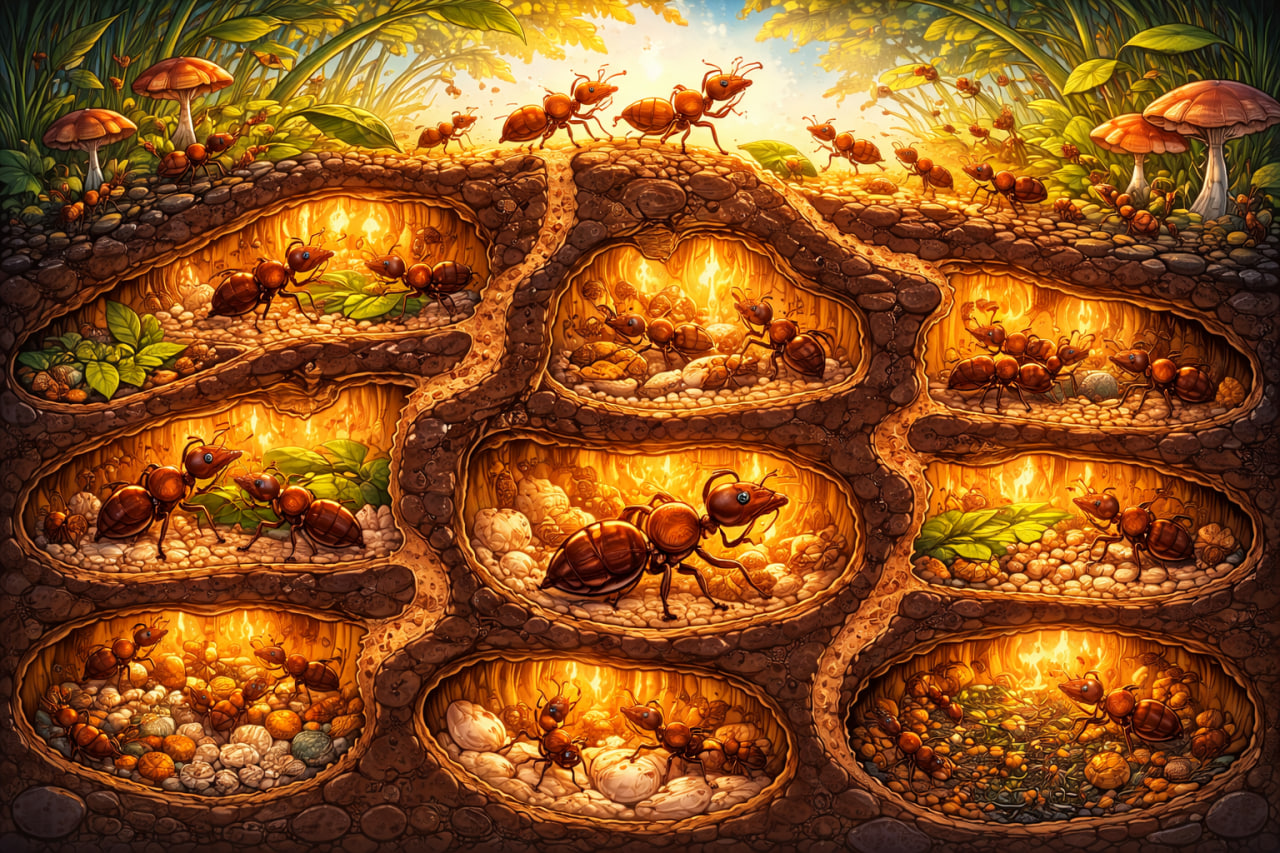
Ants are among the most successful and organized creatures on Earth, building complex underground systems that function like entire cities.
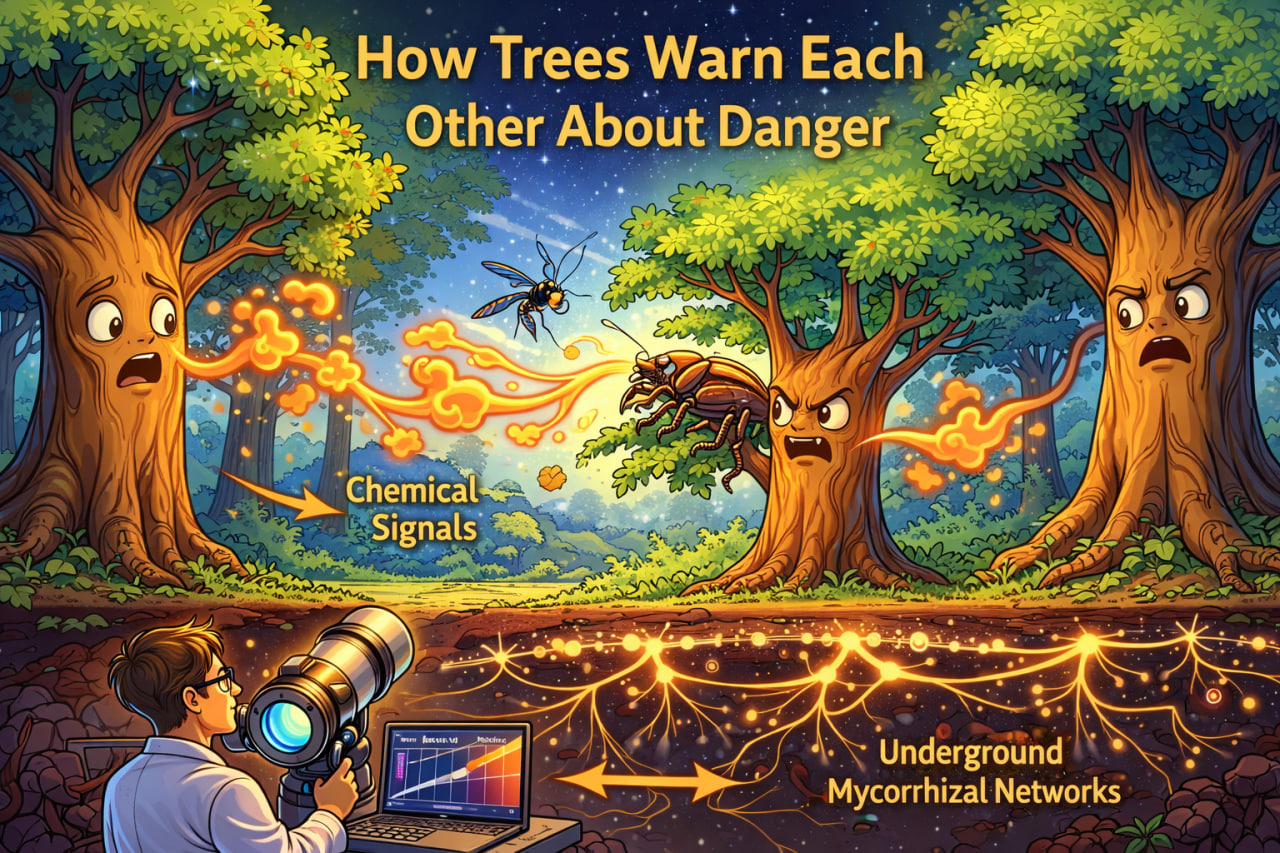
Trees may appear silent and passive, but modern science reveals that they are part of a highly connected and responsive network capable of communication and cooperation.
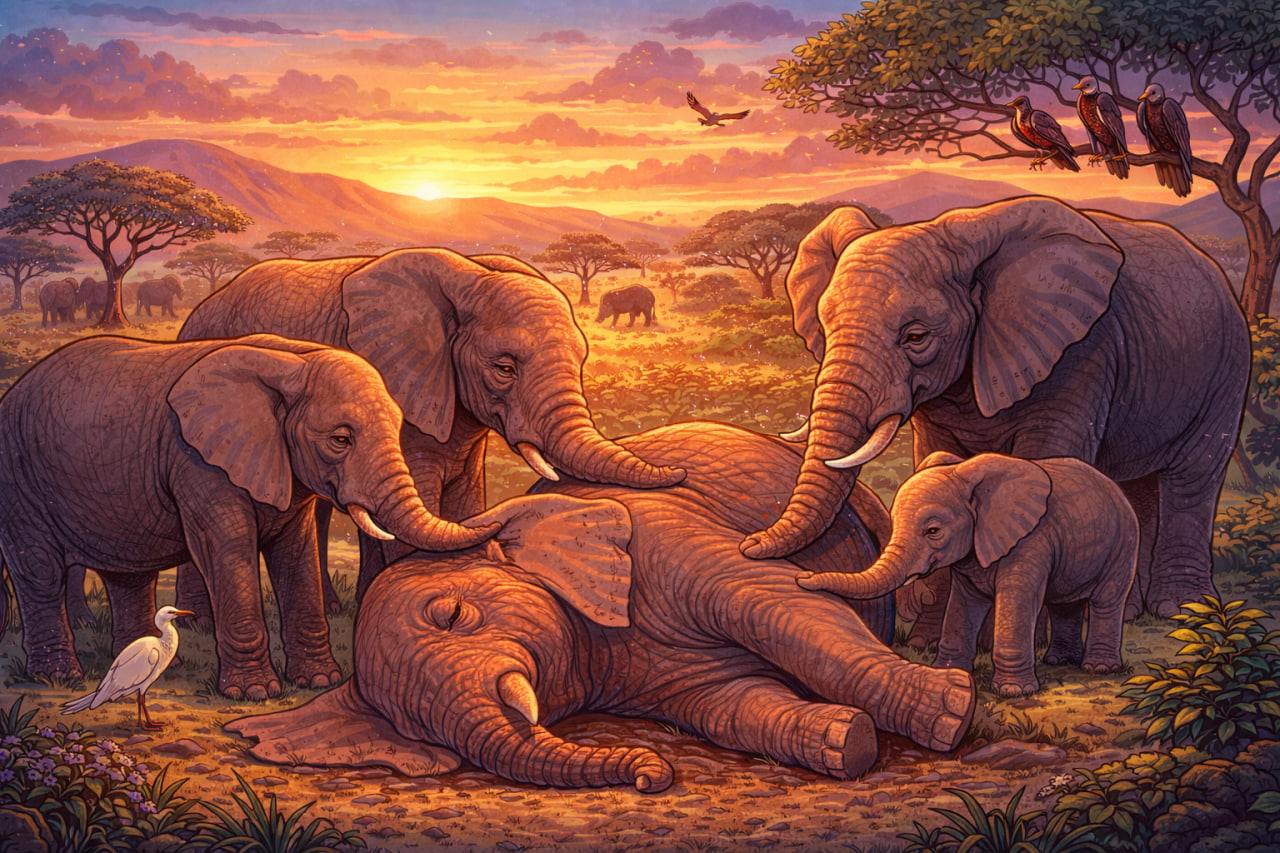
Elephants are widely regarded as some of the most emotionally intelligent animals on Earth, and their behavior toward deceased members of their group has fascinated scientists for decades.
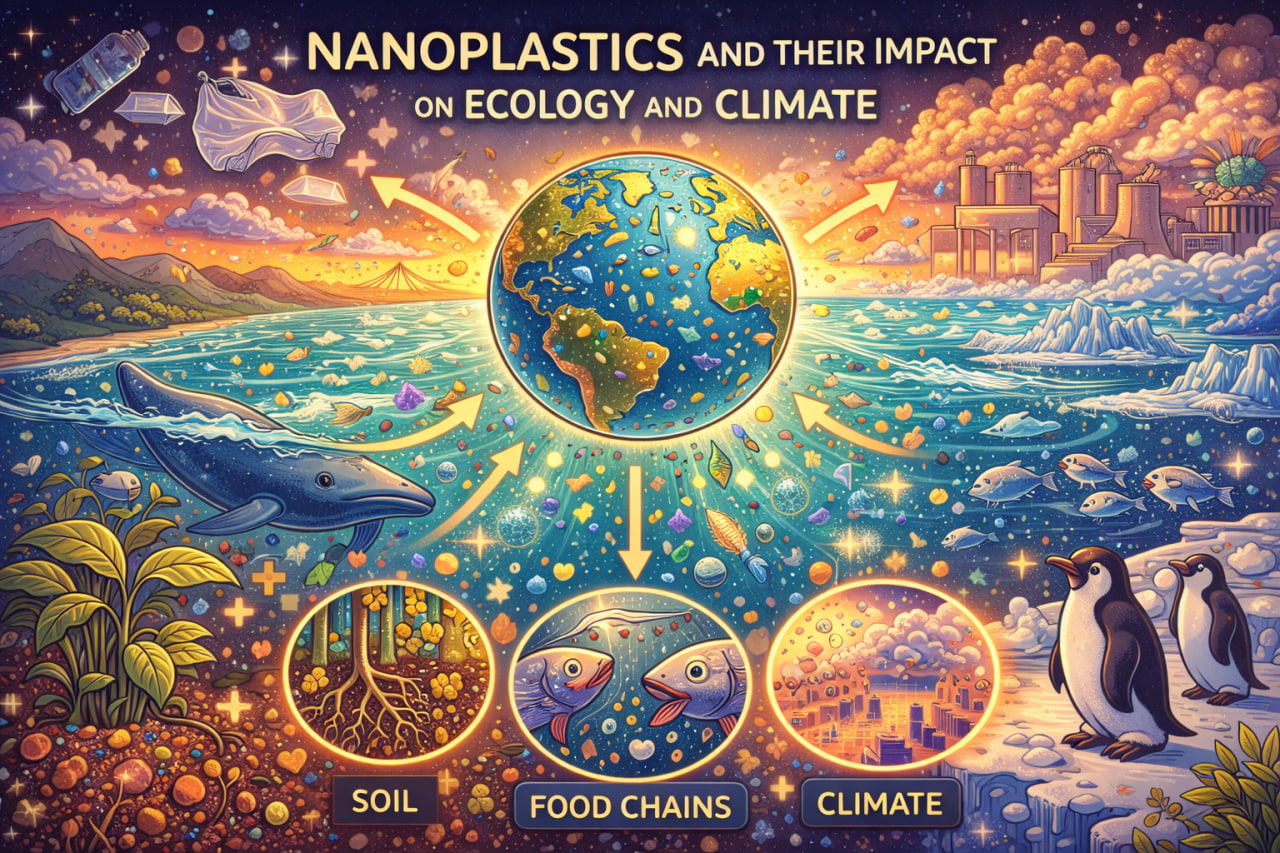
Nanoplastics—tiny plastic particles smaller than 1 micrometer—have become an emerging concern in environmental science due to their ability to spread widely and interact with ecosystems in...

Crows are among the most intelligent birds on the planet, capable of solving complex problems, using tools, and even recognizing individual human faces.