
Schools of the Future: How Education Could Change in the Next Decades
Artificial intelligence, virtual reality, robotics, personalized learning systems, digital laboratories, and new teaching methods are changing what a classroom can be.
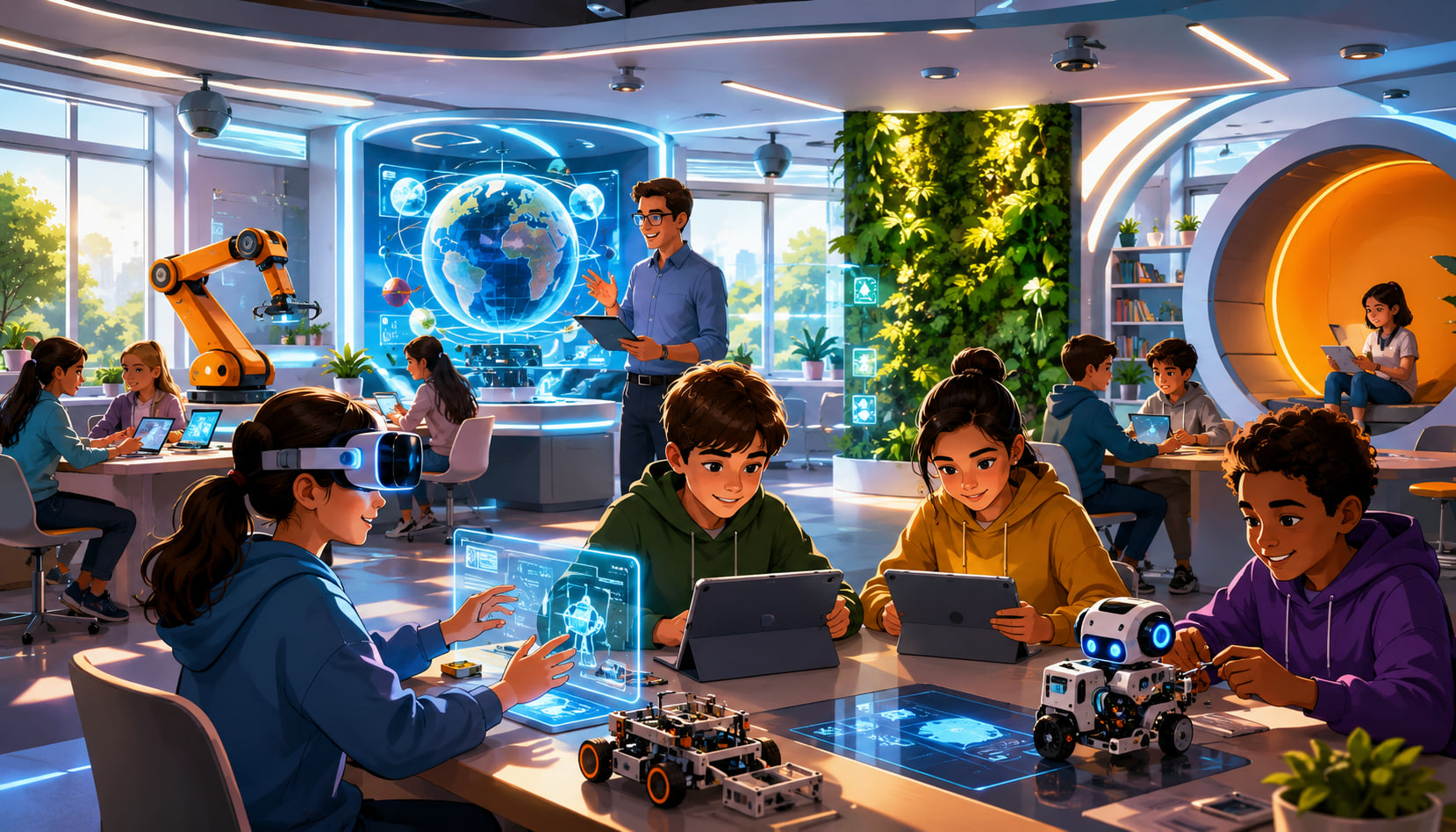
Artificial intelligence, virtual reality, robotics, personalized learning systems, digital laboratories, and new teaching methods are changing what a classroom can be.
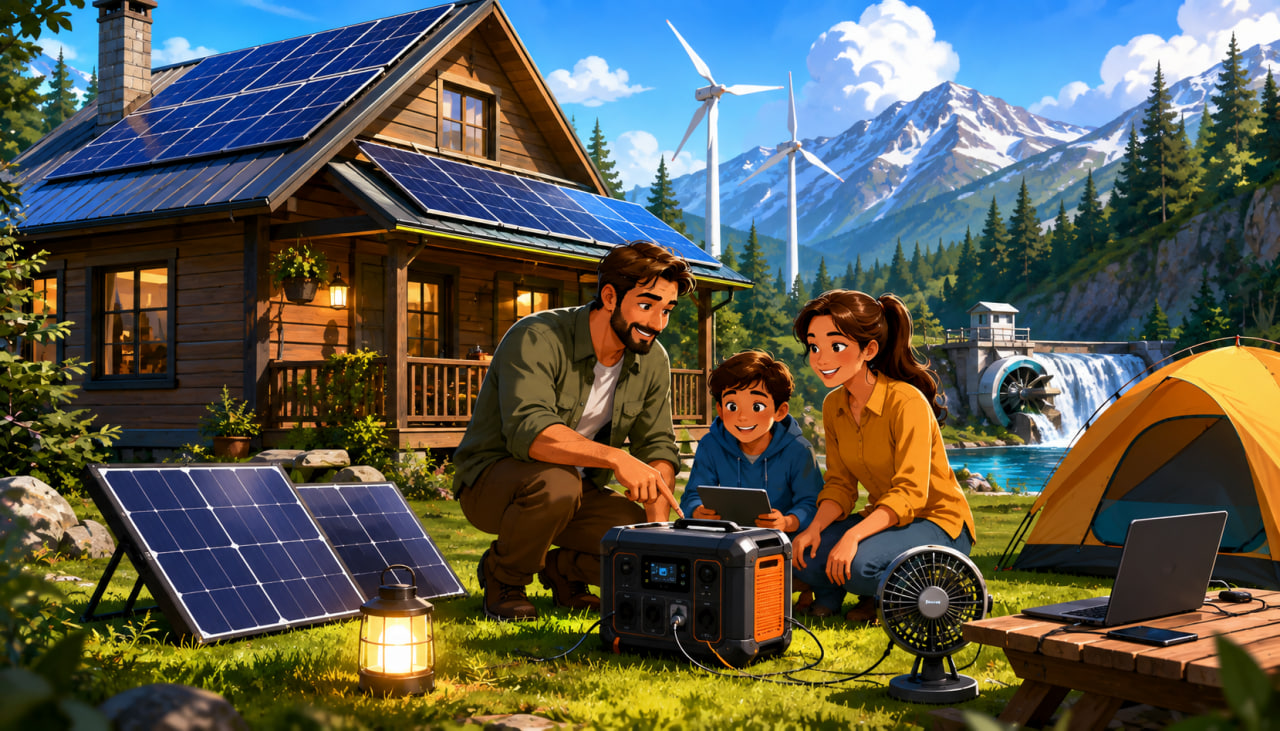
Fuel-free generators are attracting more attention as people look for cleaner, quieter, and more independent ways to produce electricity.
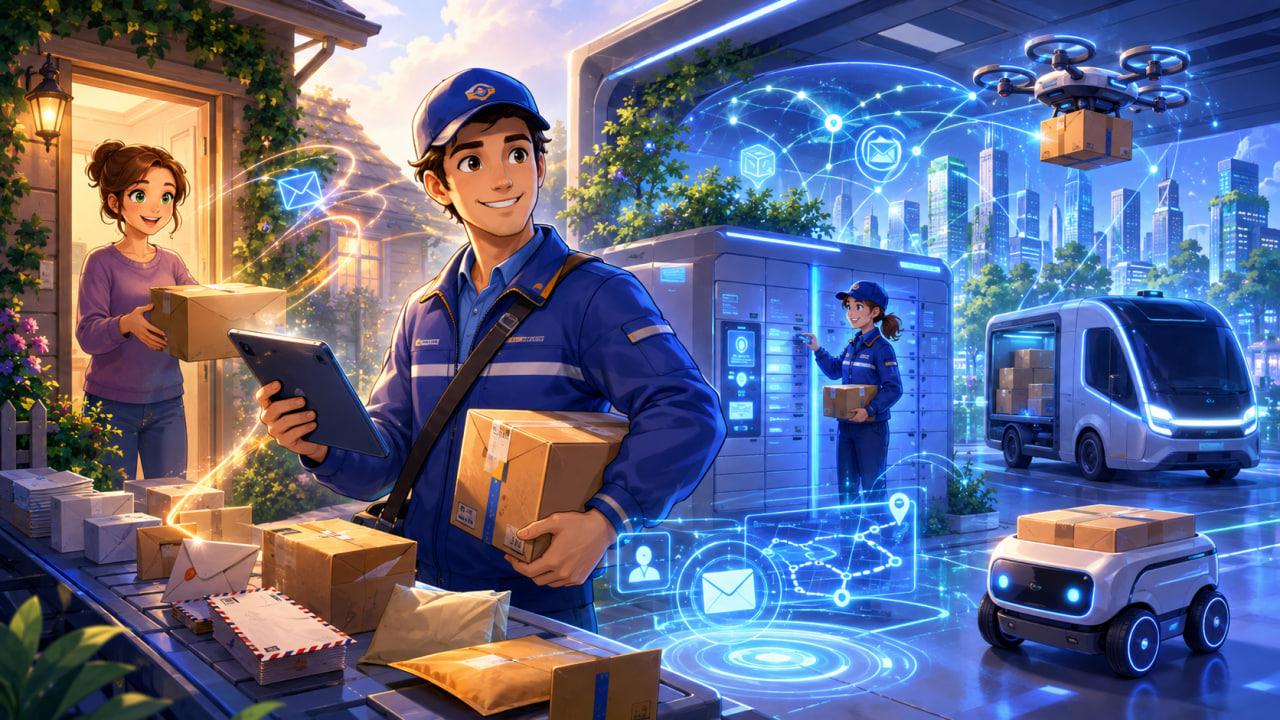
Modern mail is no longer just envelopes, stamps, and a delivery worker walking from house to house.
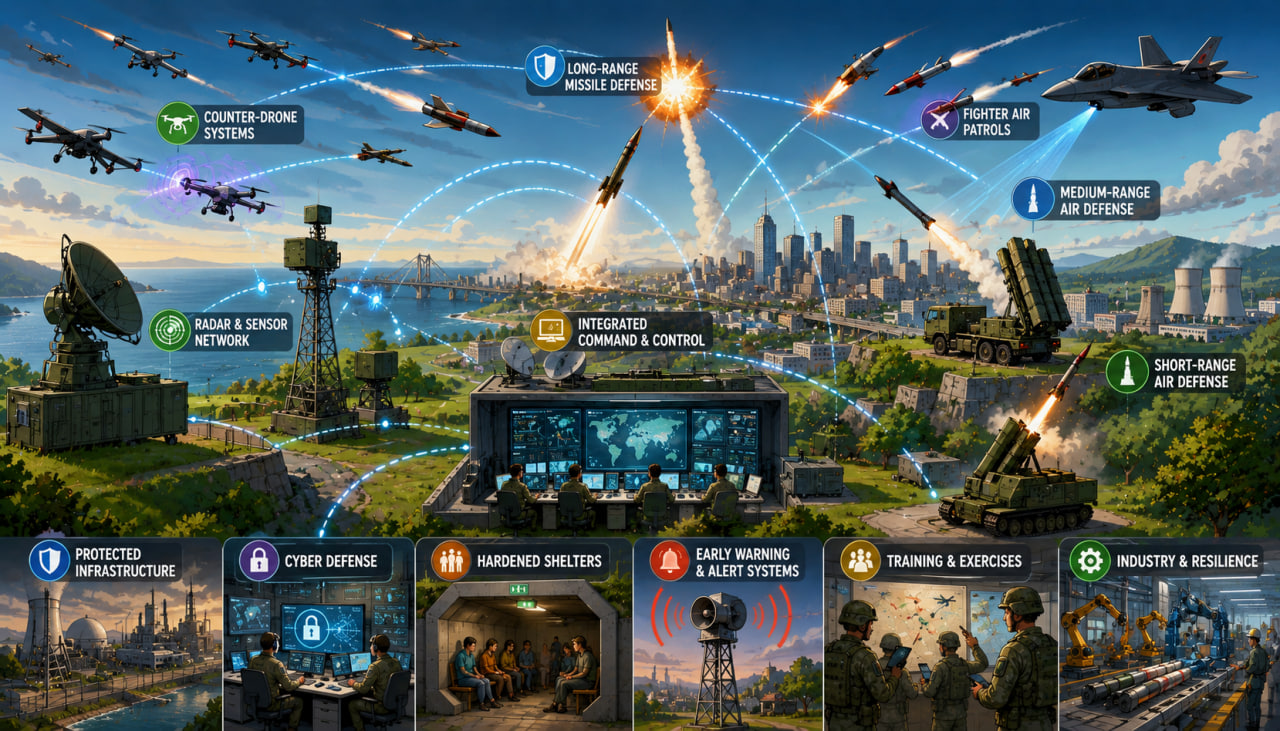
Drone and missile threats have changed the meaning of national defense. A country no longer has to prepare only for traditional aircraft or rare ballistic missile attacks.
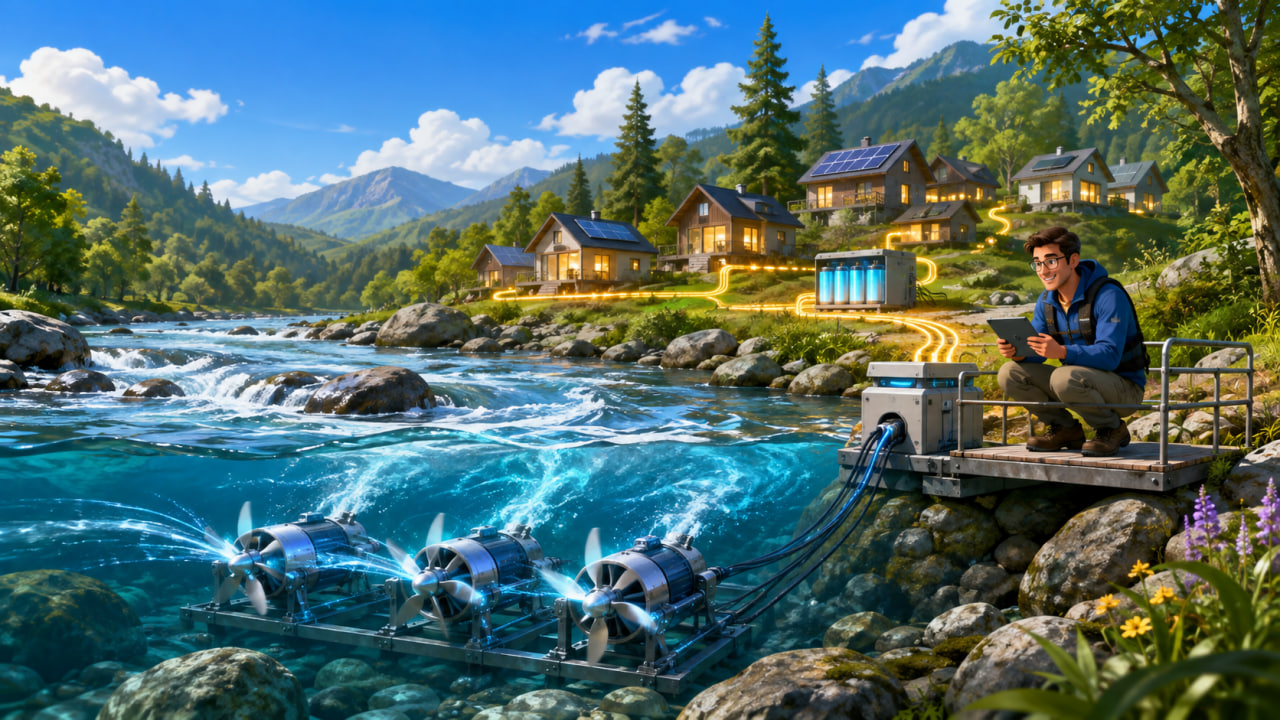
Small damless hydropower plants can generate electricity from the natural flow of rivers, canals, tidal channels, or irrigation systems without building a large dam.
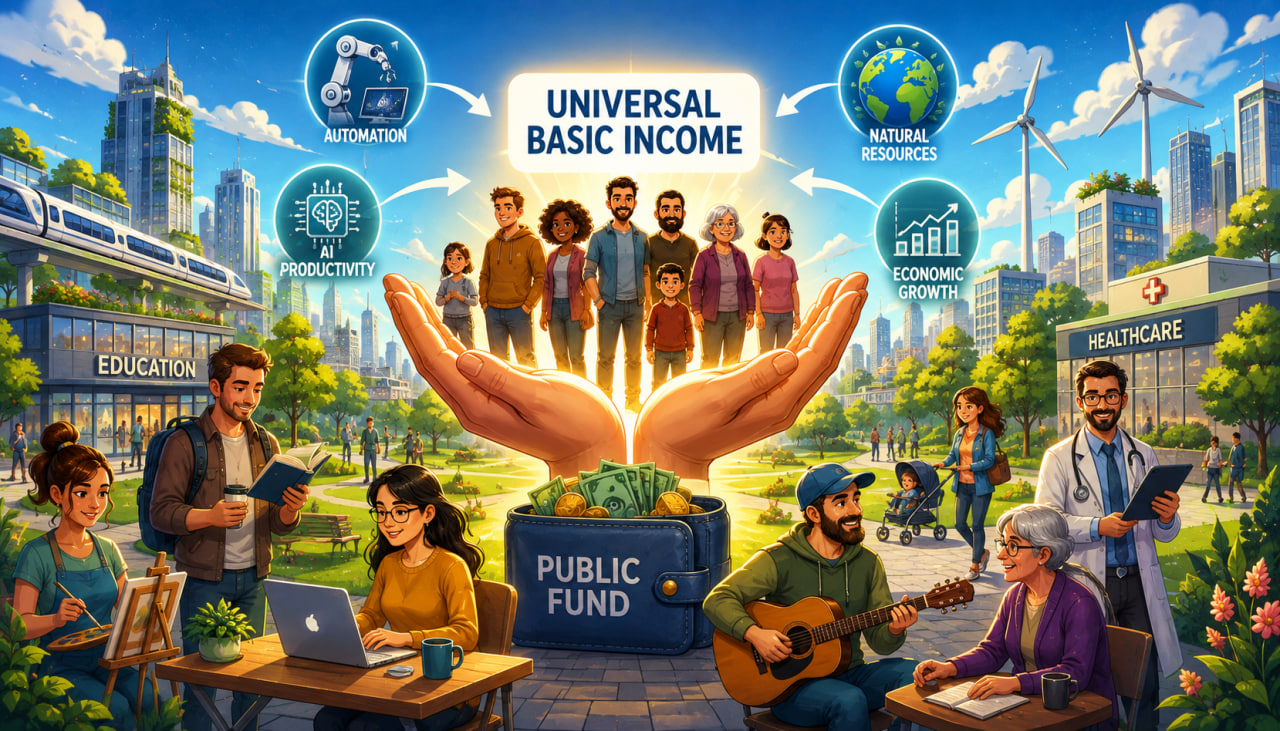
Universal basic income, or UBI, is one of the most debated economic ideas of the AI age.
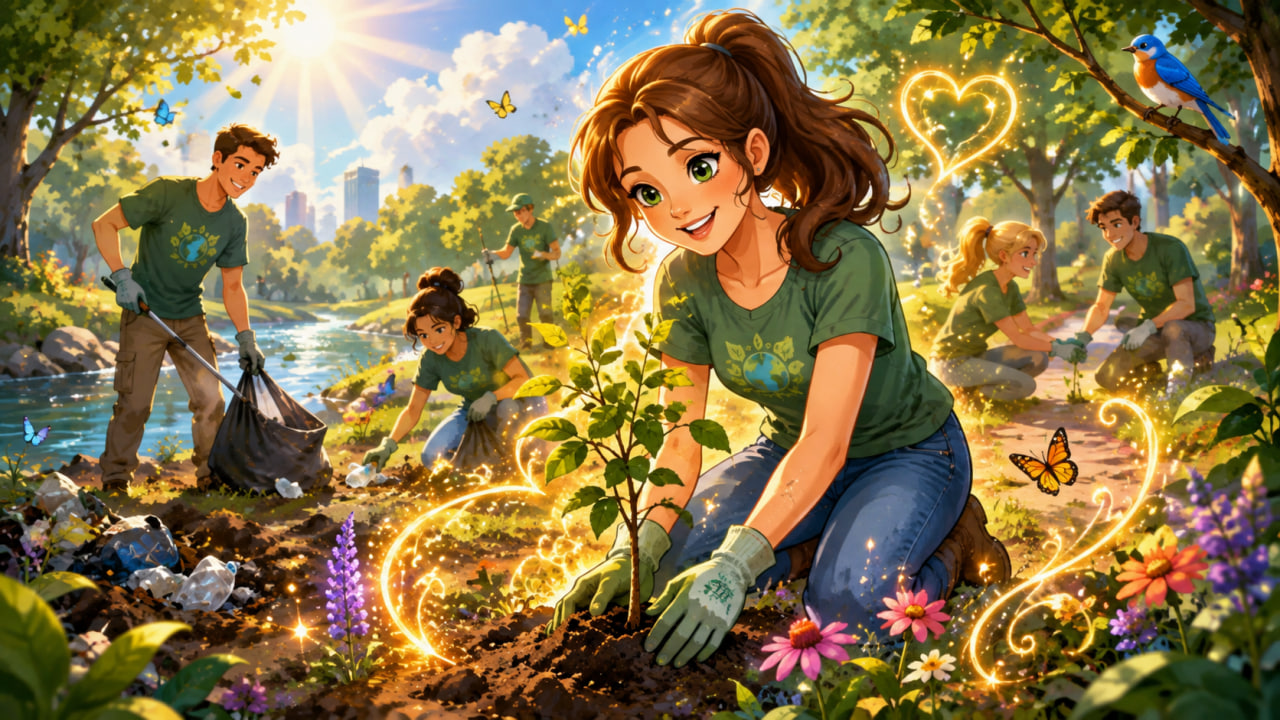
Environmental volunteering is often described as a way to protect forests, clean rivers, restore parks, save wildlife, or support climate action.
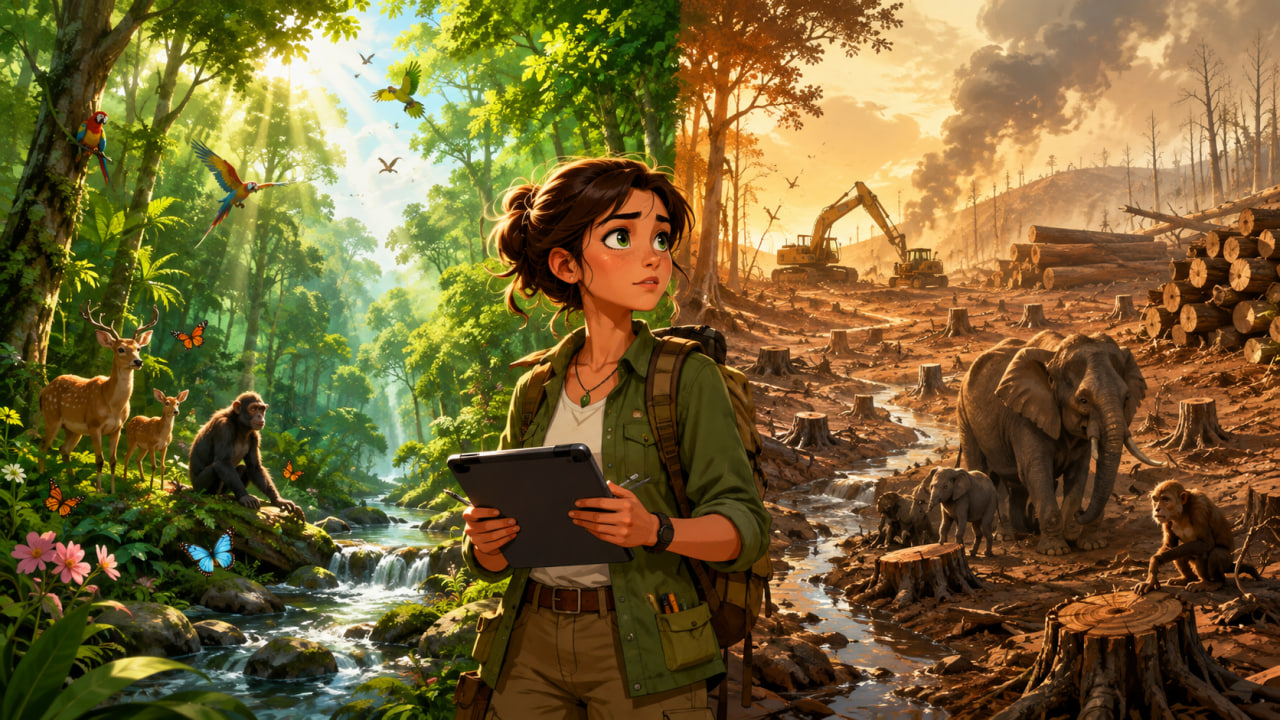
Deforestation is not just the loss of trees. It is the dismantling of living systems that regulate climate, store carbon, produce rain, protect soil, shelter wildlife, and support hundreds of...
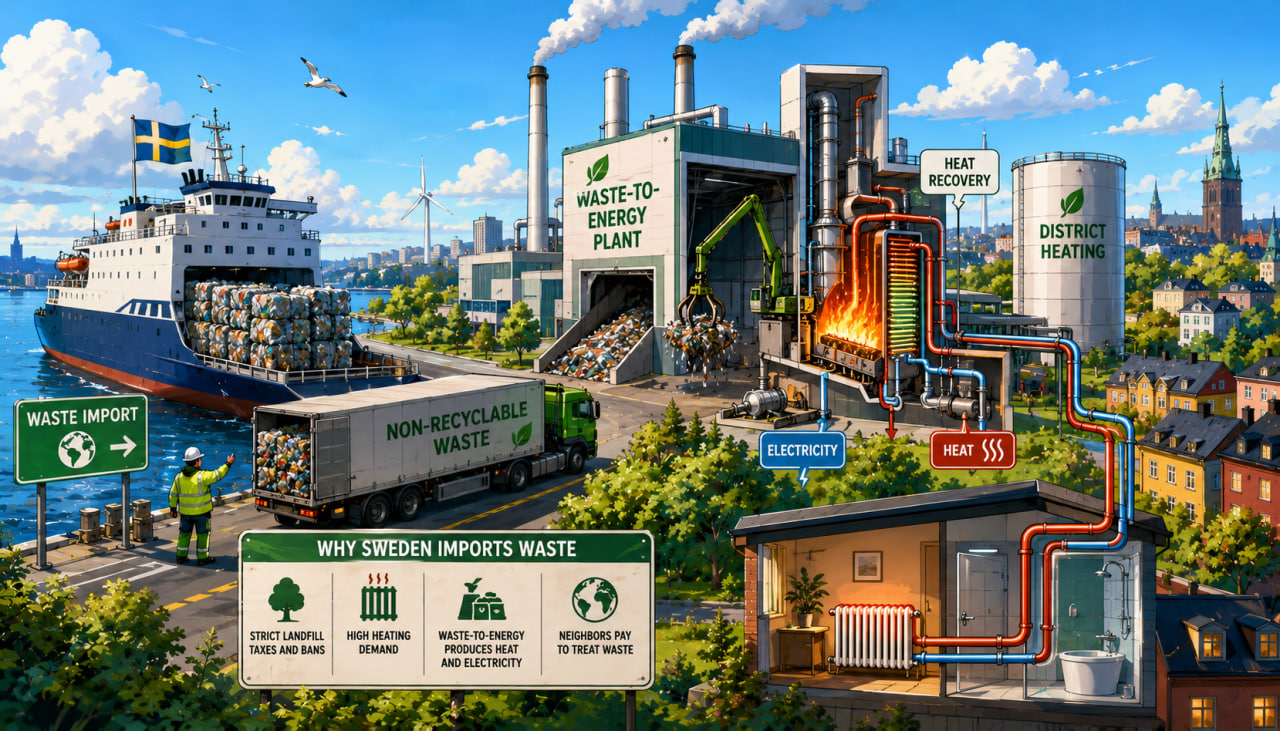
Sweden has one of the world’s most famous waste-management stories: it imports waste from other countries and uses it to produce heat and electricity. At first, this sounds strange.
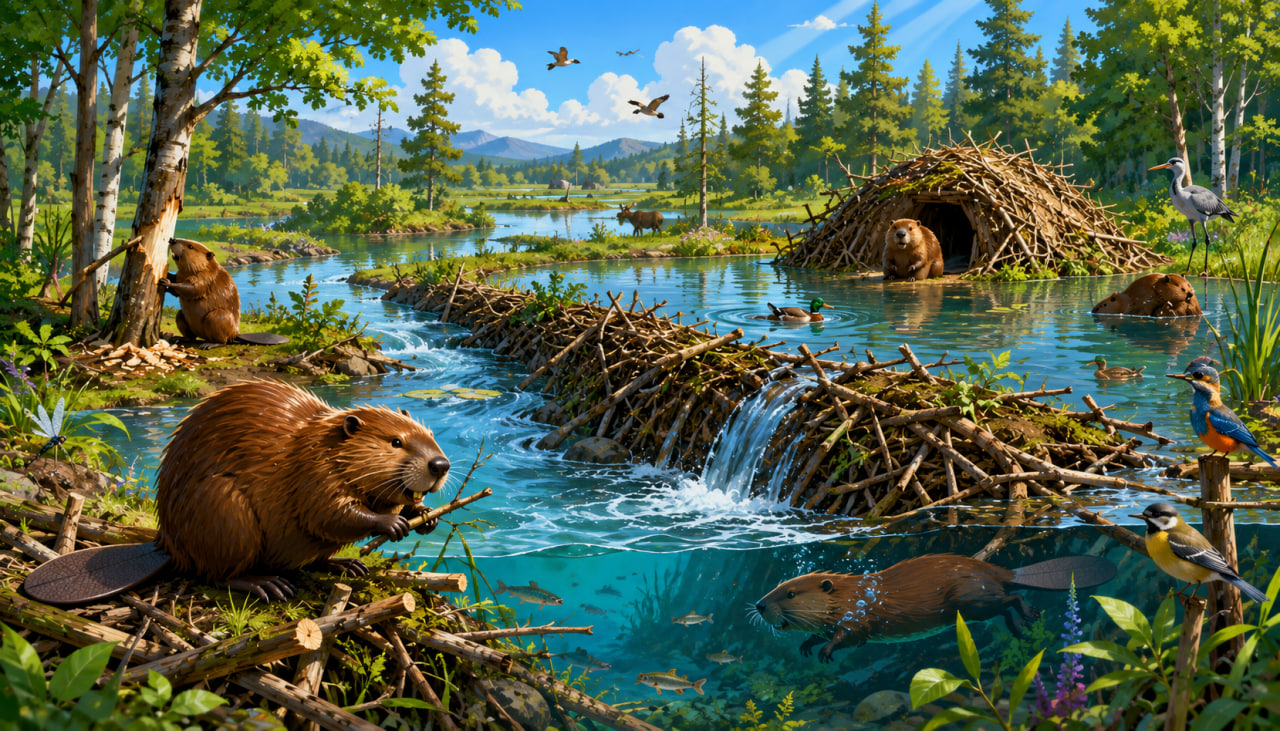
Beavers are often introduced as animals that build dams. That is true, but it is only the beginning of the story.