
Zero Waste: A Lifestyle Aimed at Reducing Environmental Impact
Zero waste is a lifestyle and environmental philosophy that focuses on minimizing the amount of waste sent to landfills, incinerators, or the natural environment.

Zero waste is a lifestyle and environmental philosophy that focuses on minimizing the amount of waste sent to landfills, incinerators, or the natural environment.

The New Year is a global celebration that unites billions of people, yet behind the lights, fireworks, and festivities lies a noticeable environmental footprint.

Nature has an extraordinary capacity for recovery, often surprising scientists with its ability to rebound after disturbance.

Feeding a growing global population is one of the greatest challenges of the 21st century.
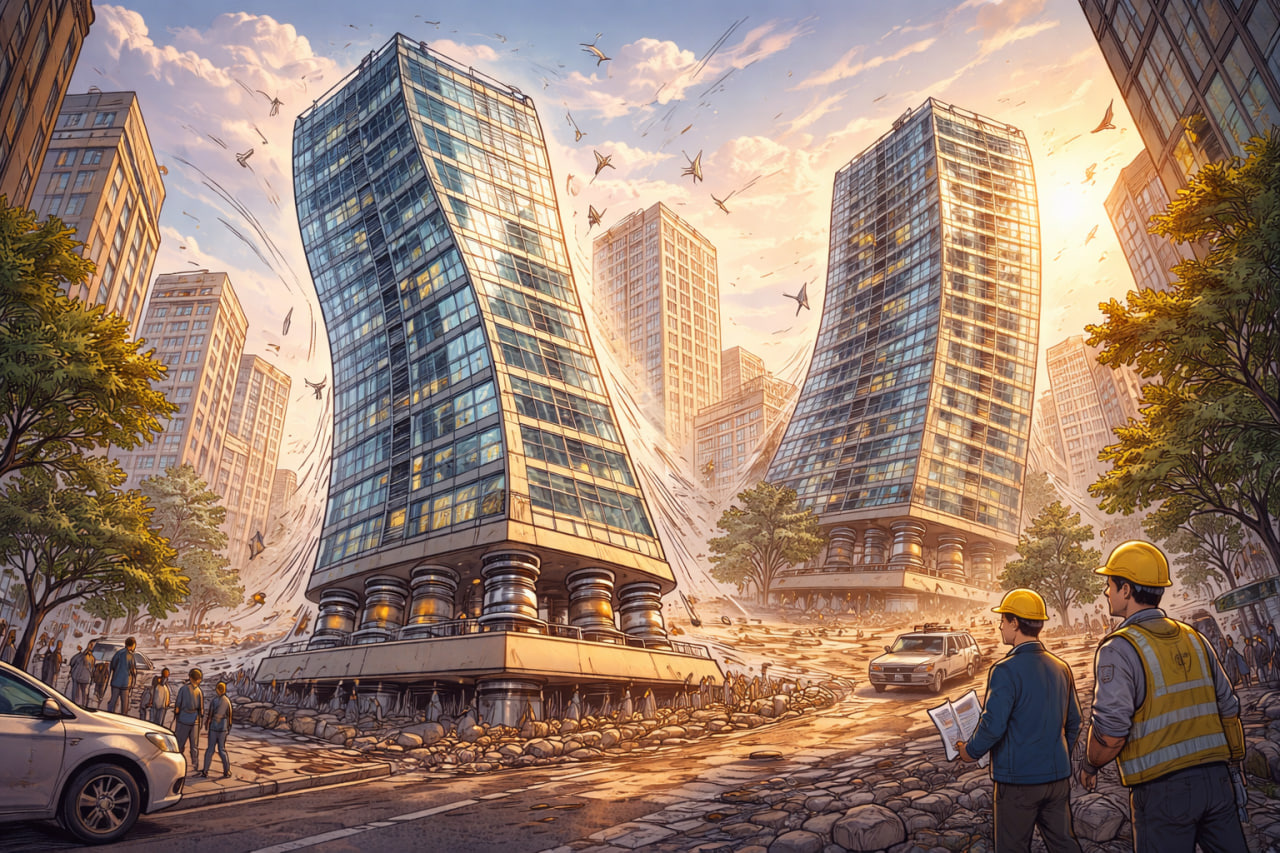
Earthquake-resistant buildings are designed to withstand ground shaking and reduce damage during seismic events.

Rewilding is an ecological approach focused on restoring natural processes and allowing ecosystems to recover with minimal human intervention.
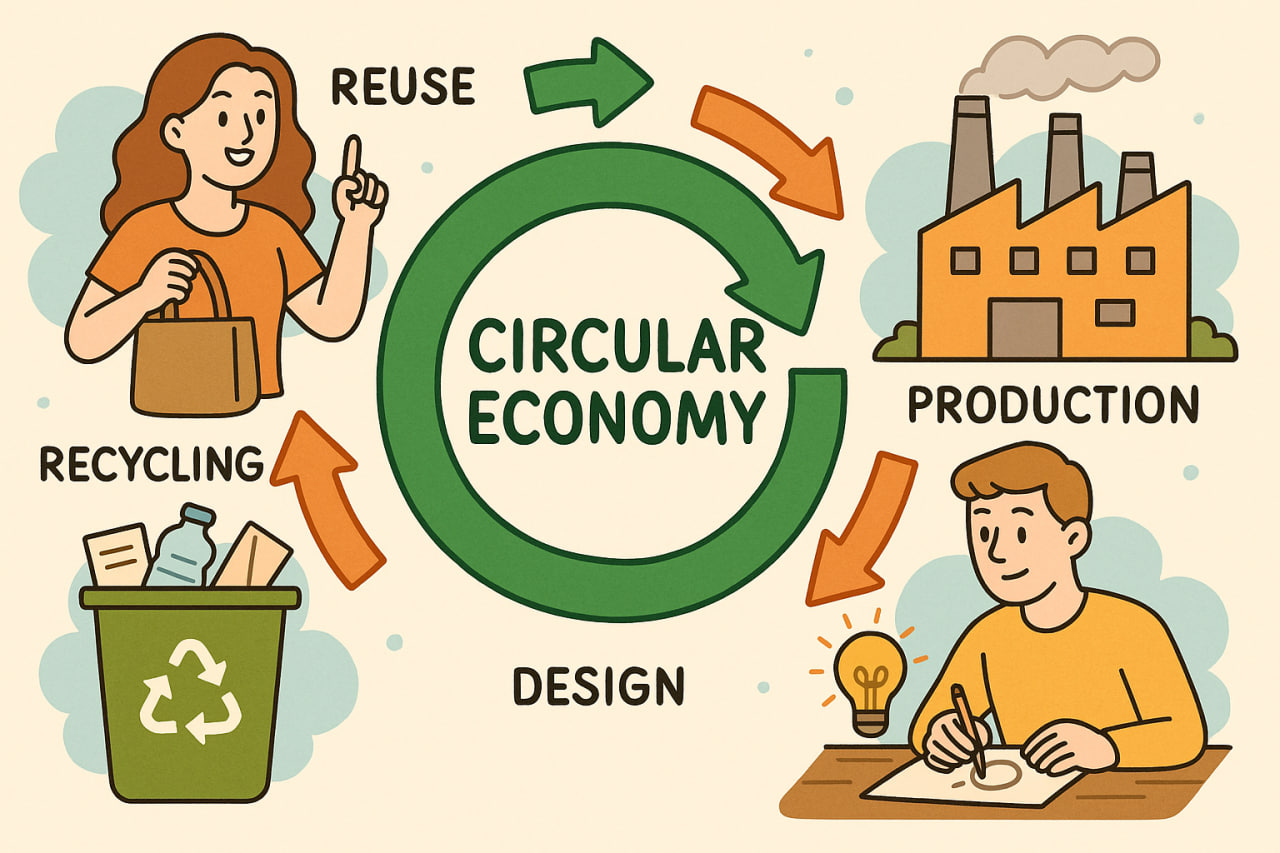
The circular economy is a modern economic model designed to reduce waste, conserve resources, and create long-lasting value by keeping materials in circulation for as long as possible.
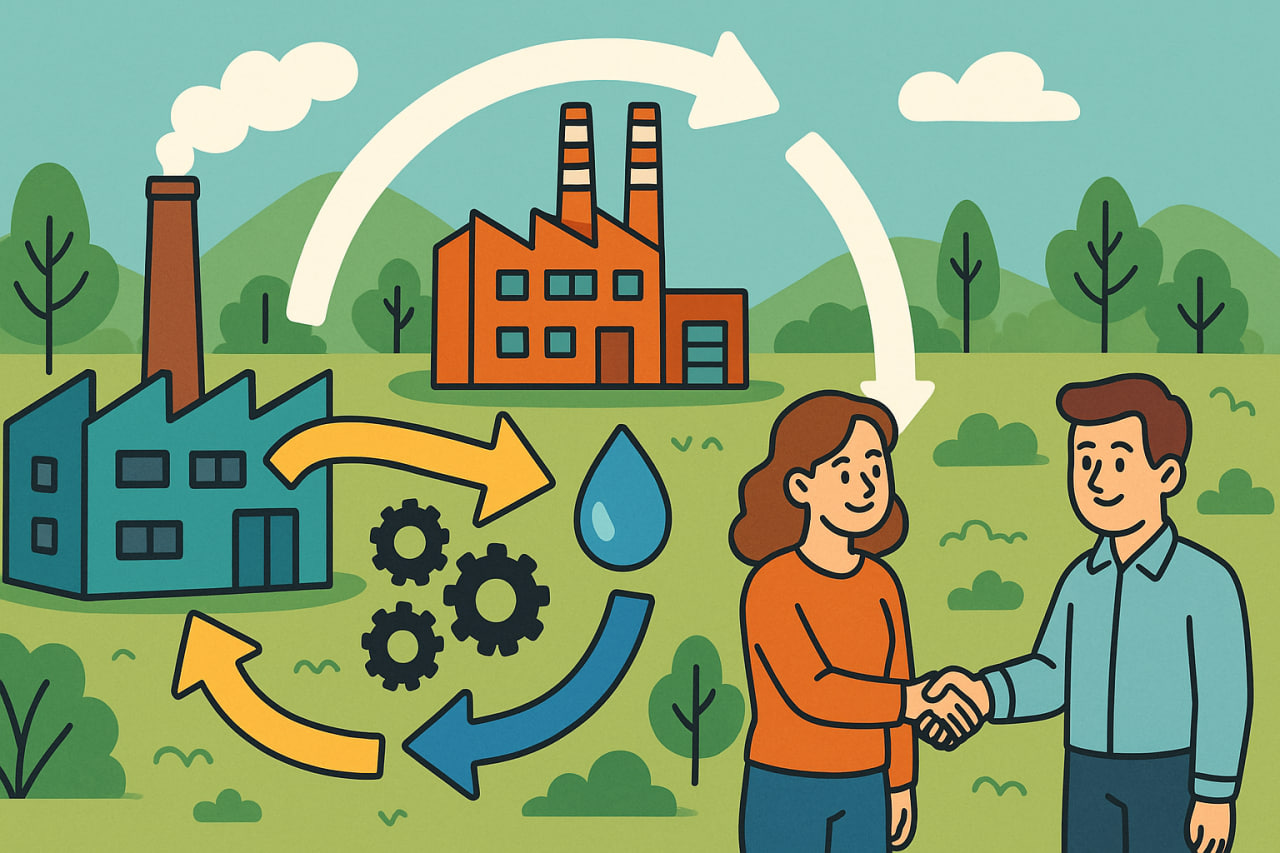
Industrial symbiosis is an innovative approach to resource management in which different companies cooperate by sharing materials, energy, water, and by-products.
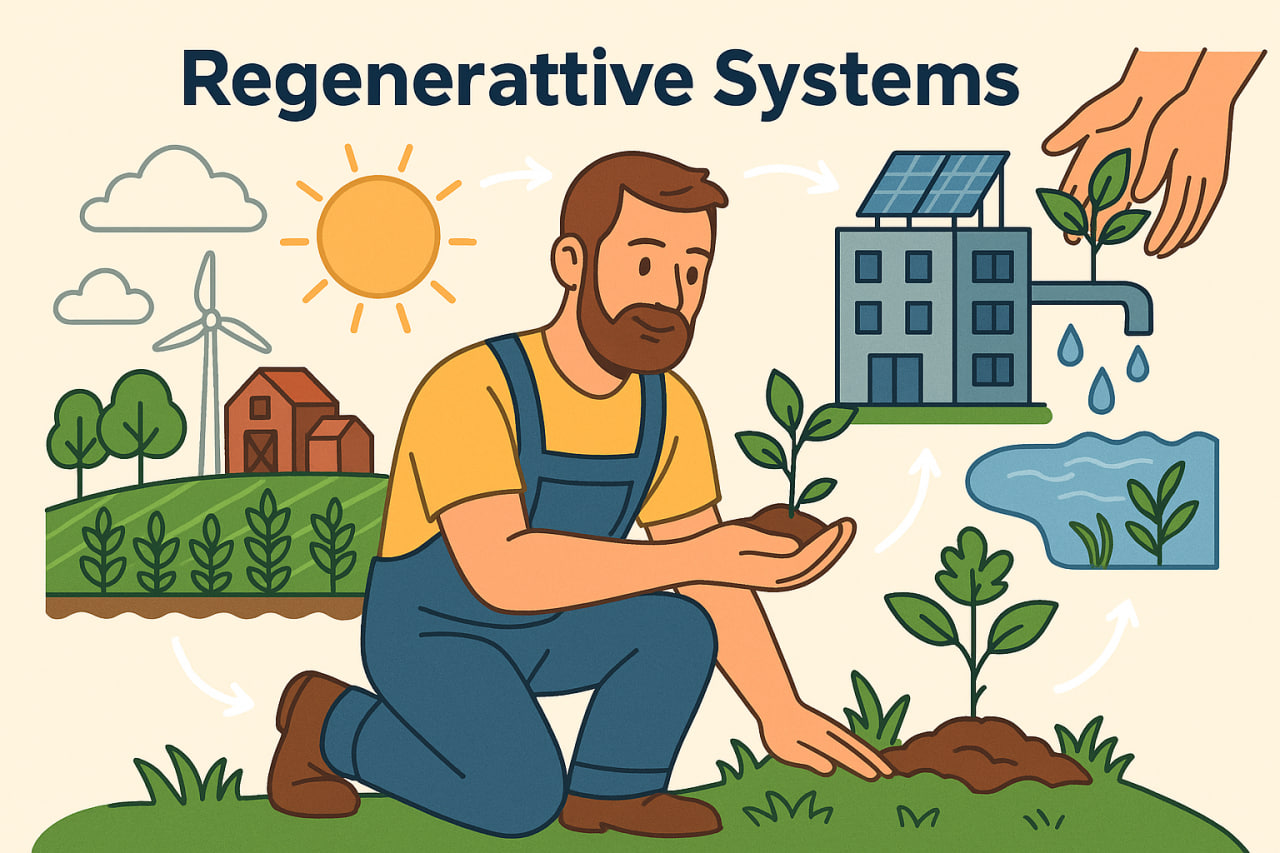
Regenerative systems represent a transformative approach to environmental design, agriculture, industry, and economics.
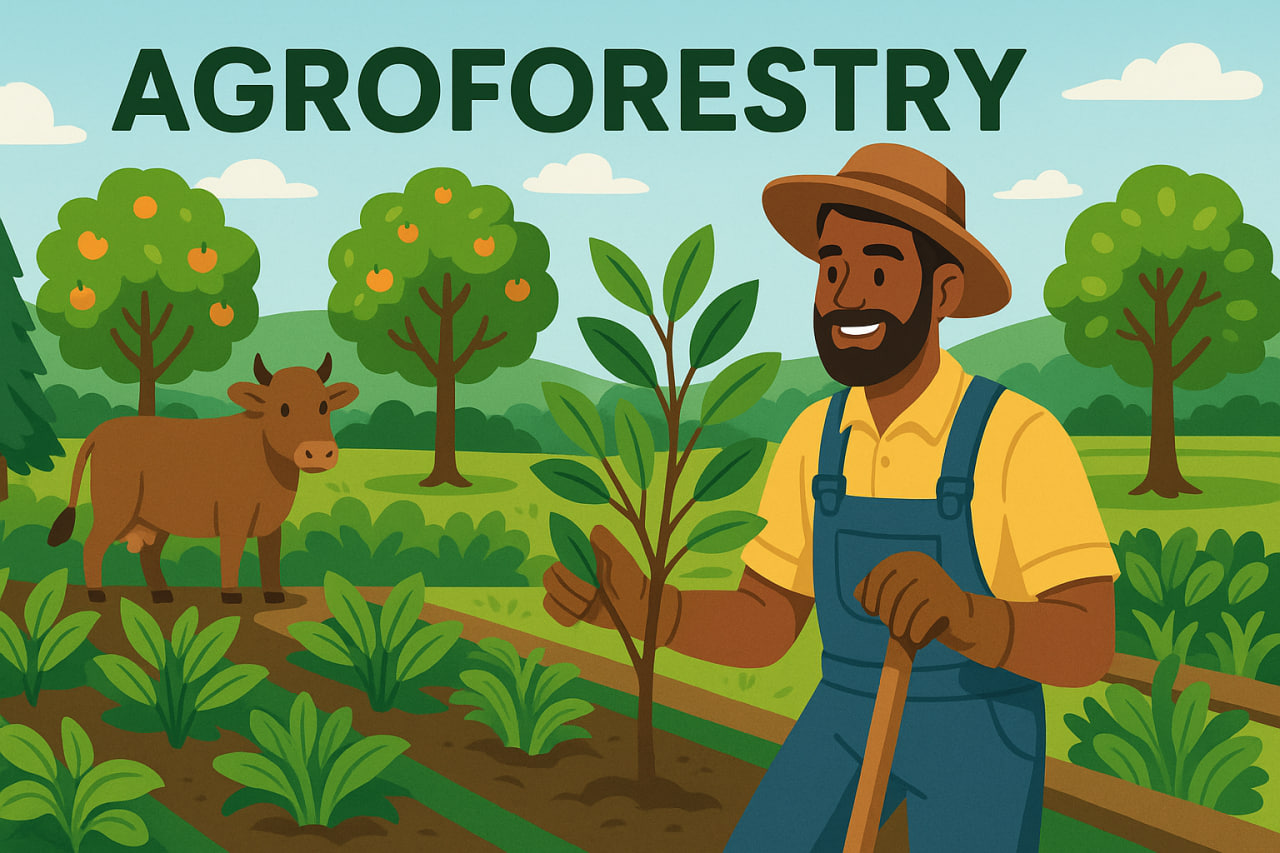
Agroforestry is a land-use system that combines trees, crops, and sometimes livestock on the same piece of land to improve productivity, biodiversity, and long-term environmental health.