
Penguins: Masters of Survival in the Harshest Environments
Penguins are among the most fascinating birds on Earth, uniquely adapted to life in some of the planet’s most extreme environments.

Penguins are among the most fascinating birds on Earth, uniquely adapted to life in some of the planet’s most extreme environments.
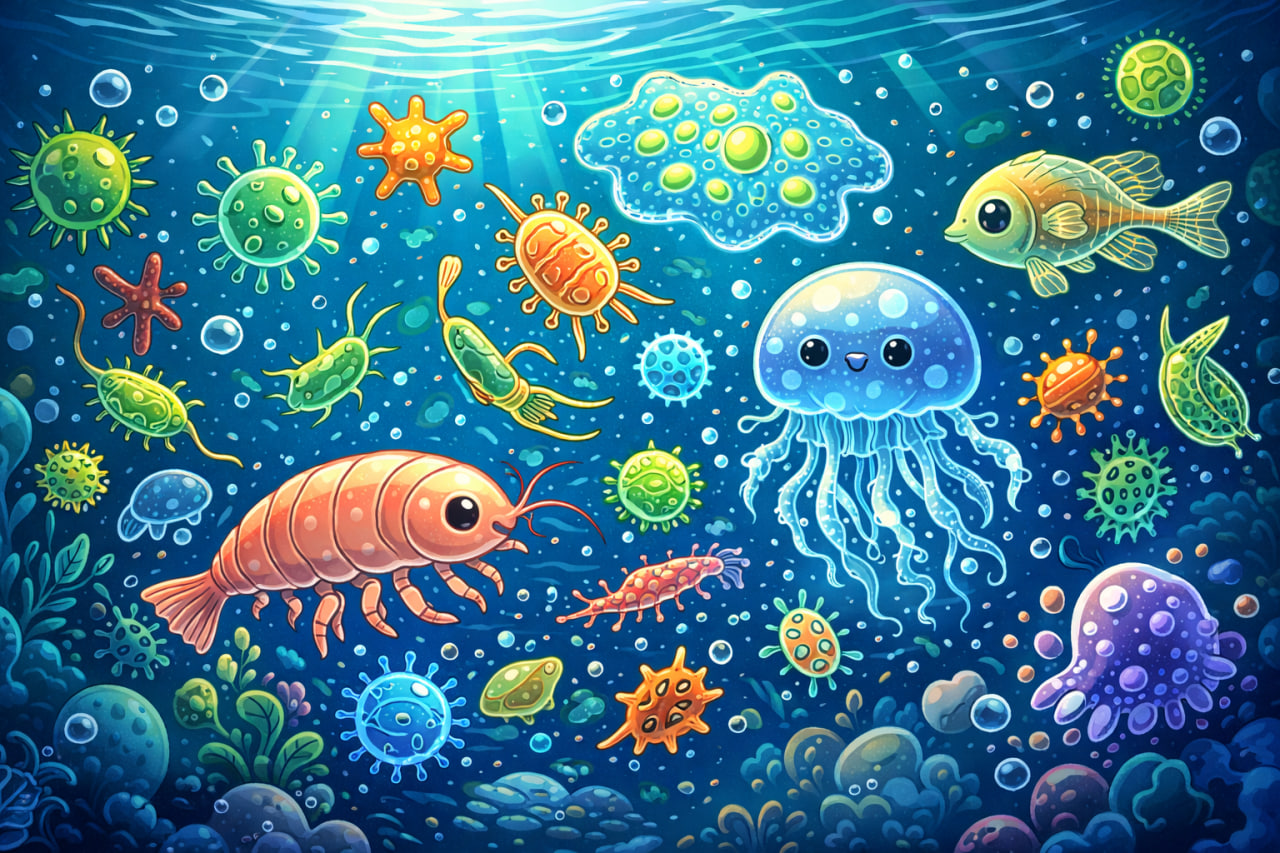
Plankton are tiny organisms that drift through oceans, seas, and freshwater environments, forming the base of aquatic ecosystems.
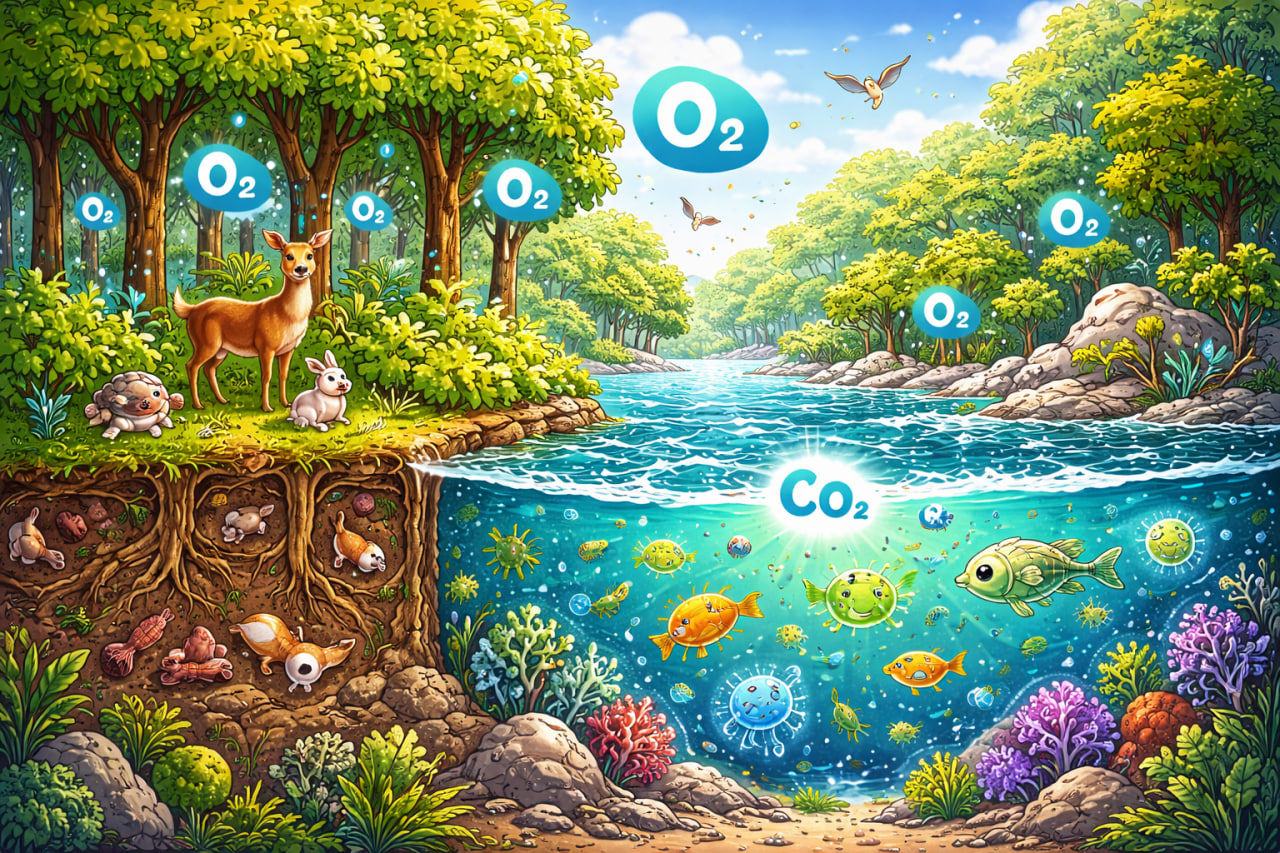
Carbon dioxide (CO₂) is a natural part of Earth’s atmosphere, playing a key role in maintaining the planet’s temperature.
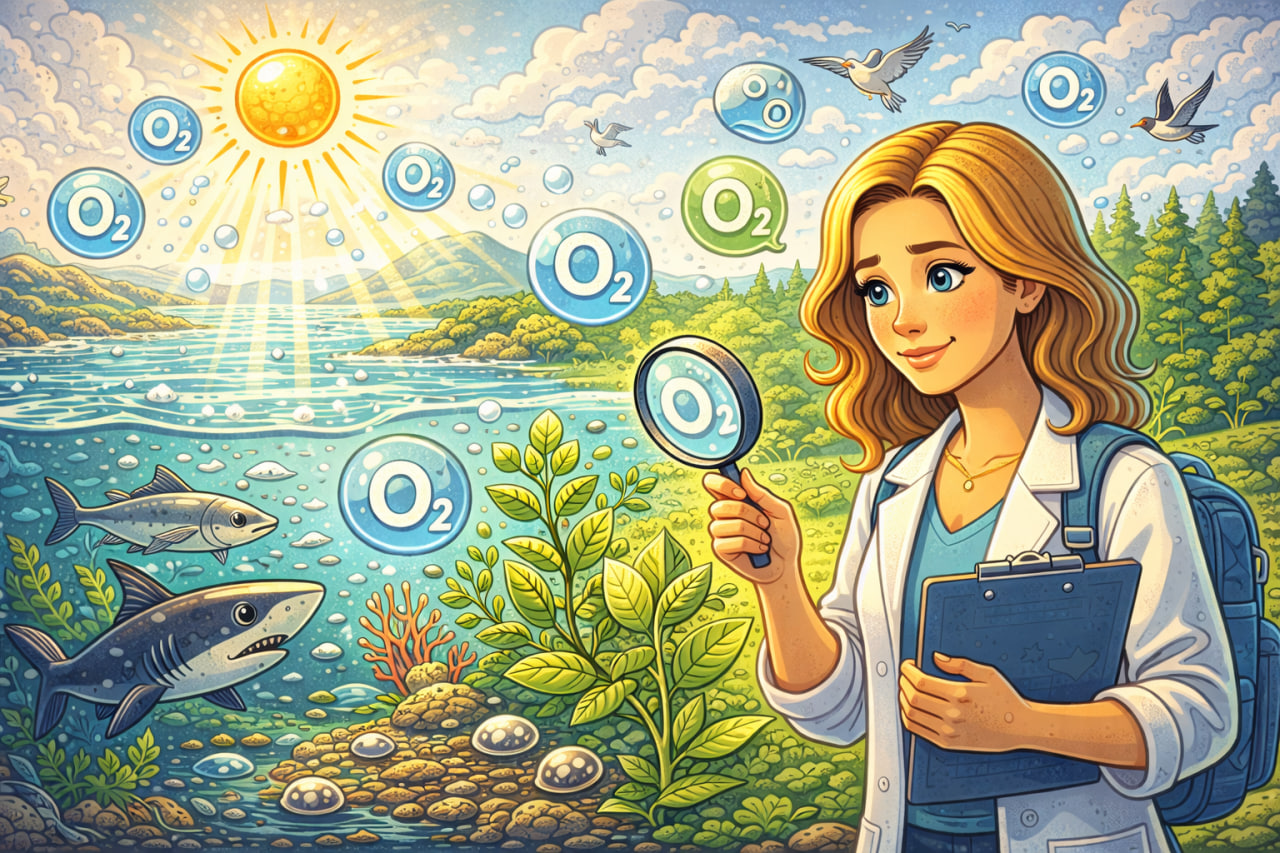
Oxygen is essential for most life on Earth, yet few people realize that the majority of it is produced not by forests, but by microscopic organisms in water.
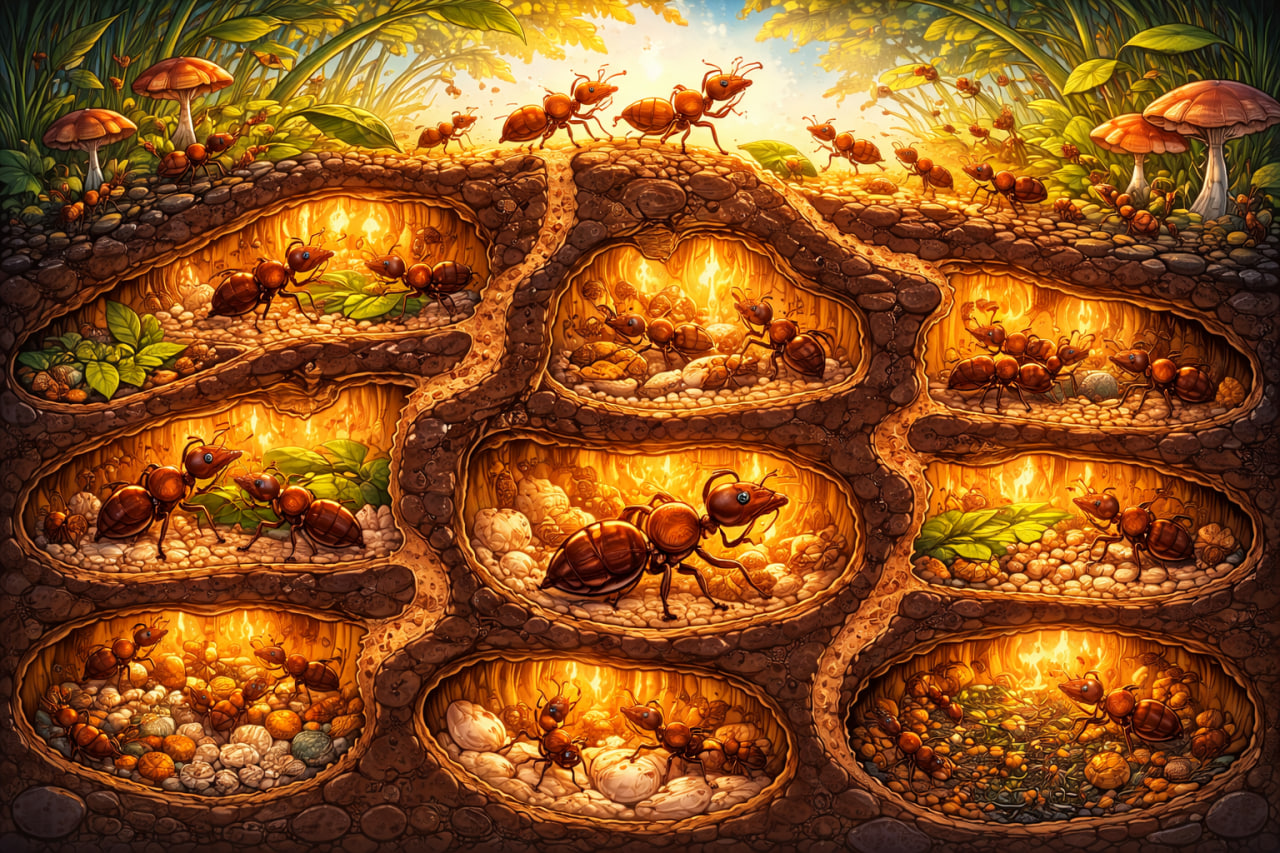
Ants are among the most successful and organized creatures on Earth, building complex underground systems that function like entire cities.

After a forest fire, the landscape may appear lifeless and destroyed, yet within a surprisingly short time, bright flowers begin to emerge from the ash-covered ground.
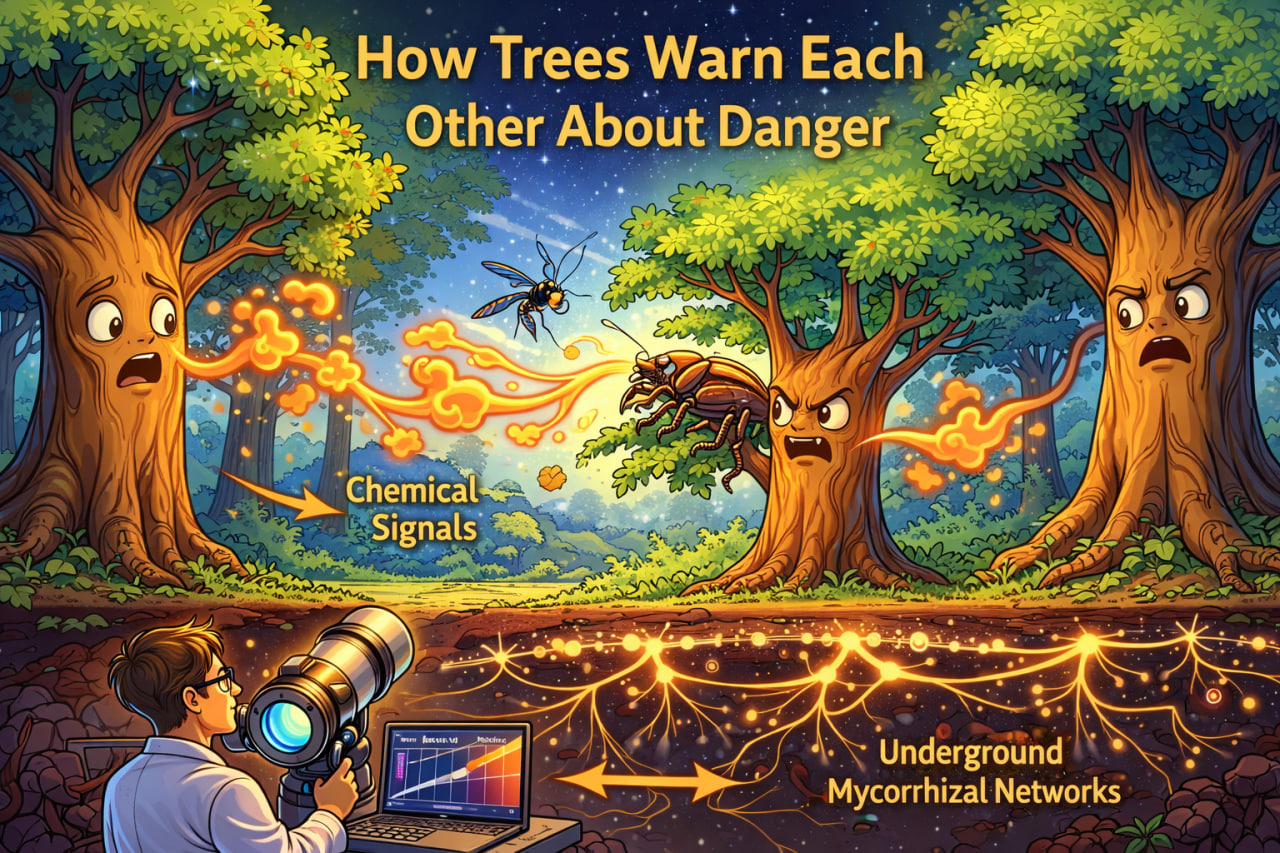
Trees may appear silent and passive, but modern science reveals that they are part of a highly connected and responsive network capable of communication and cooperation.
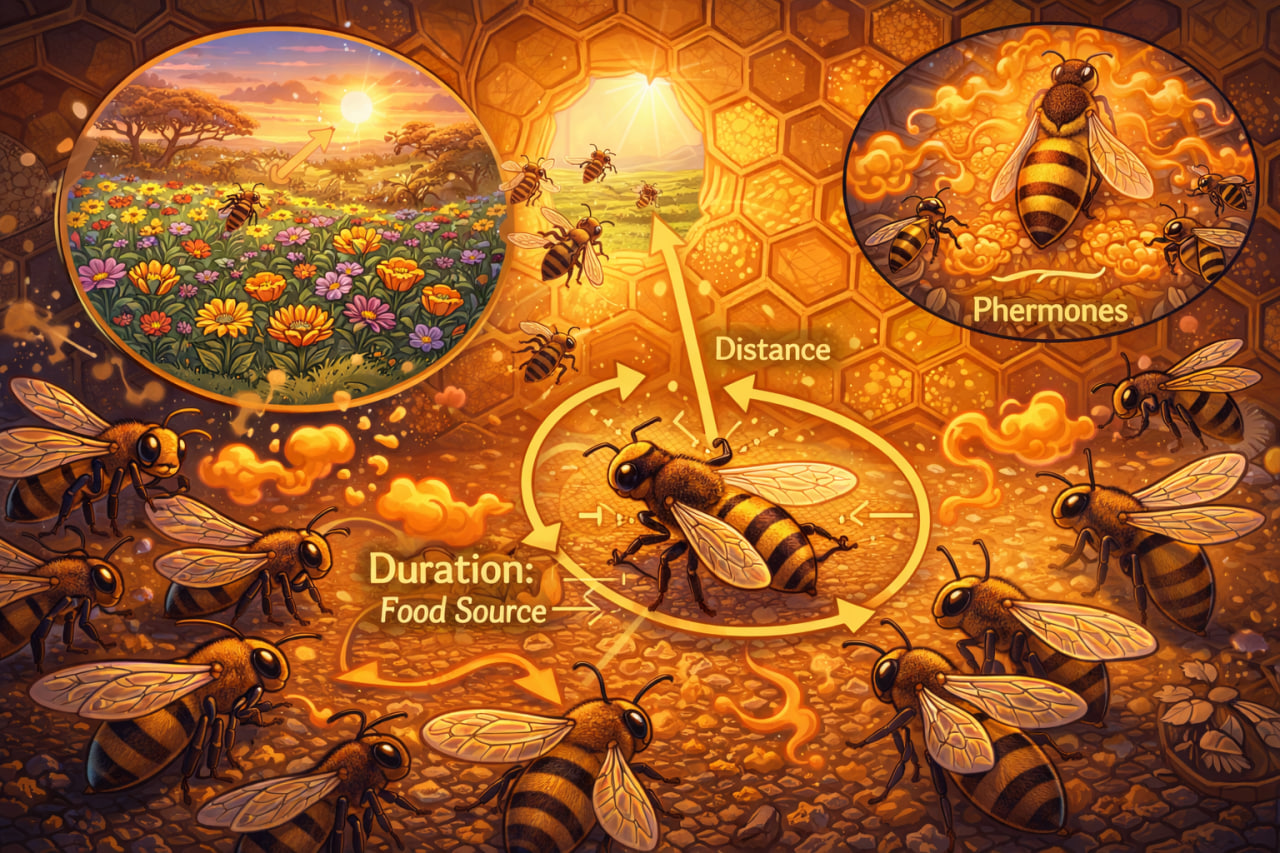
Bees are small creatures, yet they possess one of the most sophisticated communication systems in the animal kingdom.

The word “mutant” is often associated with science fiction, superheroes, or dangerous transformations, but in real science, it has a much more ordinary meaning.

The origin of life on Earth is one of the most profound and complex questions in science.