
Earth’s History Written in Stone
Long before humans learned to write, the Earth had already recorded its own story—layer by layer, crystal by crystal, fossil by fossil.
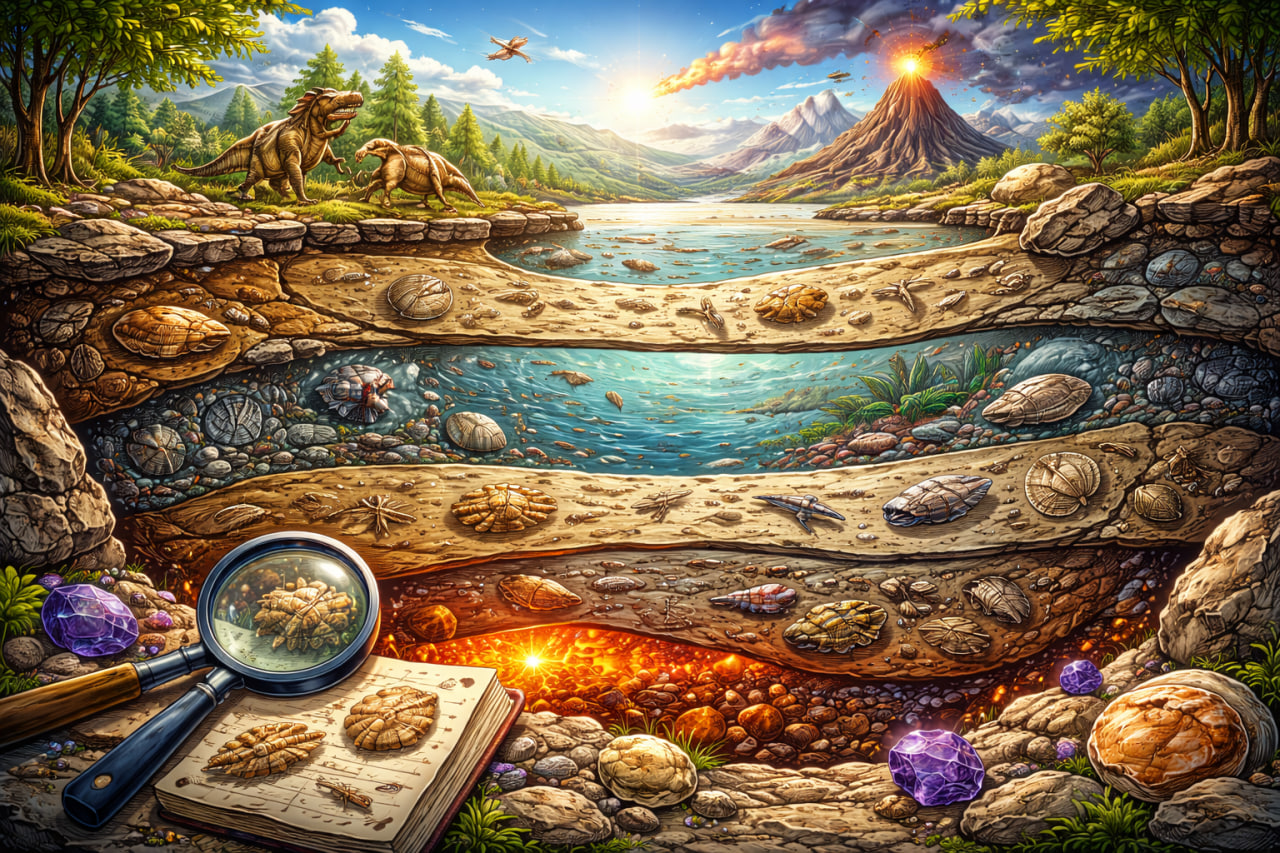
Long before humans learned to write, the Earth had already recorded its own story—layer by layer, crystal by crystal, fossil by fossil.
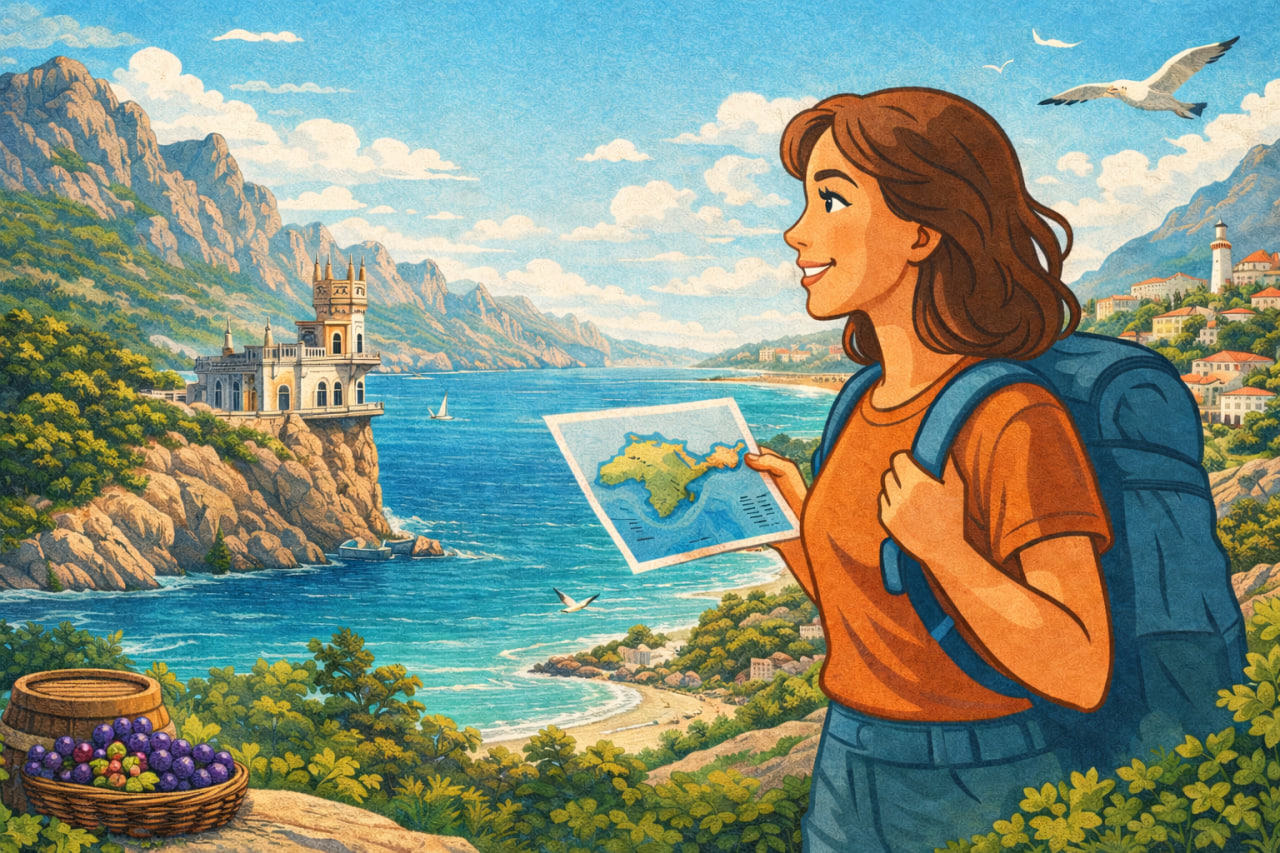
Crimea is a peninsula located between the Black Sea and the Sea of Azov, distinguished by its diverse landscapes and long, complex history.
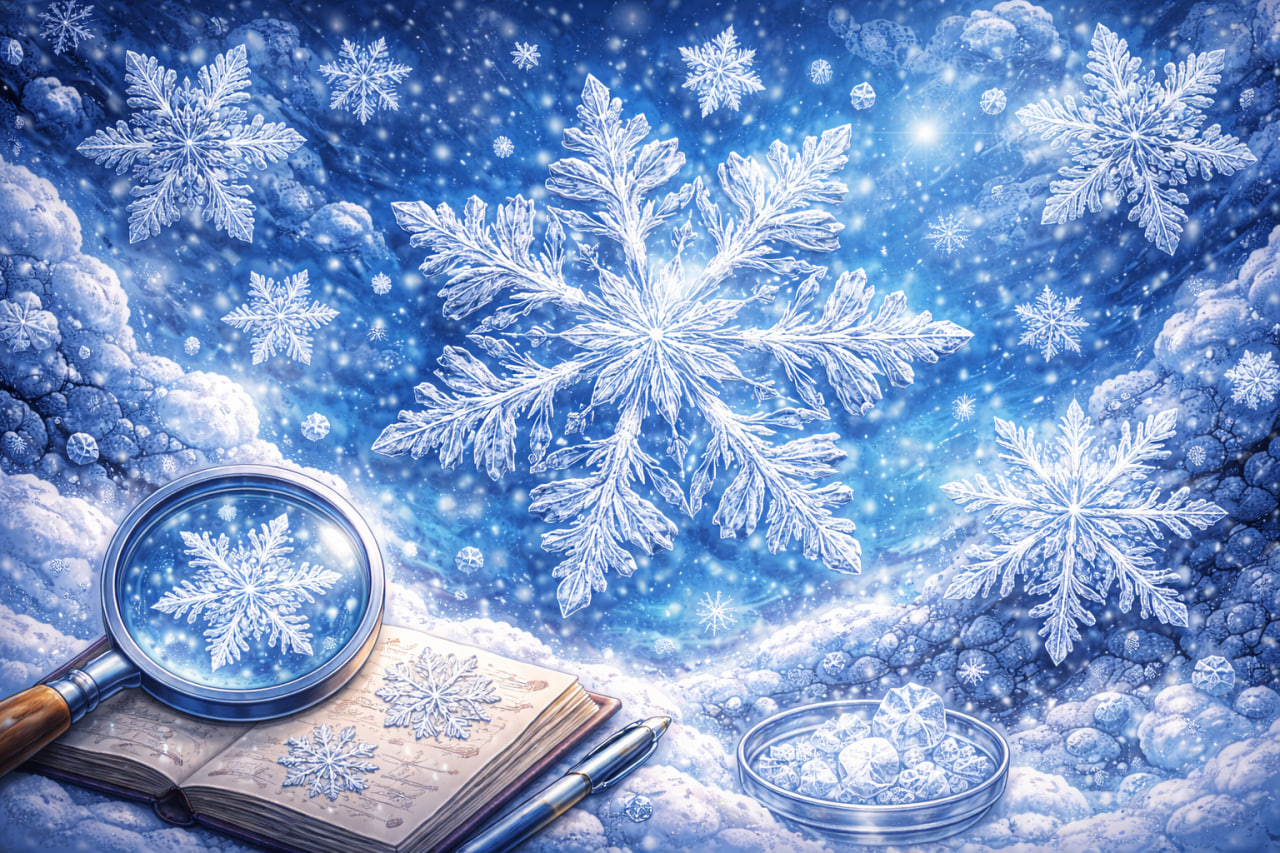
At first glance, a snowflake appears delicate and fleeting, but behind its beauty lies a remarkable example of natural geometry.
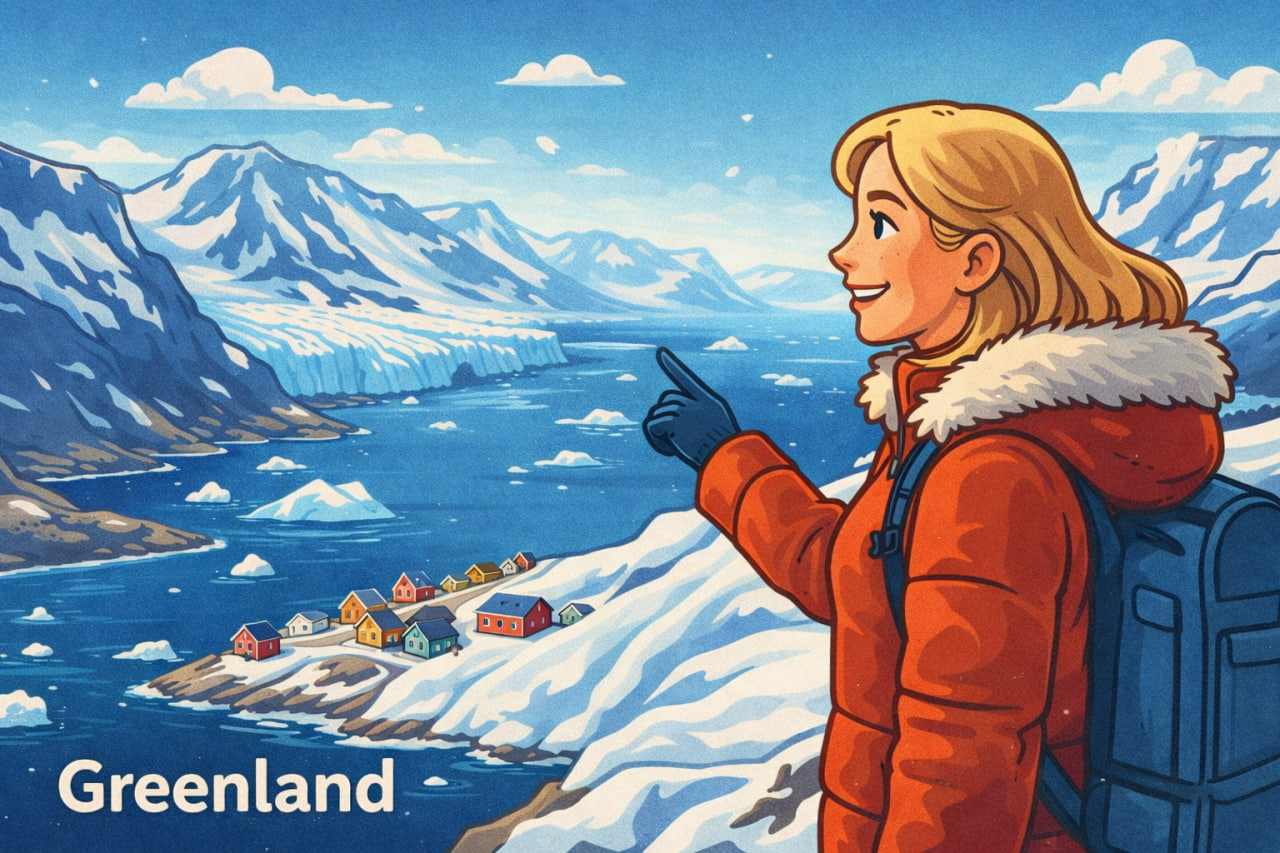
Greenland is the largest island on Earth and one of the most important regions for understanding how our planet’s climate system works.
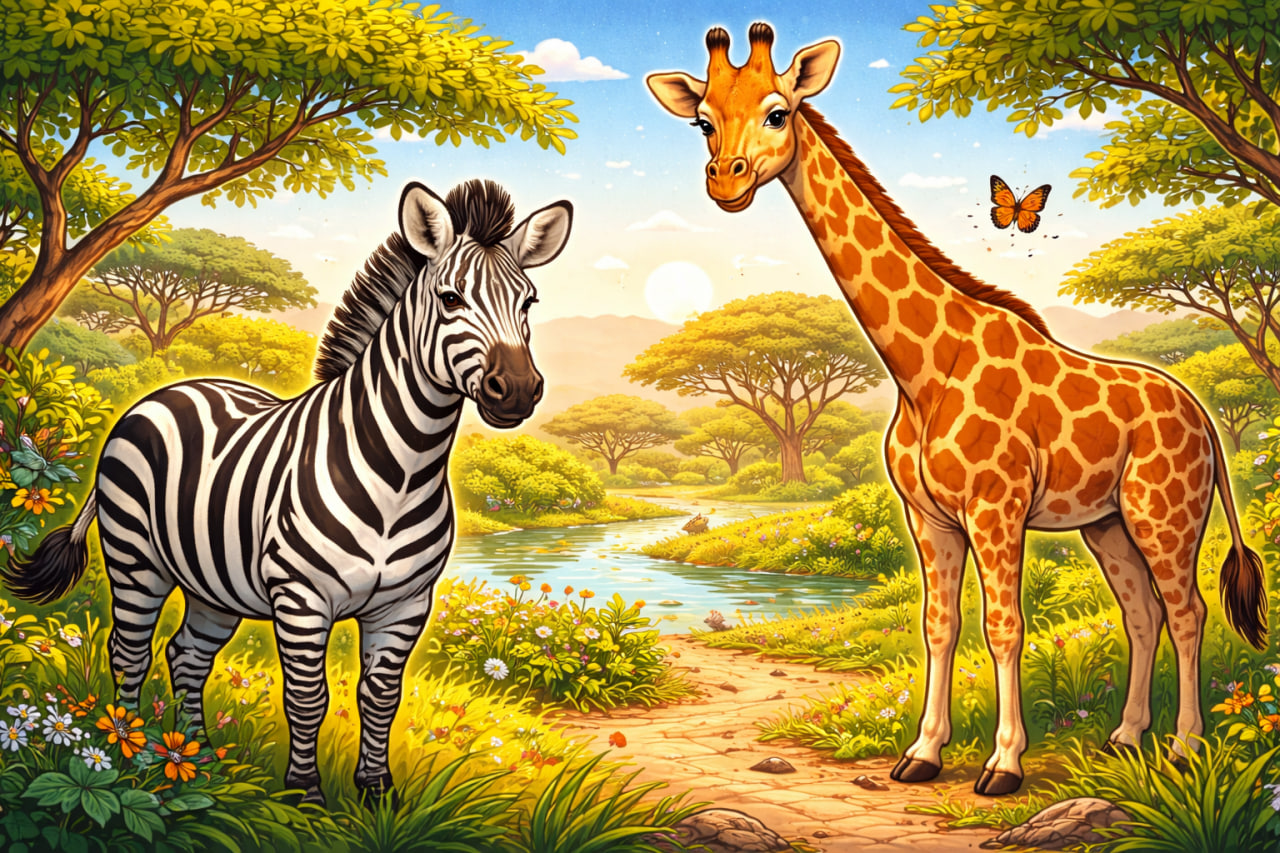
Animal coloration is one of the most visible and fascinating results of evolution. From bold stripes to complex spotted patterns, nature uses color not for decoration, but for survival.
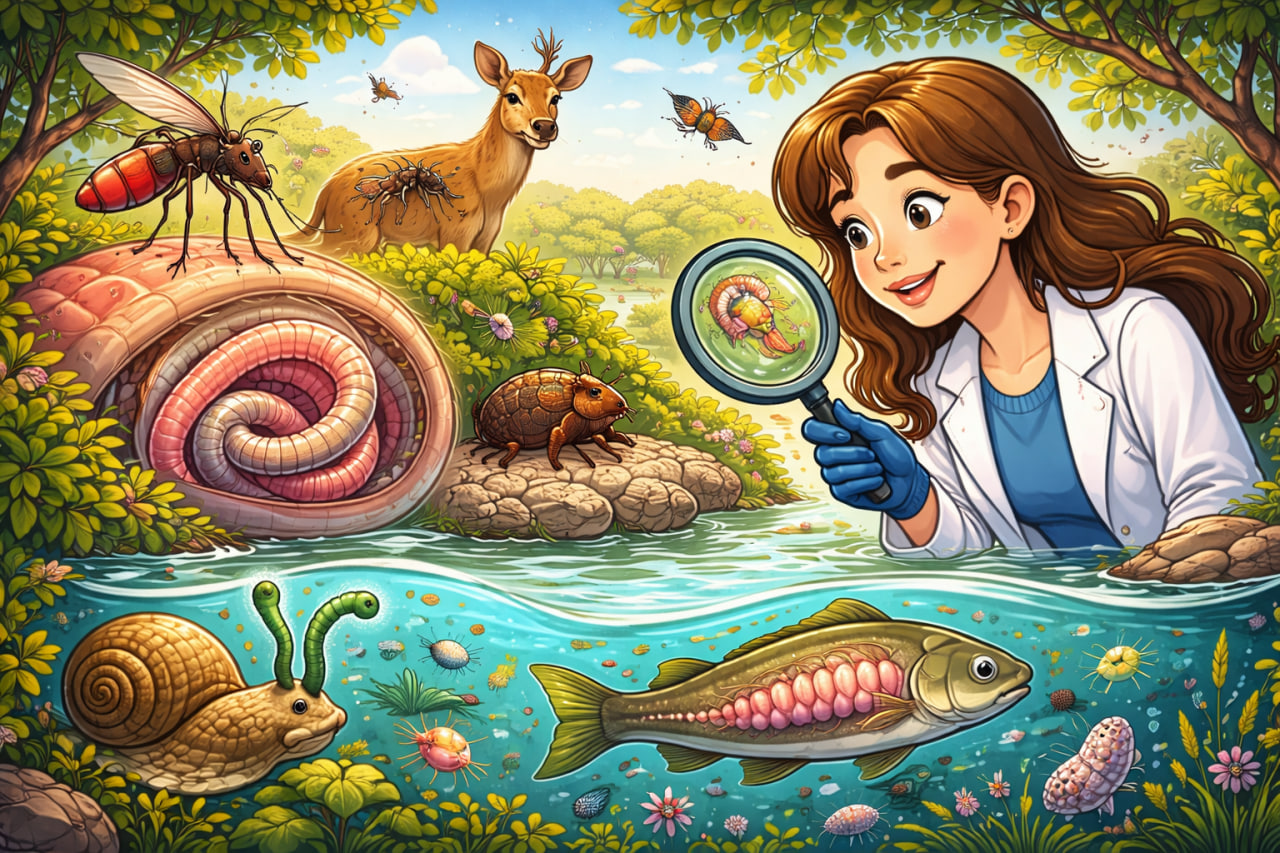
Parasites are among the most misunderstood forms of life on Earth, often associated only with disease and discomfort.

For a long time, life on Earth was thought to exist primarily on the planet’s surface, where sunlight fuels ecosystems and shapes biological diversity.
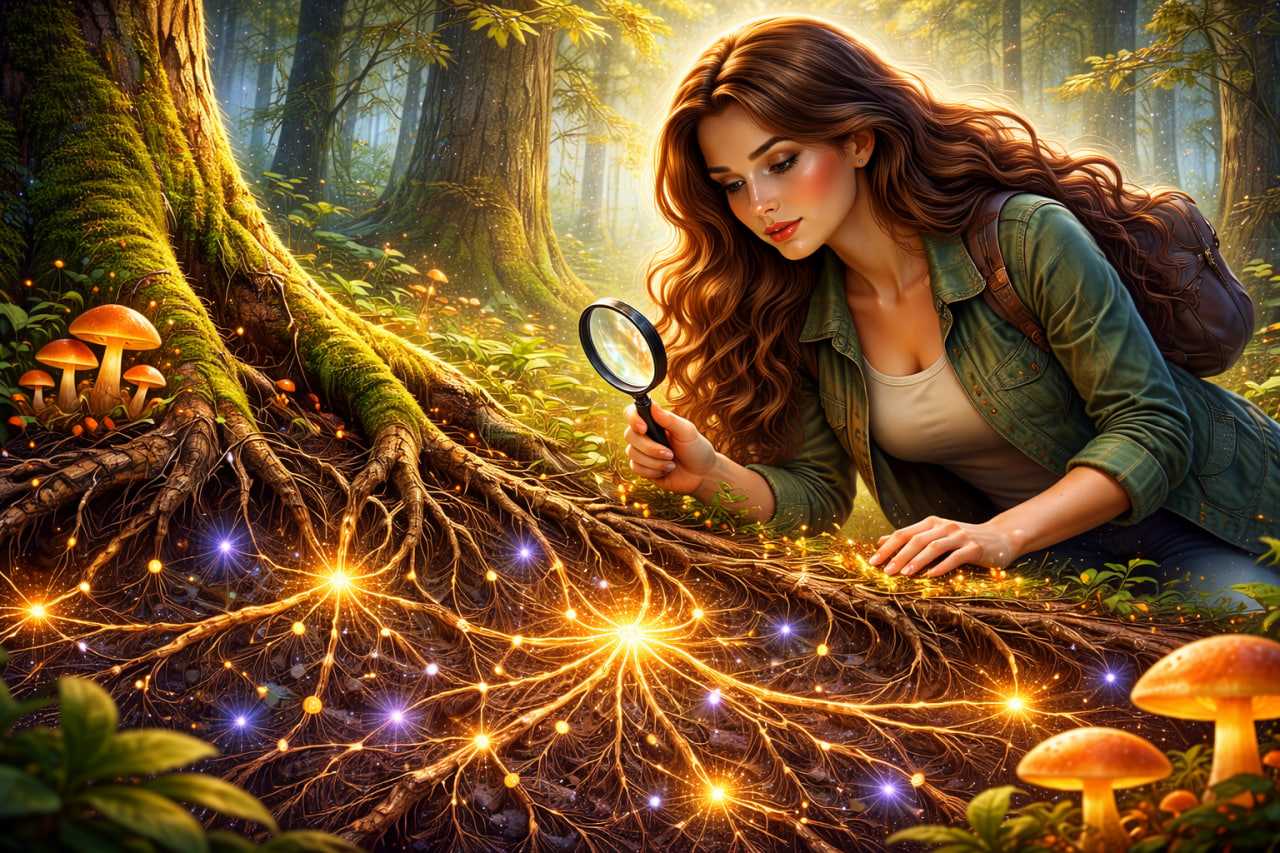
Forests are not just collections of individual trees competing for sunlight and nutrients; they are deeply interconnected living systems.
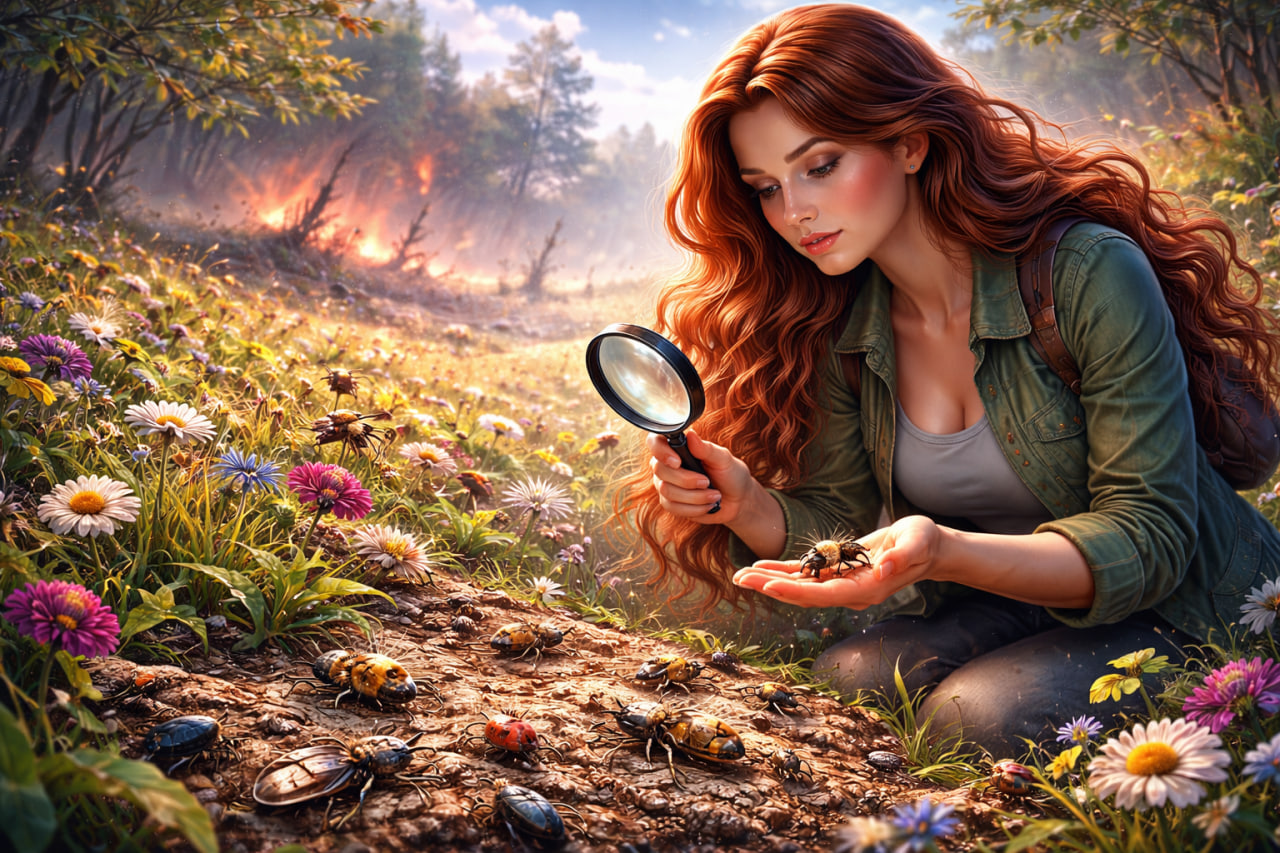
At first glance, the extinction of dinosaurs may seem like the ultimate ecological catastrophe, wiping out some of the most iconic creatures in Earth’s history.
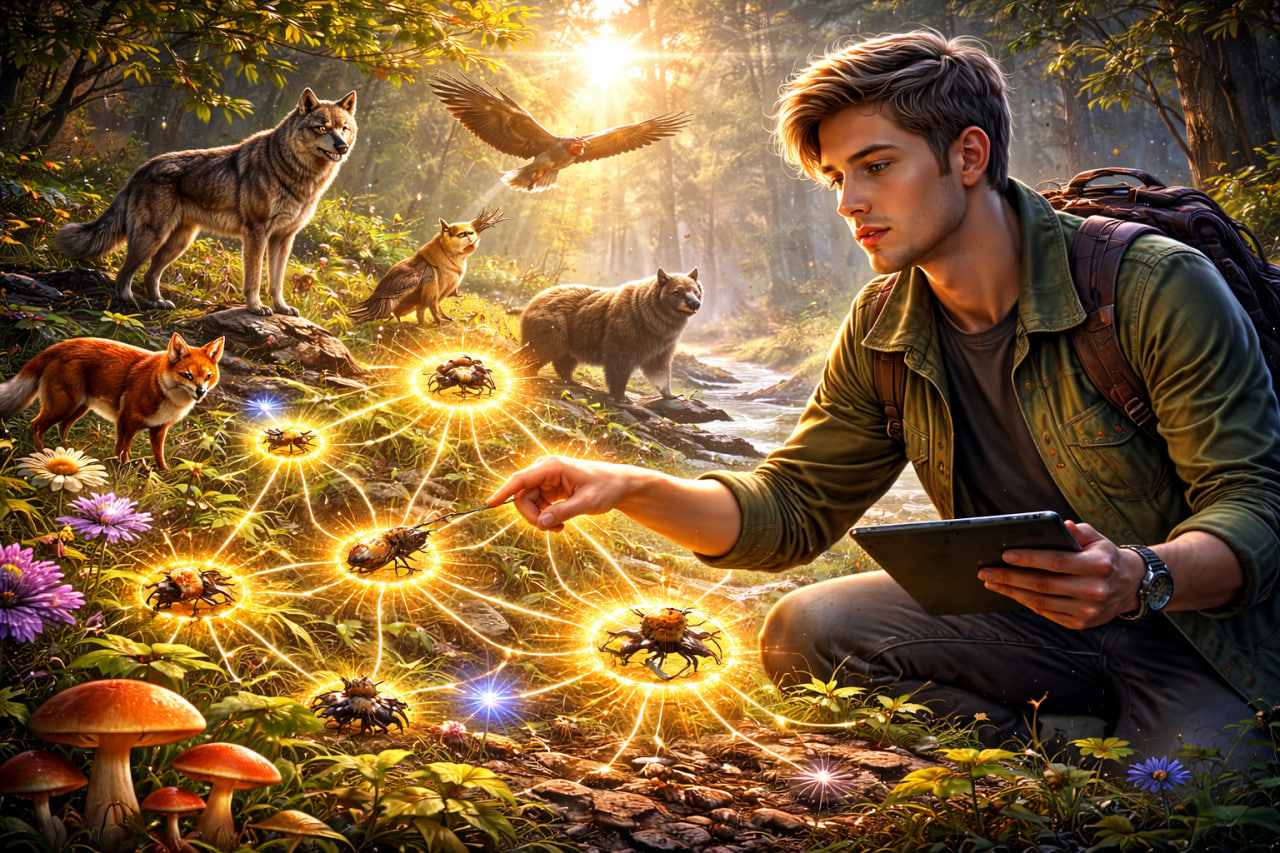
A food web is one of the most fundamental concepts in ecology, describing how energy and nutrients move through living systems.