
How to Stay Safe During a Natural Disaster: Essential Emergency Rules
Natural disasters can develop with little warning, damage communications, interrupt electricity and water supplies, and force entire communities to evacuate.
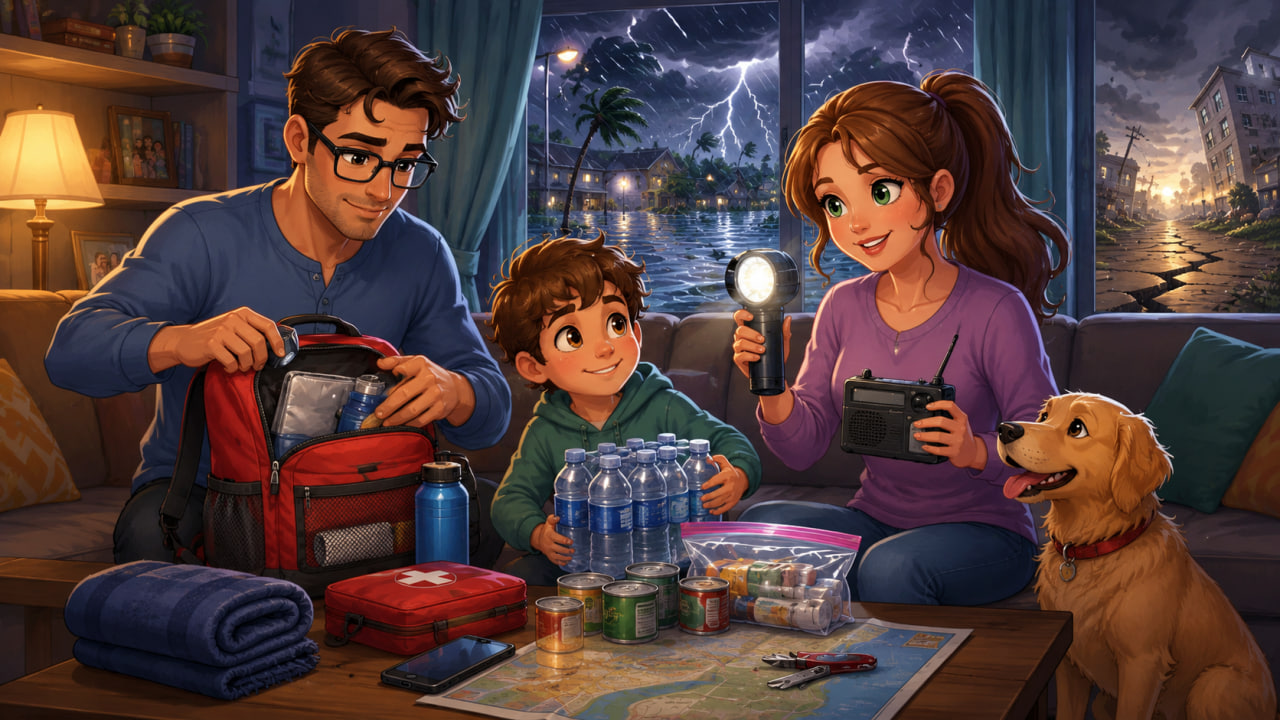
Natural disasters can develop with little warning, damage communications, interrupt electricity and water supplies, and force entire communities to evacuate.
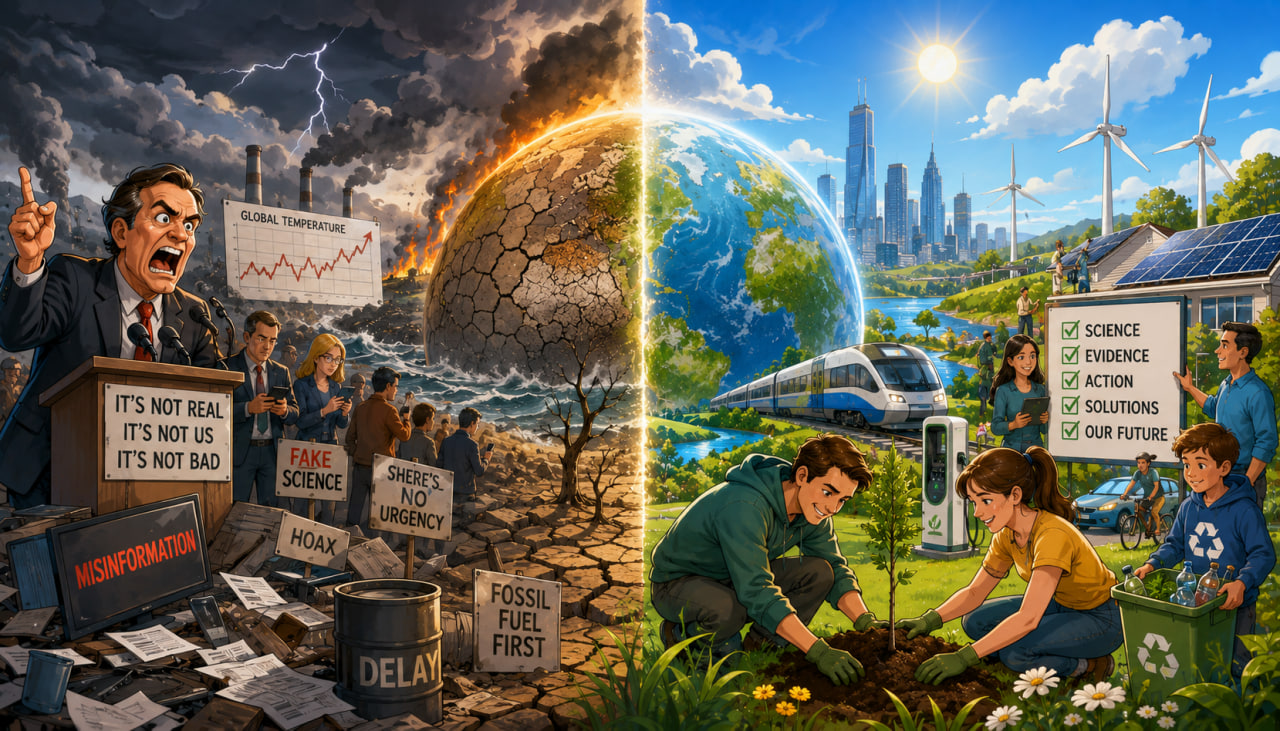
Scientific questioning is essential. Researchers constantly test measurements, improve climate models, and debate the effectiveness of different solutions.
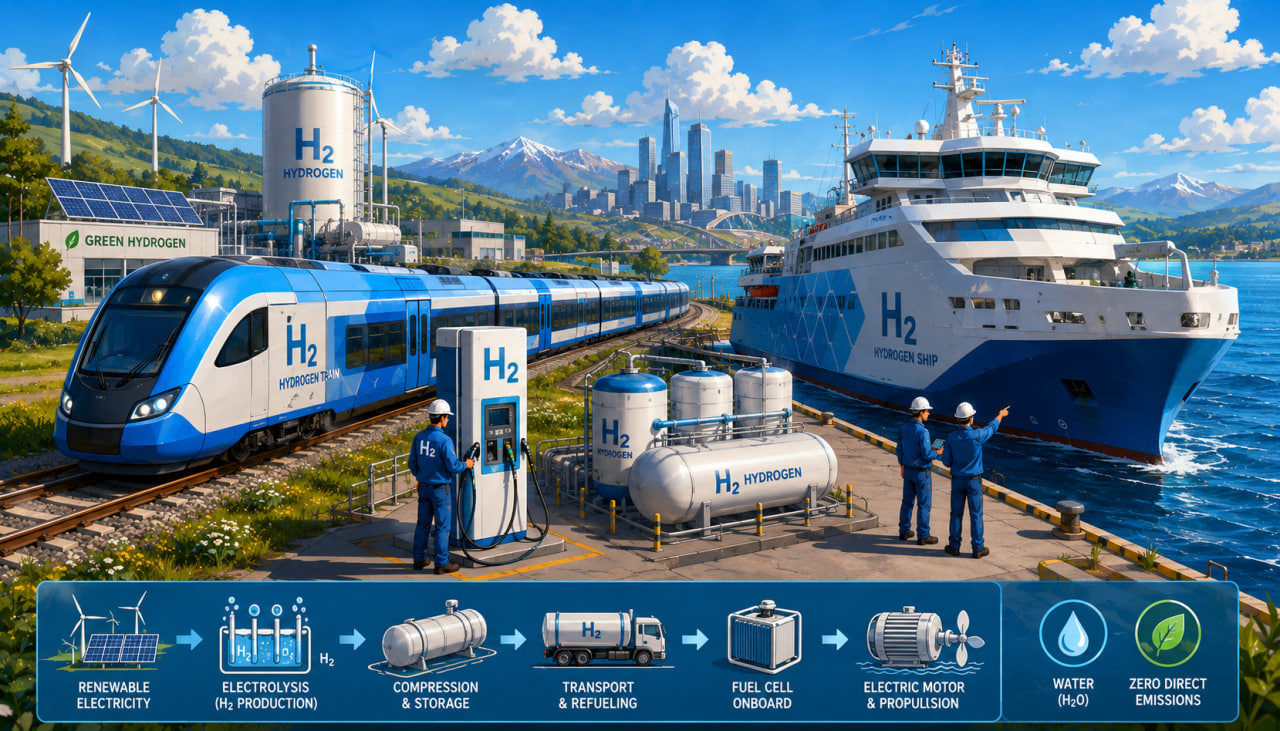
Battery-electric cars are becoming common, but heavy transport presents a more difficult engineering challenge.
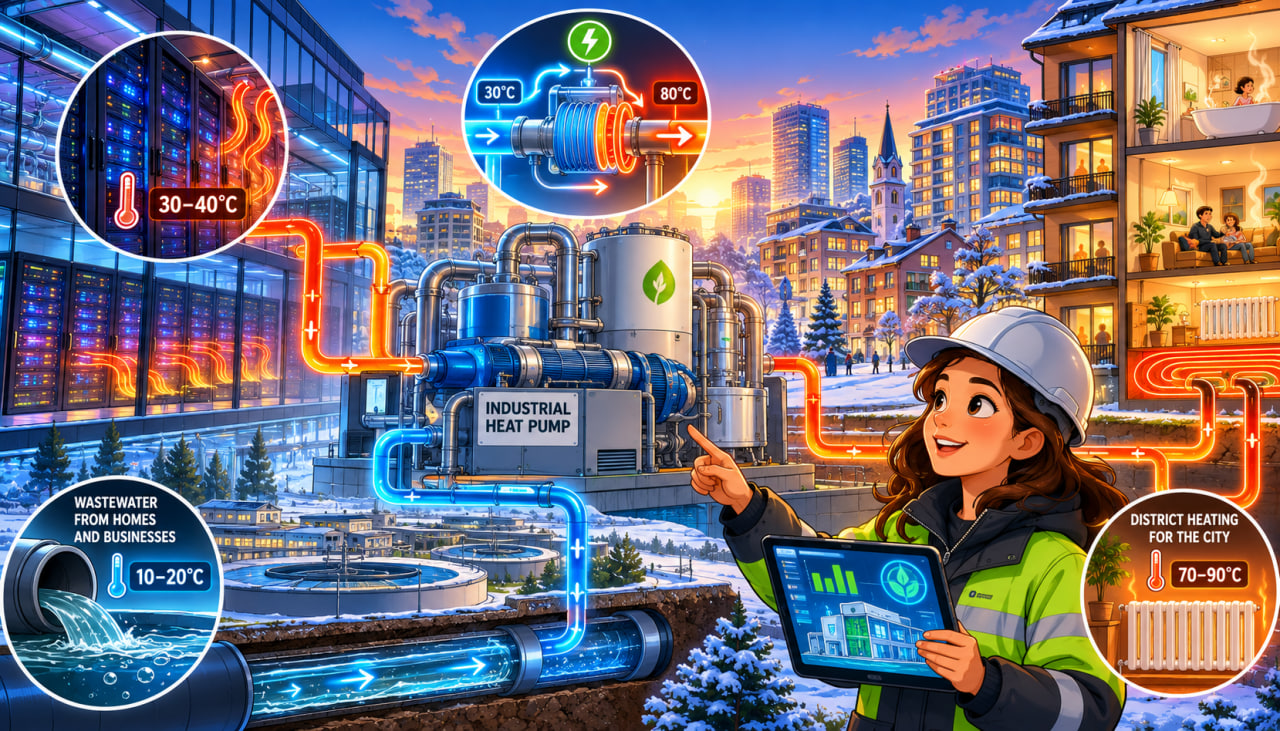
Cities continuously produce enormous quantities of low-temperature heat. Servers release it while processing data, wastewater carries it away from showers and washing machines, and industrial...
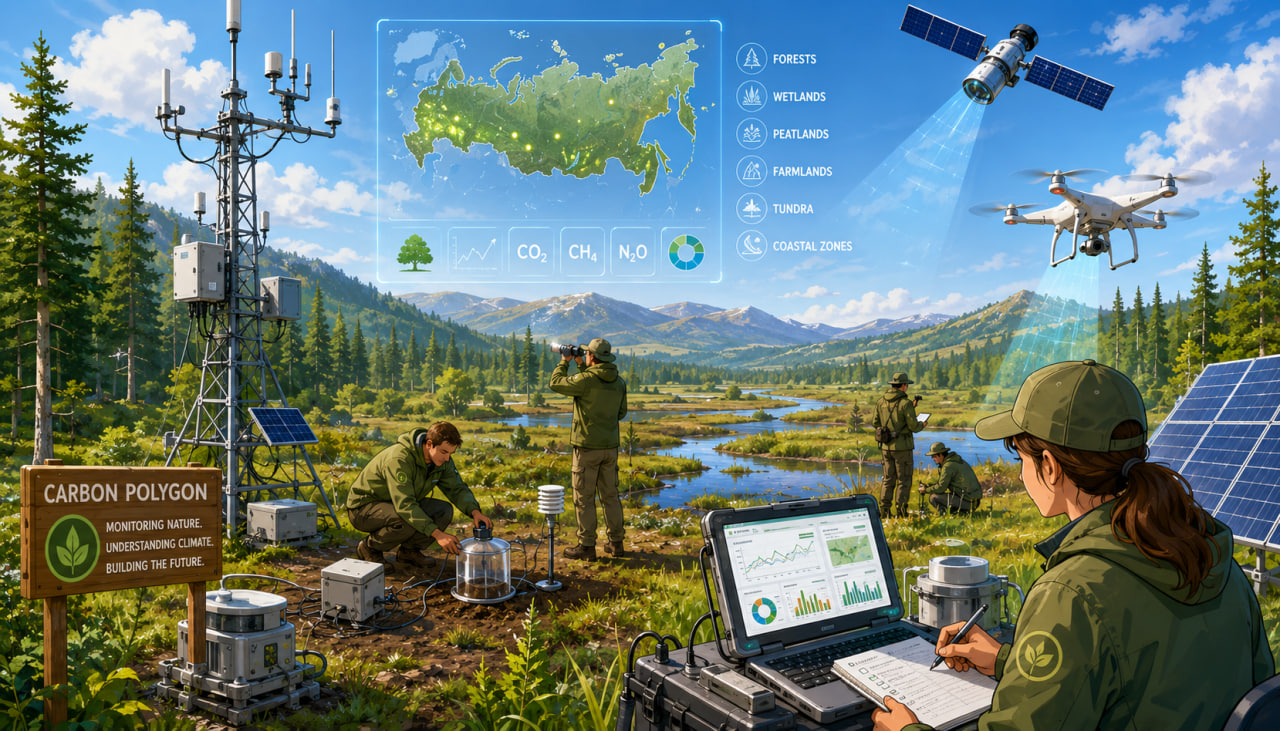
Russia’s carbon polygons are specialized research territories created to measure how natural ecosystems absorb and release greenhouse gases.
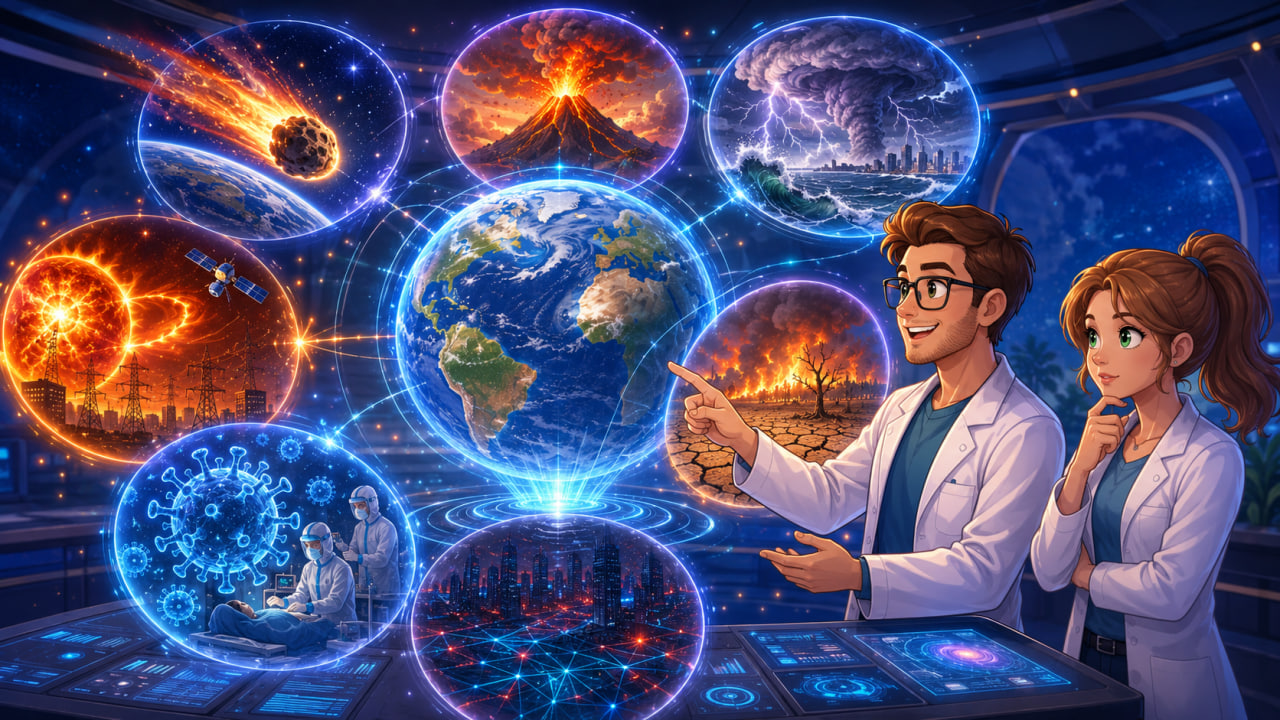
The phrase “doomsday” suggests the sudden destruction of the entire planet. In reality, scientists usually discuss a broader category called global catastrophic risks: events capable of...
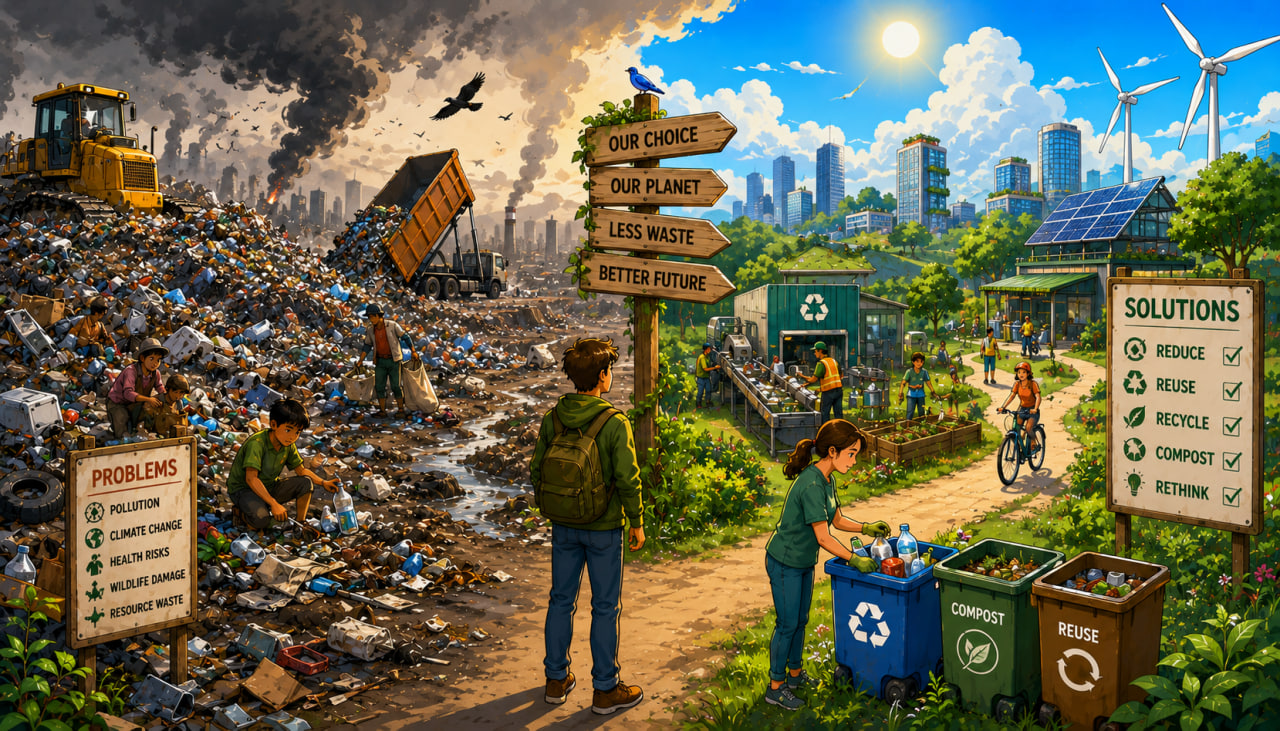
Landfills and uncontrolled dumps have become one of the world’s most visible environmental problems.
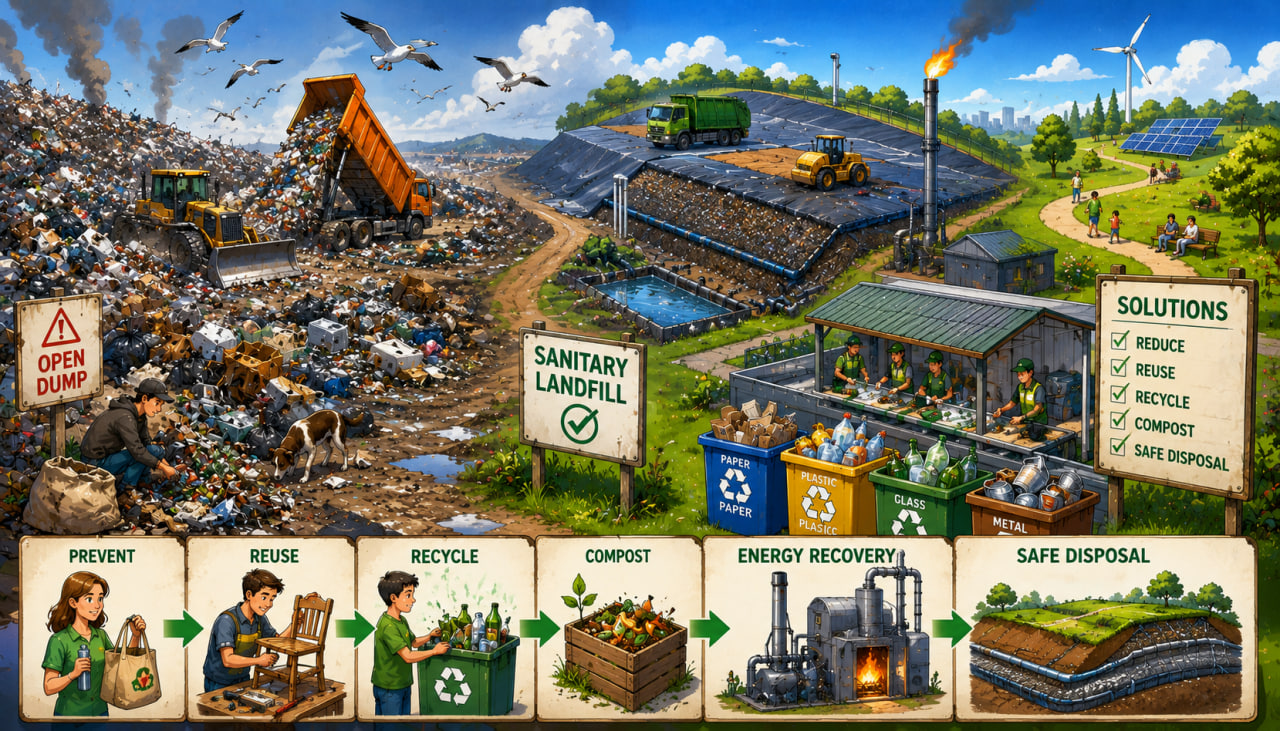
Landfills are often imagined as chaotic mountains of rubbish surrounded by birds, smoke, and unpleasant odors.
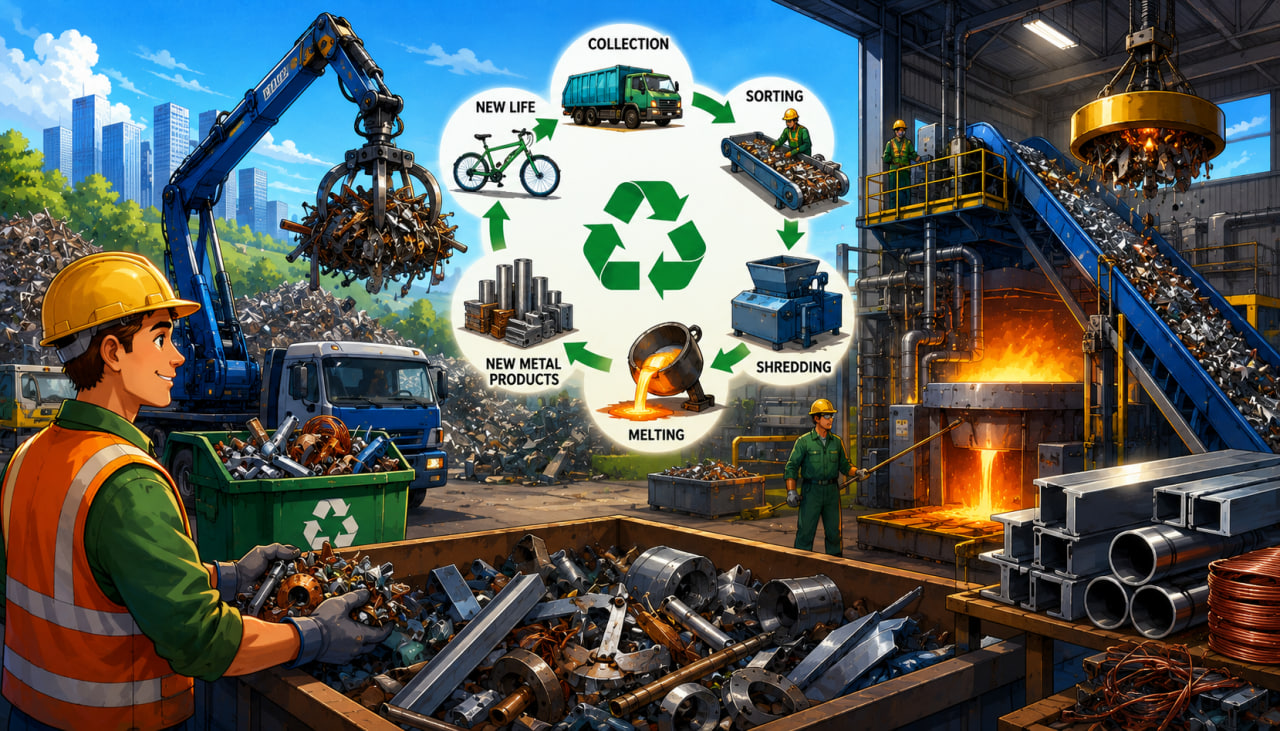
Scrap metal is not simply unwanted waste. Old vehicles, broken appliances, construction steel, damaged machinery, electrical cables, aluminum cans, and manufacturing offcuts all contain...
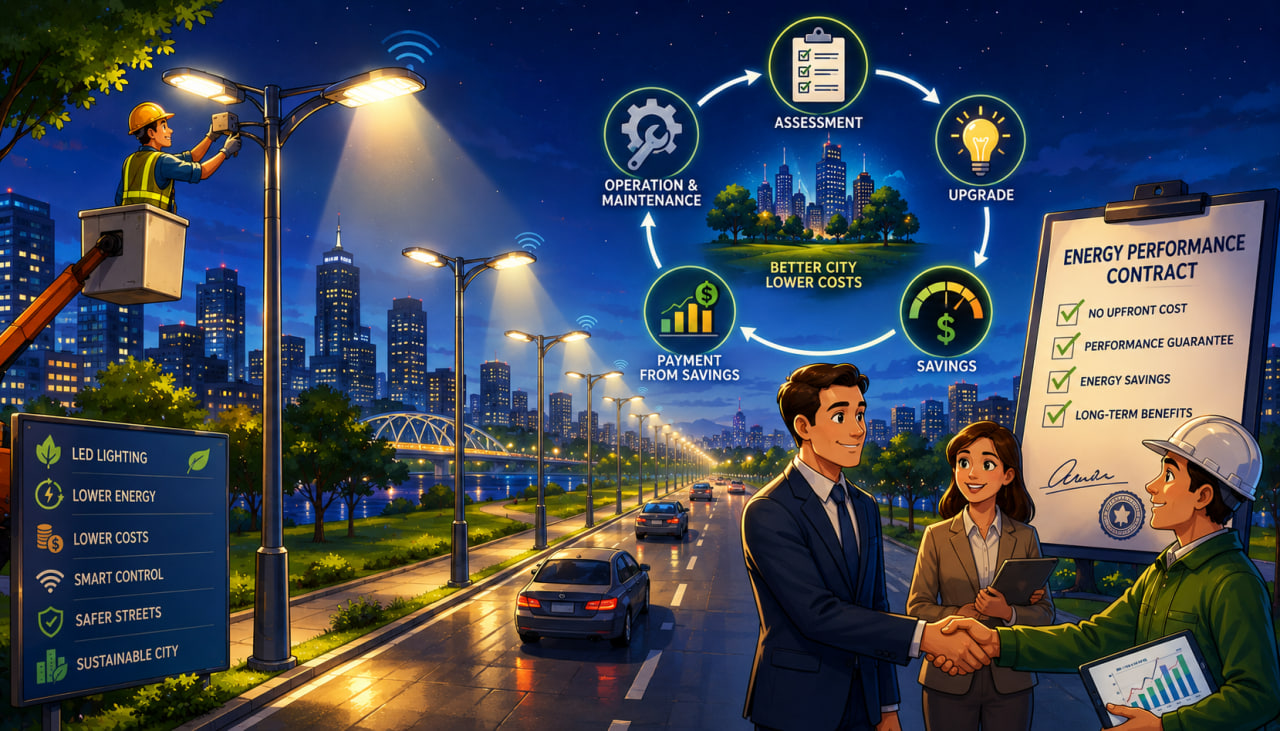
Street lighting is one of the most visible public services in any city. It improves road safety, supports pedestrians, helps residents feel secure, and allows public spaces to remain active...