
How the Circular Economy Works in Real Cities
Modern cities consume enormous amounts of resources every day. Food, water, energy, electronics, construction materials, clothing, and transportation systems constantly flow through urban...
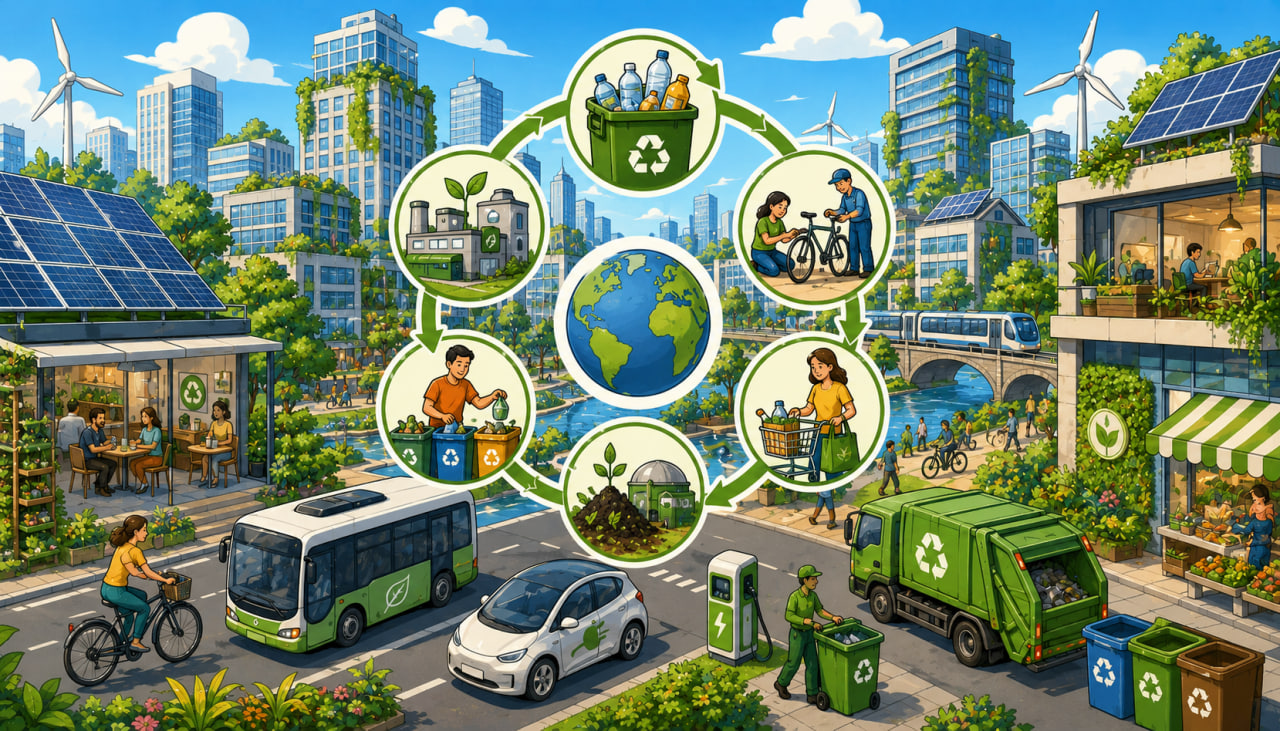
Modern cities consume enormous amounts of resources every day. Food, water, energy, electronics, construction materials, clothing, and transportation systems constantly flow through urban...
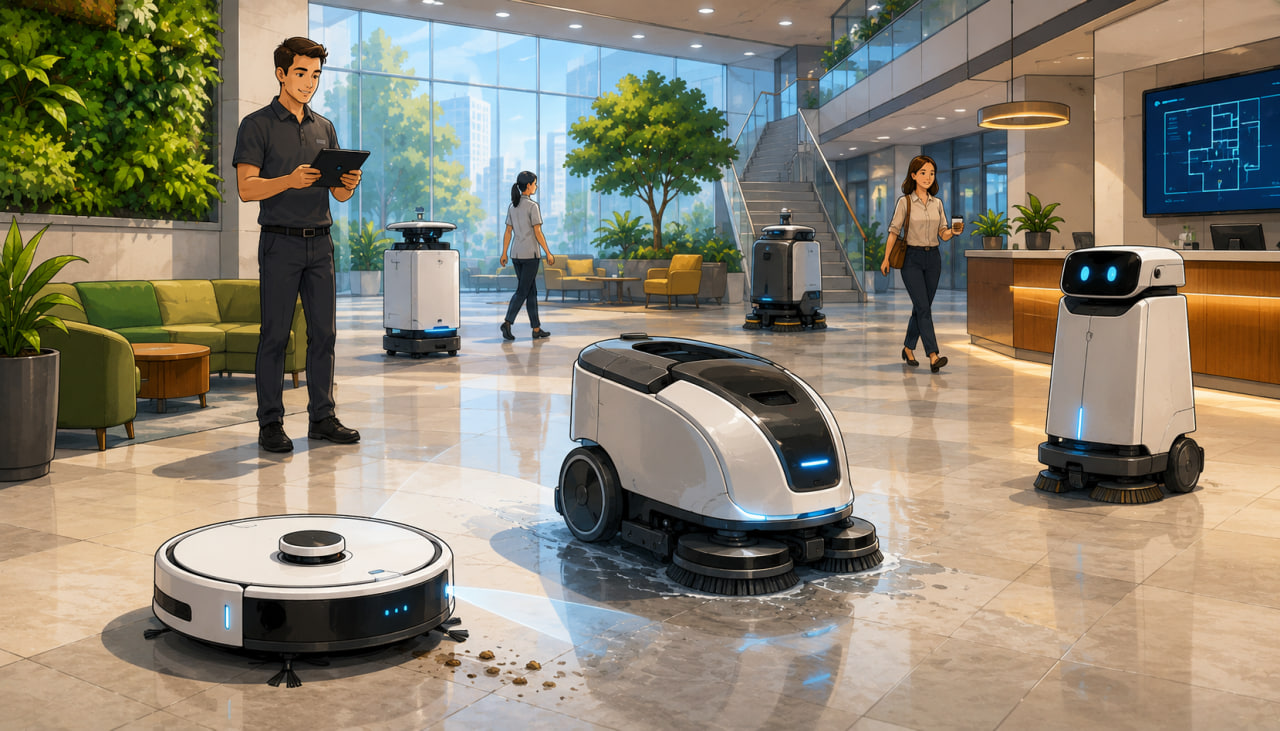
Autonomous cleaning robots were once considered futuristic gadgets seen mainly in science fiction films.
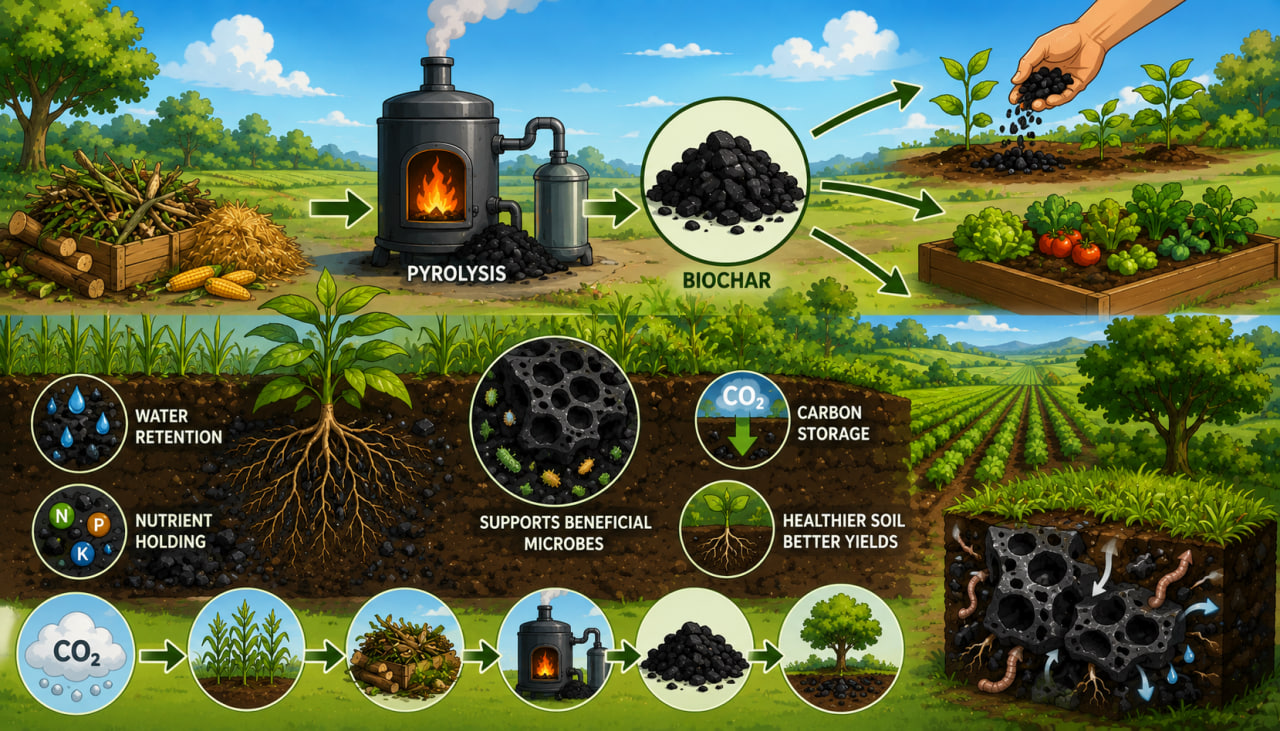
As climate change accelerates and global agriculture faces increasing pressure, scientists are searching for solutions capable of both reducing atmospheric carbon dioxide and improving food...
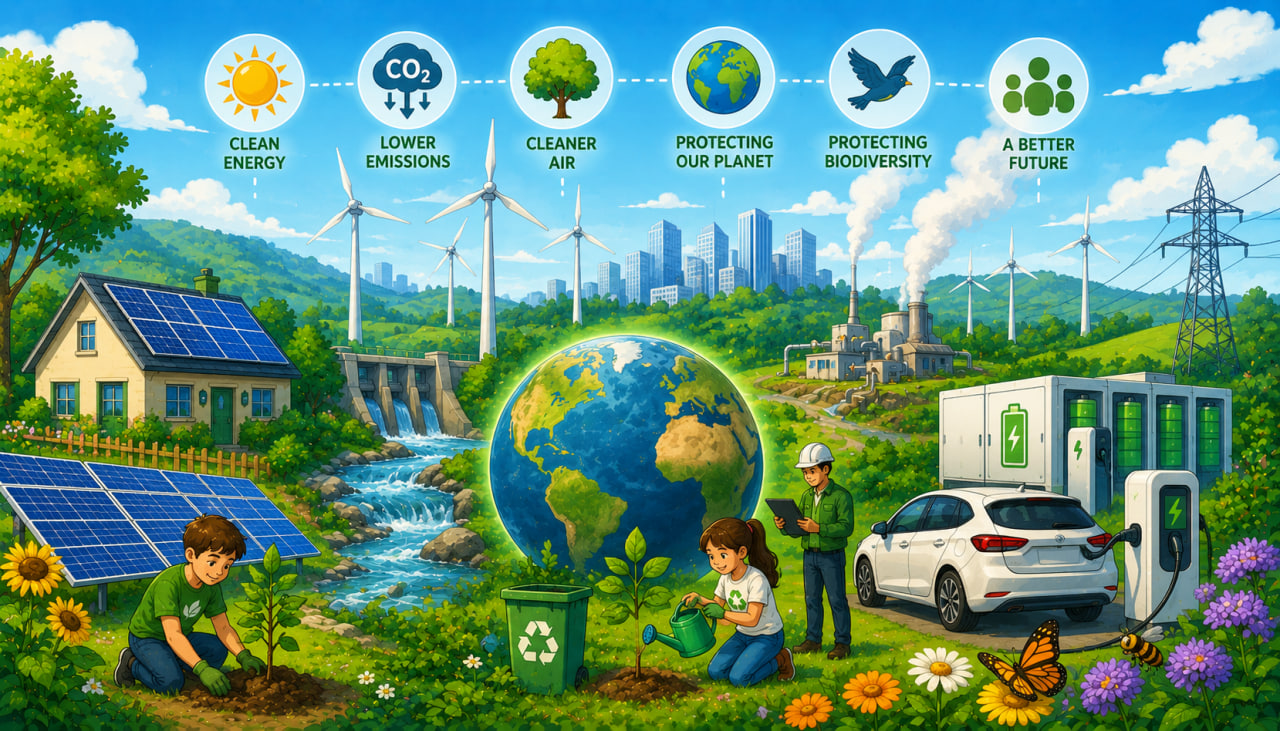
Green energy has become one of the central topics of the 21st century. As climate change, air pollution, and environmental degradation intensify, countries around the world are investing...
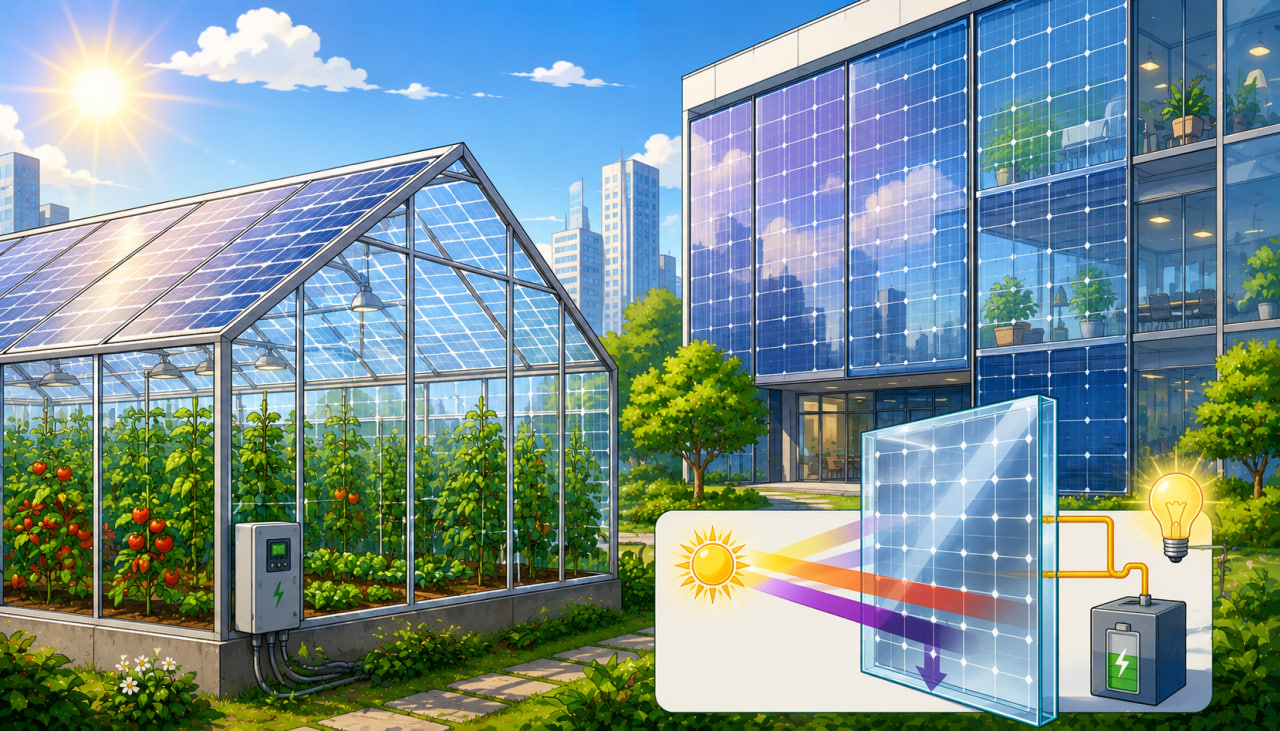
For decades, solar panels were associated with large dark panels installed on rooftops or solar farms.
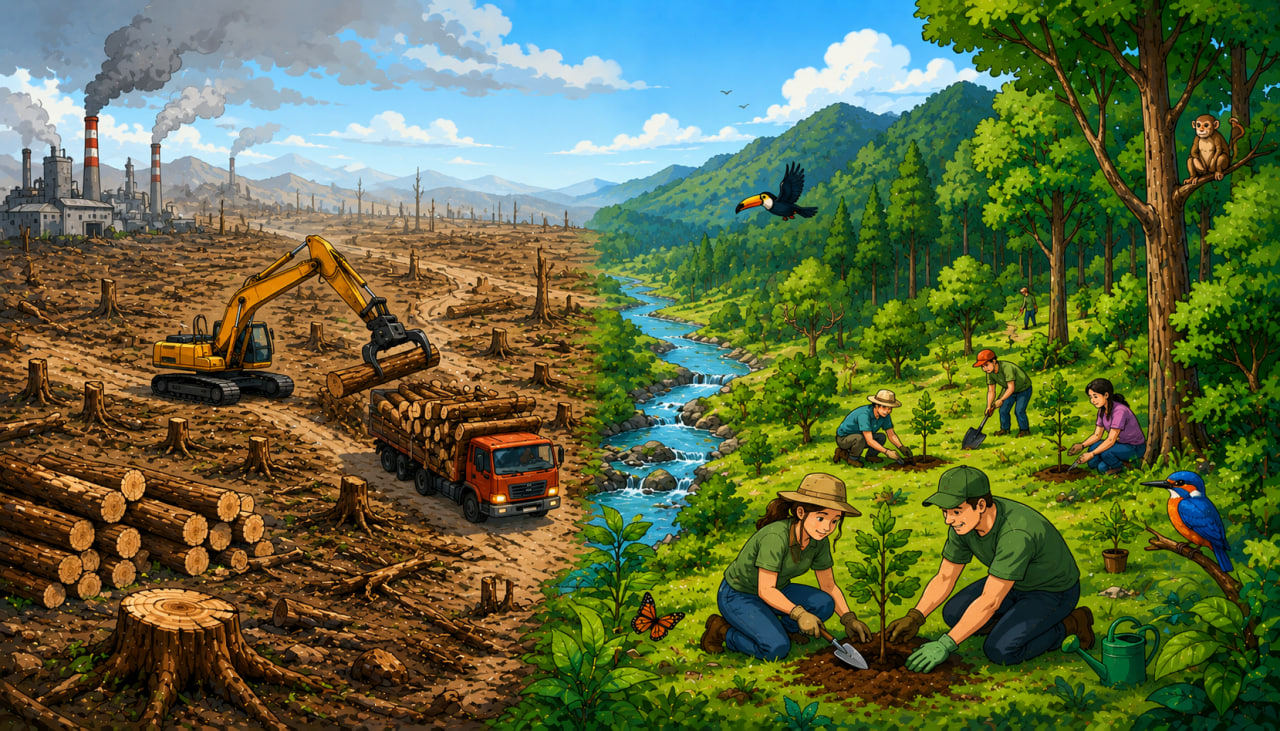
Forests are among the most important ecosystems on Earth. They regulate climate, store carbon, protect biodiversity, stabilize soils, influence rainfall, and support millions of species...
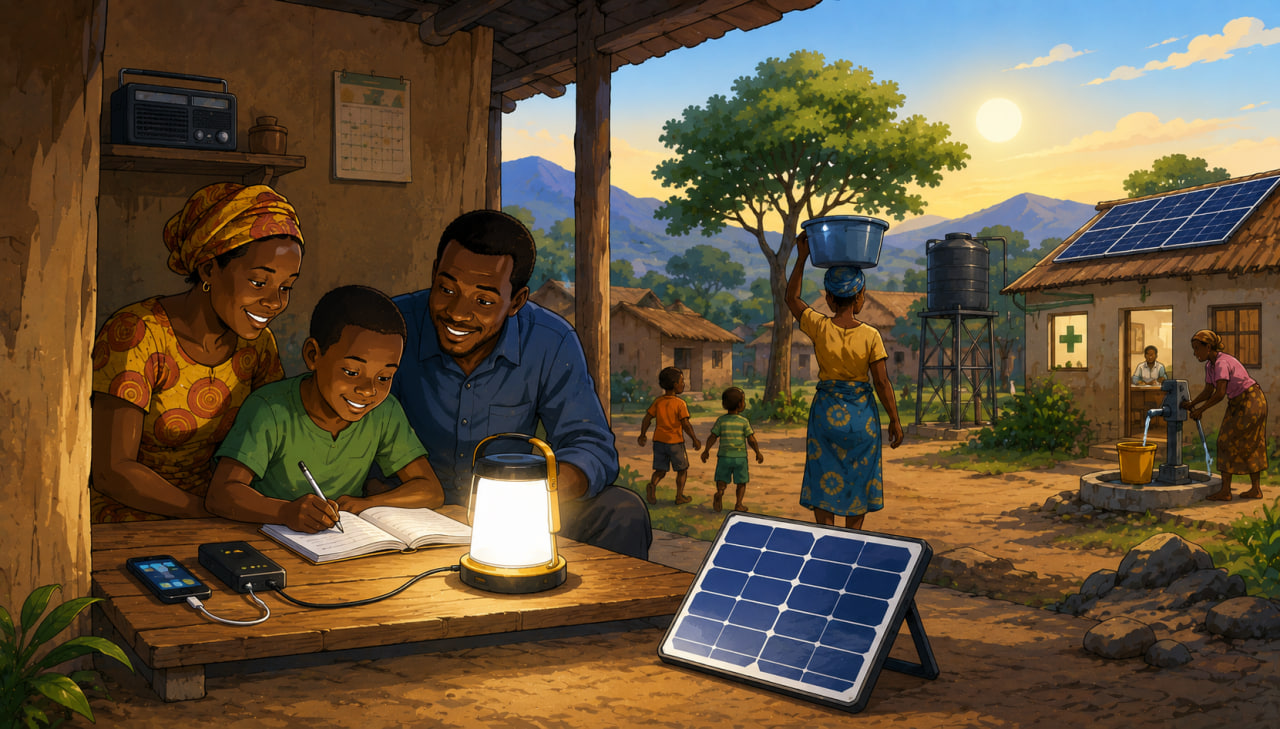
For billions of people around the world, reliable electricity is still not guaranteed.
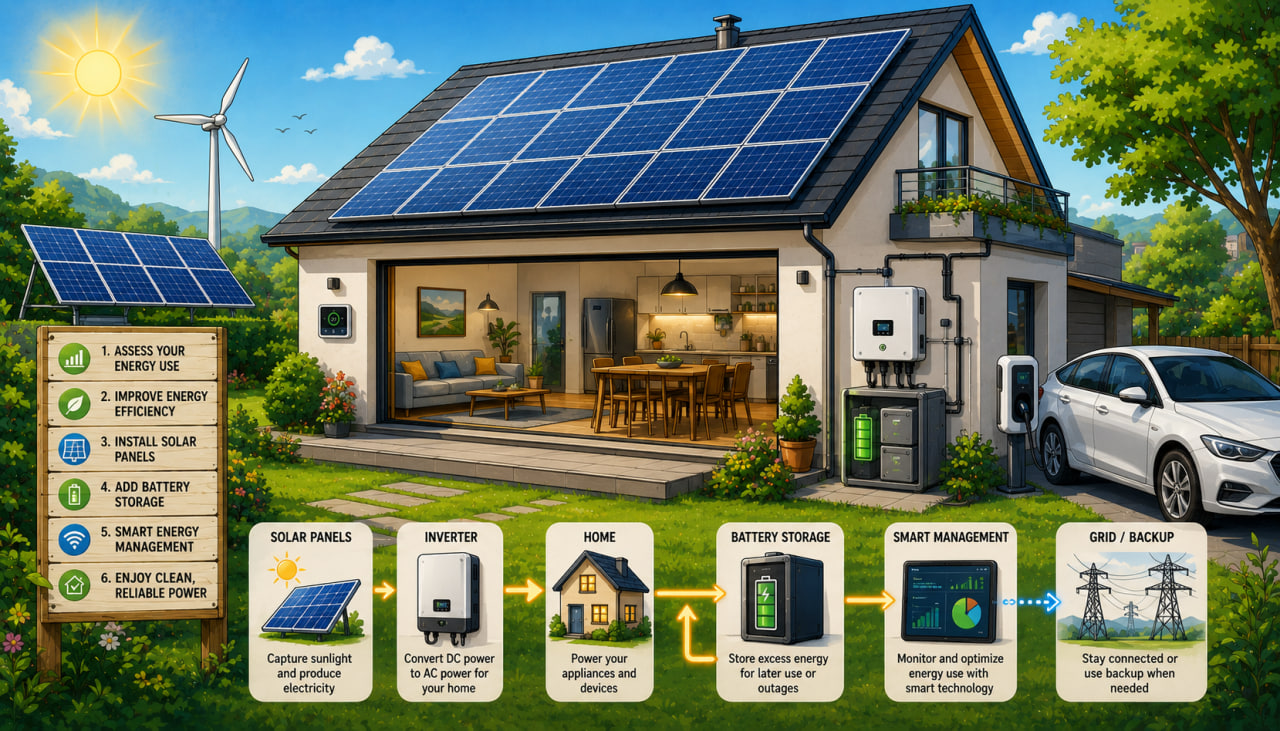
Rising electricity prices, climate concerns, and rapid technological progress are encouraging more homeowners to explore renewable energy solutions.
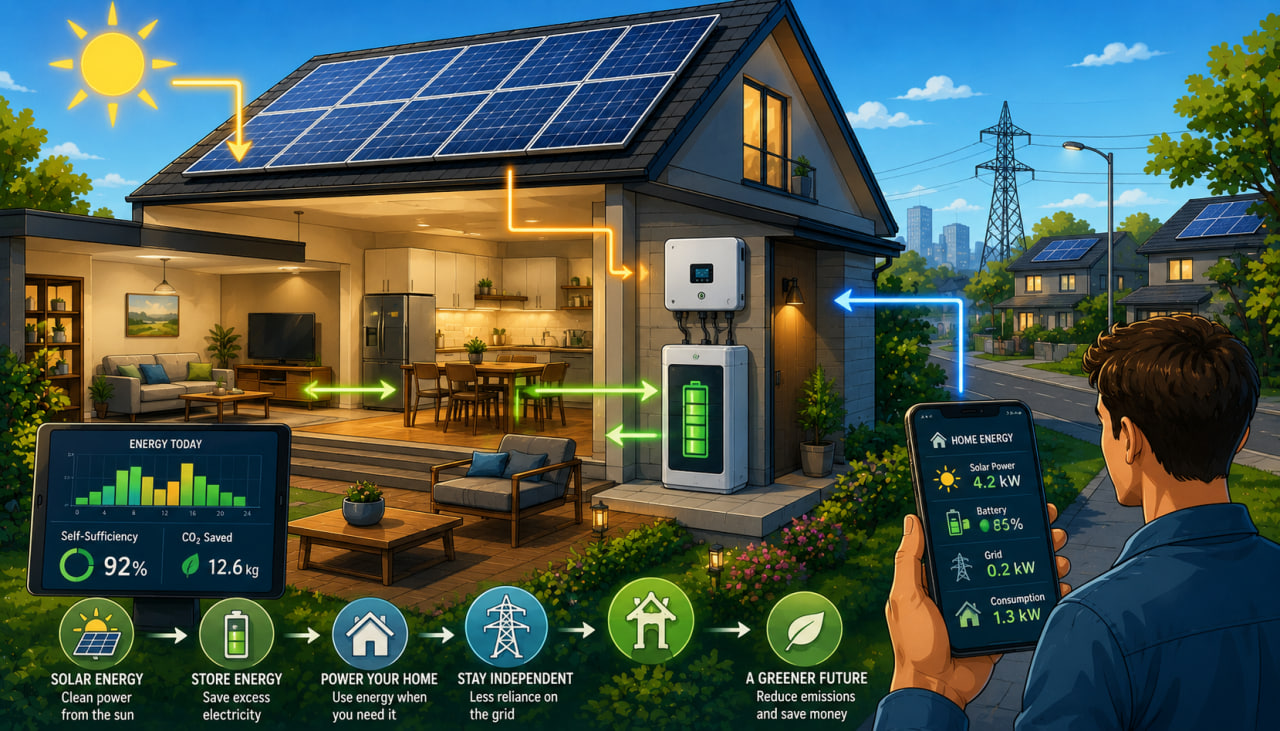
For more than a century, most homes relied almost entirely on centralized electrical grids.
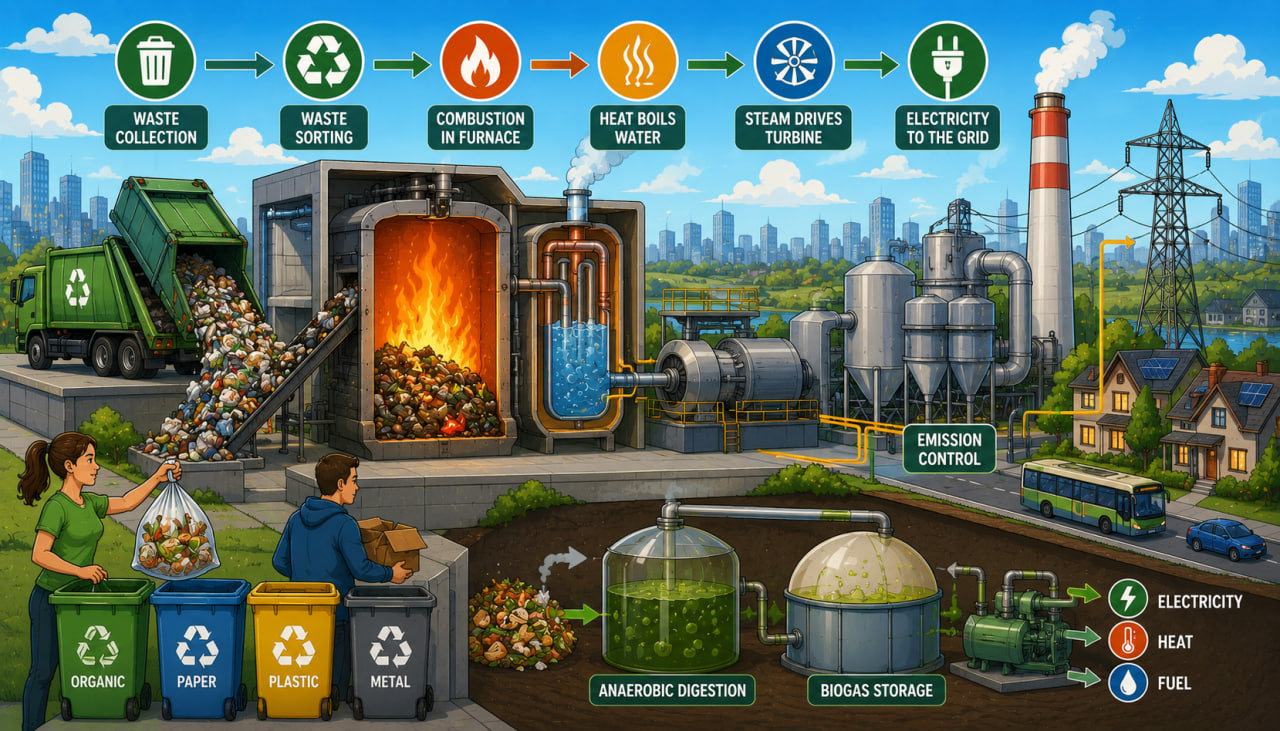
Modern civilization produces enormous amounts of waste every day. Cities generate mountains of garbage consisting of food scraps, plastics, paper, organic waste, and discarded materials from...