
How Cities Are Preparing for Climate Change: From Green Roofs to Flood Protection
As climate change intensifies, cities around the world are facing rising temperatures, stronger storms, sea-level rise, and more frequent flooding.
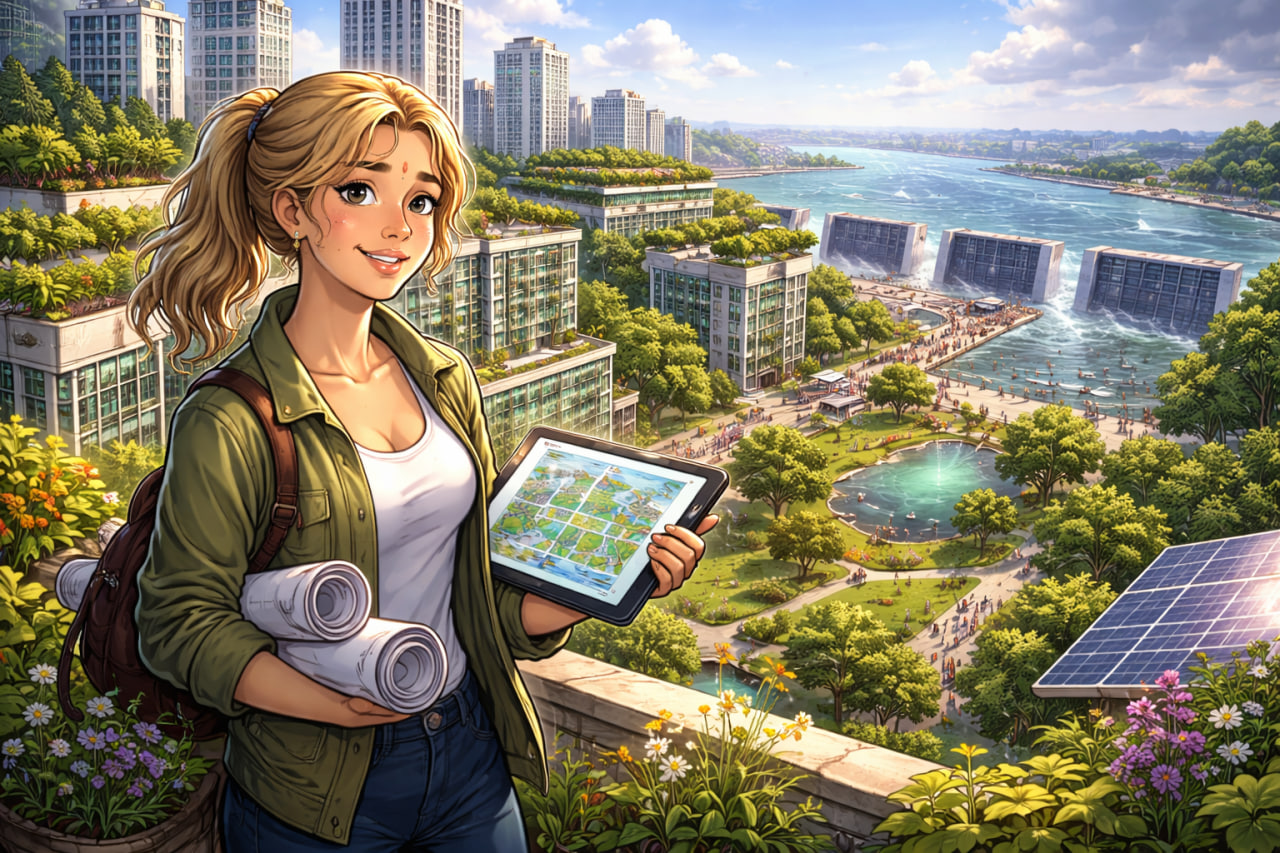
As climate change intensifies, cities around the world are facing rising temperatures, stronger storms, sea-level rise, and more frequent flooding.
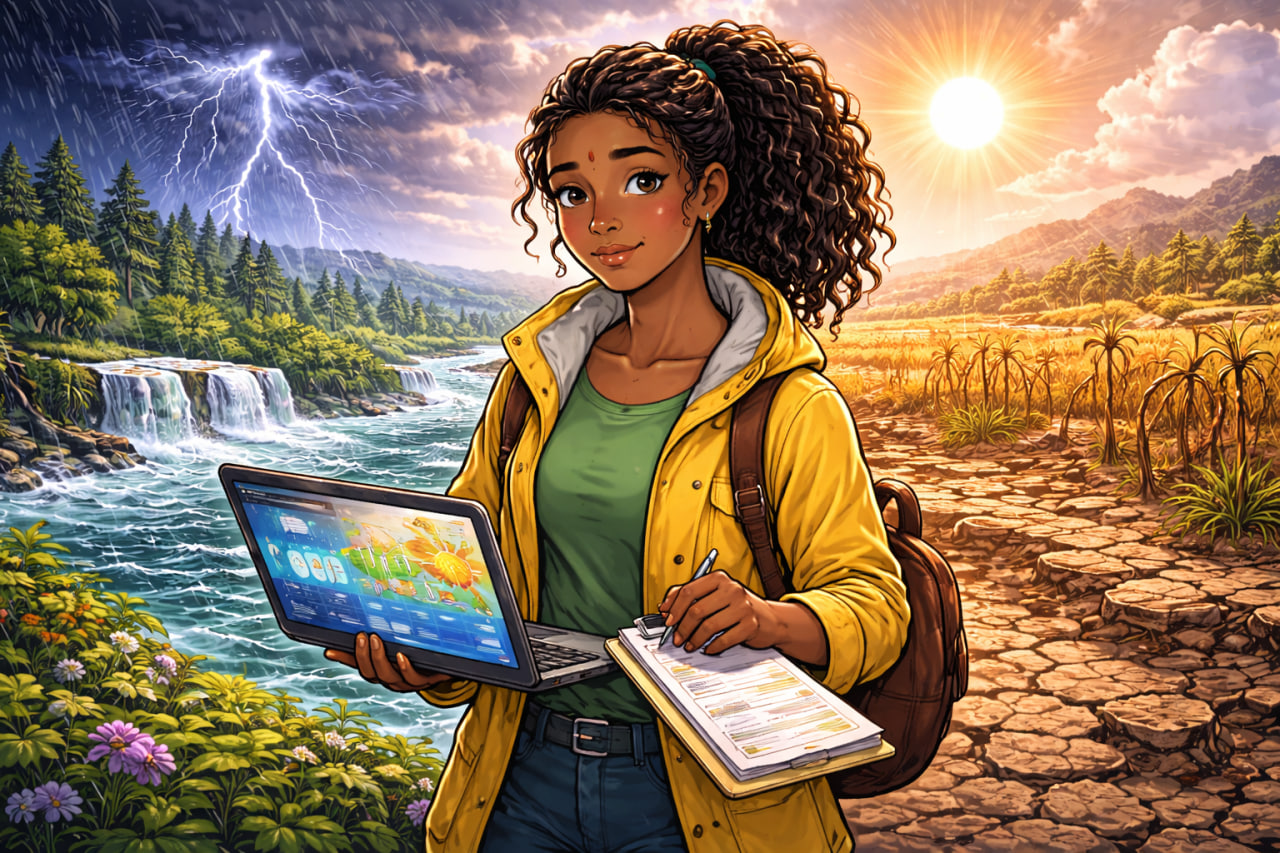
Climate change affects not only temperature but also the global water cycle. As the atmosphere warms, it can hold more moisture, altering rainfall distribution across regions.

Climate change is one of the most widely studied scientific issues of the modern era, yet public opinion remains divided in some regions.

Ice cores are among the most valuable scientific archives on the planet, preserving detailed records of Earth’s past climate within layers of compacted snow and ice.

Climate modeling has traditionally relied on complex physical equations that simulate interactions between the atmosphere, oceans, land, and ice.
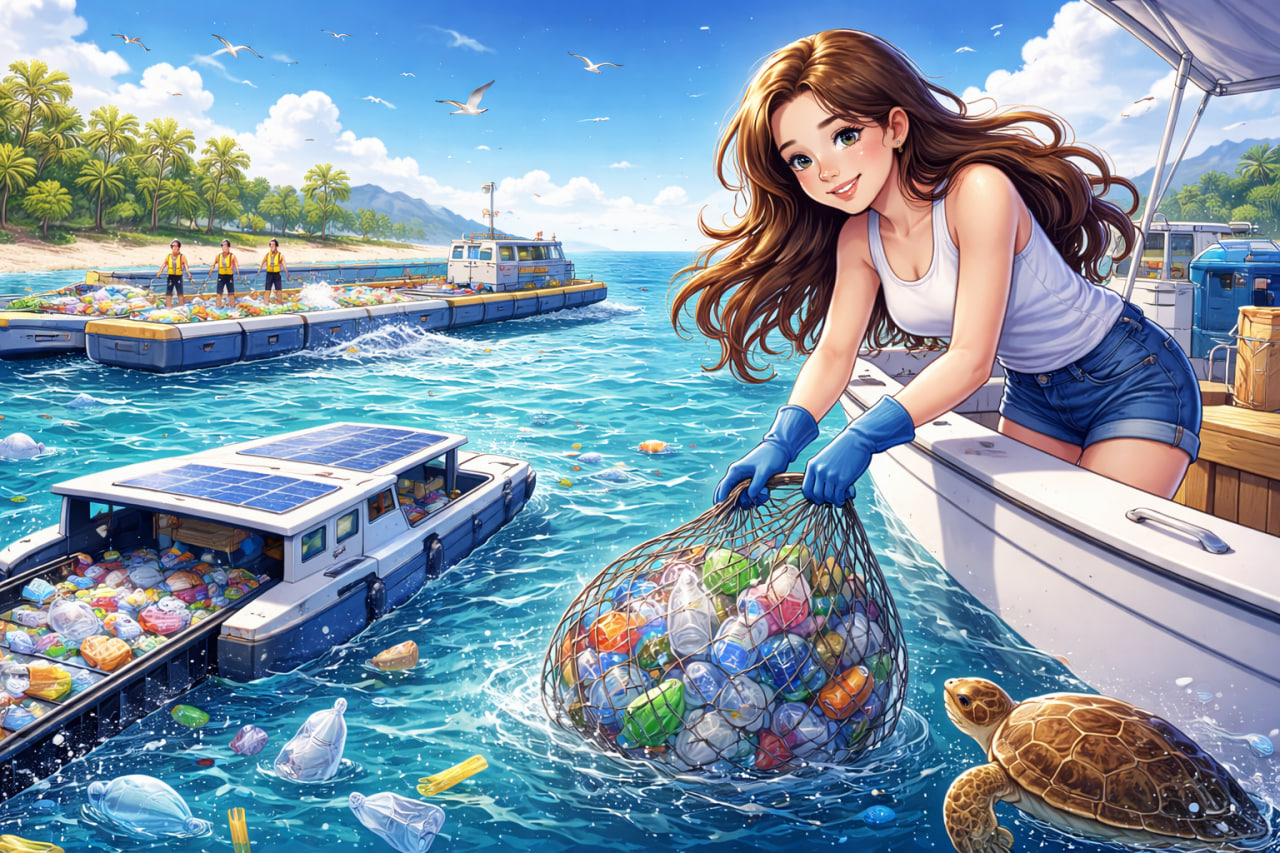
Plastic pollution has become one of the most visible environmental challenges of the 21st century.
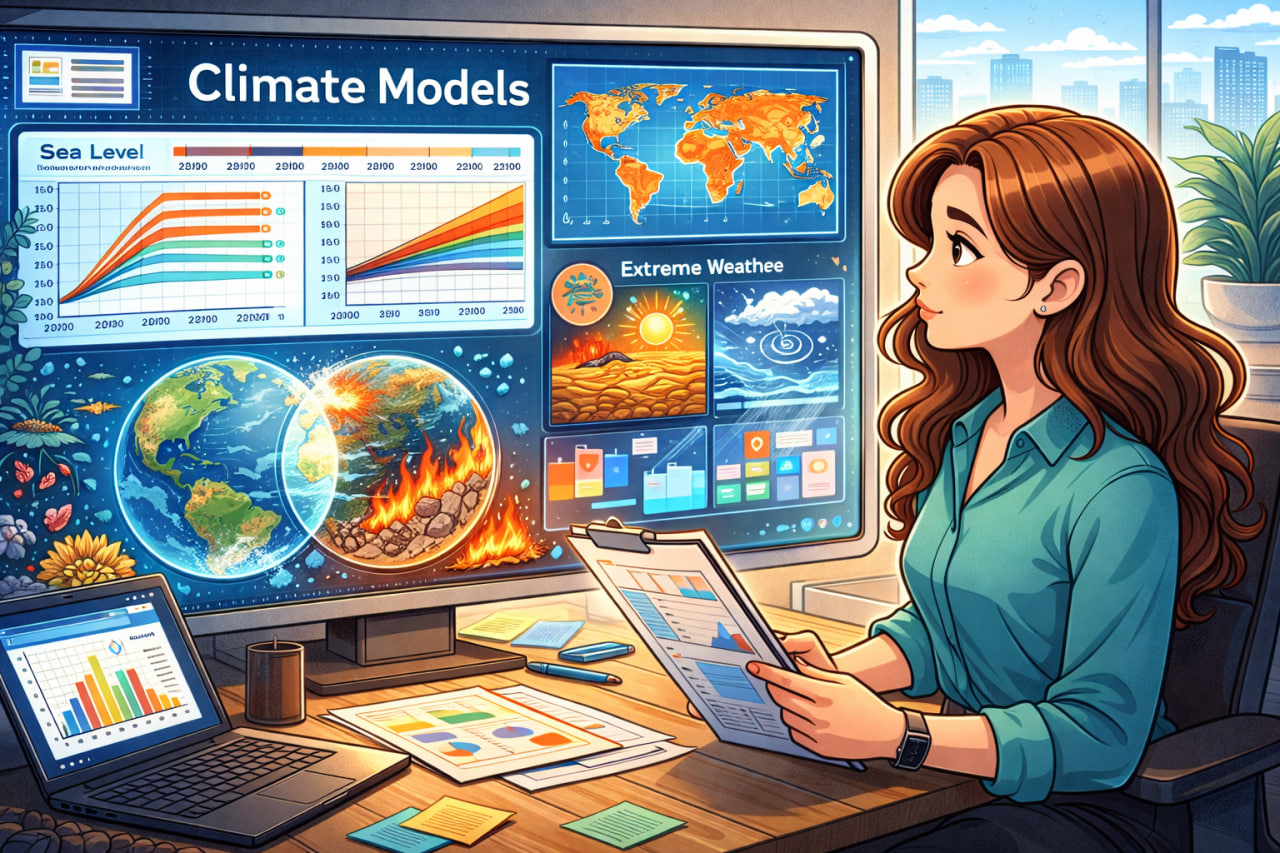
Climate models are powerful scientific tools used to simulate Earth’s atmosphere, oceans, land surface, and ice systems.

Emergencies can occur without warning and often unfold within seconds, leaving little time for careful planning.

Climate refugees are individuals and communities forced to leave their homes due to environmental changes linked to climate disruption.
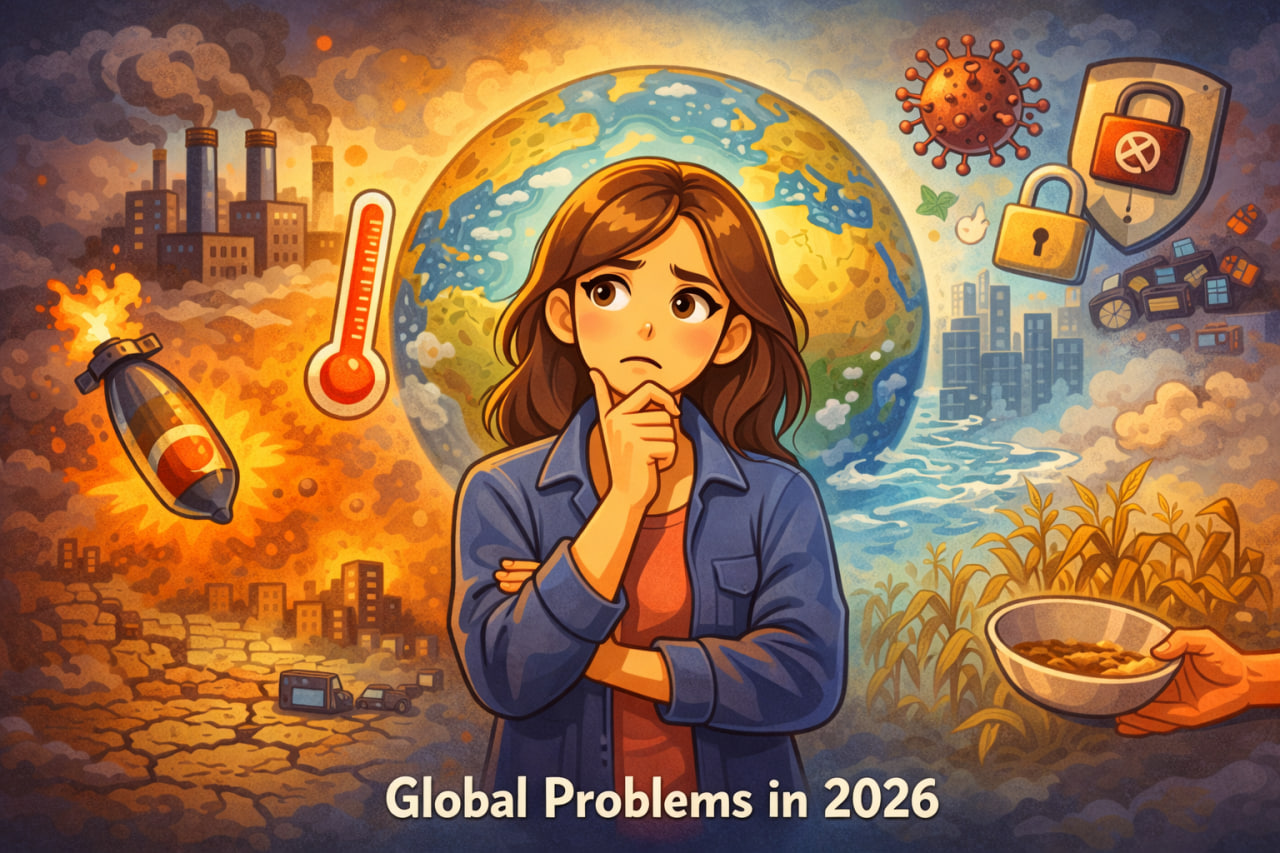
By 2026, humanity faces a set of interconnected global challenges that affect nearly every region of the world.