
Ecosystem Restoration: Can Nature Heal Itself?
Nature has an extraordinary capacity for recovery, often surprising scientists with its ability to rebound after disturbance.
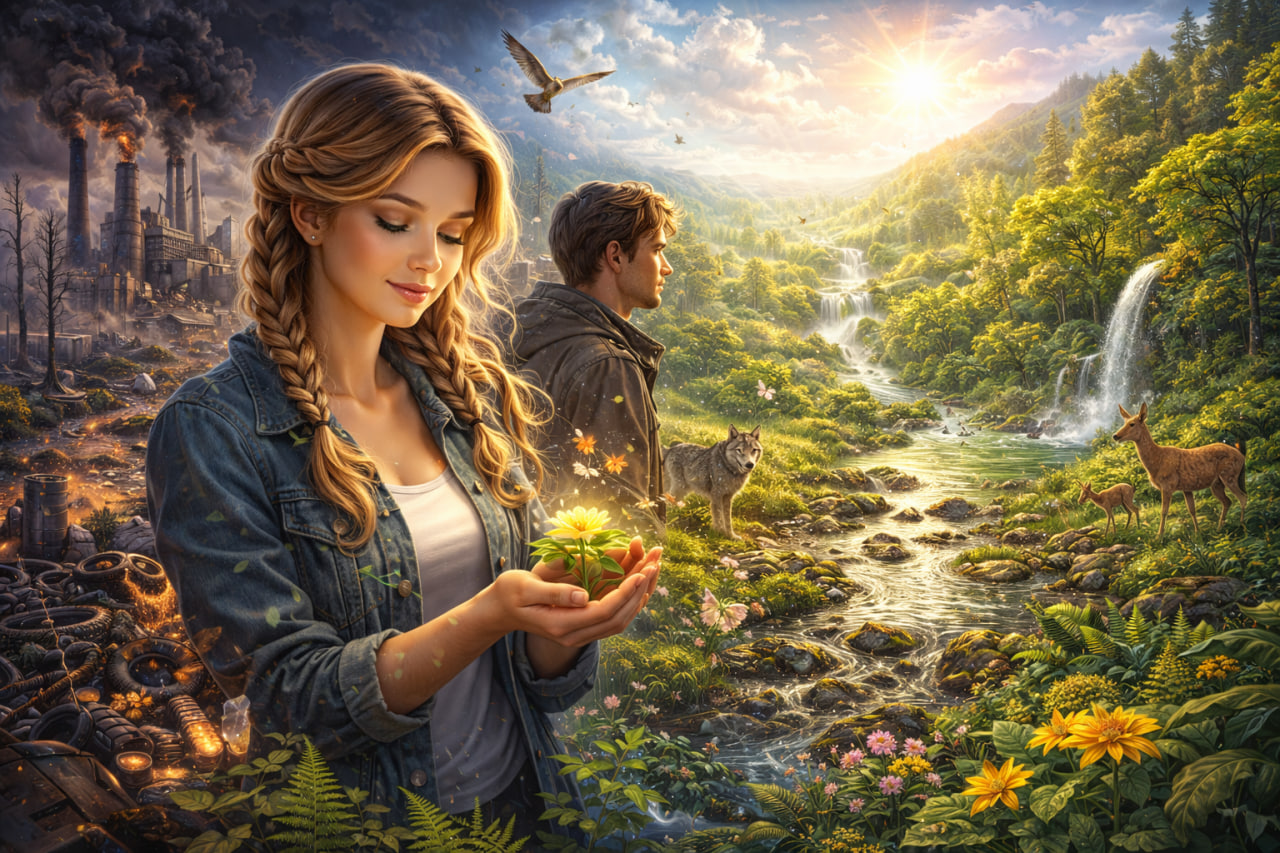
Nature has an extraordinary capacity for recovery, often surprising scientists with its ability to rebound after disturbance.

The cryosphere is one of the least visible yet most influential components of Earth’s climate system.

Cities are often perceived as environments dominated by concrete, glass, and technology, yet beneath this surface lies a surprisingly rich and dynamic natural world.

Earthquake-resistant buildings are designed to withstand ground shaking and reduce damage during seismic events.
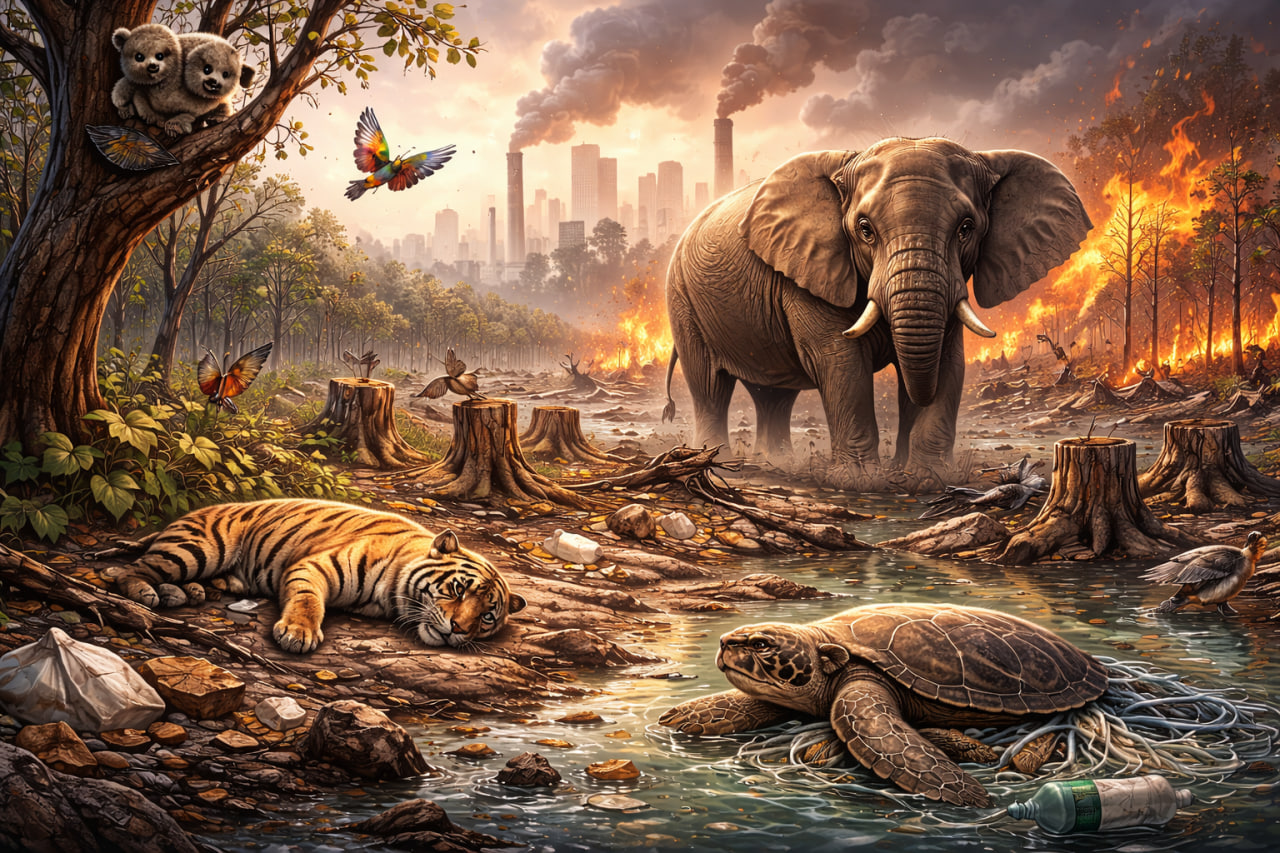
The sixth mass extinction refers to the ongoing and rapid loss of biodiversity occurring on Earth today.
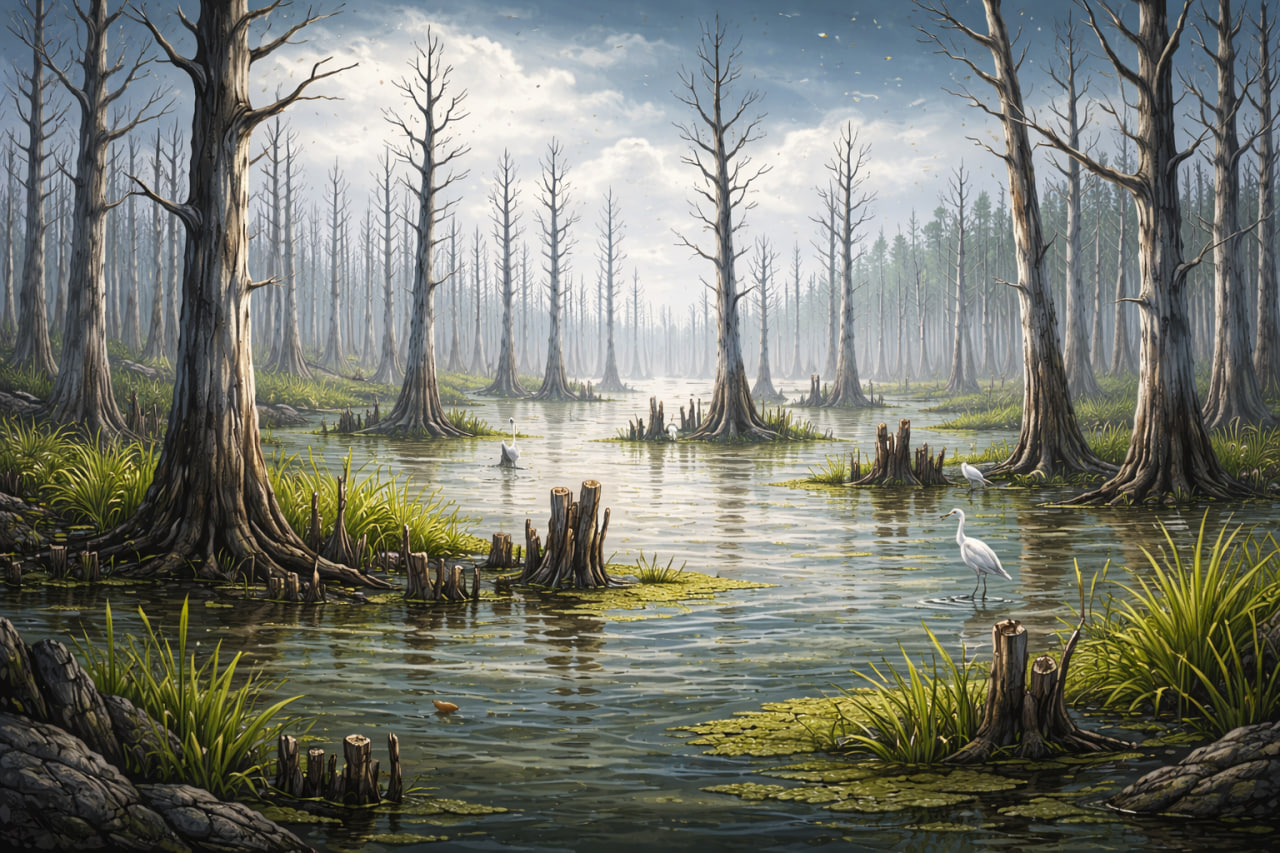
Ghost forests are haunting landscapes where once-living forests stand dead, their bare trunks rising silently from the ground.
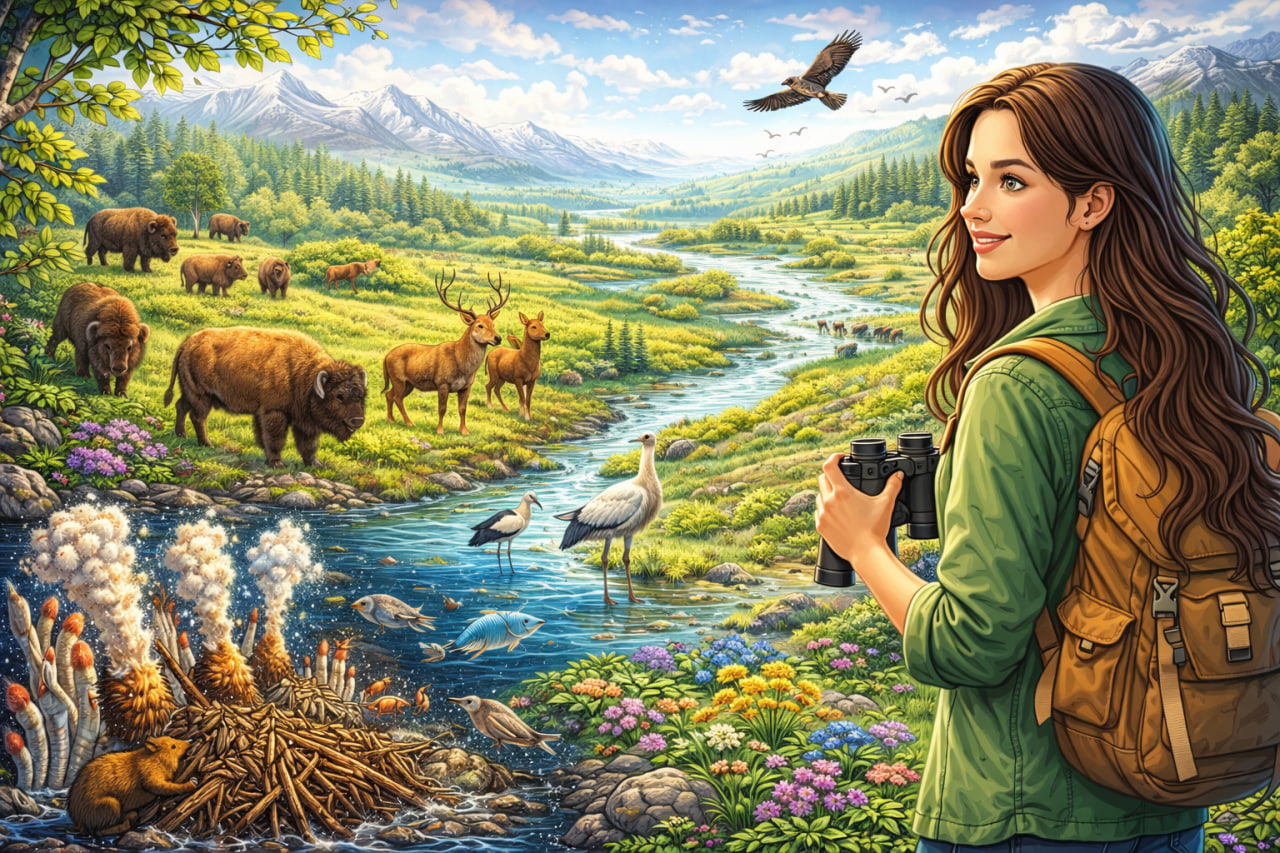
Rewilding is an ecological approach focused on restoring natural processes and allowing ecosystems to recover with minimal human intervention.
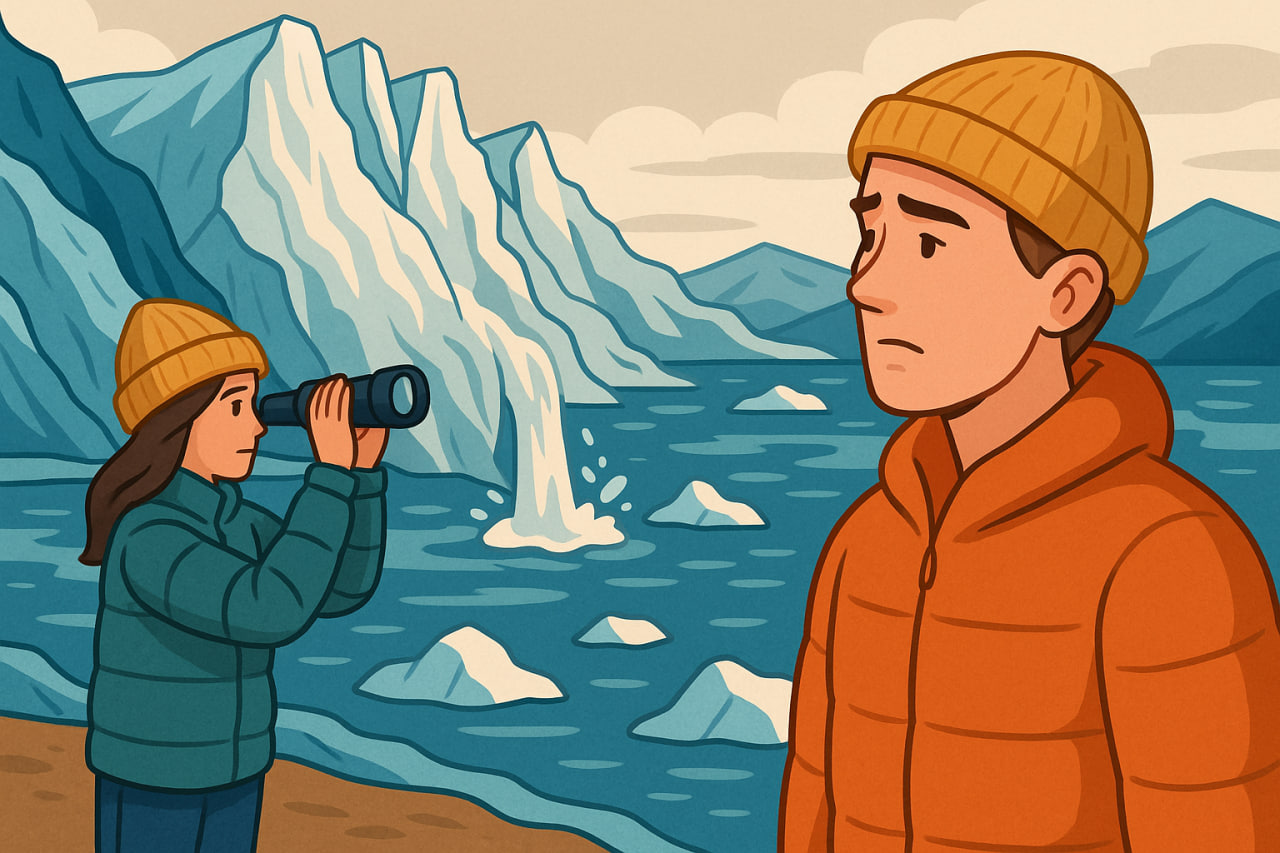
Over the past century, glaciers around the world have been melting at an accelerating rate.
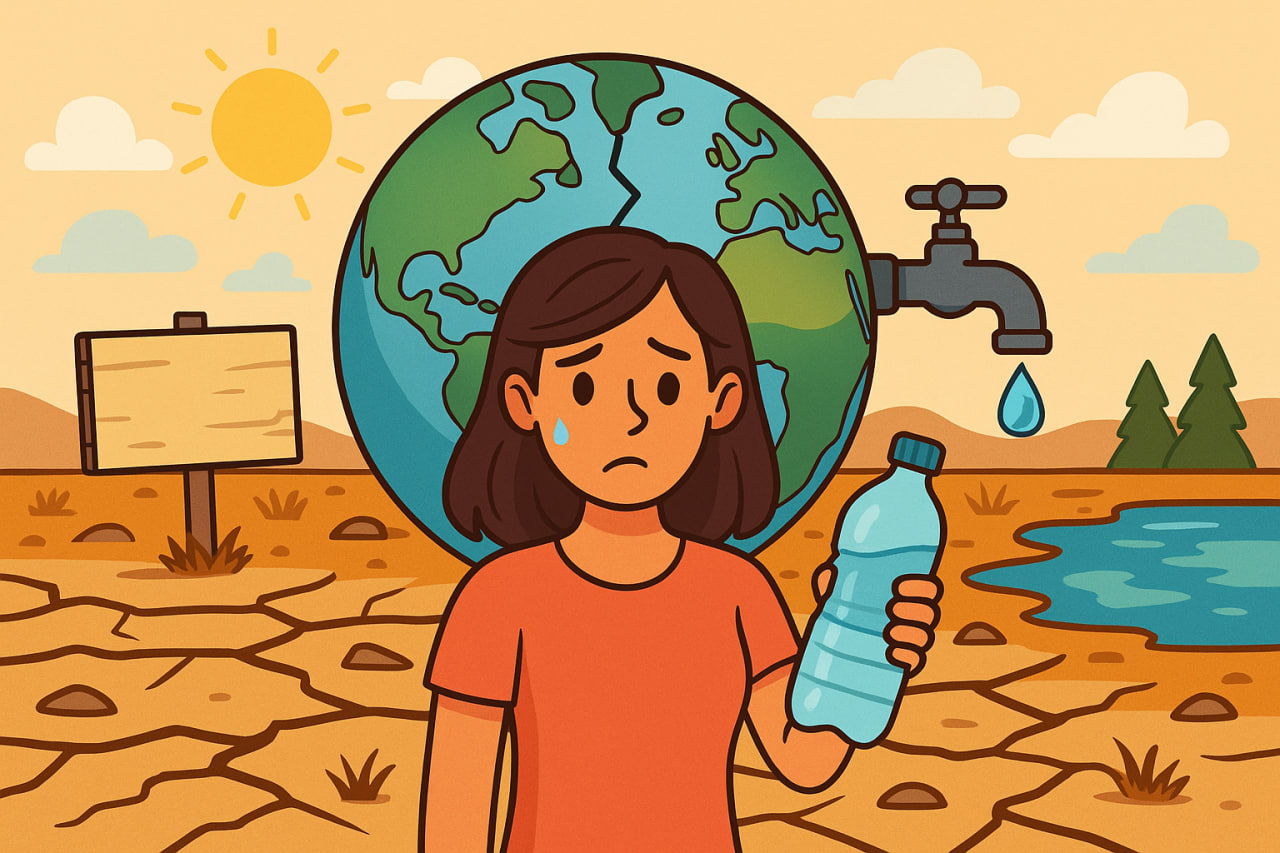
The world is facing one of the most urgent environmental and humanitarian challenges of the 21st century — the growing shortage of safe drinking water.
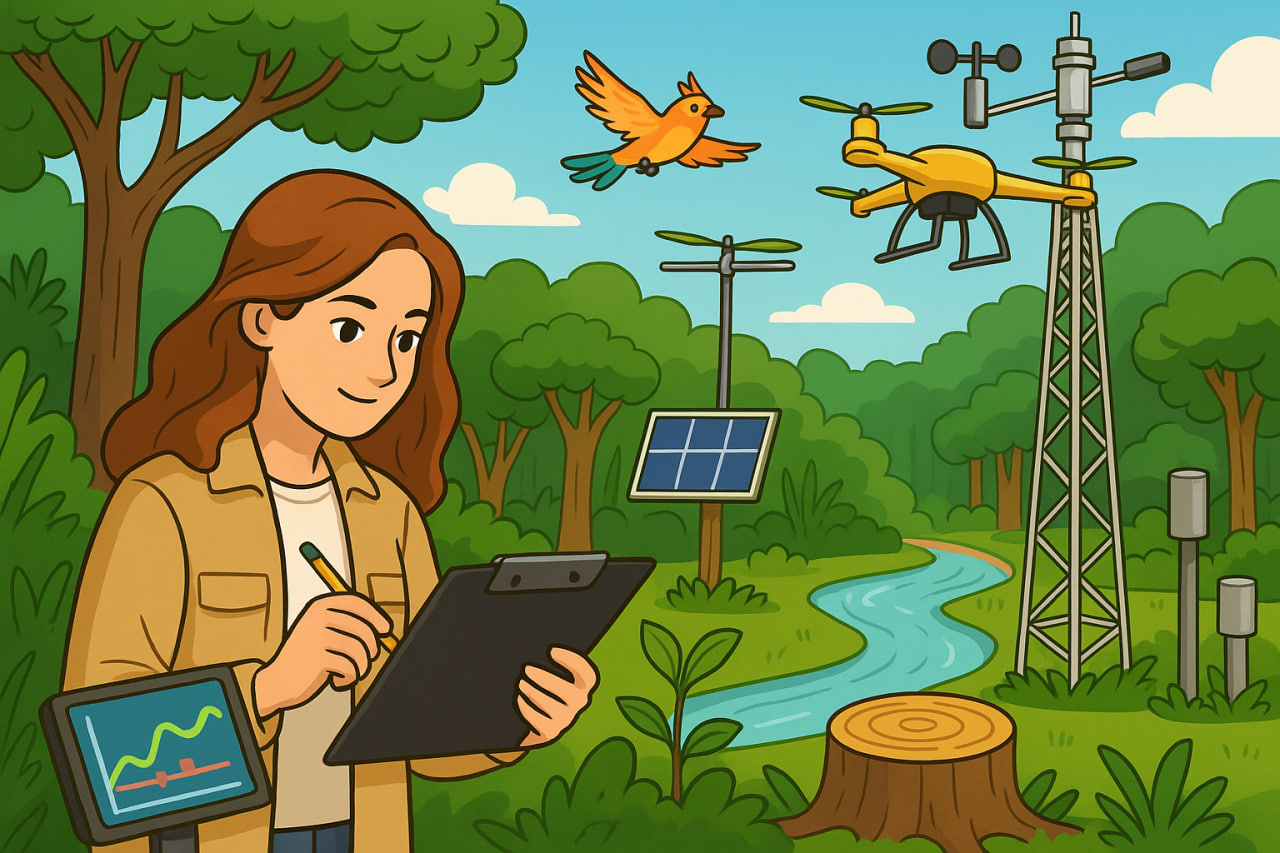
The Amazon rainforest is often called the “lungs of the planet” because it plays a critical role in absorbing carbon dioxide and regulating Earth’s climate.