
Public Transportation of the Future
Public transportation of the future is expected to be faster, cleaner, smarter, and more comfortable than the systems we use today.
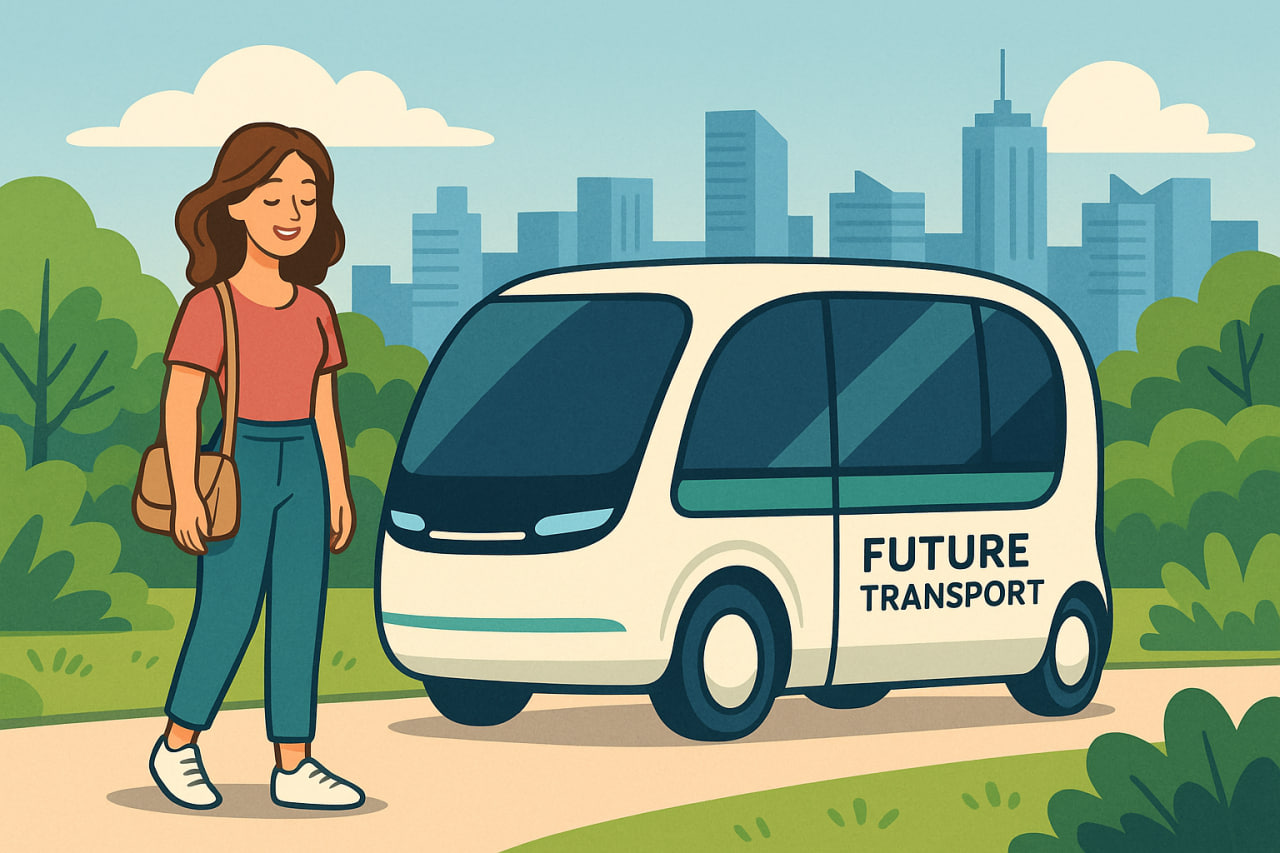
Public transportation of the future is expected to be faster, cleaner, smarter, and more comfortable than the systems we use today.

Maglev trains represent one of the most advanced forms of public transportation, using magnetic forces instead of wheels to glide above the tracks.

Clean air is one of the most fundamental requirements for human life, yet many people overlook how deeply it influences health and longevity.

In a world increasingly affected by urban heat and energy demand, self-cooling roofs are emerging as one of the most promising innovations in green architecture.

The coastal waters of Britain, once abundant with marine life, have faced significant ecological stress due to overfishing, pollution, and climate change.

Every ship, submarine, and offshore structure that spends time in seawater eventually faces the same invisible enemy — biofouling.
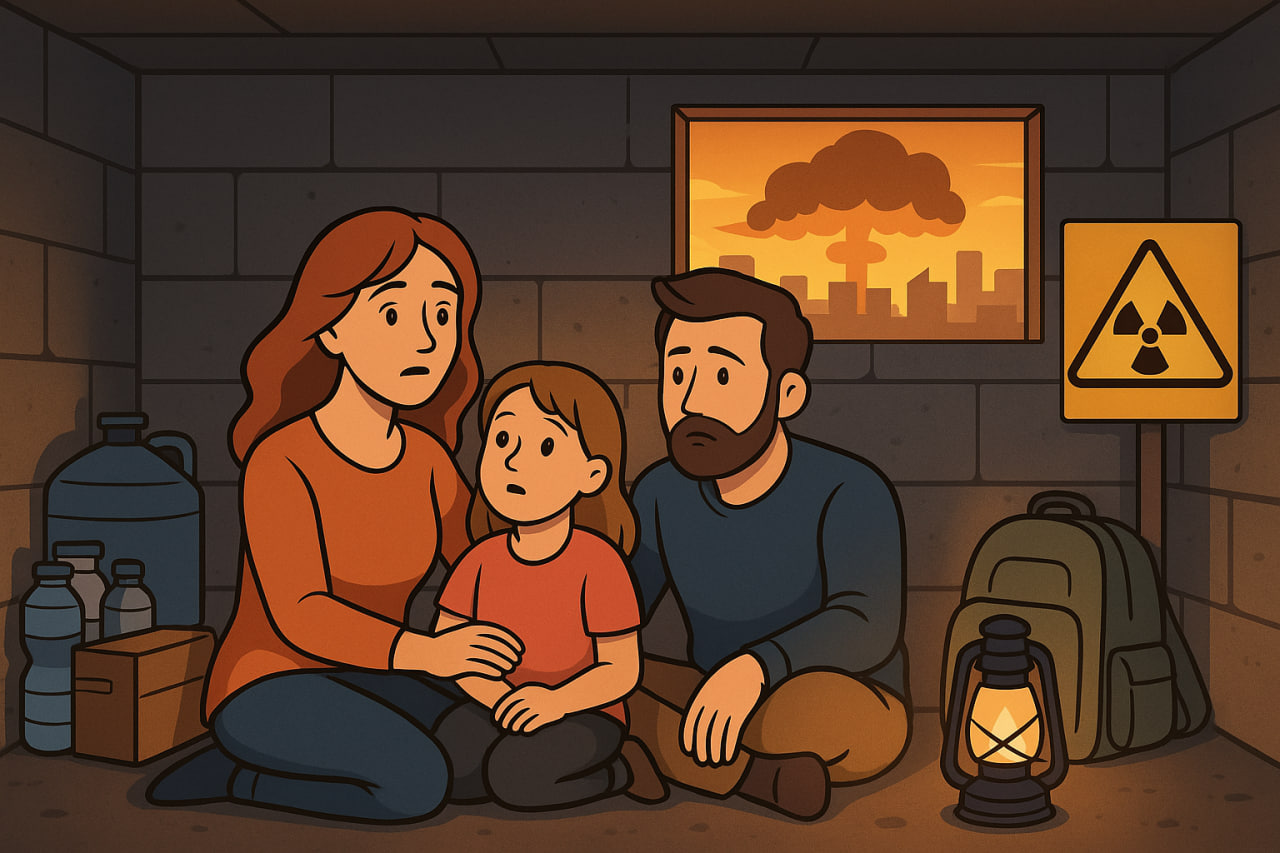
Radiation emergencies, though rare, remain one of the most serious hazards that can threaten public health and safety.
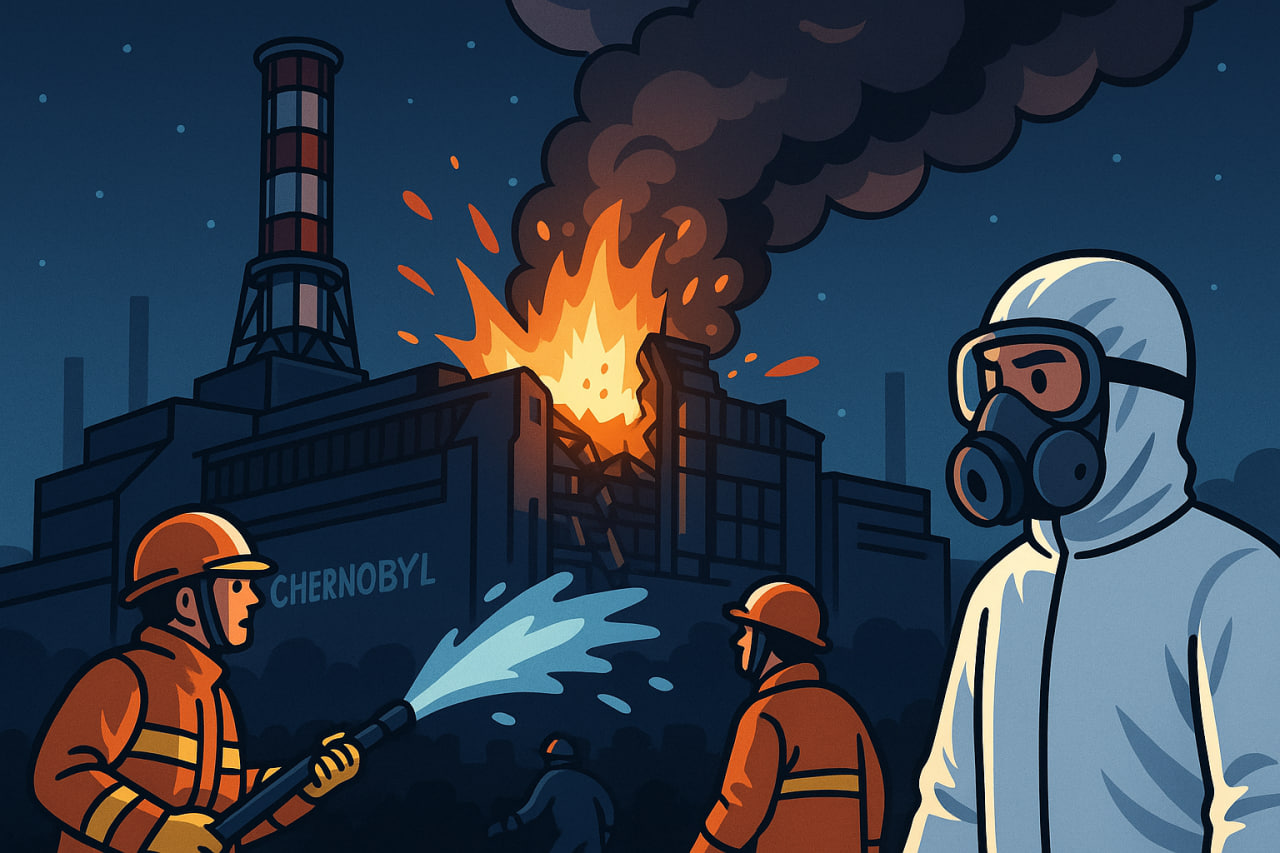
On April 26, 1986, at 1:23 a.m., the world witnessed one of the most catastrophic technological accidents in history—the explosion at Reactor No.
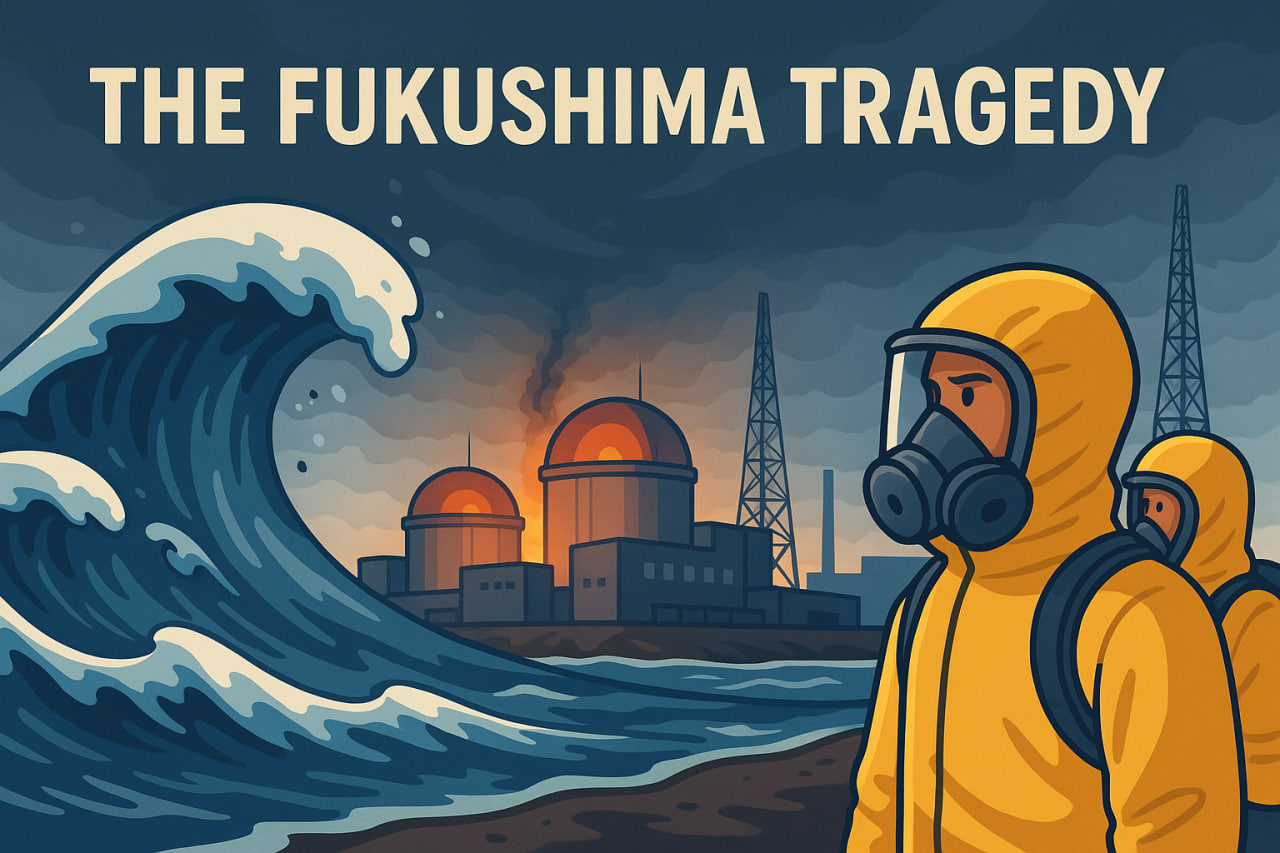
On March 11, 2011, the world witnessed one of the most devastating technological disasters since Chernobyl—the Fukushima Daiichi nuclear accident in Japan.
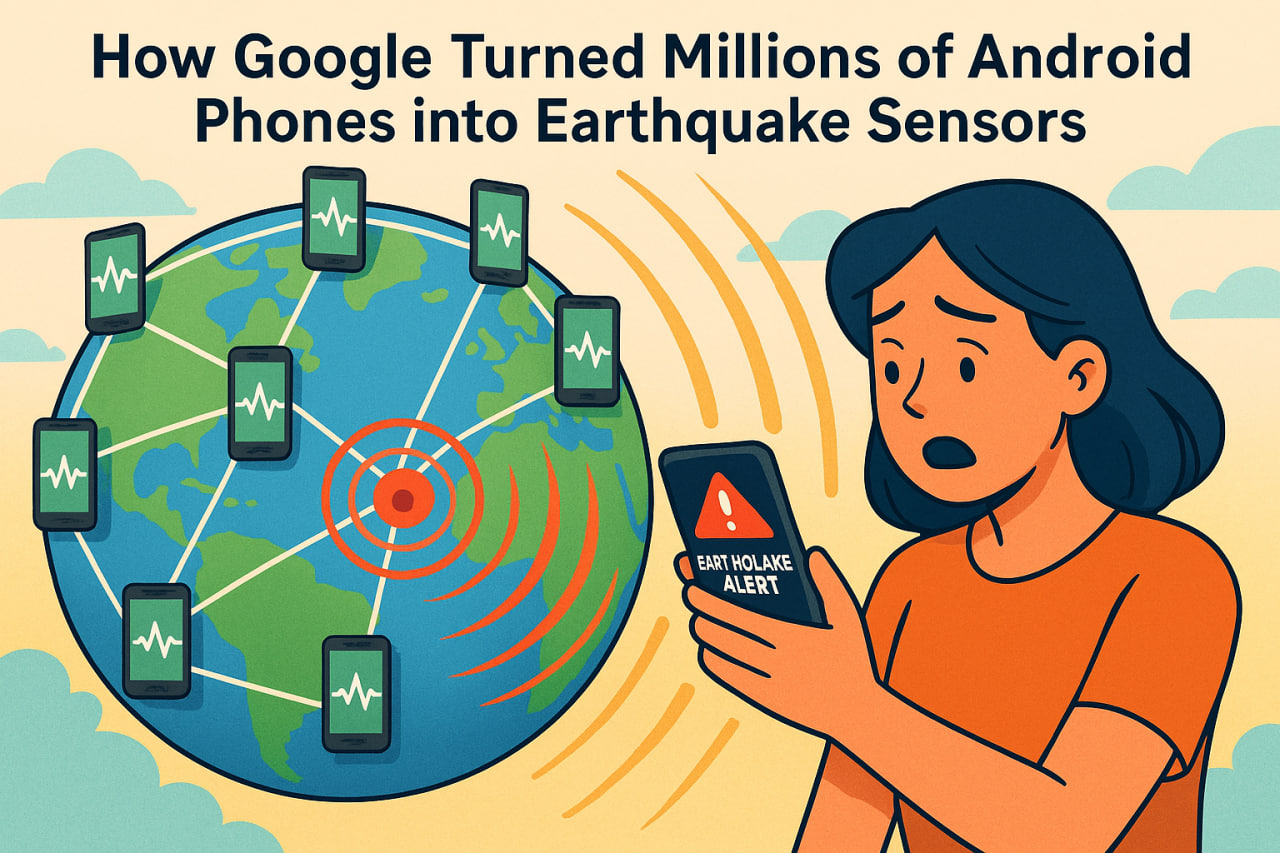
In an extraordinary fusion of technology and seismology, Google has achieved what once seemed impossible: transforming millions of Android smartphones into a global network of earthquake...