
The Future of Urban Living: How to Design Cities for People, Nature, and Public Transportation
Imagine living in a city where schools, parks, shops, and healthcare facilities are just a short walk away.
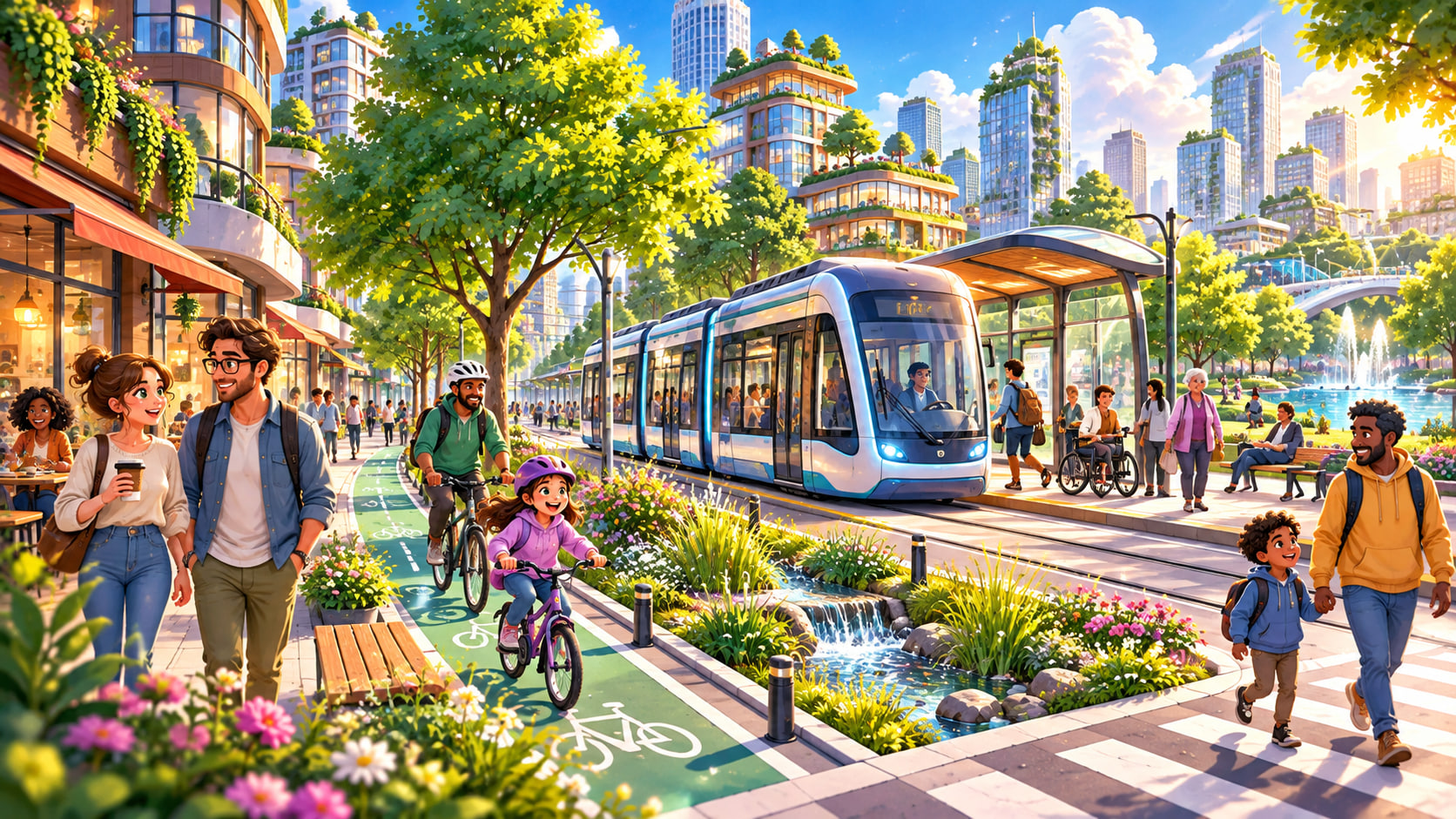
Imagine living in a city where schools, parks, shops, and healthcare facilities are just a short walk away.
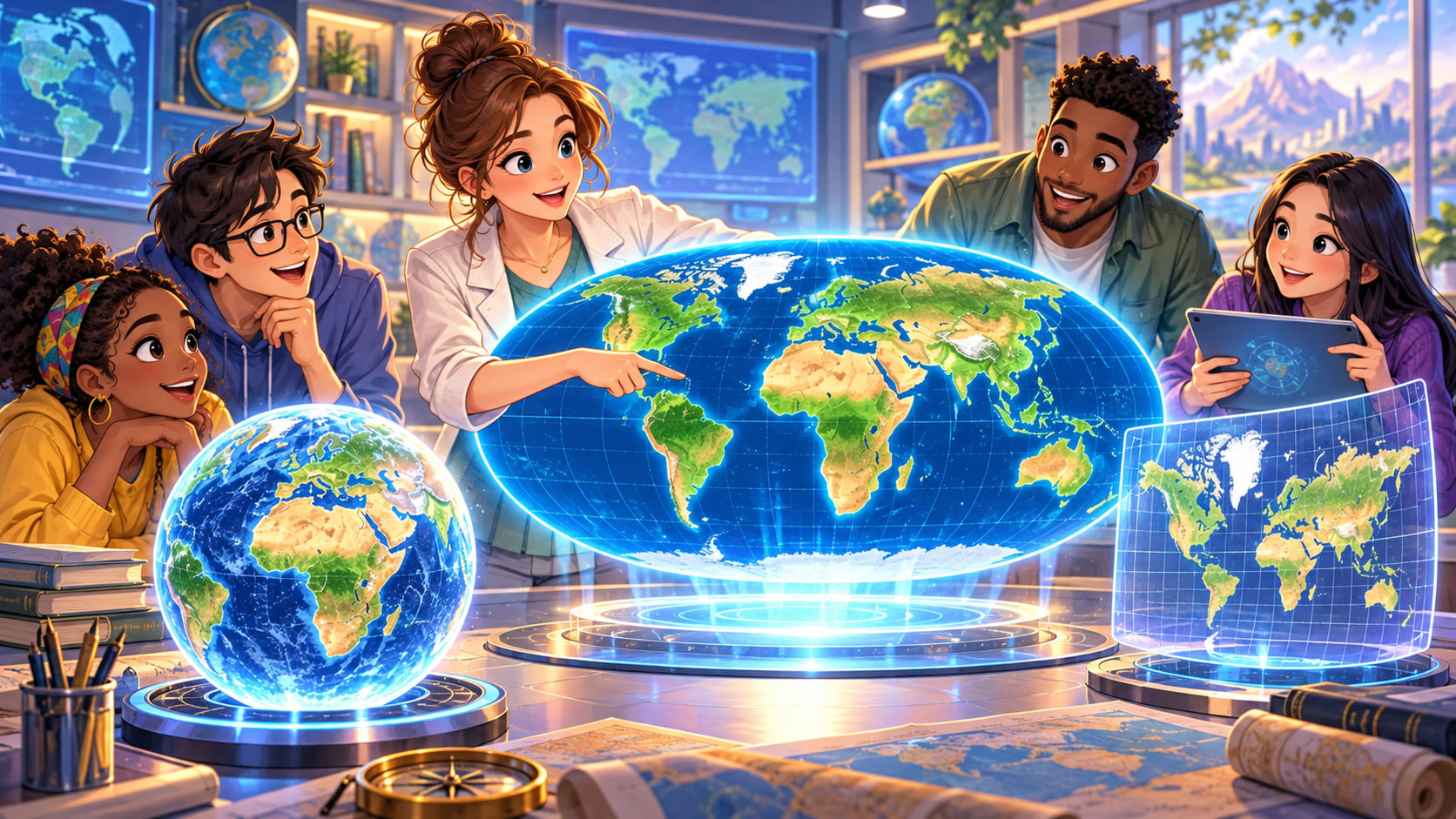
For centuries, people have relied on world maps to understand geography, explore continents, and compare countries.
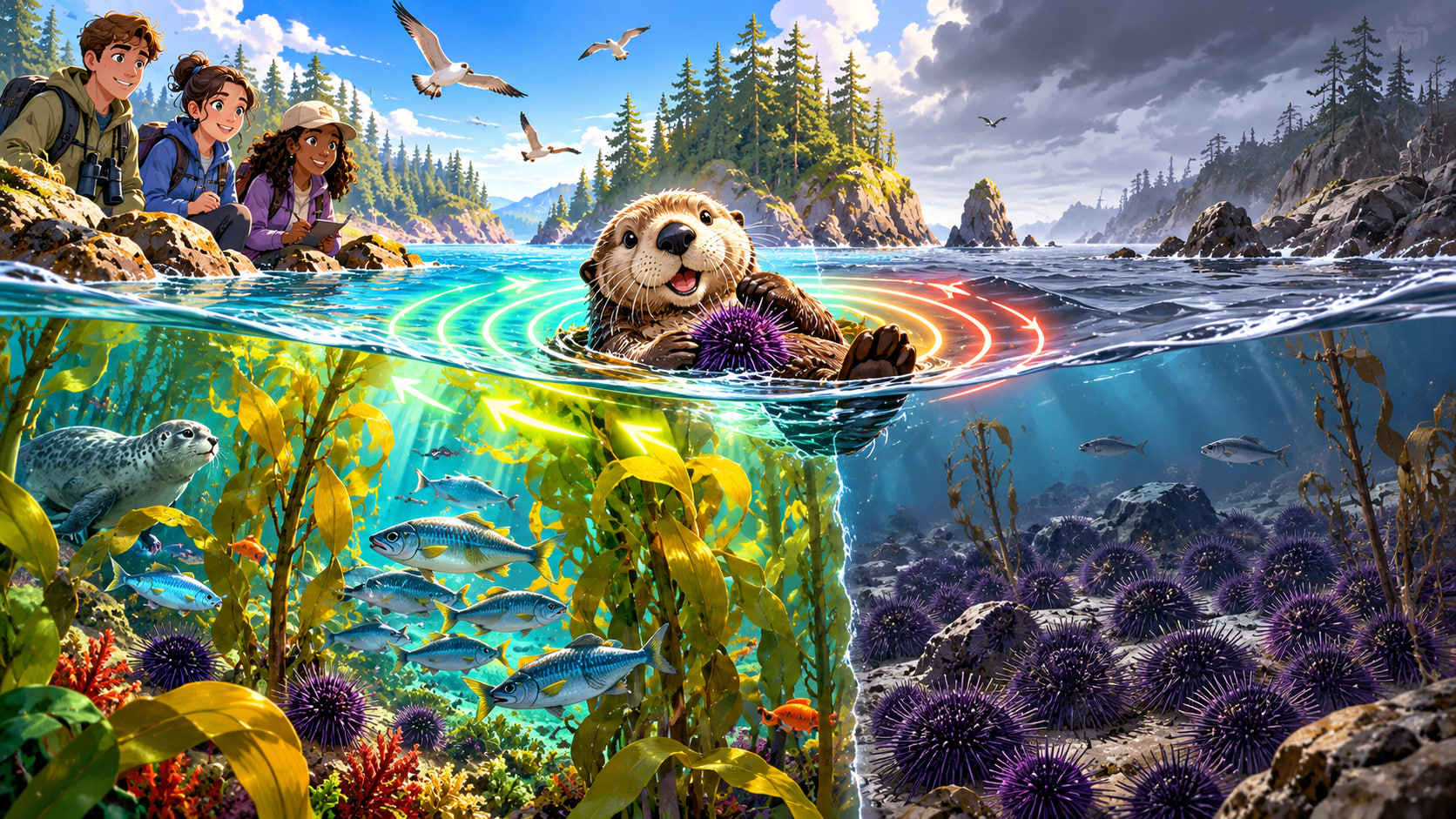
Animals, plants, fungi, and microorganisms are connected through food, pollination, seed dispersal, shelter, competition, and nutrient cycling.
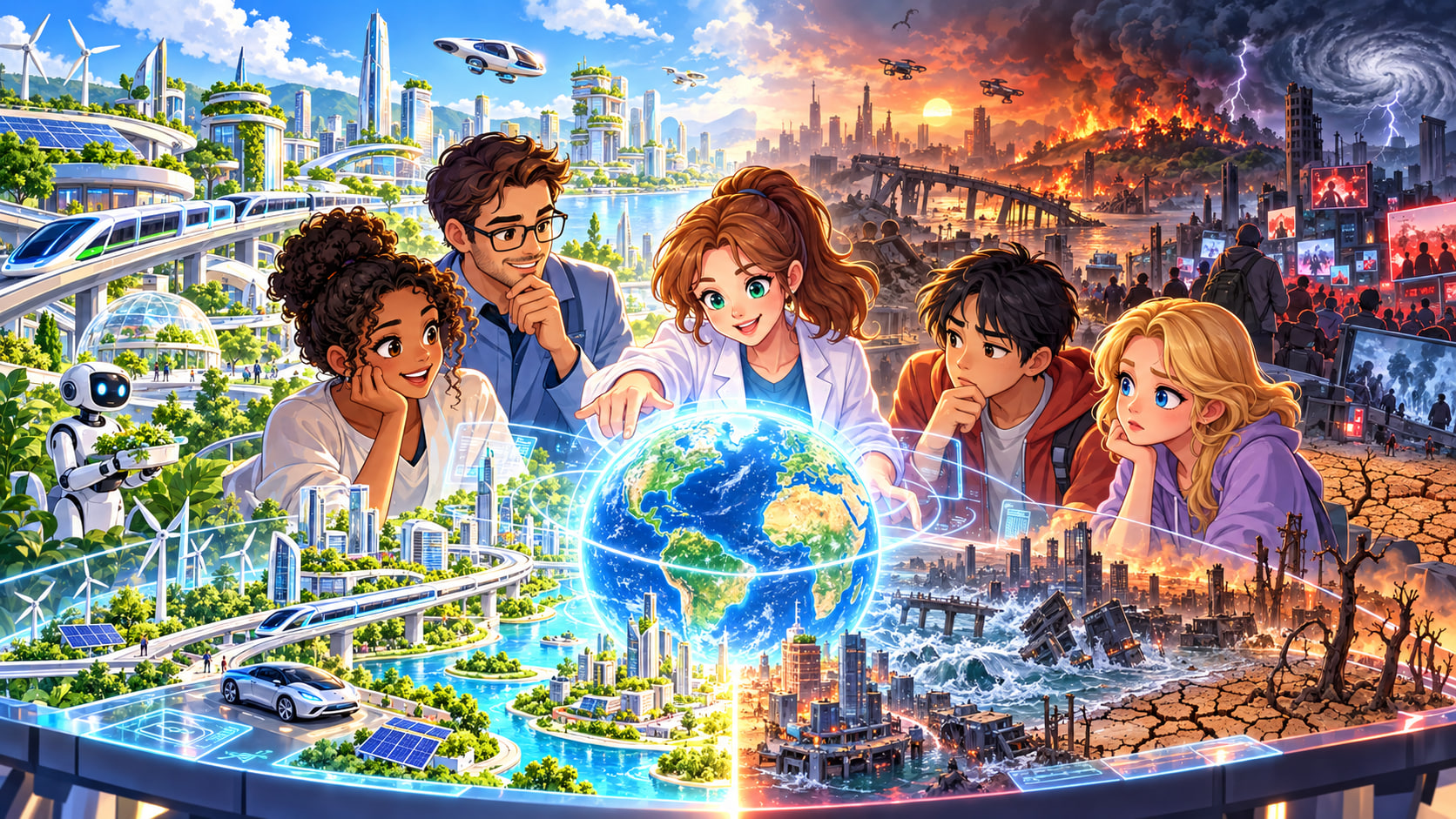
Predicting the world ten years ahead is difficult because technology, politics, climate, economics, and human behavior rarely develop in straight lines.
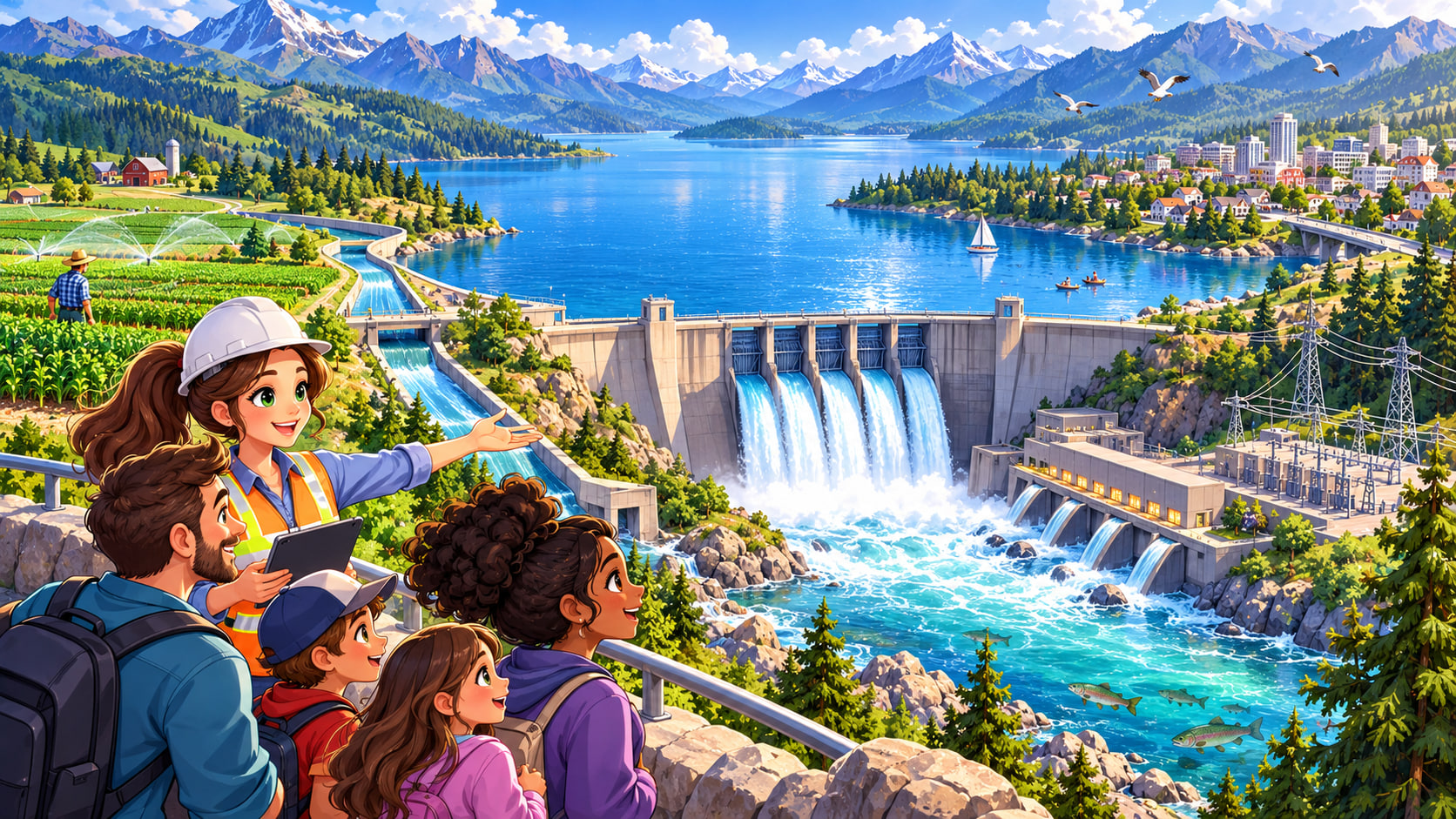
Reservoirs are among the most important pieces of water infrastructure ever created. They supply drinking water to cities, support agriculture, reduce flood risks, generate electricity, and...
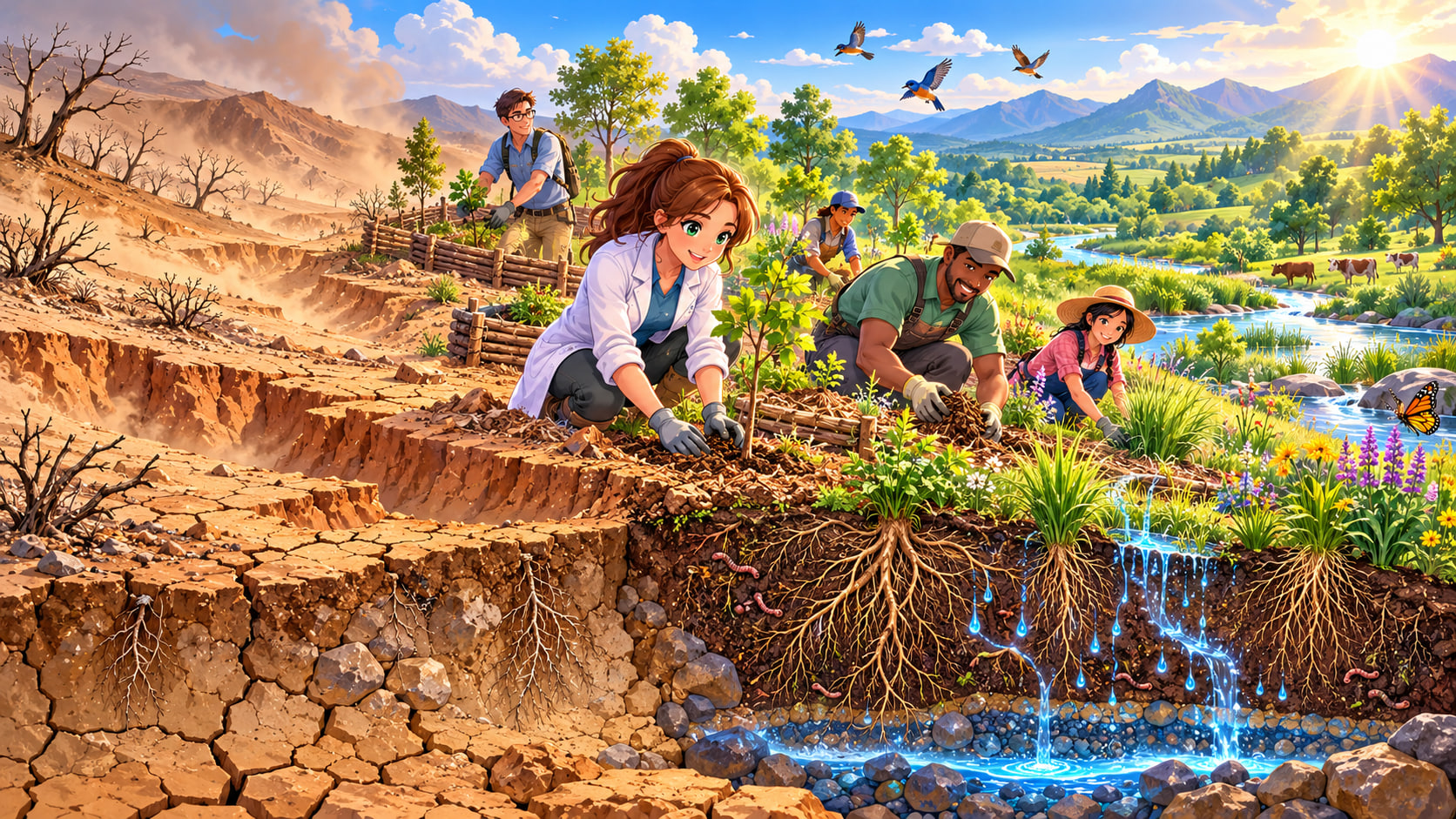
Healthy land is the foundation of agriculture, forests, freshwater systems, biodiversity, and much of the global economy.
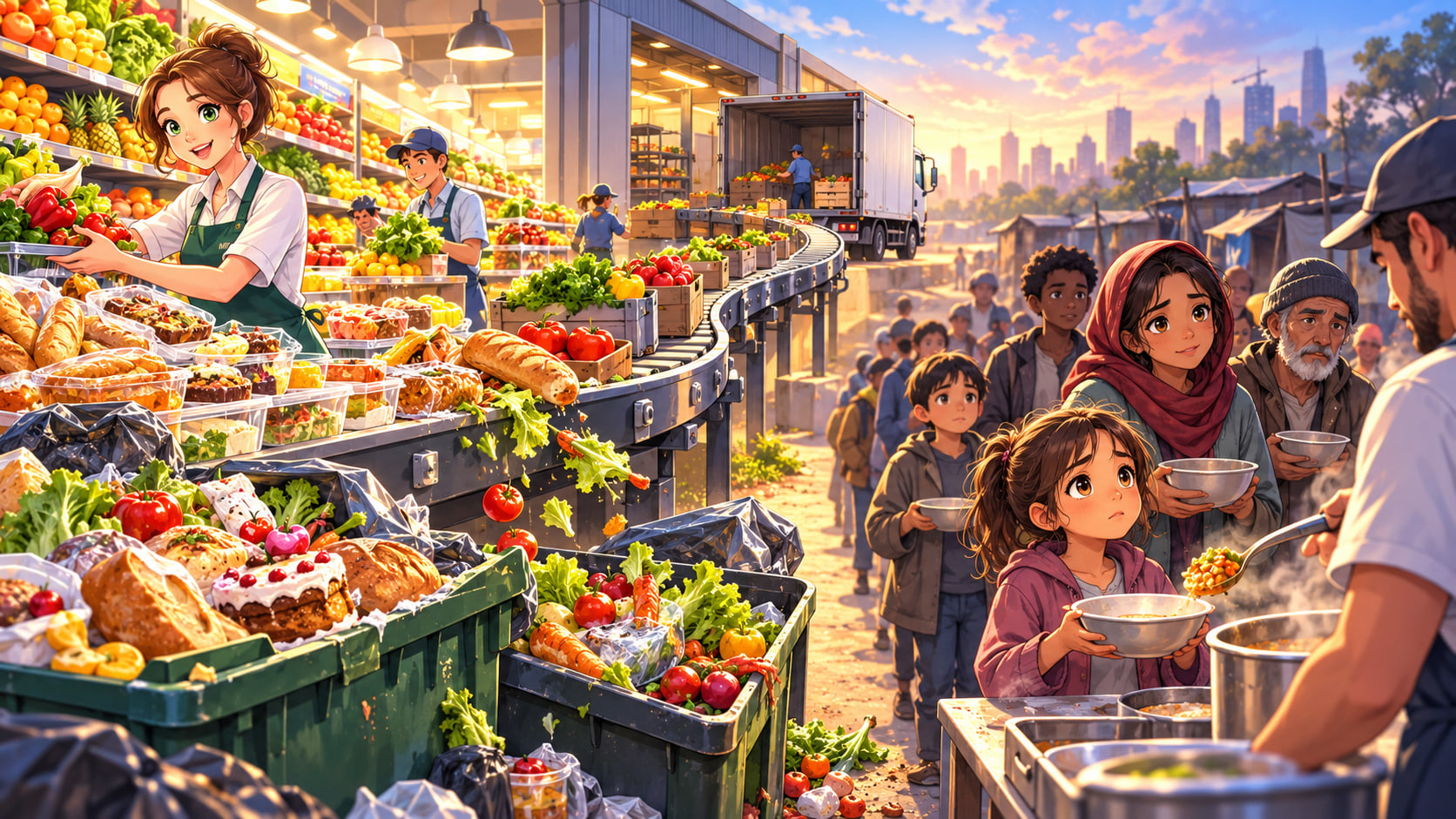
The modern food system can produce extraordinary abundance. Supermarkets offer food from multiple continents, farms achieve yields unimaginable a century ago, and global agriculture produces...
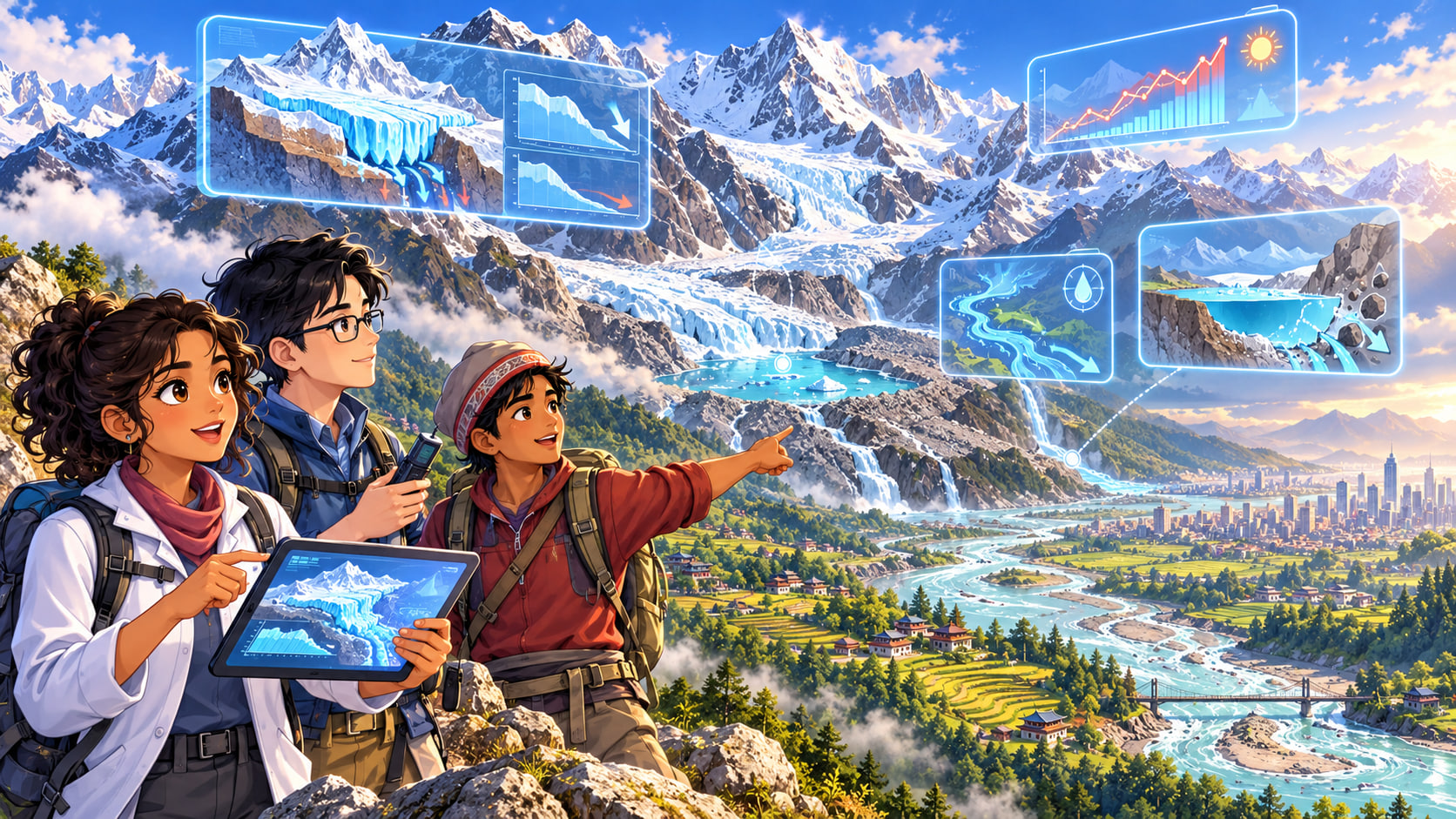
The Himalayan mountain system contains one of the largest concentrations of ice outside the polar regions.
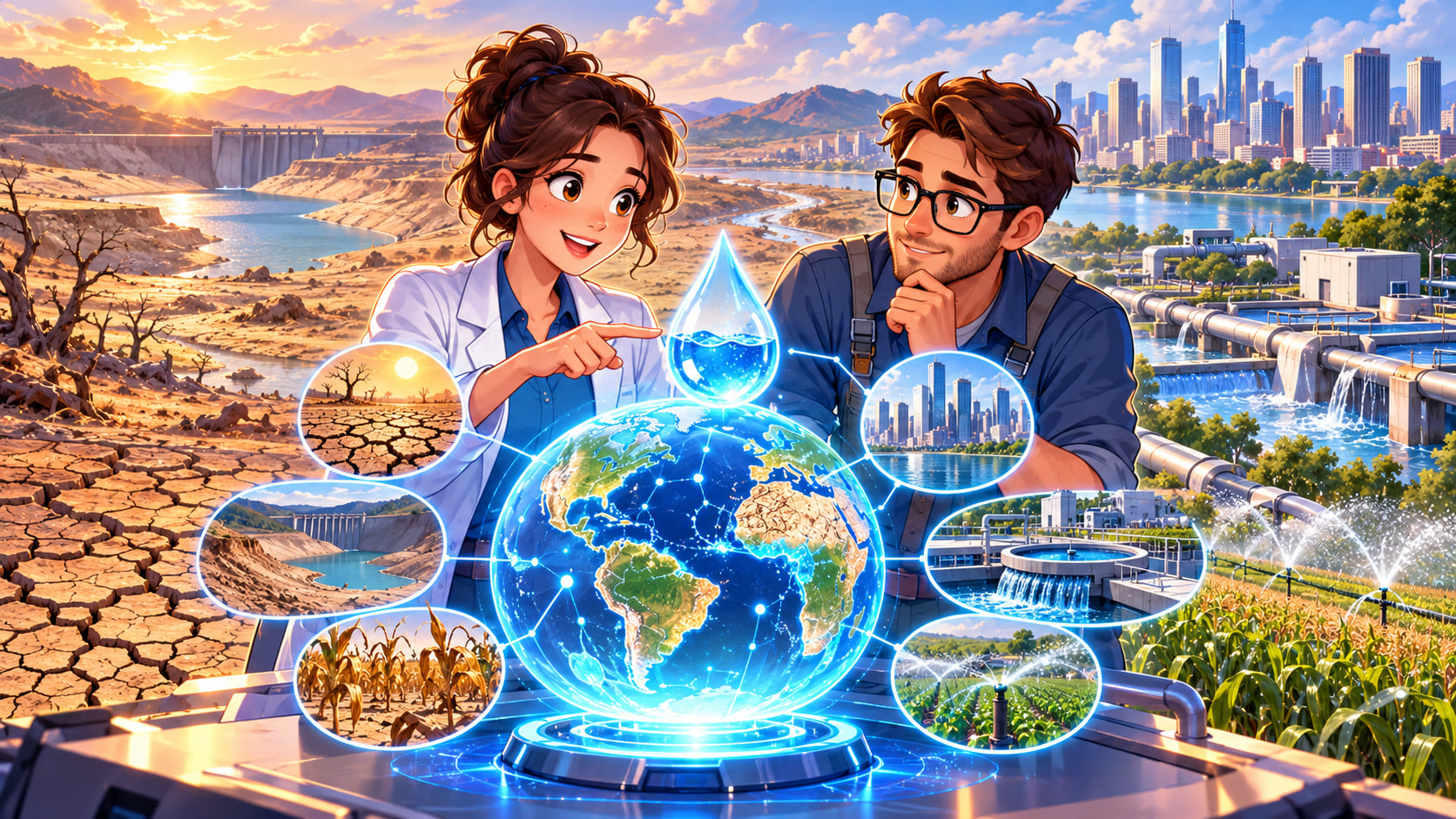
Water covers approximately 71% of Earth's surface, yet billions of people face difficulties accessing safe, reliable freshwater.
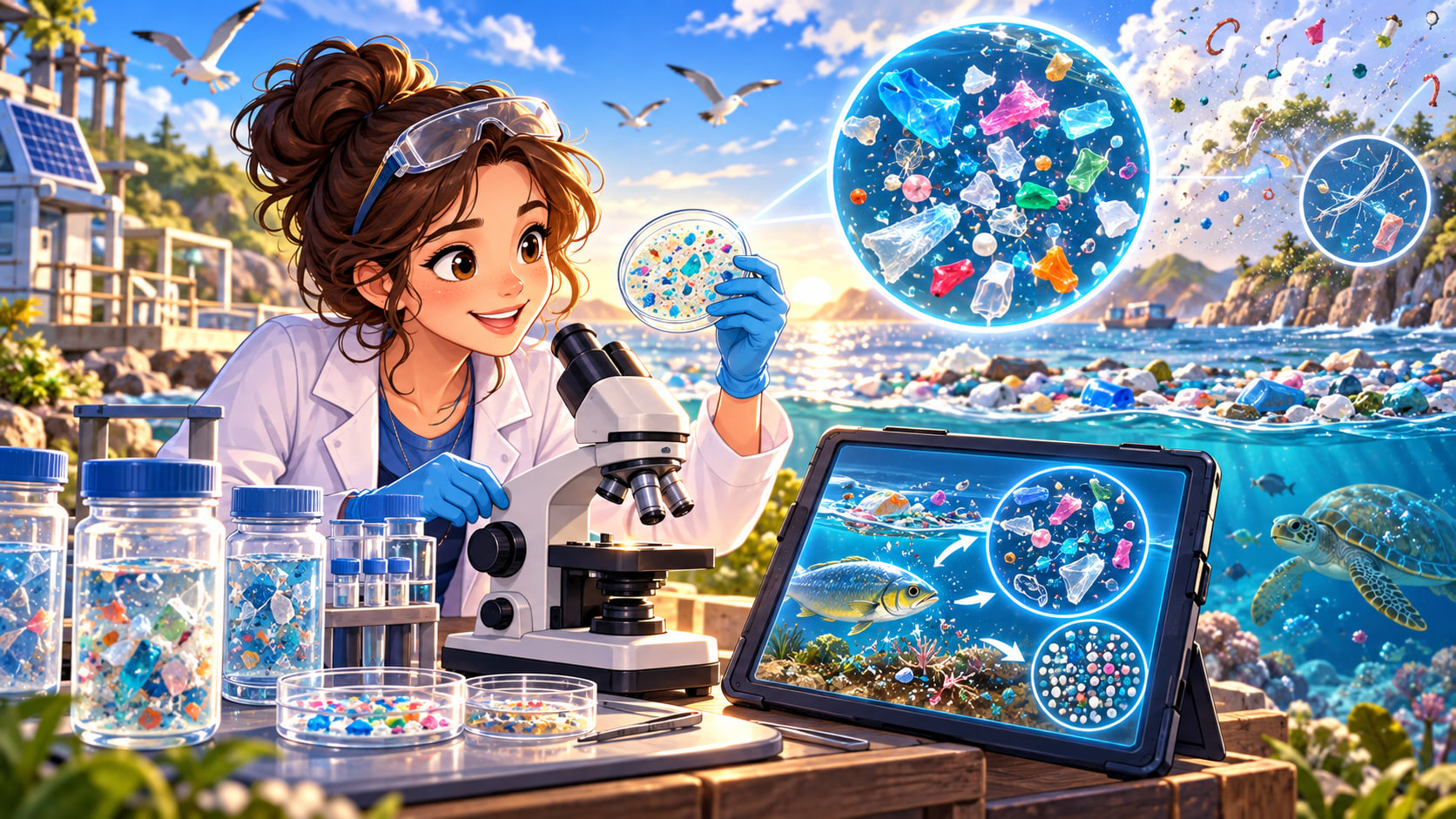
Plastic pollution is no longer limited to discarded bottles, floating garbage, or abandoned fishing nets.