
How the World Would Change If Humanity Lived in Harmony With Nature
Imagining a world where humans live in true harmony with nature means rethinking not only technology, but values, priorities, and daily habits.
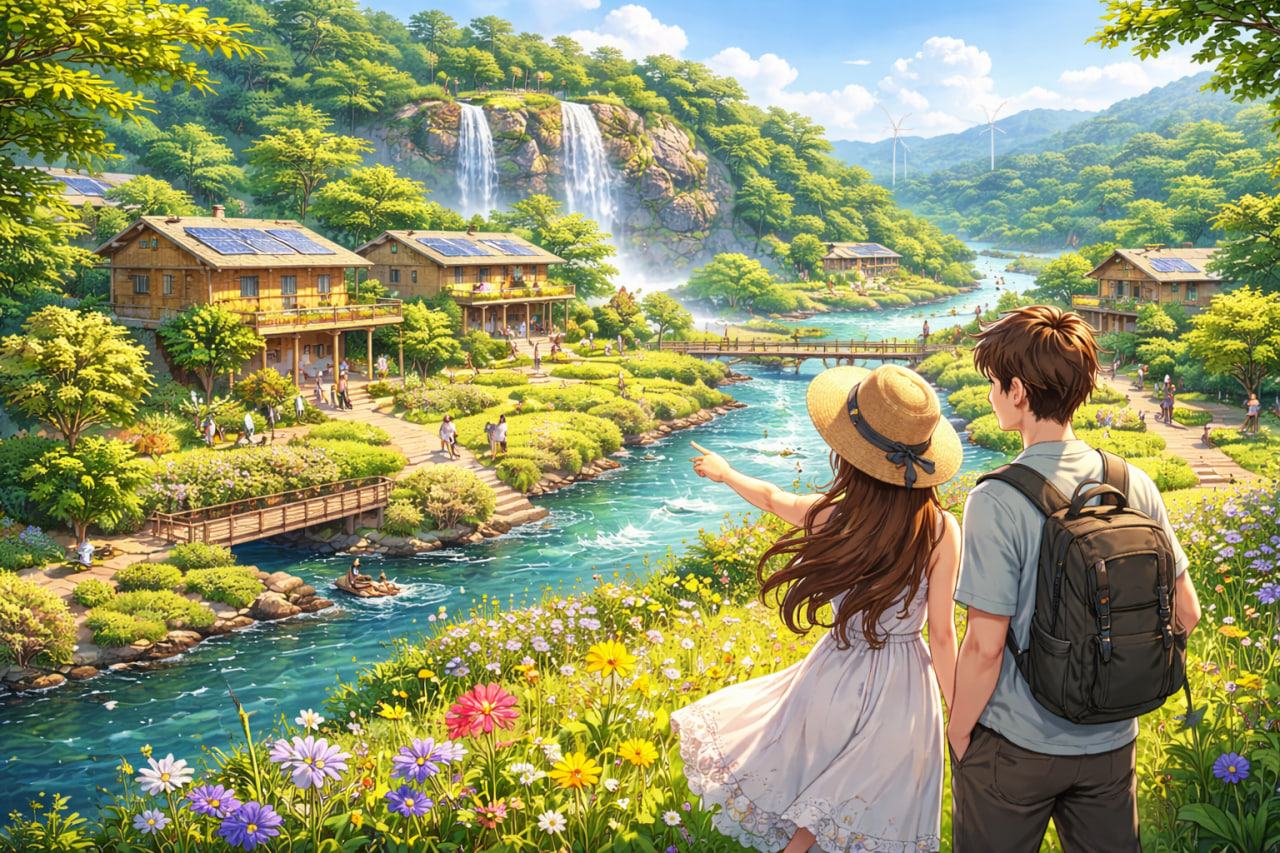
Imagining a world where humans live in true harmony with nature means rethinking not only technology, but values, priorities, and daily habits.
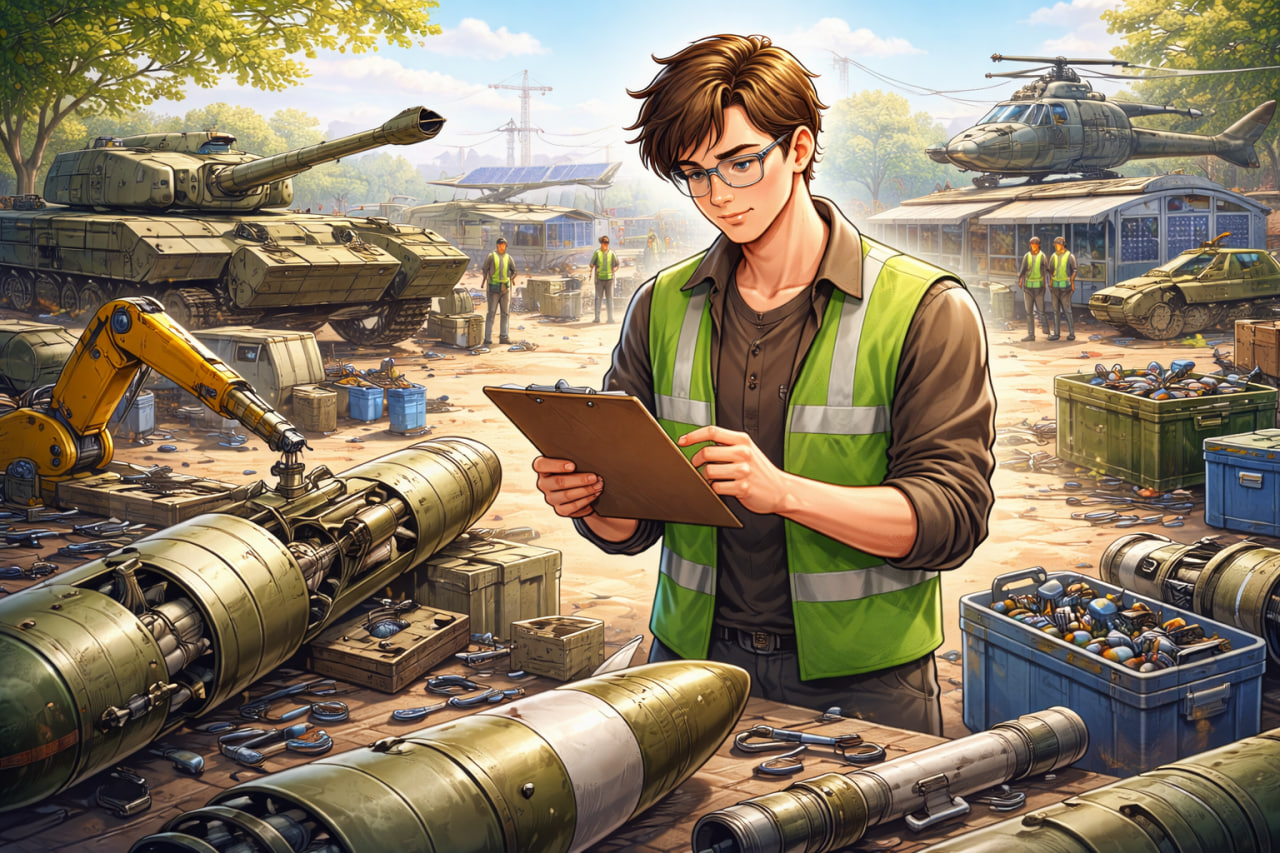
The idea of a world without war raises an immediate and complex question: what happens to the enormous stockpiles of weapons already produced?
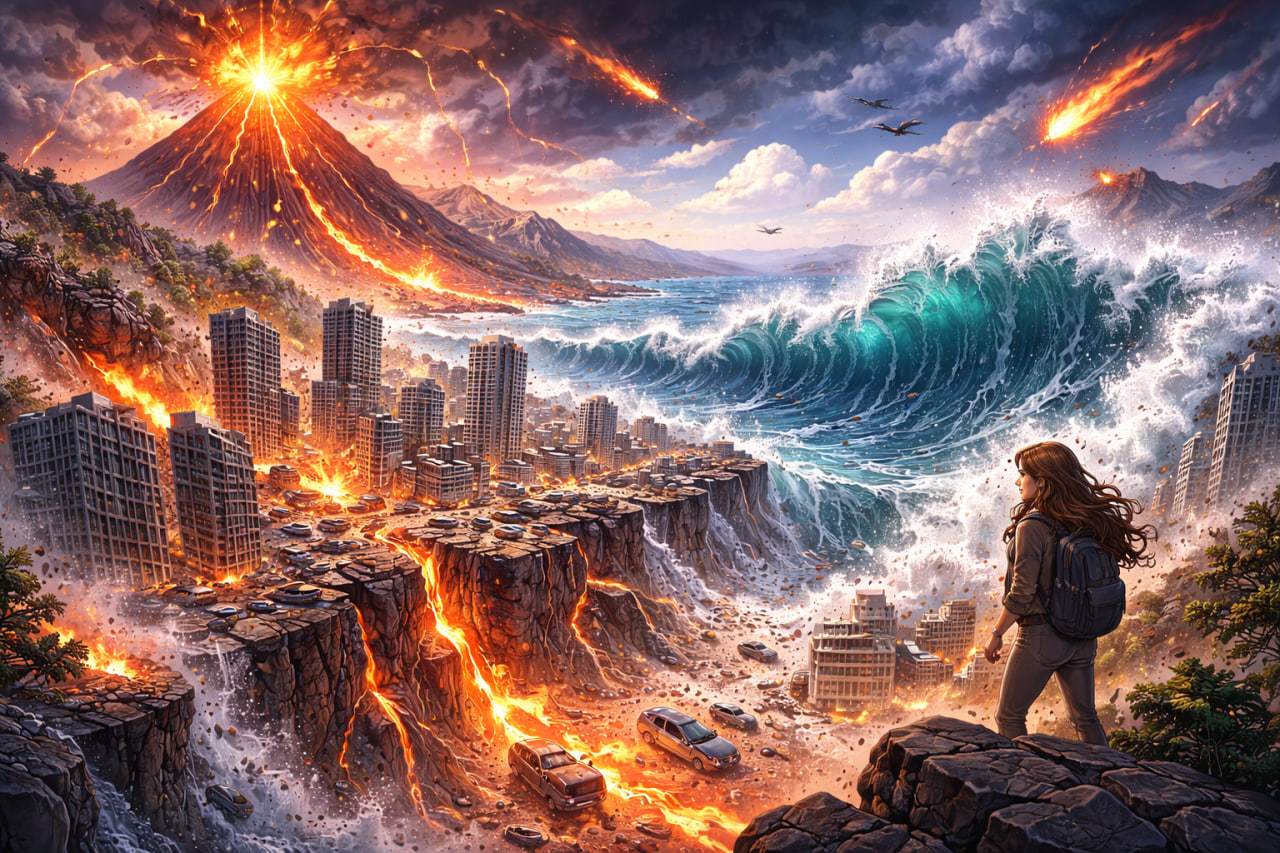
The disaster scenarios shown in the film 2012 captivated audiences with images of collapsing continents, mega-earthquakes, and global destruction unfolding within days.
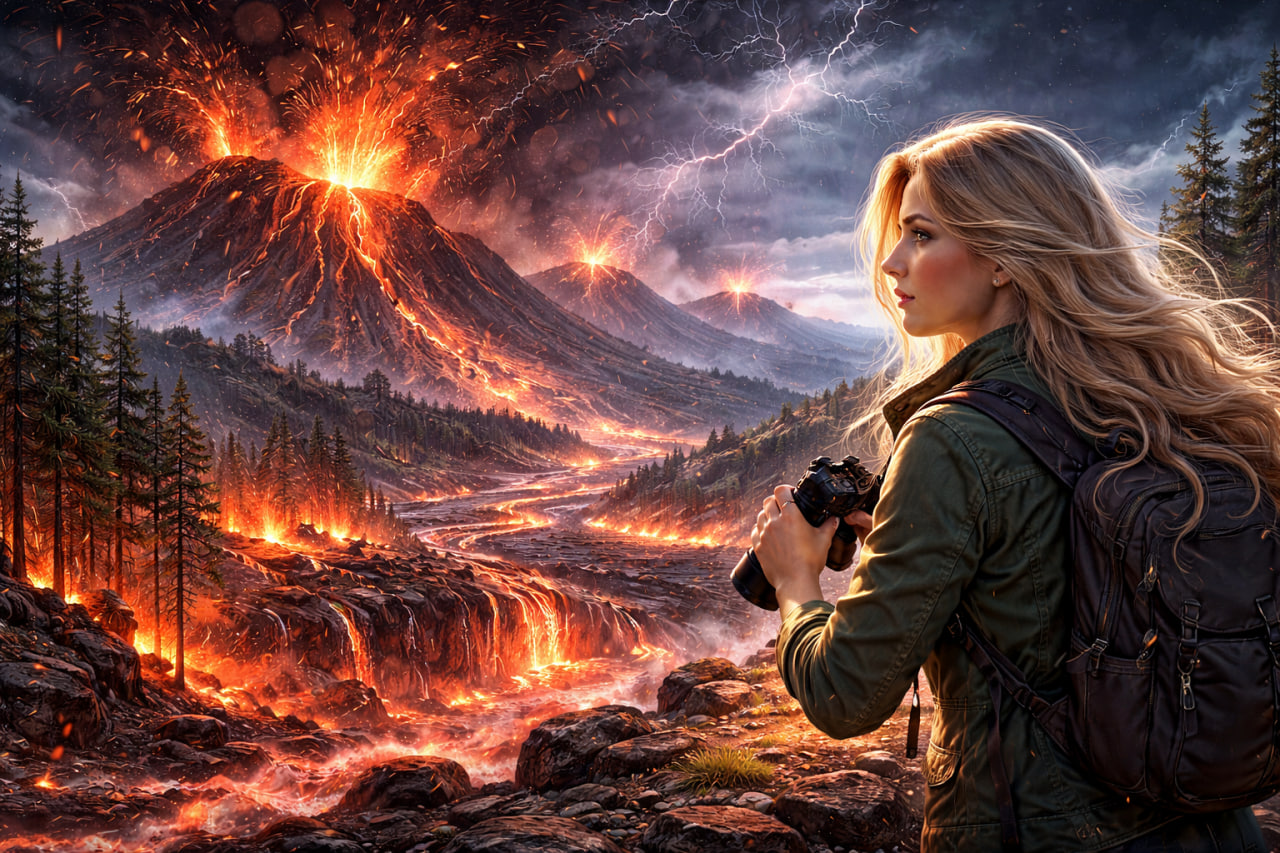
The Siberian Traps are one of the most powerful volcanic systems in Earth’s history, associated with catastrophic environmental change.
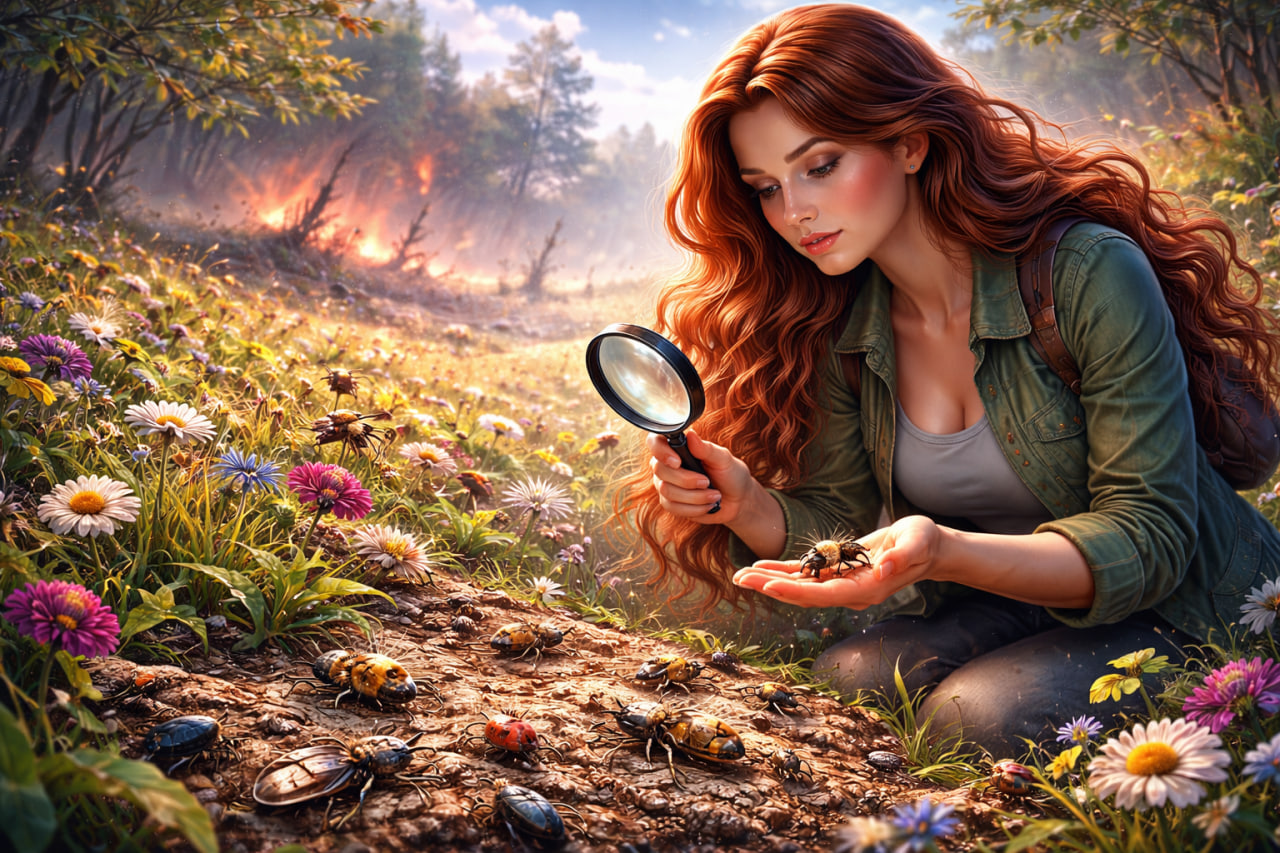
At first glance, the extinction of dinosaurs may seem like the ultimate ecological catastrophe, wiping out some of the most iconic creatures in Earth’s history.
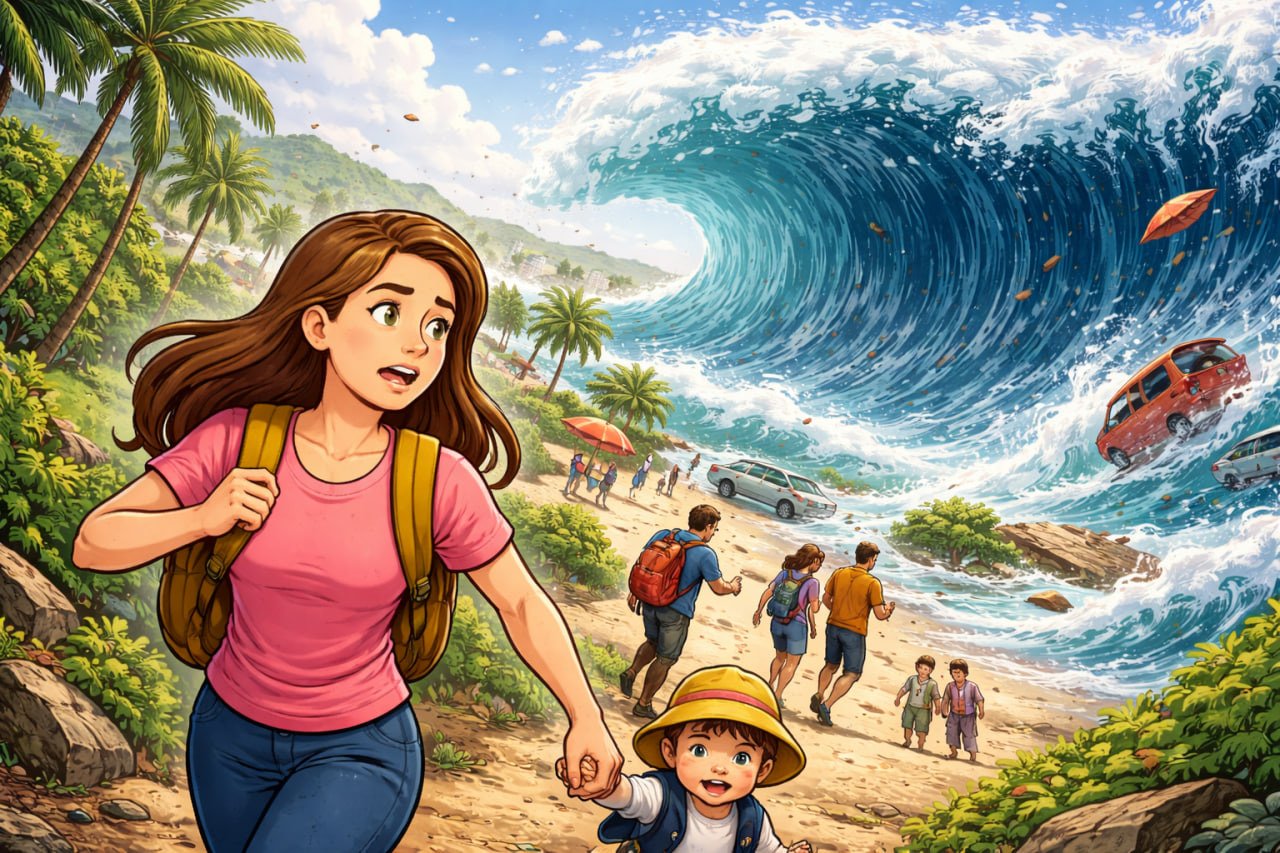
A tsunami is a fast-moving and extremely dangerous natural disaster that leaves very little time for hesitation.
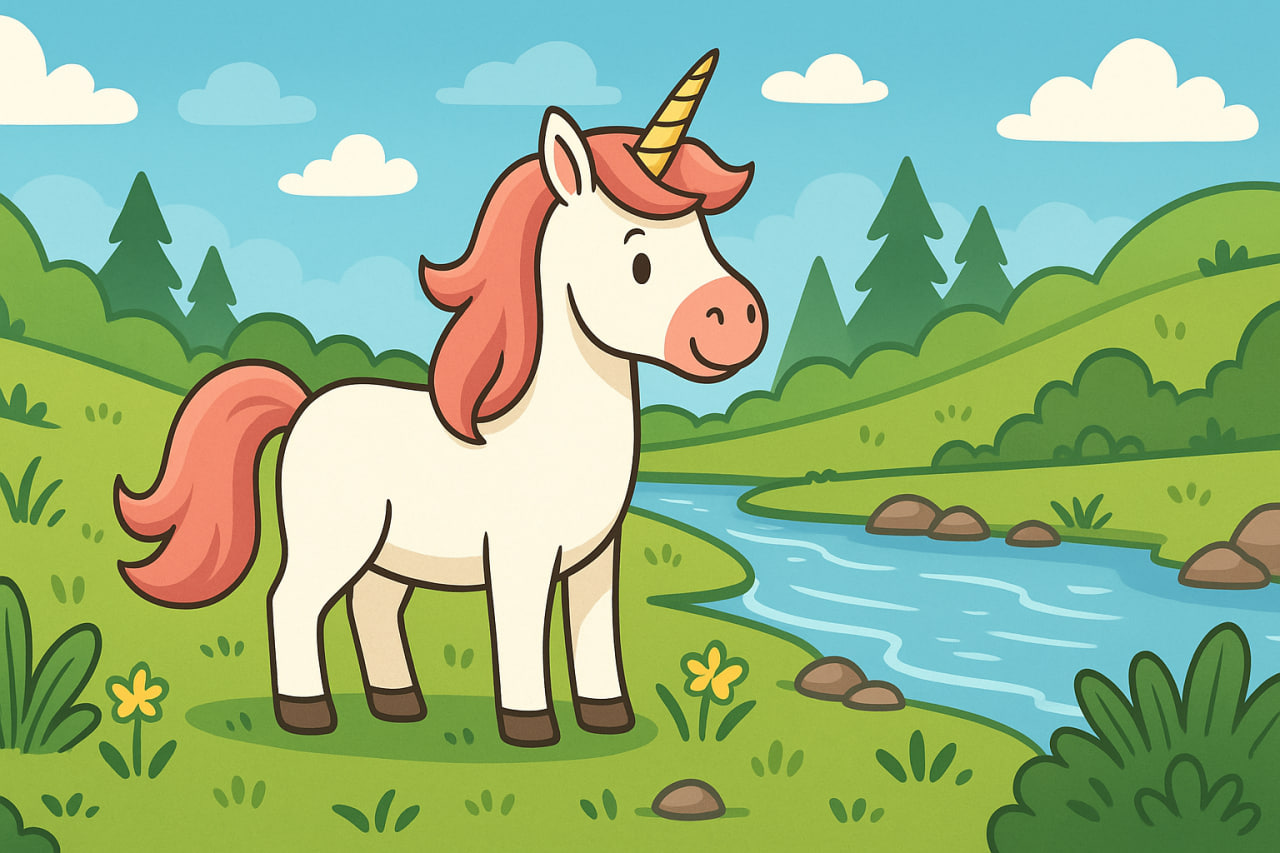
Unicorns are among the most iconic mythical creatures in human history, often depicted as elegant horses with a single spiraling horn.
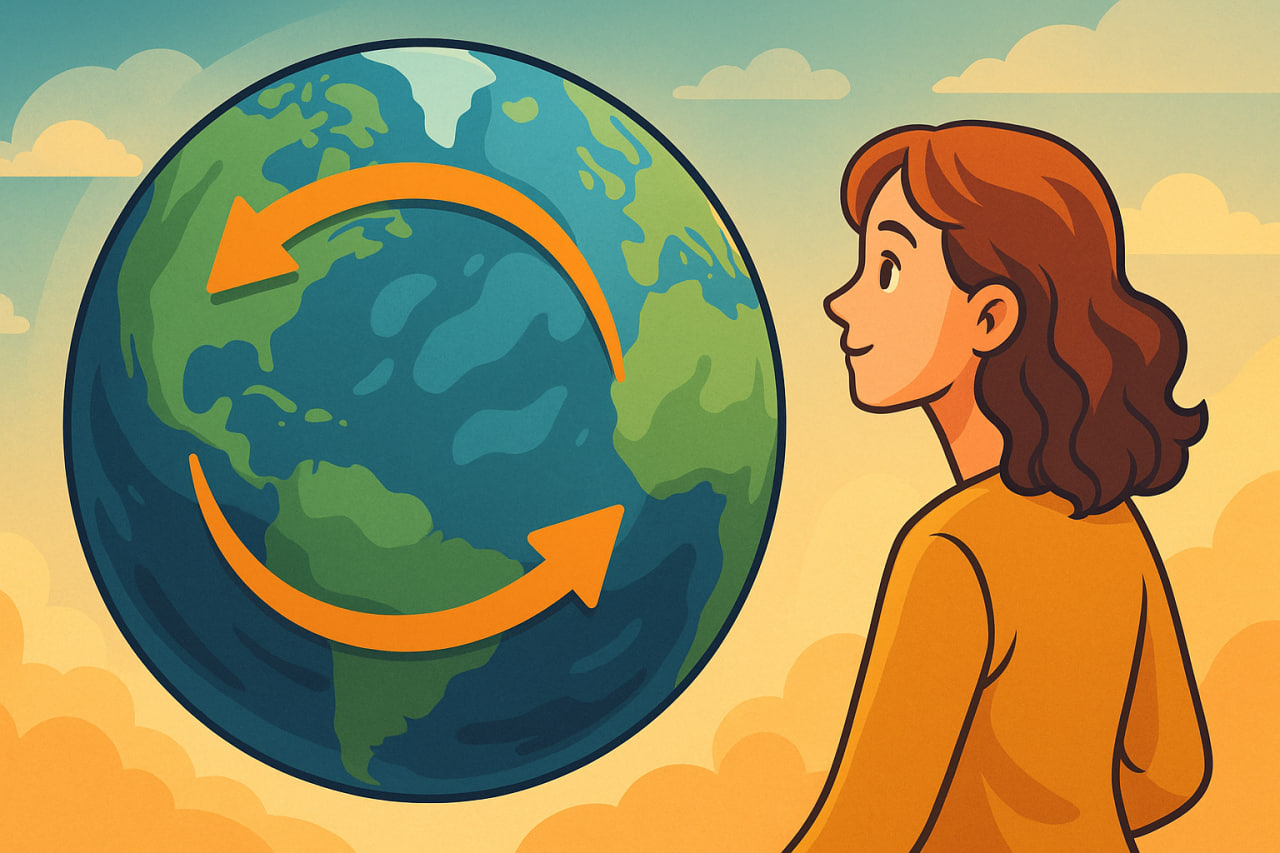
Earth’s rotation — from west to east — has been stable for billions of years, shaping everything from climate and atmospheric circulation to ocean currents and biological rhythms.
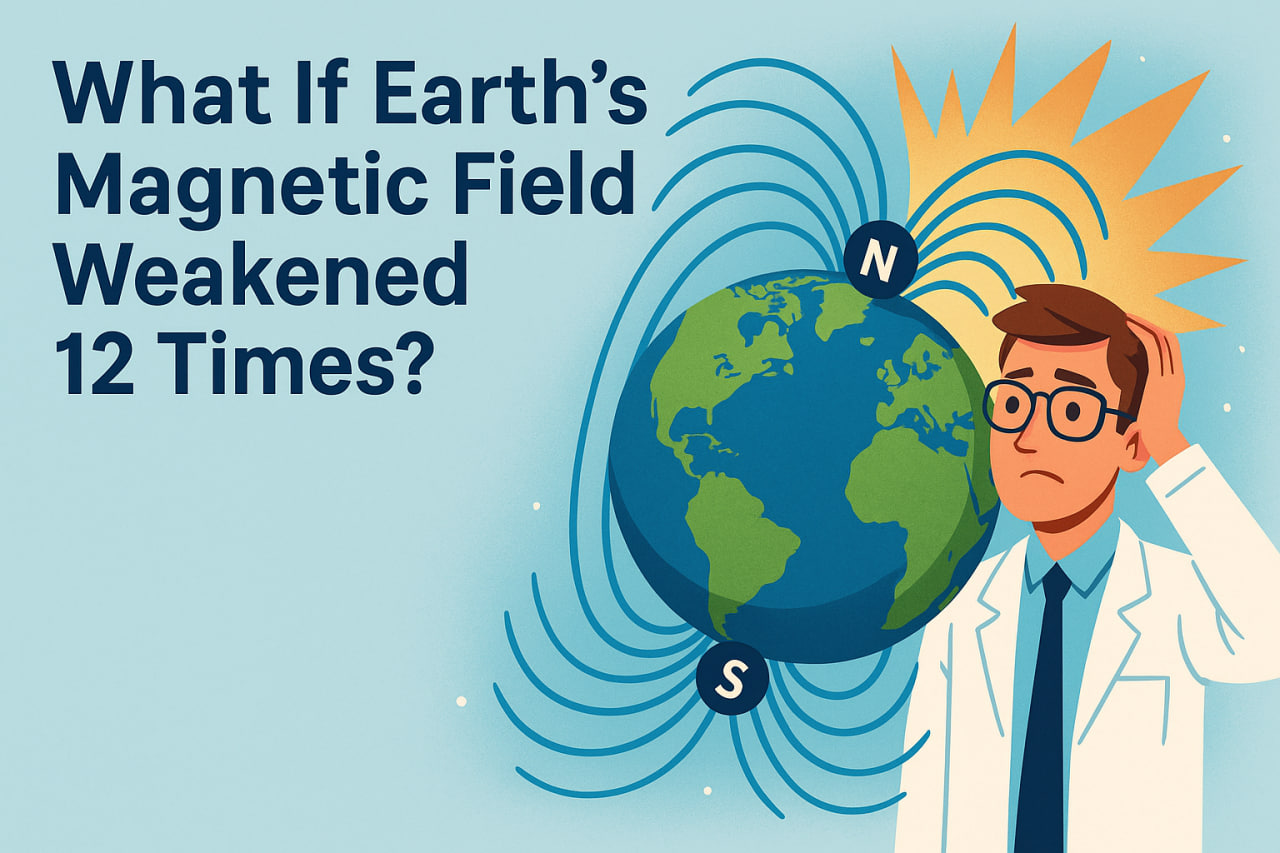
Earth’s magnetic field is an essential shield that protects the planet from solar wind, cosmic radiation, and charged particles from the Sun.
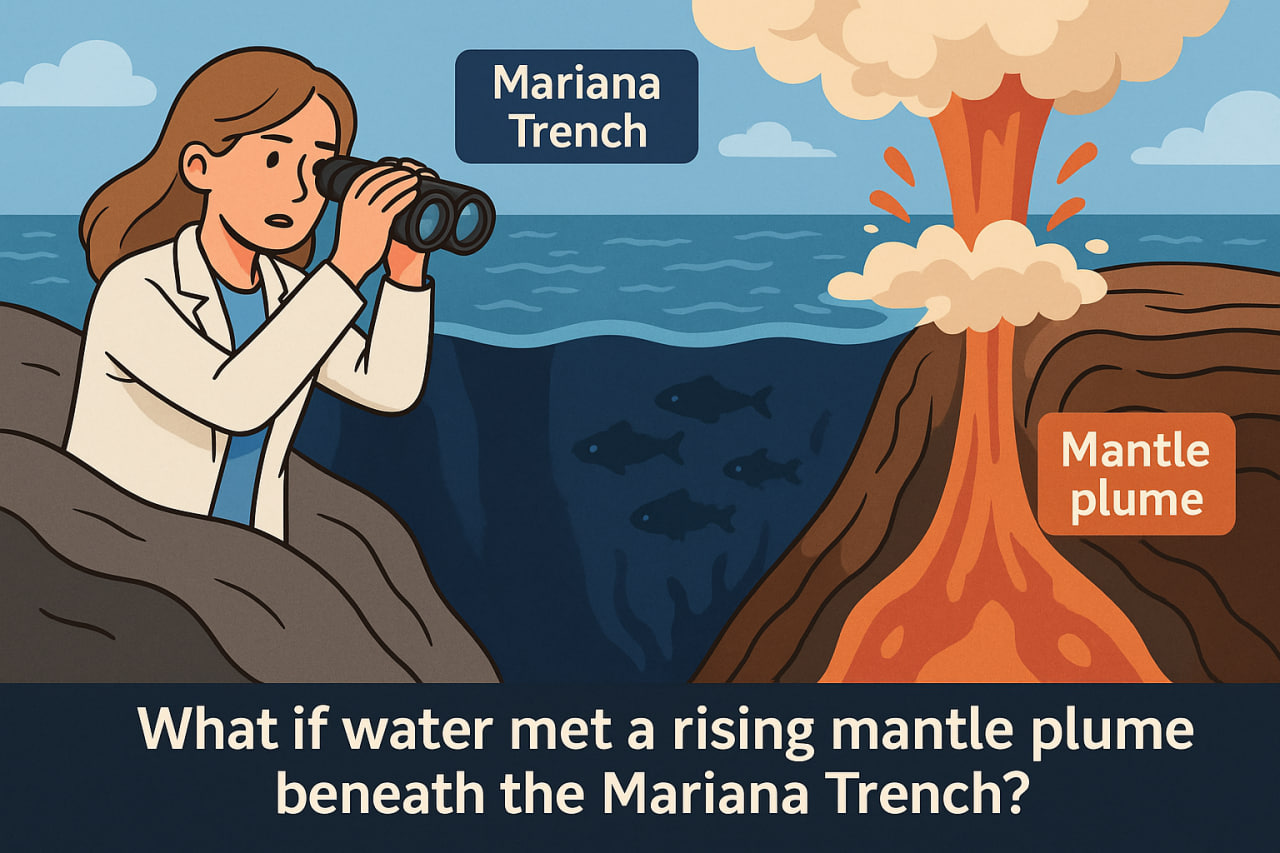
The Mariana Trench is the deepest part of the world’s oceans, plunging nearly 11 kilometers beneath the surface.