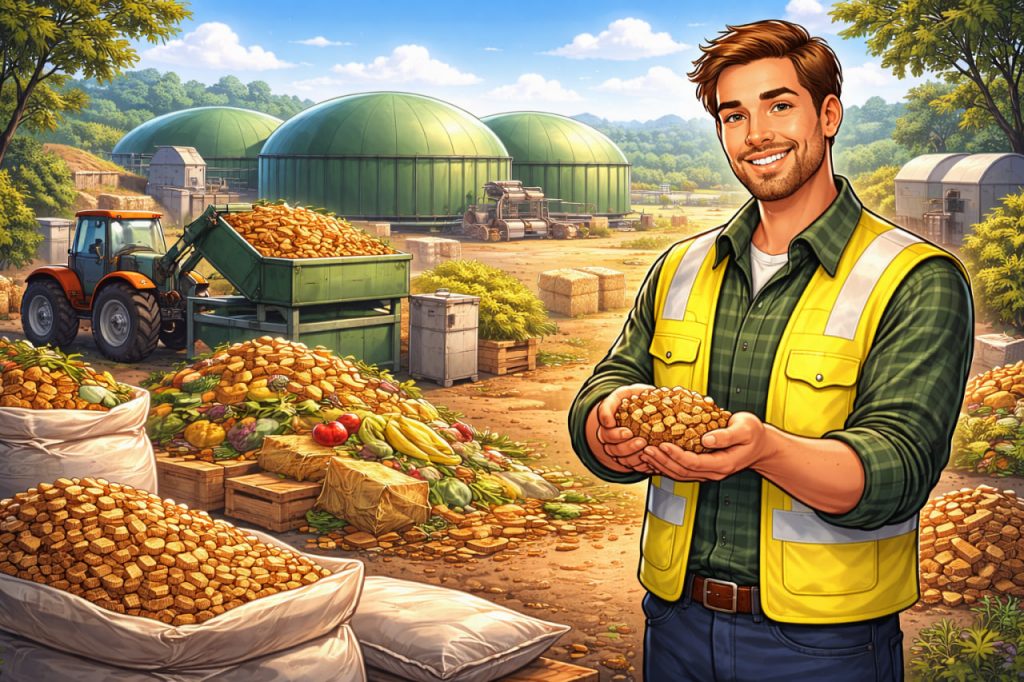
Bioenergy is one of the oldest forms of energy used by humanity, yet modern technologies are transforming it into an important component of sustainable energy systems. At its core, bioenergy is produced from biomass—organic materials such as wood, agricultural residues, food waste, and other biological resources. Unlike fossil fuels, which take millions of years to form, biomass can be replenished relatively quickly through natural growth cycles. Today, advanced bioenergy technologies allow societies to convert waste materials into electricity, heat, and even transportation fuels. These systems help reduce landfill waste, lower greenhouse gas emissions, and support circular economic models where resources are reused instead of discarded. As renewable energy demand grows worldwide, bioenergy is increasingly viewed as a flexible complement to solar, wind, and other clean energy sources.
What Biomass Energy Is and How It Works
Biomass energy comes from organic matter that stores energy captured from sunlight through photosynthesis. Plants absorb solar energy and convert it into chemical energy, which remains stored in plant tissues and organic materials. When biomass is burned or processed, this stored energy is released as heat or converted into electricity. According to renewable energy researcher Dr. Pavel Morozov:
“Biomass is essentially stored solar energy that can be used when and where it is needed.”
Modern biomass power plants use controlled combustion systems and filtration technologies to produce energy more efficiently and with lower emissions than traditional wood-burning methods.
Wood Pellets and Solid Biofuels
One of the most widely used forms of bioenergy today is wood pellets. These small compressed cylinders are produced from sawdust, wood chips, and forestry residues that would otherwise be discarded. Because pellets have low moisture content and uniform density, they burn more efficiently than raw wood. Pellet-based heating systems are widely used in residential buildings, district heating networks, and industrial facilities. In many countries, pellets are considered a renewable alternative to coal or heating oil. The development of pellet production has also helped support sustainable forest management and reduce waste from the timber industry.
Biogas from Organic Waste
Another important branch of bioenergy involves producing biogas from organic waste materials. Through a biological process called anaerobic digestion, microorganisms break down organic matter in oxygen-free environments, producing methane-rich gas as a byproduct. This gas can be used for electricity generation, heating, or as a renewable fuel. Biogas systems often process agricultural residues, food waste, manure, and sewage sludge. Energy engineer Dr. Elena Petrovic explains:
“Biogas technology transforms organic waste into a valuable energy resource while reducing environmental pollution.”
In addition to producing energy, anaerobic digestion generates nutrient-rich residues that can be used as natural fertilizers.
Advanced Biofuels and Future Technologies
Beyond pellets and biogas, researchers are developing advanced biofuels that can power vehicles, aircraft, and heavy industries. These fuels are produced from non-food biomass such as algae, agricultural residues, and industrial waste. Advanced processing technologies convert complex organic materials into liquid fuels compatible with existing engines and fuel infrastructure. Although still developing, these innovations may play a role in reducing emissions from sectors that are difficult to electrify.
Environmental Benefits and Sustainability Challenges
Bioenergy can offer environmental advantages when biomass is sourced responsibly and used efficiently. Using waste materials for energy reduces landfill use and prevents the release of methane from decomposing organic matter. However, sustainability depends on careful resource management. Large-scale biomass harvesting must avoid deforestation, biodiversity loss, and excessive land use. Researchers and policymakers continue to work on guidelines that ensure bioenergy contributes positively to both energy security and environmental protection.
Interesting Facts
- Biomass currently provides a significant share of renewable energy worldwide.
- Some biogas plants can process thousands of tons of organic waste each year.
- Wood pellets are often produced from sawmill byproducts that would otherwise be discarded.
- Biogas contains a high proportion of methane, making it a useful fuel for electricity generation.
- Certain experimental biofuels are being developed using microalgae, which grow rapidly and require little land.
Glossary
- Biomass — organic material from plants or animals that can be used as a source of energy.
- Wood Pellets — compressed biomass fuel made from sawdust or wood residues.
- Biogas — methane-rich gas produced when microorganisms break down organic matter without oxygen.
- Anaerobic Digestion — a biological process that converts organic waste into biogas and nutrient-rich residues.
- Biofuel — a fuel derived from biological materials rather than fossil sources.