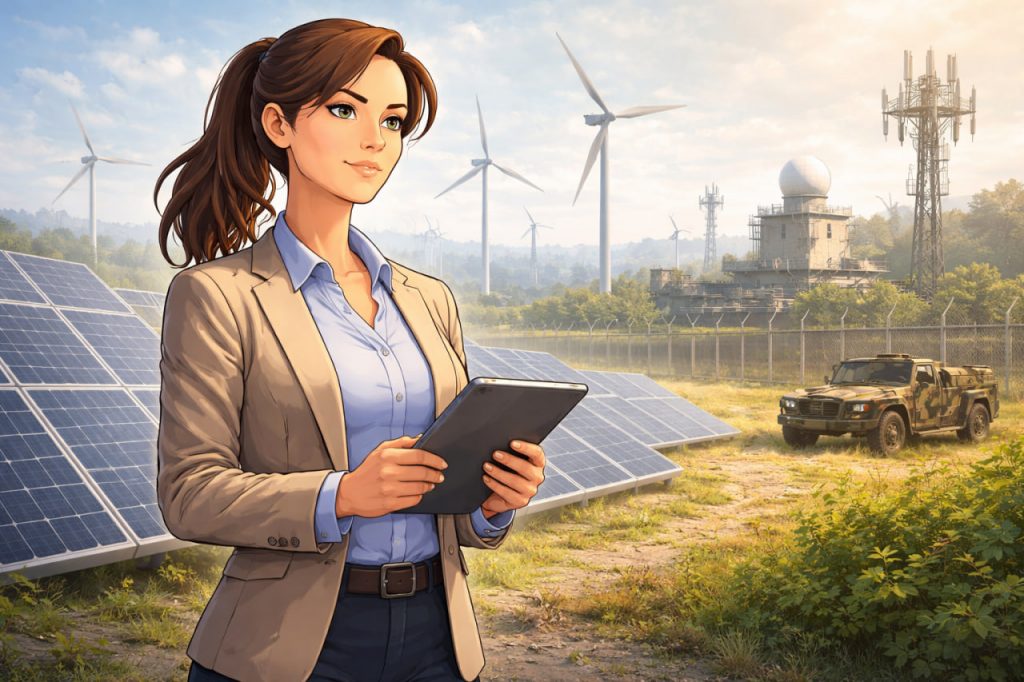
The transition to green energy is often framed as an environmental necessity, but it also has profound implications for national security. By reducing dependence on fossil fuels, especially imported oil and gas, countries can increase their energy independence and resilience. At the same time, renewable energy systems introduce new vulnerabilities related to technology, supply chains, and infrastructure. As nations invest heavily in solar, wind, and battery systems, the connection between energy policy and security becomes increasingly complex. Understanding this relationship is essential for balancing sustainability goals with geopolitical stability. Green energy is not only an environmental issue—it is a strategic one.
Energy Independence and Geopolitical Stability
One of the main advantages of renewable energy is the potential to achieve greater energy independence. Countries that rely heavily on imported fossil fuels are often exposed to geopolitical risks, price volatility, and supply disruptions. By investing in domestic renewable energy sources such as solar and wind, nations can reduce their reliance on external suppliers. This shift can strengthen national security by making energy systems more resilient to international conflicts and economic pressure. According to energy policy expert Dr. Michael Grant:
“Energy independence is not just an economic goal—
it is a foundation of national security in an unpredictable world.”
This highlights how renewable energy can reshape global power dynamics.
Critical Materials and Supply Chain Risks
Despite its advantages, green energy depends heavily on critical minerals such as lithium, cobalt, and rare earth elements. These materials are essential for batteries, solar panels, and wind turbines, and their supply is often concentrated in a small number of countries. This creates new forms of dependency that can pose strategic risks. Disruptions in supply chains or political tensions can affect the availability of these materials, impacting energy infrastructure and technological development. Securing stable and diversified supply chains has become a key priority for many governments.
Infrastructure Vulnerability and Cybersecurity
Renewable energy systems rely on digital technologies and interconnected grids, which can introduce new security challenges. Smart grids, energy storage systems, and decentralized generation networks are more flexible but also more exposed to cyber threats. Attacks on energy infrastructure can disrupt power supply, affect critical services, and create economic instability. As a result, cybersecurity has become an essential component of modern energy systems. Protecting renewable infrastructure requires continuous monitoring, advanced technology, and coordinated defense strategies.
Decentralization and Resilience
One of the strengths of renewable energy is its decentralized nature. Unlike traditional power systems that rely on large centralized plants, renewable energy can be distributed across many smaller sources. This reduces the risk of large-scale outages caused by a single point of failure. Decentralized systems can improve resilience during natural disasters or infrastructure attacks, ensuring that some level of energy supply is maintained. However, managing these distributed systems requires advanced coordination and reliable communication networks.
Balancing Sustainability and Security
The transition to green energy presents both opportunities and challenges for national security. While it can reduce dependence on fossil fuels and increase resilience, it also introduces new risks related to materials, technology, and infrastructure. Policymakers must consider these factors when designing energy strategies, ensuring that sustainability goals align with security priorities. Long-term success will depend on innovation, international cooperation, and careful planning. Ultimately, green energy must be not only clean but also secure.
Interesting Facts
- Renewable energy can reduce dependence on imported fuels by over 50% in some countries.
- Lithium and cobalt are considered strategic resources due to their role in batteries.
- Smart grids can improve efficiency but also increase cybersecurity risks.
- Wind and solar energy systems are often geographically distributed, enhancing resilience.
- Some countries are investing heavily in domestic production of critical materials.
Glossary
- Green Energy — energy produced from renewable sources such as wind, solar, and water.
- Energy Independence — the ability of a country to meet its energy needs without relying on imports.
- Critical Minerals — essential materials used in modern technologies and energy systems.
- Smart Grid — a modern electricity network that uses digital technology for efficient energy distribution.
- Cybersecurity — protection of systems and networks from digital attacks.