Oxygen is essential for most life on Earth, yet few people realize that the majority of it is produced not by forests, but by microscopic organisms in water. Nature maintains a delicate balance in which oxygen is constantly created, consumed, and recycled. This process is driven primarily by photosynthesis, a mechanism that converts sunlight into energy while releasing oxygen as a byproduct. From vast oceans to dense forests, multiple natural systems work together to sustain the atmosphere we depend on every day. Understanding where oxygen comes from reveals how deeply life on Earth is interconnected.
Photosynthesis: The Source of Oxygen
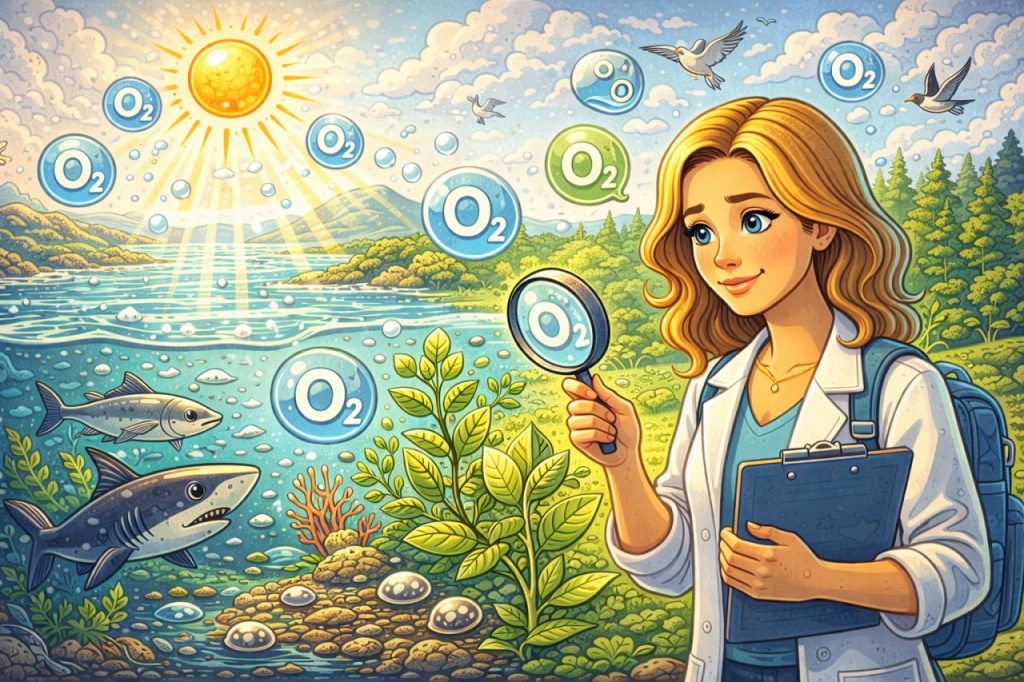
The primary process responsible for oxygen production is photosynthesis. Plants, algae, and certain bacteria absorb carbon dioxide and water, using sunlight to produce glucose and oxygen.
“Nearly every breath we take is a result of photosynthesis,
a process that quietly powers life across the planet.”
This process occurs in specialized cell structures called chloroplasts, where sunlight drives chemical reactions that release oxygen into the atmosphere.
Phytoplankton: The Ocean’s Oxygen Factories
The largest source of oxygen on Earth is not forests—it is phytoplankton, tiny organisms floating in oceans and lakes. These microscopic producers perform photosynthesis just like plants.
Why They Matter
- Produce up to 50–70% of Earth’s oxygen
- Form the base of marine food chains
- Absorb large amounts of carbon dioxide
Despite their size, phytoplankton are responsible for every second breath you take.
Forests and Plants: The Green Engines on Land
Trees, grasslands, and other plants are also major contributors to oxygen production. Through photosynthesis, they convert CO₂ into oxygen and store carbon in their tissues.
Key Contributions
- Tropical forests act as major oxygen producers and carbon sinks
- Plants stabilize ecosystems and support biodiversity
- Vegetation regulates local and global climate
Although they produce less oxygen than oceans globally, forests are crucial for regional environmental balance.
Algae and Aquatic Plants
In addition to phytoplankton, larger algae and aquatic plants also generate oxygen in rivers, lakes, and coastal ecosystems. These organisms contribute significantly to local oxygen levels and support aquatic life.
Cyanobacteria: Ancient Oxygen Creators
Long before plants existed, Earth’s atmosphere was transformed by cyanobacteria, also known as blue-green algae. These ancient microorganisms were among the first to perform photosynthesis, releasing oxygen and making complex life possible.
They played a key role in what scientists call the Great Oxygenation Event, which changed Earth’s atmosphere billions of years ago.
The Oxygen Cycle: A Continuous Balance
Oxygen production is part of a larger system known as the oxygen cycle, where oxygen is constantly produced and consumed.
How It Works
- Photosynthesis produces oxygen
- Animals and humans consume oxygen through respiration
- Decomposition and combustion also use oxygen
This continuous cycle keeps atmospheric oxygen levels relatively stable.
Why Oxygen Production Matters
Natural oxygen production is essential for:
- Supporting respiration in animals and humans
- Maintaining atmospheric balance
- Regulating climate through carbon interactions
- Sustaining ecosystems on land and in water
Any disruption to these systems—such as ocean warming or deforestation—can affect the global oxygen balance.
Interesting Facts
- Up to 70% of Earth’s oxygen comes from oceans.
- Phytoplankton are invisible but vital for life.
- Cyanobacteria helped create Earth’s breathable atmosphere.
- A single tree can produce enough oxygen for several people per day.
- Oxygen levels have remained stable for millions of years due to natural cycles.
Glossary
- Photosynthesis — the process of converting sunlight into energy and oxygen.
- Phytoplankton — microscopic organisms that produce oxygen in water.
- Cyanobacteria — ancient bacteria that first generated oxygen on Earth.
- Oxygen Cycle — the continuous movement of oxygen through the environment.
- Carbon Dioxide (CO₂) — a gas used in photosynthesis.