
How Ant Hills Work
Ant hills are among nature’s most remarkable examples of collective engineering. Built and maintained by thousands of ants, these structures are essential for the survival and growth of their...
Useful articles about nature and the world around us
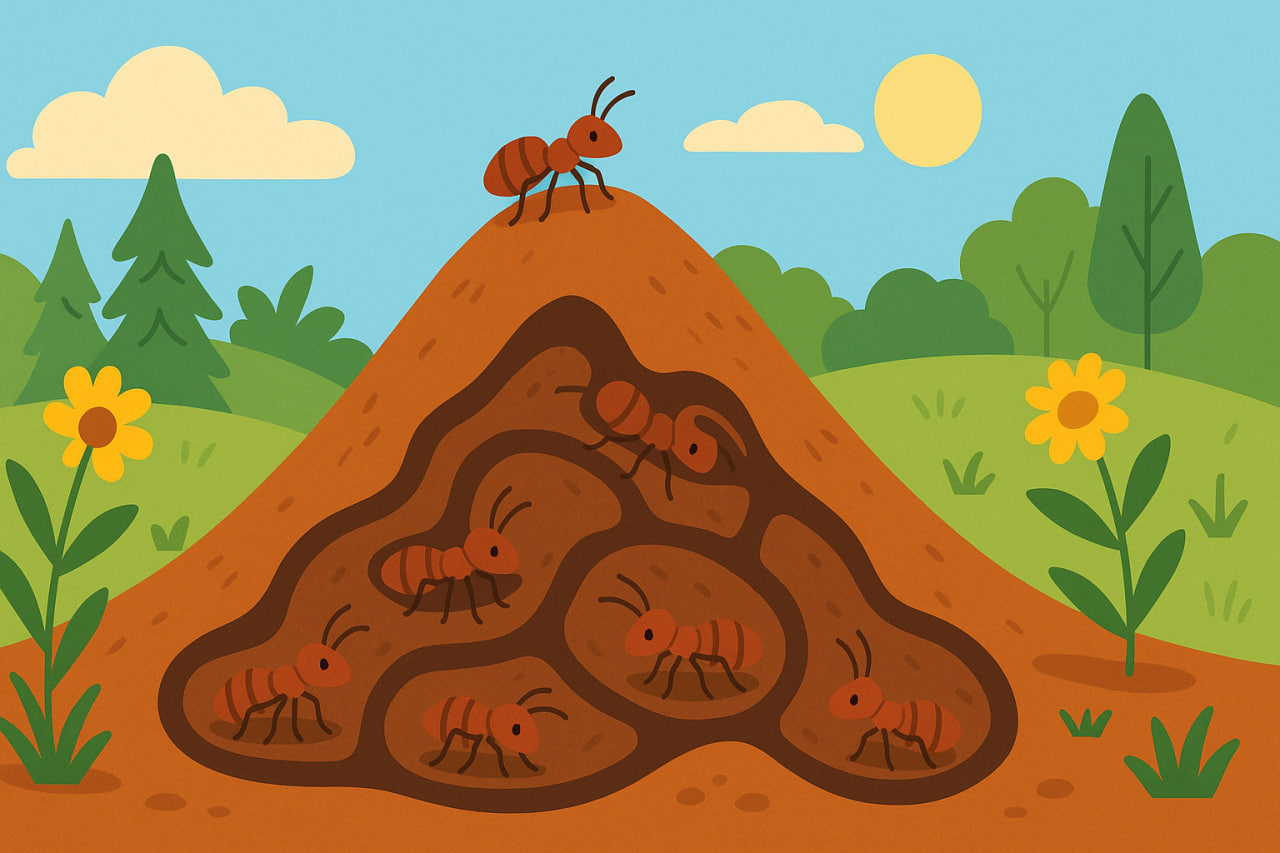
Ant hills are among nature’s most remarkable examples of collective engineering. Built and maintained by thousands of ants, these structures are essential for the survival and growth of their...

Landscape equilibrium is the state of natural balance between the physical, biological, and climatic components of a landscape.
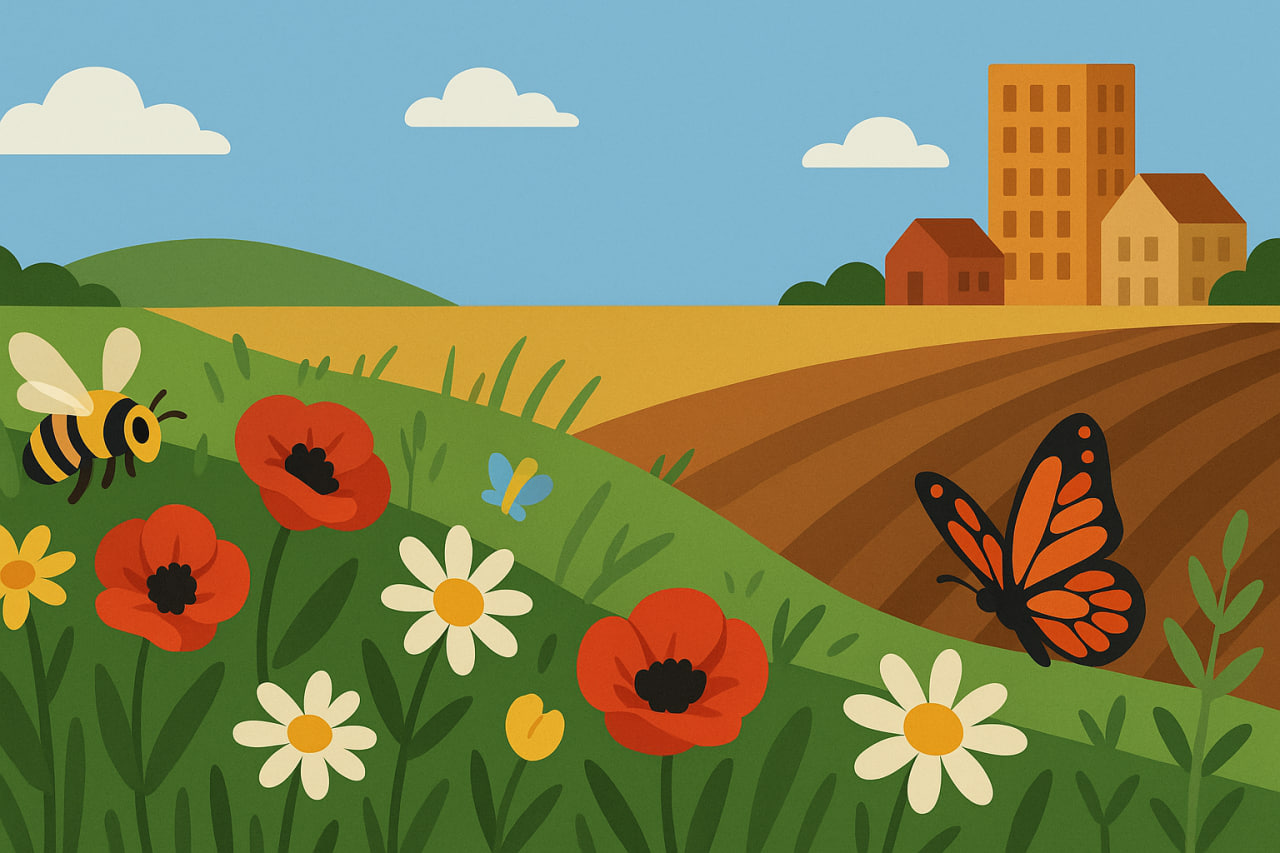
Wild meadows, once widespread across many regions, are now rapidly declining. These natural grasslands host a remarkable diversity of plants, insects, and animals, serving as important...
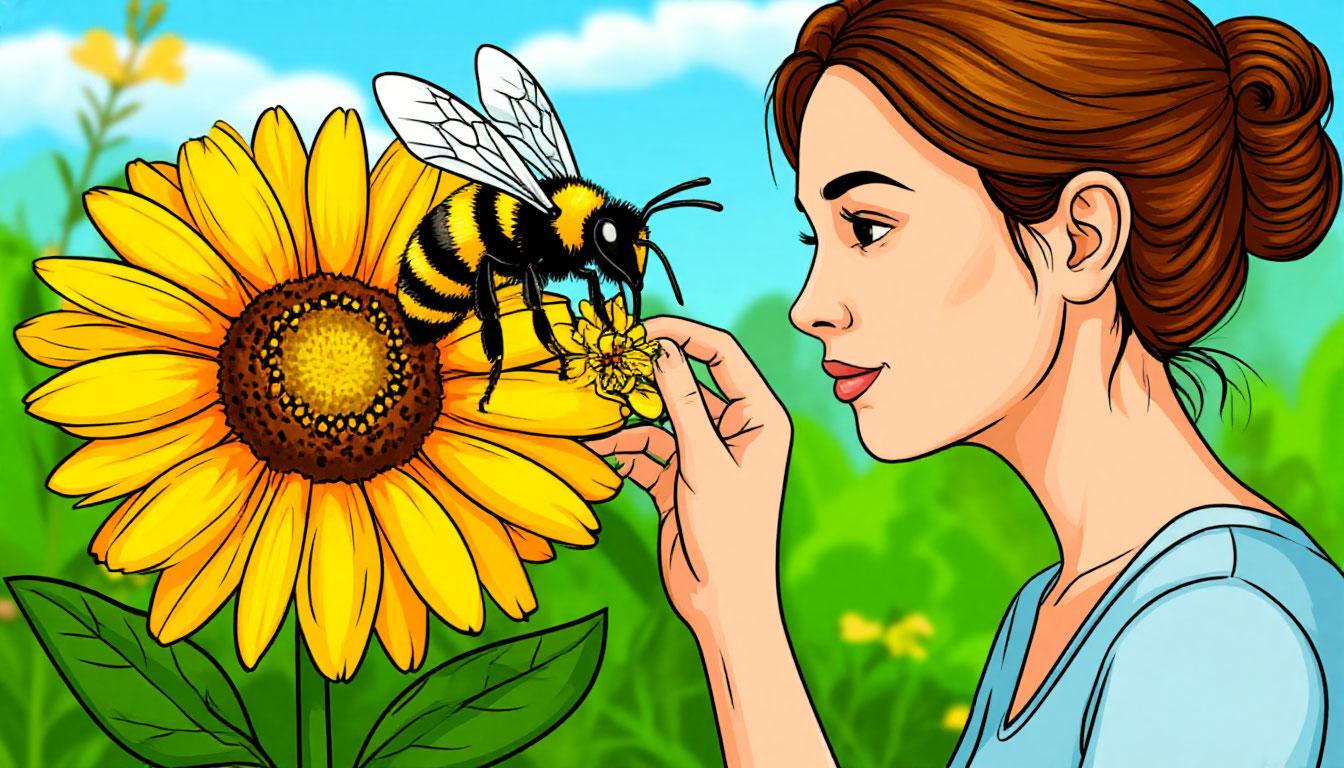
Insects, despite their small size, are among the most influential organisms on Earth.
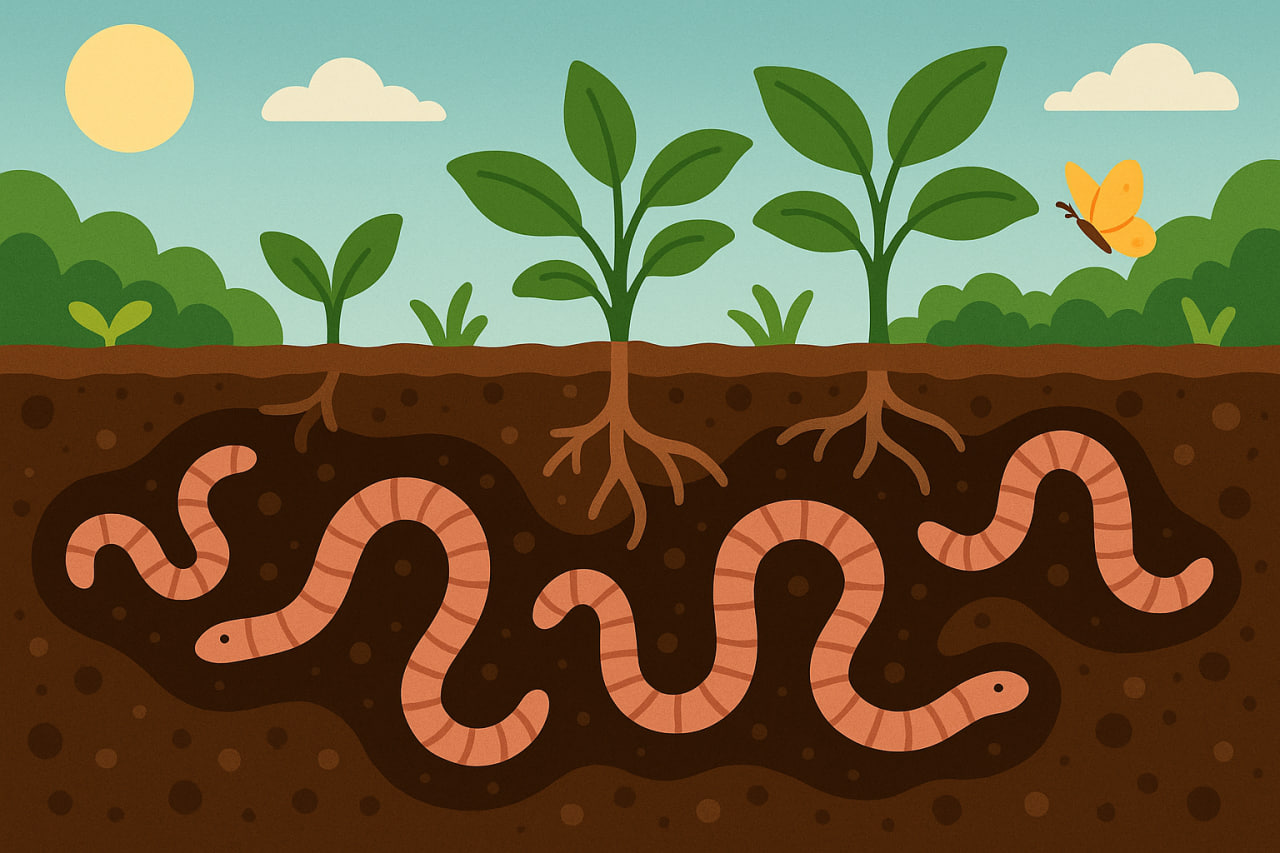
Earthworms are small but mighty engineers of the soil ecosystem. These humble creatures play a crucial role in maintaining soil health, supporting plant growth, and enhancing agricultural...
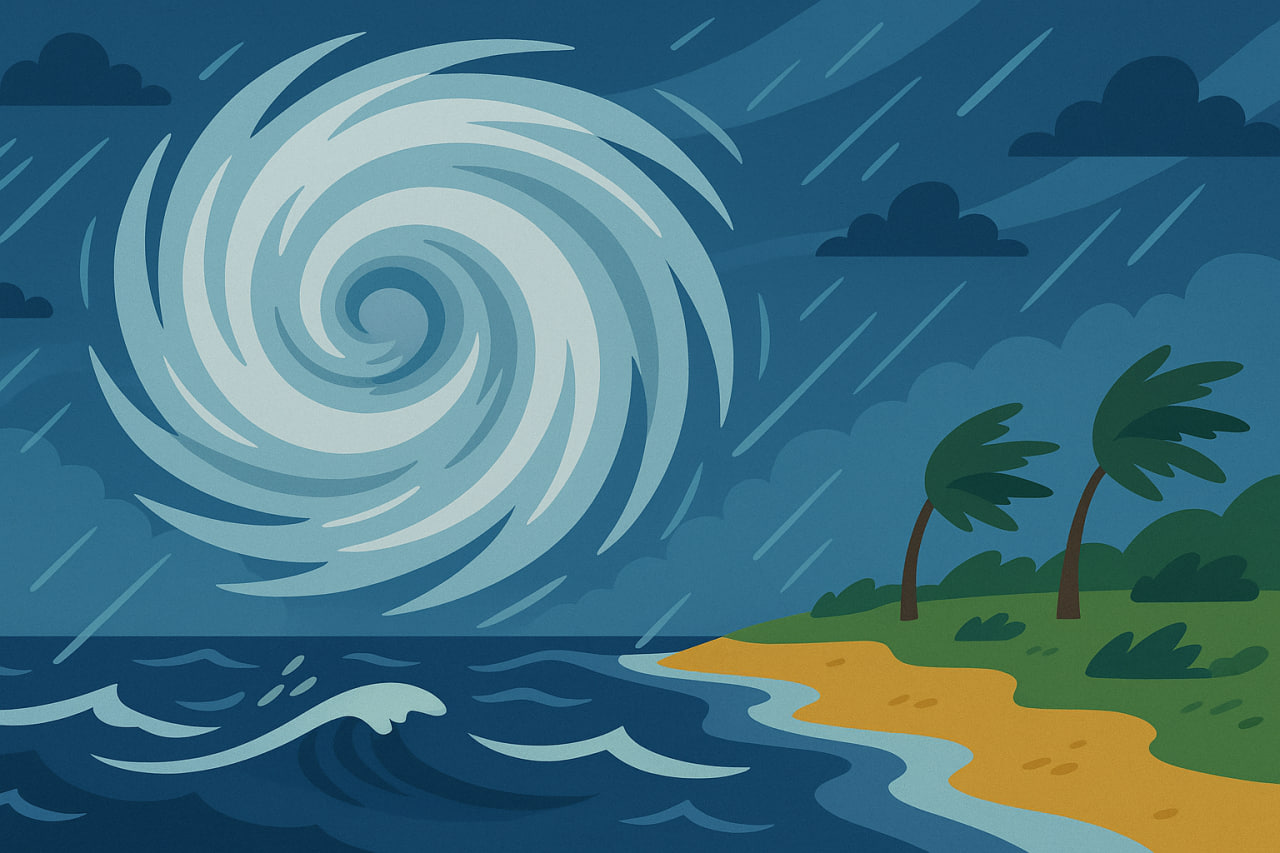
Typhoons and hurricanes are powerful tropical cyclones that form over warm ocean waters.

Equatorial jungles, also known as tropical rainforests, are among the most biologically rich and ecologically important ecosystems on Earth.

Tundra is a unique biome characterized by extreme cold, short growing seasons, and limited biodiversity.
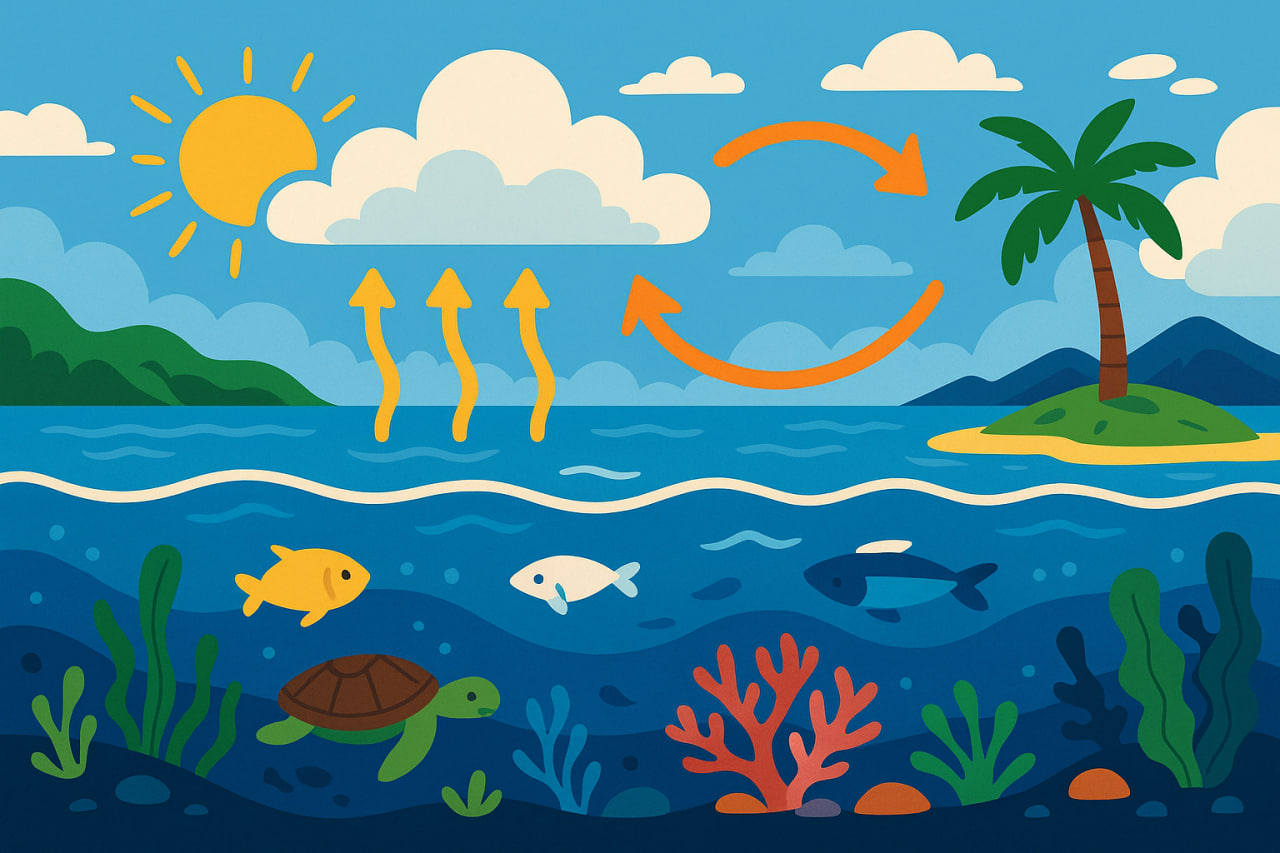
Oceans cover over 70% of Earth’s surface and act as a massive climate regulator. They absorb, store, and redistribute heat, moisture, and carbon dioxide, helping maintain the planet’s...
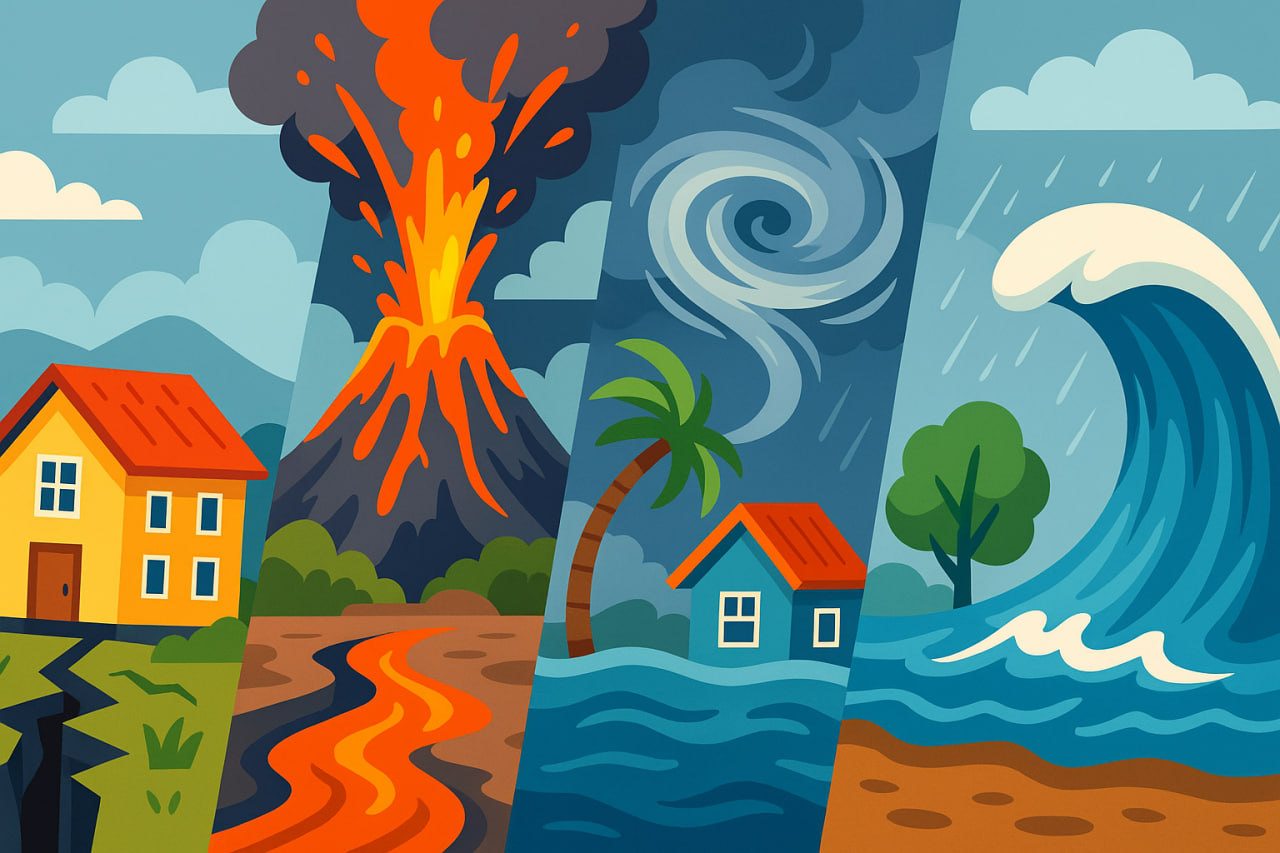
Natural disasters are extreme events caused by natural processes of the Earth that can result in significant damage to life, property, and the environment.