
How Mangrove Forests Work
Mangrove forests are coastal ecosystems found in tropical and subtropical regions, where salt-tolerant trees grow in the intertidal zone.
Useful articles about nature and the world around us
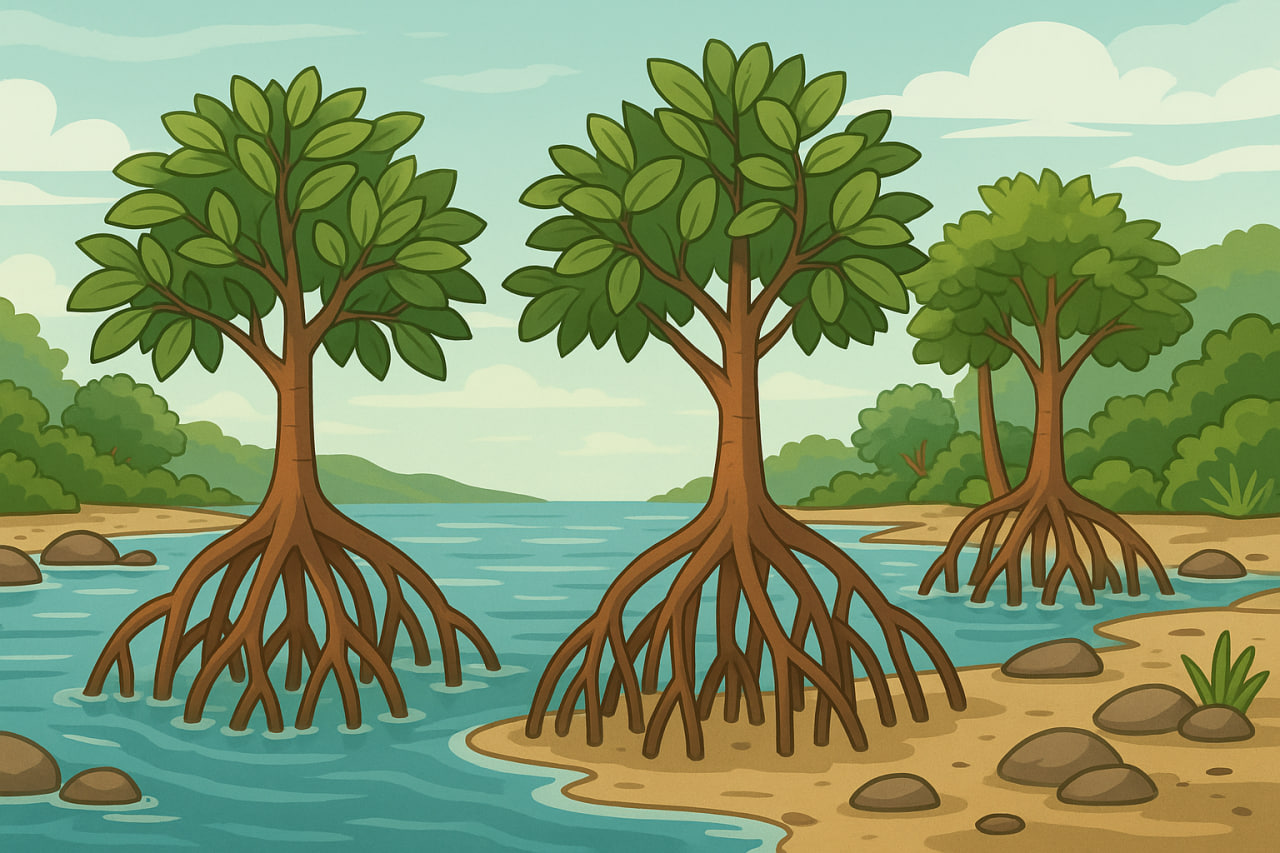
Mangrove forests are coastal ecosystems found in tropical and subtropical regions, where salt-tolerant trees grow in the intertidal zone.
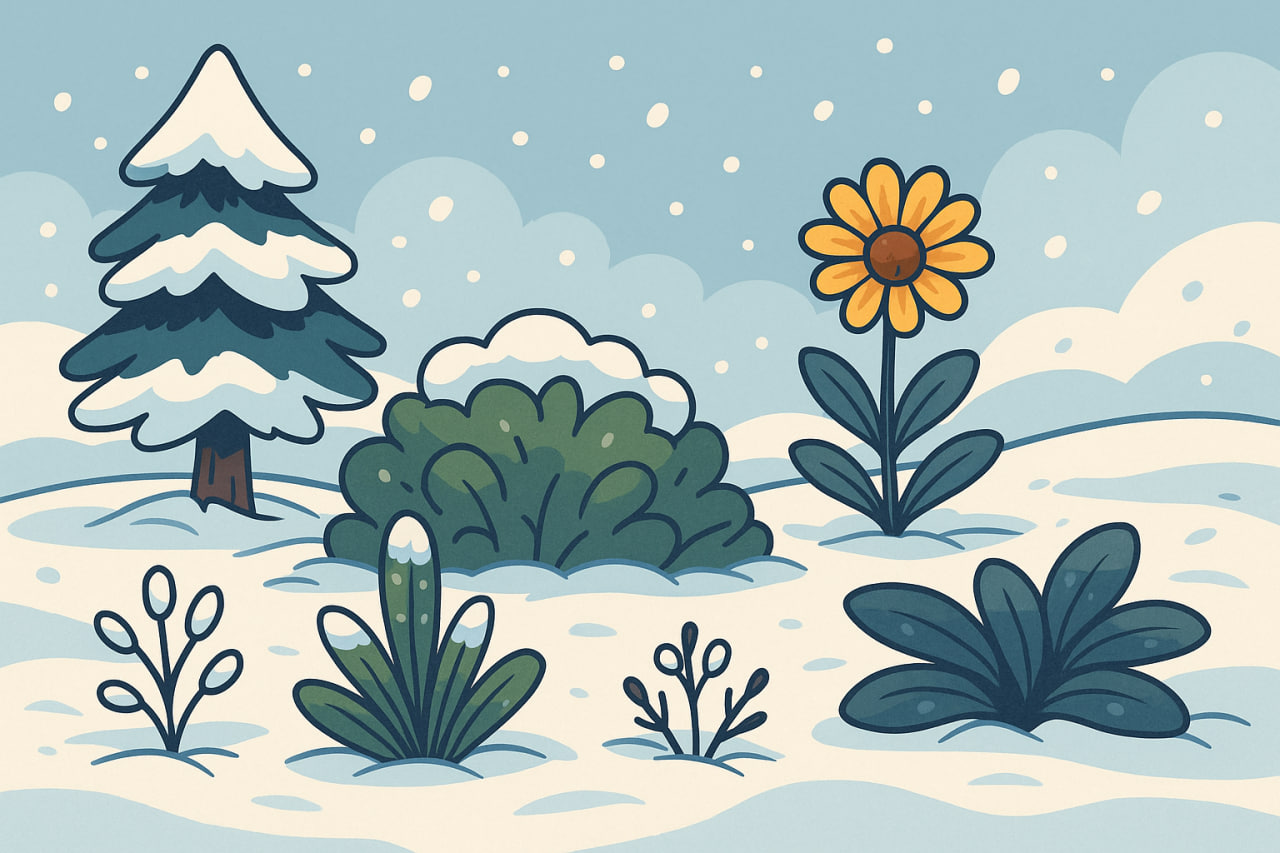
Plants grow in some of the harshest, coldest environments on Earth — from Arctic tundra to high mountain peaks.
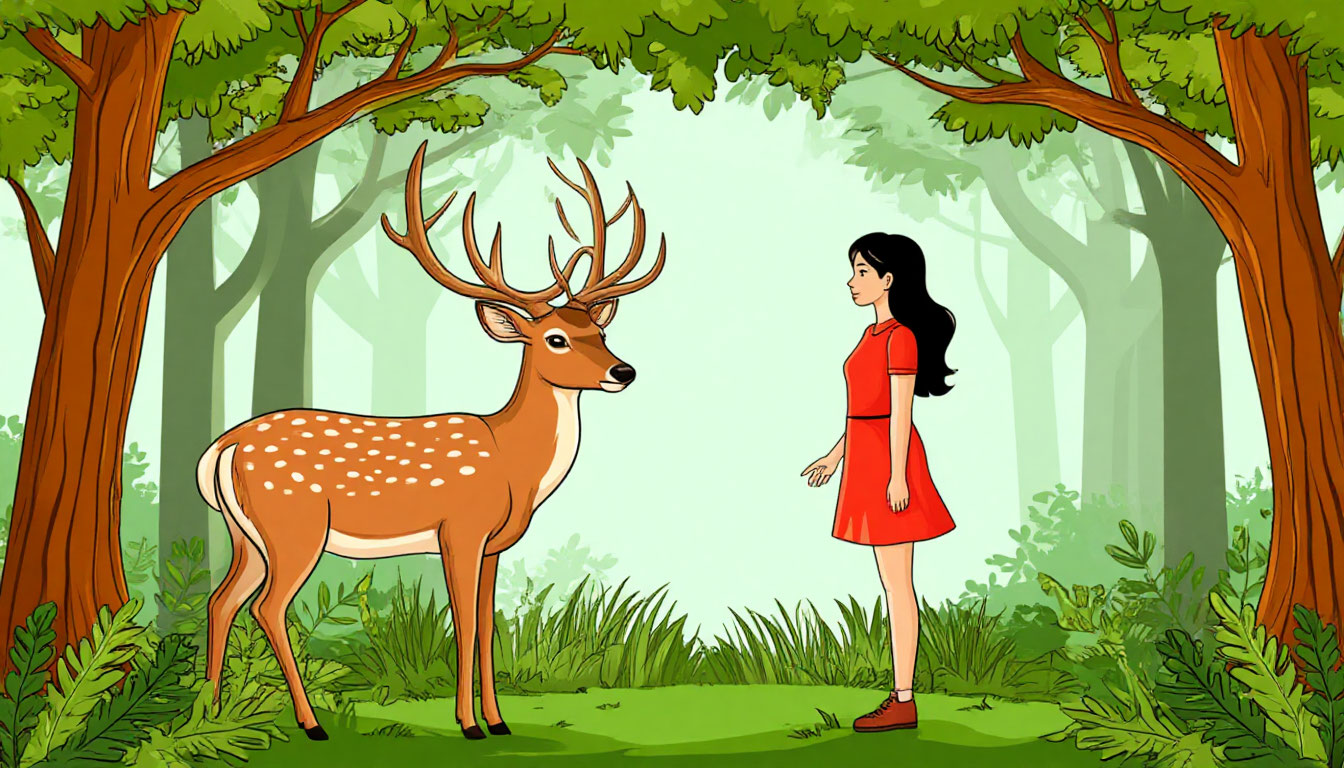
Primary forests, also known as old-growth forests, are woodlands that have developed naturally over long periods without significant human disturbance.
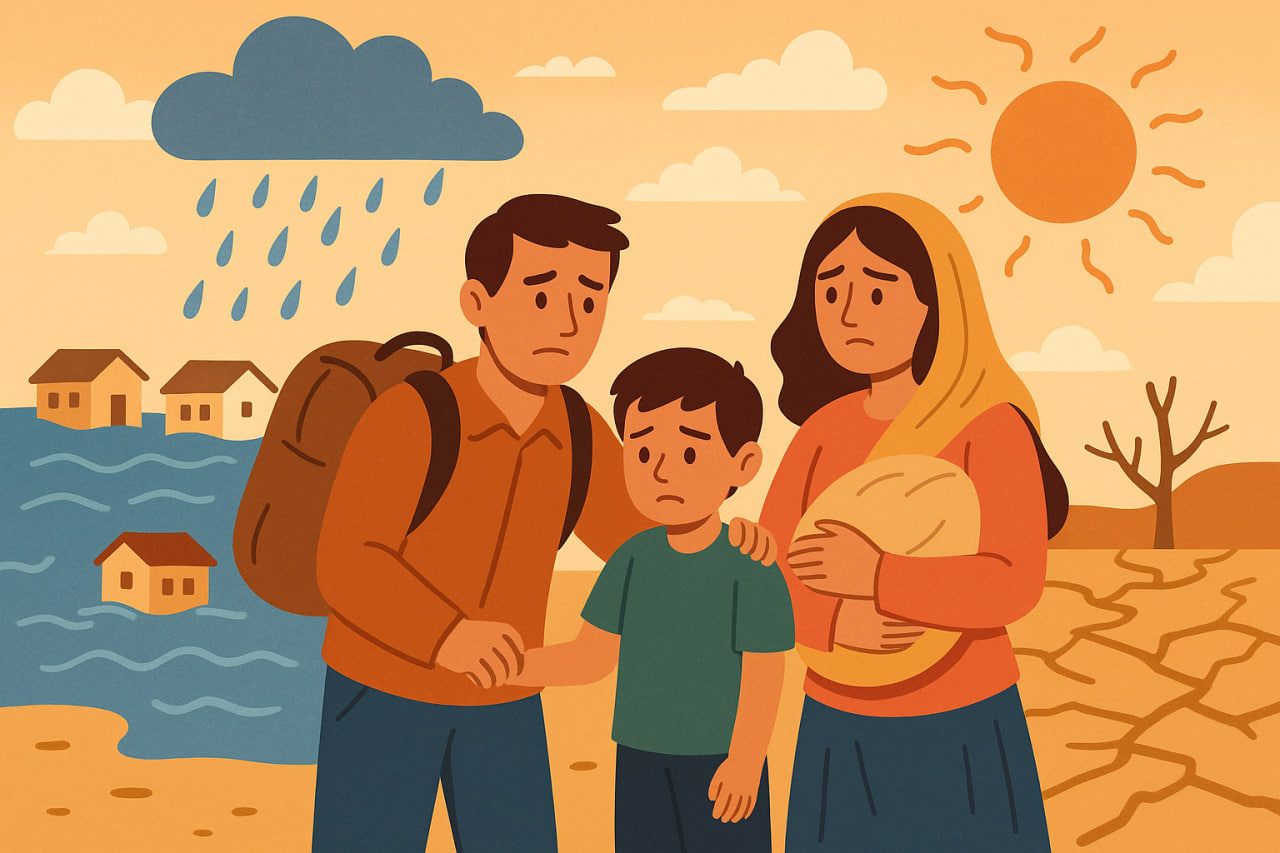
Climate refugees are people forced to leave their homes due to the effects of climate change and environmental disasters.
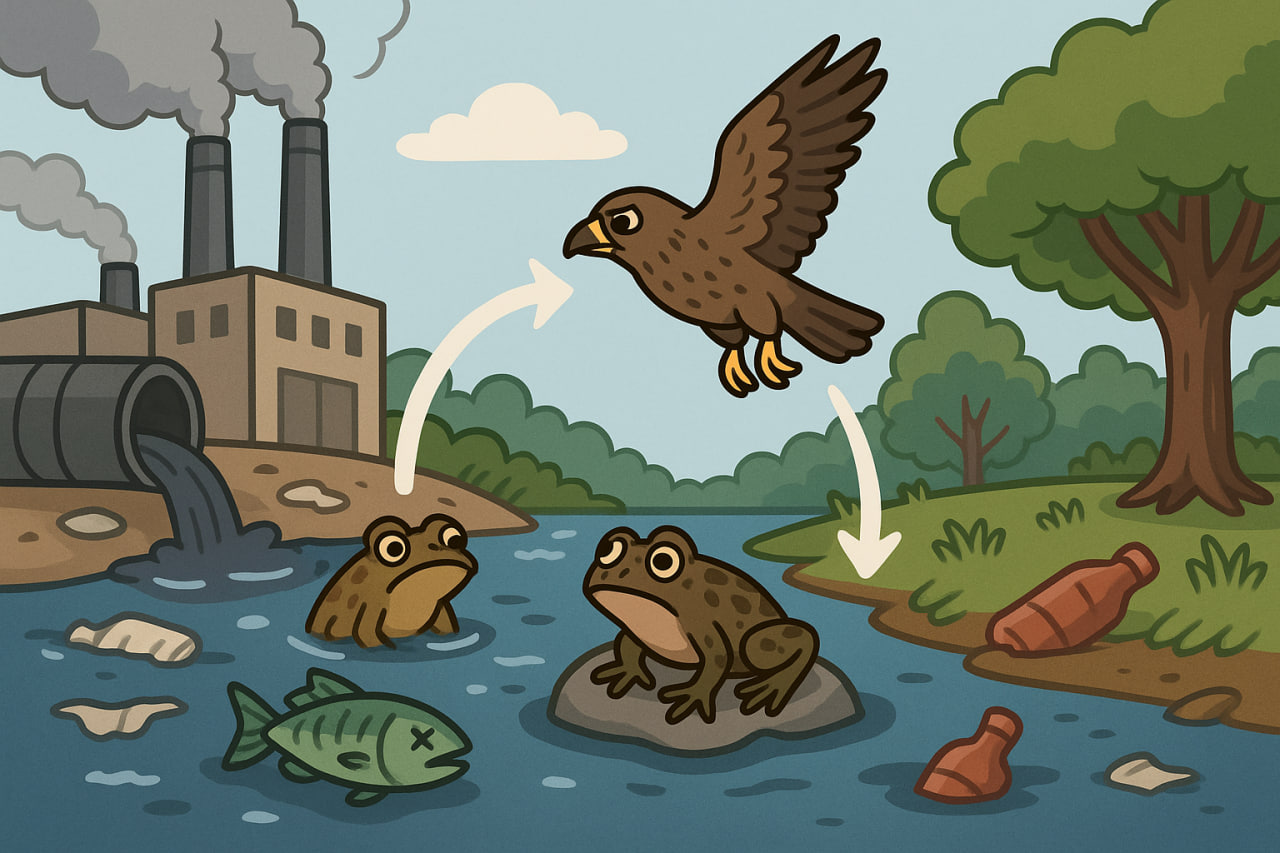
A food chain is the natural sequence in which organisms obtain energy by consuming other organisms.
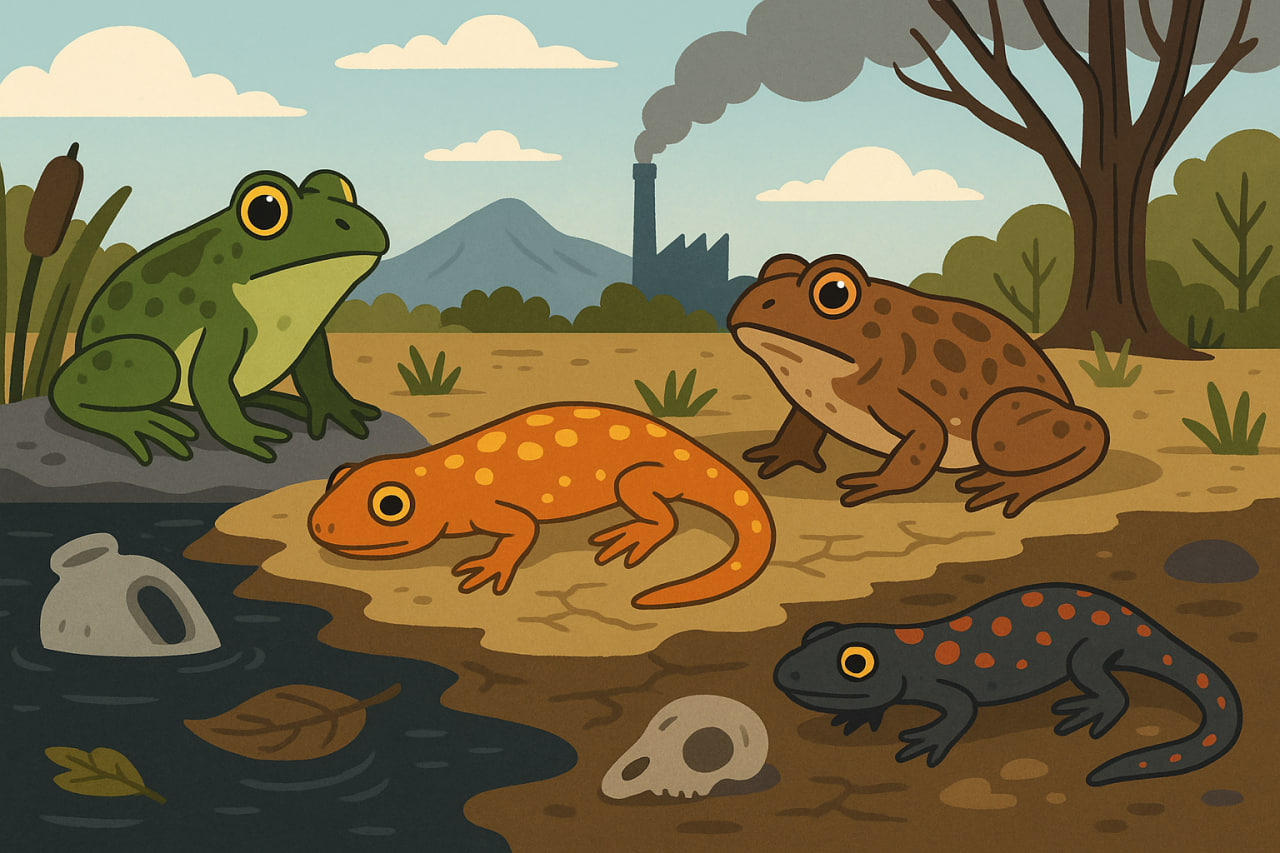
Amphibians — frogs, toads, salamanders, and caecilians — are among the most threatened groups of animals on Earth.

Pollination is the process of transferring pollen from the male part of a flower (anther) to the female part (stigma), enabling fertilization and seed production.
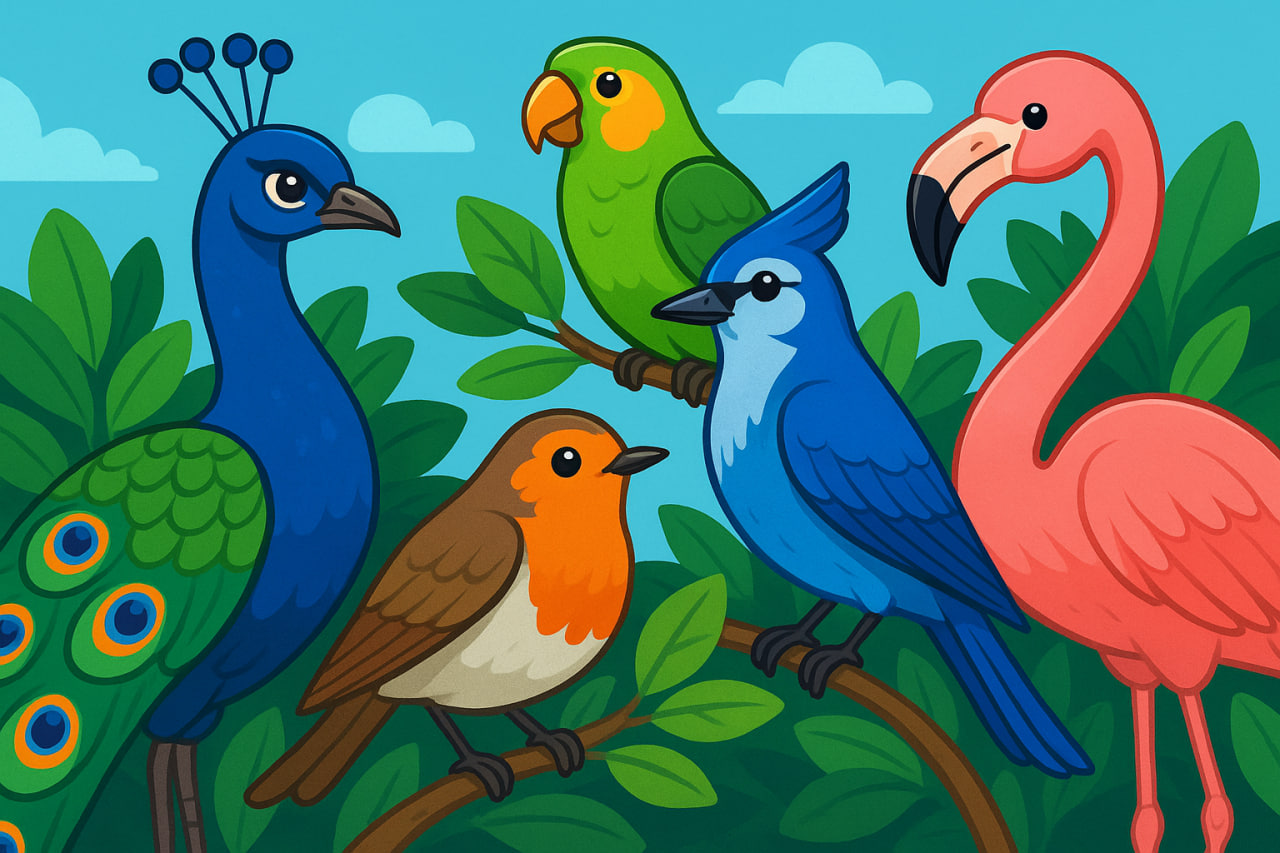
Bird feathers come in an astonishing variety of colors, patterns, and textures. While these features make birds beautiful to observe, they are not just for decoration — the colors serve vital...
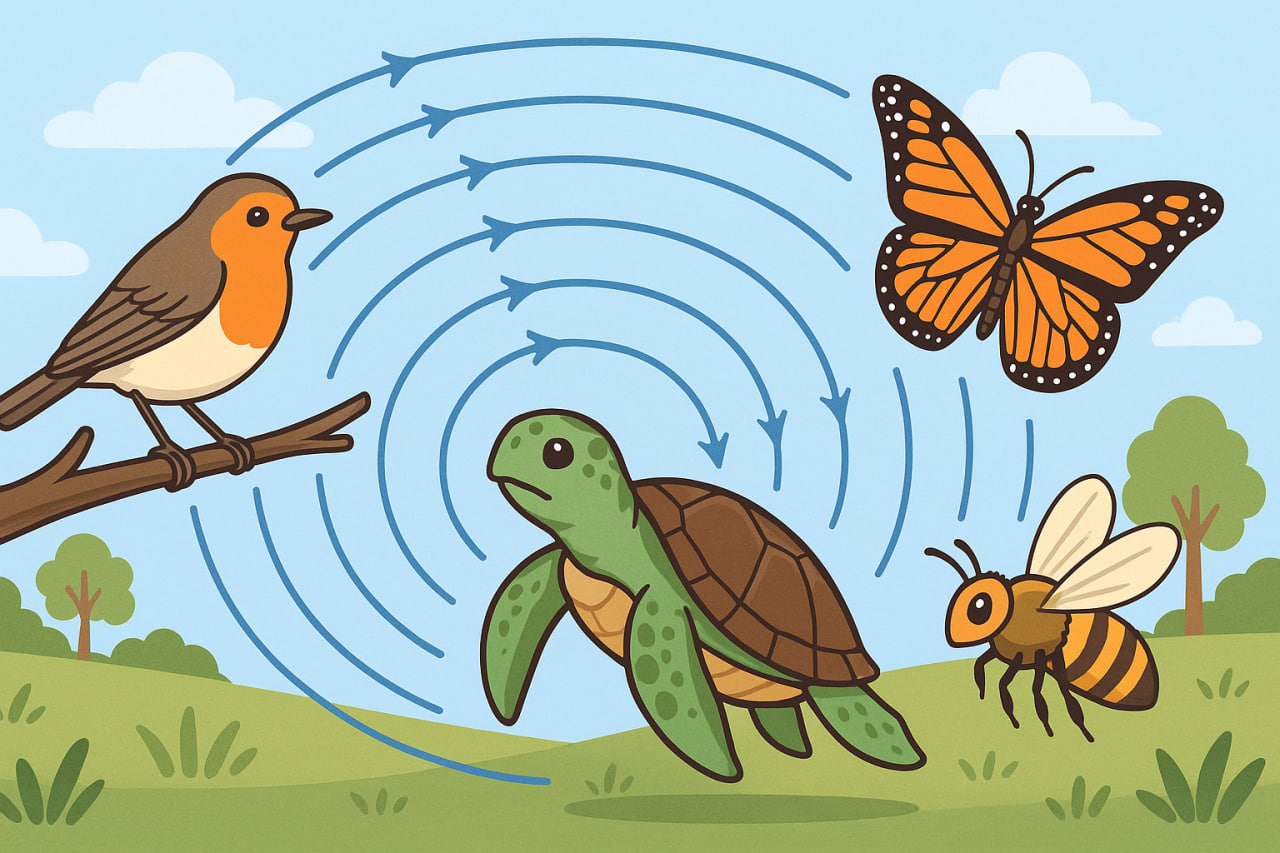
The Earth’s magnetic field is an invisible force that surrounds our planet, created by the movement of molten iron in its core.
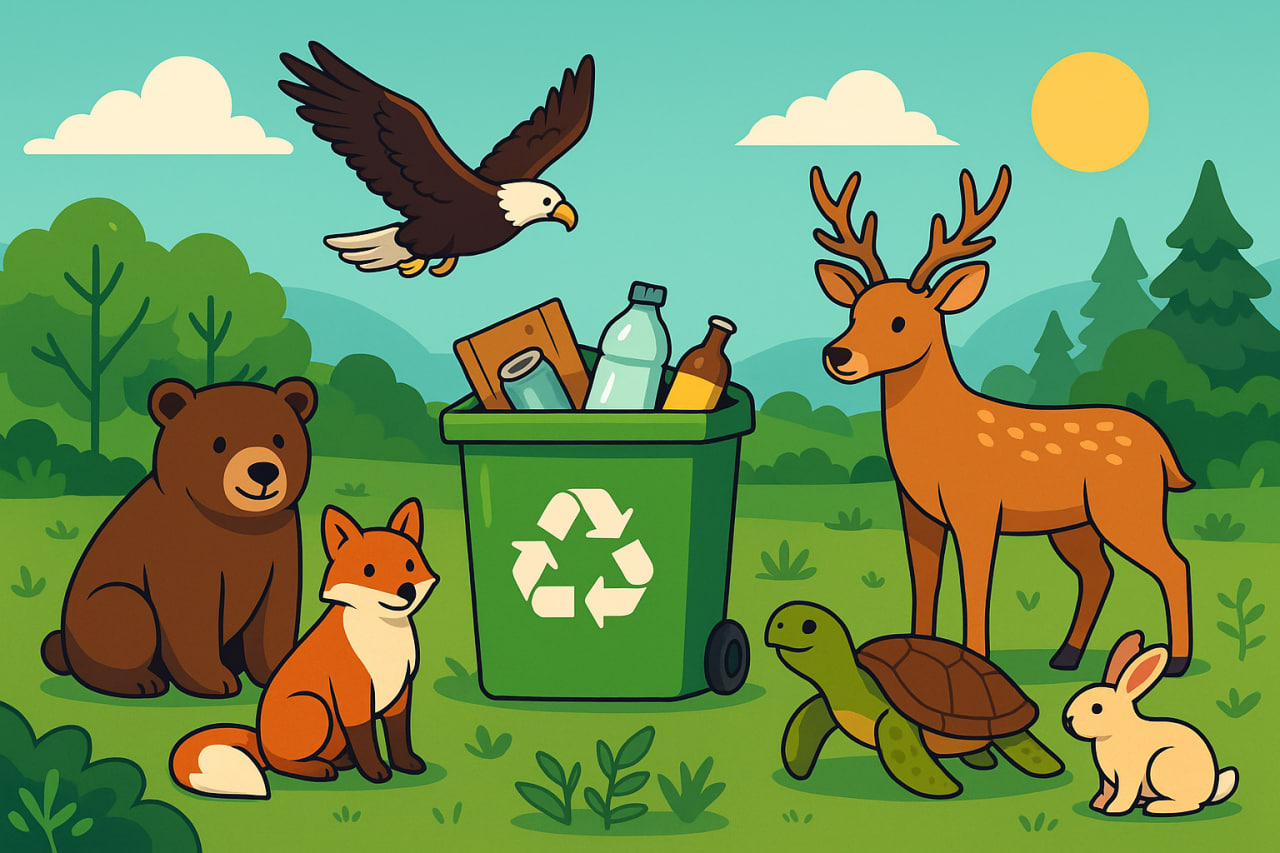
Recycling is often seen as an environmental responsibility that reduces landfill waste, conserves resources, and saves energy. But its role in protecting animals is equally important.