
Oceans and Their Inhabitants: The Heart of Earth's Ecosystem
Oceans cover more than 70% of the Earth’s surface and are home to the largest and most diverse ecosystems on the planet.
Useful articles about nature and the world around us

Oceans cover more than 70% of the Earth’s surface and are home to the largest and most diverse ecosystems on the planet.
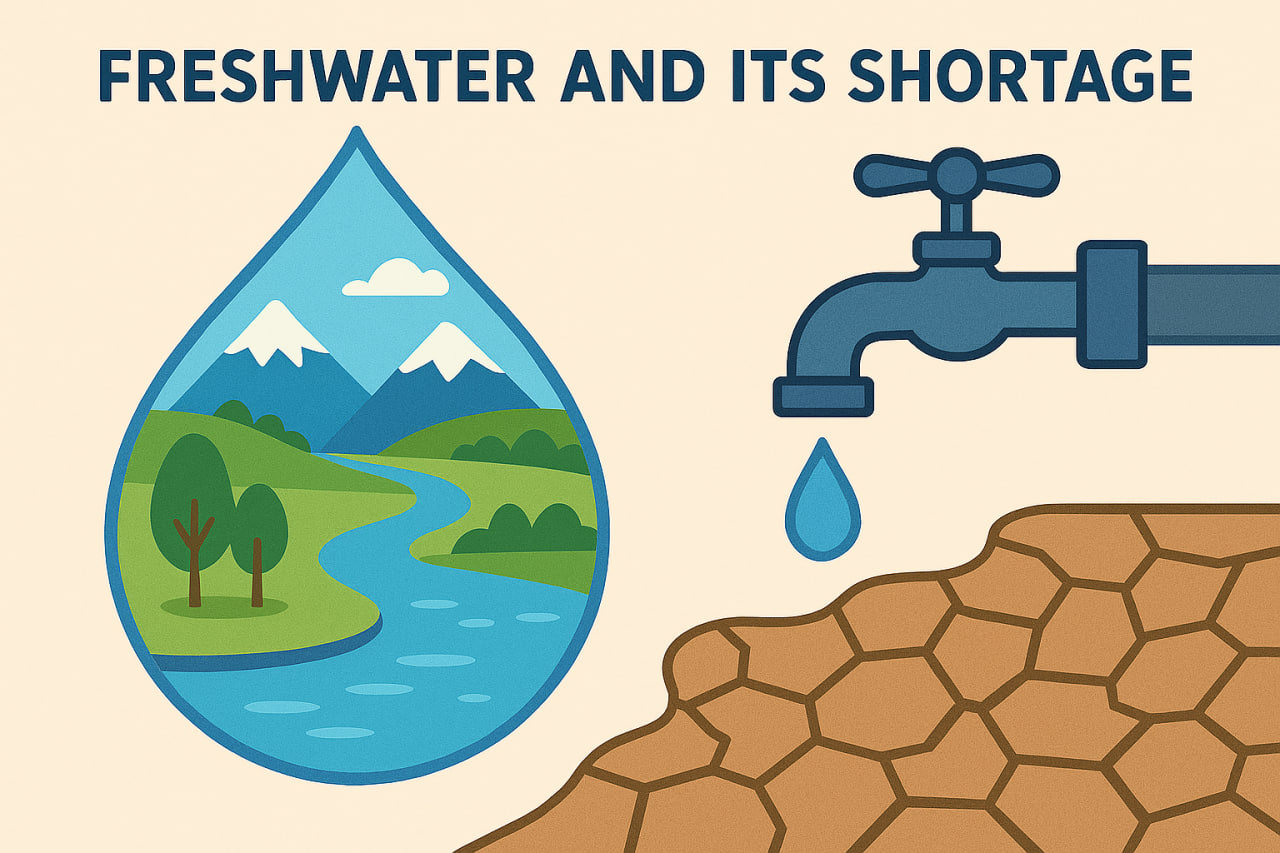
Freshwater is essential for all known forms of life. It makes up only about 2.5% of all water on Earth, and just a fraction of that is accessible for human use.
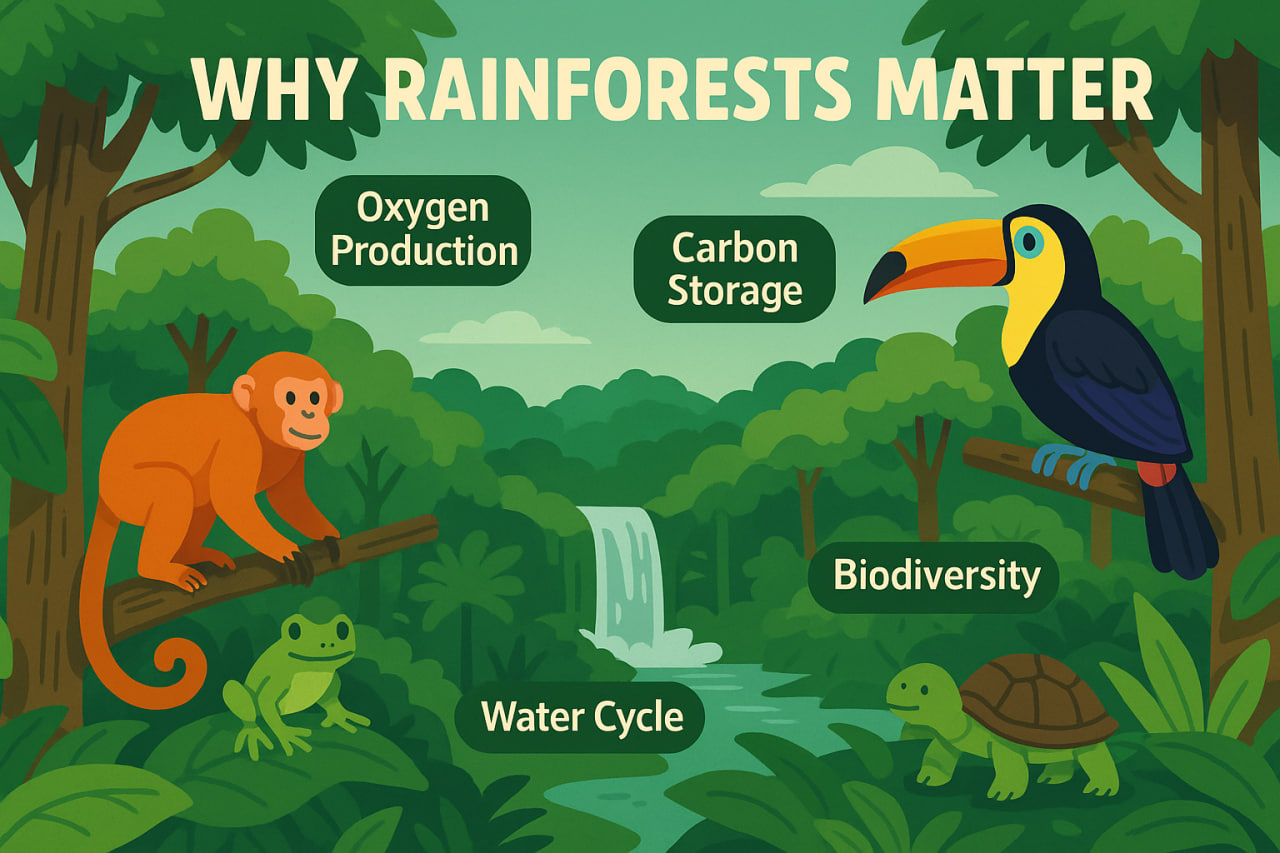
Rainforests are among the most vibrant and essential ecosystems on our planet. Although they cover only about 6% of Earth's surface, they support over half of all known species of plants and...
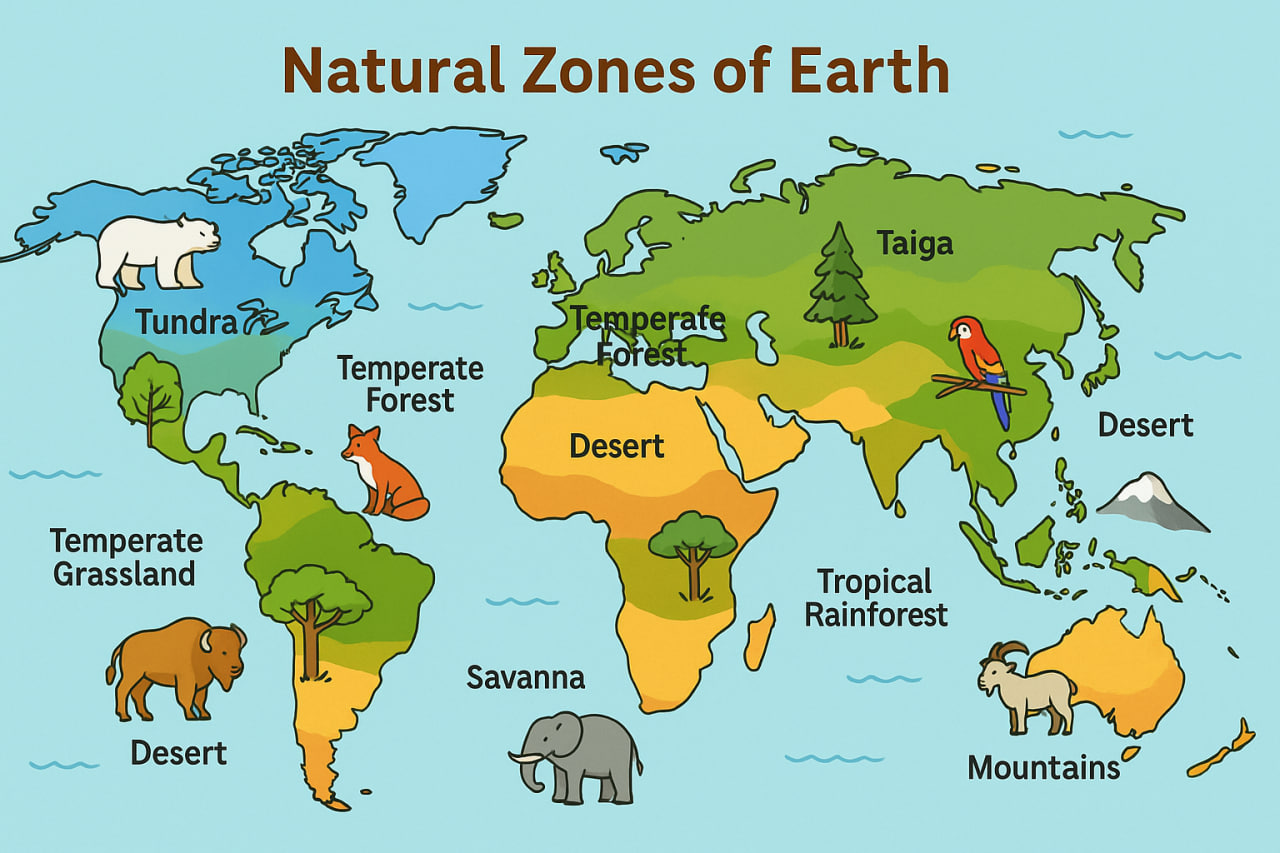
Earth is home to an incredible variety of landscapes, climates, and life forms. These differences are organized into natural zones—large geographic areas with distinct climates, soil types...
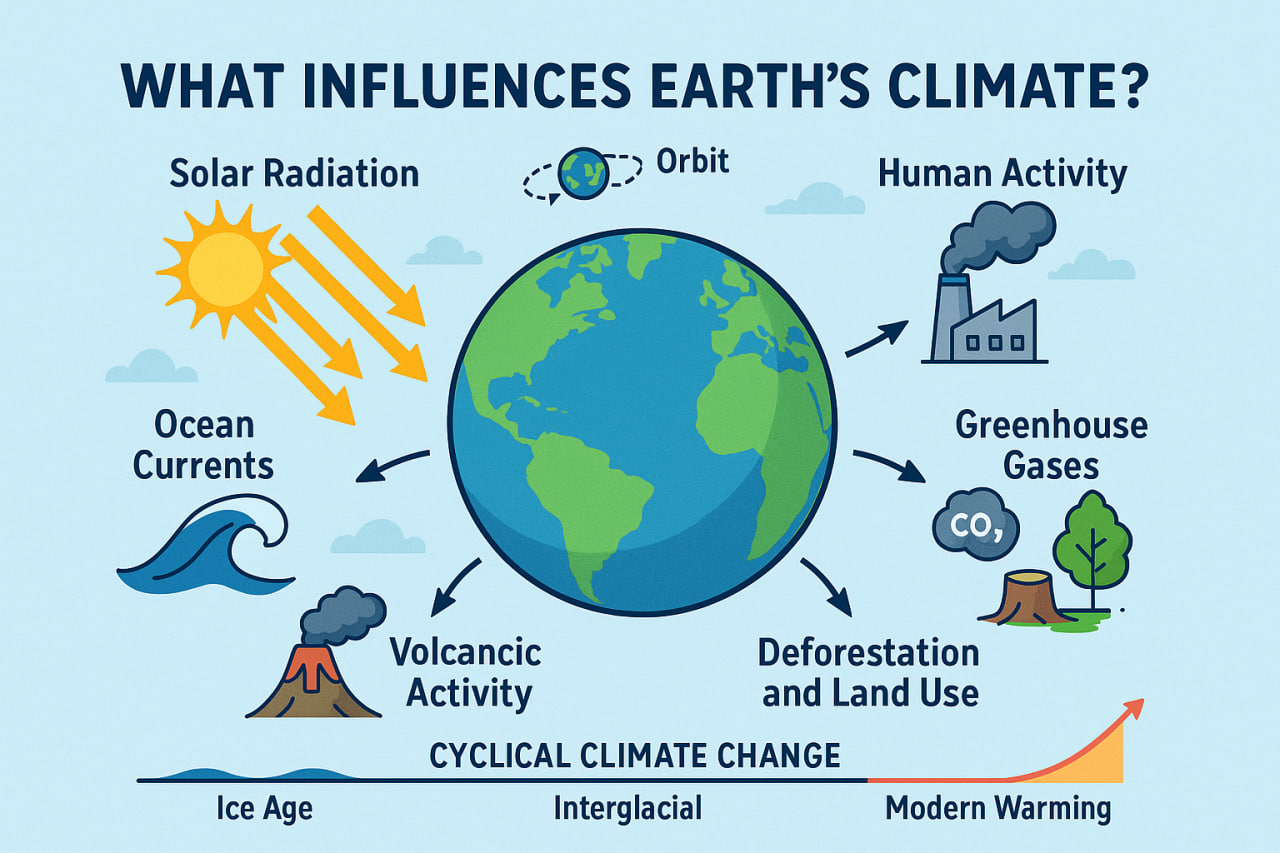
Climate is the long-term pattern of temperature, humidity, wind, and precipitation in a given region.
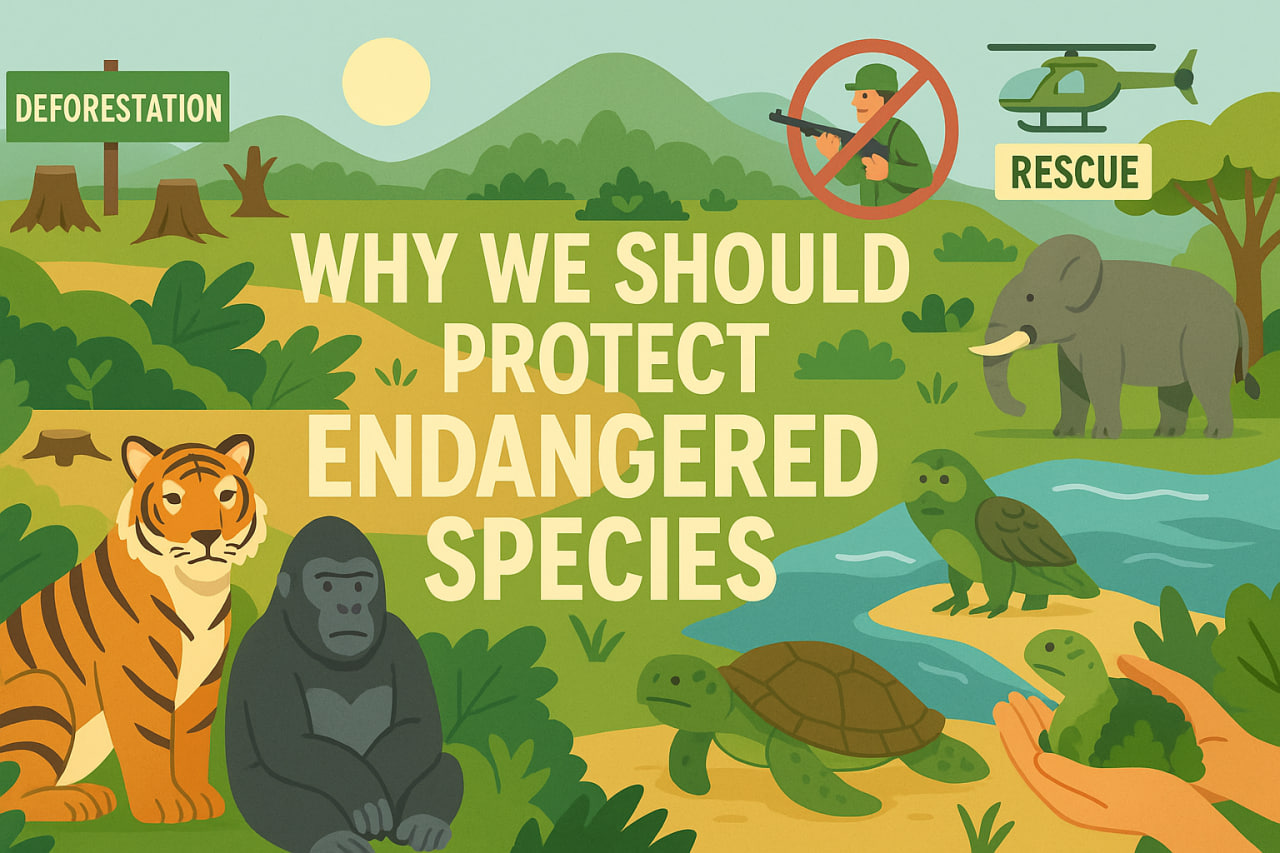
Across the globe, thousands of species are at risk of disappearing forever. From iconic animals like tigers and elephants to lesser-known frogs, birds, and plants, Earth’s biodiversity is...
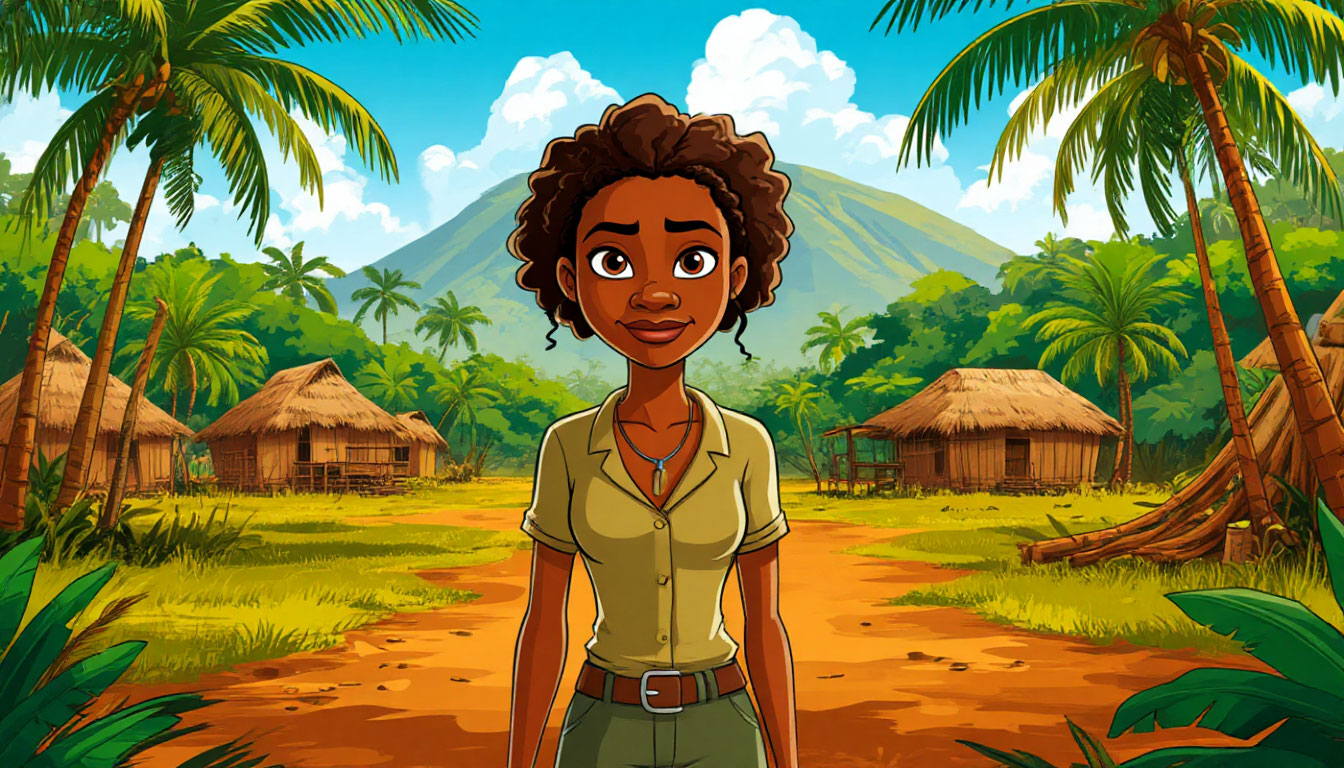
Madagascar is the fourth largest island in the world, located in the Indian Ocean off the southeastern coast of Africa.
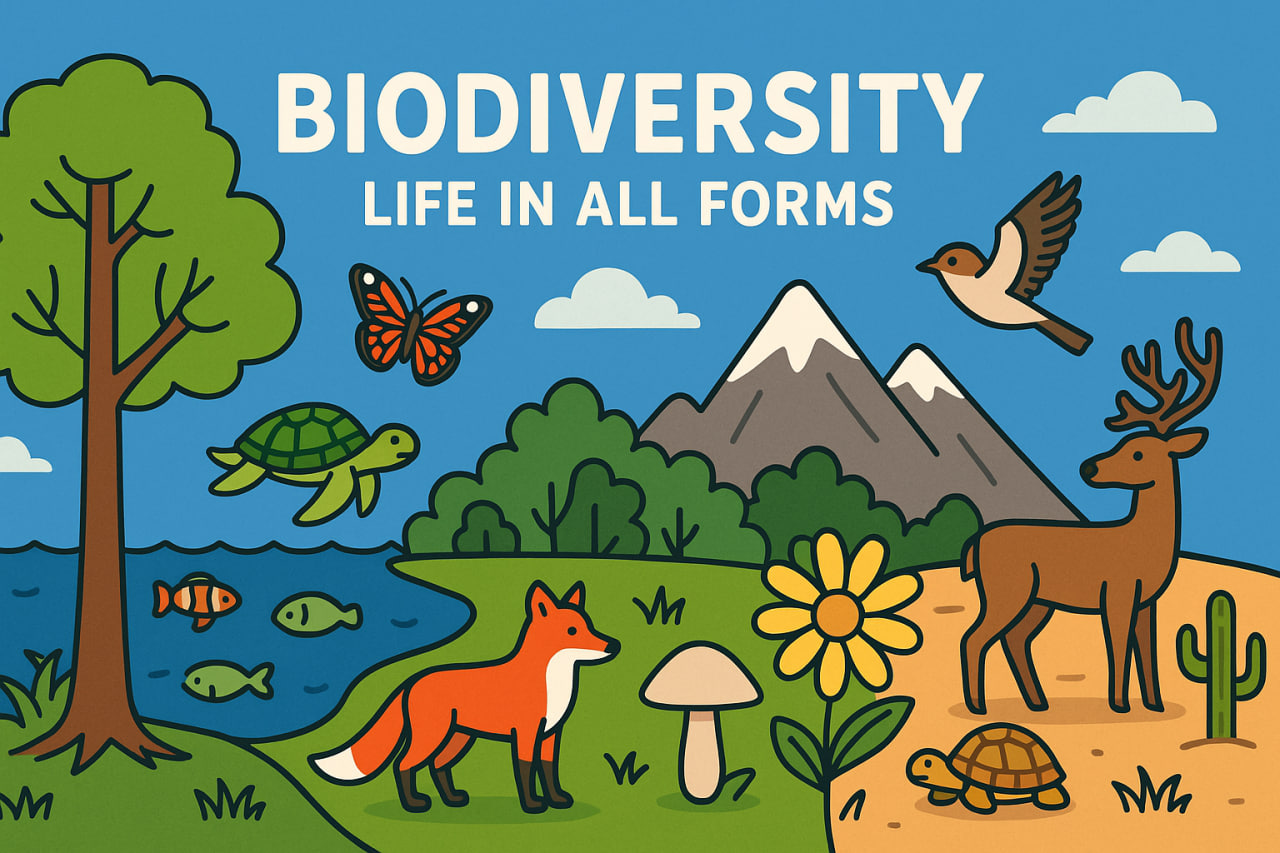
Biodiversity, or biological diversity, refers to the variety of life on Earth. It includes all plants, animals, fungi, and microorganisms, the ecosystems they form, and the genetic variation...
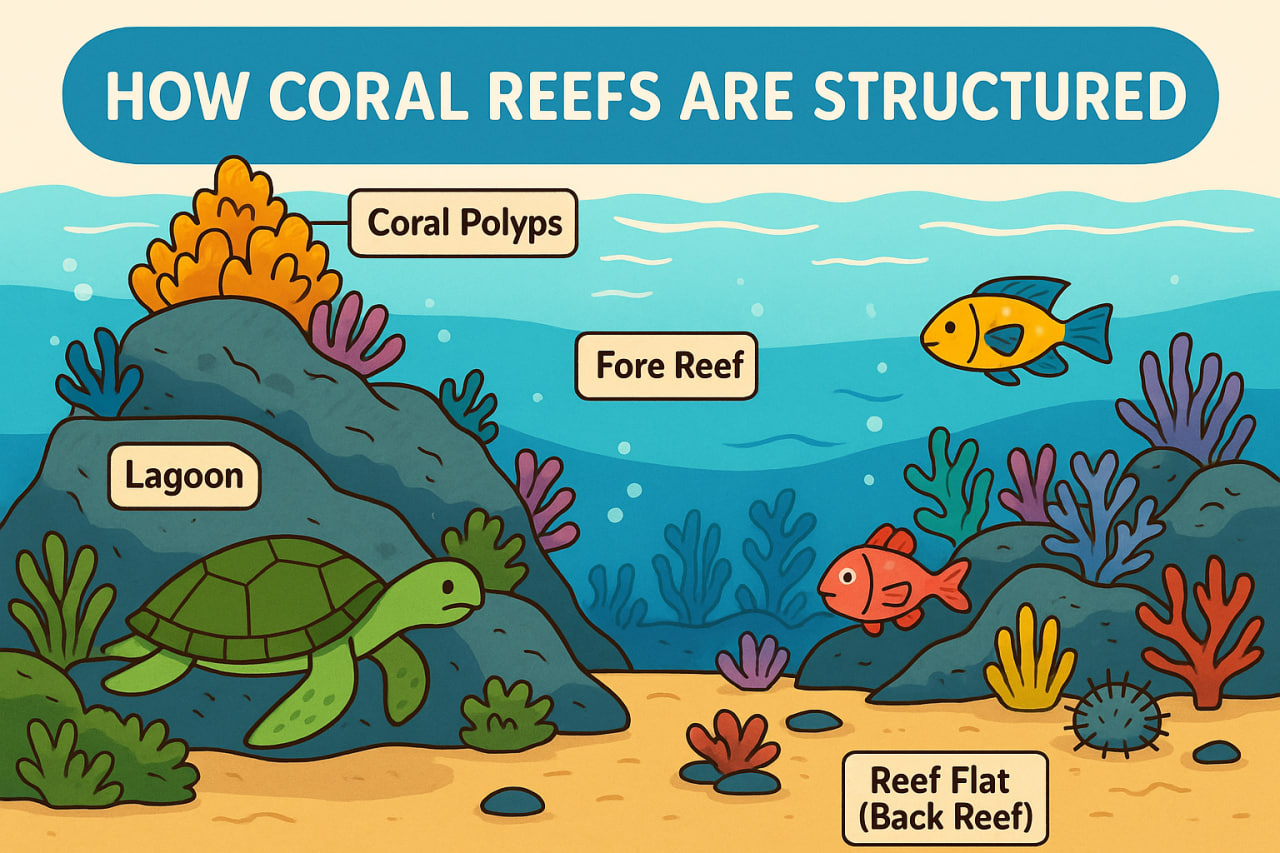
Coral reefs are often called the rainforests of the sea, and for good reason. These vibrant underwater ecosystems are home to an extraordinary variety of life.
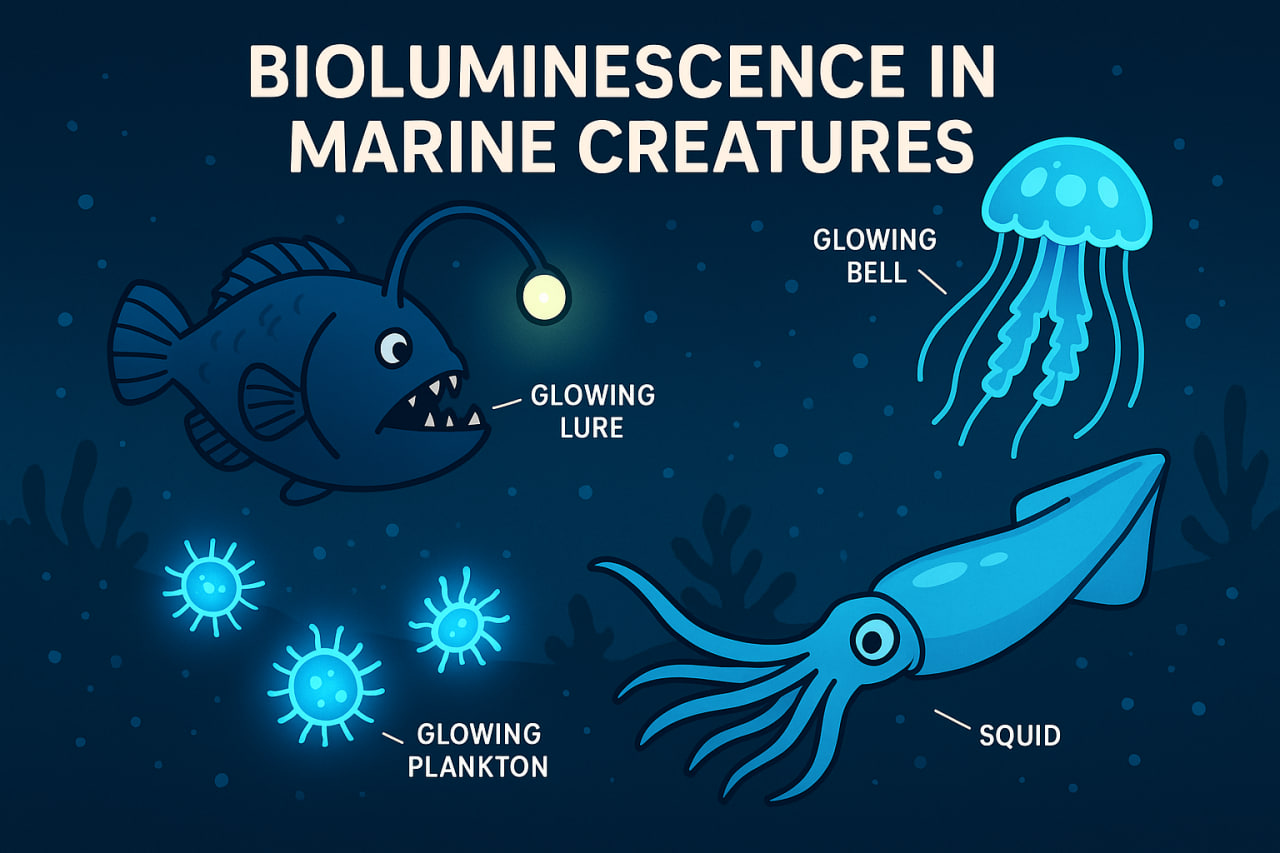
Beneath the ocean’s surface lies a world illuminated by light that doesn't come from the Sun.