
How Ecosystems Work: The Web of Life on Earth
An ecosystem is a dynamic community of living organisms interacting with one another and with their physical environment.
Useful articles about nature and the world around us
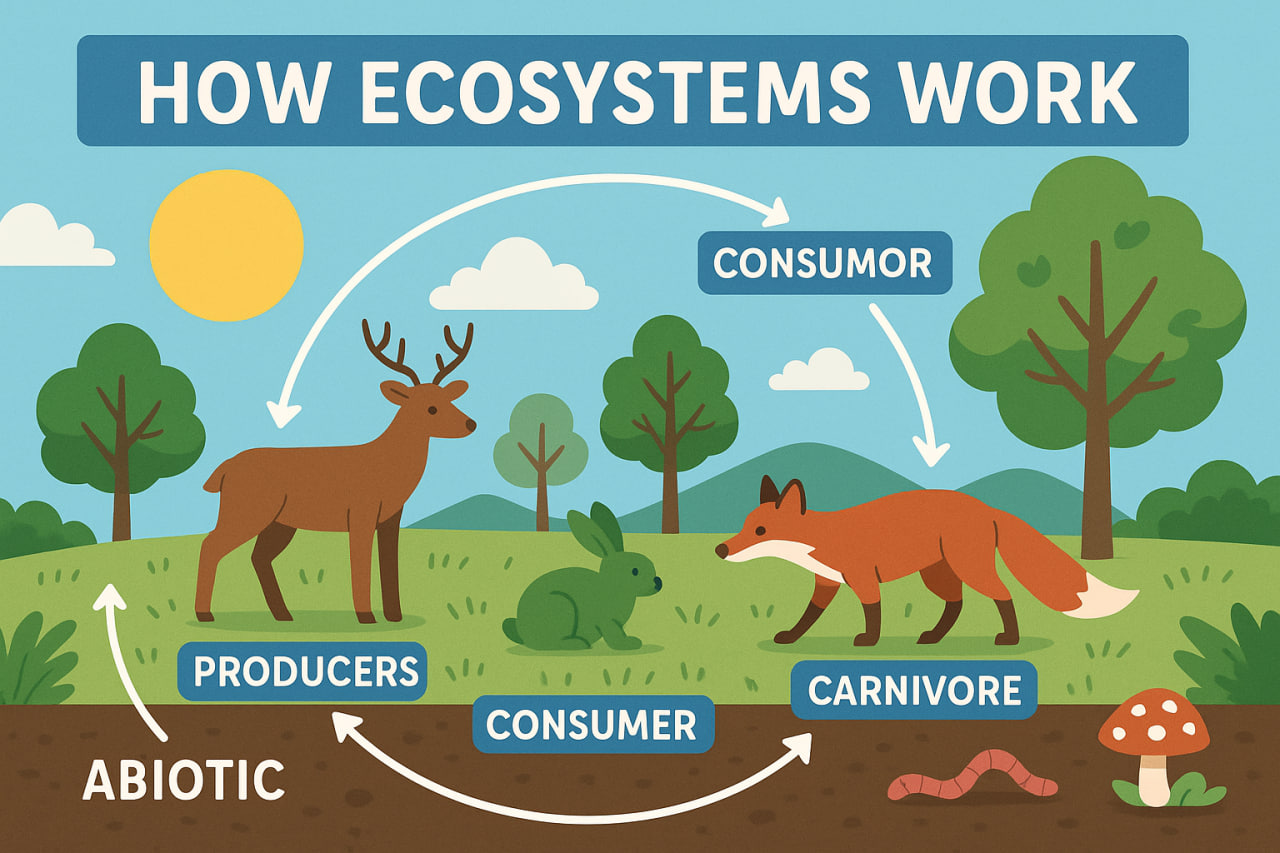
An ecosystem is a dynamic community of living organisms interacting with one another and with their physical environment.
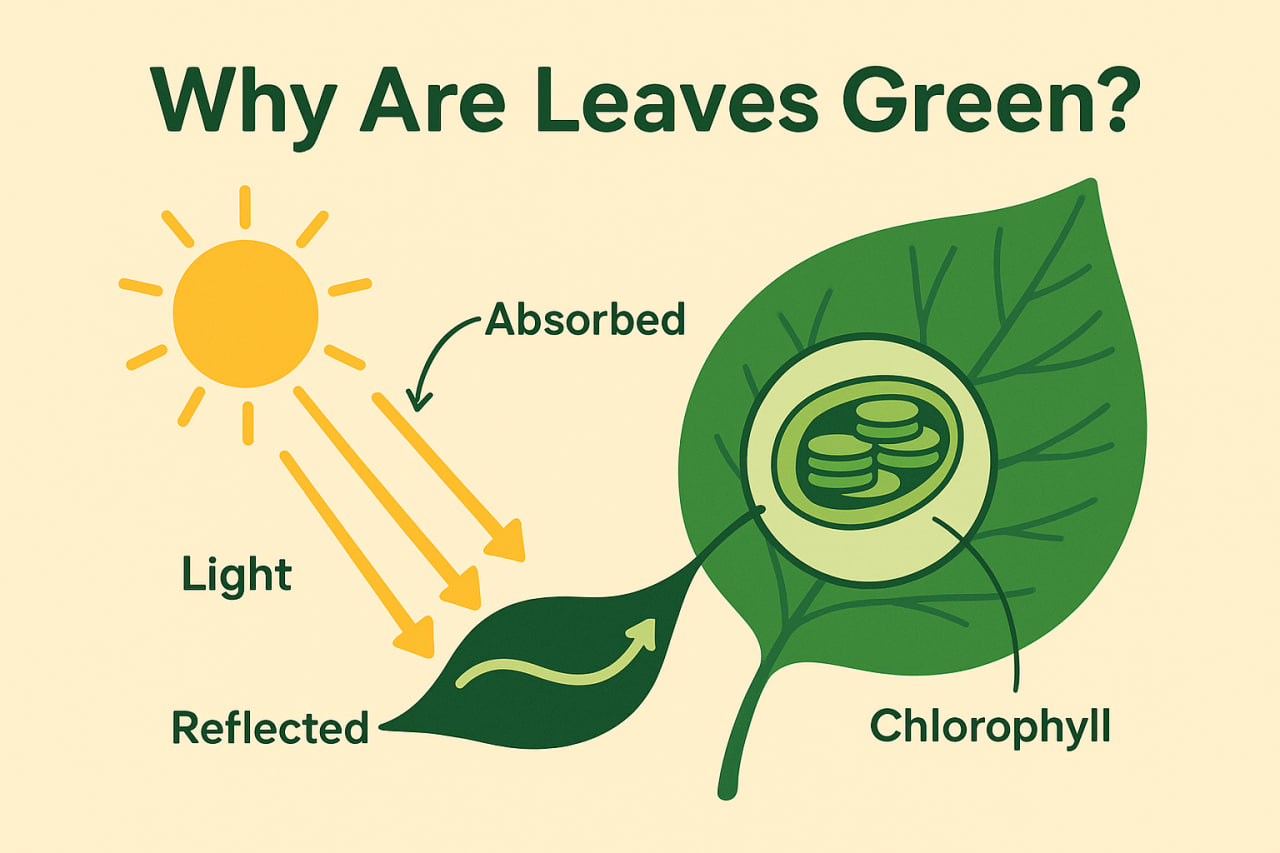
When you walk through a forest or look at a garden, one of the most common colors you’ll see is green. But why are leaves green and not blue, red, or purple?
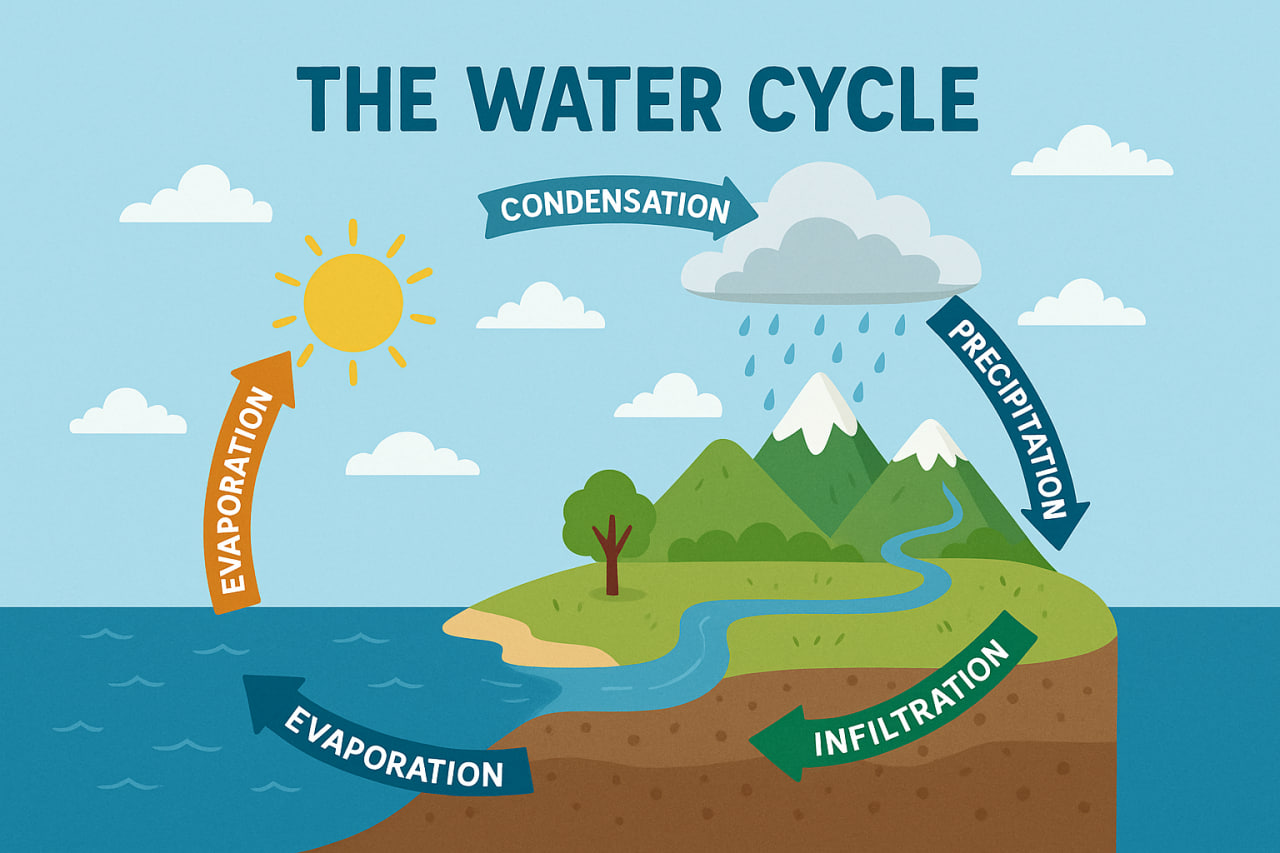
Water is constantly on the move. It flows, evaporates, freezes, melts, and condenses in a repeating loop that supports all life on Earth.

Finding a stray or abandoned kitten can be an emotional experience. Whether the kitten is alone on the street, in your yard, or near a building, it’s essential to know what to do to ensure...
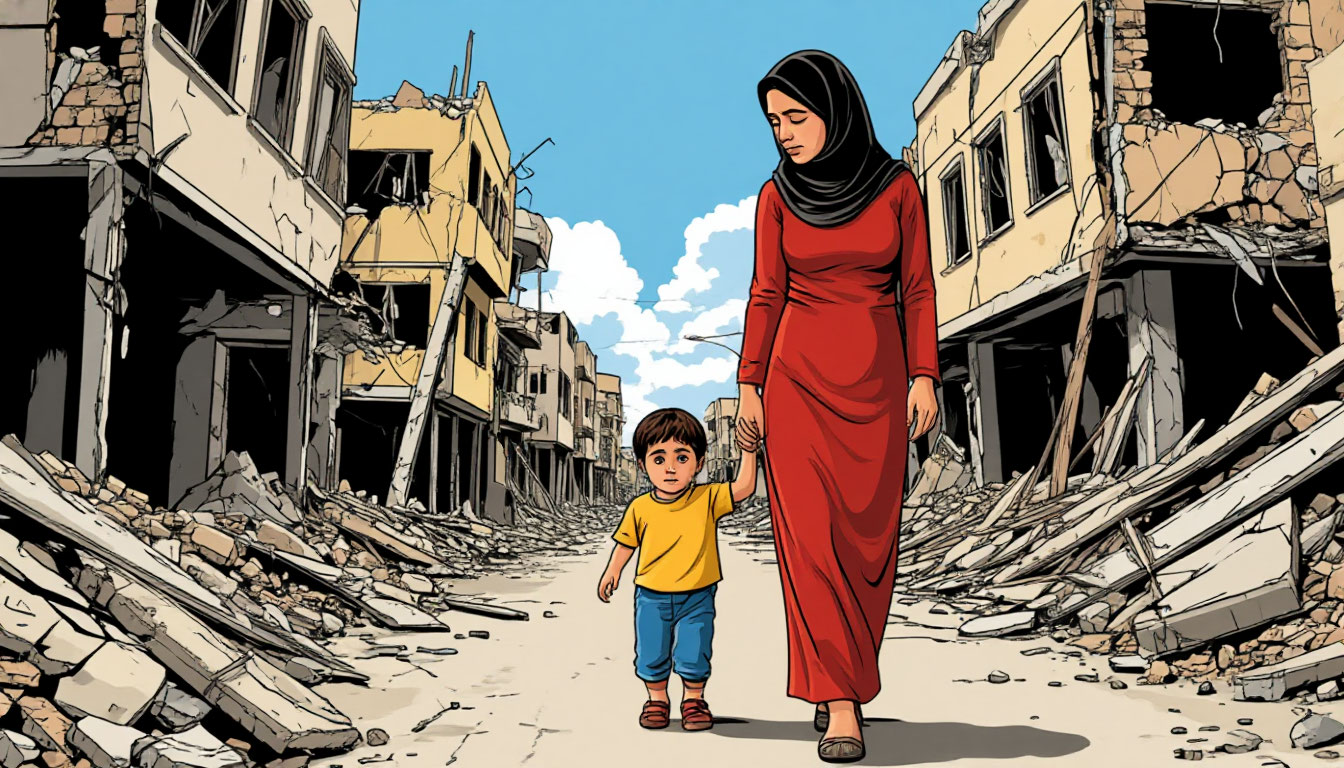
Japan sits along the Pacific Ring of Fire and is prone to powerful seismic events. Among the gravest threats is a mega‑earthquake (magnitude 8–9) in the Nankai Trough, an undersea trench off...
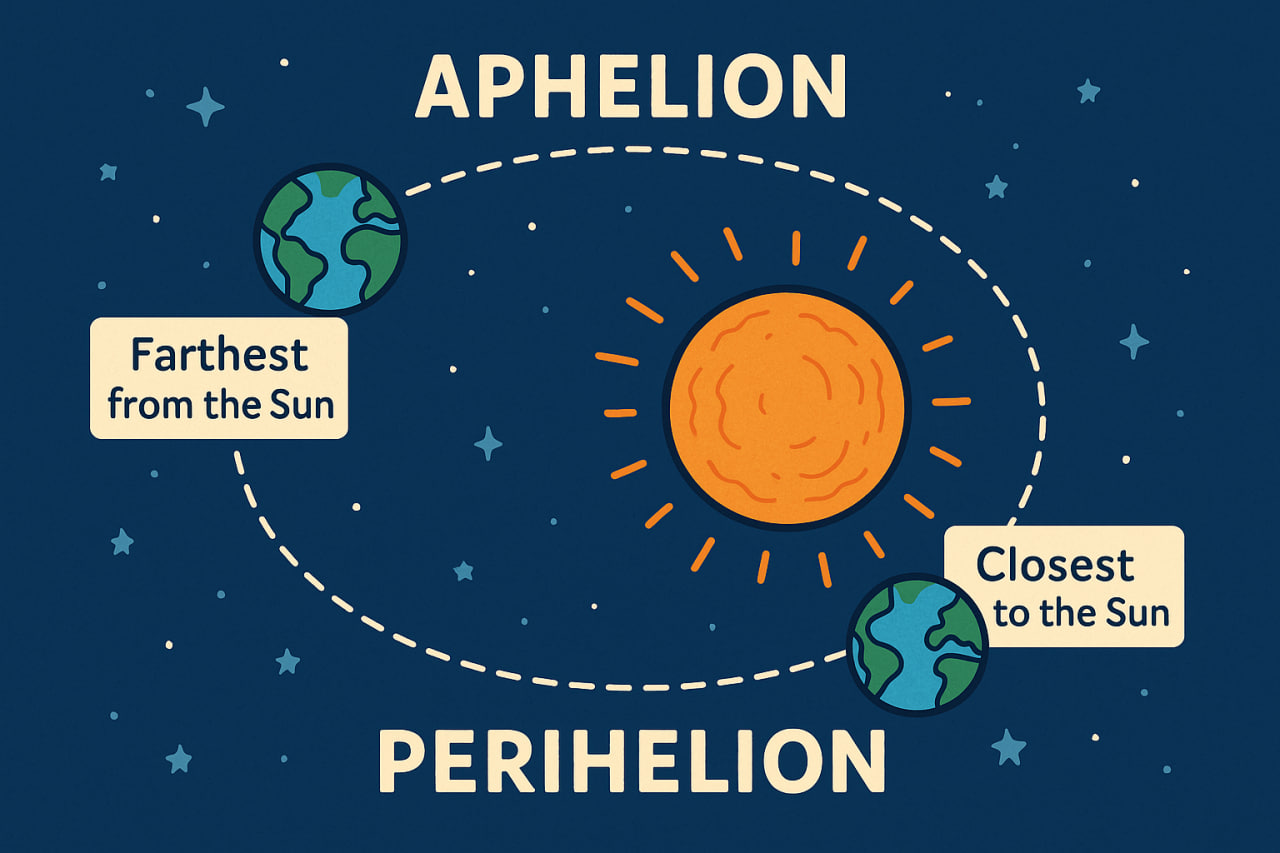
Every planet in our Solar System follows an elliptical orbit around the Sun, not a perfect circle. This means the distance between the planet and the Sun changes throughout the year.
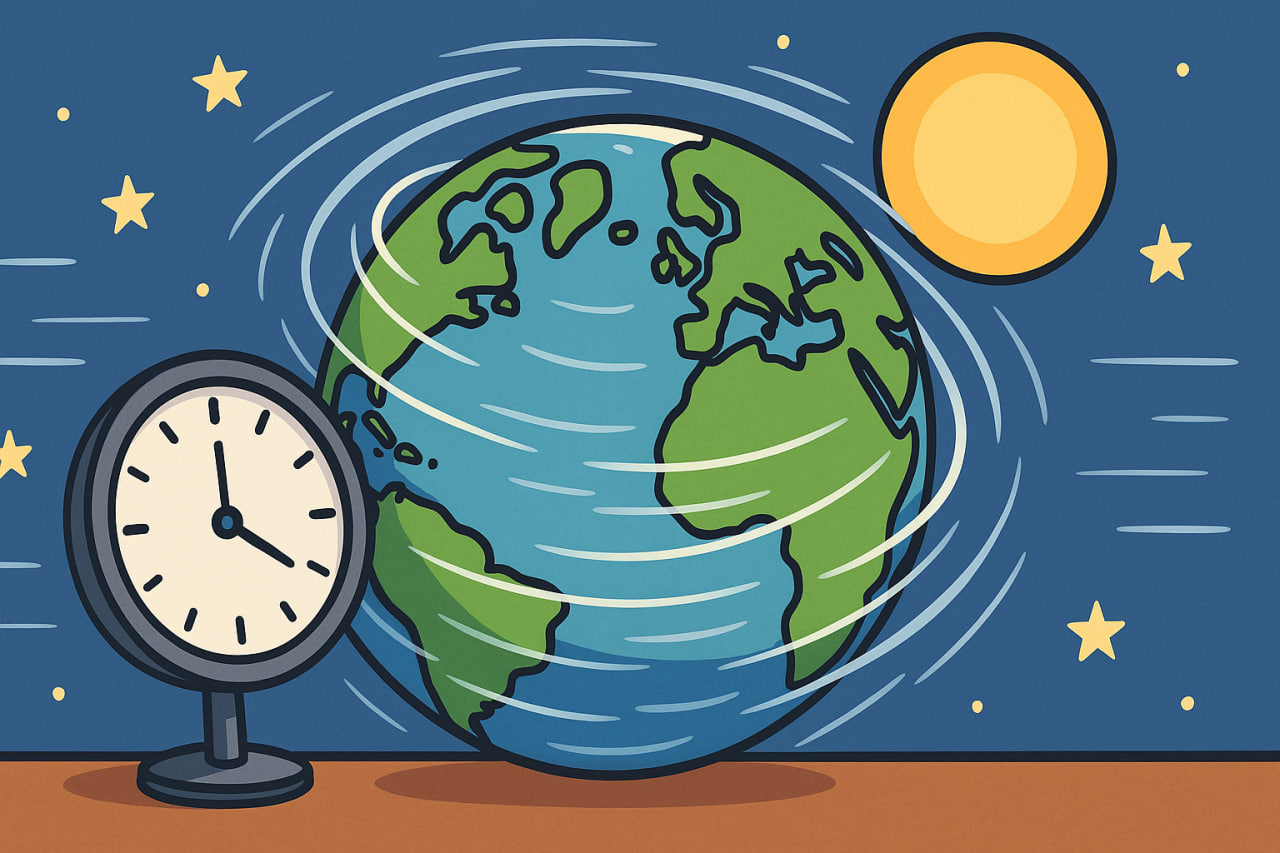
The Earth rotates once every 24 hours, giving us the day-night cycle. But this rotation isn't perfectly constant.
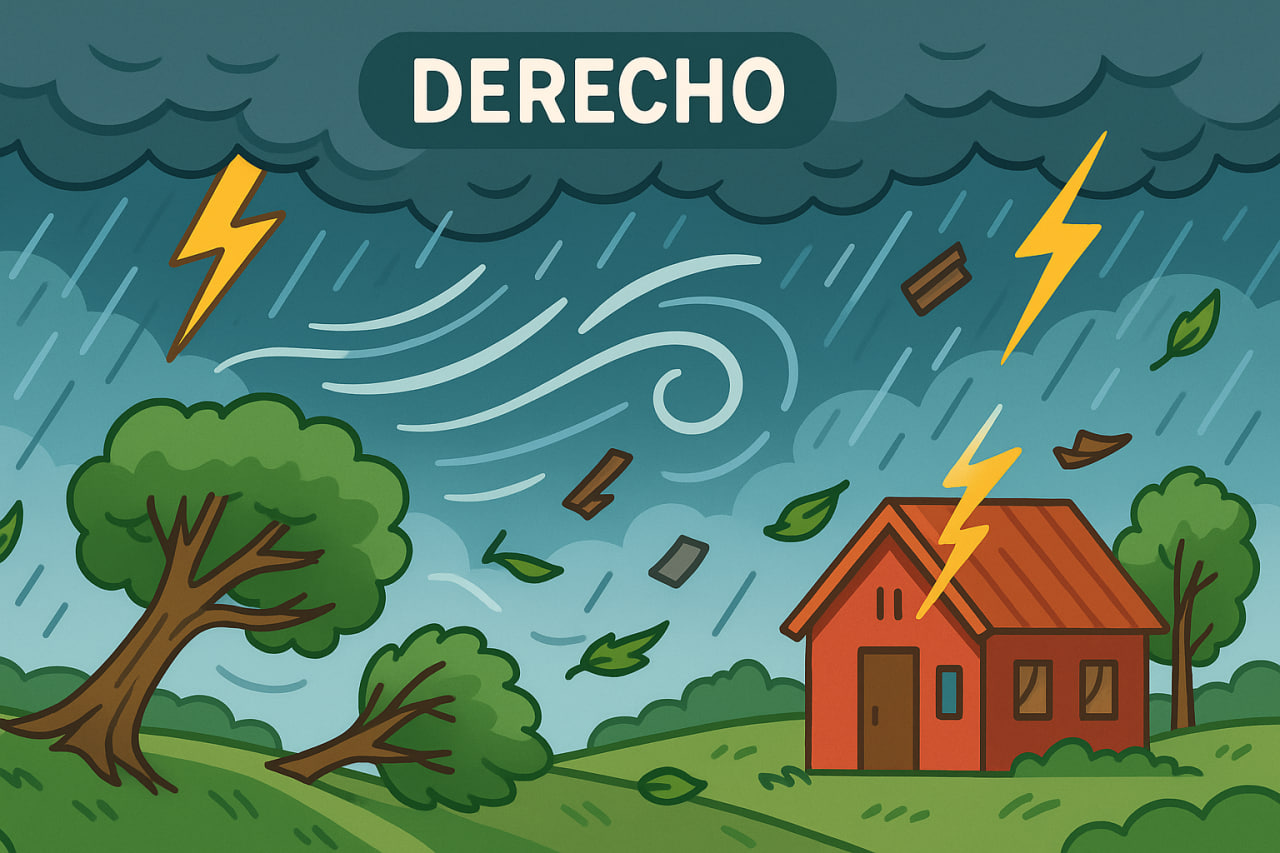
A derecho is a rare but extremely powerful straight-line windstorm that moves rapidly across a large area, often leaving destruction similar to a tornado — but without the rotation.
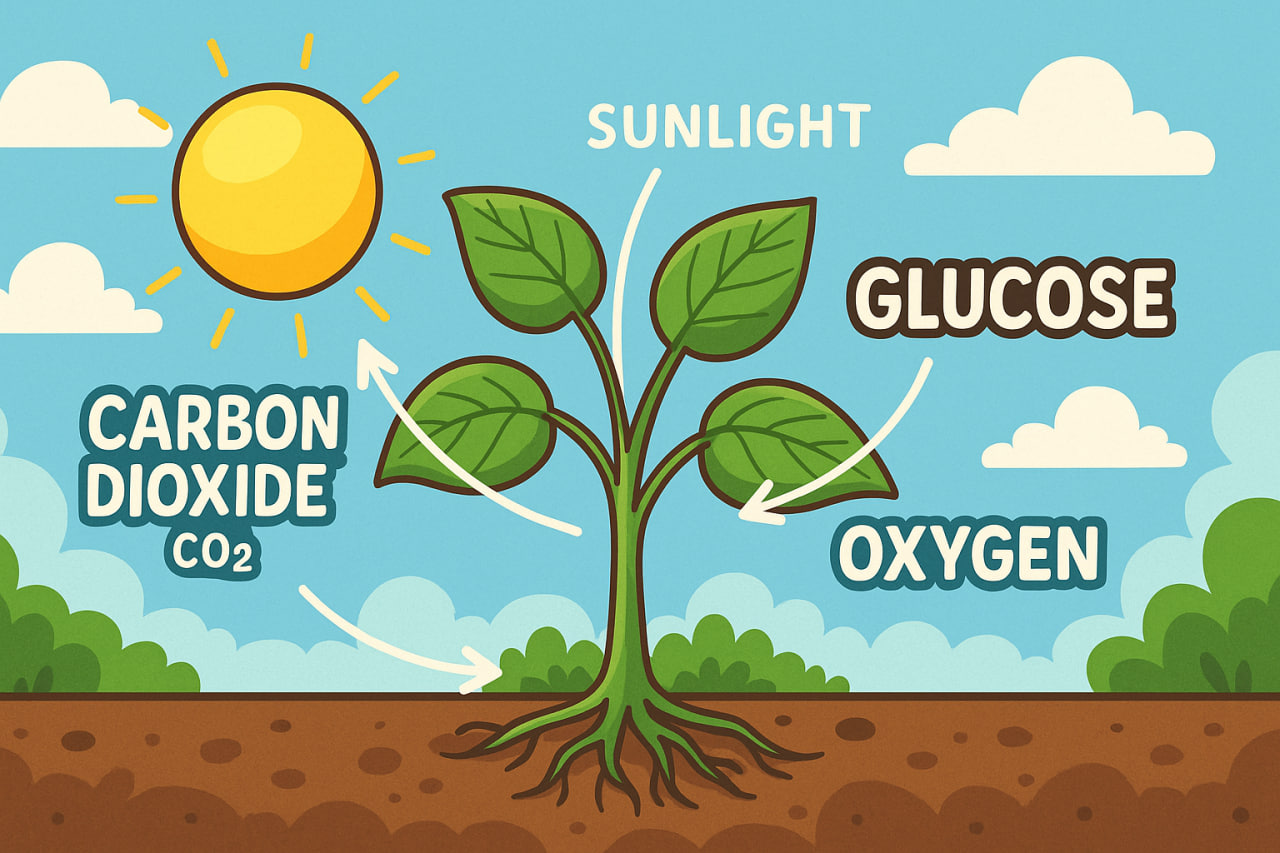
Photosynthesis is a process by which plants, algae, and some bacteria use sunlight, water, and carbon dioxide to produce glucose (a form of sugar) and oxygen.
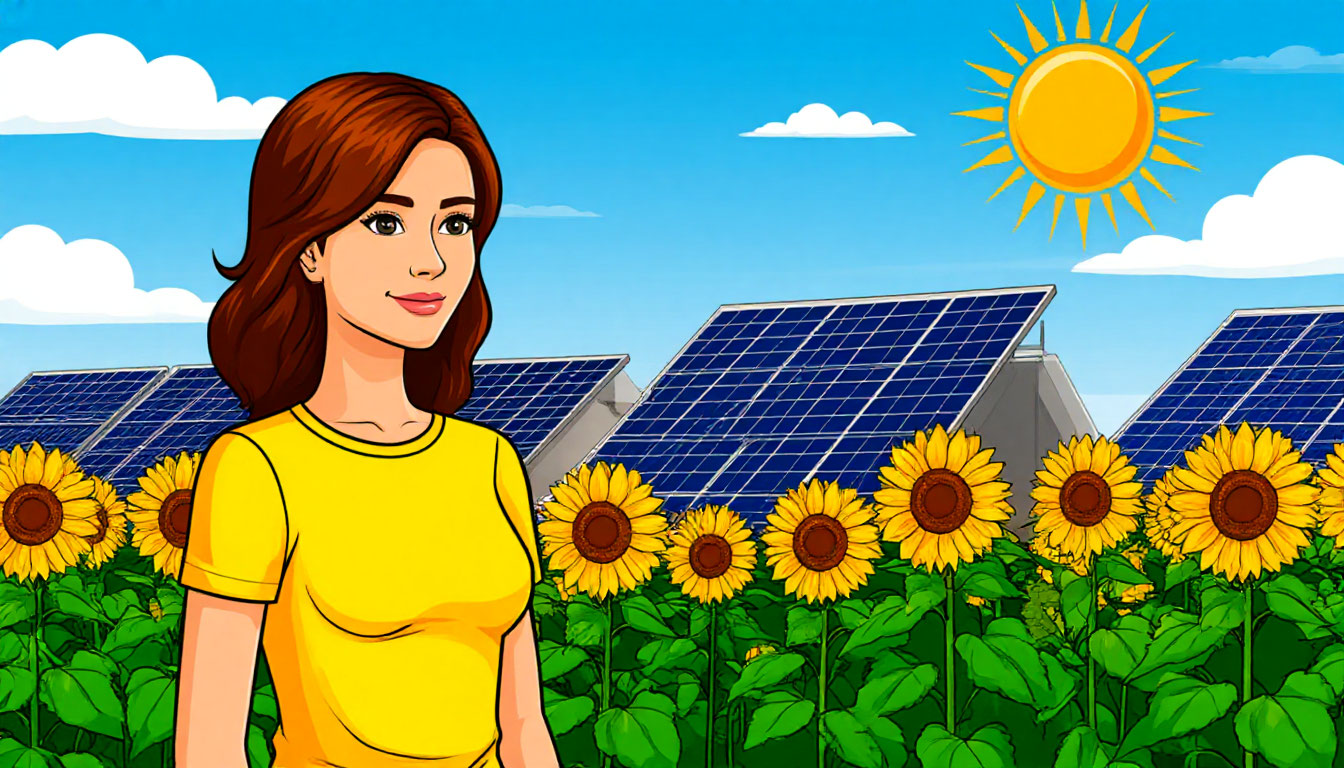
Sunlight is the primary energy source for our planet. It provides the warmth that makes Earth habitable.