
The Younger Dryas Period: Earth’s Sudden Return to Ice
About 12,900 years ago, just as the Earth was warming after the last Ice Age, the planet experienced a shocking climatic reversal.
Useful articles about nature and the world around us
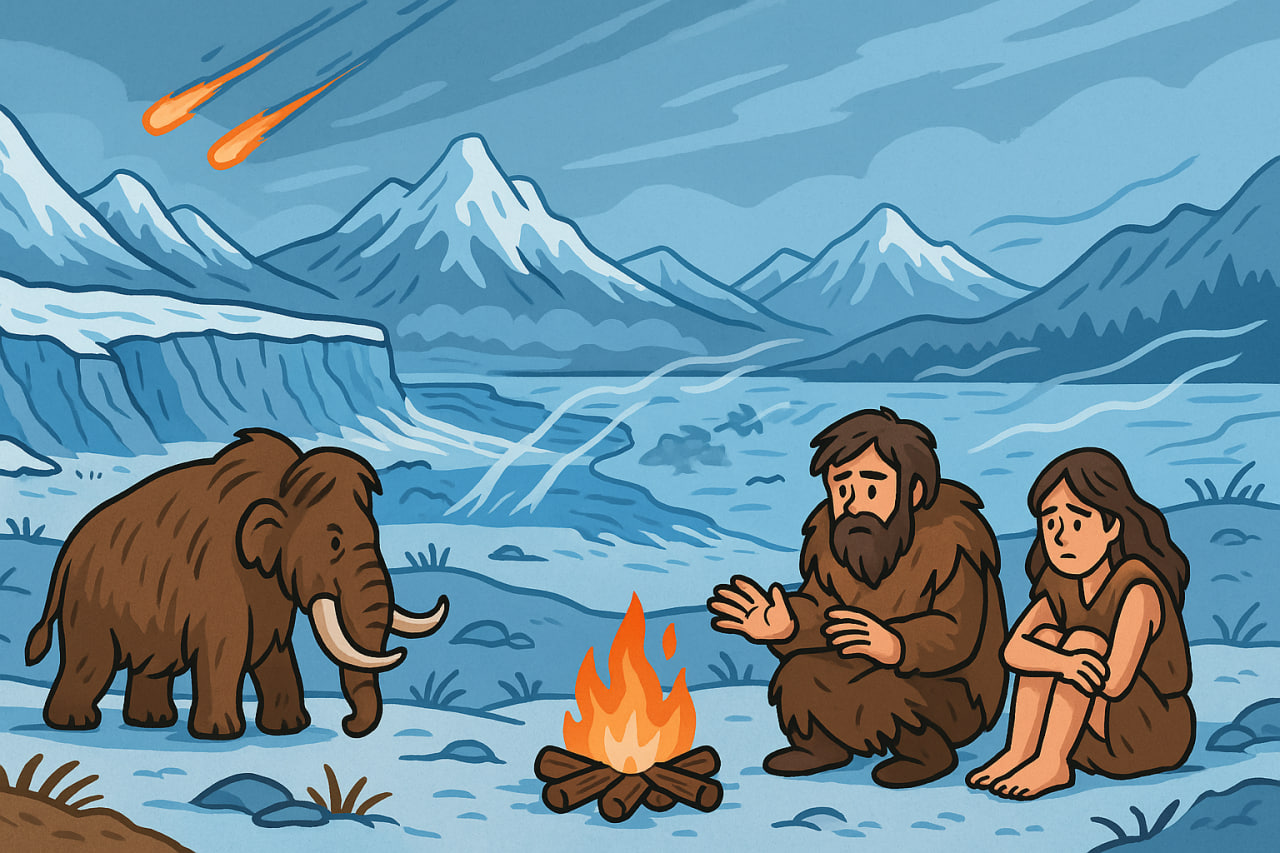
About 12,900 years ago, just as the Earth was warming after the last Ice Age, the planet experienced a shocking climatic reversal.
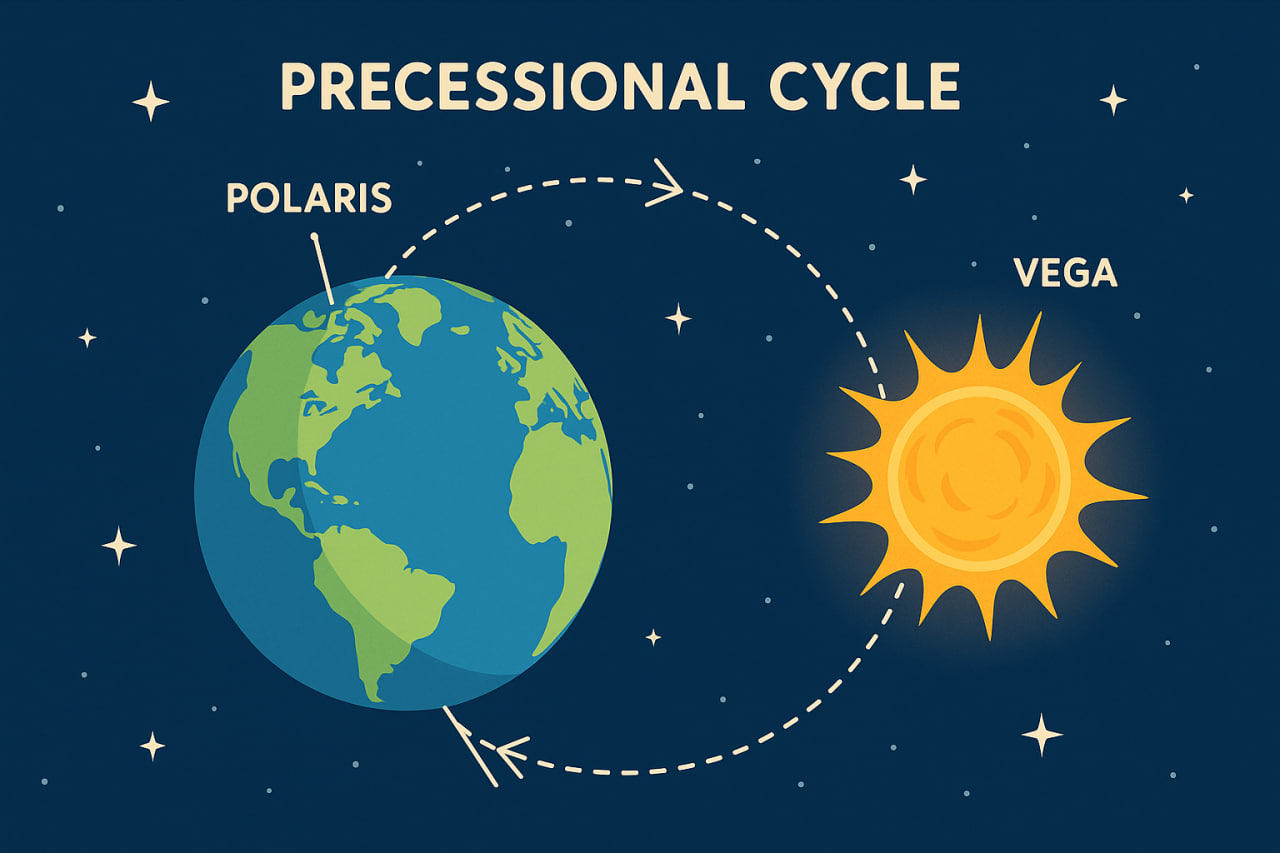
Every 26,000 years, Earth completes a slow and graceful motion known as axial precession — a subtle “wobble” in its rotational axis that alters the orientation of the planet relative to the...
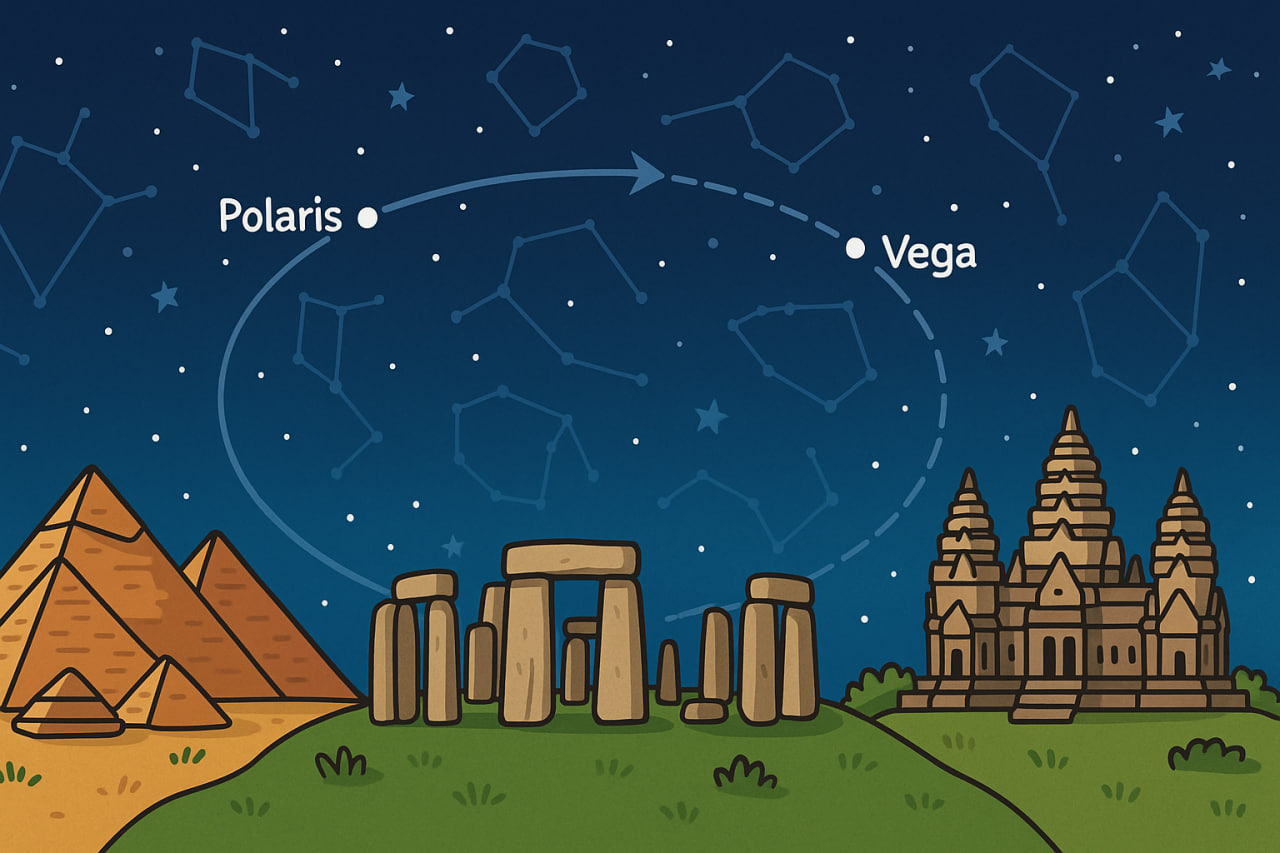
Long before the invention of telescopes or modern astronomy, ancient civilizations observed the slow dance of the stars.
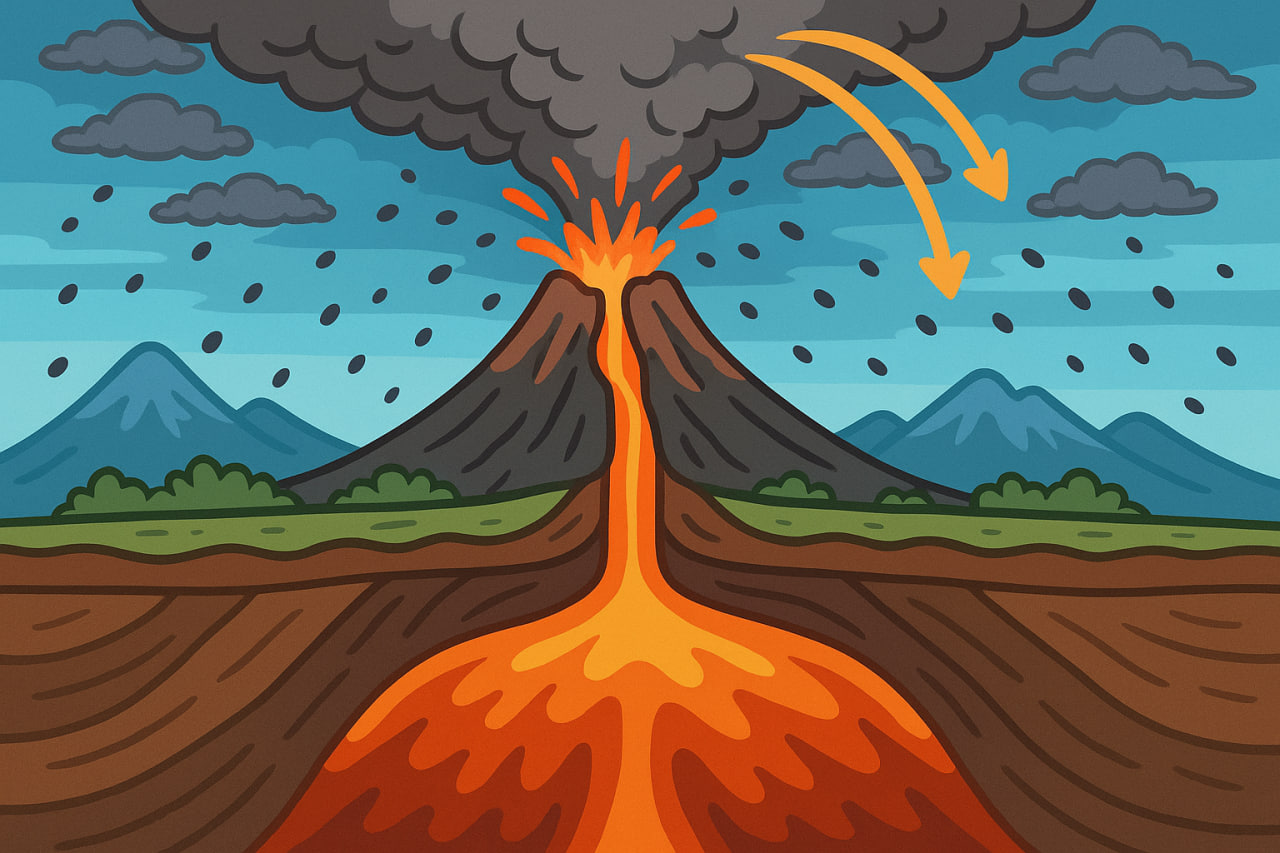
Supervolcanoes are among the most powerful natural forces on Earth. Unlike regular volcanoes, whose eruptions can devastate nearby regions, supervolcanoes can alter the planet’s climate...
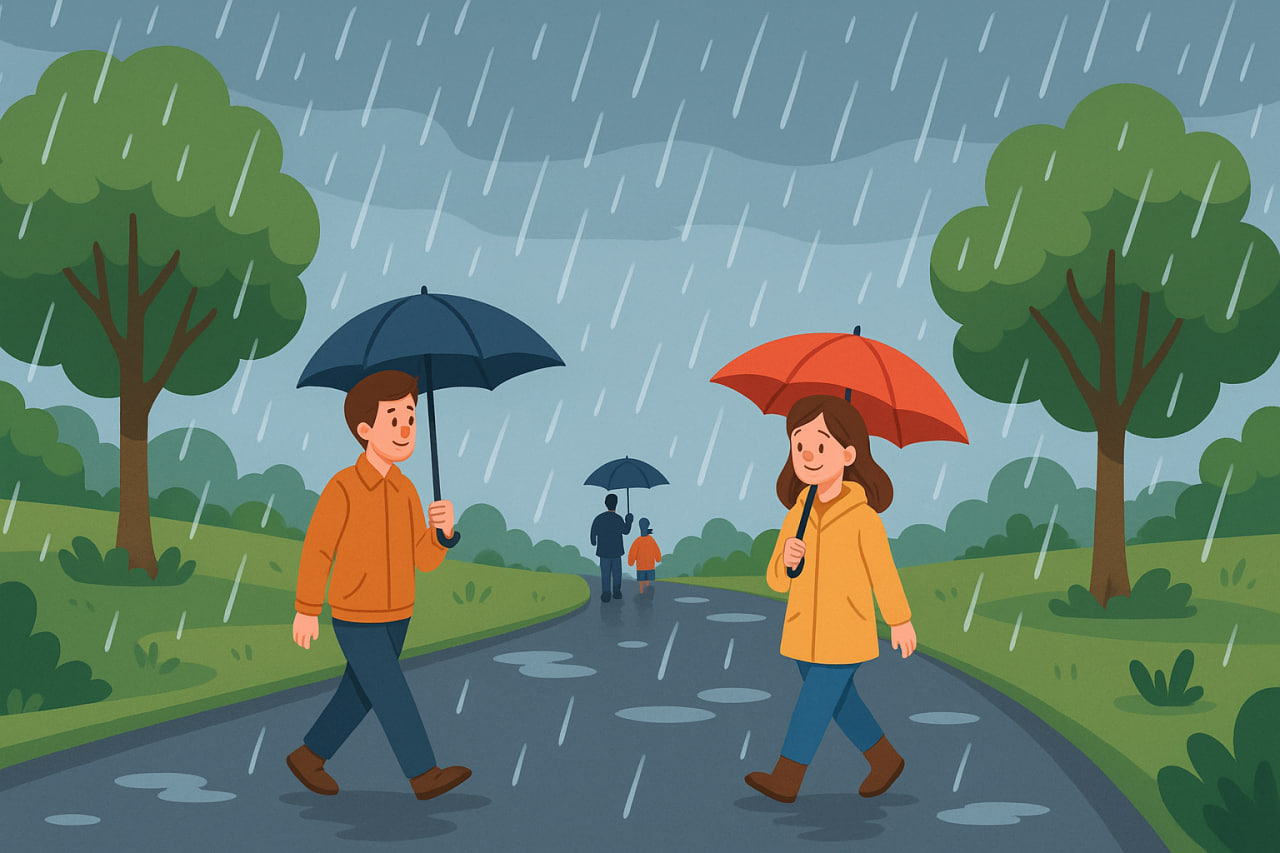
Rain is one of the most vital natural phenomena on our planet. It sustains life, shapes landscapes, nourishes crops, and influences the climate.
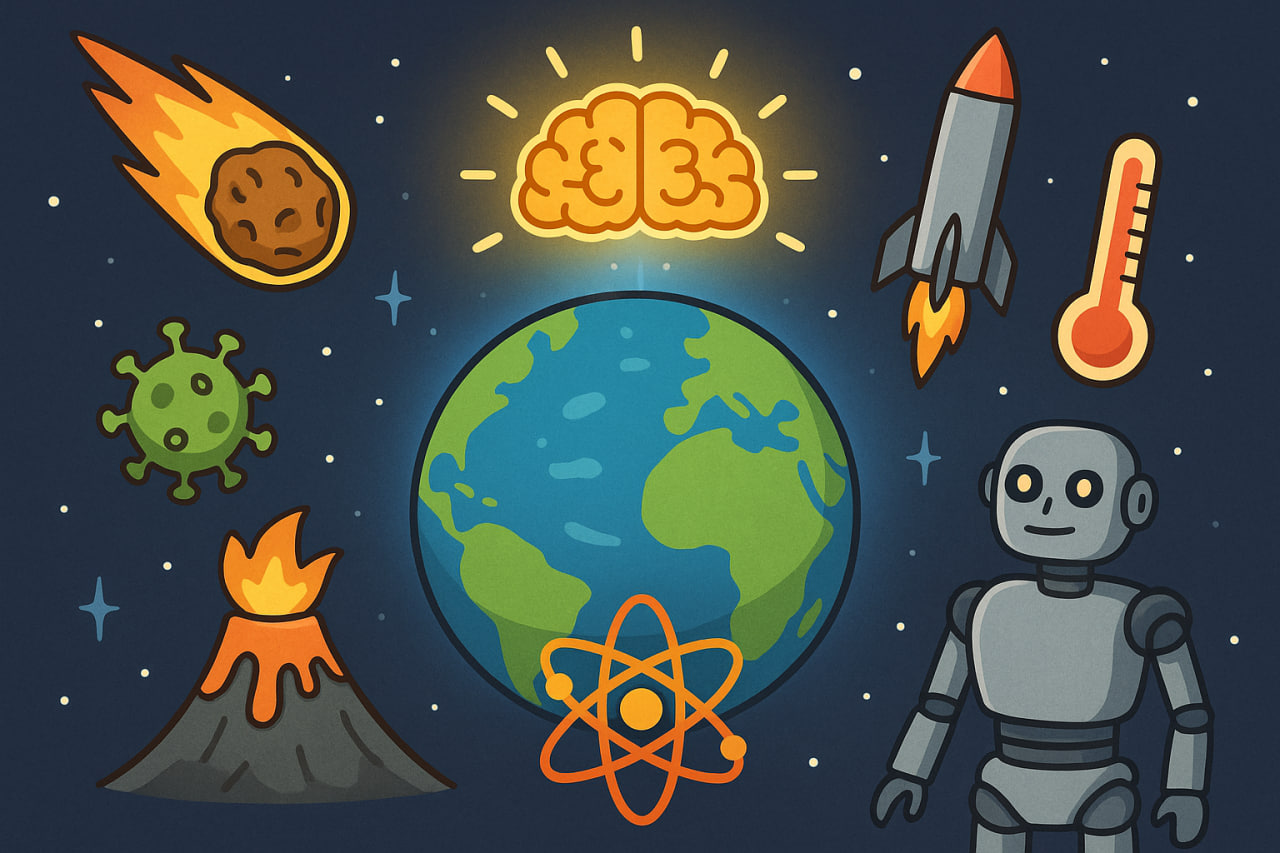
The concept of “Doomsday” — the end of the world — has existed for thousands of years in myths and religions. But modern science approaches this question differently.
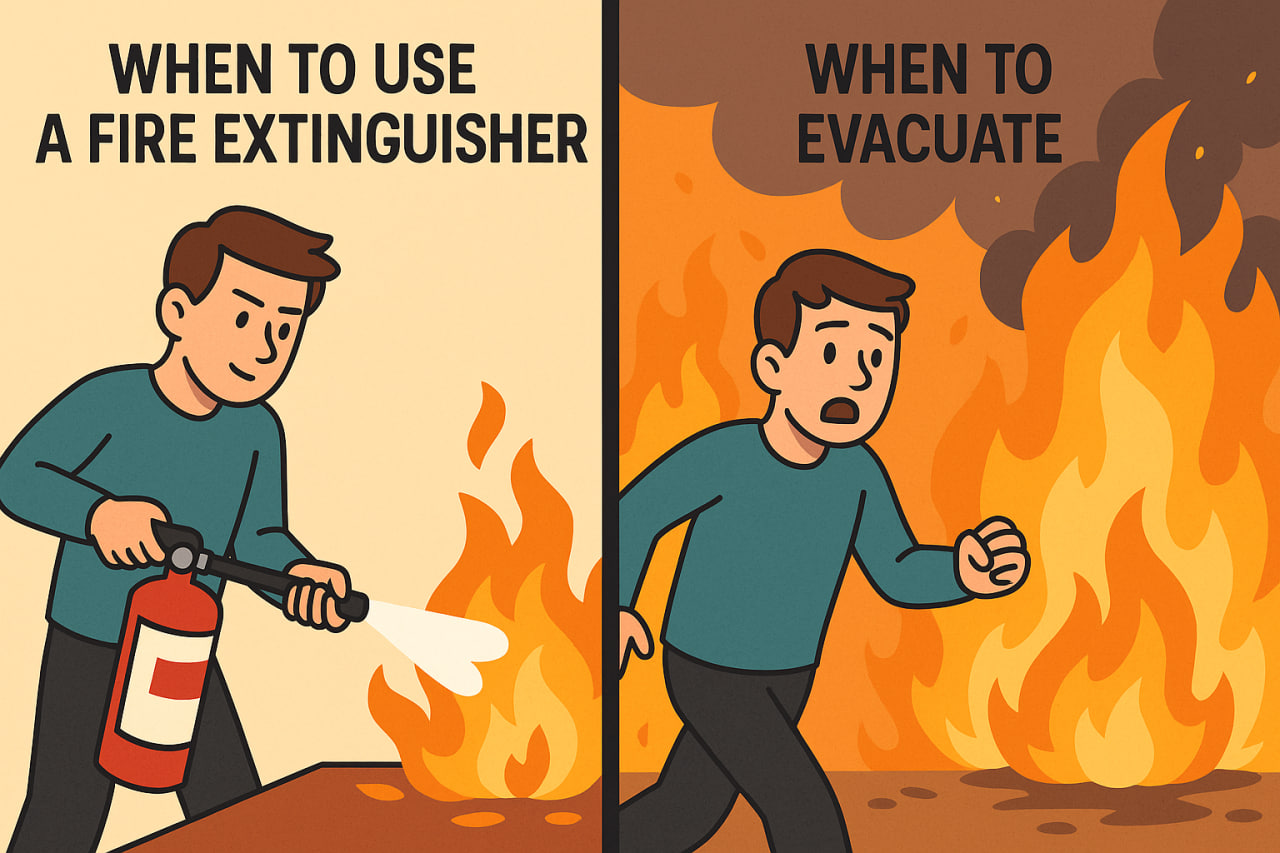
Fire is one of humanity’s oldest allies — and most dangerous enemies. A small flame can provide warmth and light, but left unchecked, it can destroy homes, forests, and lives within minutes.
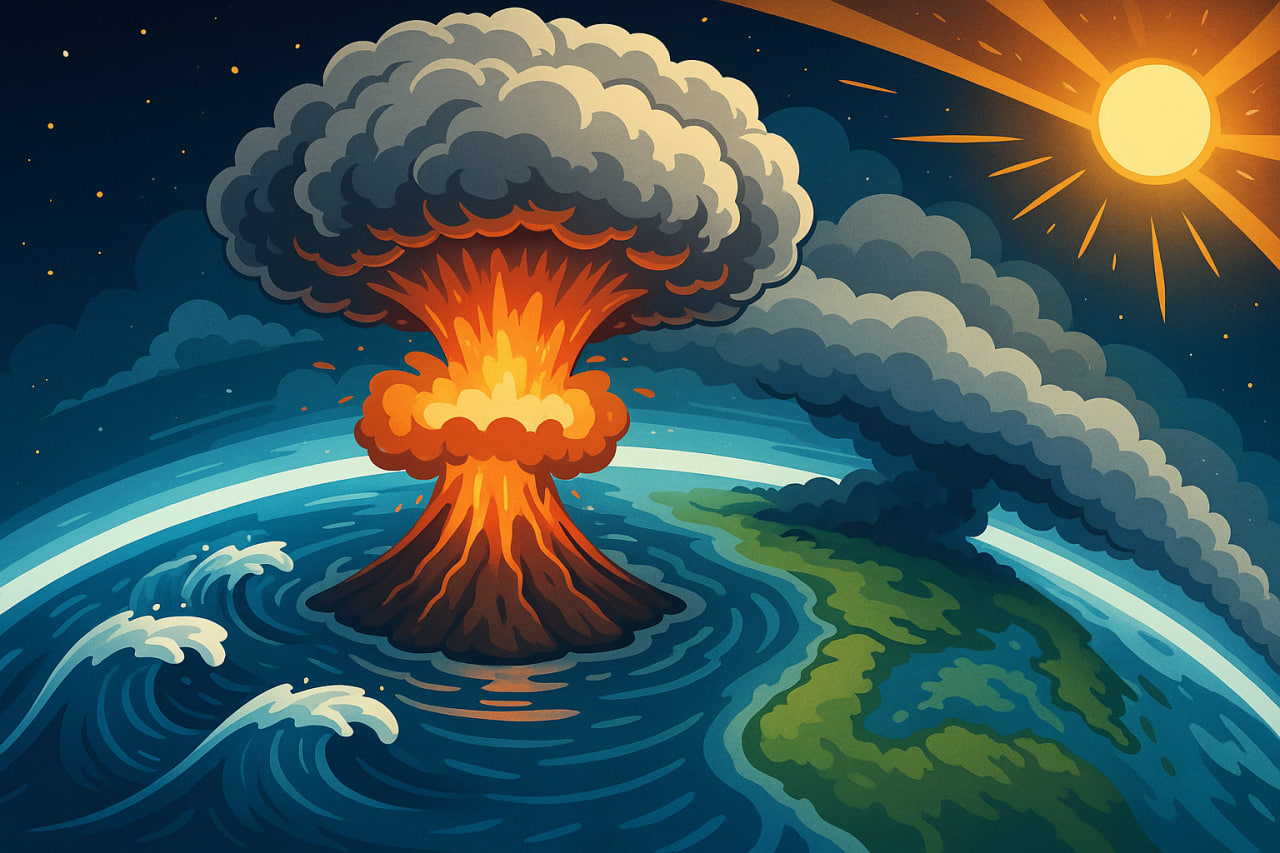
The 2022 eruption of Hunga Tonga–Hunga Haʻapai was one of the most powerful volcanic explosions ever recorded, sending shockwaves around the world and reaching the edge of space.
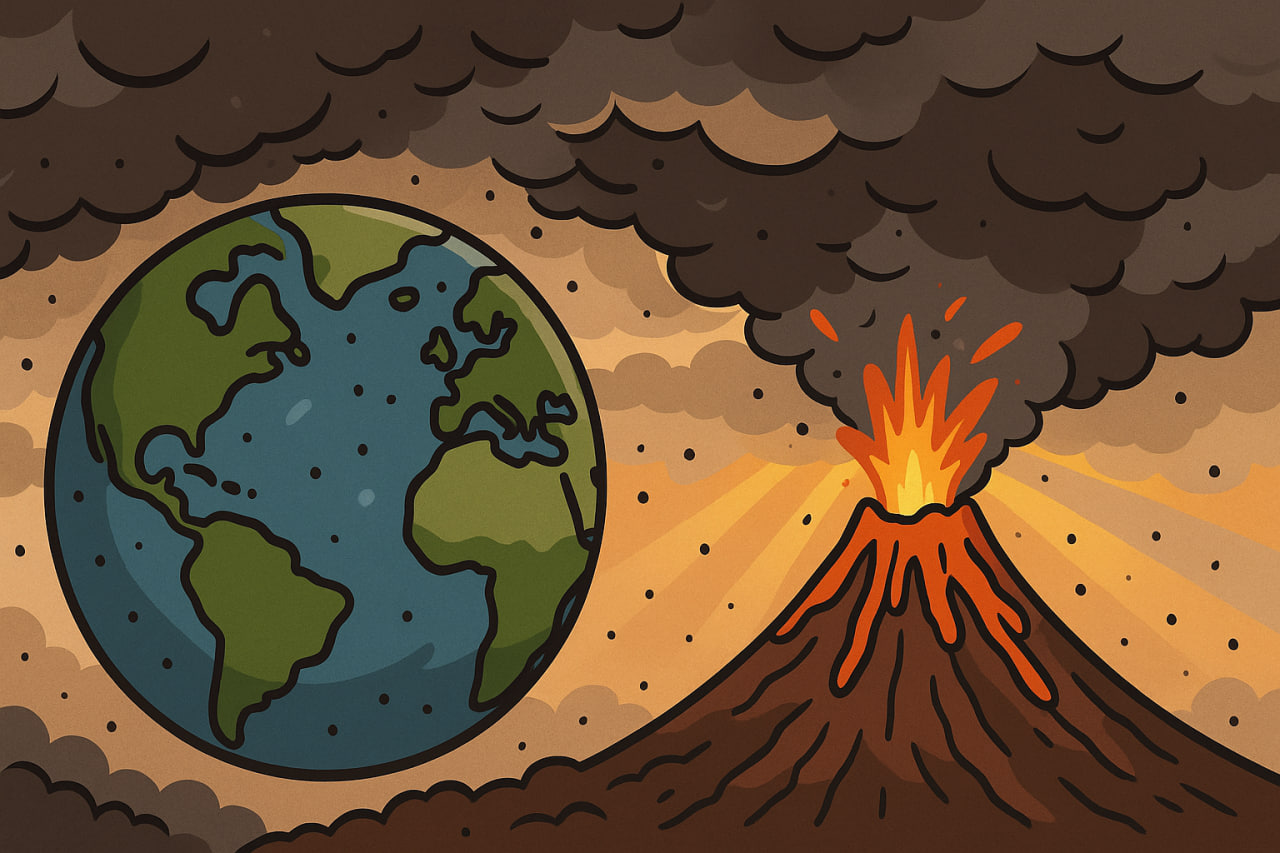
Throughout history, volcanic eruptions have dramatically shaped the Earth’s climate. Among the most powerful natural events, a massive eruption can release enough ash and gas to block...
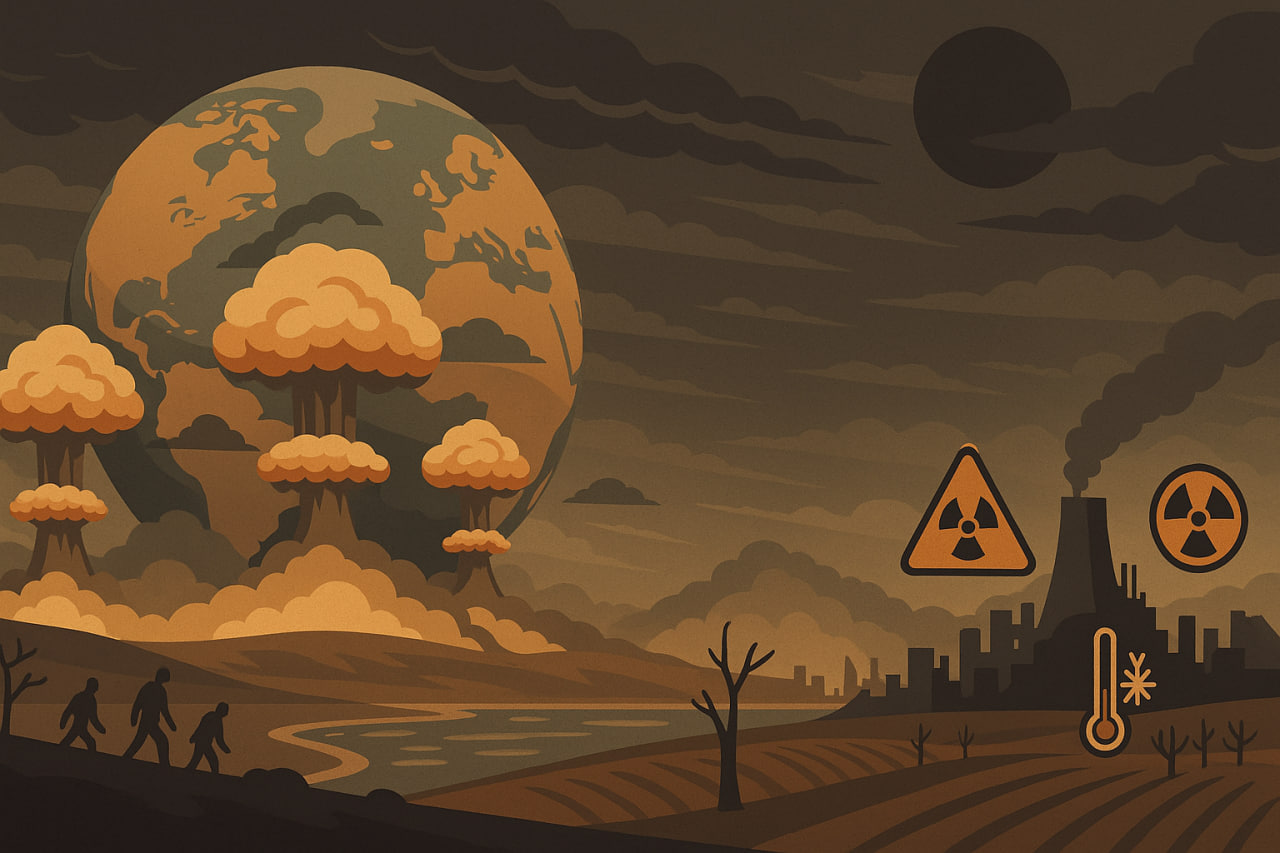
The idea of using all nuclear weapons ever created is one of the darkest scenarios imaginable for humanity.