
Nuclear Winter: How Global War Could Freeze the Planet
The term “nuclear winter” describes a devastating climatic consequence of large-scale nuclear war — a drastic and prolonged global cooling caused by massive fires, smoke, and soot filling the...
Useful articles about nature and the world around us
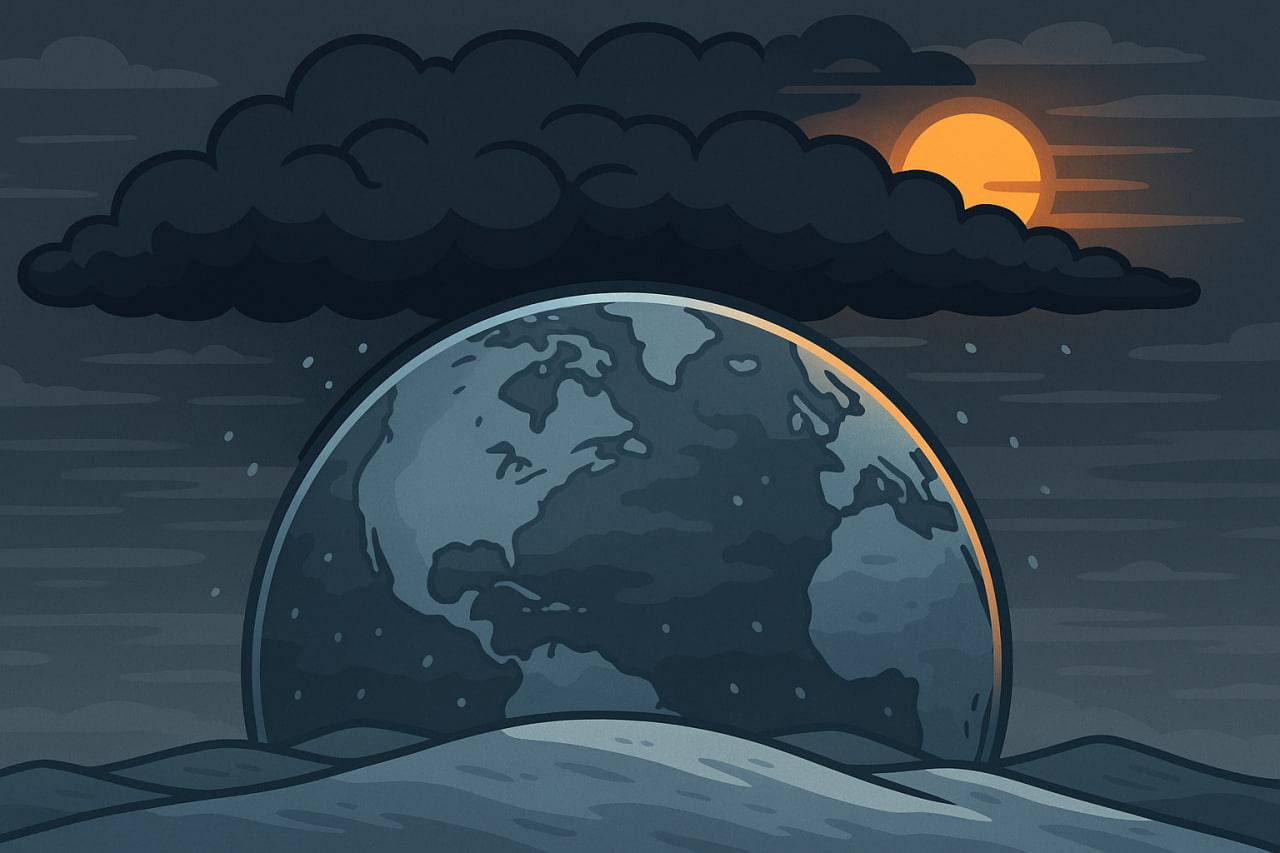
The term “nuclear winter” describes a devastating climatic consequence of large-scale nuclear war — a drastic and prolonged global cooling caused by massive fires, smoke, and soot filling the...
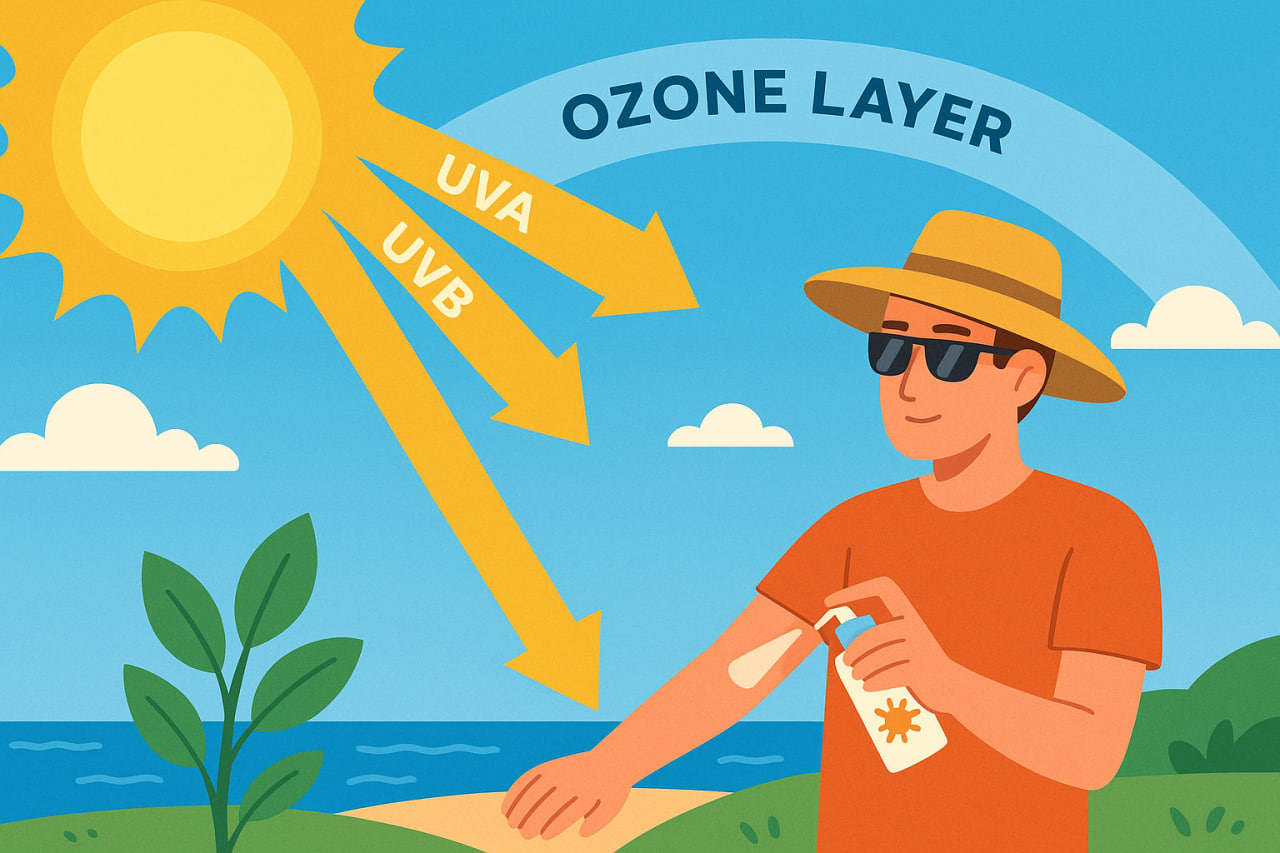
High above the Earth, in the stratosphere, lies a thin yet vital layer that protects every living creature from deadly solar radiation — the ozone layer.
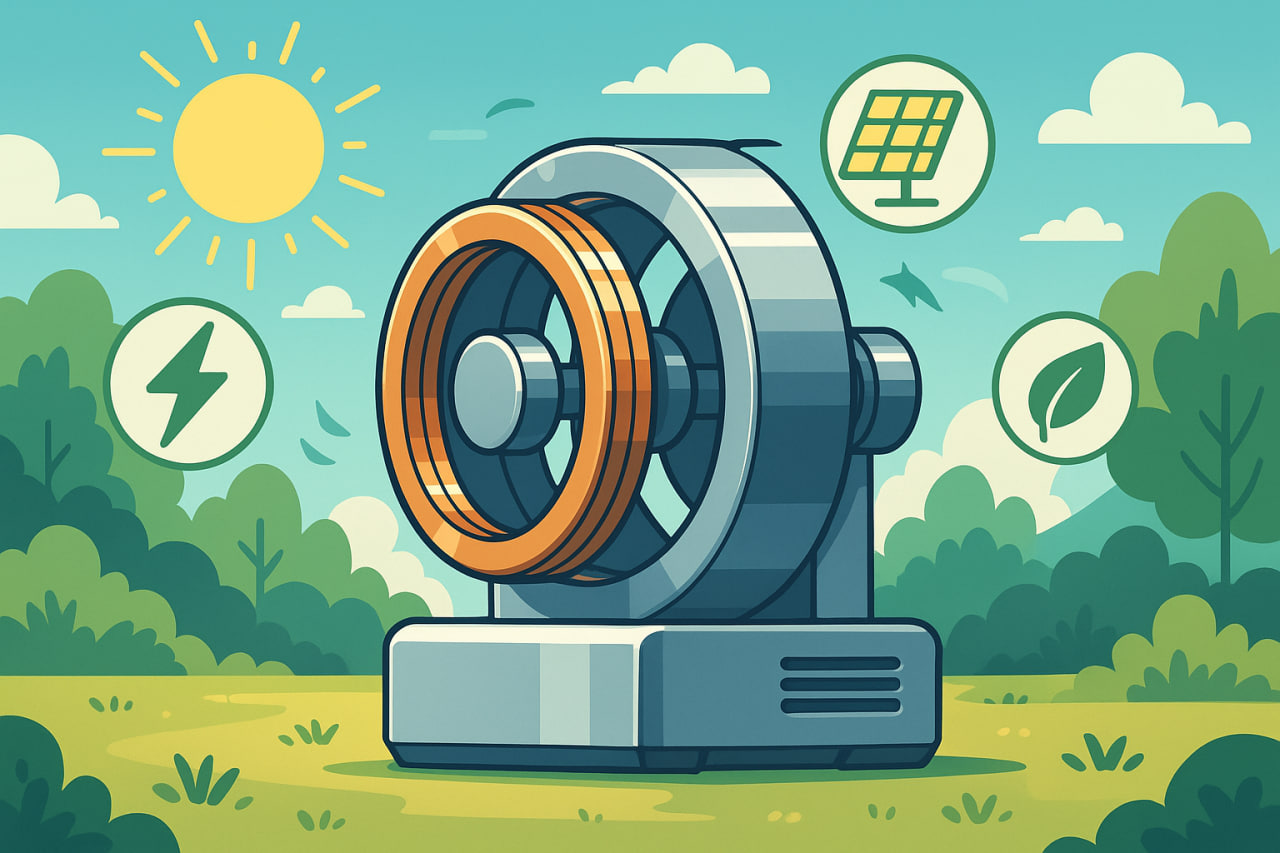
In a world facing energy shortages and environmental challenges, the idea of fuel-free generators has captured the imagination of engineers and scientists alike.
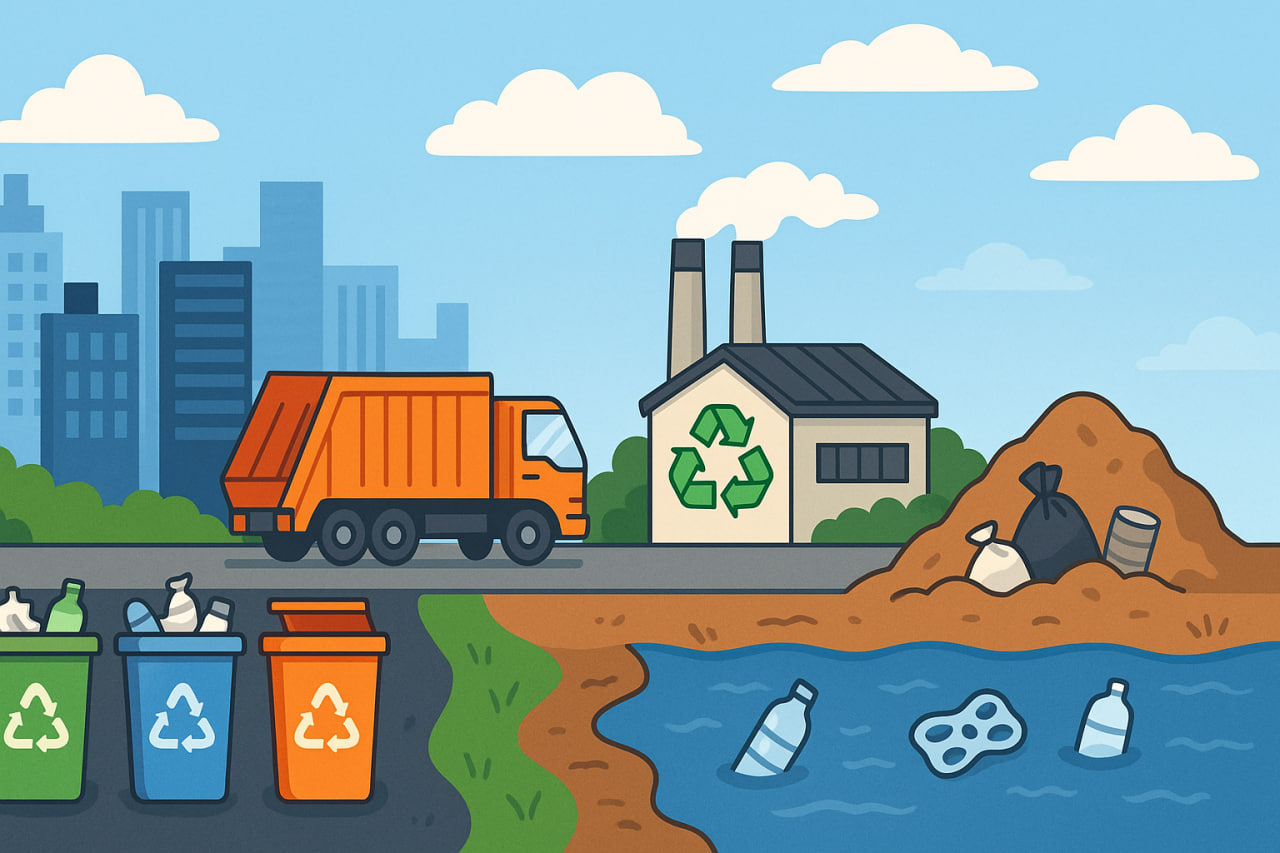
Every day, billions of people around the world throw something into the trash — a bottle, a plastic wrapper, or leftover food.
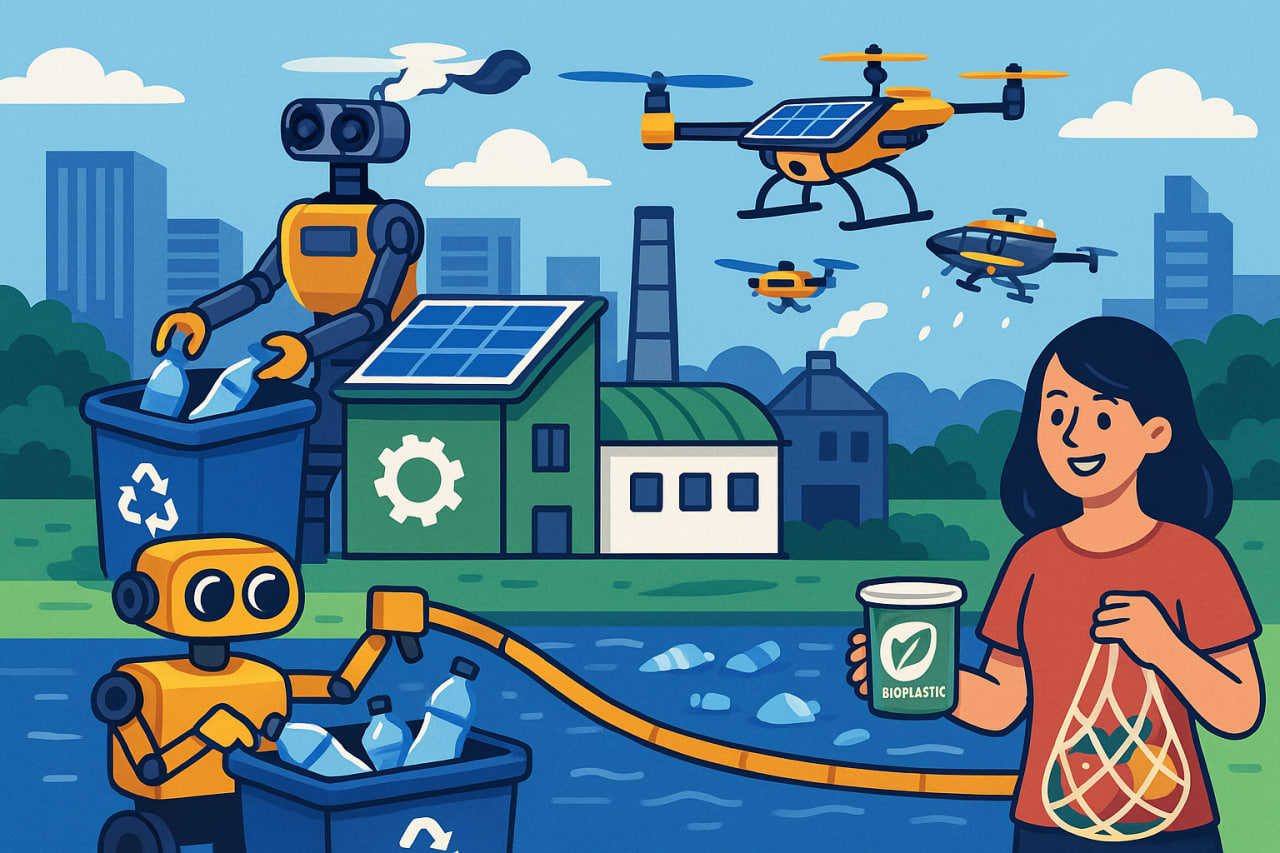
The growing amount of waste on our planet has become one of humanity’s greatest environmental challenges.
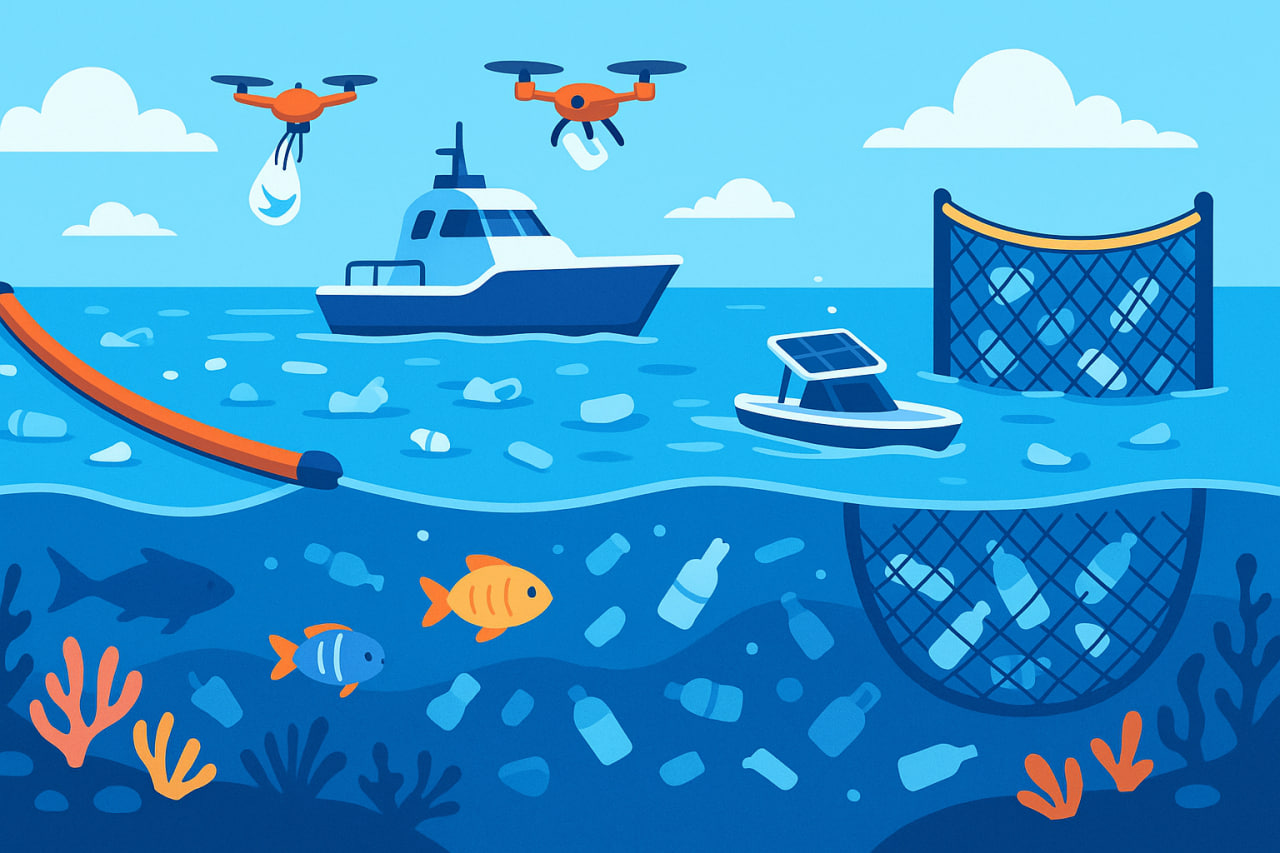
The ocean covers more than 70% of Earth’s surface and sustains all life on the planet. It provides food, regulates the climate, and produces over half of the oxygen we breathe.
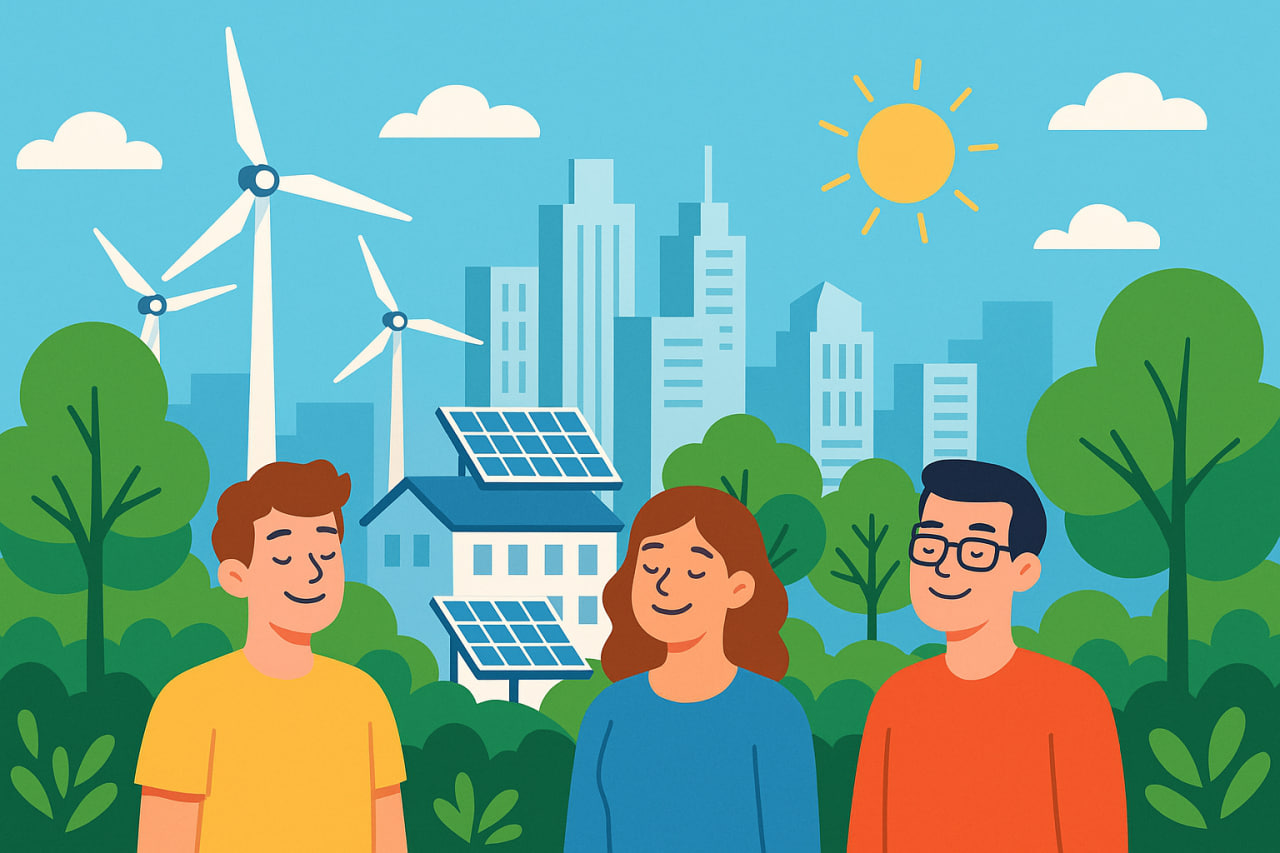
Air is the most vital resource on Earth — we can live weeks without food or days without water, but only minutes without air. Yet, despite its importance, clean air is becoming increasingly rare.
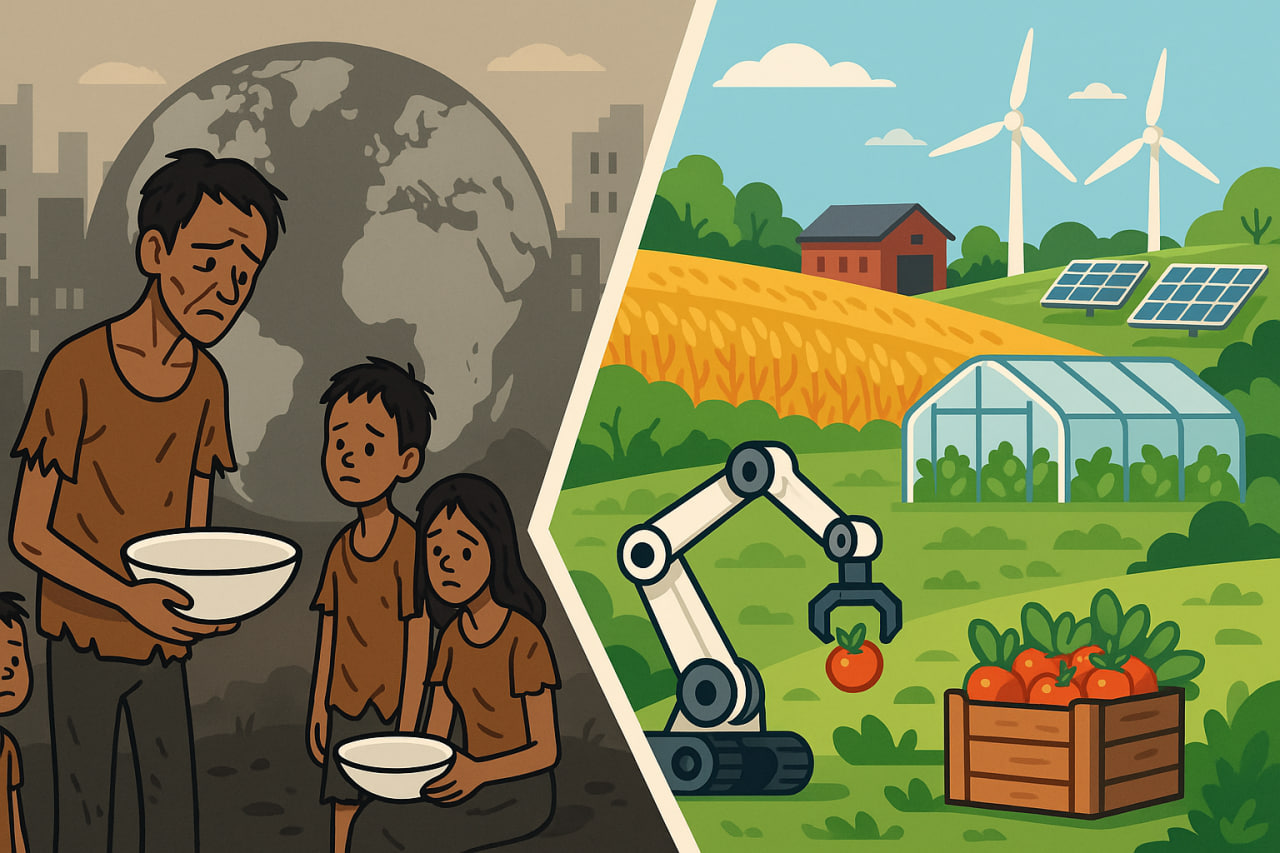
Food — the foundation of human survival — is becoming increasingly scarce for millions across the planet.
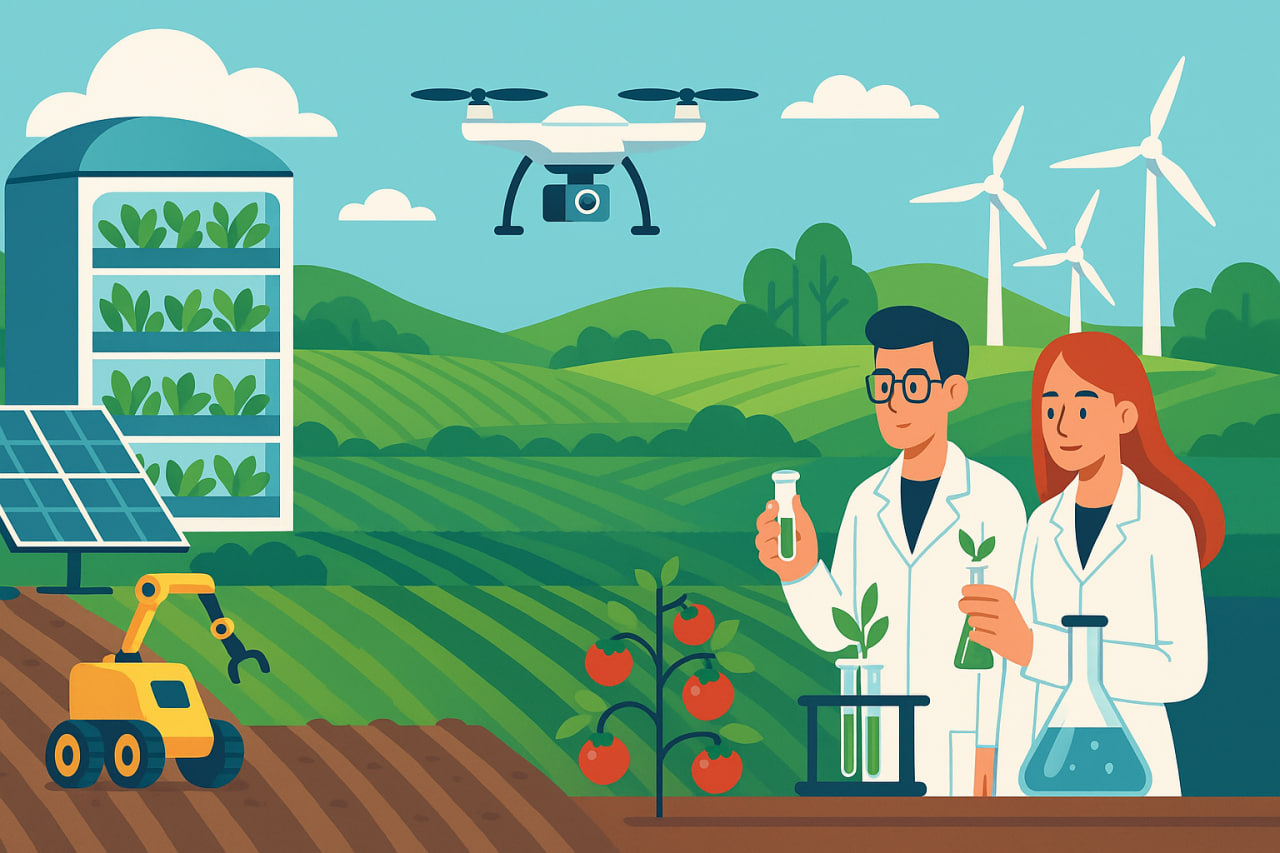
As the global population moves toward 10 billion by 2050, humanity faces one of its greatest challenges — how to feed everyone sustainably.
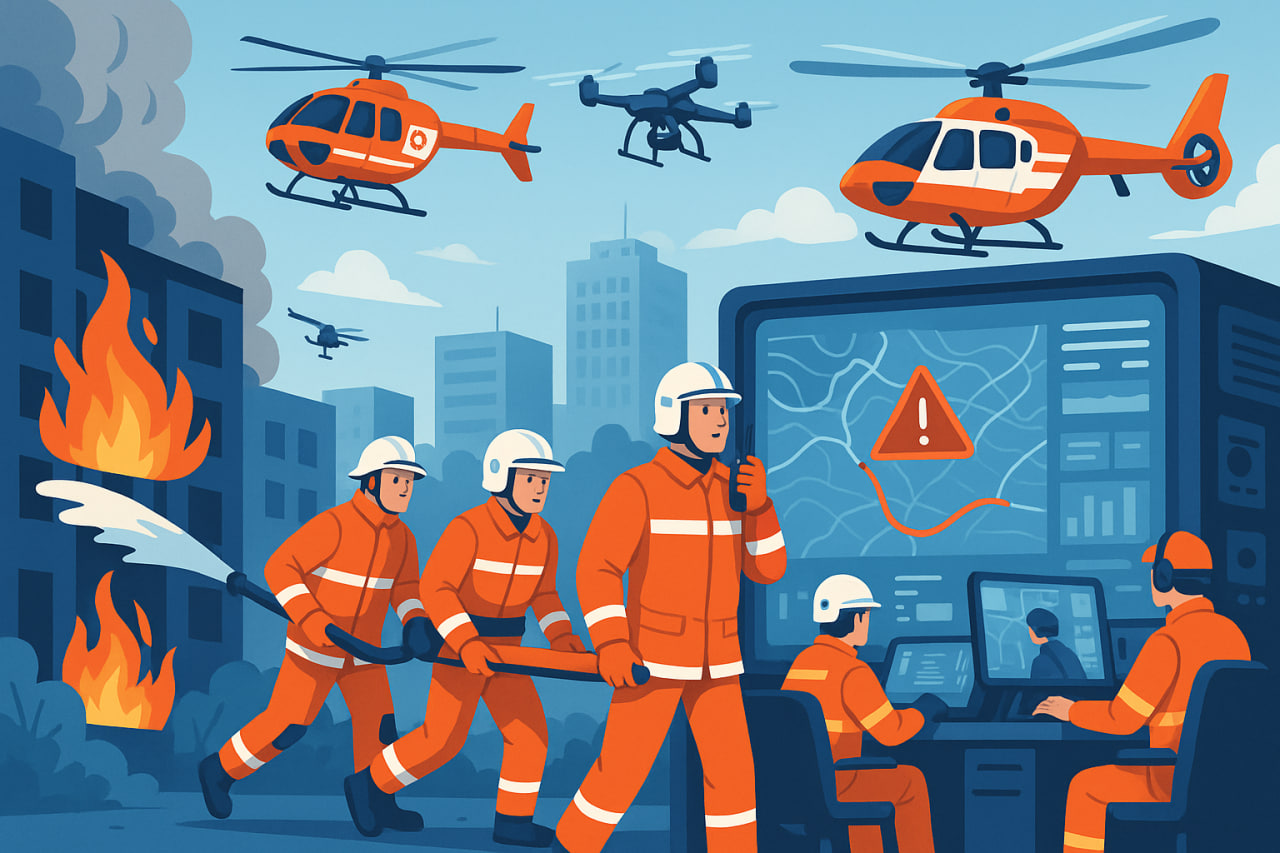
In today’s rapidly changing world, disasters — both natural and man-made — pose growing challenges to global safety.