
Earth’s History Written in Stone
Long before humans learned to write, the Earth had already recorded its own story—layer by layer, crystal by crystal, fossil by fossil.
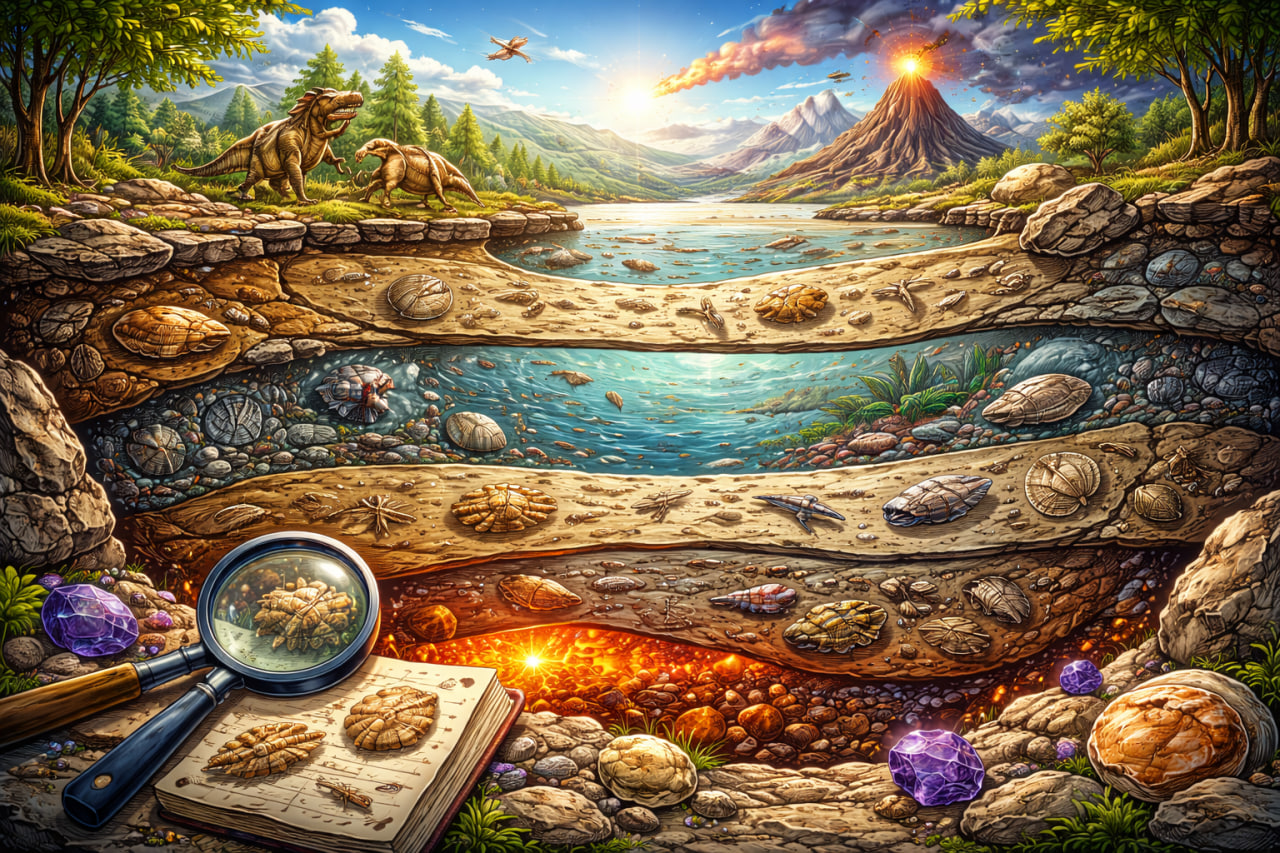
Long before humans learned to write, the Earth had already recorded its own story—layer by layer, crystal by crystal, fossil by fossil.
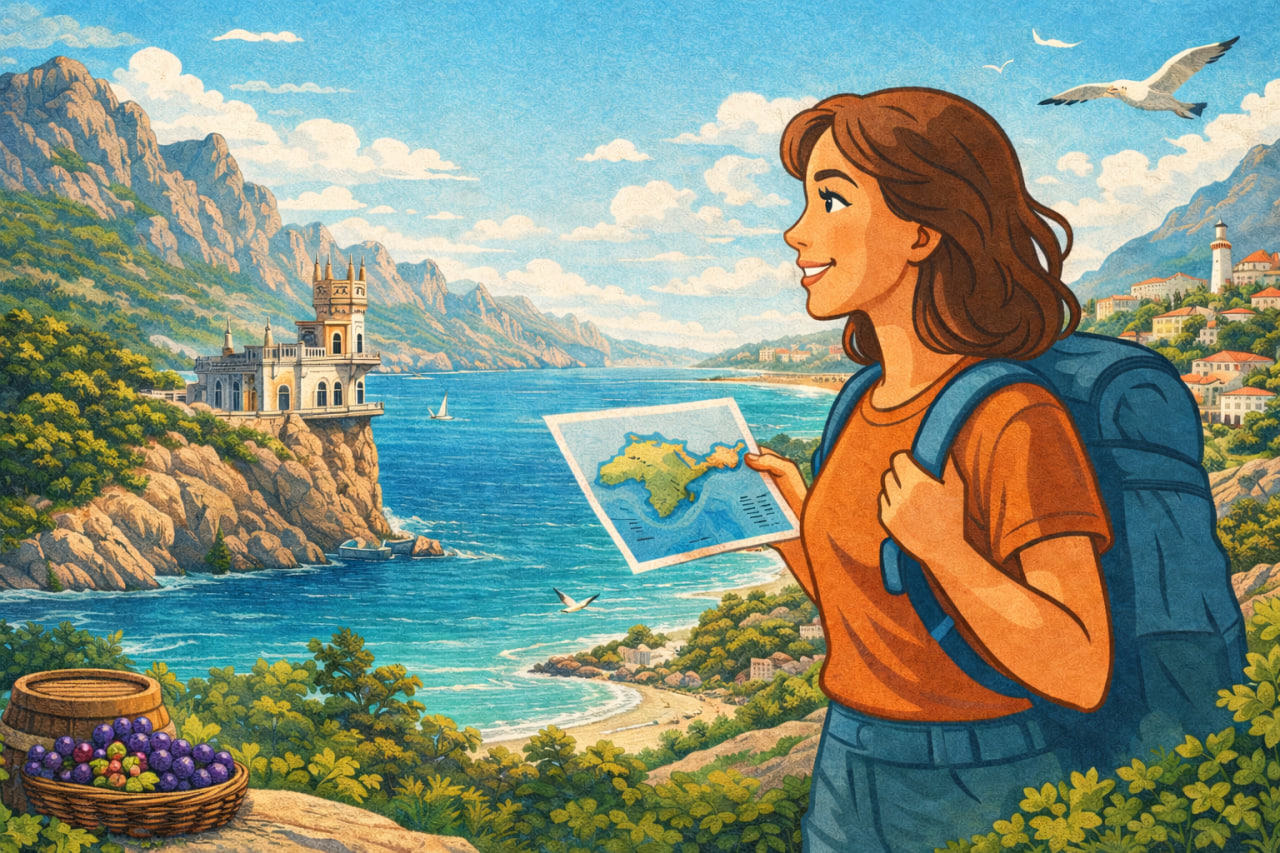
Crimea is a peninsula located between the Black Sea and the Sea of Azov, distinguished by its diverse landscapes and long, complex history.
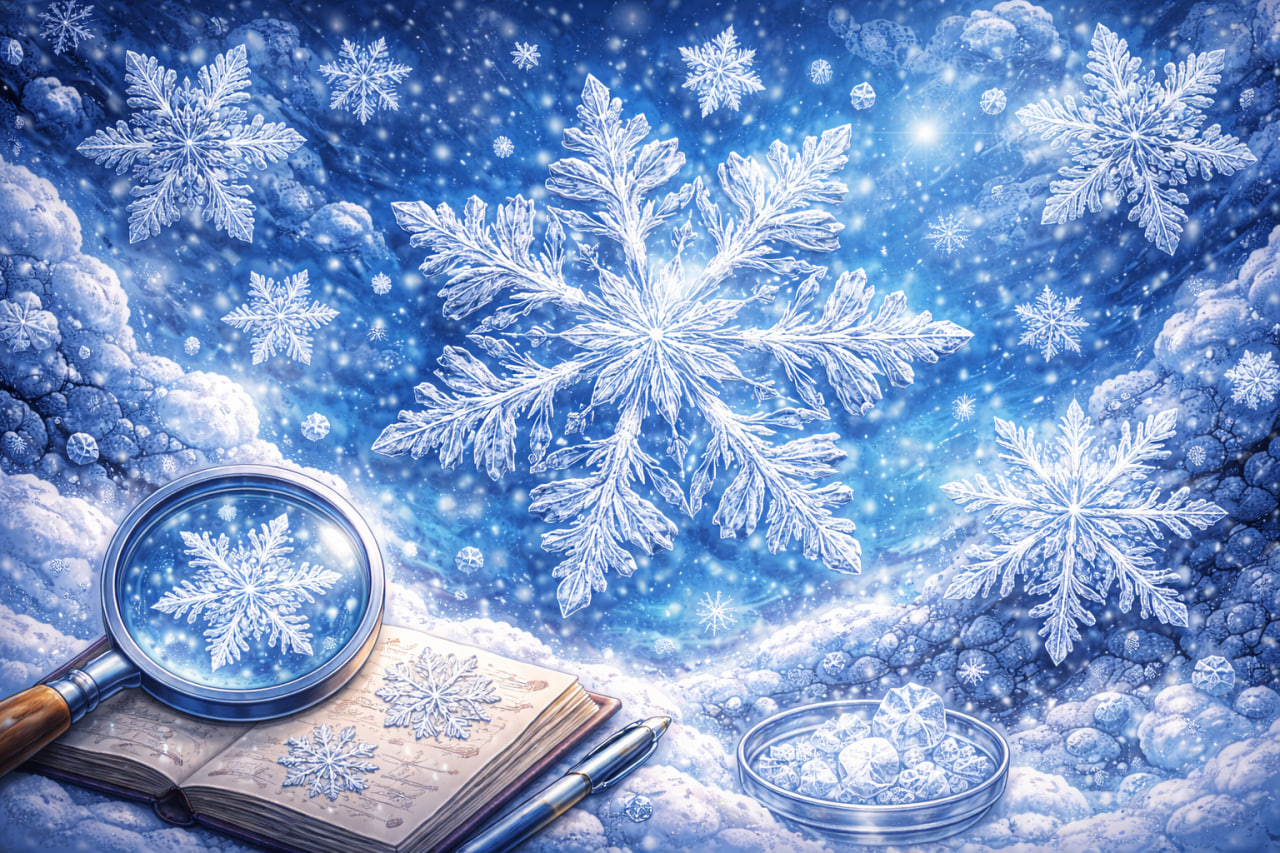
At first glance, a snowflake appears delicate and fleeting, but behind its beauty lies a remarkable example of natural geometry.
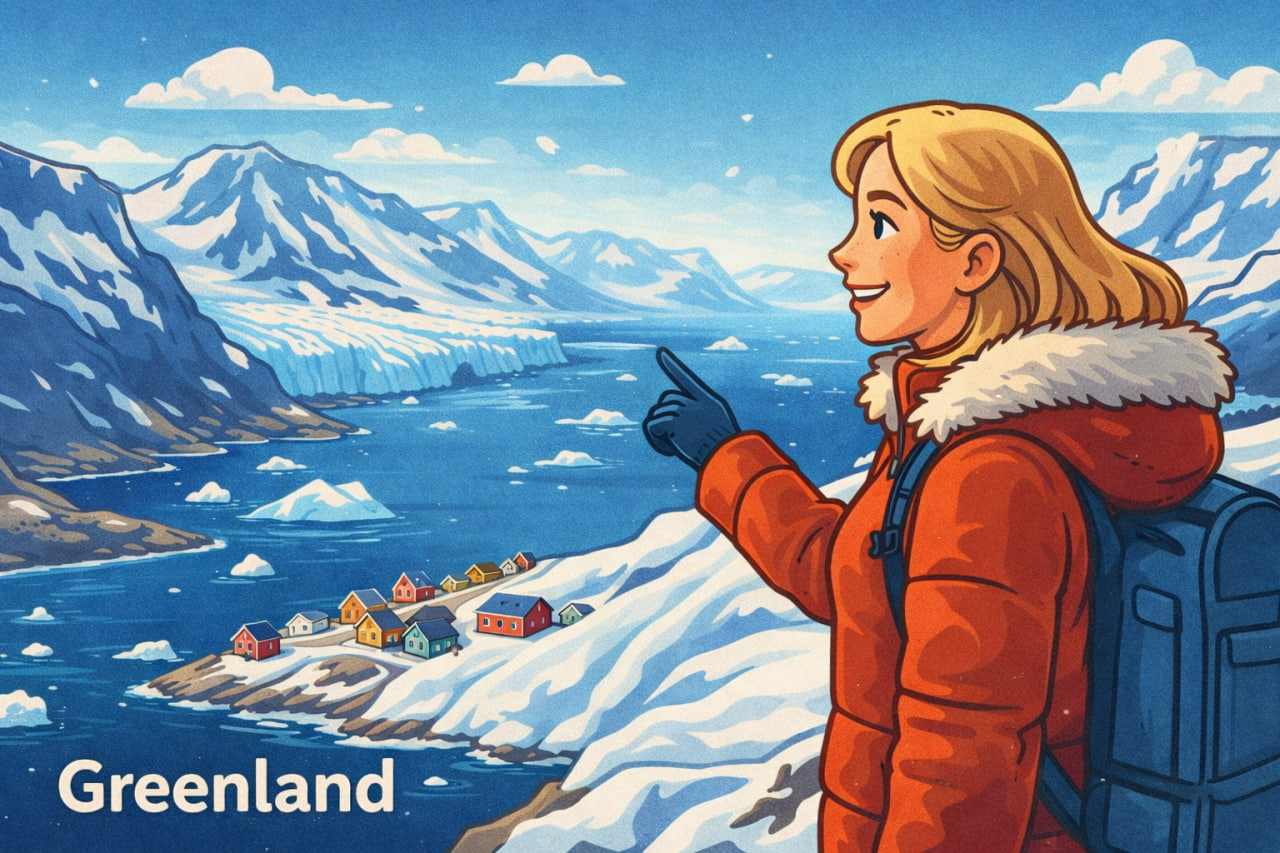
Greenland is the largest island on Earth and one of the most important regions for understanding how our planet’s climate system works.
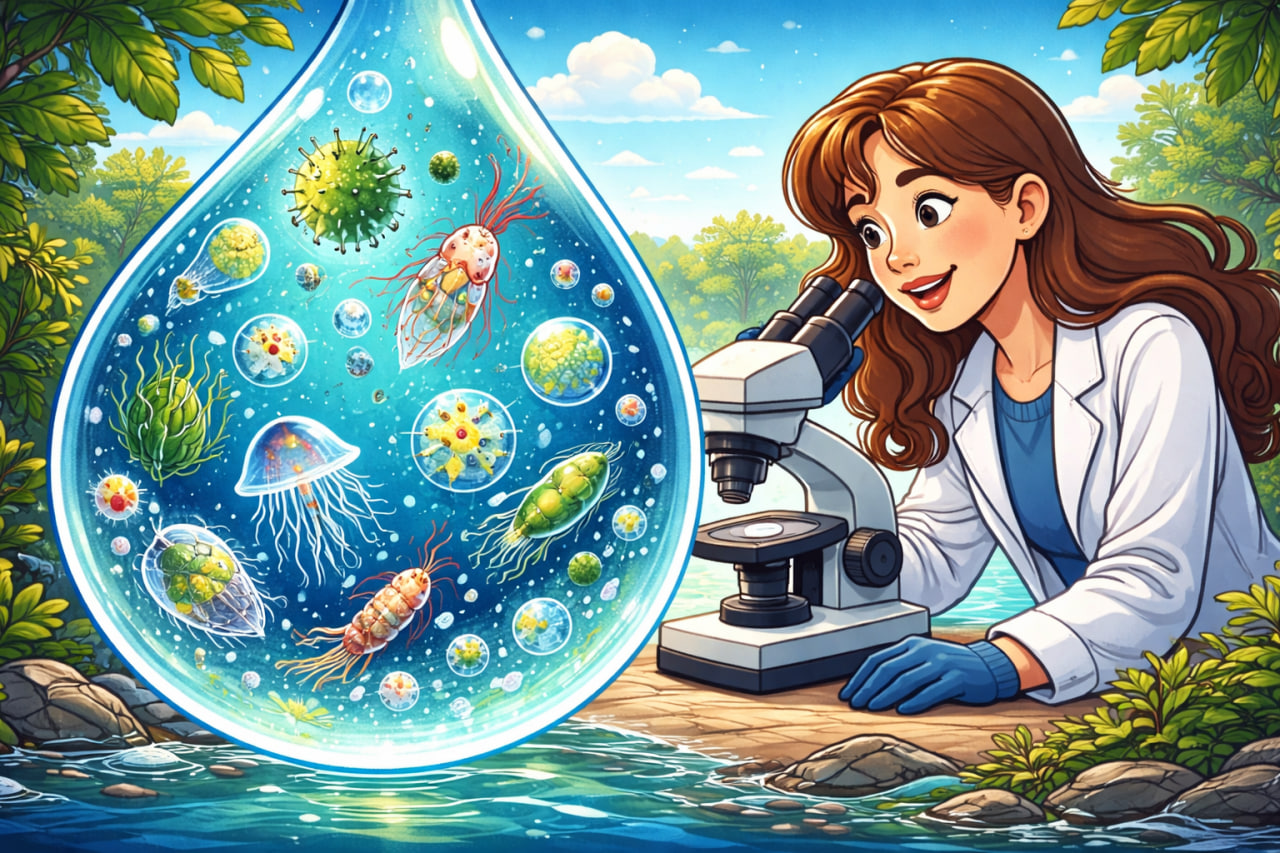
A single drop of water may look empty to the naked eye, but under a microscope it reveals an astonishingly complex and vibrant world.
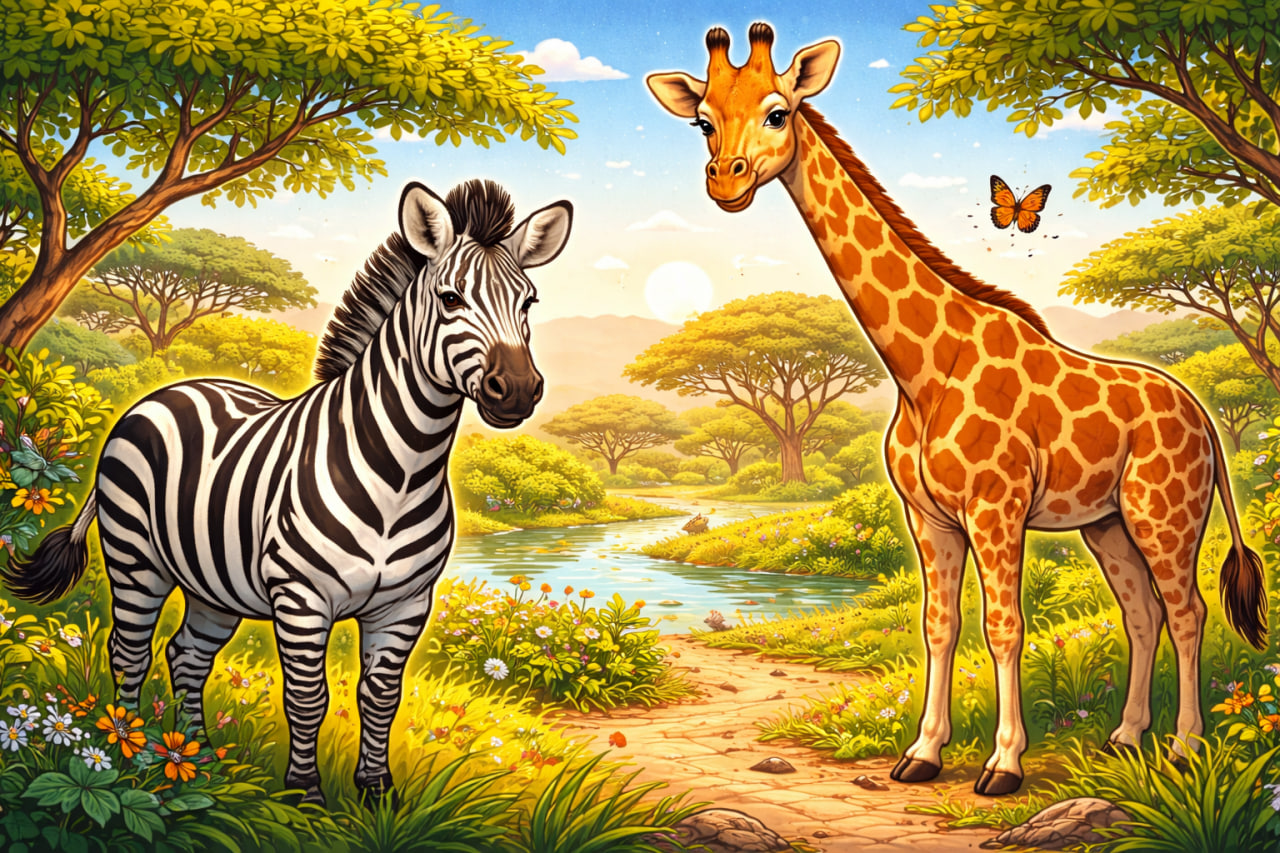
Animal coloration is one of the most visible and fascinating results of evolution. From bold stripes to complex spotted patterns, nature uses color not for decoration, but for survival.
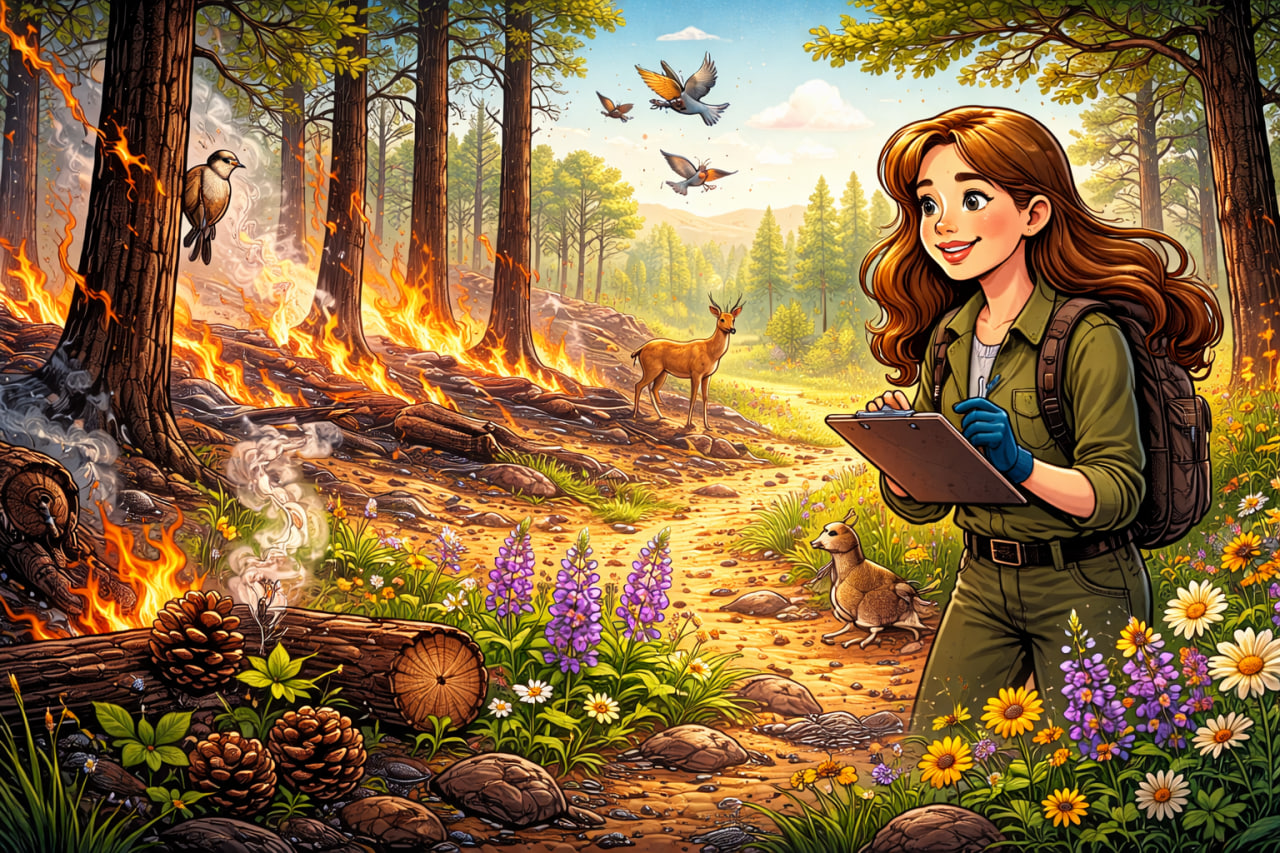
Forest fires are often perceived only as destructive events that threaten wildlife, forests, and human settlements.

Zero waste is a lifestyle and environmental philosophy that focuses on minimizing the amount of waste sent to landfills, incinerators, or the natural environment.
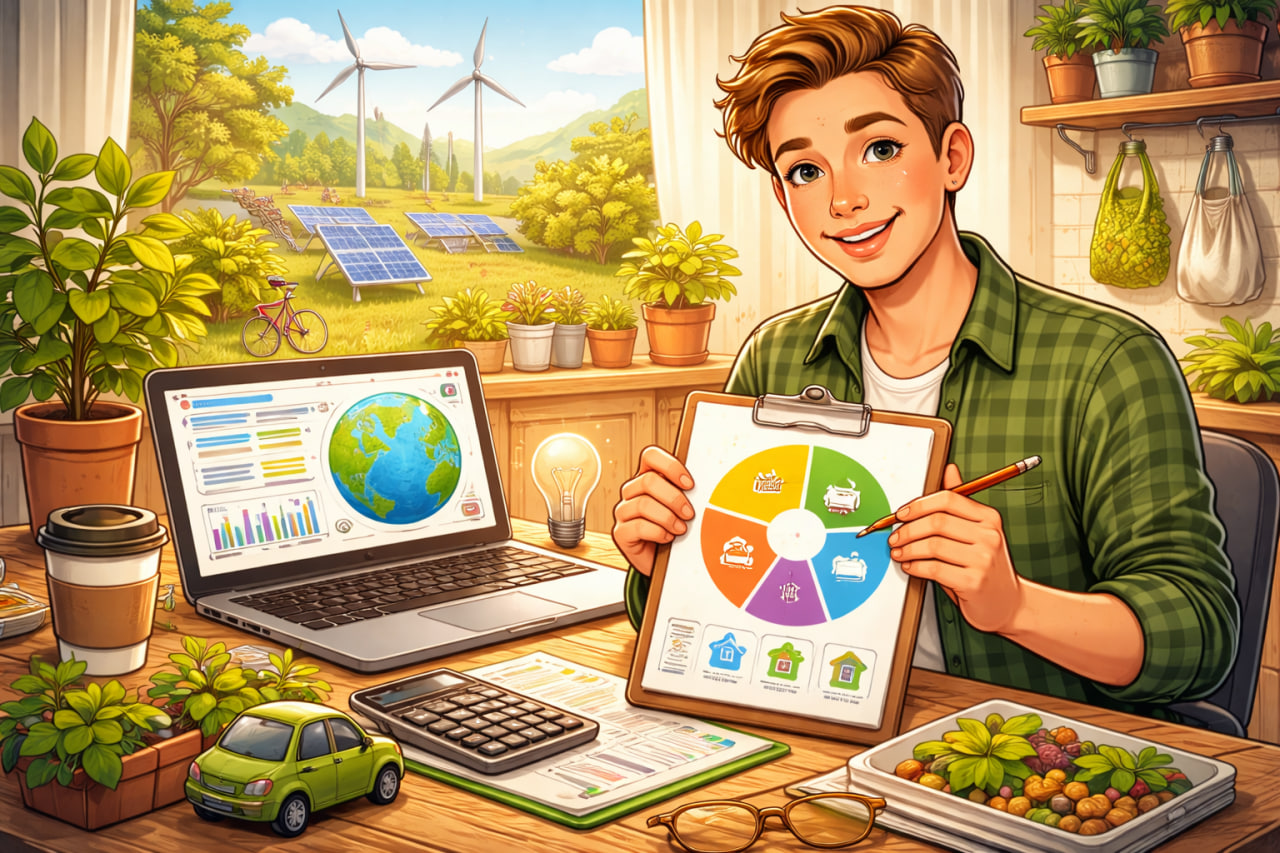
The ecological footprint is a concept used to measure how much natural resources a person, community, or country consumes compared to what the Earth can regenerate.
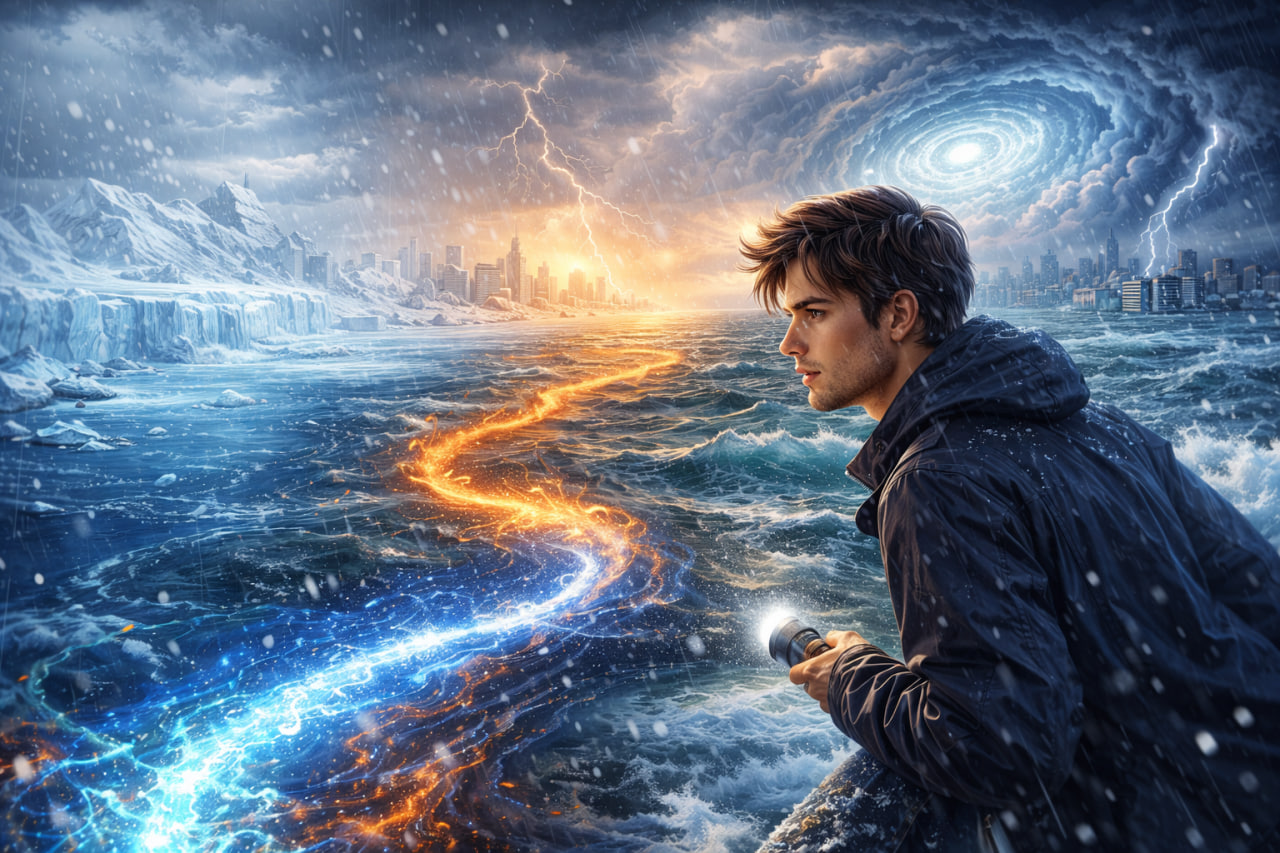
The Gulf Stream is one of the most powerful and influential ocean currents on Earth, playing a crucial role in regulating climate across the Northern Hemisphere.