
Carbon Footprint: Myths and Reality
The concept of the carbon footprint has become central to discussions about climate change, sustainability, and personal responsibility.
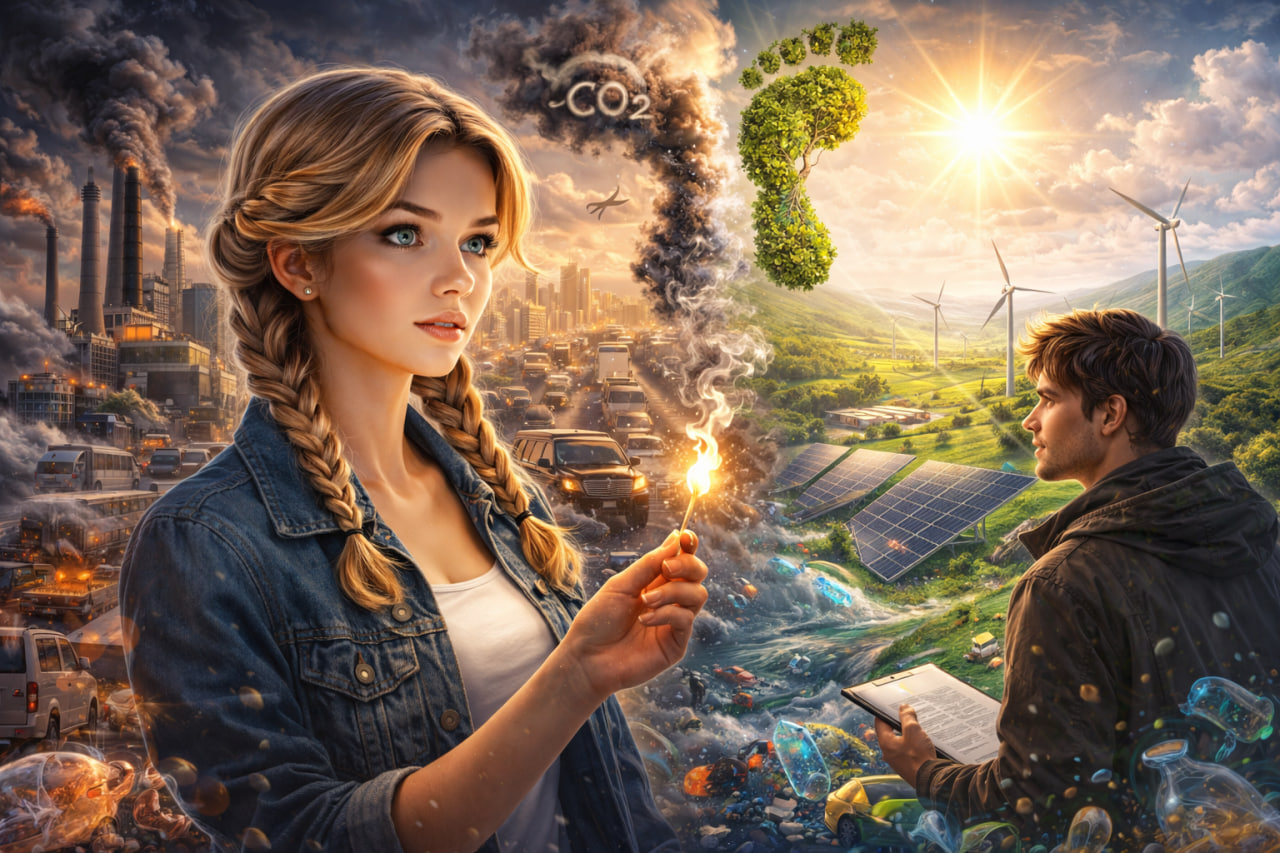
The concept of the carbon footprint has become central to discussions about climate change, sustainability, and personal responsibility.

The cryosphere is one of the least visible yet most influential components of Earth’s climate system.

Forests are not just collections of individual trees competing for sunlight and nutrients; they are deeply interconnected living systems.

At first glance, the extinction of dinosaurs may seem like the ultimate ecological catastrophe, wiping out some of the most iconic creatures in Earth’s history.

Carnivorous plants are among the most fascinating examples of adaptation in the natural world, blurring the line between plant and predator.
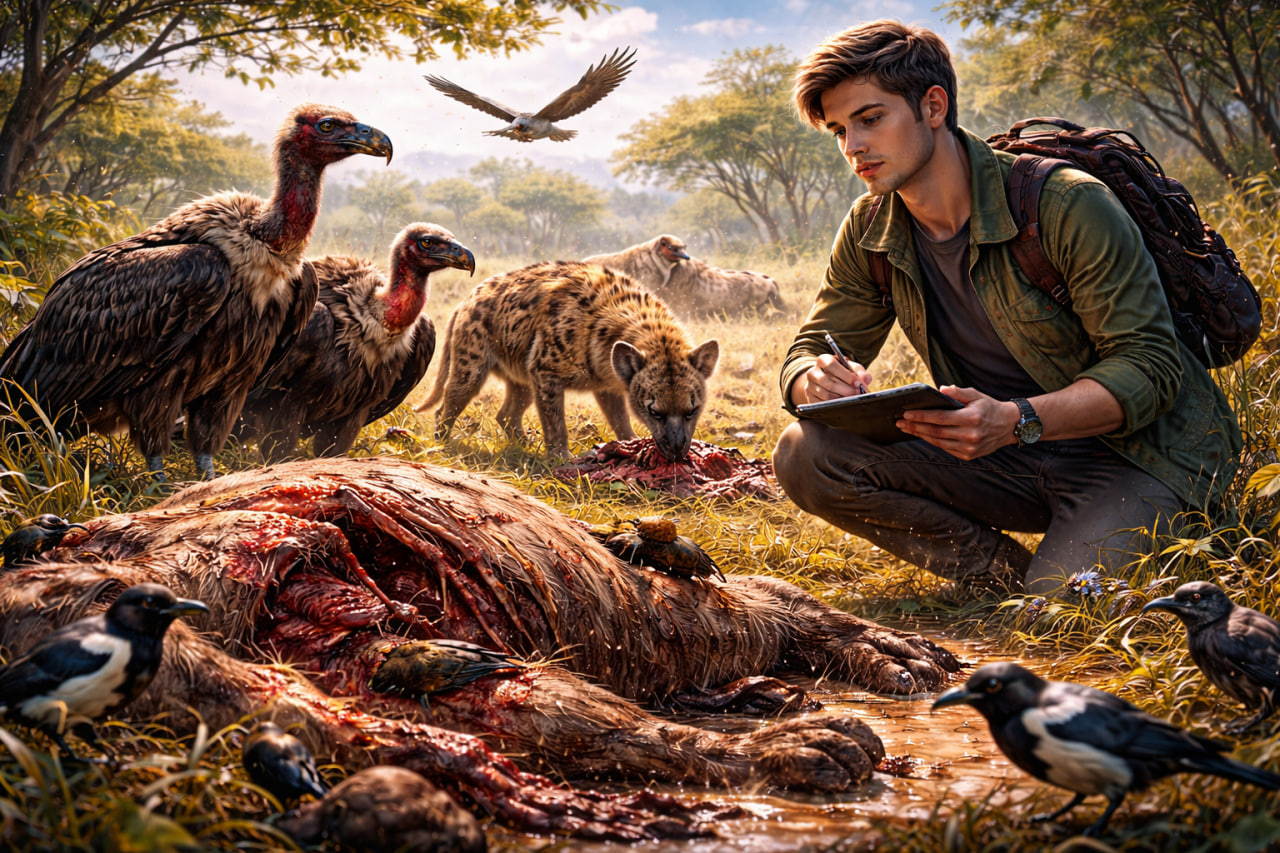
Scavengers play a crucial yet often misunderstood role in natural ecosystems, acting as nature’s cleanup specialists.

Beneath the ocean’s surface exist vast, complex ecosystems often called underwater forests, formed primarily by large seaweeds such as kelp.

Regeneration is one of the most astonishing phenomena in biology, allowing certain animals to restore lost or damaged body parts with remarkable precision.

Earthquake-resistant buildings are designed to withstand ground shaking and reduce damage during seismic events.

Encountering a stray cat or dog often raises a simple but important question: what food is actually safe to offer?