
What Will the World Look Like in 10 Years? Optimistic and Dramatic Scenarios for 2036
Predicting the world ten years ahead is difficult because technology, politics, climate, economics, and human behavior rarely develop in straight lines.
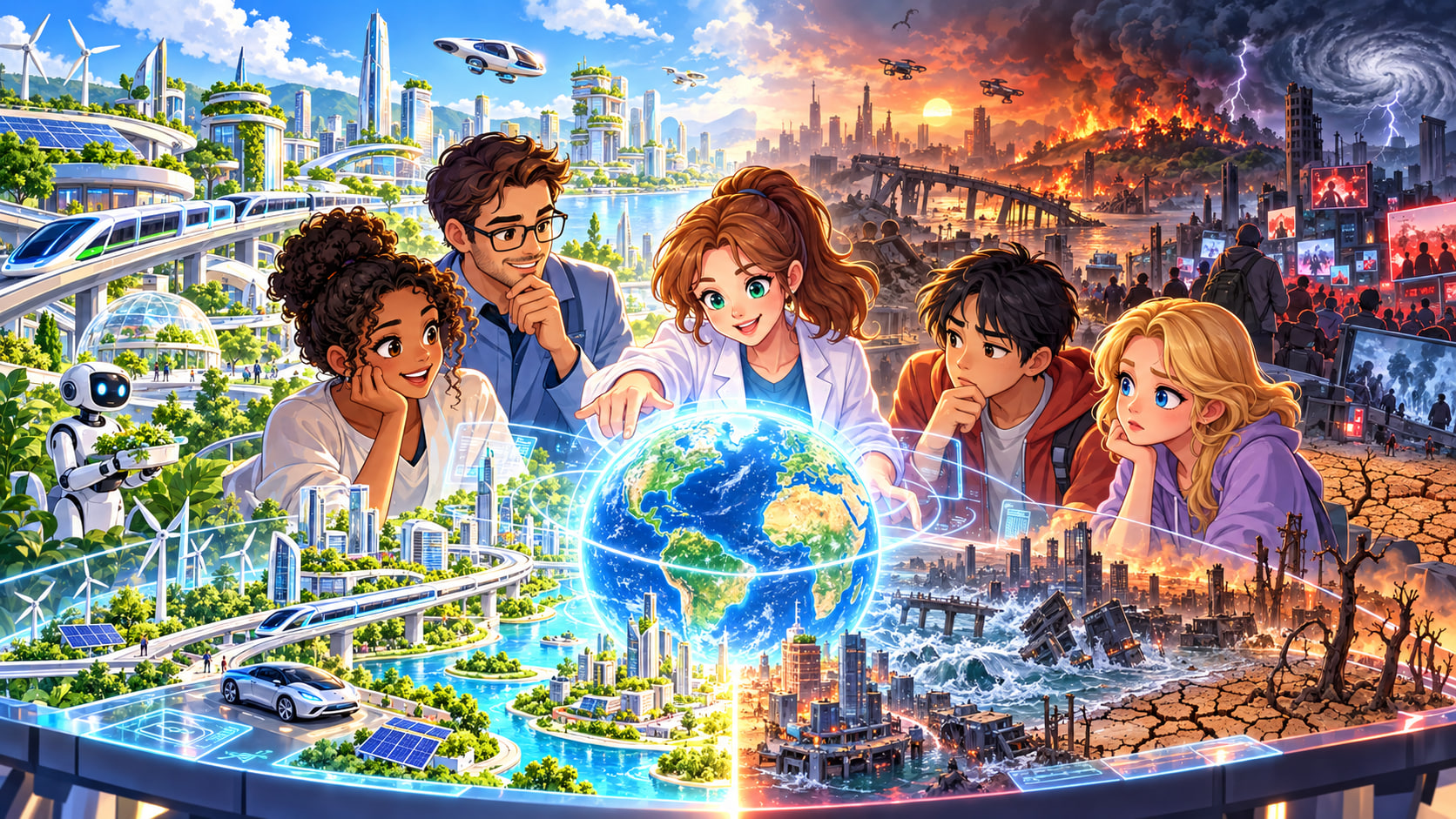
Predicting the world ten years ahead is difficult because technology, politics, climate, economics, and human behavior rarely develop in straight lines.
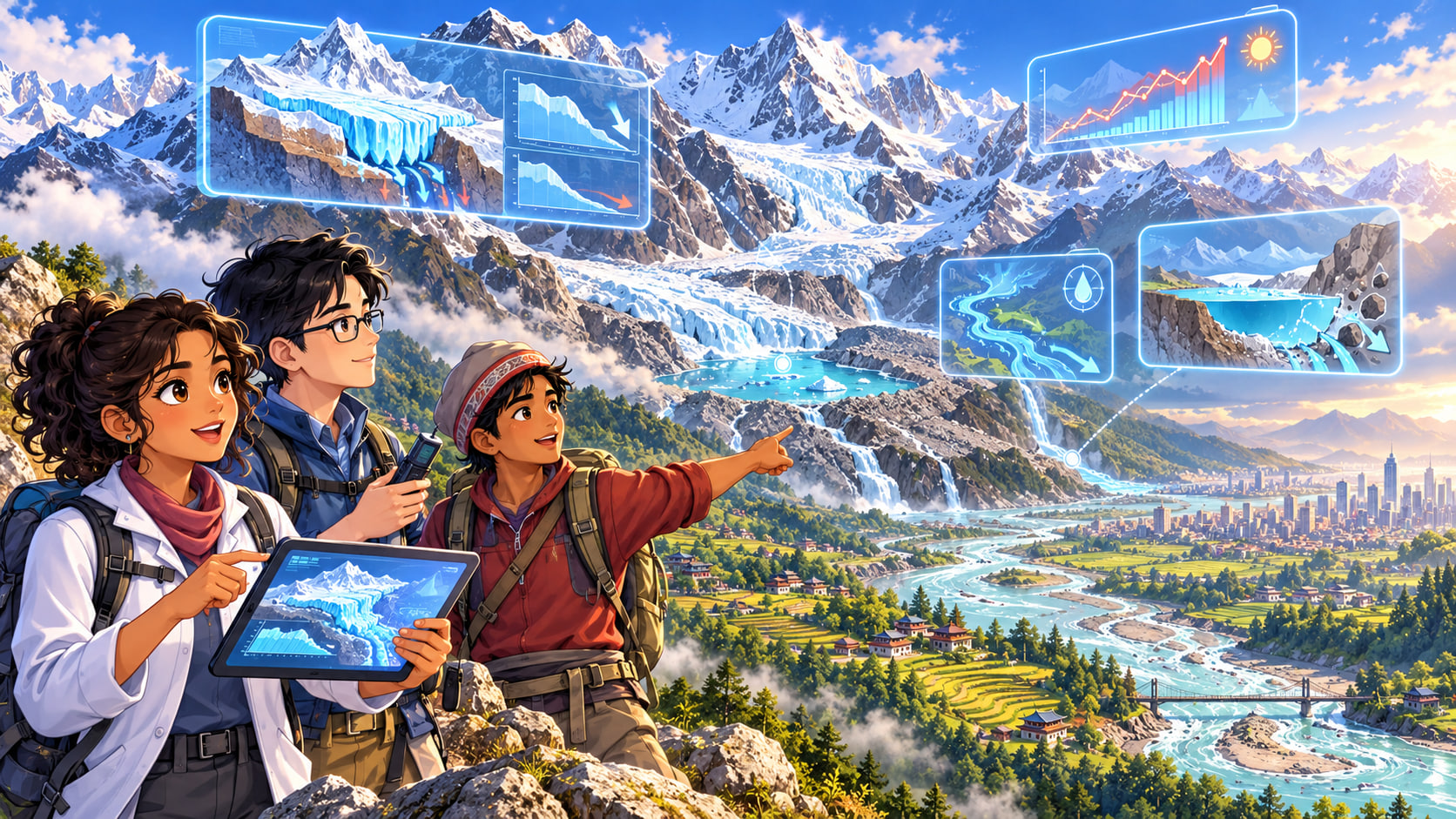
The Himalayan mountain system contains one of the largest concentrations of ice outside the polar regions.
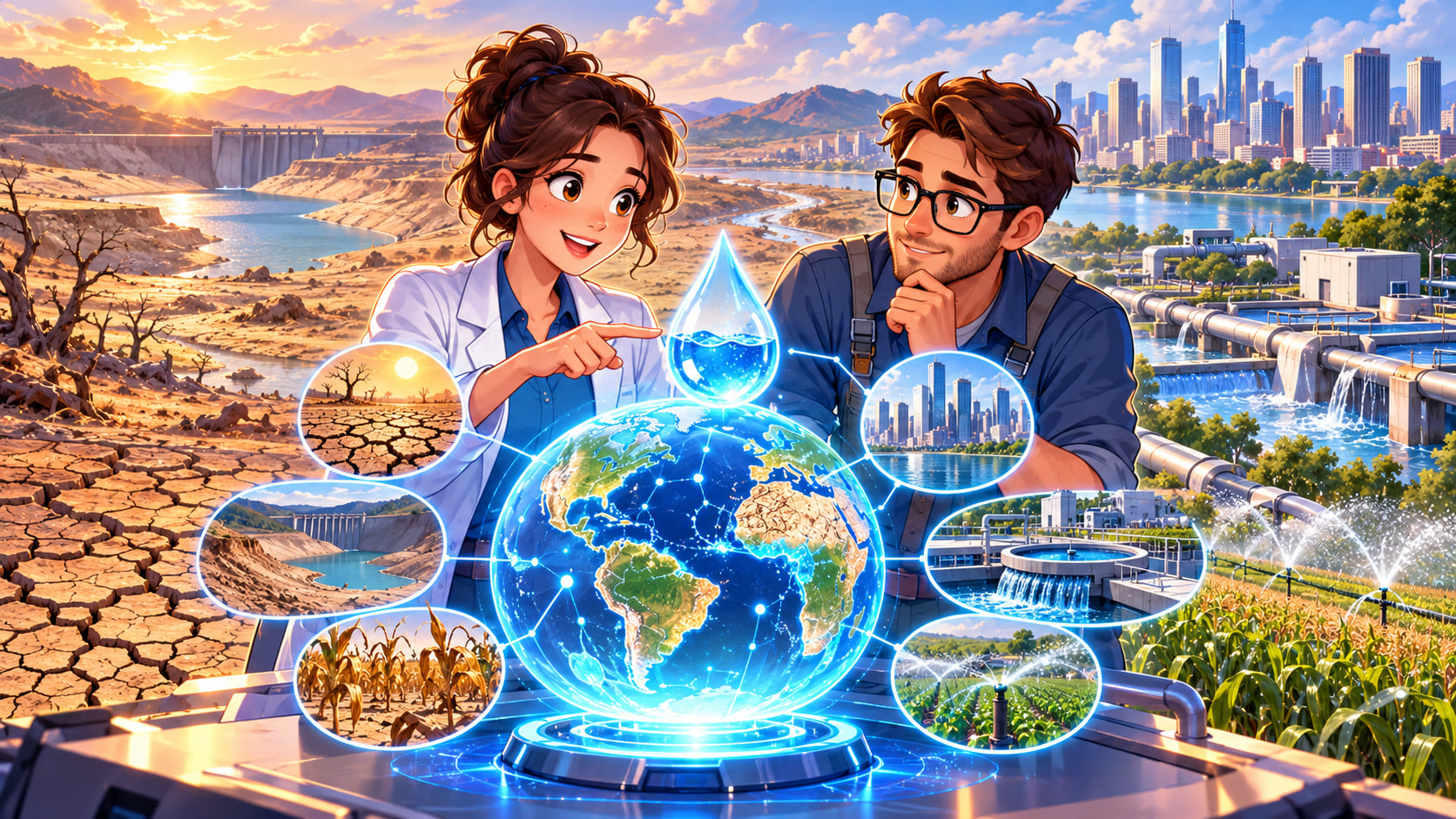
Water covers approximately 71% of Earth's surface, yet billions of people face difficulties accessing safe, reliable freshwater.
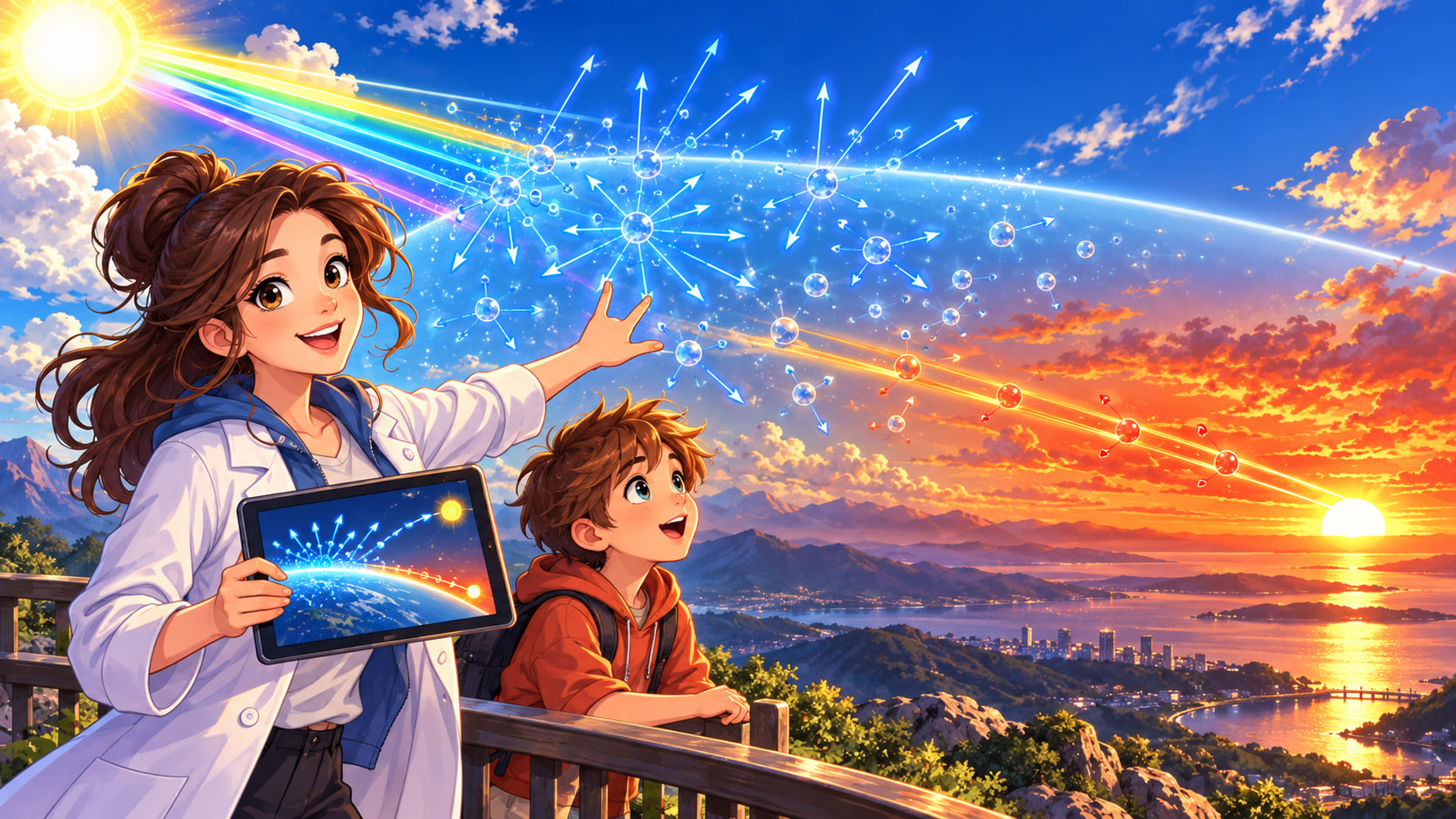
The sky is one of nature’s most spectacular displays. On a clear afternoon, it stretches overhead in brilliant shades of blue.
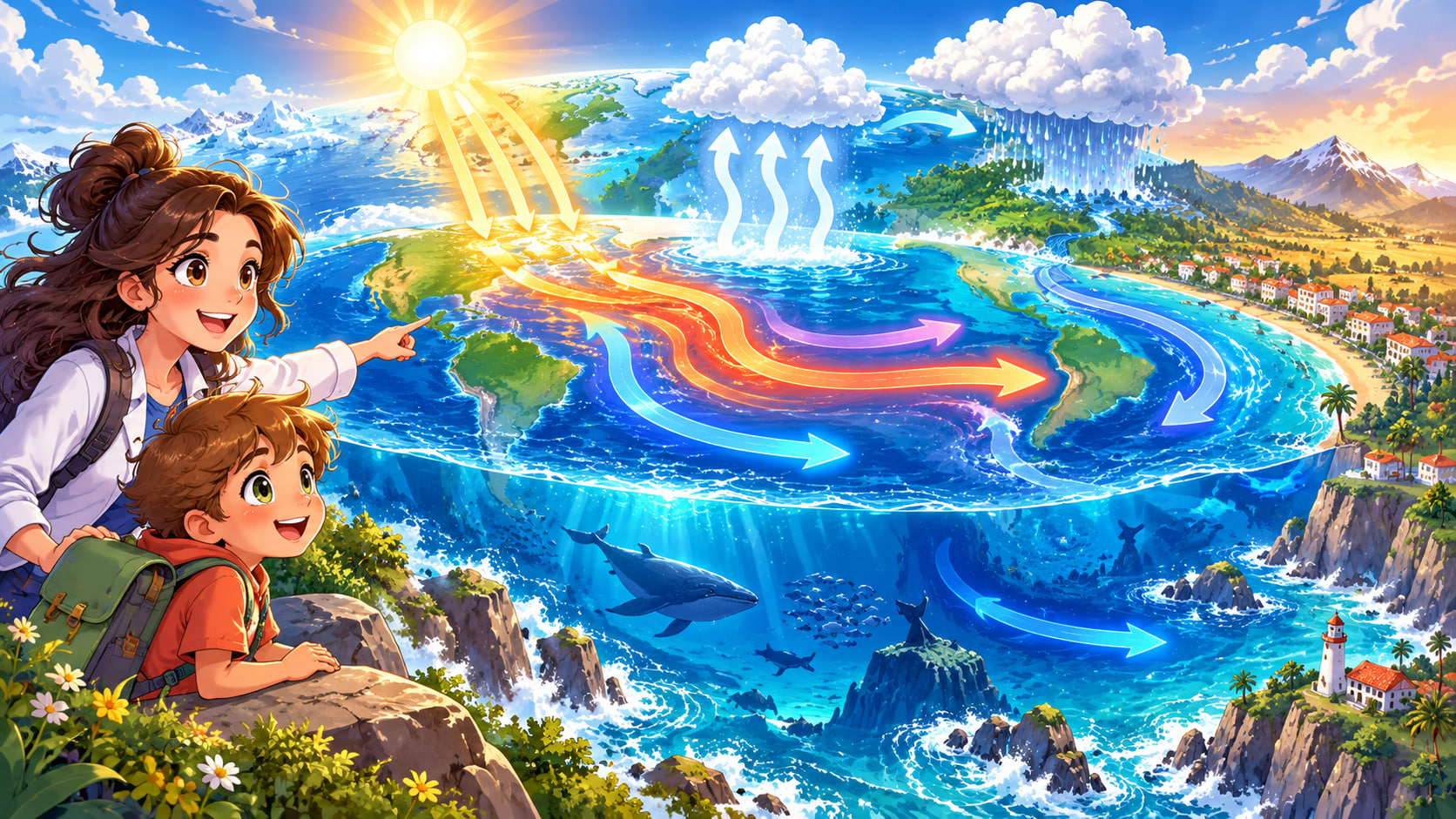
This does not mean the ocean always cools the planet. In some regions and seasons, it releases stored heat back into the atmosphere.
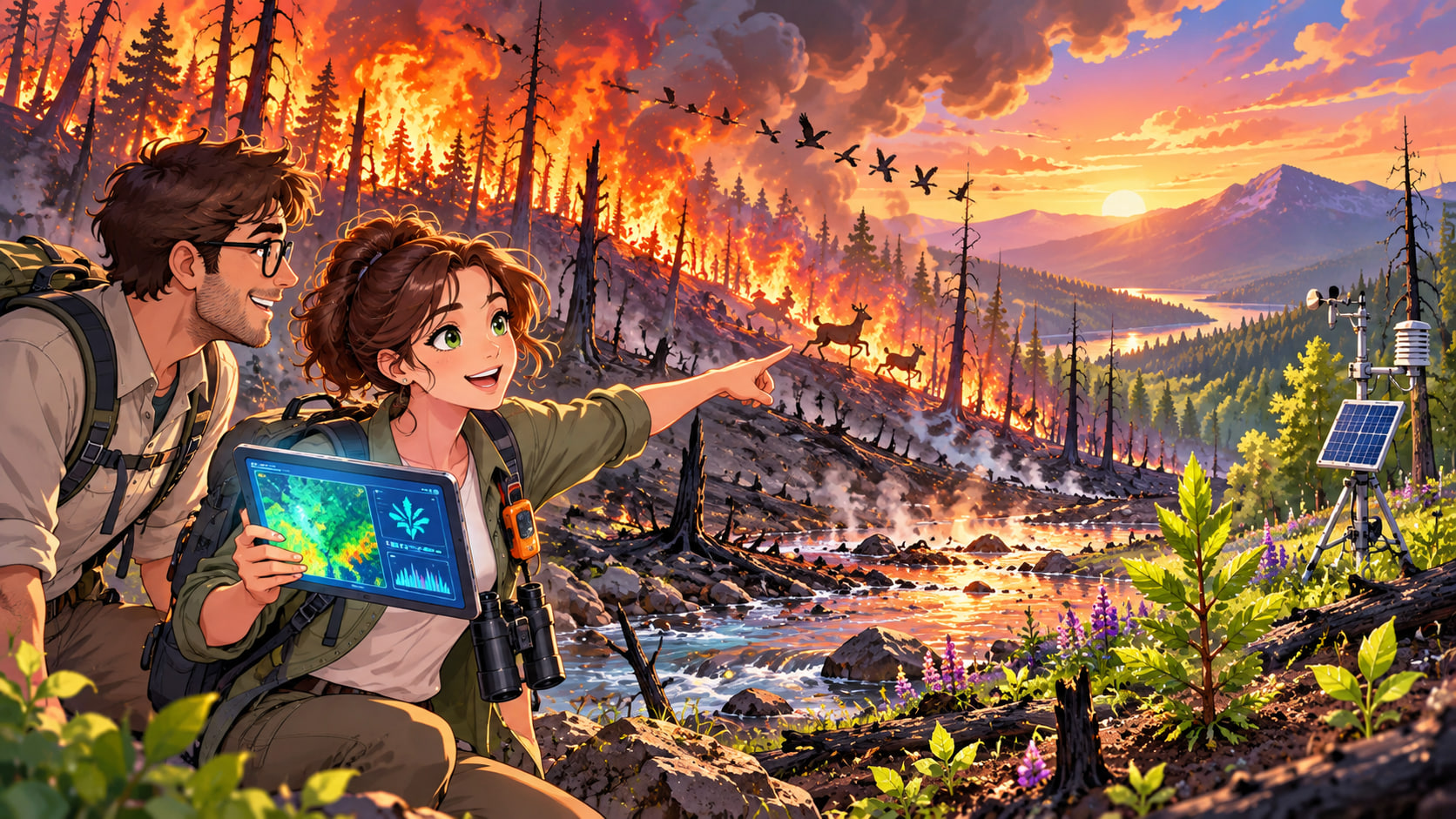
Every year, wildfires burn across forests, grasslands, and other natural landscapes, transforming enormous areas of our planet.
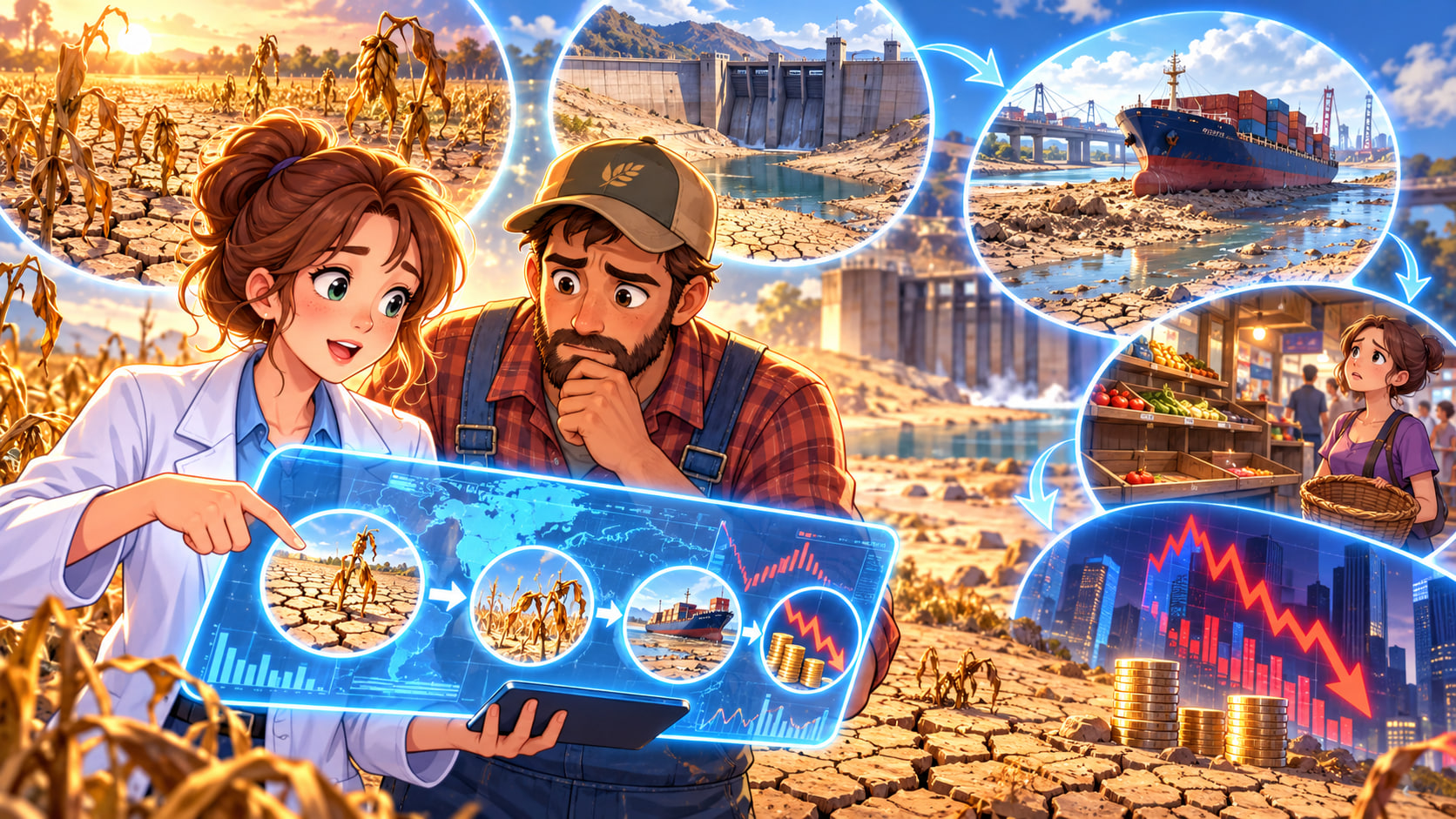
A drought may begin with something as simple as months without sufficient rainfall. Rivers shrink, reservoirs decline, and agricultural fields gradually lose their moisture.
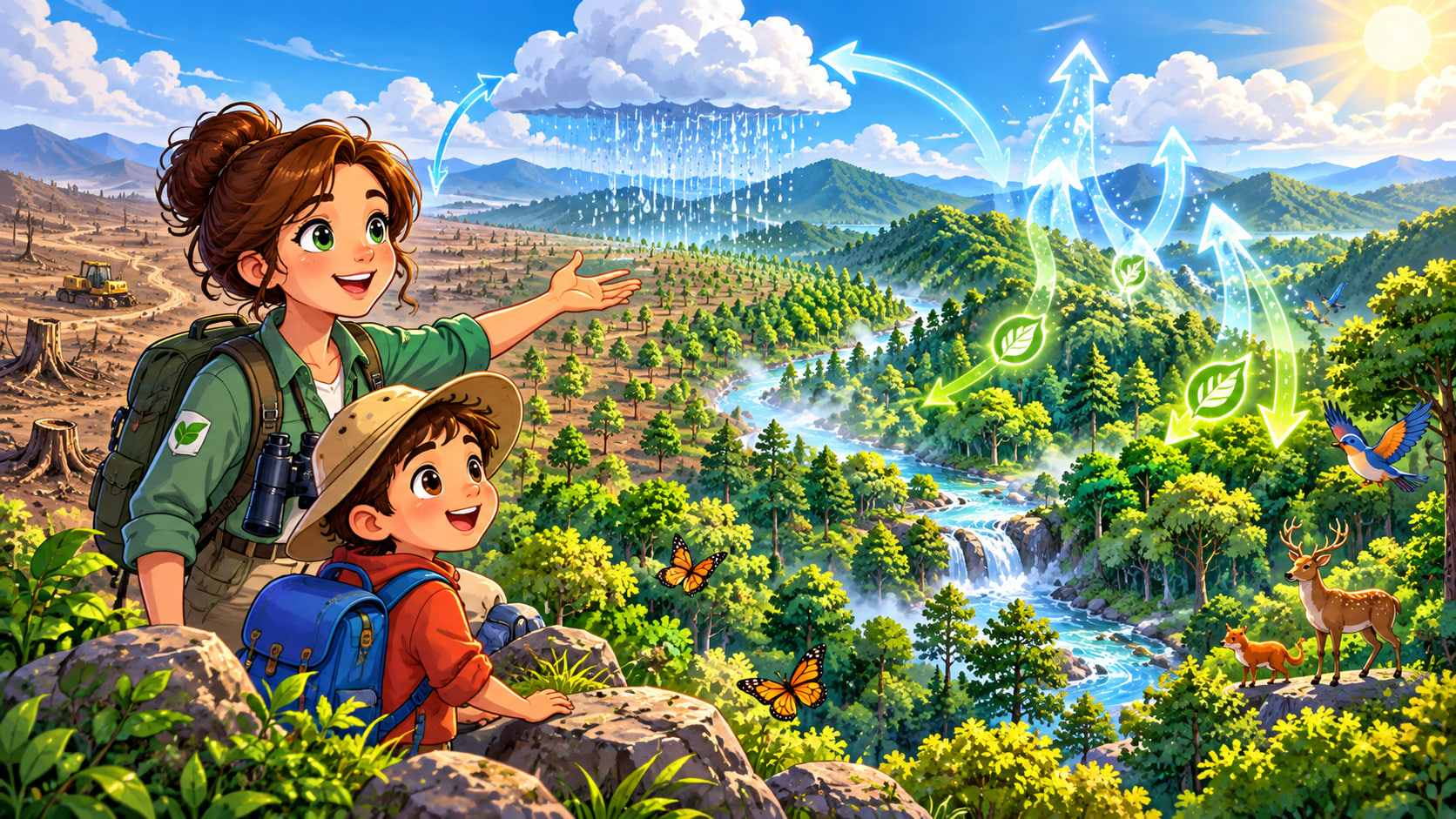
Forests do far more than cover the landscape with trees. They store carbon, move water through the atmosphere, influence clouds, cool the land, protect soils, and shape regional weather patterns.
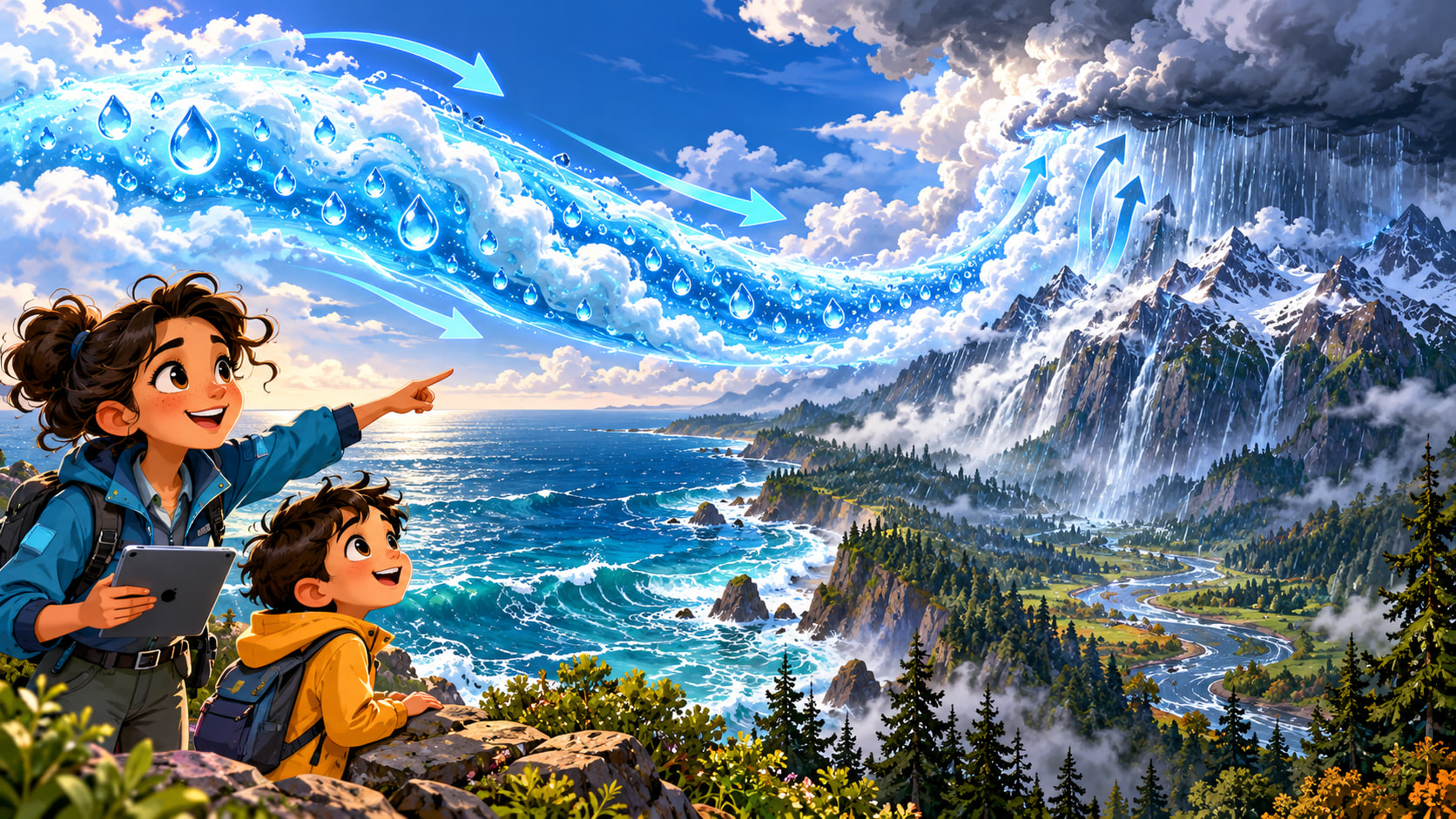
Despite the name, they are not rivers in the ordinary sense. There are no banks, channels, or flowing streams of liquid water.
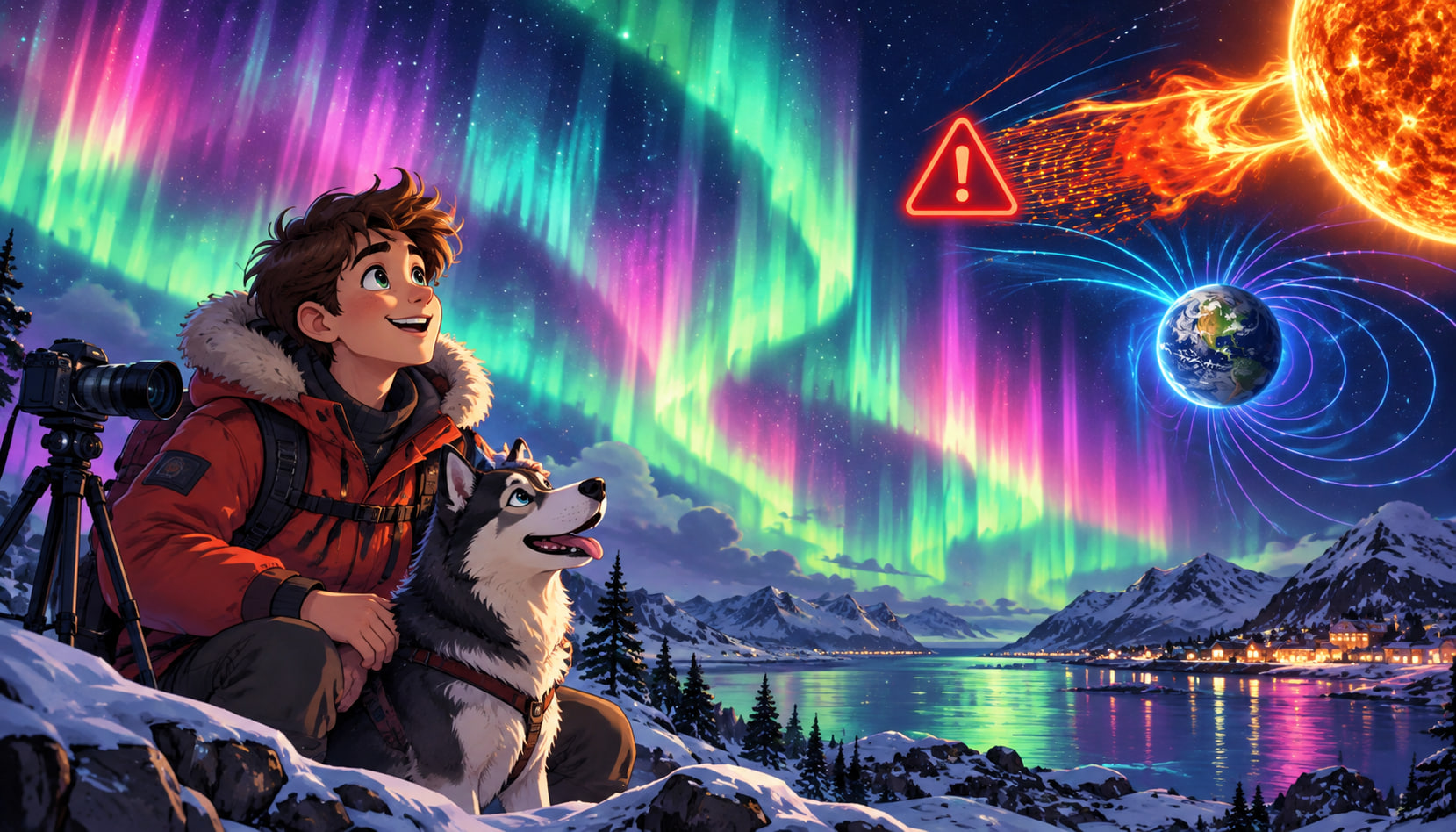
Auroras once seemed like rare spectacles reserved for travelers near the Arctic Circle.