
Climate Injustice: Why Poorer Countries Suffer More Despite Contributing Less
Climate change is a global phenomenon, but its consequences are distributed unevenly.
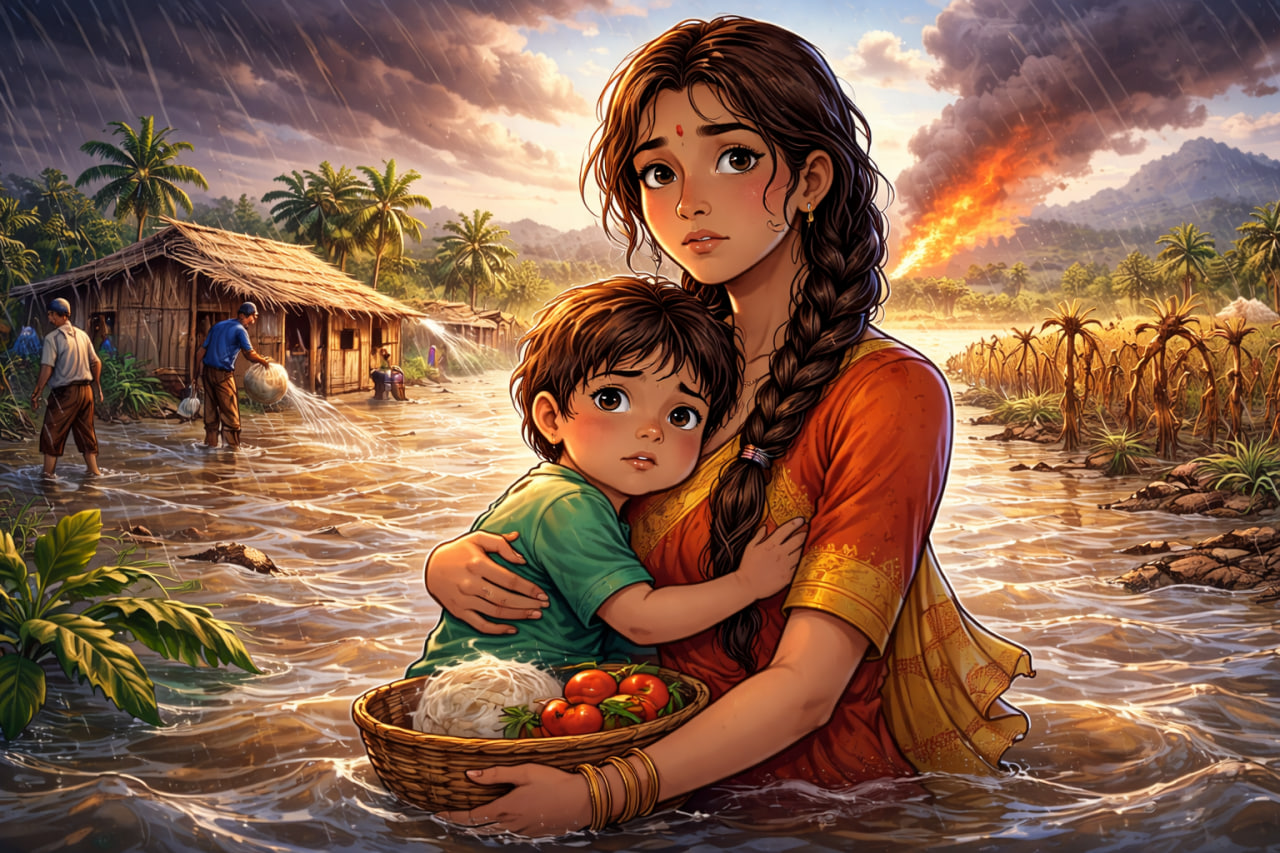
Climate change is a global phenomenon, but its consequences are distributed unevenly.

As climate change intensifies, cities around the world are facing rising temperatures, stronger storms, sea-level rise, and more frequent flooding.
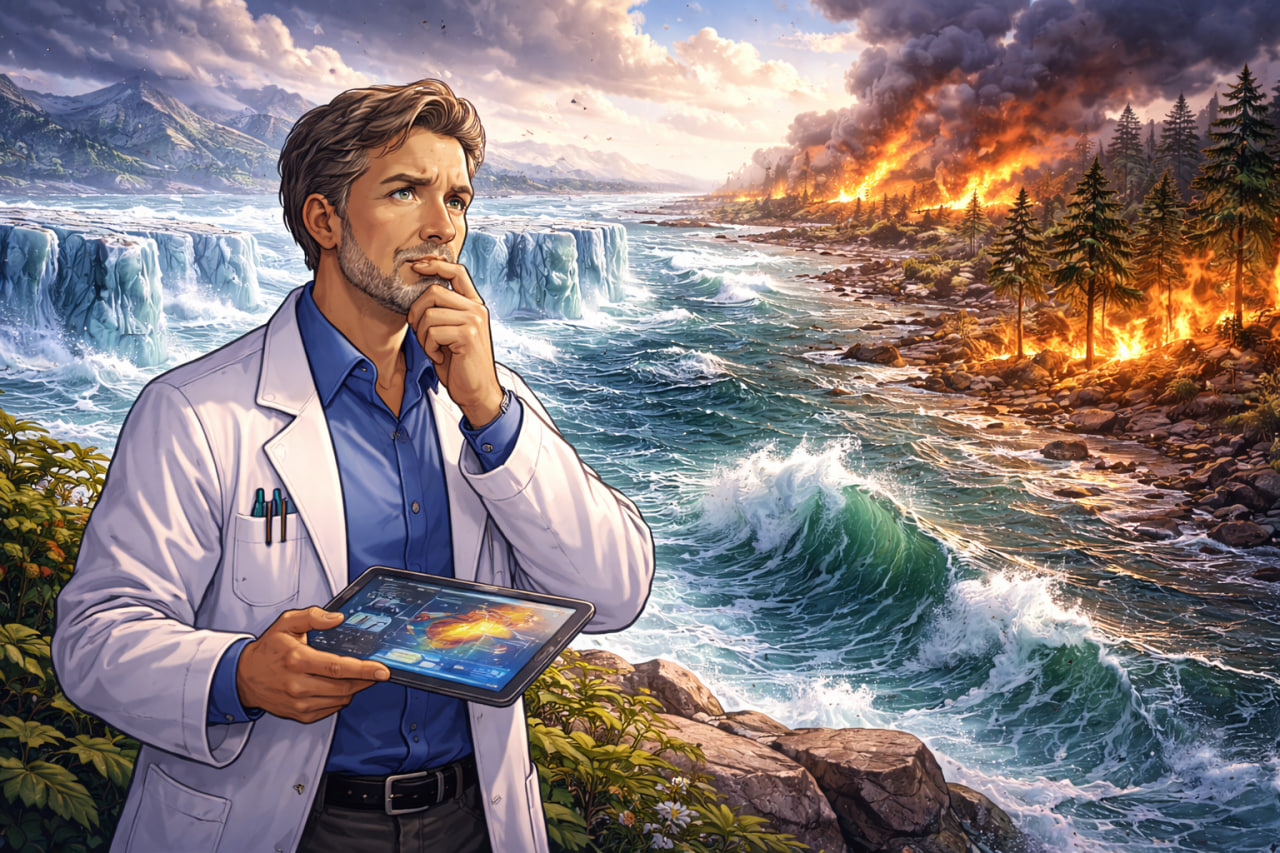
The term climate tipping point refers to a critical threshold in the Earth’s climate system beyond which changes become self-reinforcing and potentially irreversible on human timescales.
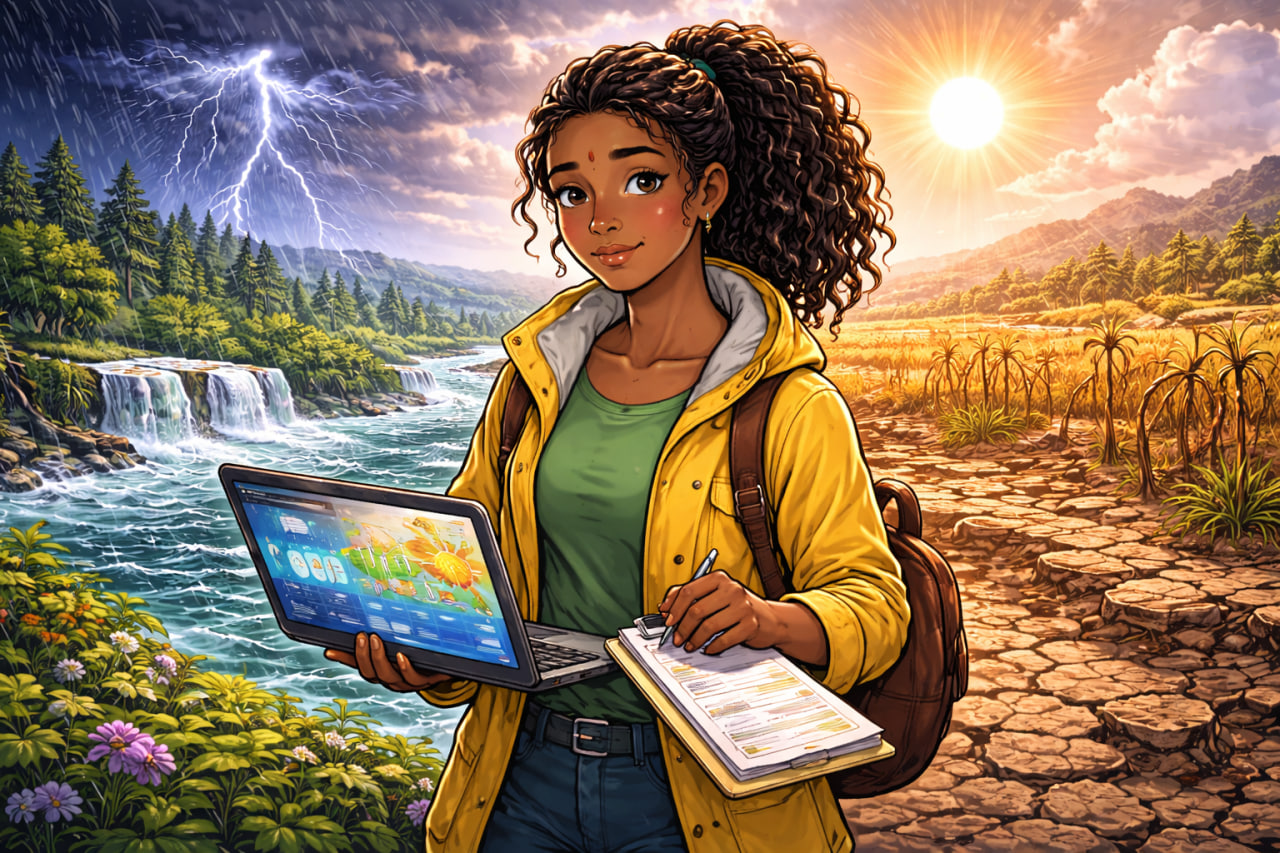
Climate change affects not only temperature but also the global water cycle. As the atmosphere warms, it can hold more moisture, altering rainfall distribution across regions.
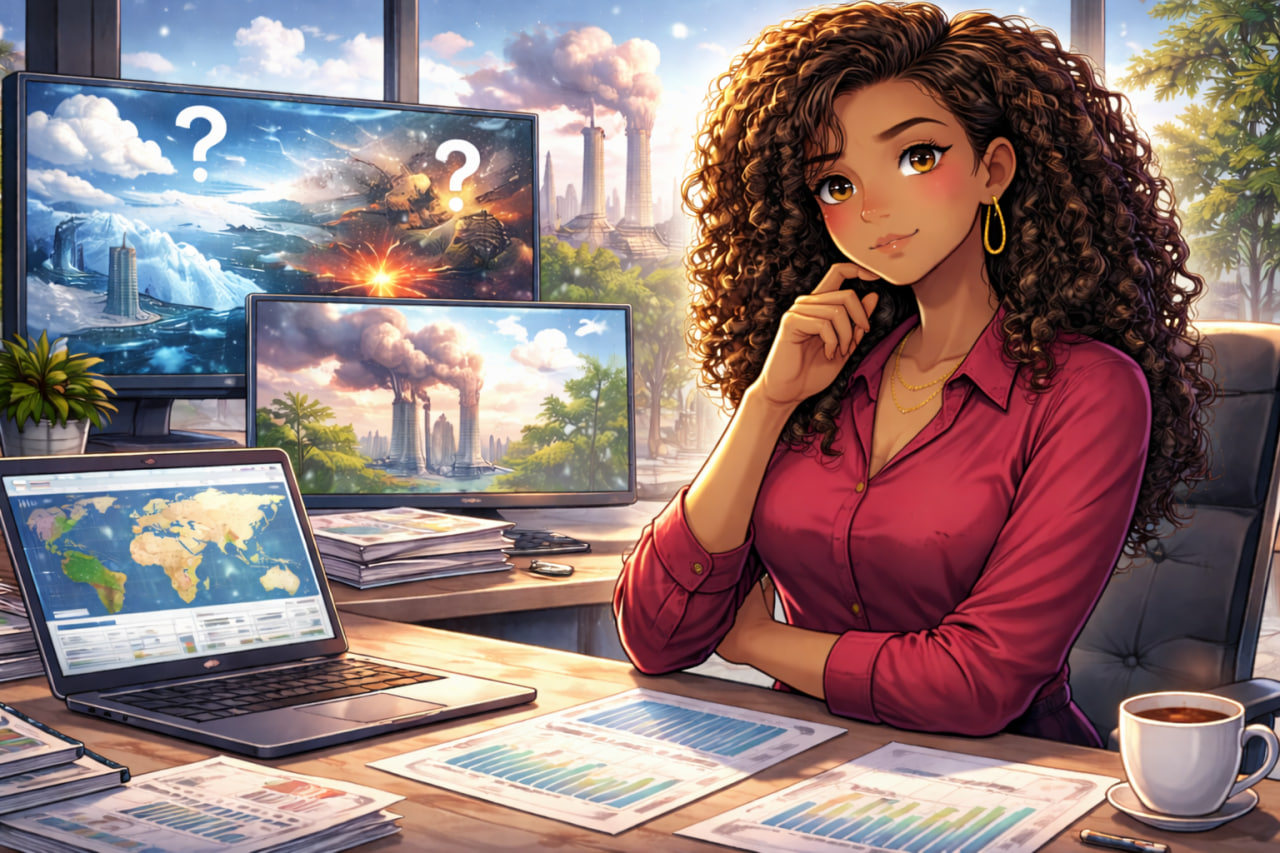
Climate change is one of the most widely studied scientific issues of the modern era, yet public opinion remains divided in some regions.

The world’s oceans absorb more than 90% of the excess heat trapped by greenhouse gases, making them a central regulator of Earth’s climate system.

The Paris Climate Agreement represents one of the most significant international efforts to address global climate change.
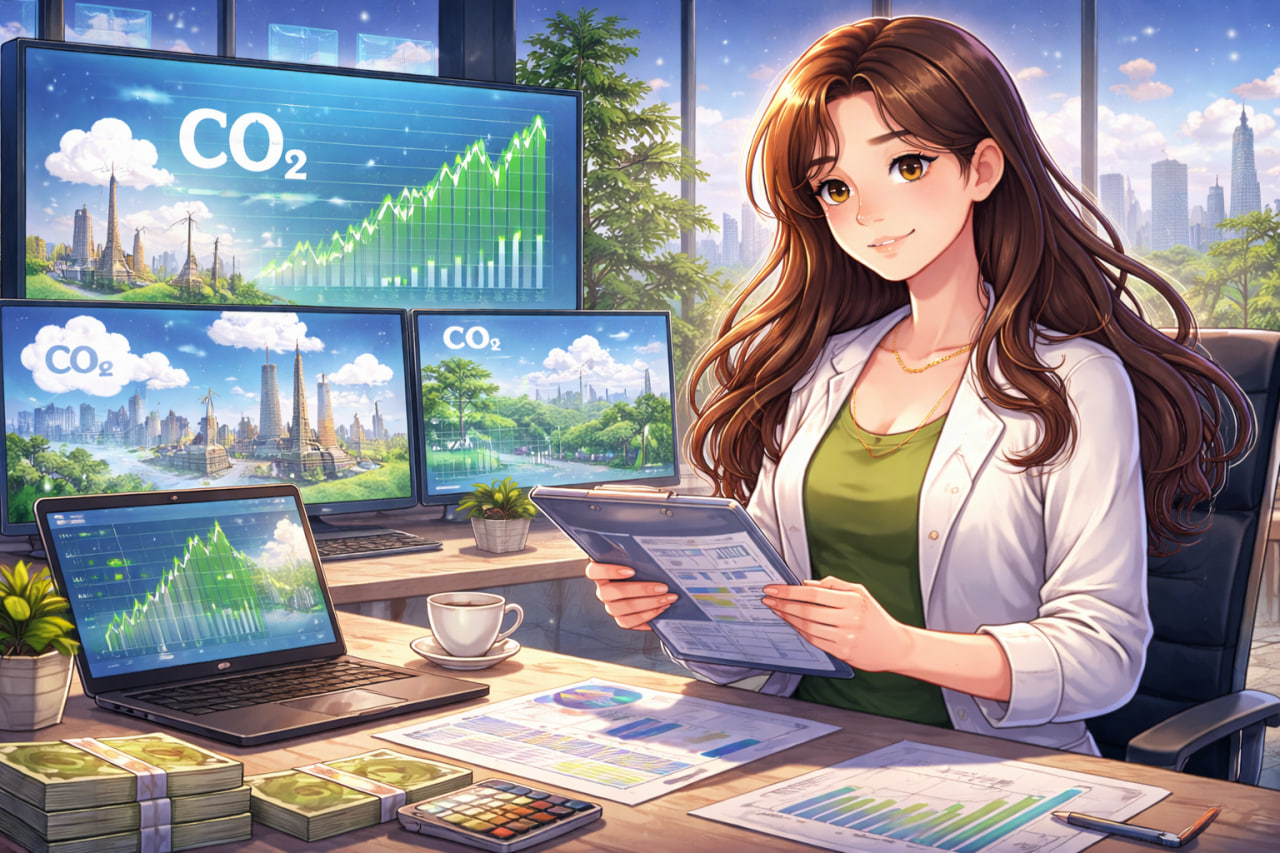
Carbon dioxide quotas, often described as “trading air,” are part of a global effort to reduce greenhouse gas emissions through market-based mechanisms.

Climate change is no longer only an environmental issue — it is increasingly recognized as a public health challenge.
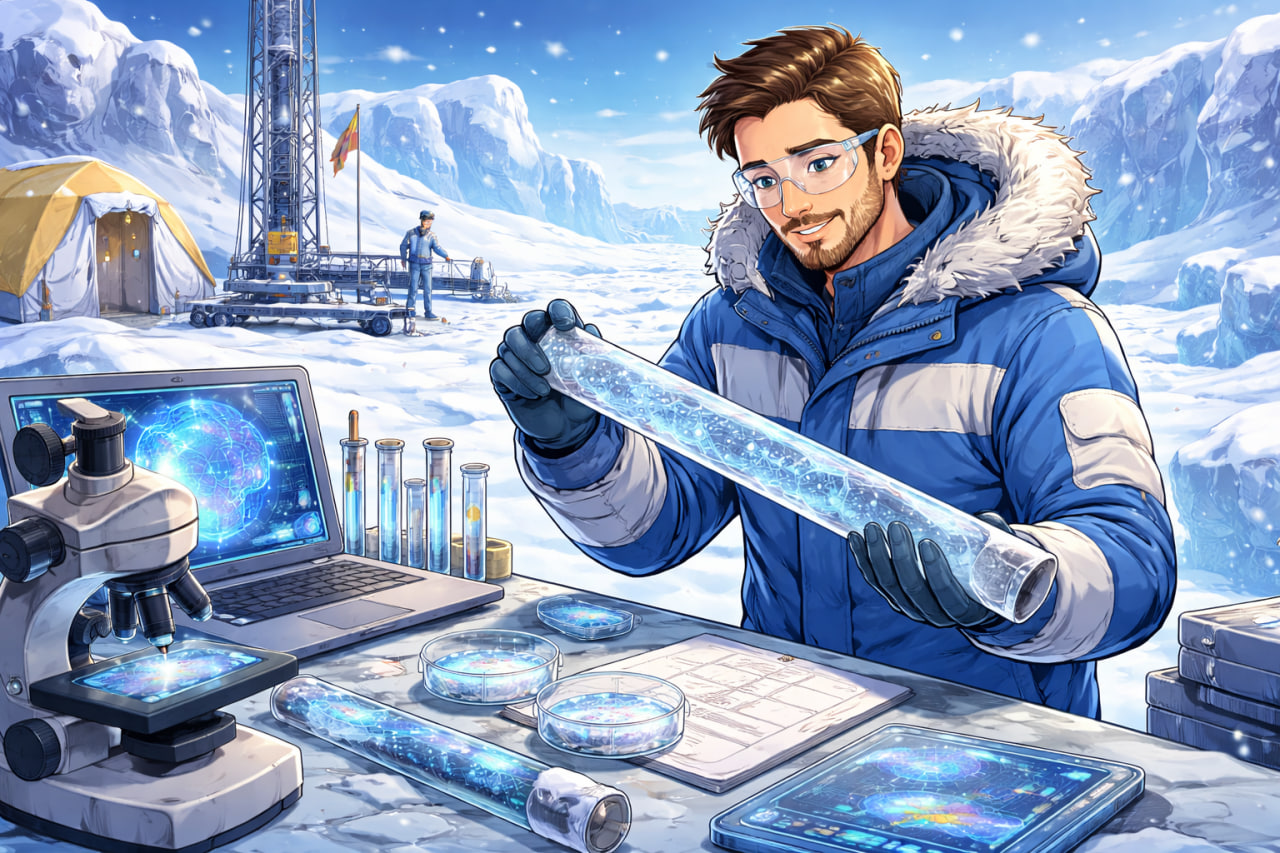
Ice cores are among the most valuable scientific archives on the planet, preserving detailed records of Earth’s past climate within layers of compacted snow and ice.