
Climate Modeling with Artificial Intelligence
Climate modeling has traditionally relied on complex physical equations that simulate interactions between the atmosphere, oceans, land, and ice.

Climate modeling has traditionally relied on complex physical equations that simulate interactions between the atmosphere, oceans, land, and ice.

Plastic pollution has become one of the most visible environmental challenges of the 21st century.

The world’s oceans absorb a significant portion of the carbon dioxide released into the atmosphere.

In recent years, extreme heat events have become more frequent, longer-lasting, and more intense across many regions of the world.

The Arctic is warming significantly faster than the rest of the planet, a phenomenon known as Arctic amplification.

Earth’s surface has not always looked the way it does today. Millions of years ago, the continents were joined together into a single massive landmass known as Pangaea.
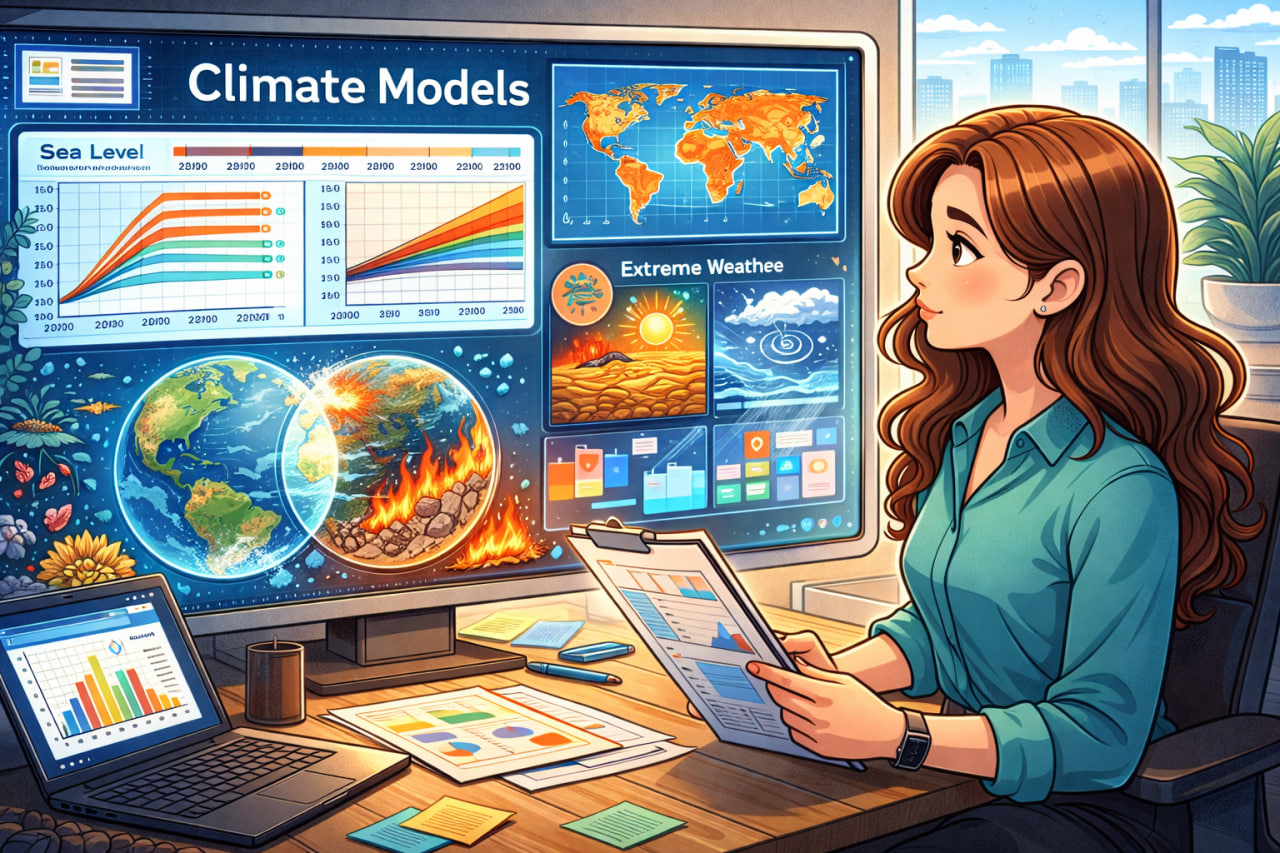
Climate models are powerful scientific tools used to simulate Earth’s atmosphere, oceans, land surface, and ice systems.
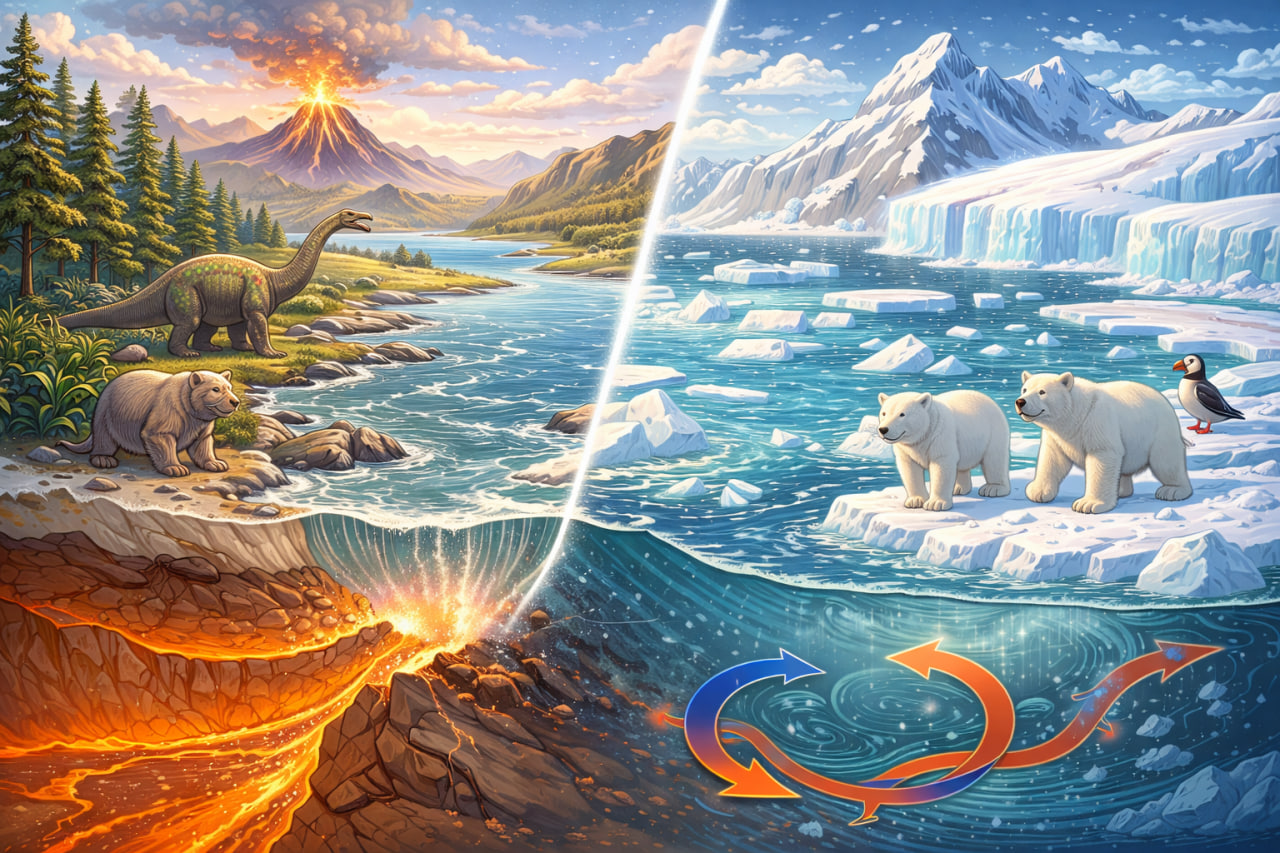
The Arctic is one of the most extreme and scientifically fascinating regions on Earth. Today it is known for vast ice sheets, permafrost, polar seas, and unique ecosystems.
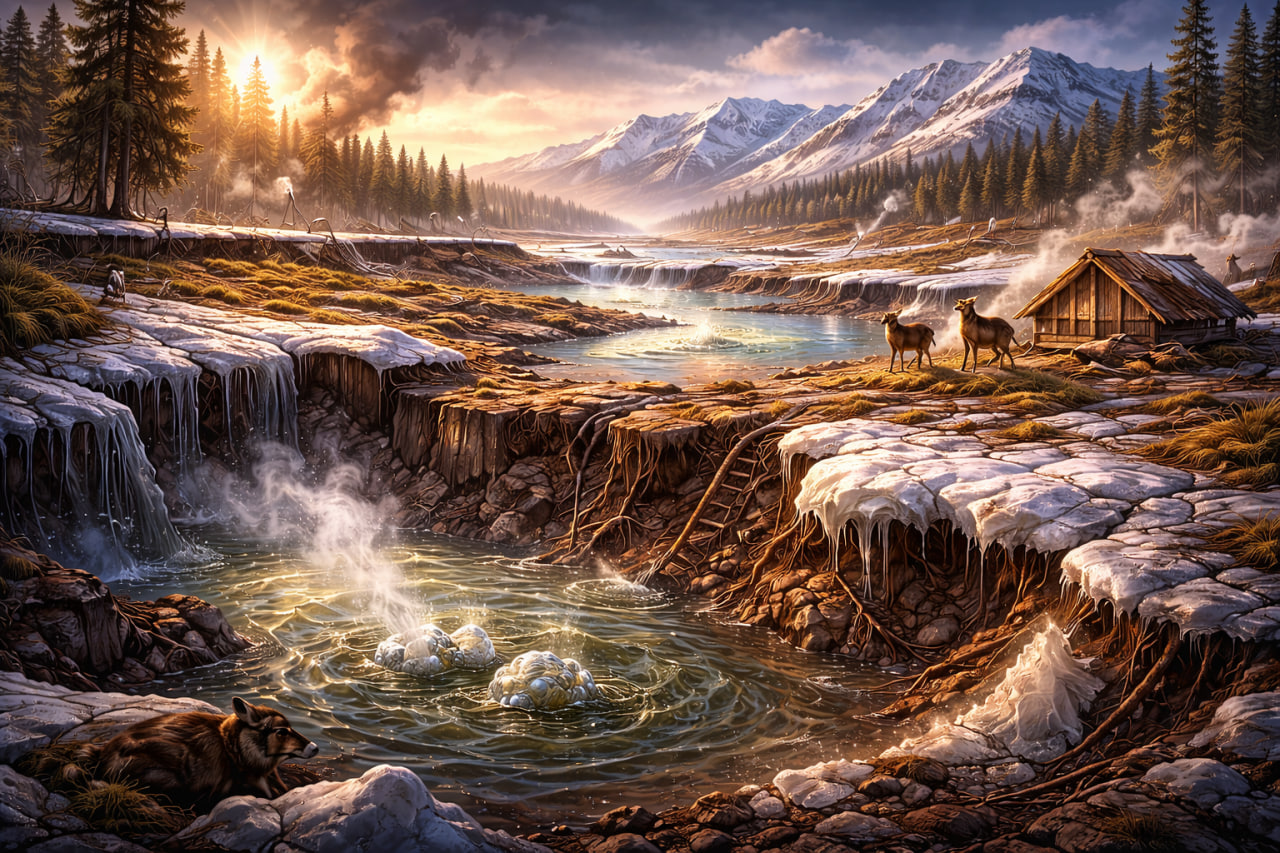
Permafrost—ground that remains frozen for at least two consecutive years—covers vast regions of the Arctic, particularly in Canada and Siberia.

Climate refugees are individuals and communities forced to leave their homes due to environmental changes linked to climate disruption.