
Solar Activity and Earth’s Climate: Does the Sun Really Influence Global Warming?
The Sun is the engine of Earth’s climate system. Without sunlight, there would be no weather, no oceans in liquid form, no photosynthesis, and no life as we know it.
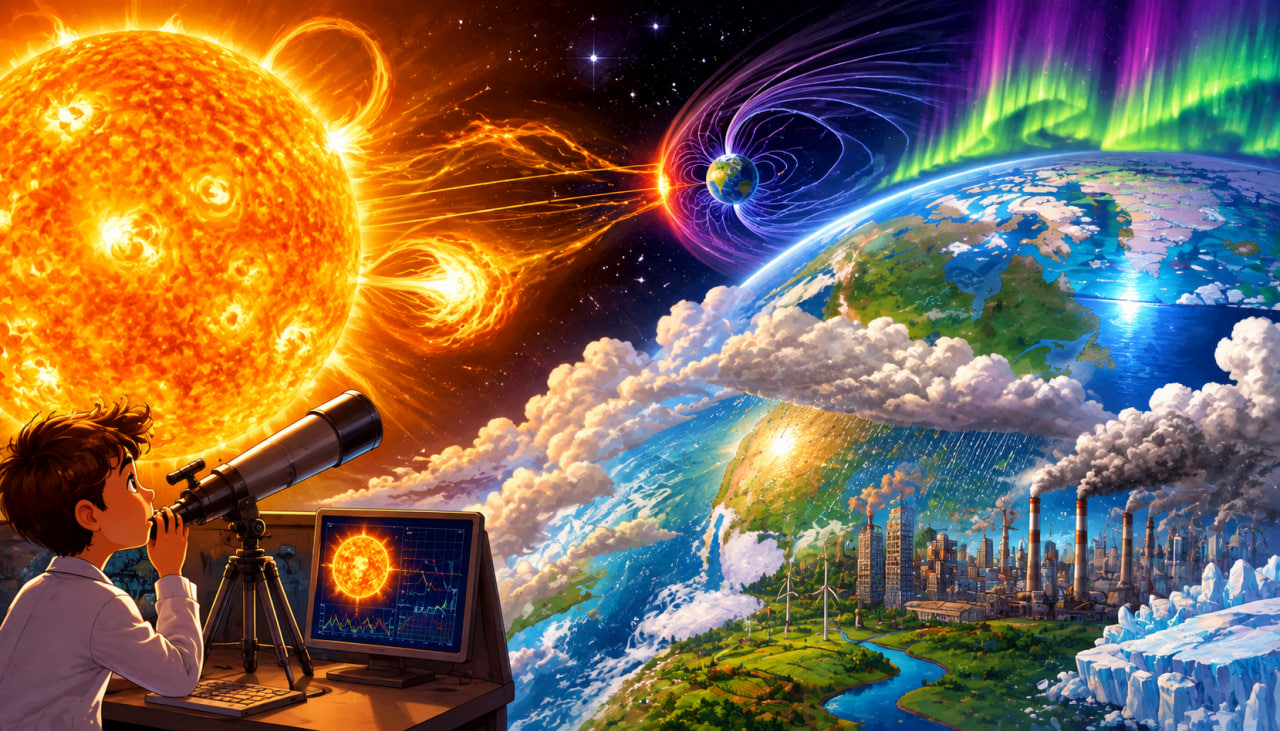
The Sun is the engine of Earth’s climate system. Without sunlight, there would be no weather, no oceans in liquid form, no photosynthesis, and no life as we know it.
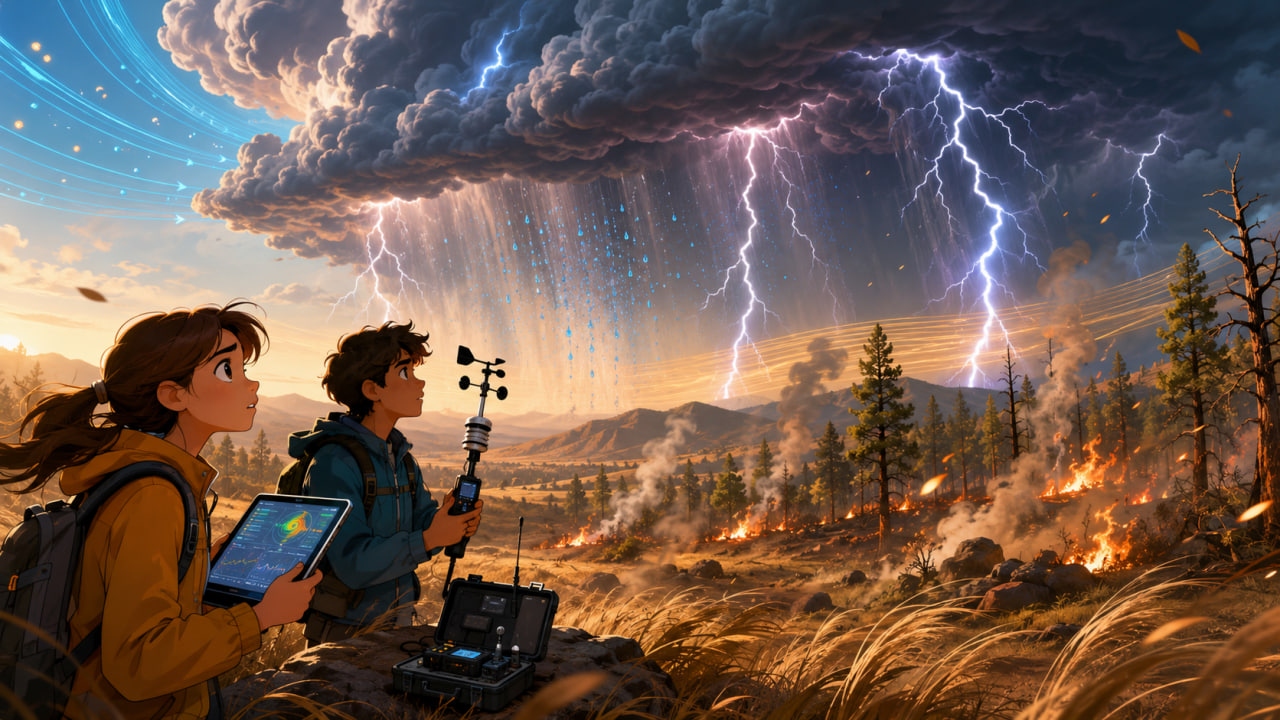
A thunderstorm usually makes people think of dark clouds, heavy rain, and the smell of wet ground.

Climate change is not only changing forests, oceans, agriculture, and cities. It is also changing where people will want to travel.

Forest fires are among the most powerful natural disasters on Earth. They can move fast, create their own weather, destroy homes, damage ecosystems, and fill the air with dangerous smoke.

Climate migration is no longer a distant future scenario. It is already shaping cities, coastlines, farms, borders, economies, and family decisions around the world.
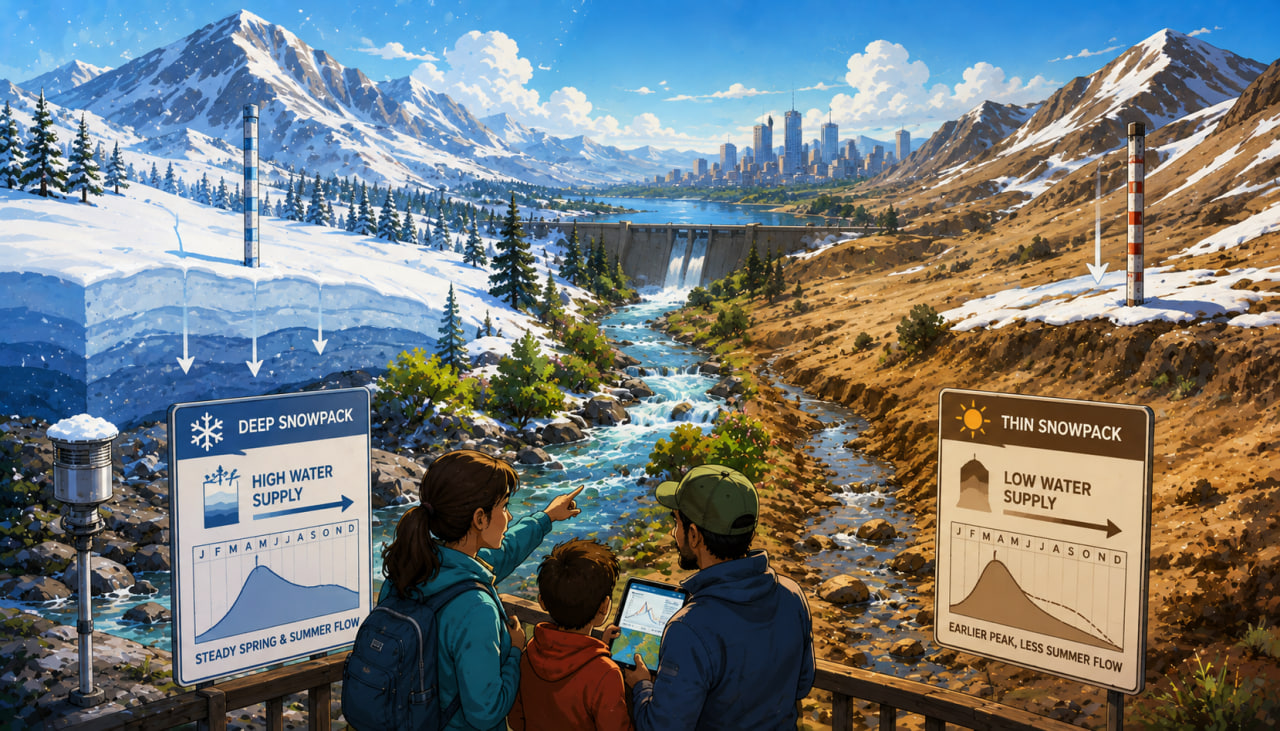
Snow is more than a beautiful winter landscape. In many mountain regions, it is a natural water reservoir.

When seawater stays unusually warm for days, weeks, months, or even years, scientists call it a marine heatwave. At first, a few extra degrees may not sound catastrophic.
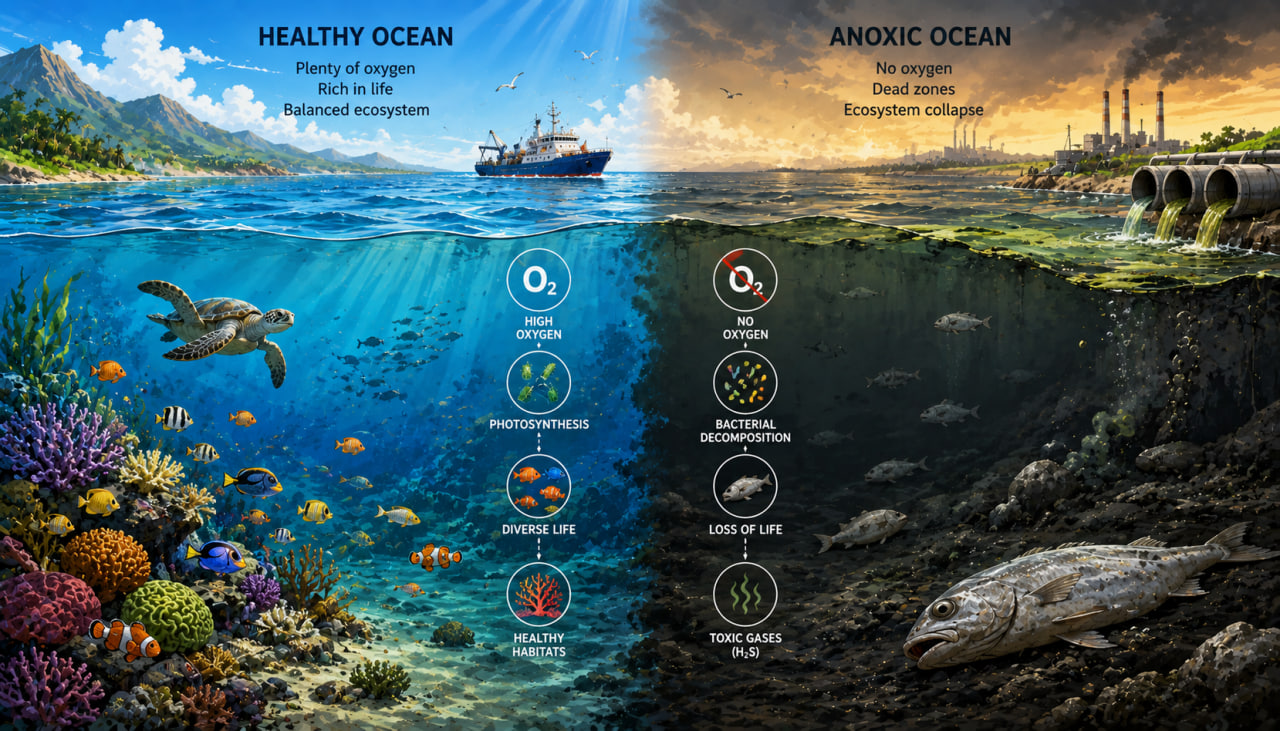
This is not science fiction. Earth has experienced periods when large parts of the ocean became severely oxygen-poor or even nearly oxygen-free.
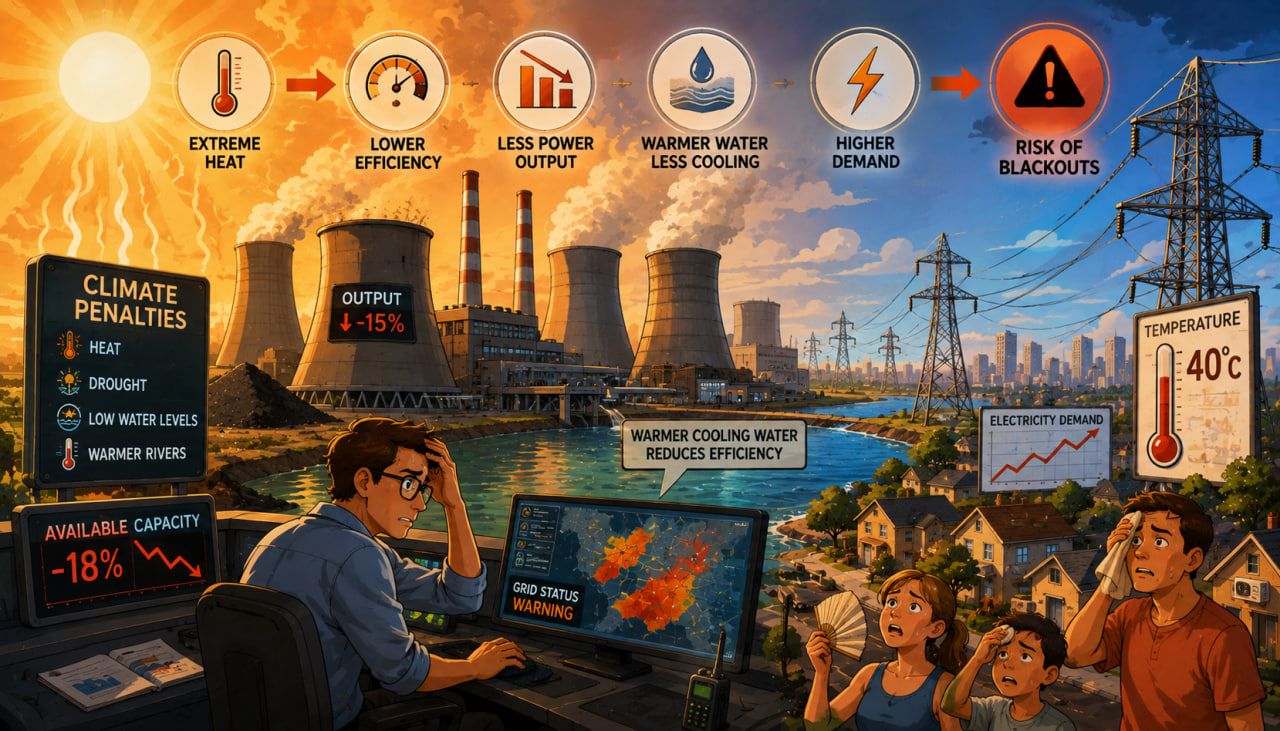
When temperatures rise, electricity demand usually rises with them. Air conditioners run harder, refrigeration systems work longer, and cities consume more power to stay livable.
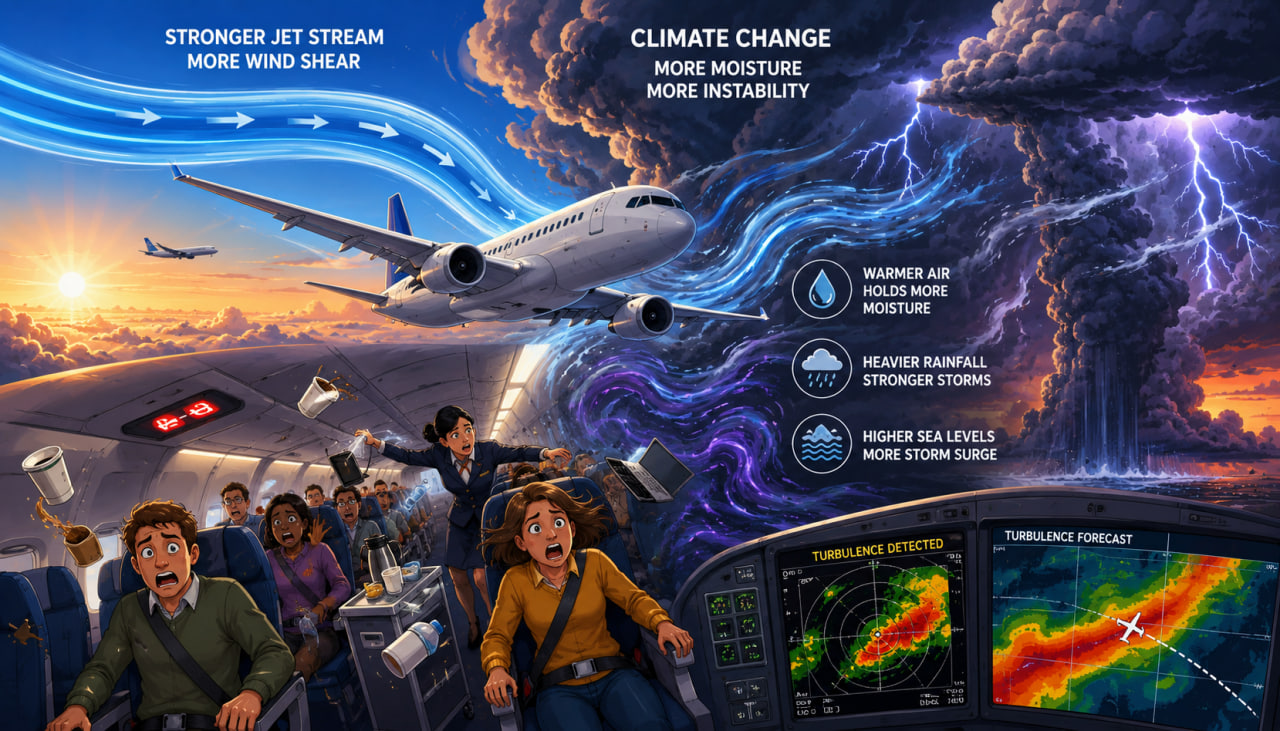
Air travel is often described as one of the safest forms of transportation. Modern aircraft are built to withstand powerful forces, pilots are trained for unstable weather, and flight routes...