
How Natural Disasters Work
Natural disasters are extreme events caused by natural processes of the Earth that can result in significant damage to life, property, and the environment.
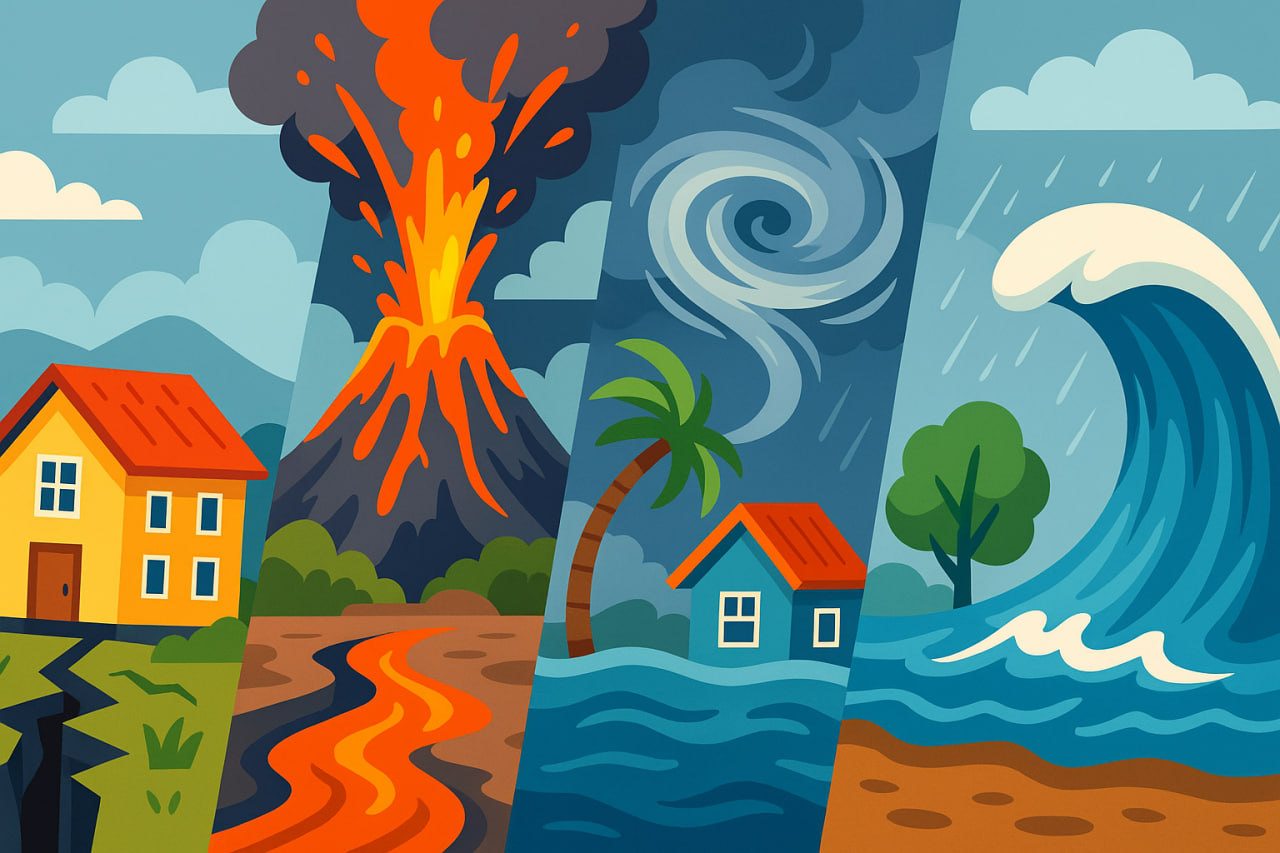
Natural disasters are extreme events caused by natural processes of the Earth that can result in significant damage to life, property, and the environment.
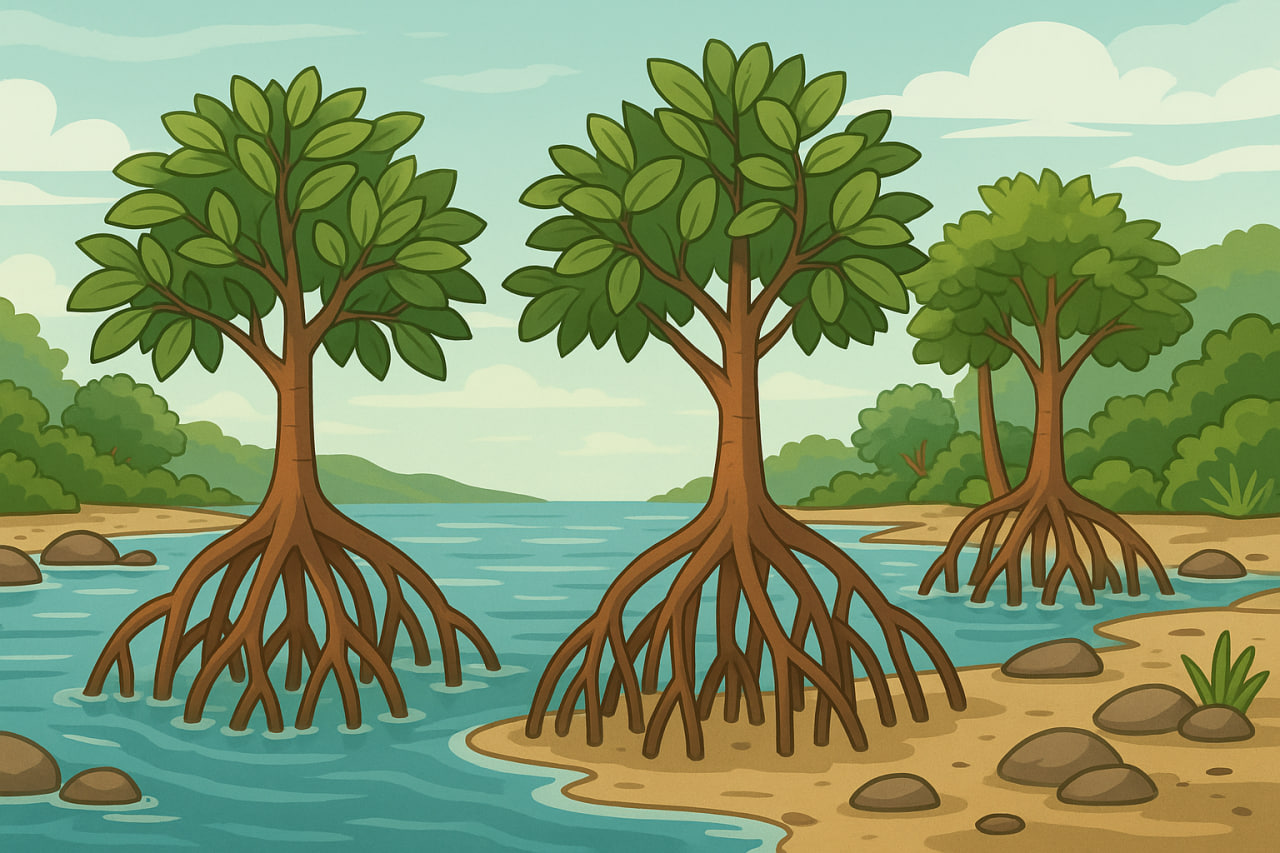
Mangrove forests are coastal ecosystems found in tropical and subtropical regions, where salt-tolerant trees grow in the intertidal zone.

Plants grow in some of the harshest, coldest environments on Earth — from Arctic tundra to high mountain peaks.
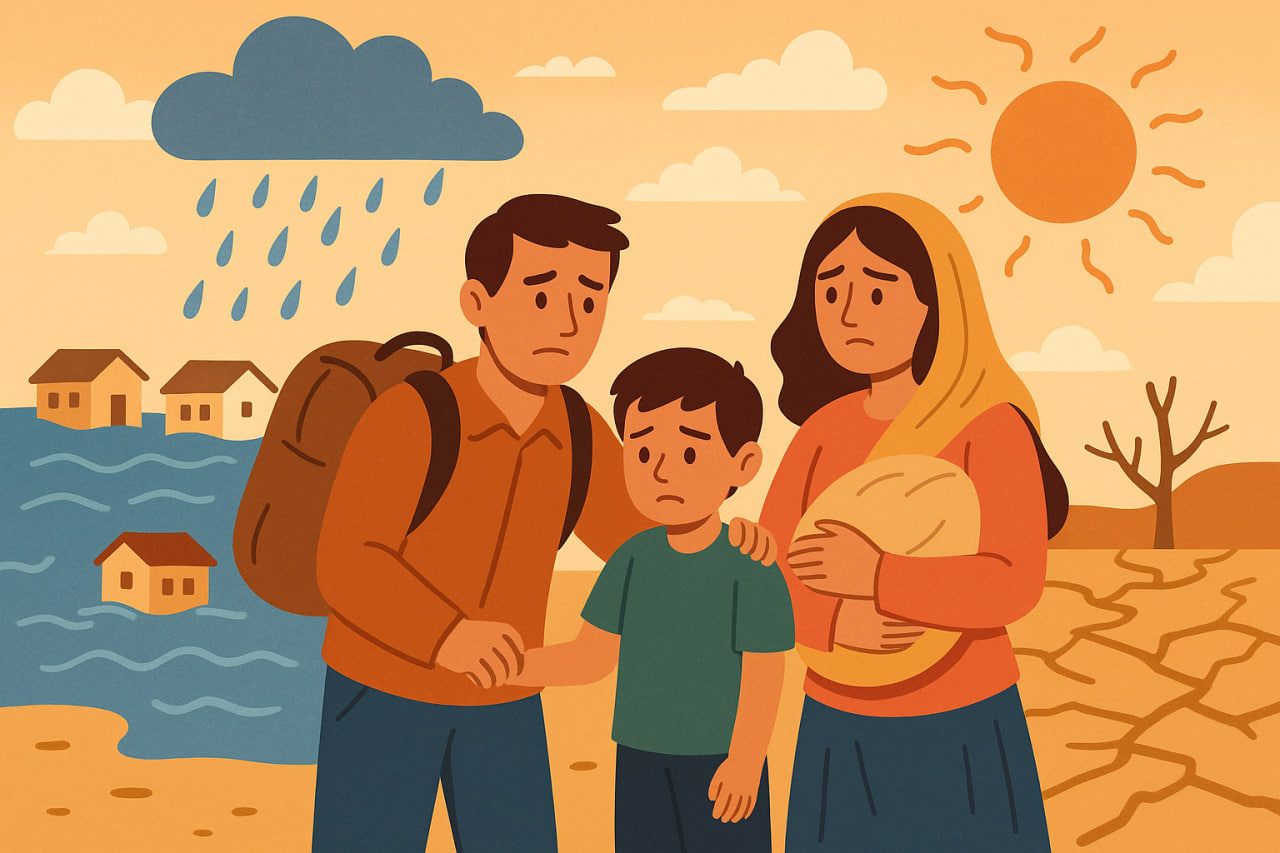
Climate refugees are people forced to leave their homes due to the effects of climate change and environmental disasters.
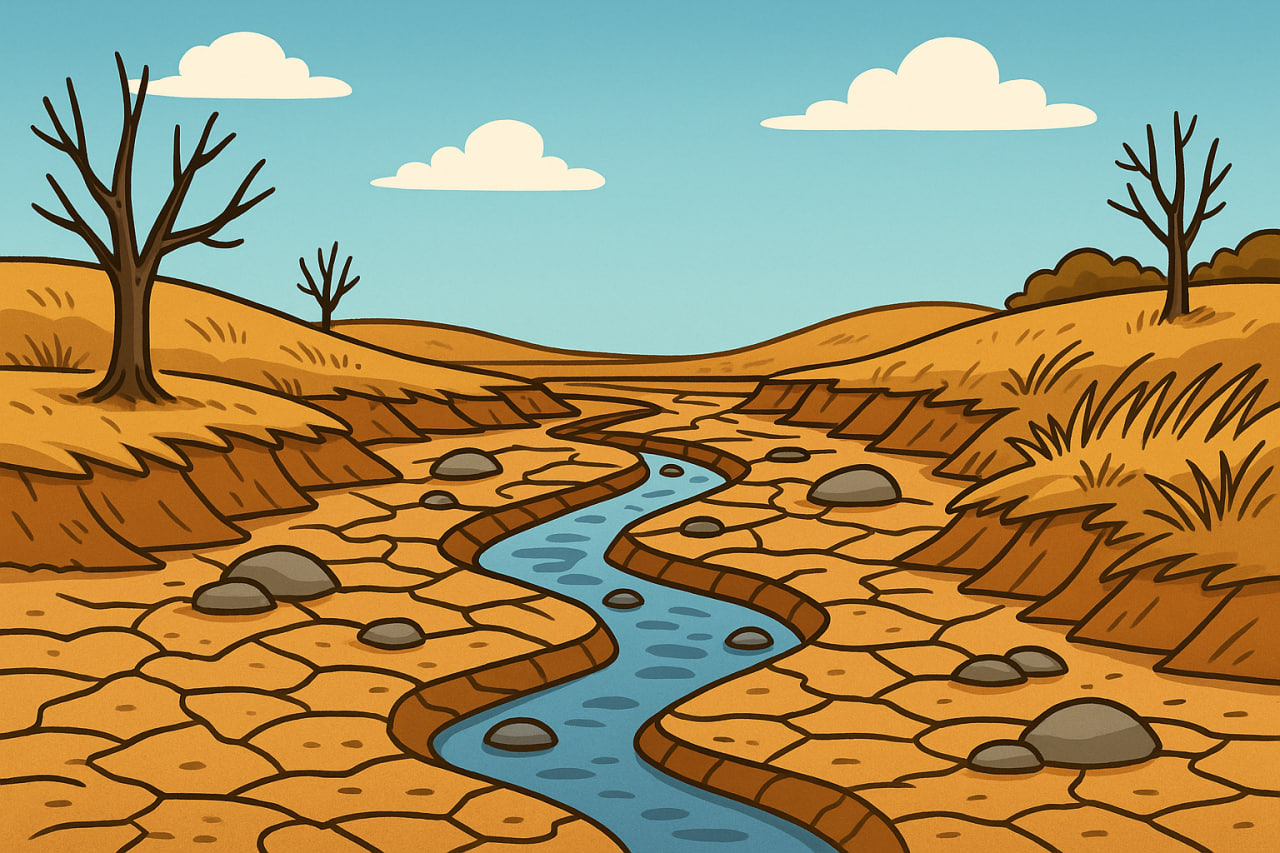
Rivers are vital lifelines for ecosystems, agriculture, and human communities. Yet, across the world, many rivers are experiencing seasonal or permanent drying.
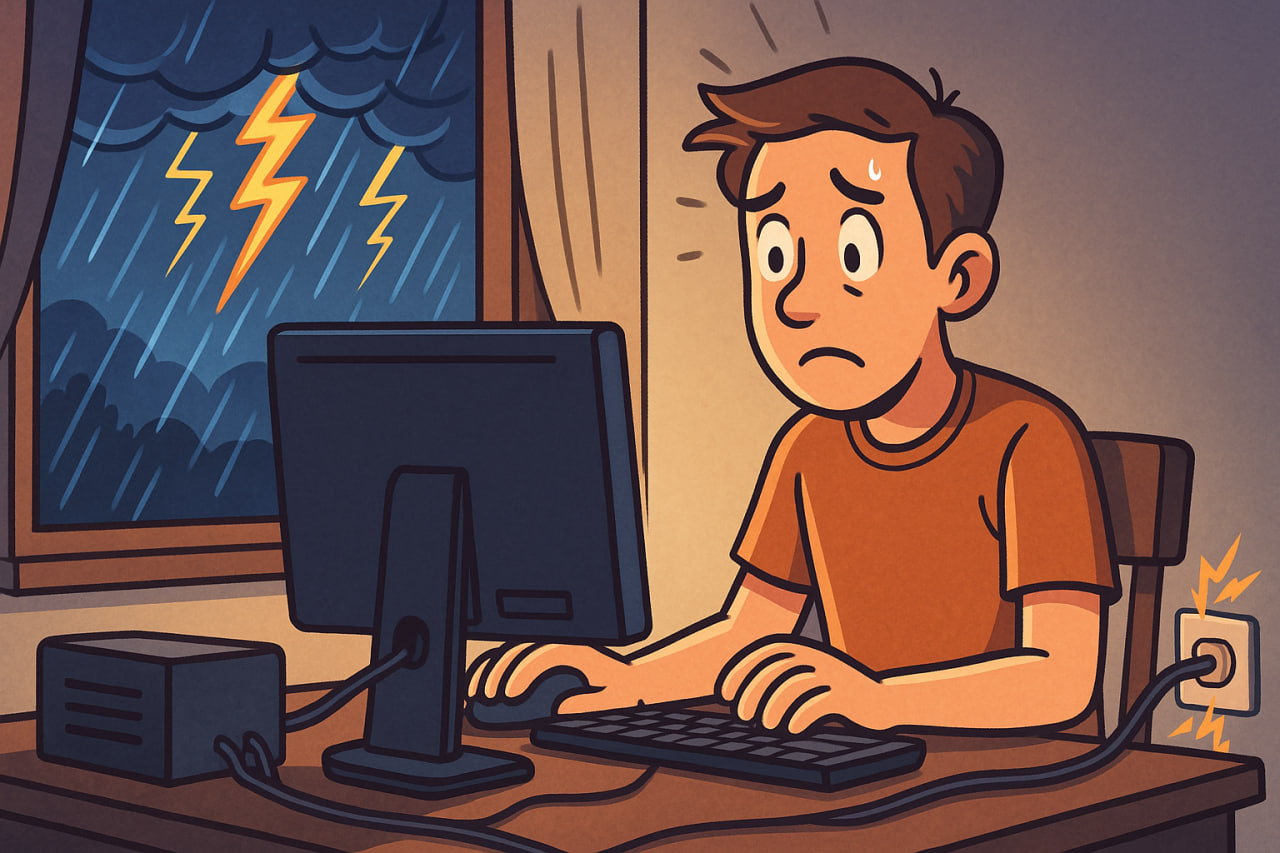
Thunderstorms are dramatic natural events, often accompanied by lightning strikes and power surges.
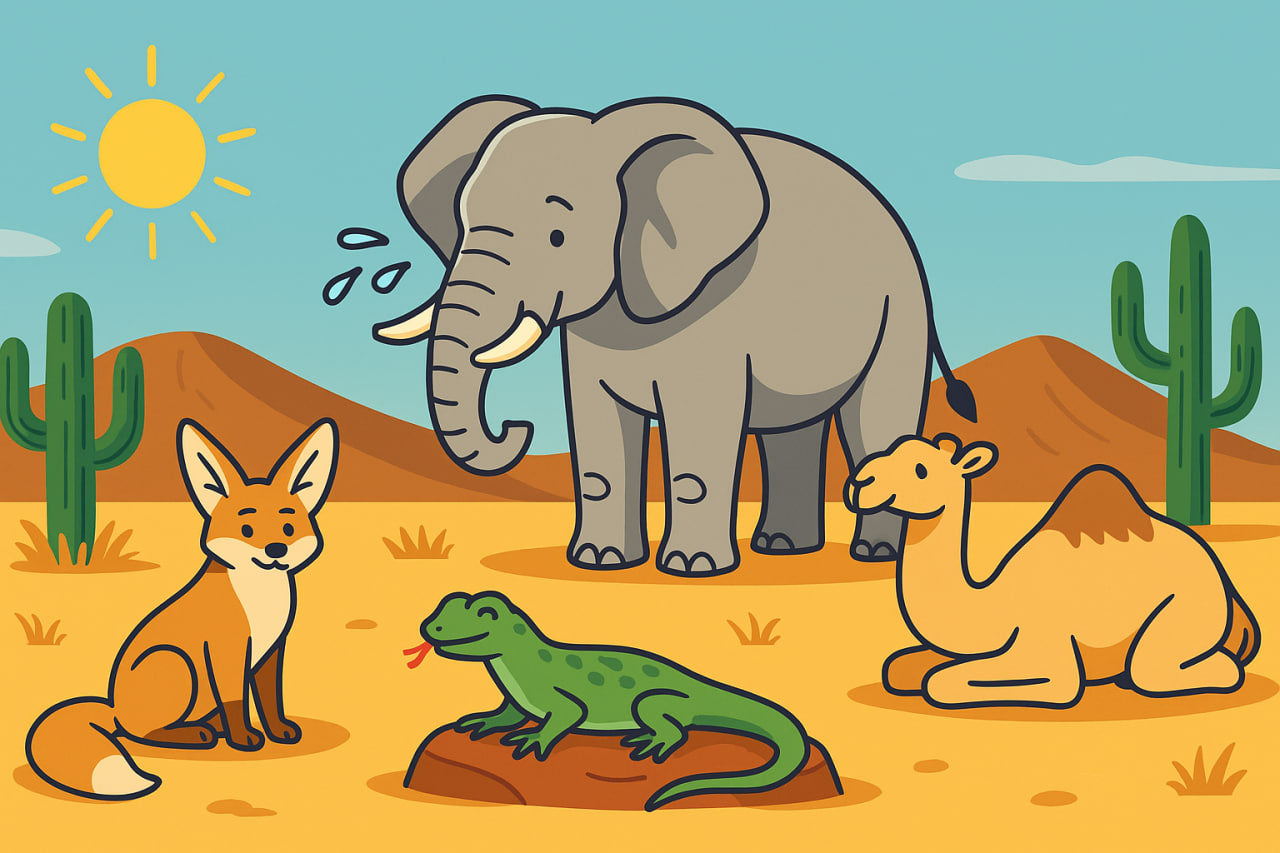
High temperatures present serious challenges for animals, especially those living in deserts or tropical environments.
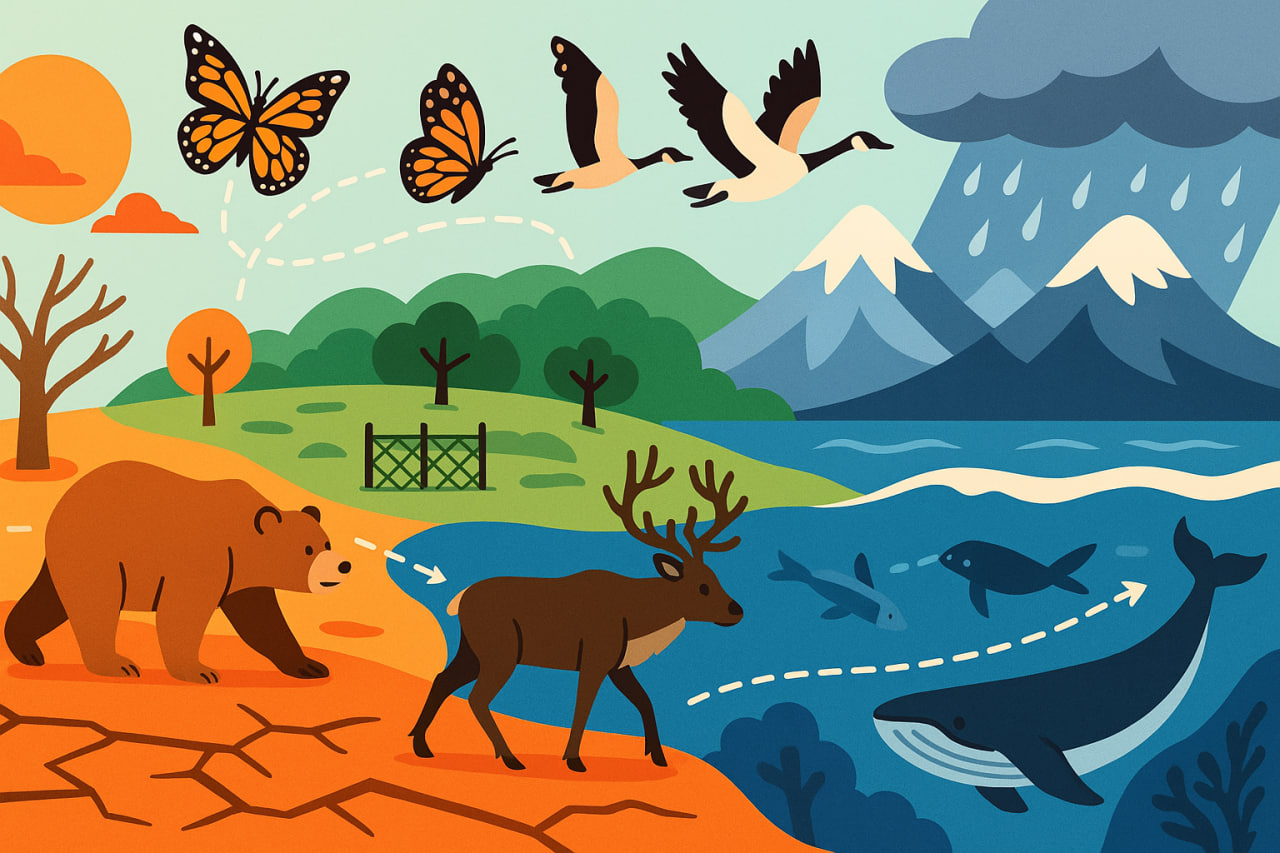
Migration is a critical survival strategy for many animal species, helping them find food, reproduce, and avoid extreme conditions.
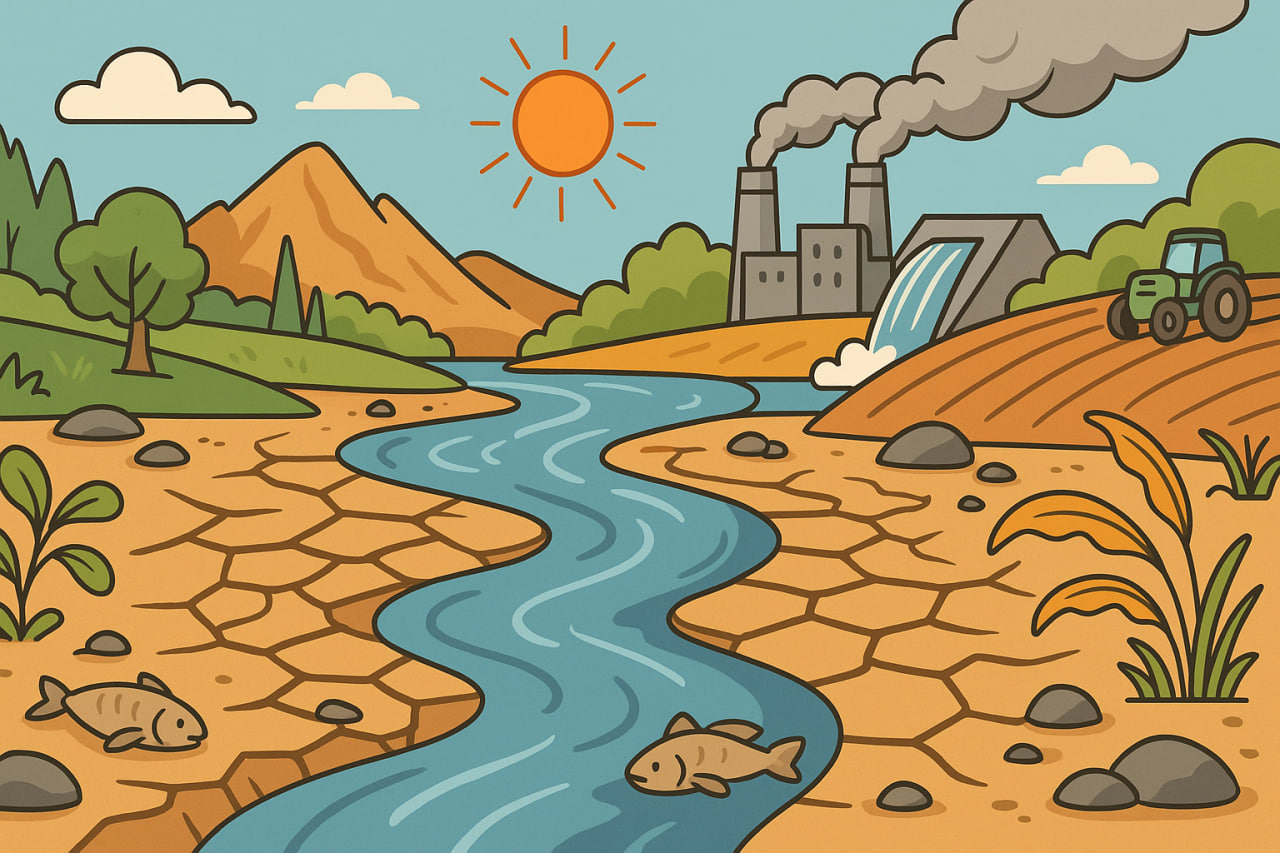
Rivers are vital freshwater systems that support ecosystems, agriculture, and human settlements.
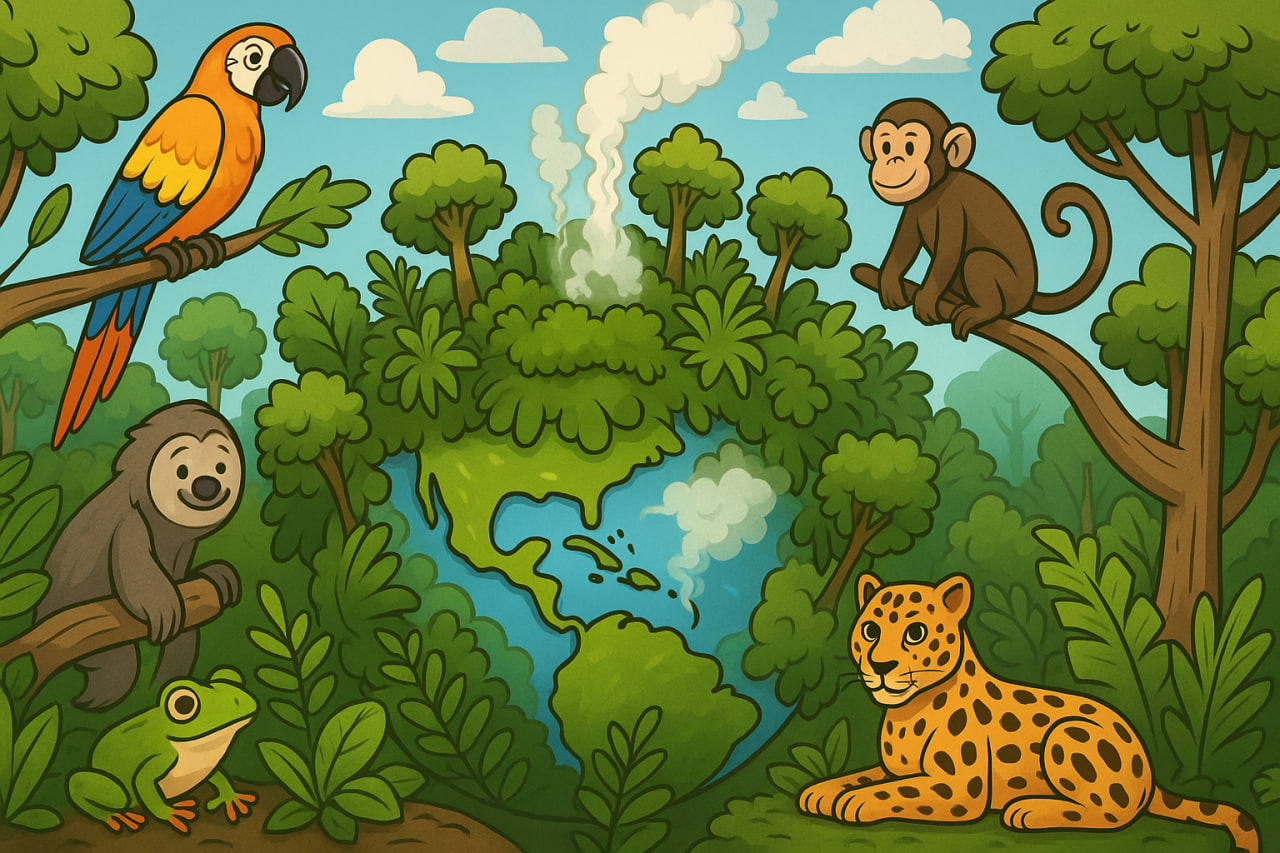
The Amazon Rainforest is the largest tropical rainforest on Earth, stretching across nine South American countries and covering more than 5.5 million square kilometers.