
What Would Happen If Earth’s Core Stopped?
Earth’s core is crucial for maintaining the planet’s magnetic field, geological activity, and overall stability.
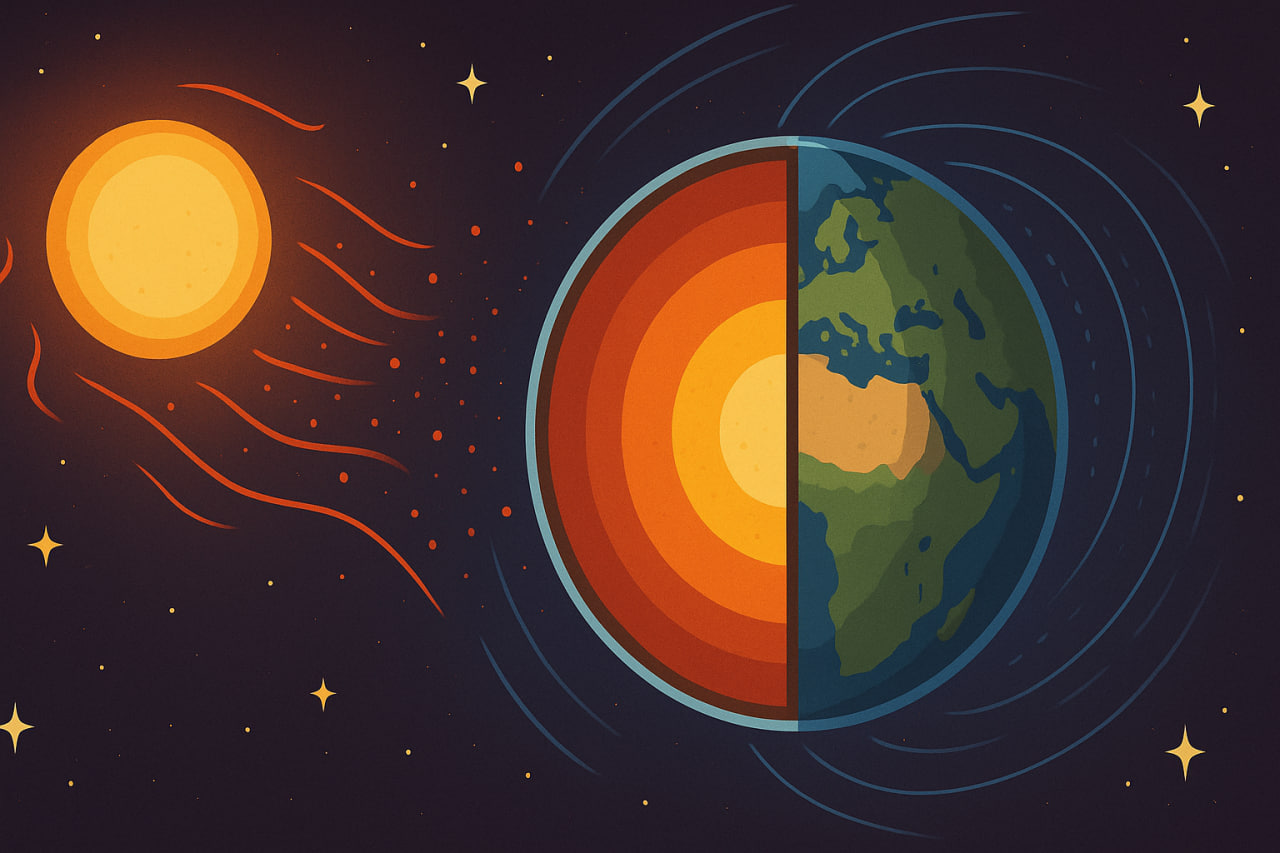
Earth’s core is crucial for maintaining the planet’s magnetic field, geological activity, and overall stability.
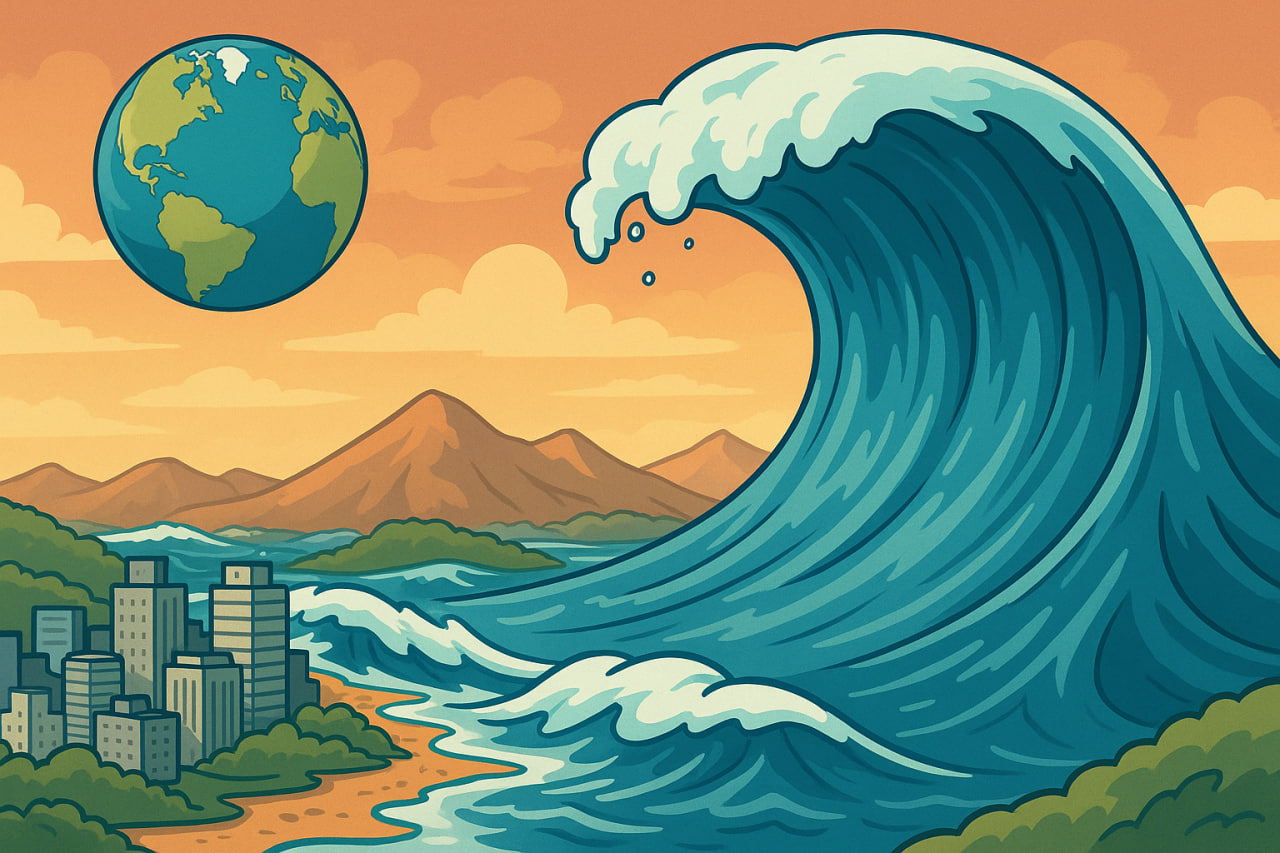
A tsunami is a massive wave usually triggered by underwater earthquakes, volcanic eruptions, or asteroid impacts.
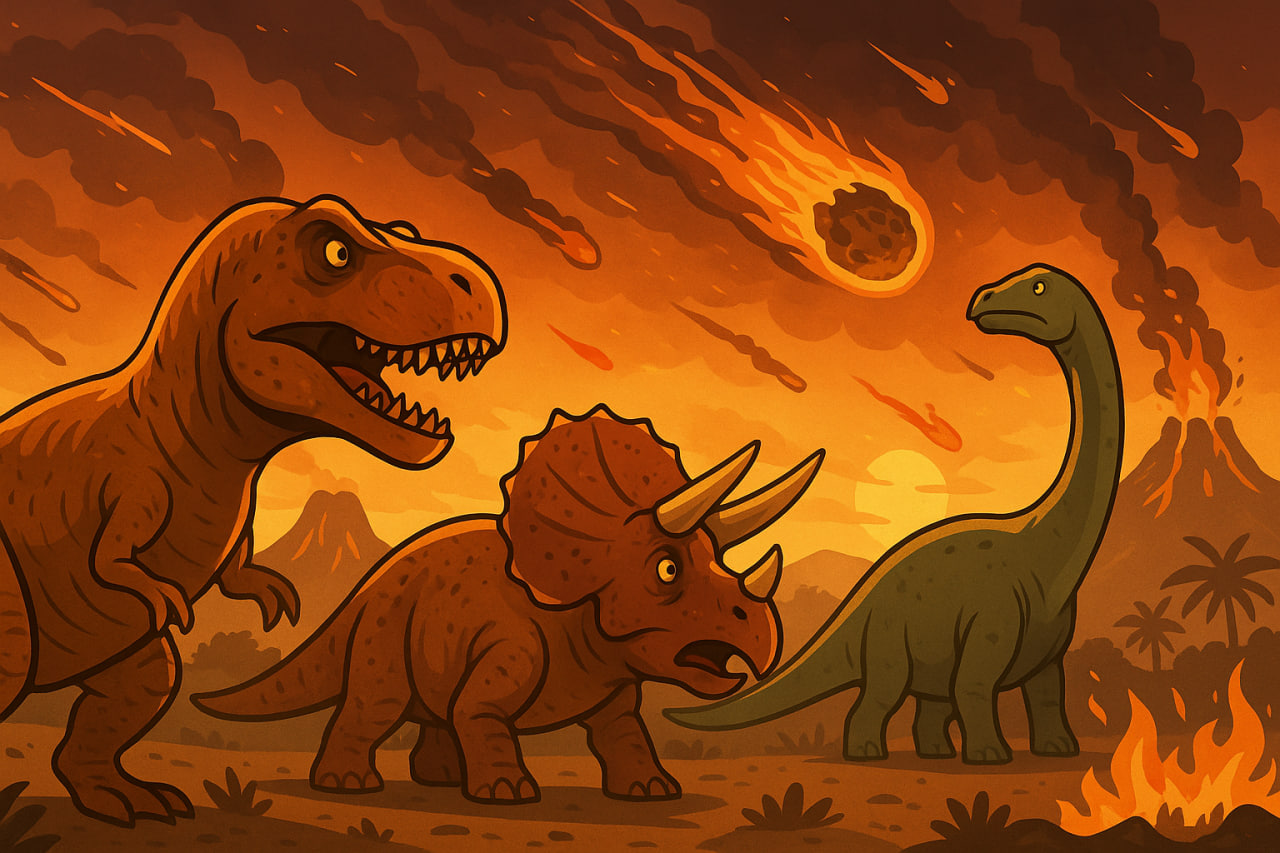
Dinosaurs dominated Earth for more than 160 million years, but around 66 million years ago, they suddenly disappeared in one of the most dramatic mass extinctions in history.
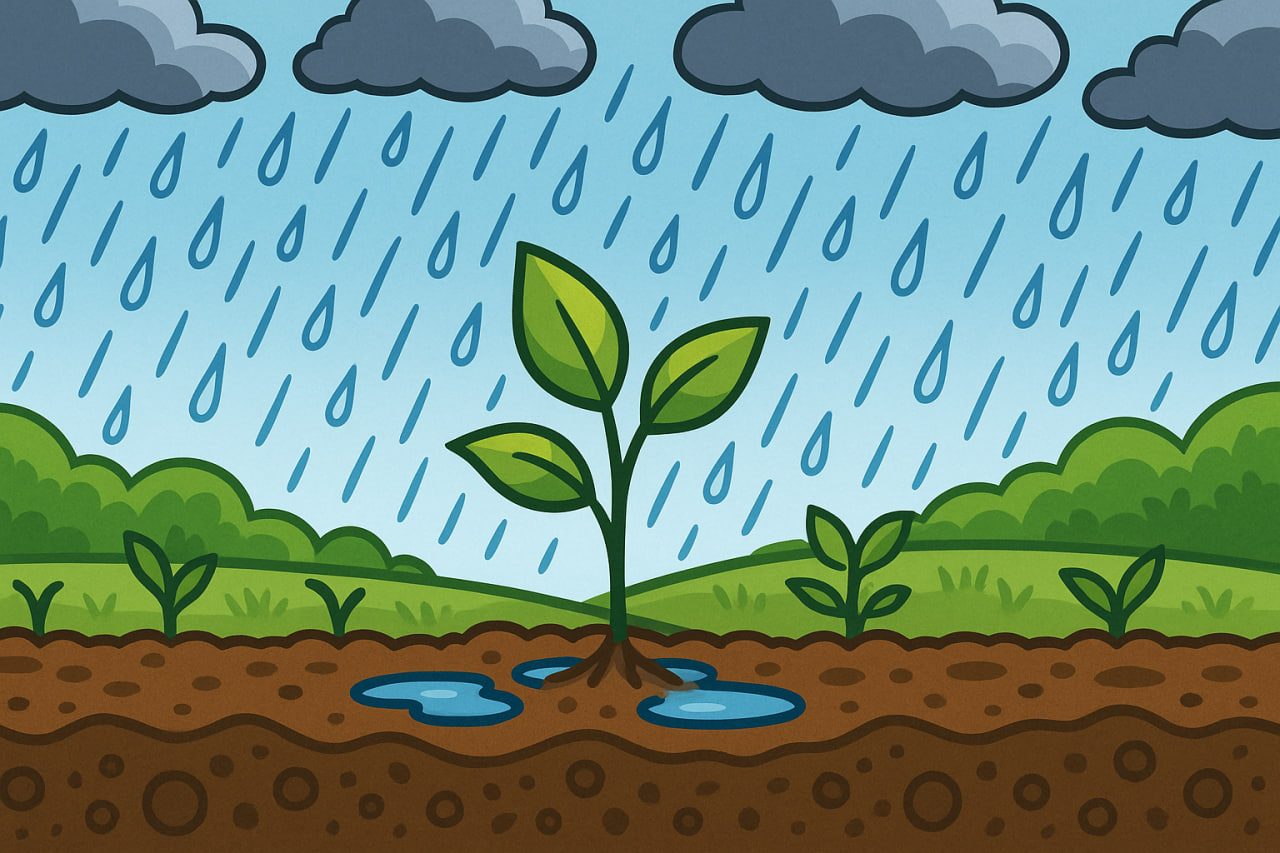
Rain plays a central role in shaping the health, structure, and fertility of soil. As part of the water cycle, rainfall supplies moisture that plants and microorganisms need to thrive.
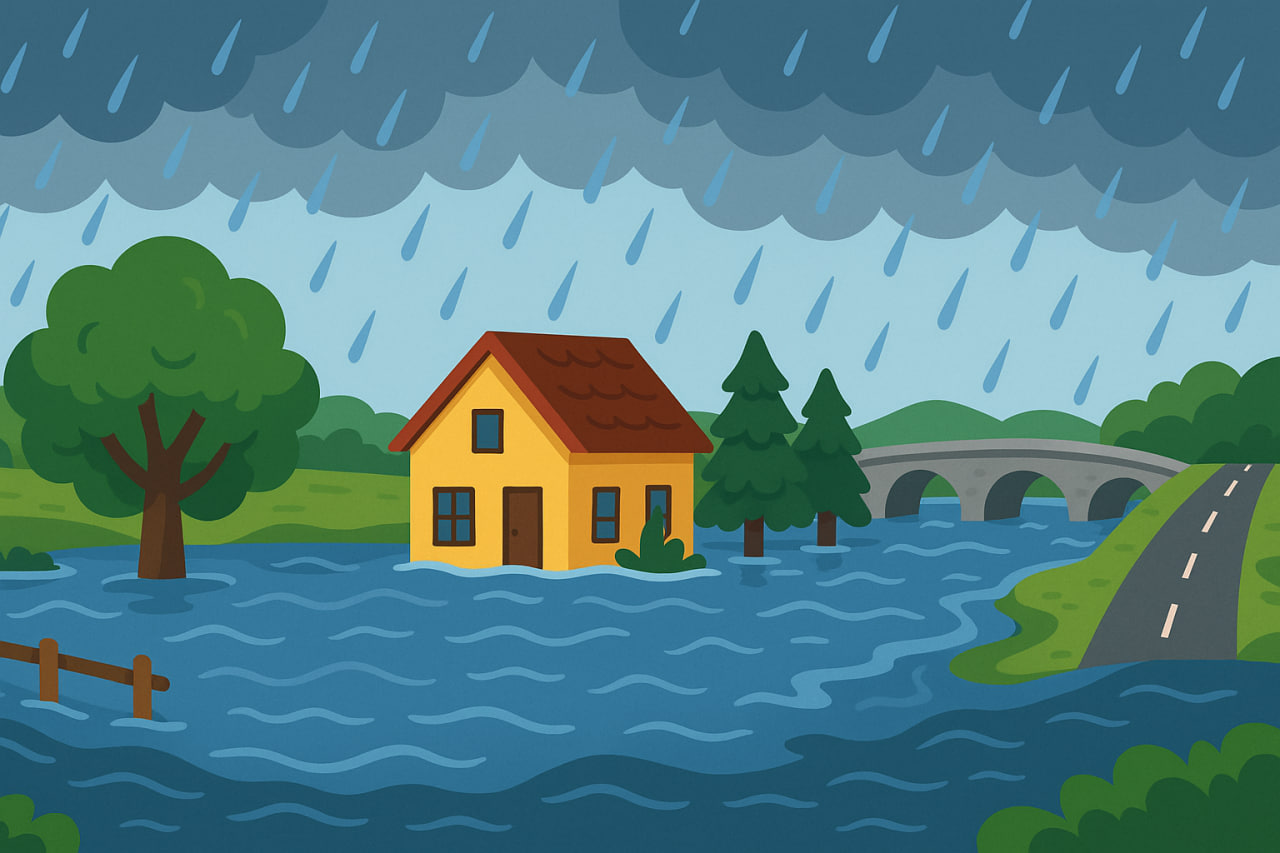
Floods are among the most impactful natural events, shaping landscapes, affecting ecosystems, and often disrupting human activities.
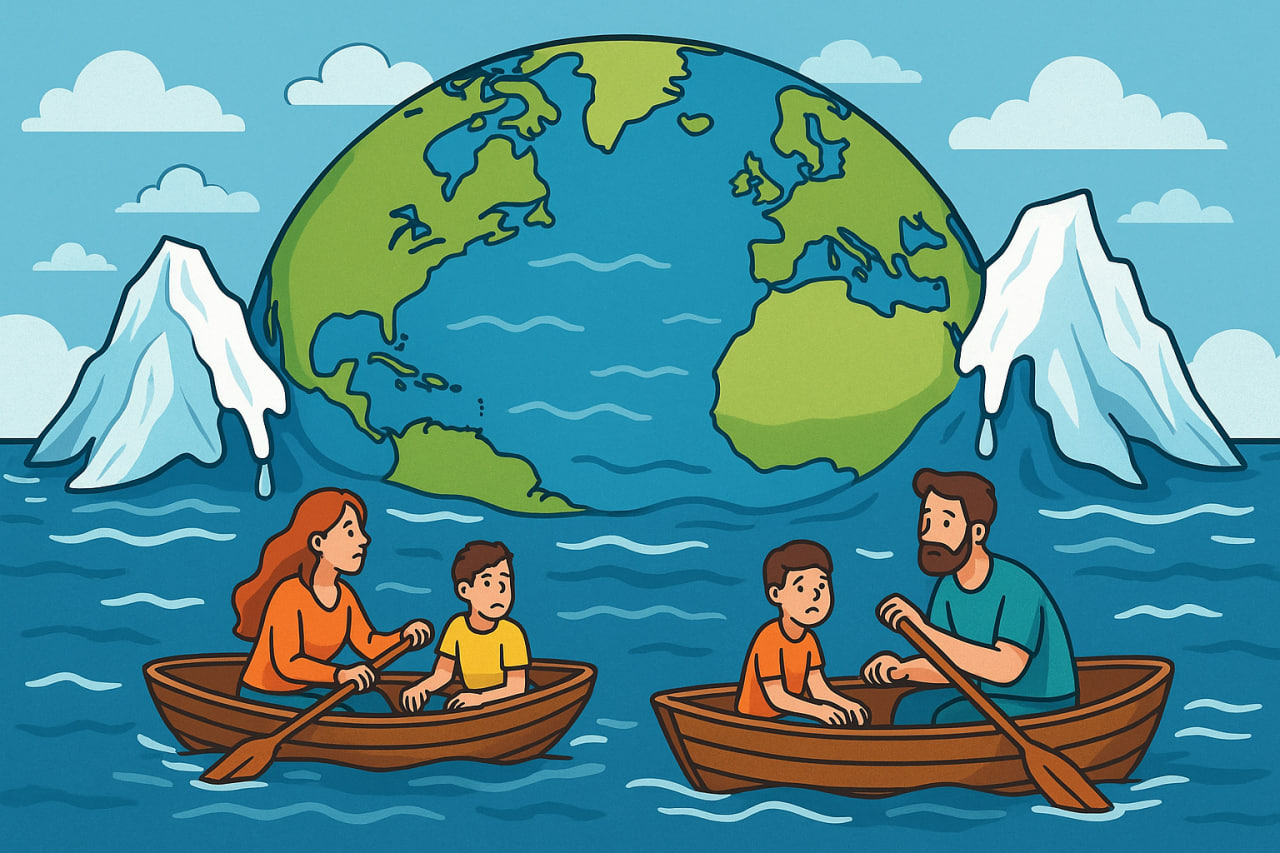
The story of the Biblical Flood describes a catastrophic event where the entire Earth was submerged under water.
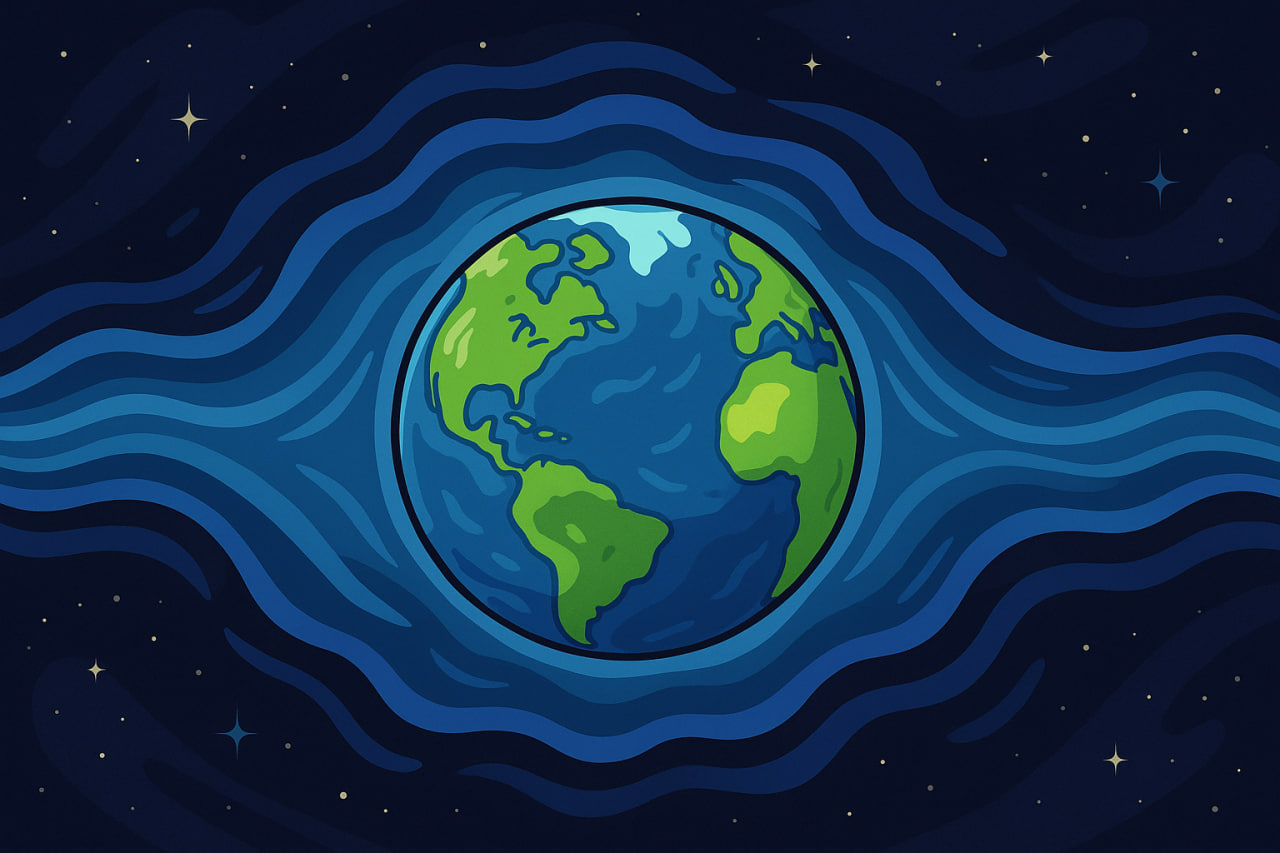
The concept of the Earth’s “breathing” refers to natural cycles of compression and expansion within the planet caused by internal and external forces.

Deserts are known for their harsh climates, scarce rainfall, and extreme temperatures, but modern science and innovative approaches show that it is possible to transform barren land into...
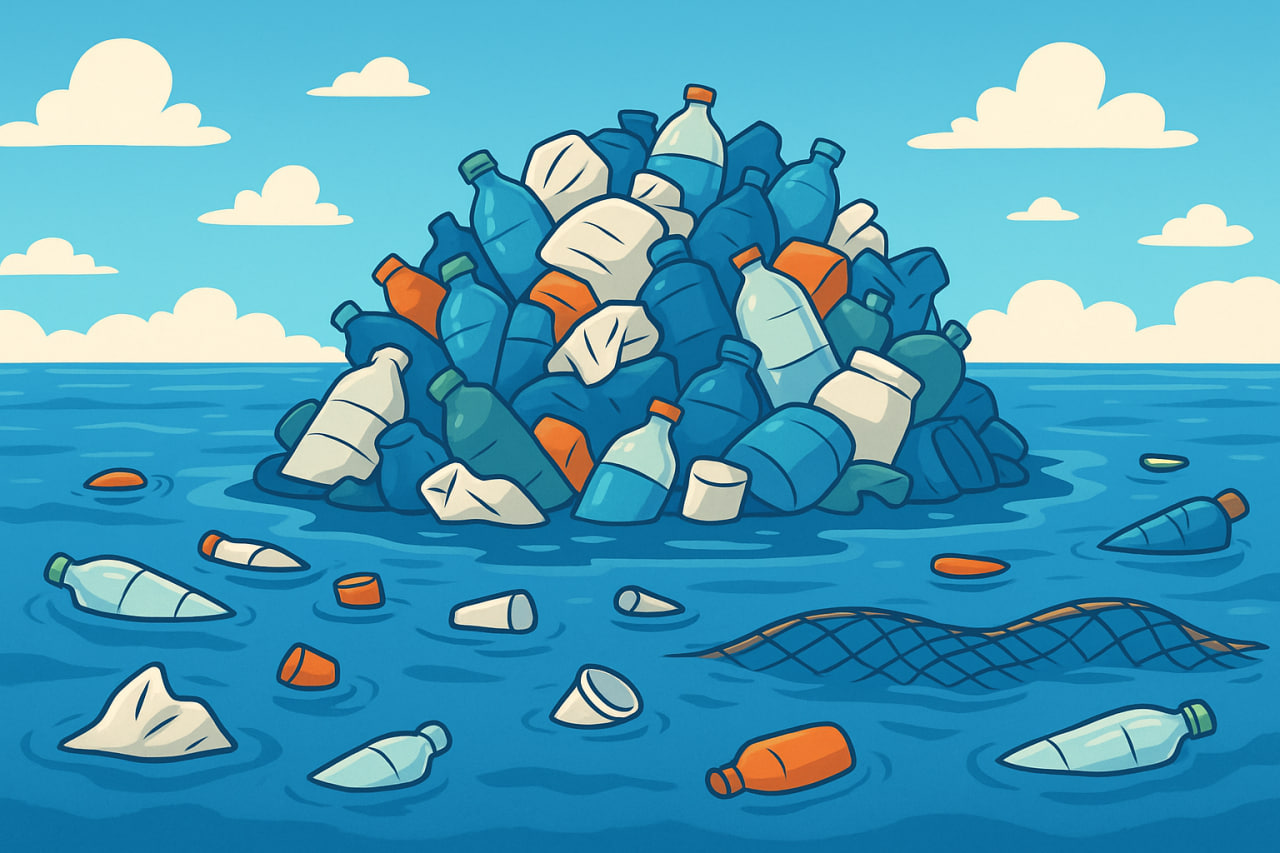
The “continent of trash” in the ocean is a common name for the Great Pacific Garbage Patch, the largest accumulation of marine plastic waste in the world.
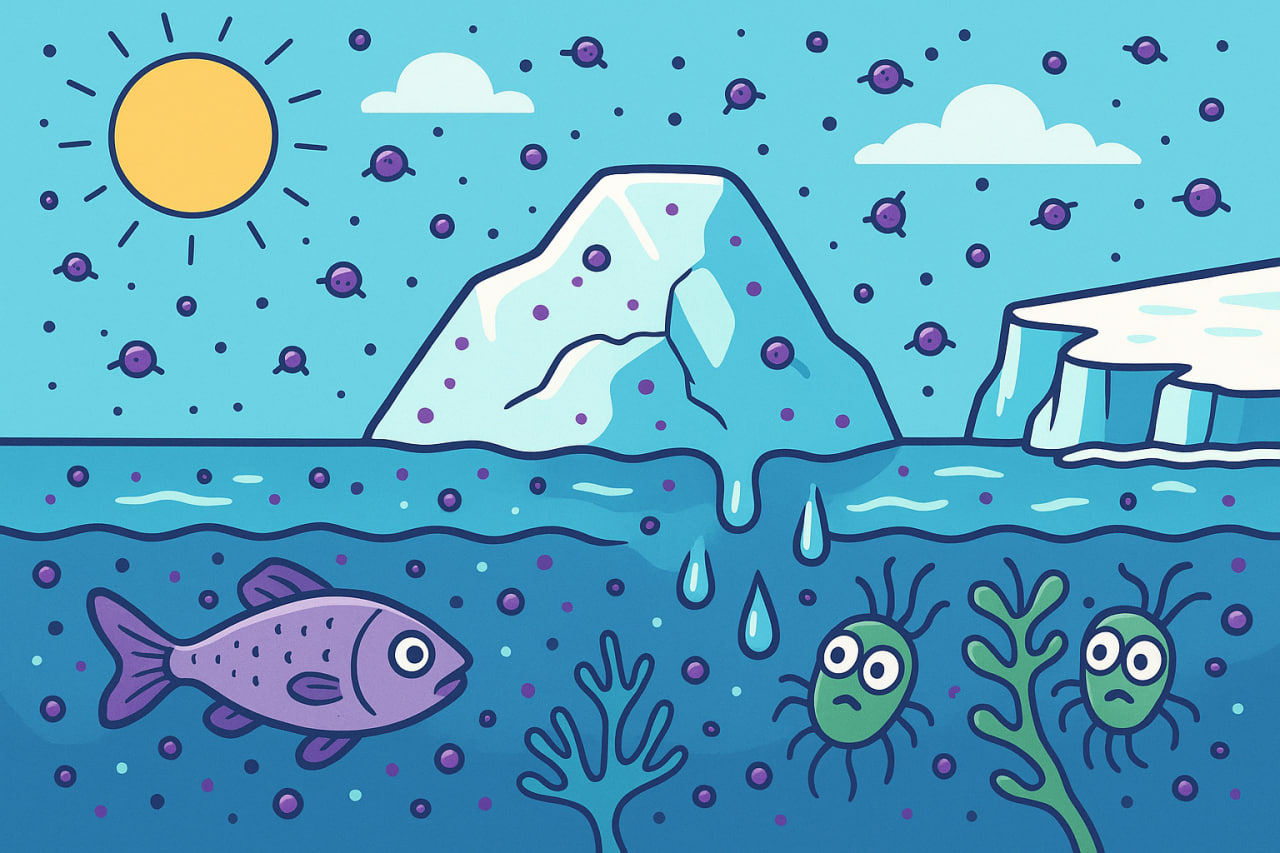
Nanoplastics, particles smaller than 1 micrometer, are increasingly recognized not only as a threat to human health and ecosystems but also as a potential influence on the climate system.