
Ocean Acidification: Why Are the Oceans Becoming More Acidic and What Does It Threaten?
The world’s oceans absorb a significant portion of the carbon dioxide released into the atmosphere.

The world’s oceans absorb a significant portion of the carbon dioxide released into the atmosphere.
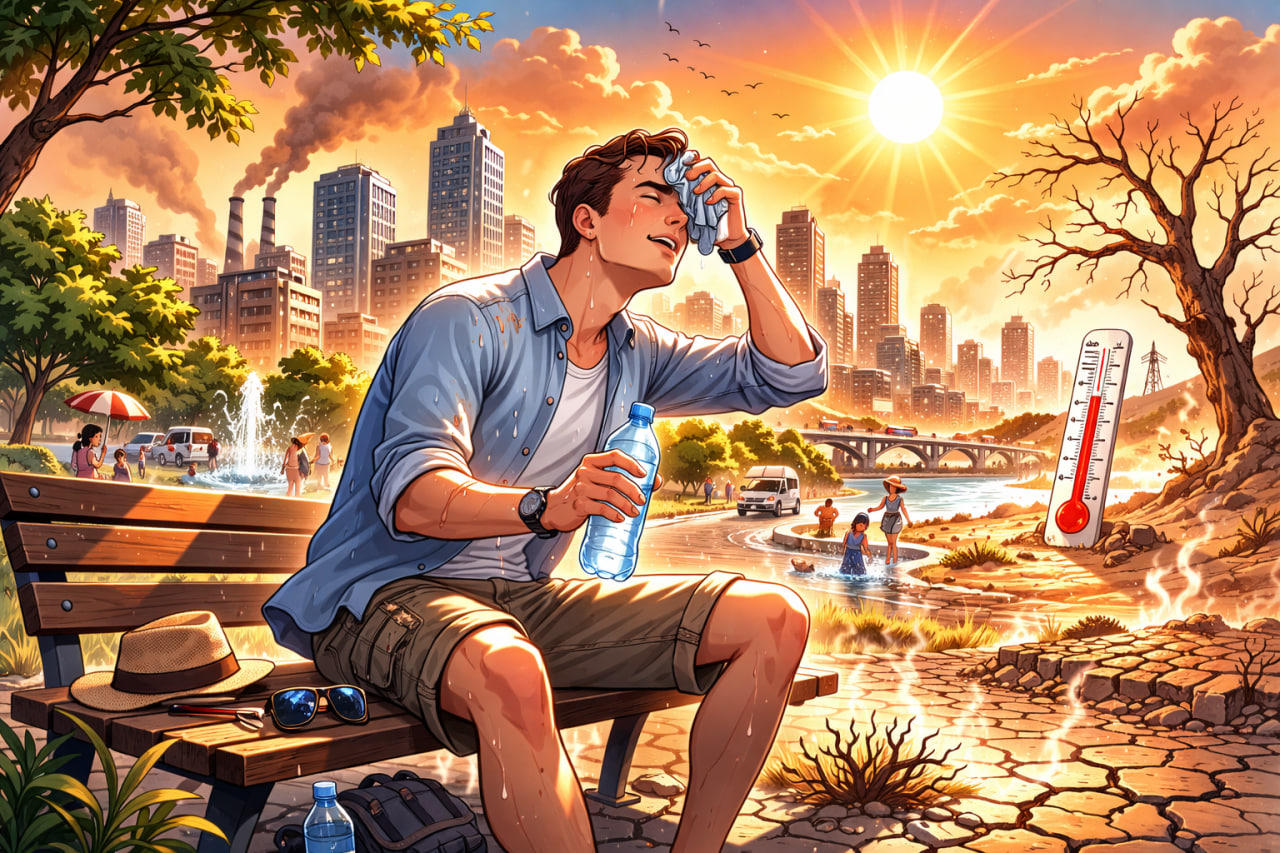
In recent years, extreme heat events have become more frequent, longer-lasting, and more intense across many regions of the world.

The Arctic is warming significantly faster than the rest of the planet, a phenomenon known as Arctic amplification.

Permafrost—ground that remains frozen for at least two consecutive years—covers vast regions of the Arctic, particularly in Canada and Siberia.

Climate refugees are individuals and communities forced to leave their homes due to environmental changes linked to climate disruption.
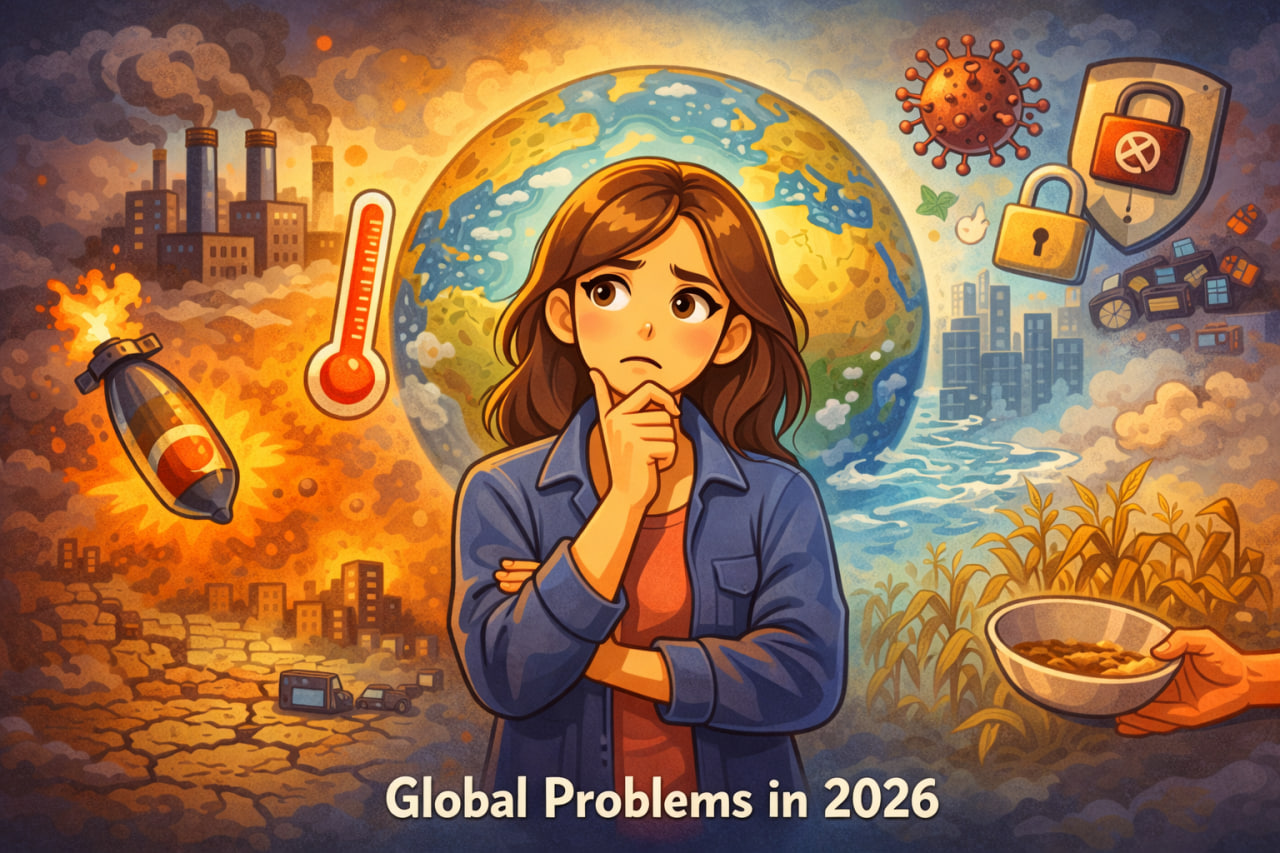
By 2026, humanity faces a set of interconnected global challenges that affect nearly every region of the world.
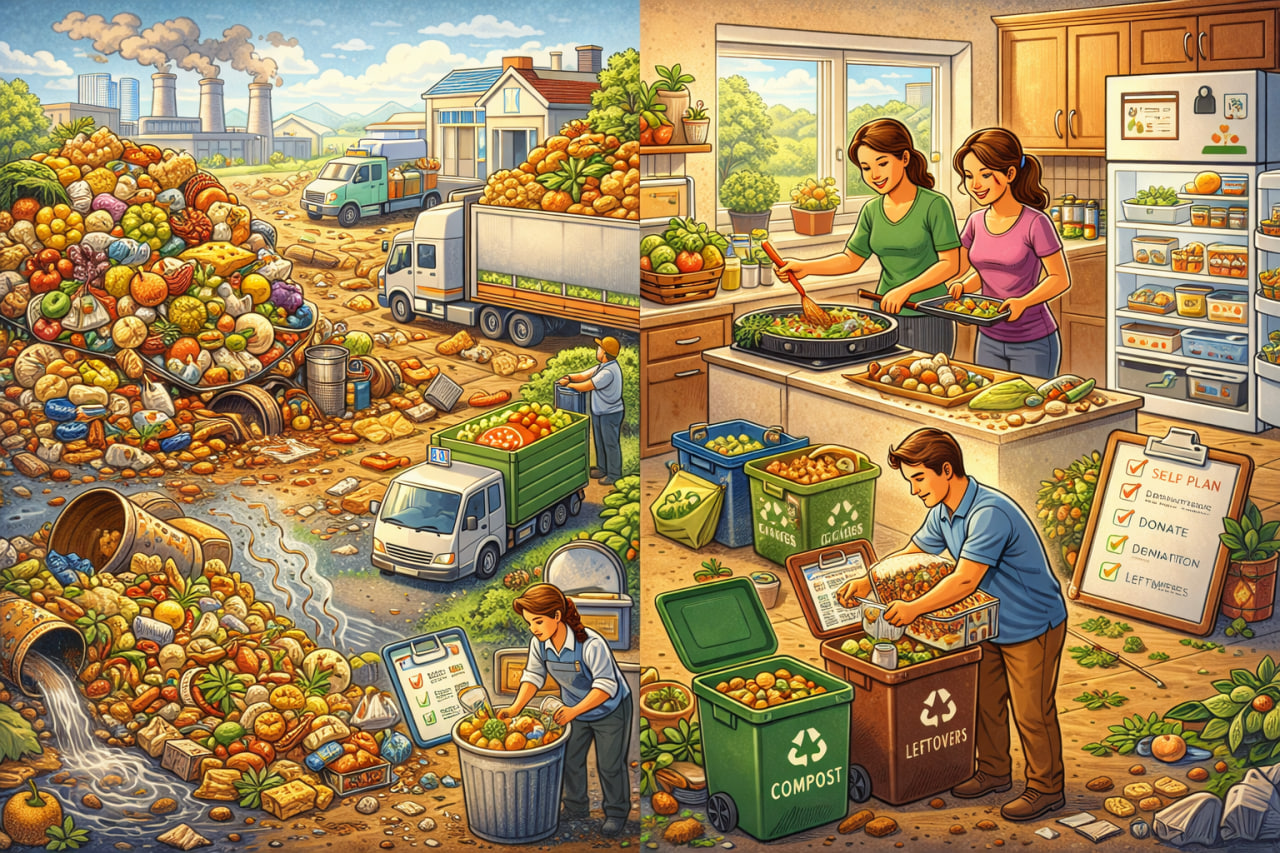
Food waste is one of the most overlooked environmental and social problems of the modern world.
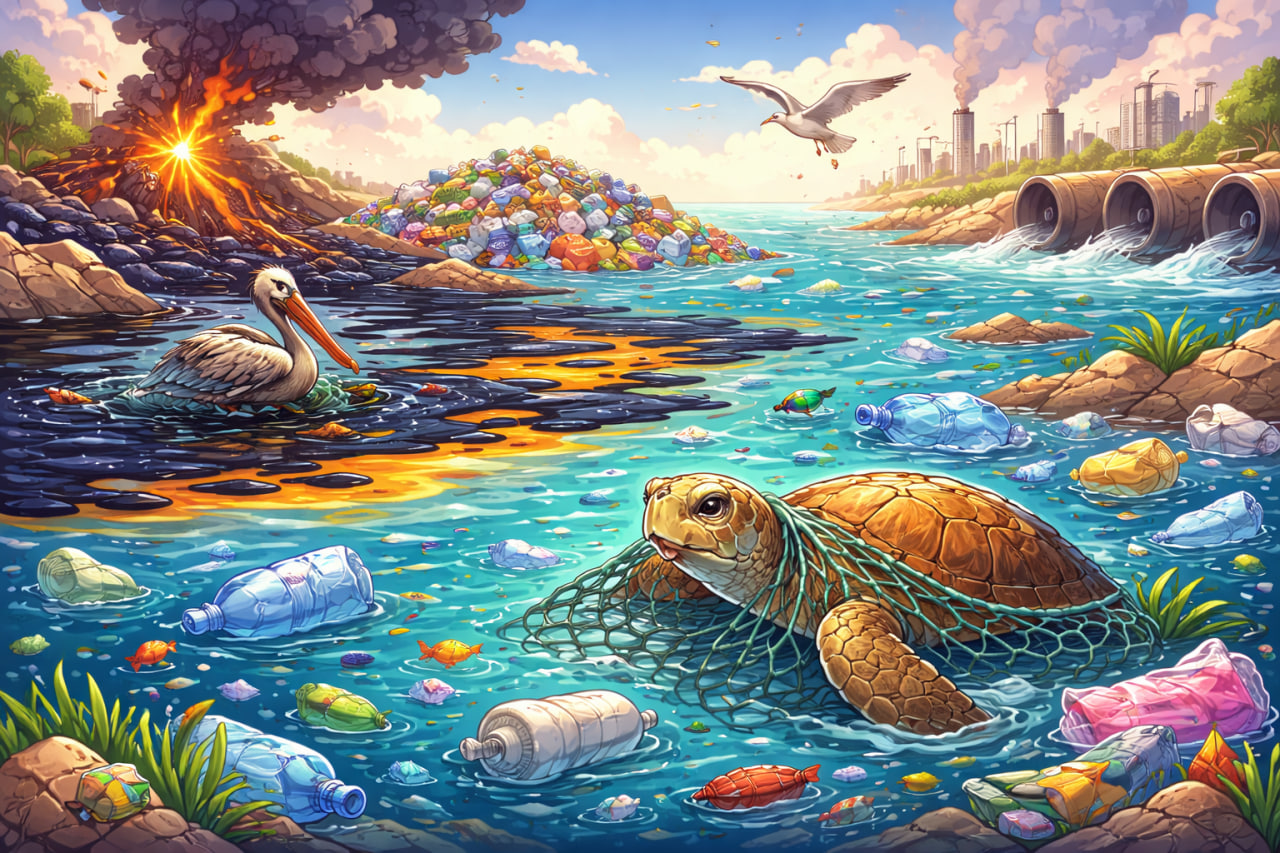
The pollution of the world’s oceans is one of the most serious environmental challenges of the modern era.
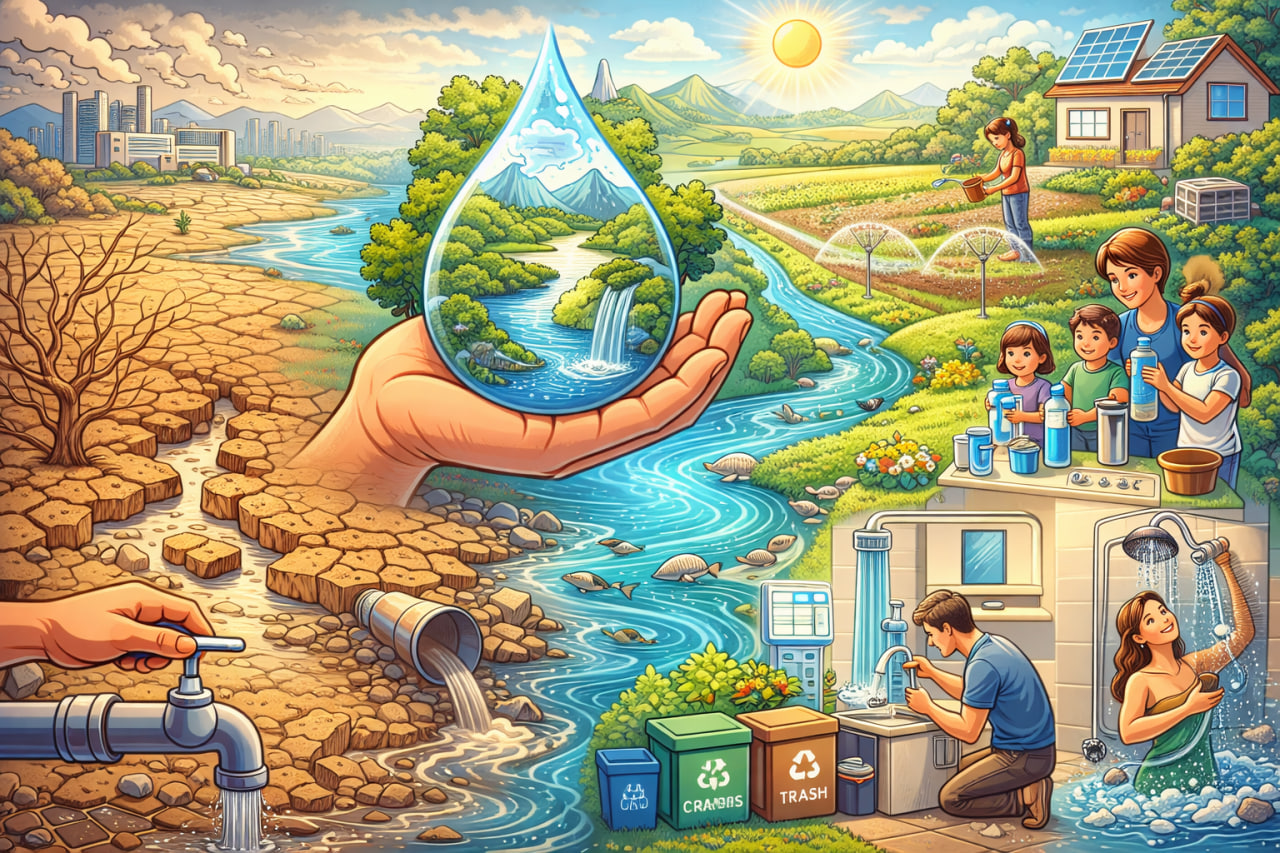
Freshwater is one of the most vital resources on Earth, yet it is far more limited than it may seem.
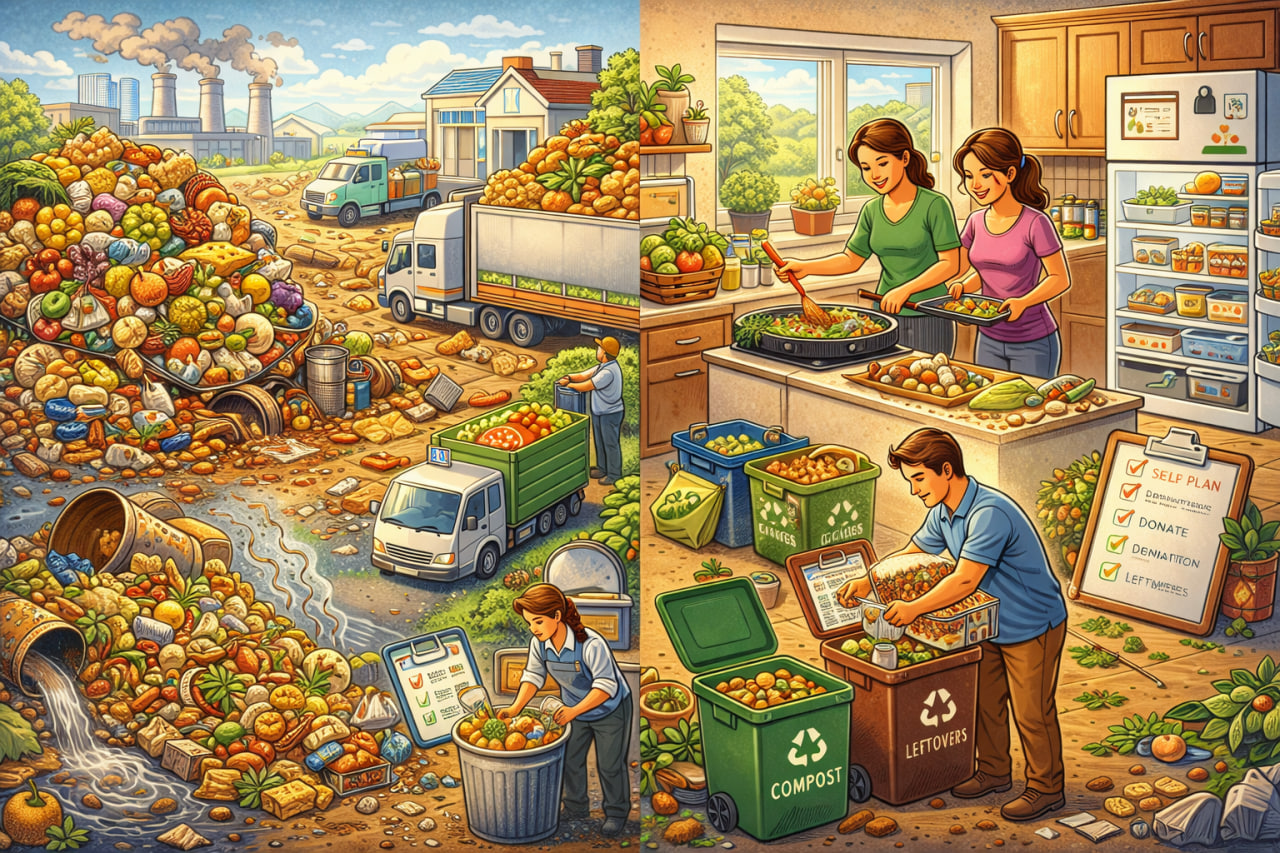
Food waste is one of the most overlooked environmental and social problems of the modern world.