
Glacier Melt Over the Last 100 Years: What Is Happening and Why It Matters
Over the past century, glaciers around the world have been melting at an accelerating rate.
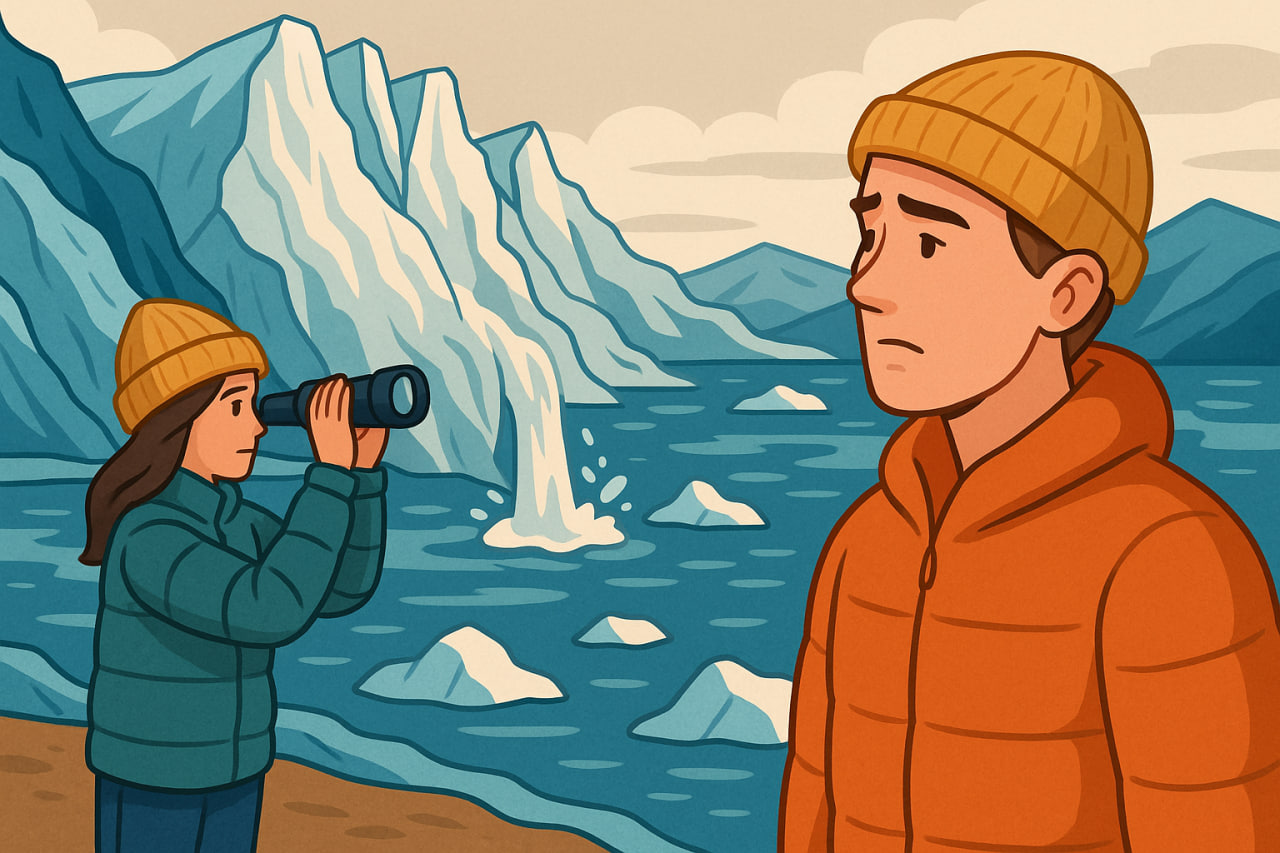
Over the past century, glaciers around the world have been melting at an accelerating rate.
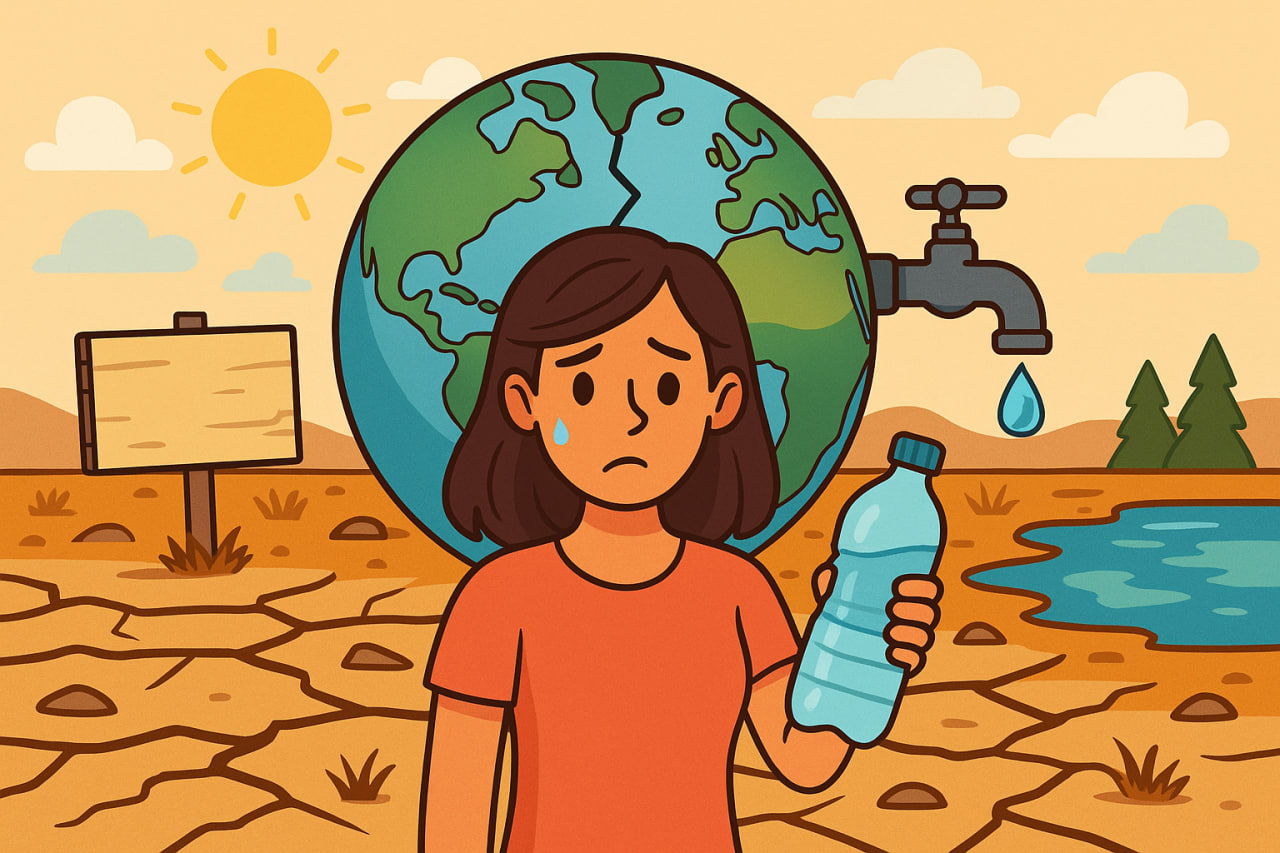
The world is facing one of the most urgent environmental and humanitarian challenges of the 21st century — the growing shortage of safe drinking water.
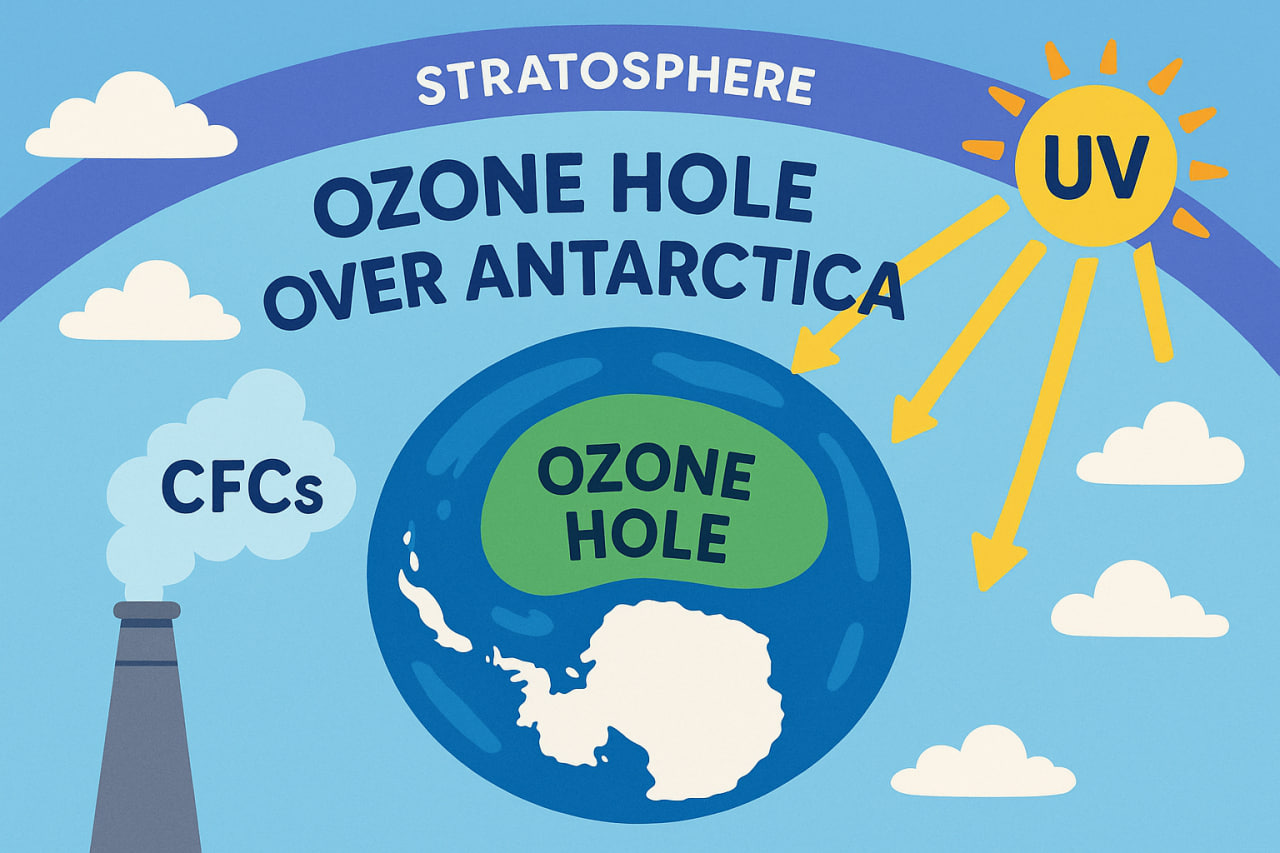
The ozone hole over Antarctica is one of the most significant environmental issues ever identified, revealing how human activity can affect the planet’s protective atmospheric layers.
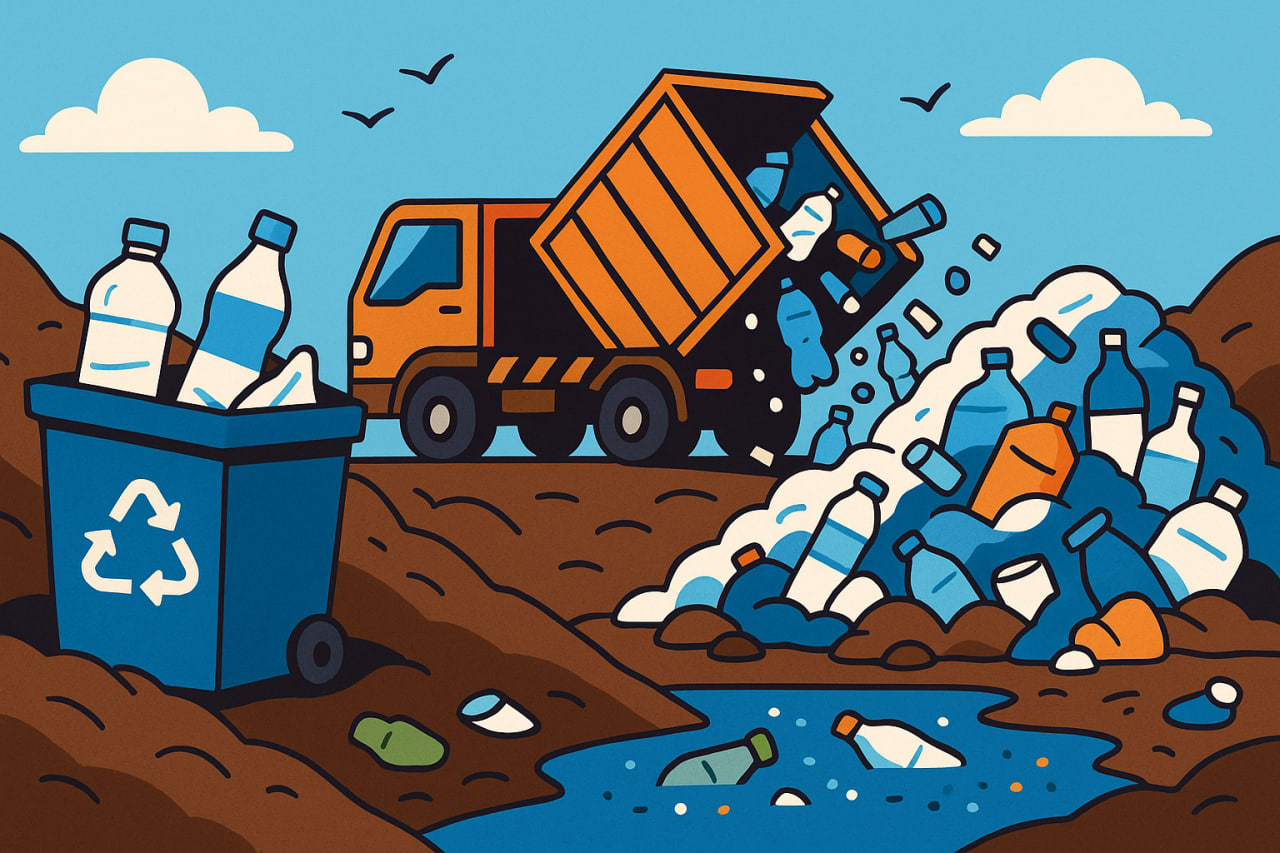
Plastic has become an inseparable part of modern life, used in packaging, clothing, electronics, and countless everyday products.
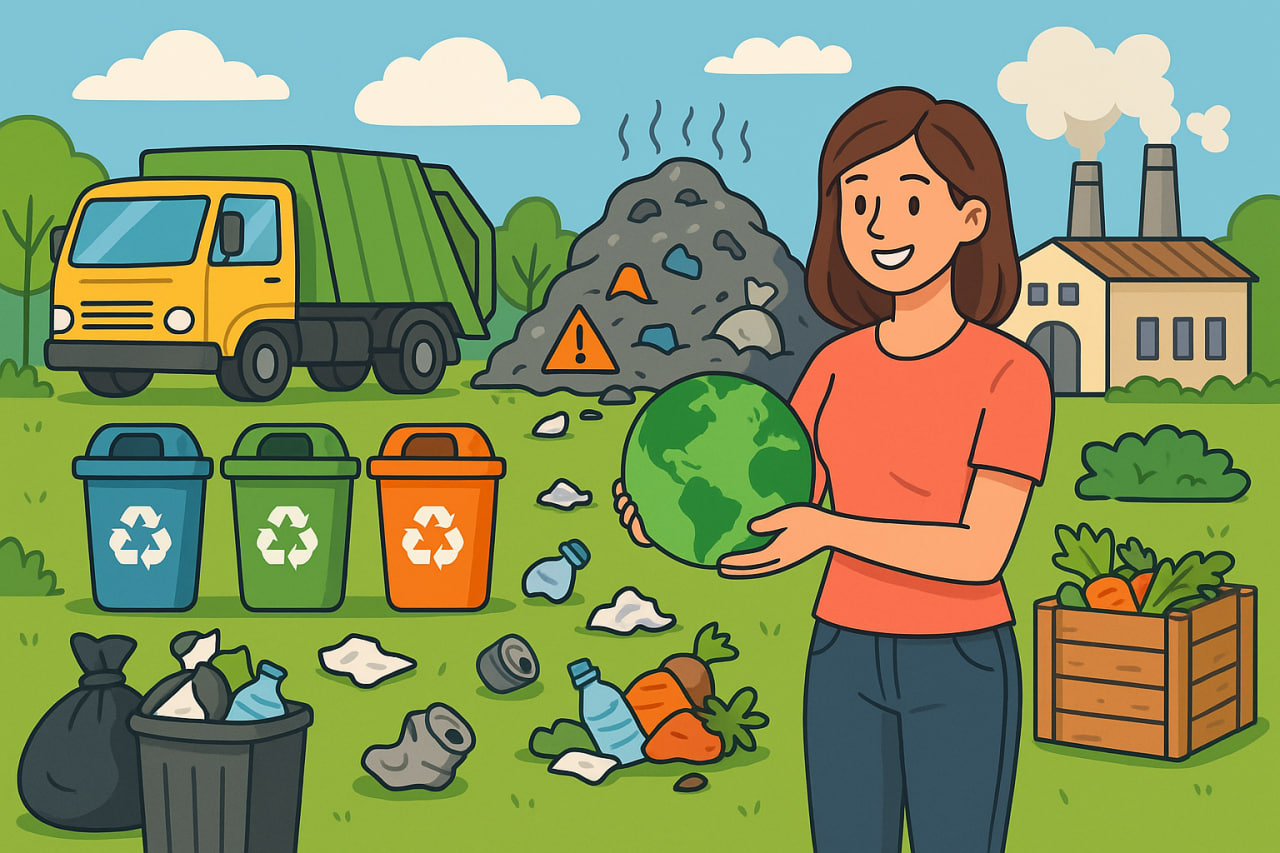
The world is facing a rapidly growing waste crisis, driven by population growth, consumer culture, urbanization, and the rise of disposable products.
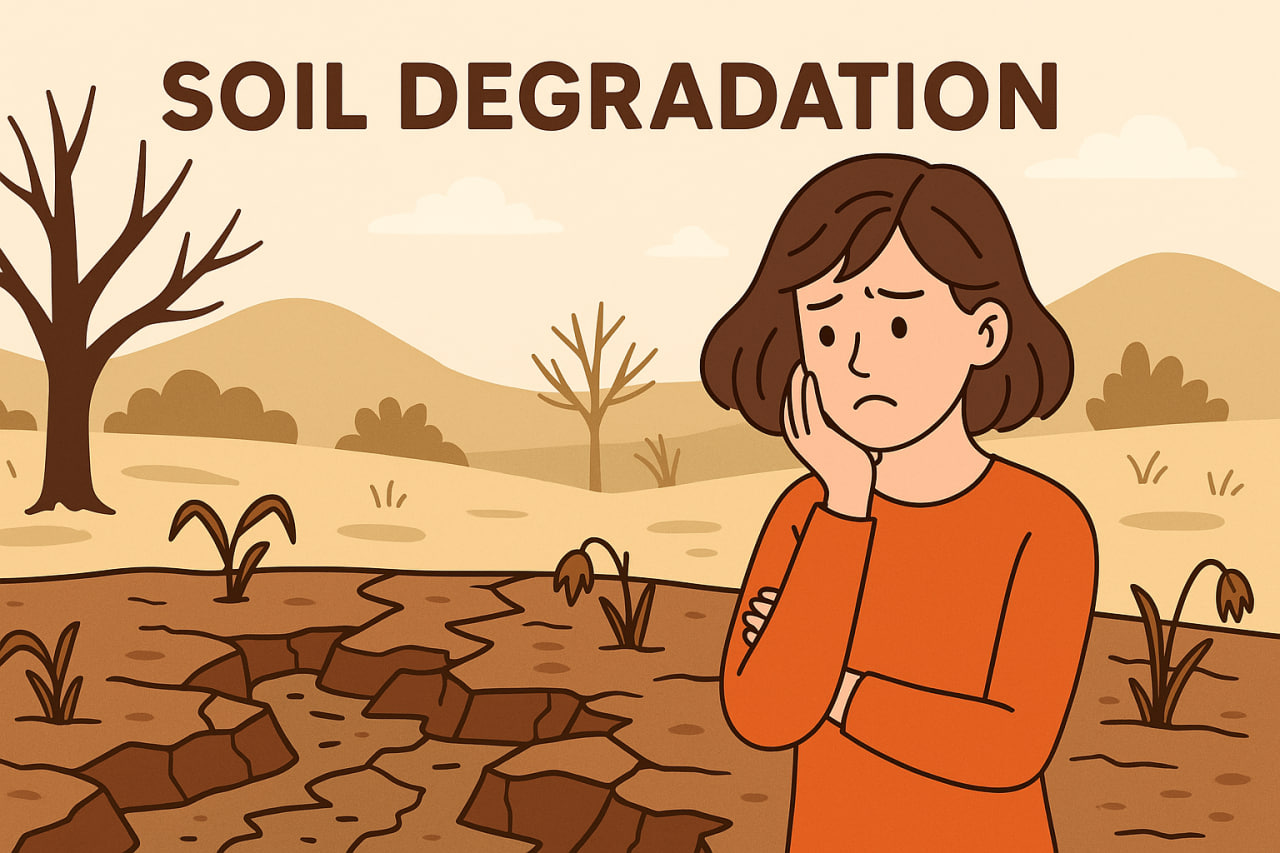
Soil degradation is one of the most critical environmental challenges of the modern world, affecting ecosystems, agriculture, water resources, and long-term sustainability.
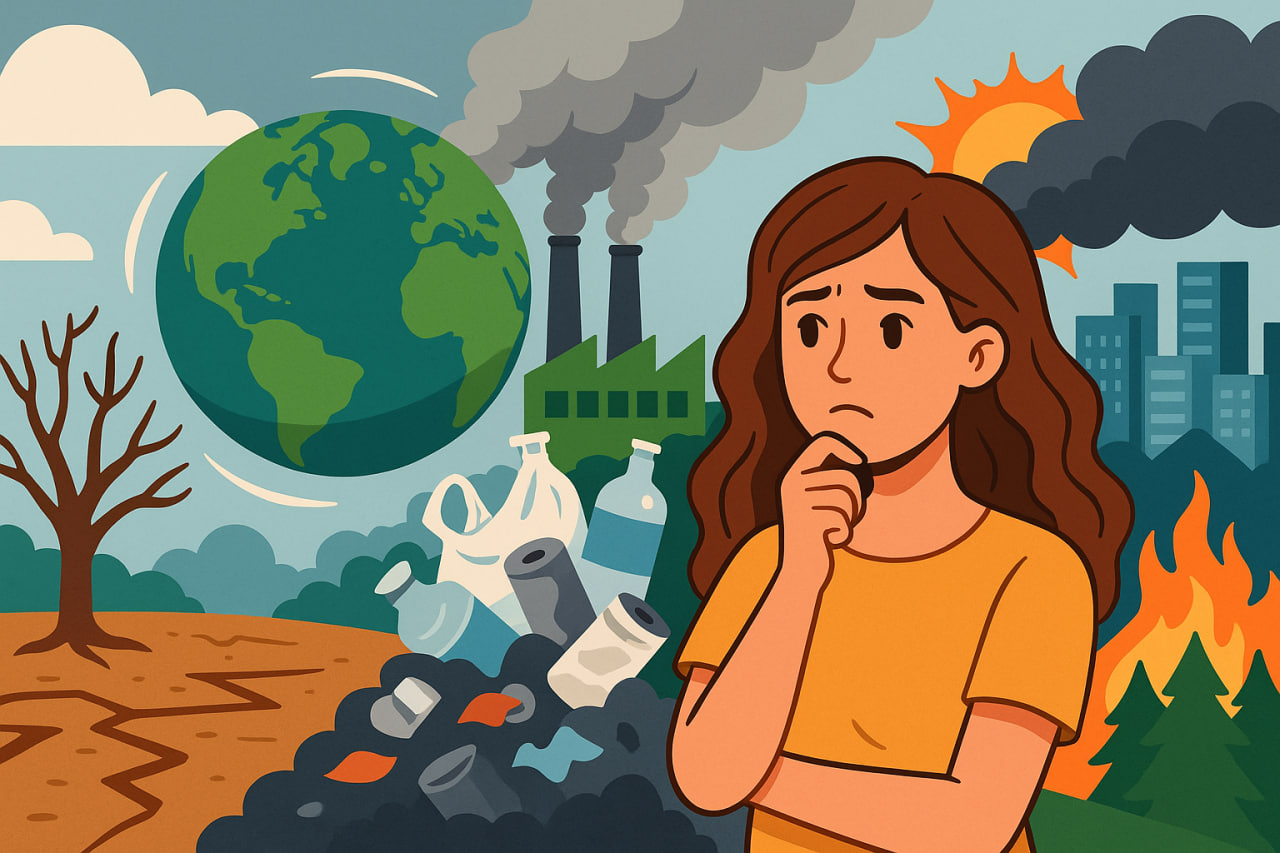
The global ecological crisis is one of the most urgent and complex challenges facing humanity today.
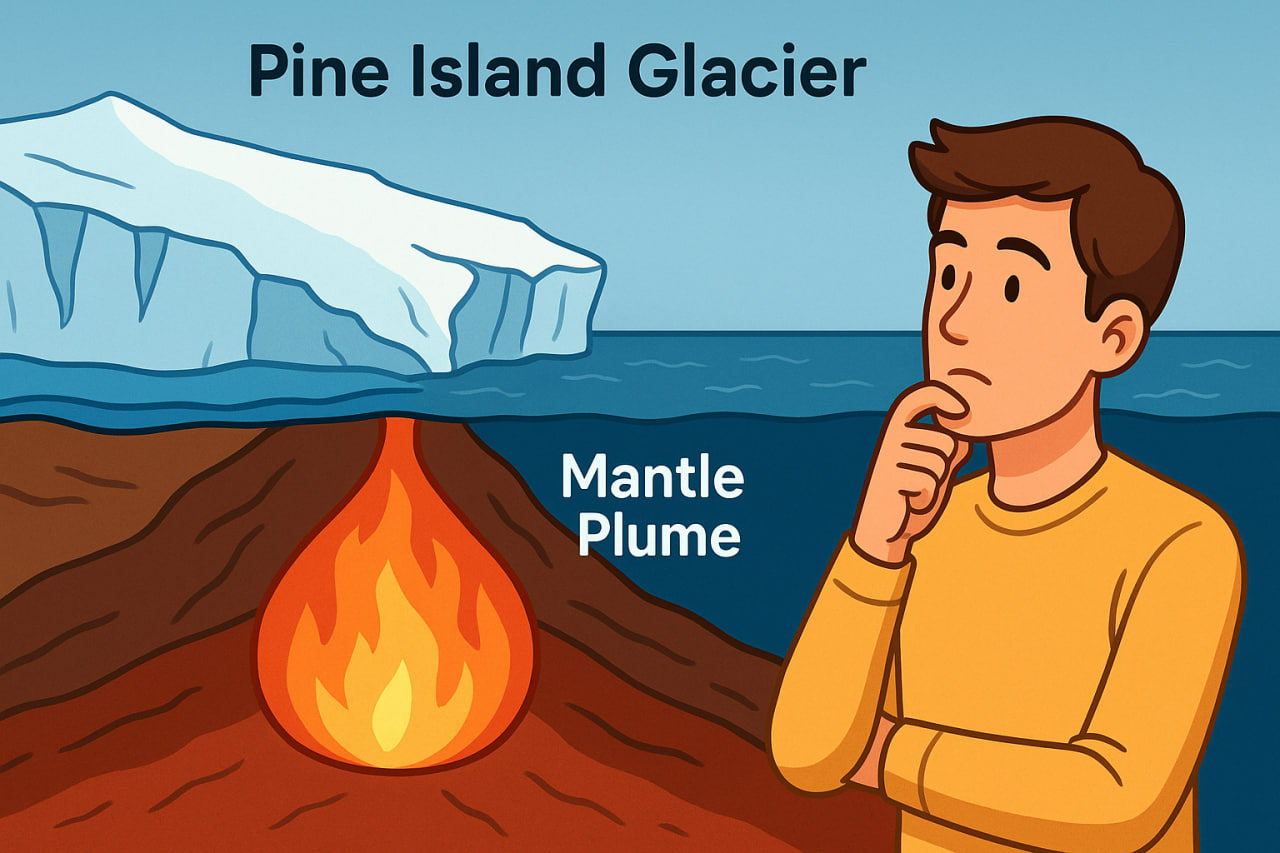
The Pine Island Glacier, located in the remote Amundsen Sea sector of West Antarctica, is one of the fastest-melting and most closely monitored glaciers on the planet.
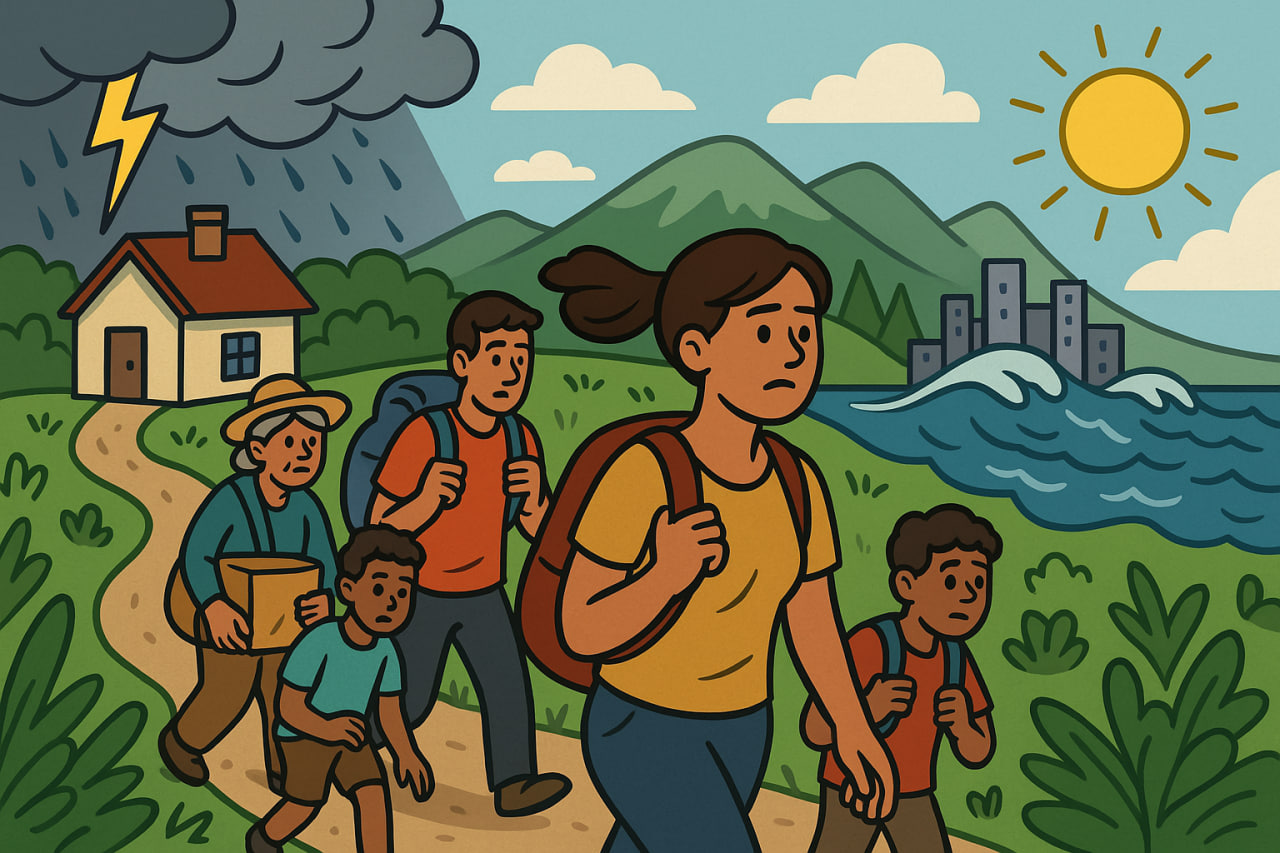
Climate migration refers to the movement of people driven by the impacts of climate change — rising sea levels, extreme weather, droughts, heatwaves, and ecological degradation.
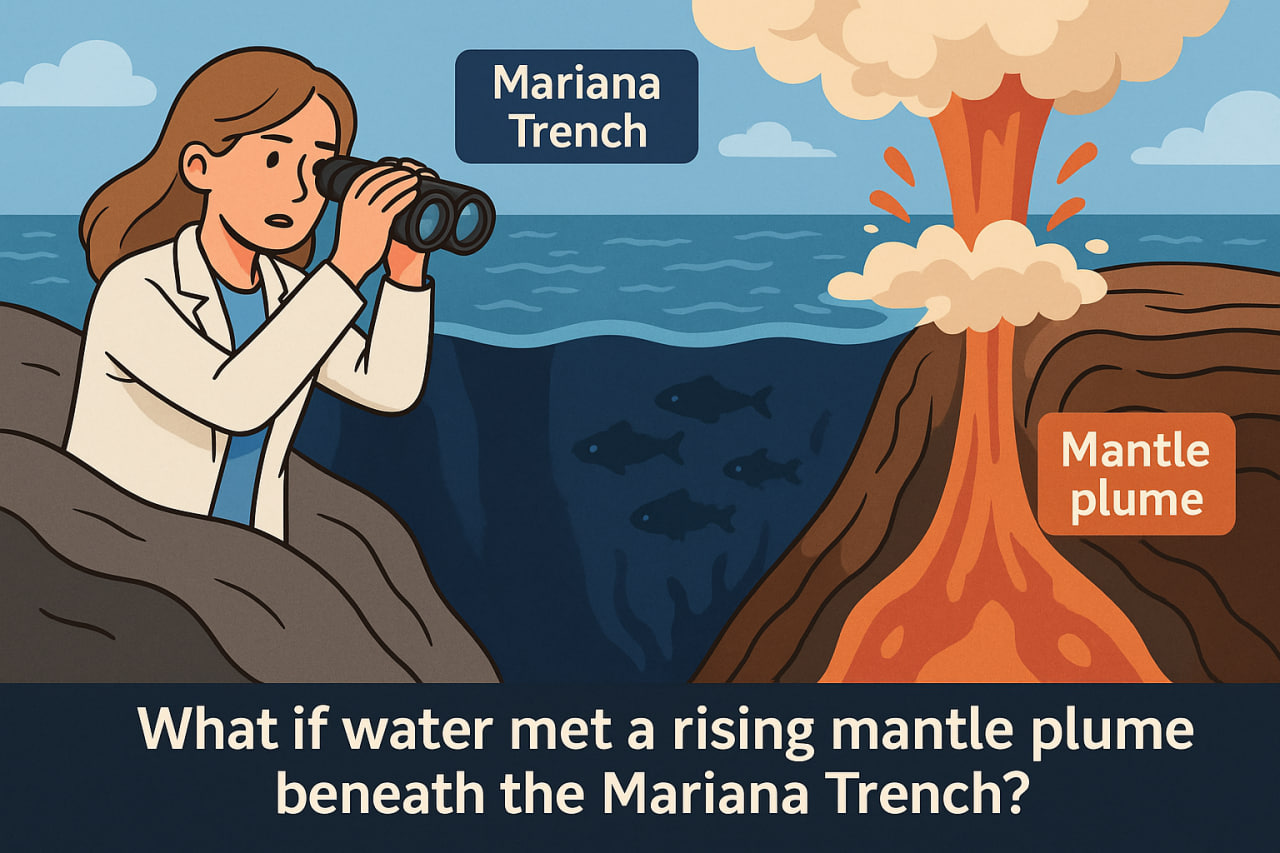
The Mariana Trench is the deepest part of the world’s oceans, plunging nearly 11 kilometers beneath the surface.