
The Global Food Crisis: Causes, Consequences, and the Path Forward
Food — the foundation of human survival — is becoming increasingly scarce for millions across the planet.
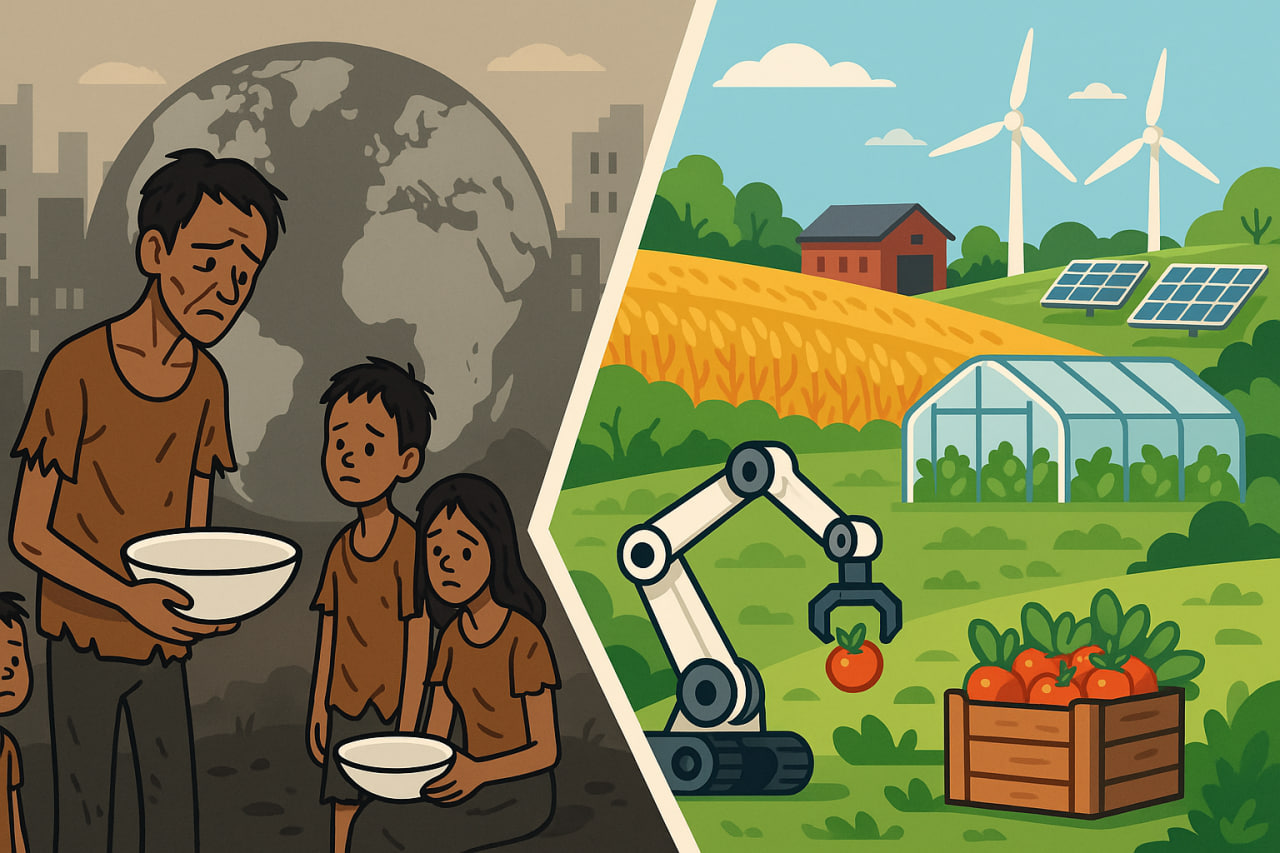
Food — the foundation of human survival — is becoming increasingly scarce for millions across the planet.
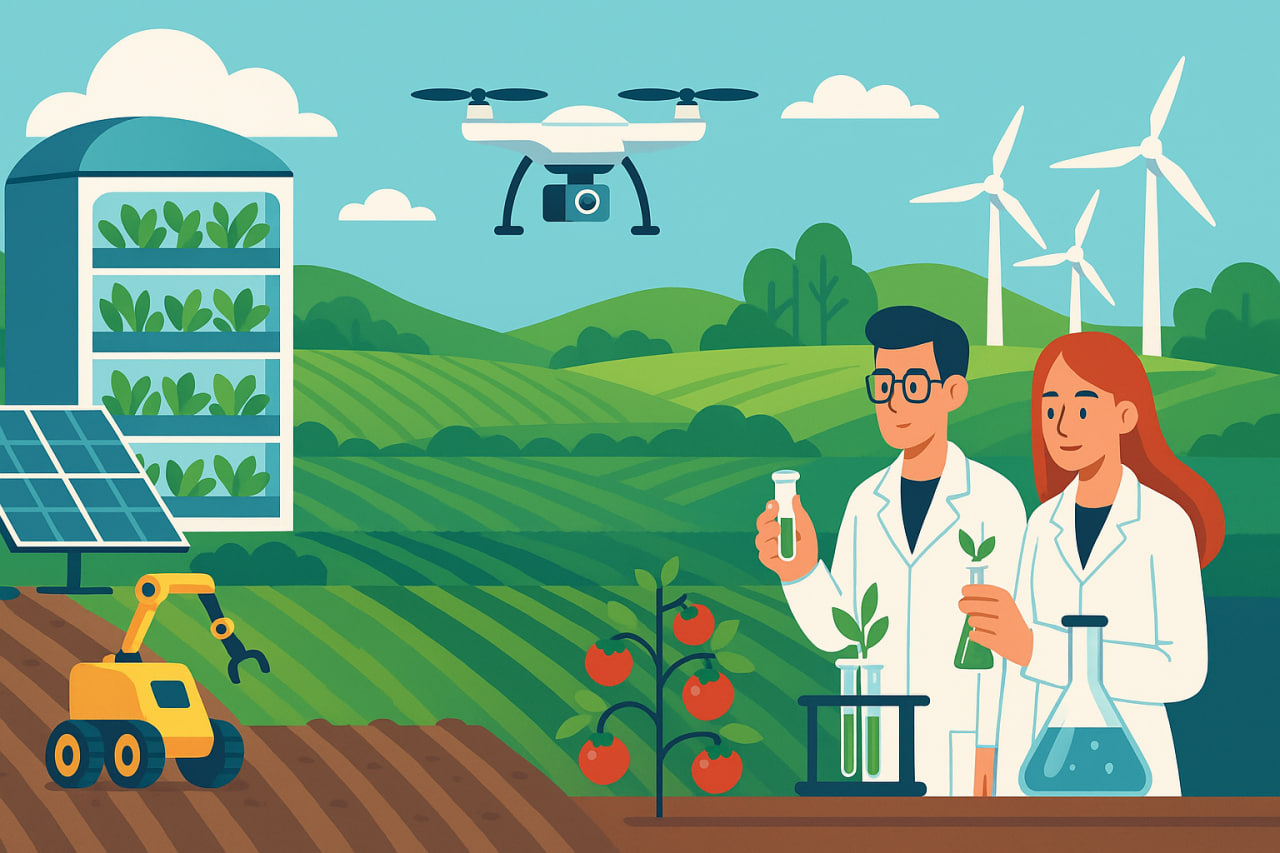
As the global population moves toward 10 billion by 2050, humanity faces one of its greatest challenges — how to feed everyone sustainably.
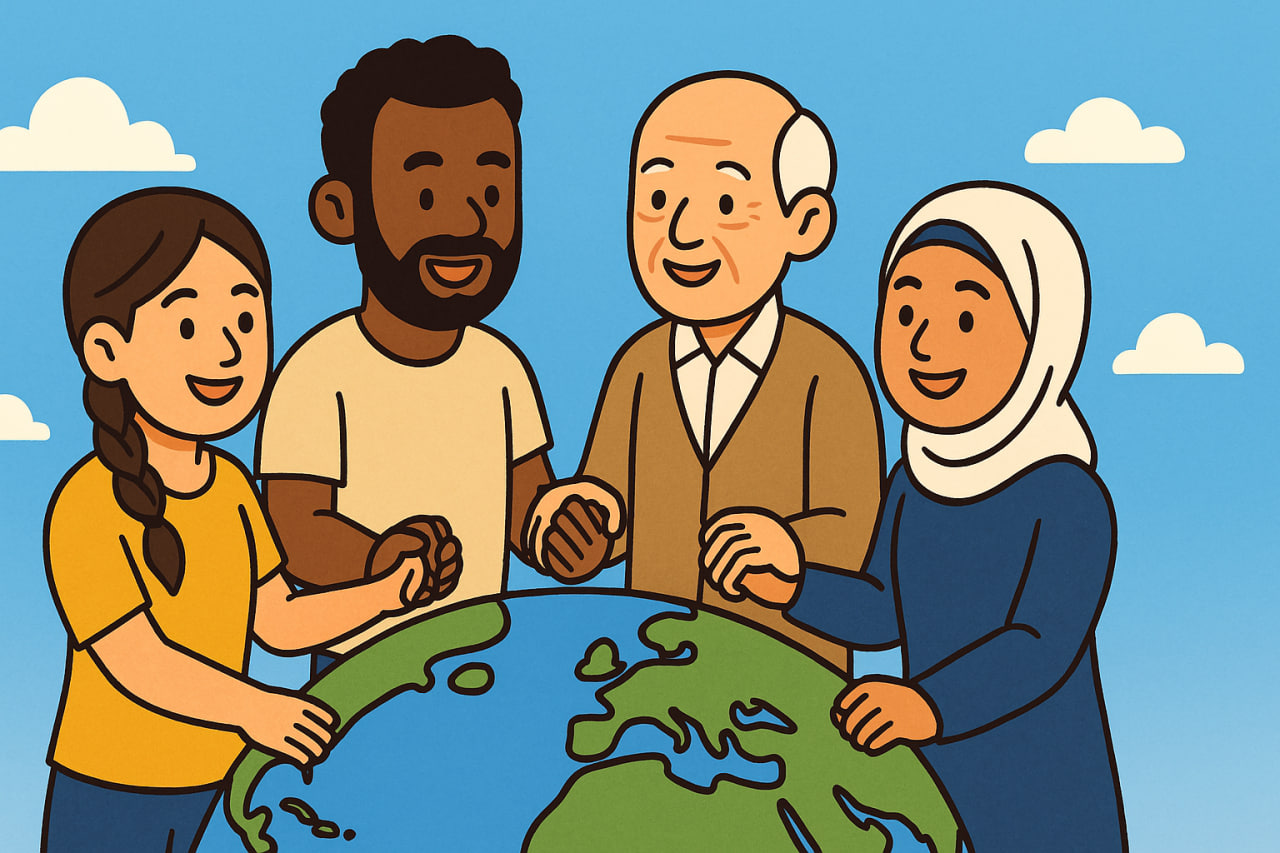
World peace may seem like a distant and global goal, but every action by individuals contributes to building a more peaceful society.
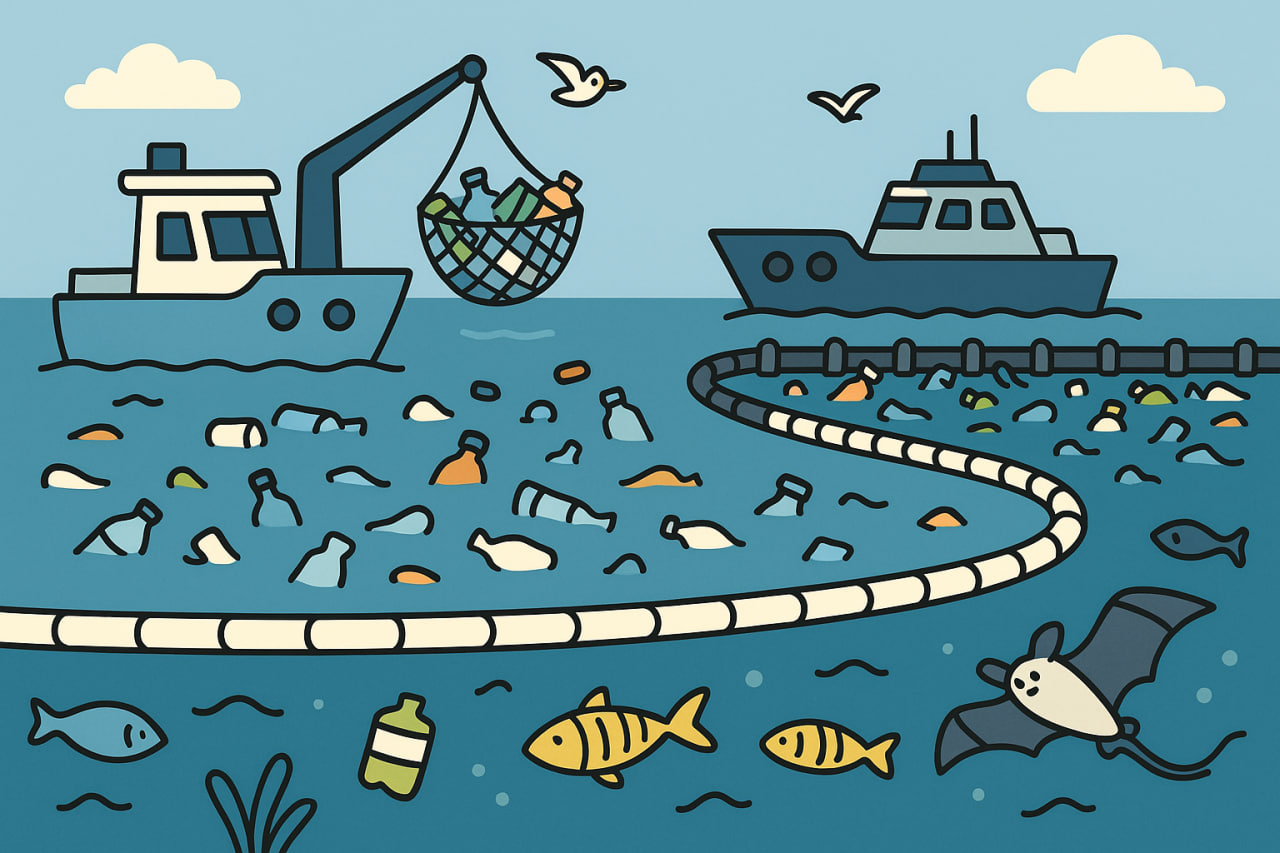
The ocean is Earth’s largest ecosystem, covering over 70% of the planet’s surface. It regulates the climate, produces oxygen, and supports countless forms of life.
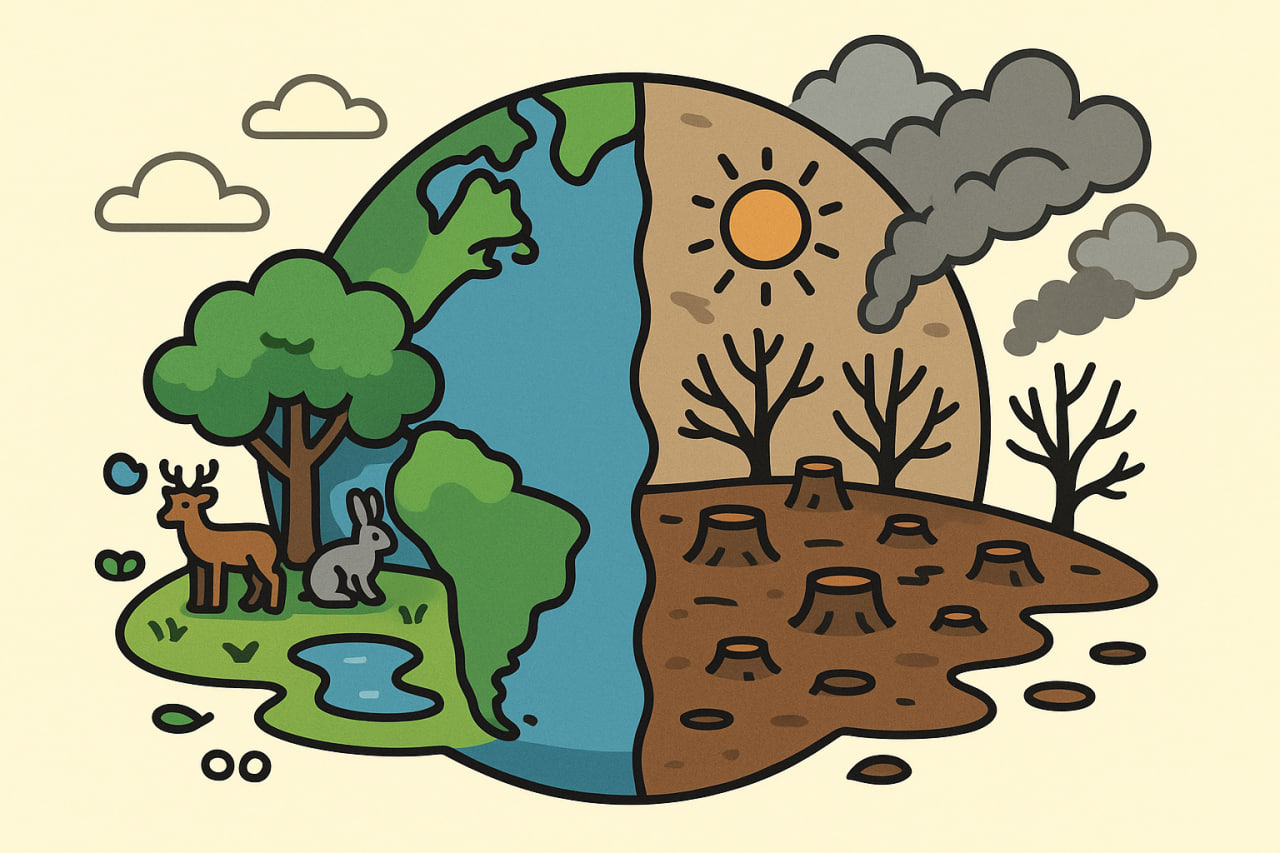
Forests play a critical role in maintaining Earth’s ecosystems. They absorb carbon dioxide and release oxygen, making them the "lungs of the planet.
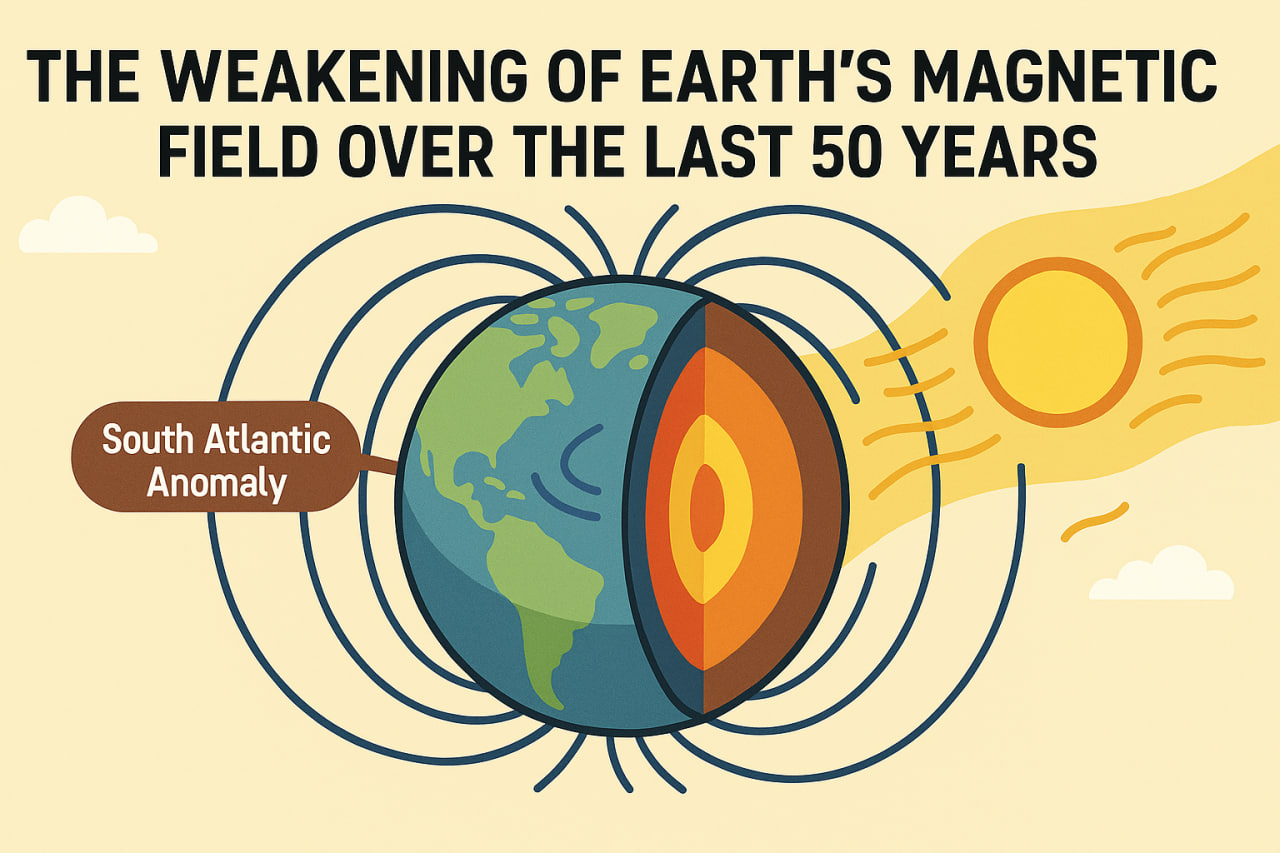
The magnetic field of Earth is generated by the motion of molten iron and nickel in the outer core. This process, called the geodynamo, creates a protective shield around the planet.
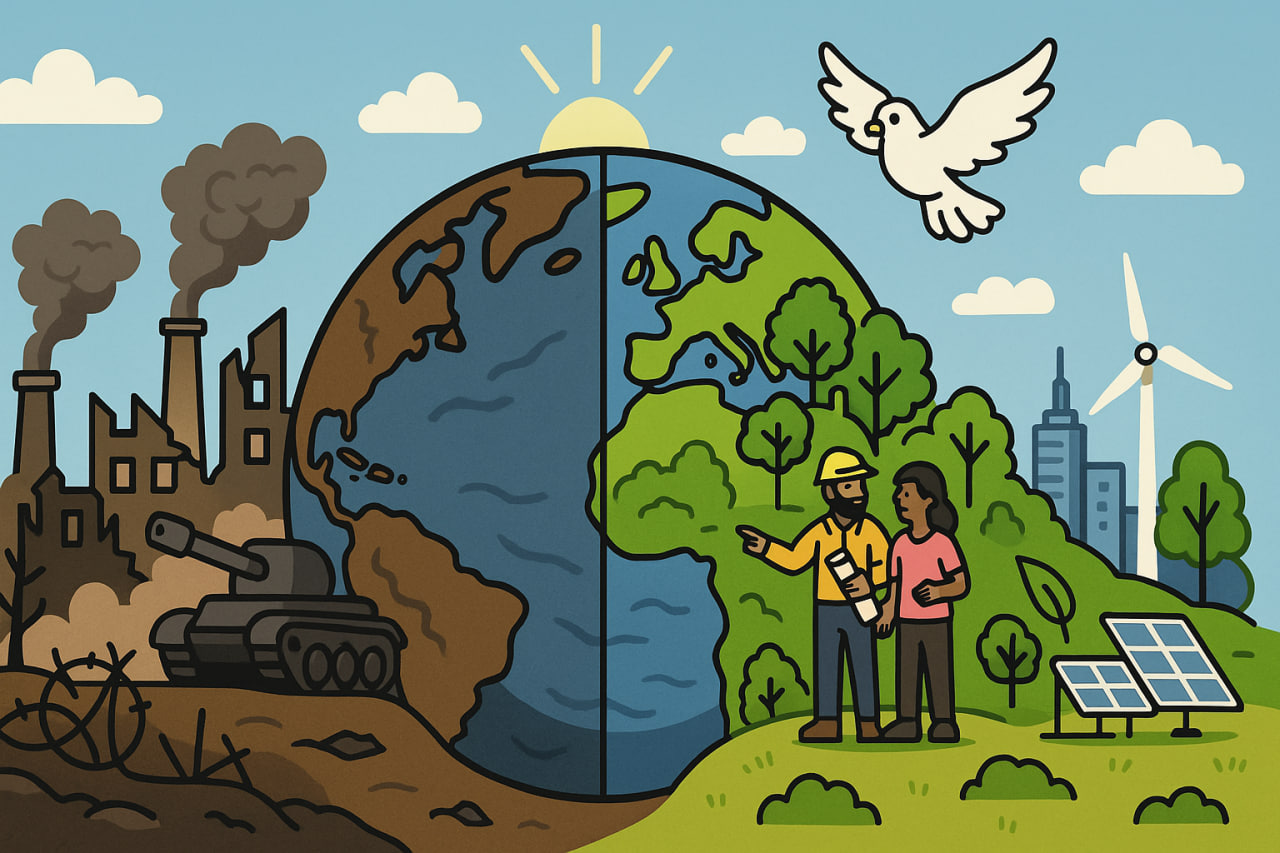
War consumes enormous financial and material resources. If humanity stopped all conflicts, trillions of dollars currently spent on weapons, military operations, and defense could be...
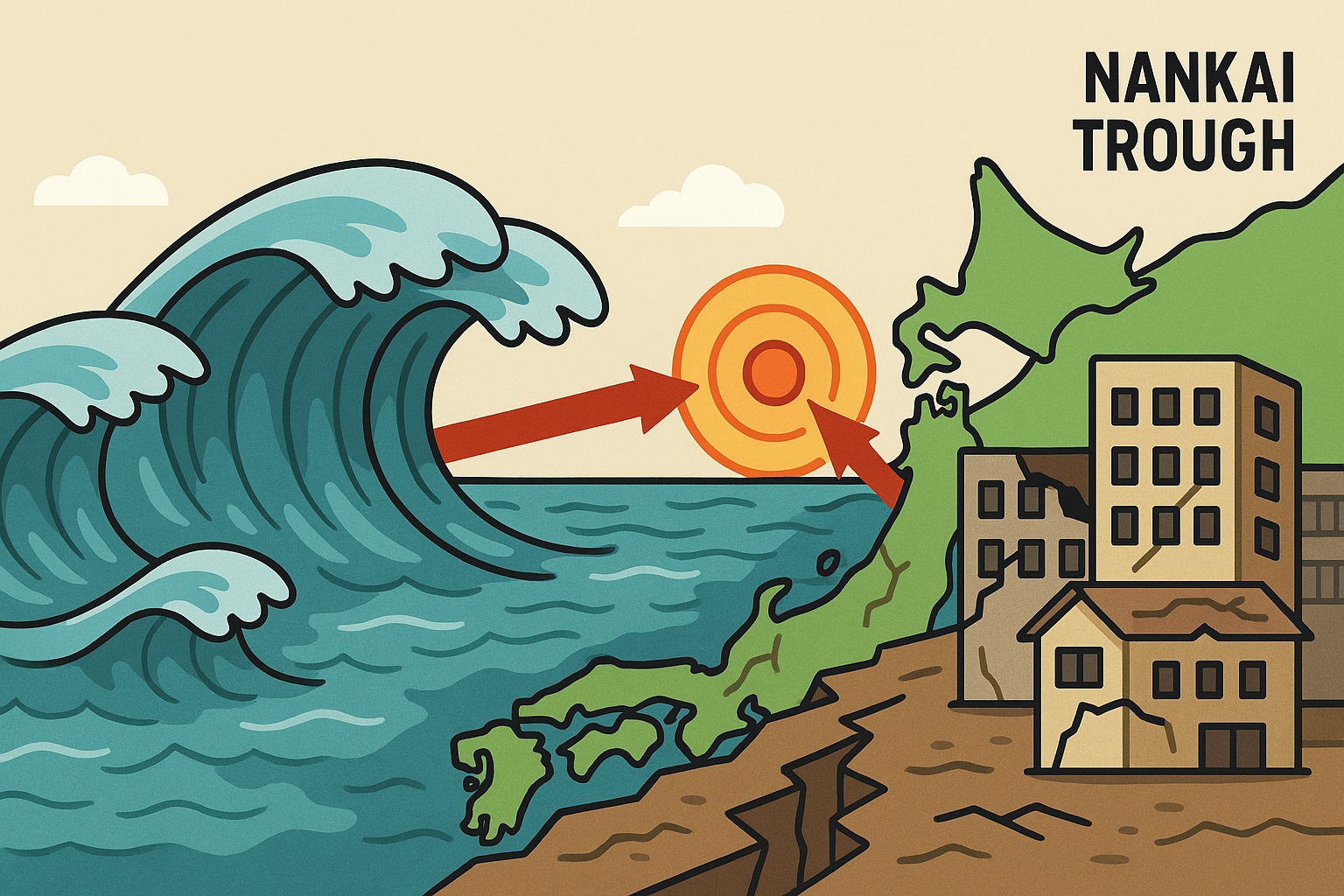
The Nankai Trough is a major subduction zone located off the southern coast of Japan, where the Philippine Sea Plate dives beneath the Eurasian Plate.
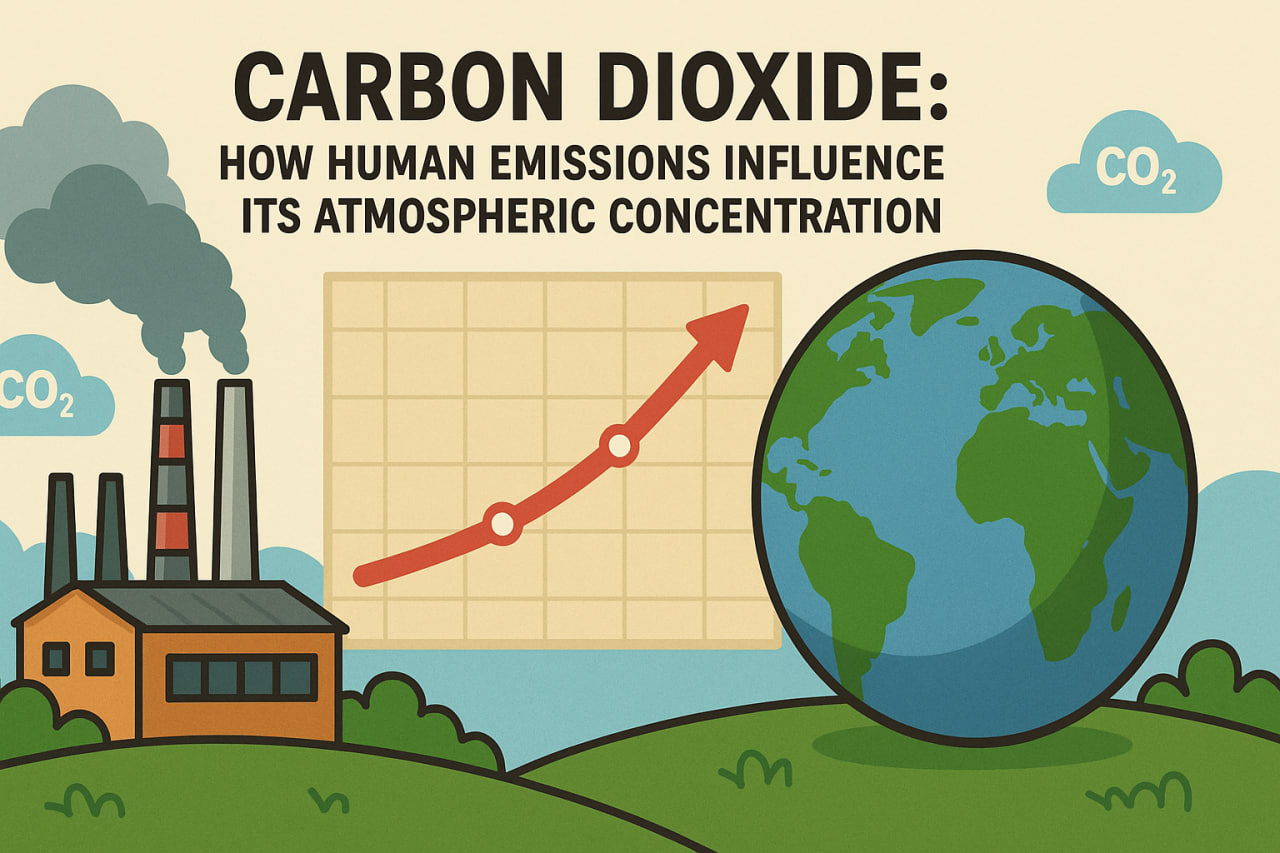
Carbon dioxide (CO₂) is a naturally occurring greenhouse gas in Earth’s atmosphere. It plays a crucial role in regulating global temperature by trapping heat from the Sun.
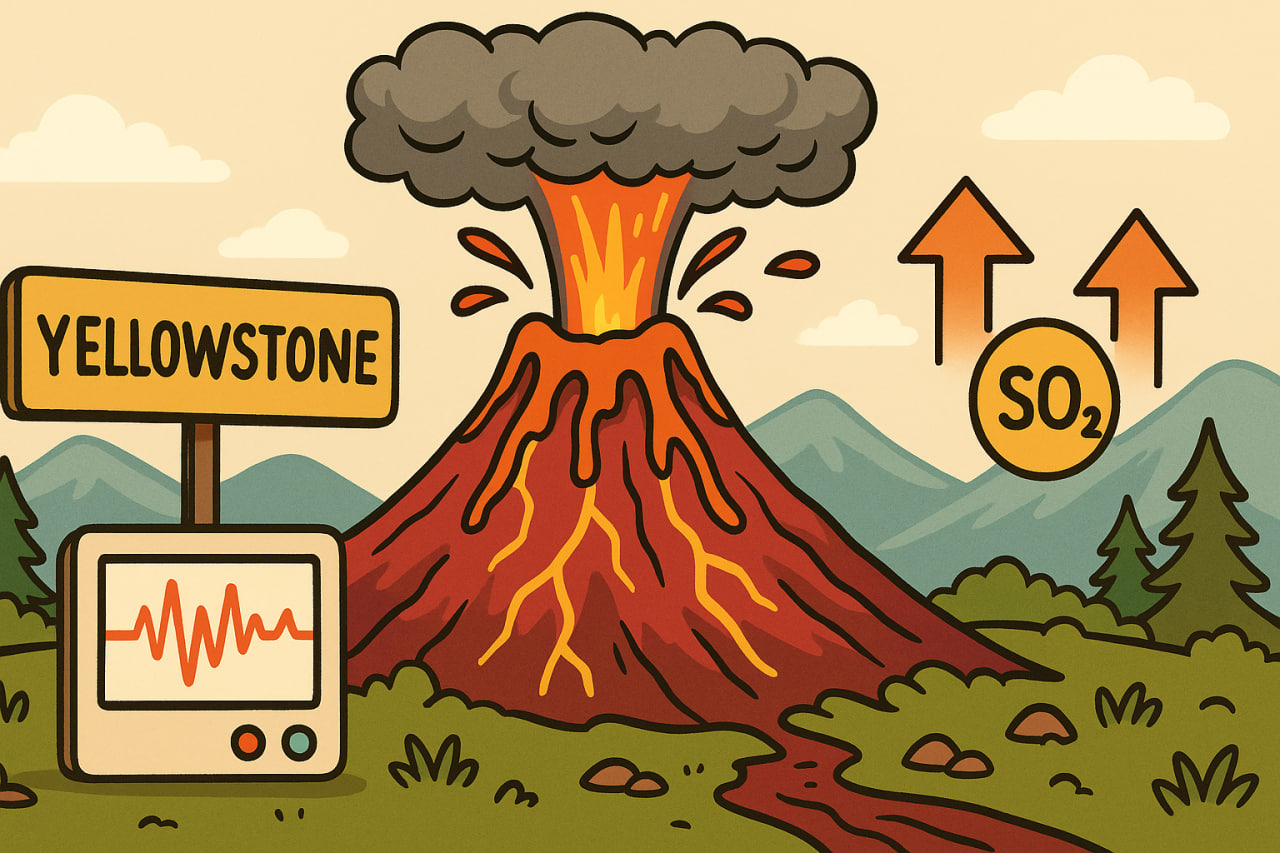
The Yellowstone supervolcano, located in Wyoming, USA, is one of the largest and most closely monitored volcanic systems in the world.