
How to Protect Yourself in Case of a Radioactive Threat
Radiation emergencies, though rare, remain one of the most serious hazards that can threaten public health and safety.
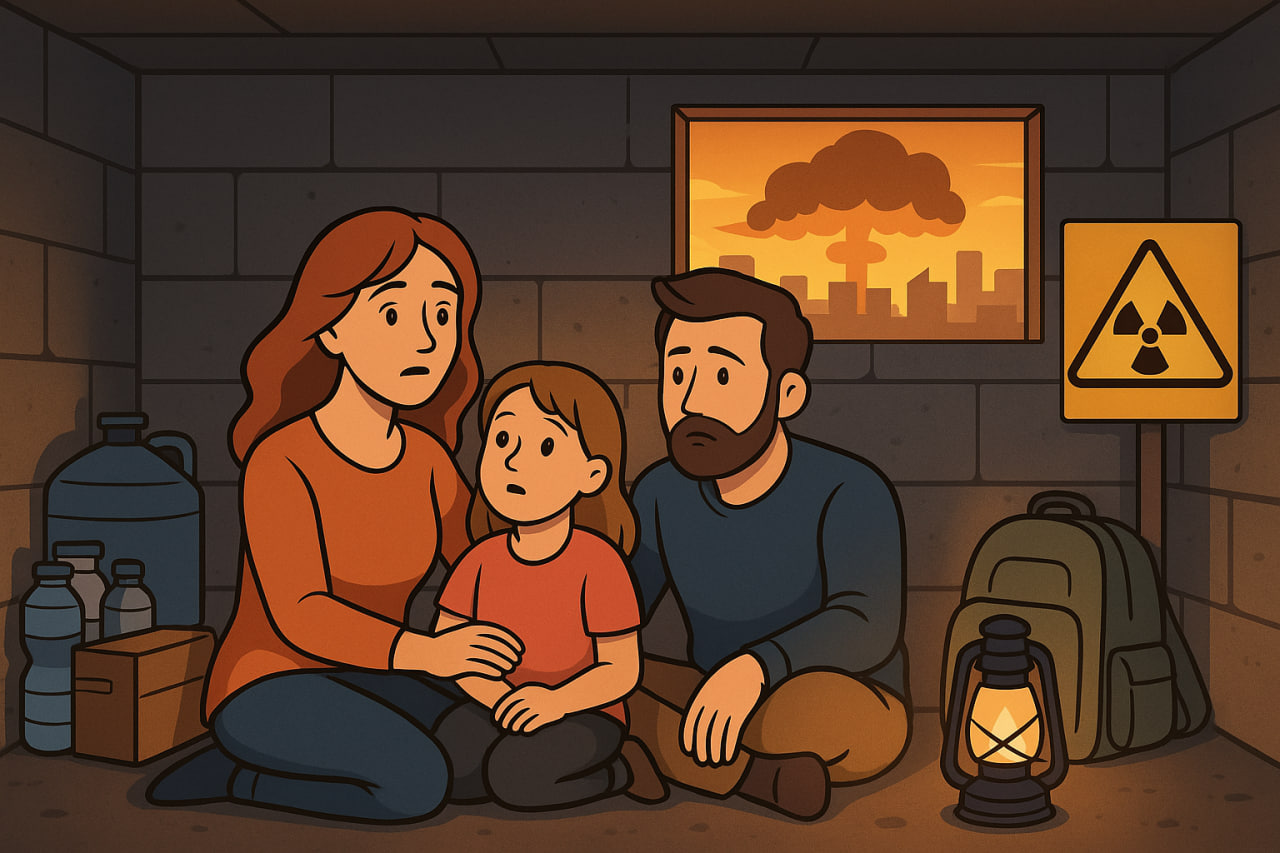
Radiation emergencies, though rare, remain one of the most serious hazards that can threaten public health and safety.
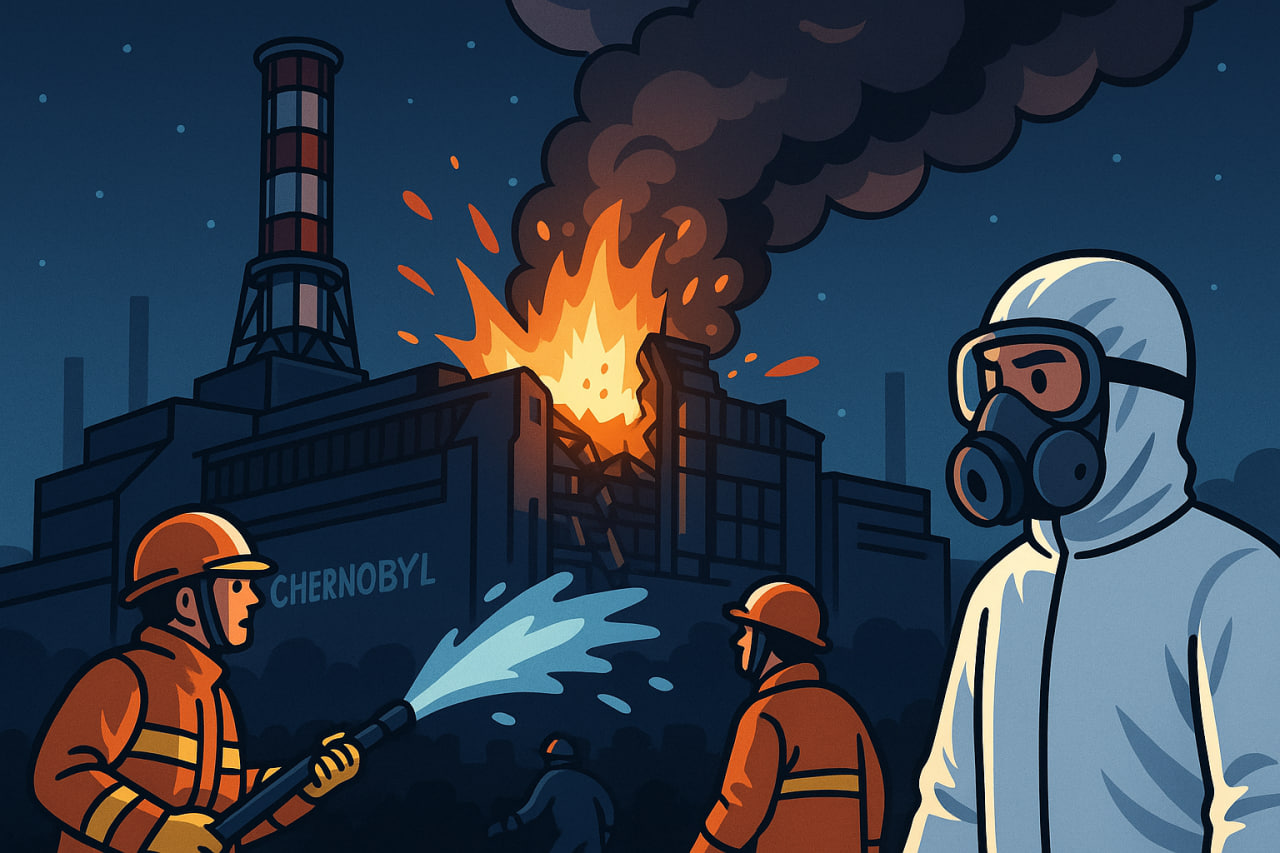
On April 26, 1986, at 1:23 a.m., the world witnessed one of the most catastrophic technological accidents in history—the explosion at Reactor No.
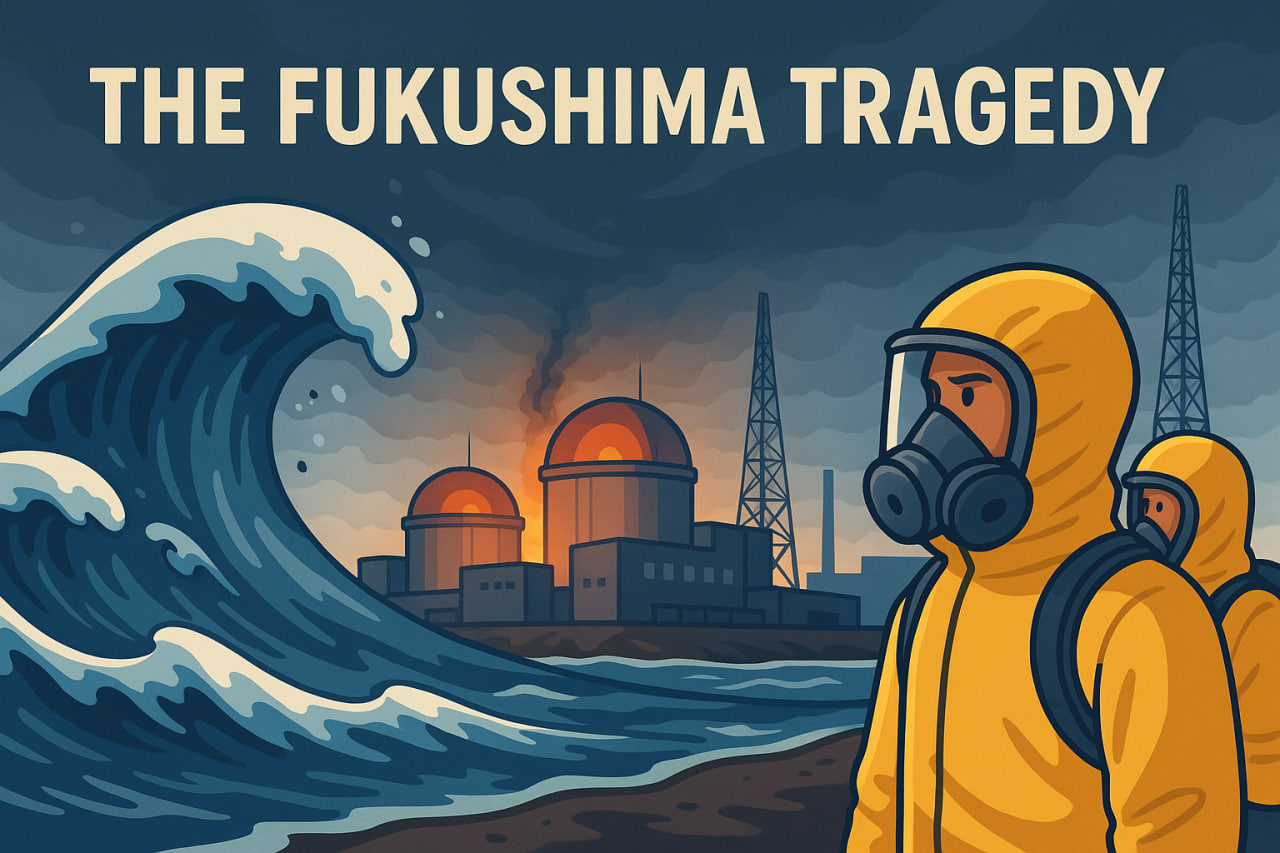
On March 11, 2011, the world witnessed one of the most devastating technological disasters since Chernobyl—the Fukushima Daiichi nuclear accident in Japan.
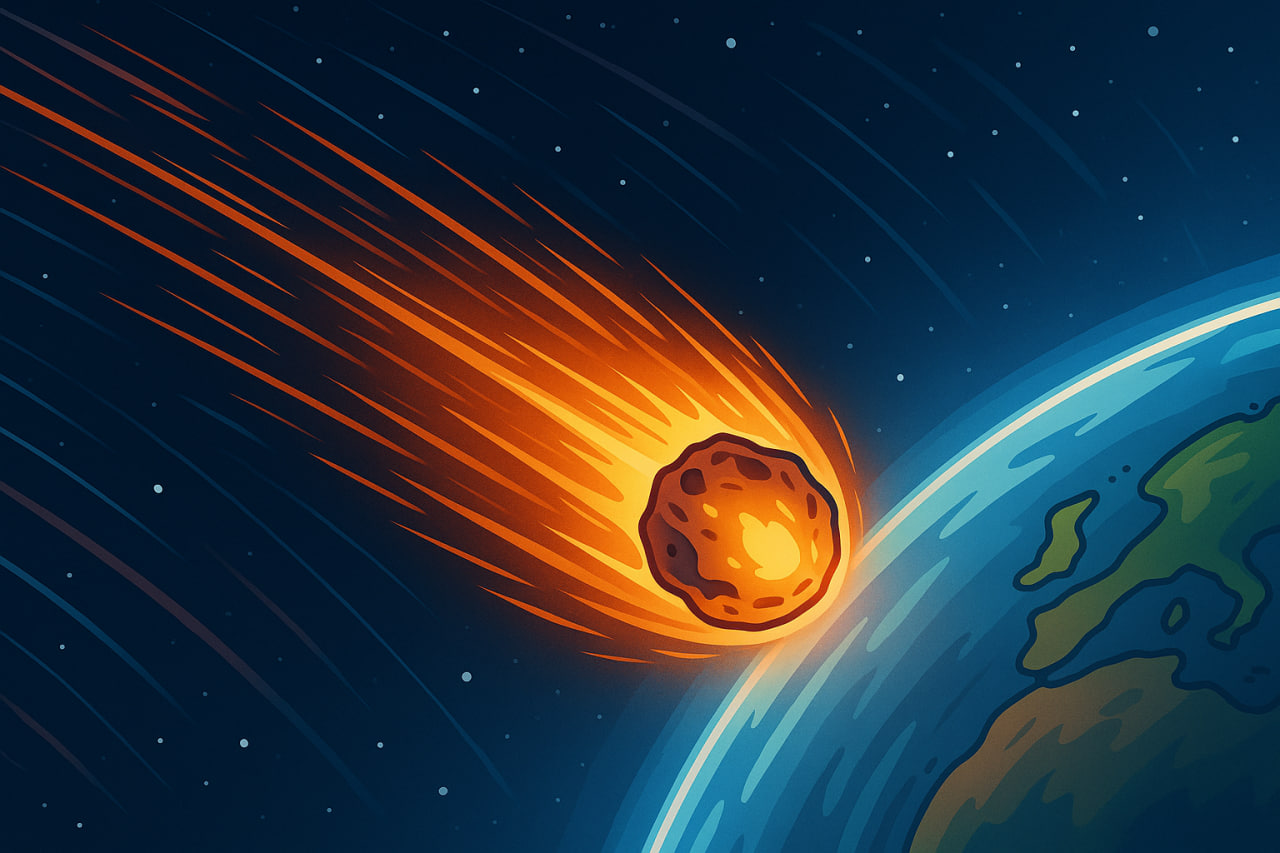
Few cosmic events capture the imagination like the idea of a tiny object traveling at a velocity close to the speed of light and colliding with our planet.
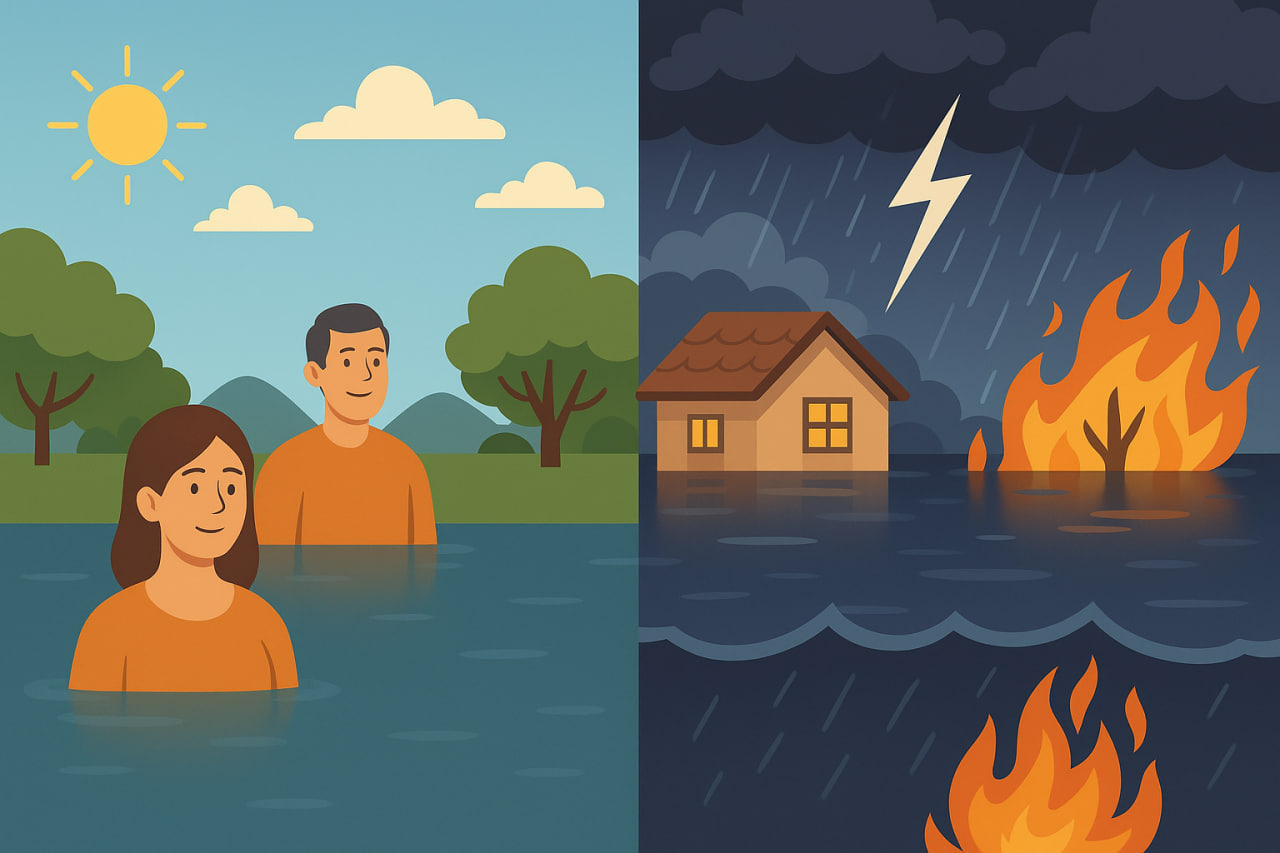
Throughout Earth’s history, our planet has endured countless natural disasters — some predictable, others striking with terrifying suddenness.
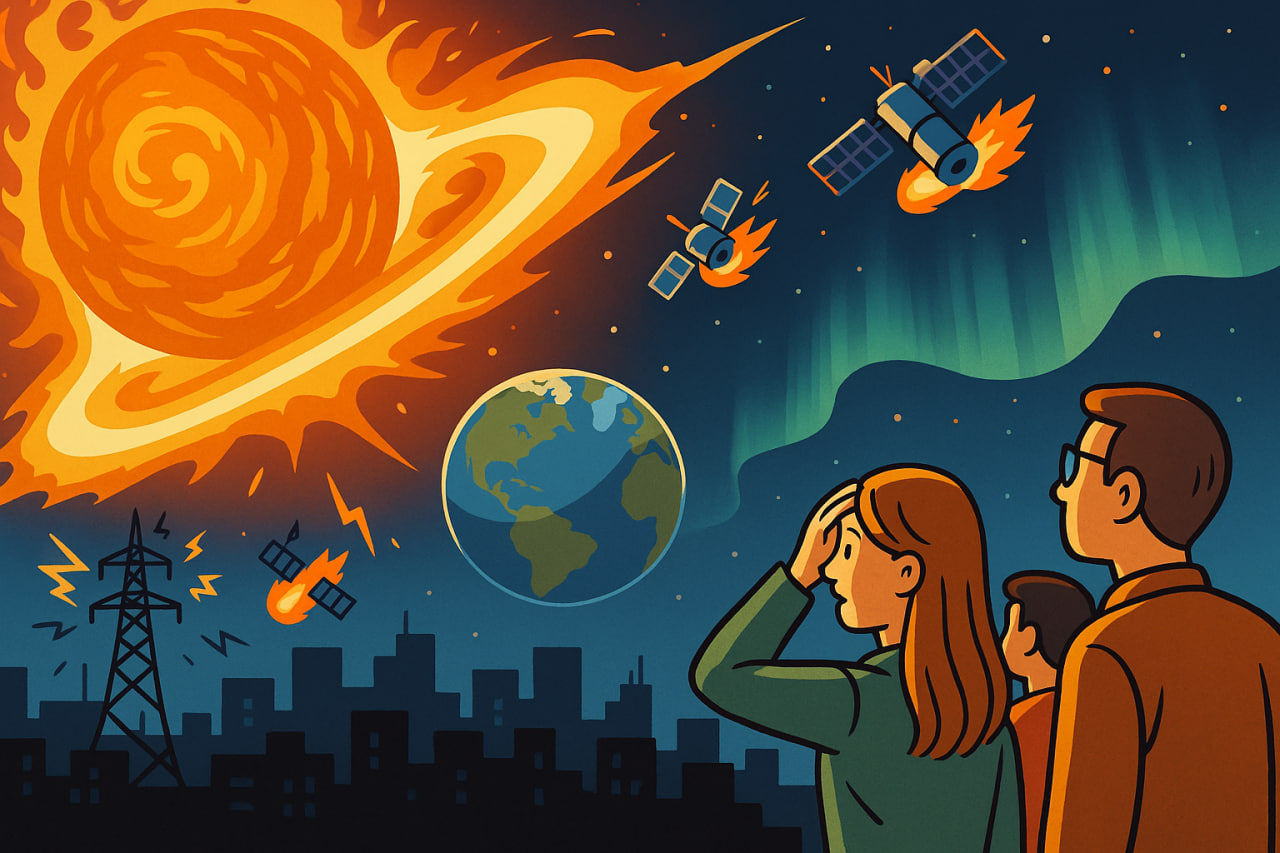
Imagine waking up one morning to find that every electronic device — your phone, computer, car, and even the power grid — has suddenly stopped working.
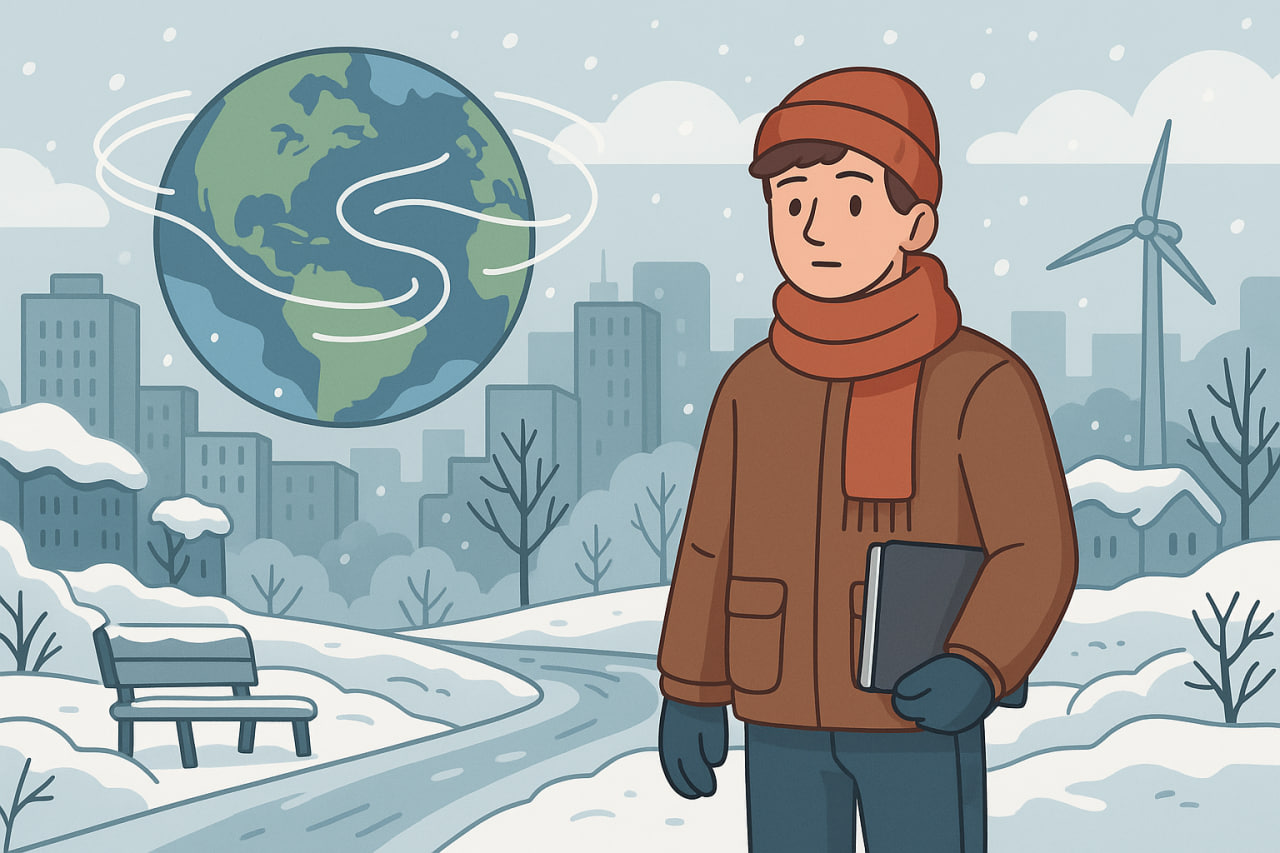
Around 12,900 years ago, the Earth suddenly plunged back into near-glacial conditions after a long period of warming — an event known as the Younger Dryas.
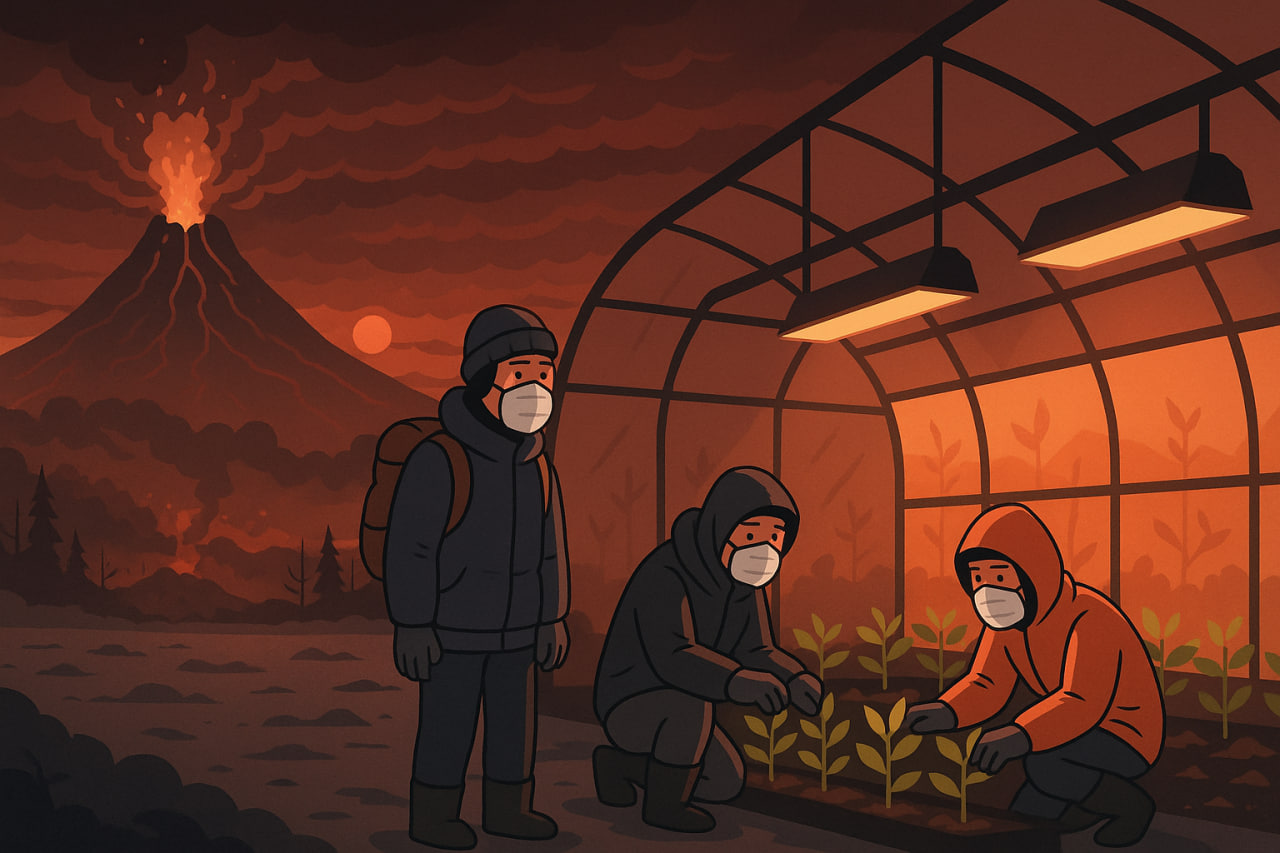
A volcanic winter is one of the most dramatic natural disasters that could affect life on Earth.
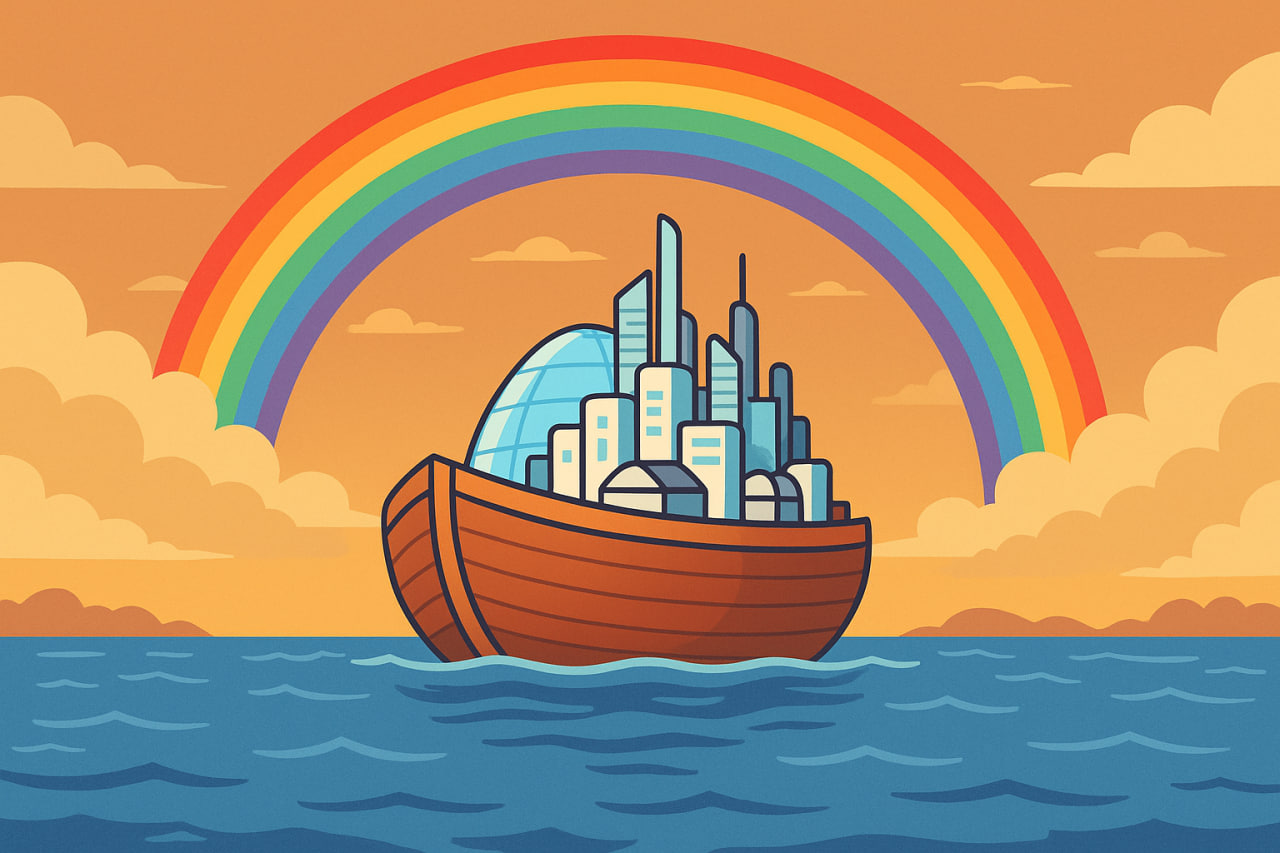
The Biblical Flood, also known as the Great Flood of Noah, is one of the most famous cataclysms described in ancient texts.
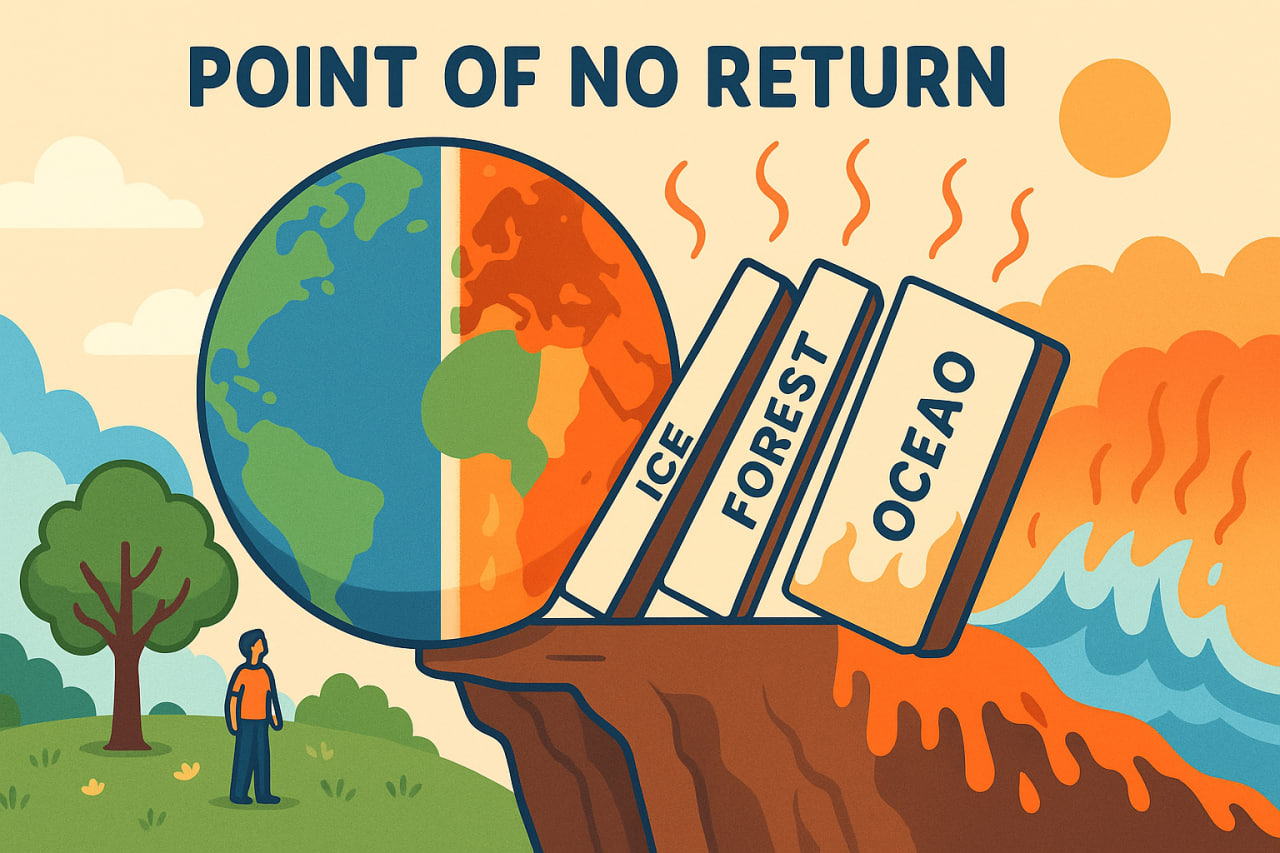
The term “point of no return” in climate science refers to a critical threshold beyond which environmental changes become self-sustaining and irreversible.