
What Are Ice Cores and How Do Scientists Study Them?
Ice cores are cylindrical samples drilled from ice sheets or glaciers, preserving thousands of years of climate history within their layers.

Ice cores are cylindrical samples drilled from ice sheets or glaciers, preserving thousands of years of climate history within their layers.

Earth’s ice ages, also known as glacial periods, are long intervals in which global temperatures drop significantly, allowing massive ice sheets to expand across continents.
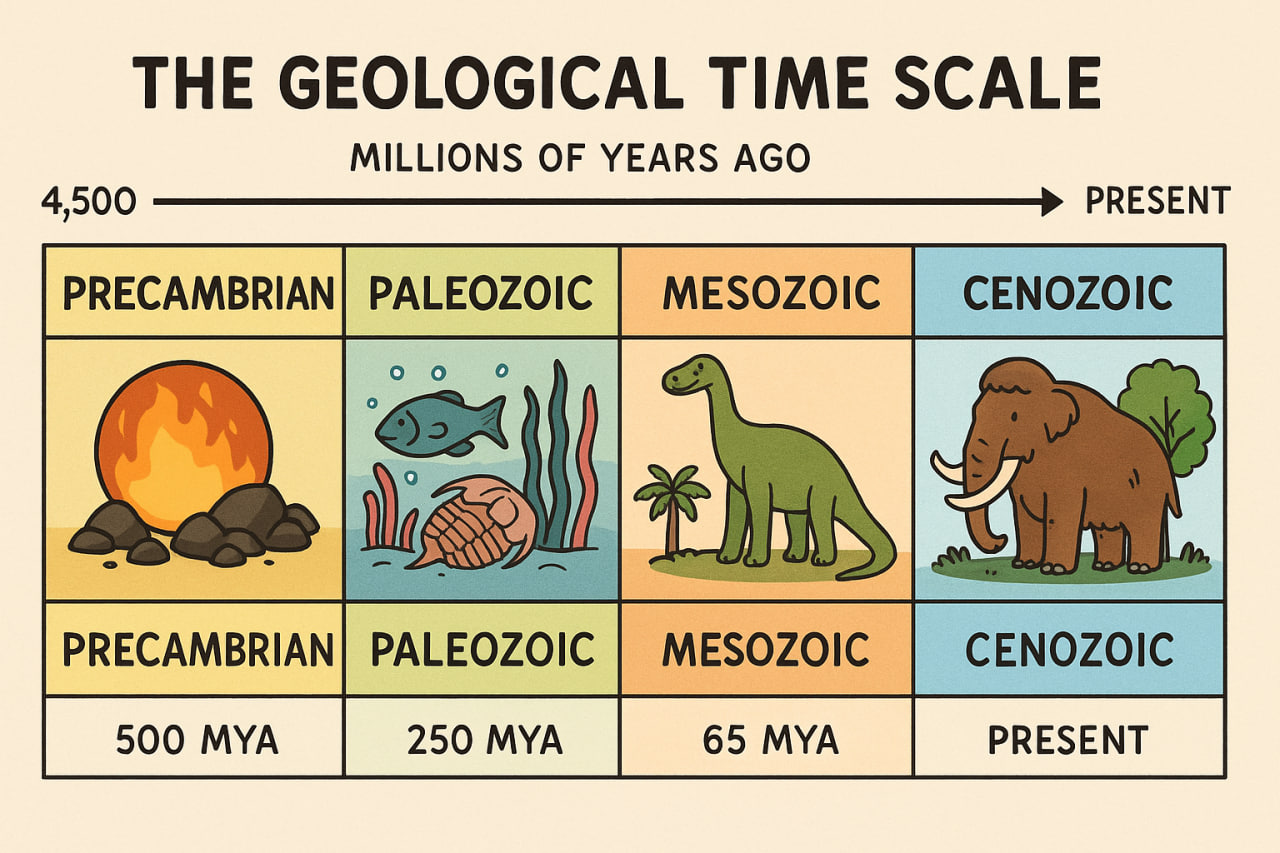
After its formation about 4.54 billion years ago, Earth went through several dramatic geological stages that transformed it from a molten sphere into the vibrant, life-sustaining planet we...
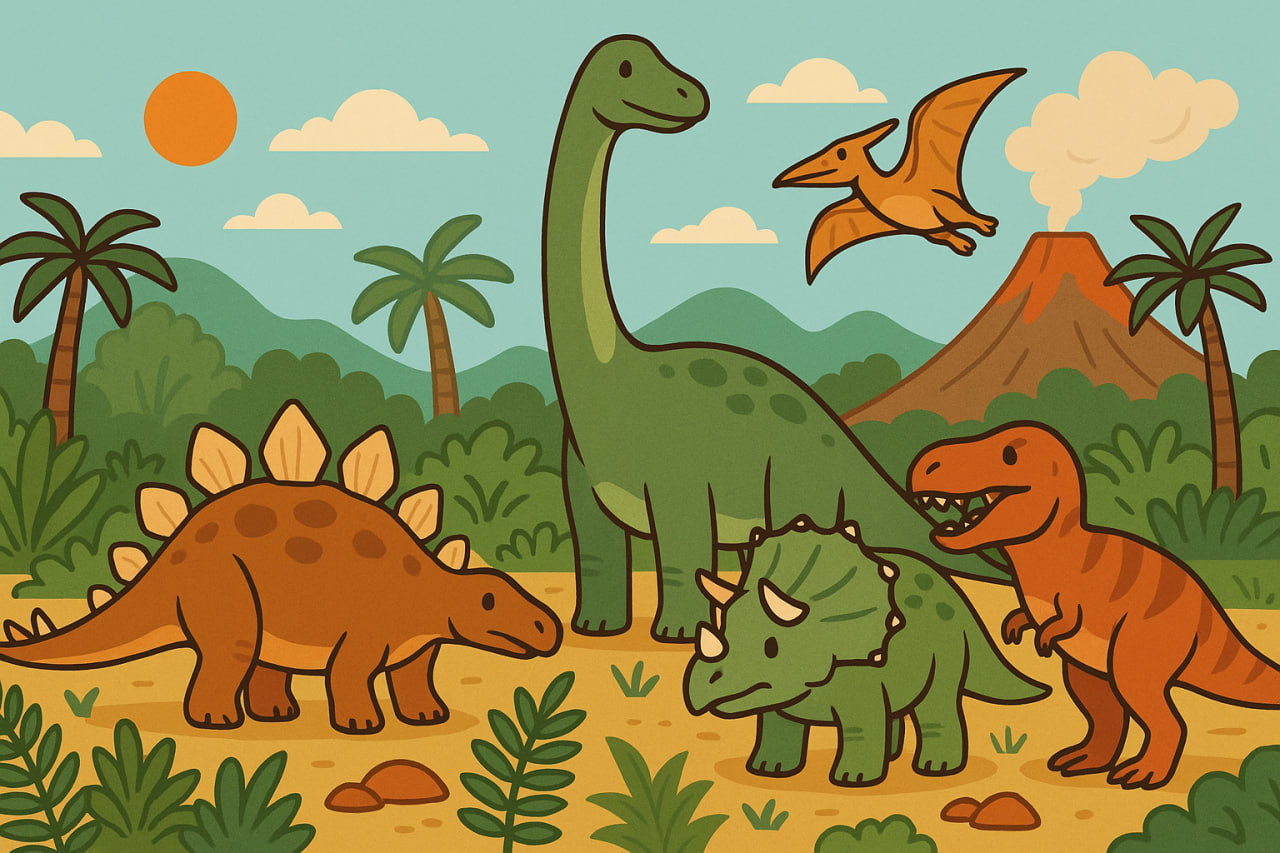
Long before humans appeared, Earth belonged to the dinosaurs — magnificent creatures that dominated land, sea, and sky for over 165 million years.

On April 26, 1986, at 1:23 a.m., the world witnessed one of the most catastrophic technological accidents in history—the explosion at Reactor No.

On March 11, 2011, the world witnessed one of the most devastating technological disasters since Chernobyl—the Fukushima Daiichi nuclear accident in Japan.

The Biblical Flood, also known as the Great Flood of Noah, is one of the most famous cataclysms described in ancient texts.
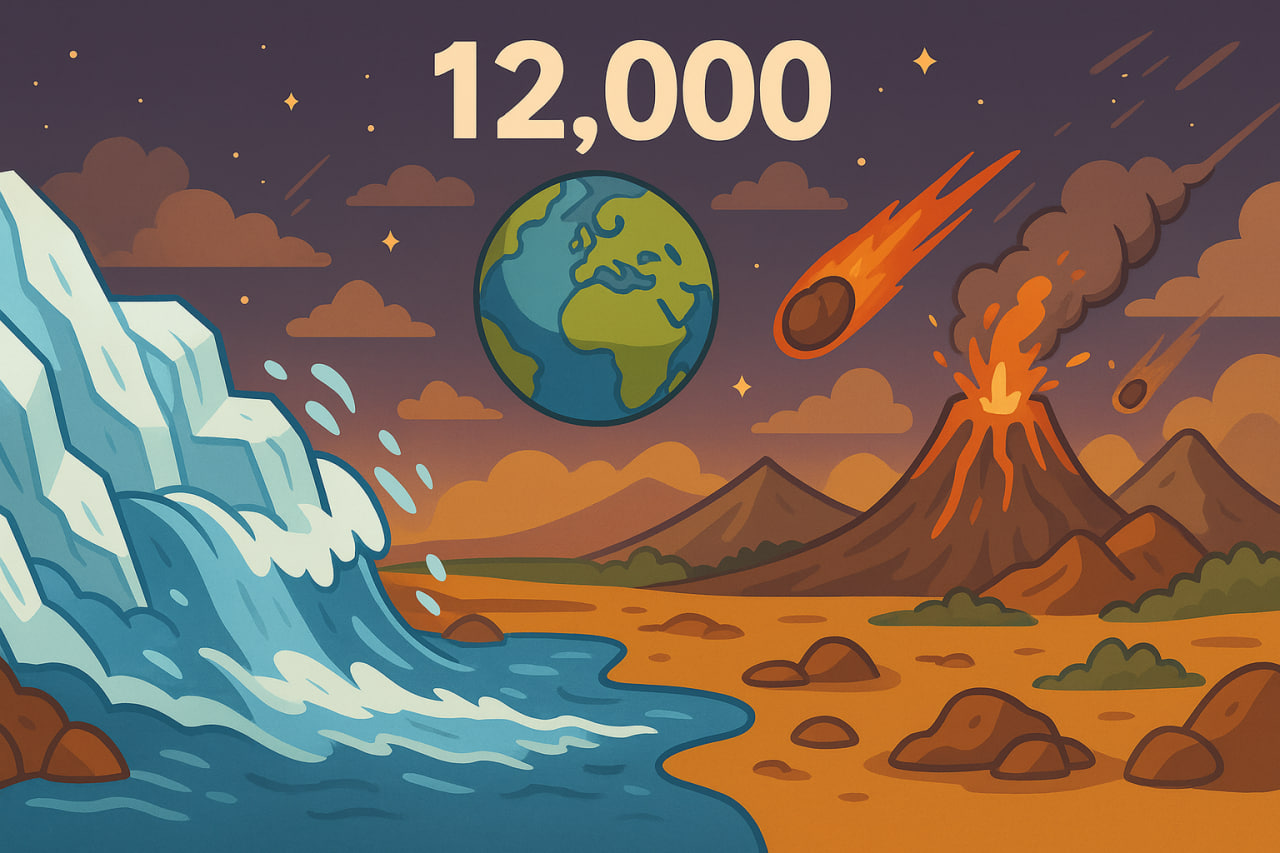
Roughly 12,000 years ago, our planet went through one of the most turbulent and transformative periods in its history.
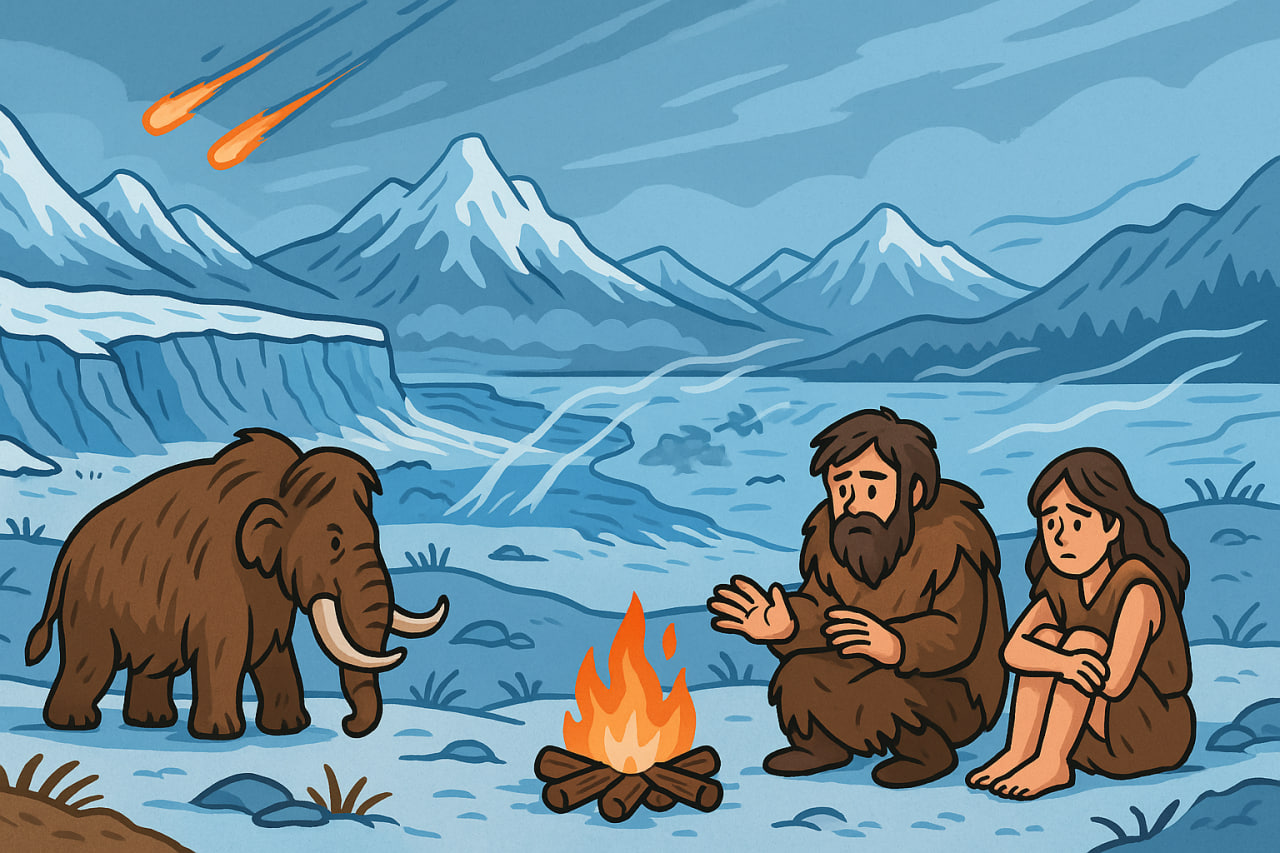
About 12,900 years ago, just as the Earth was warming after the last Ice Age, the planet experienced a shocking climatic reversal.
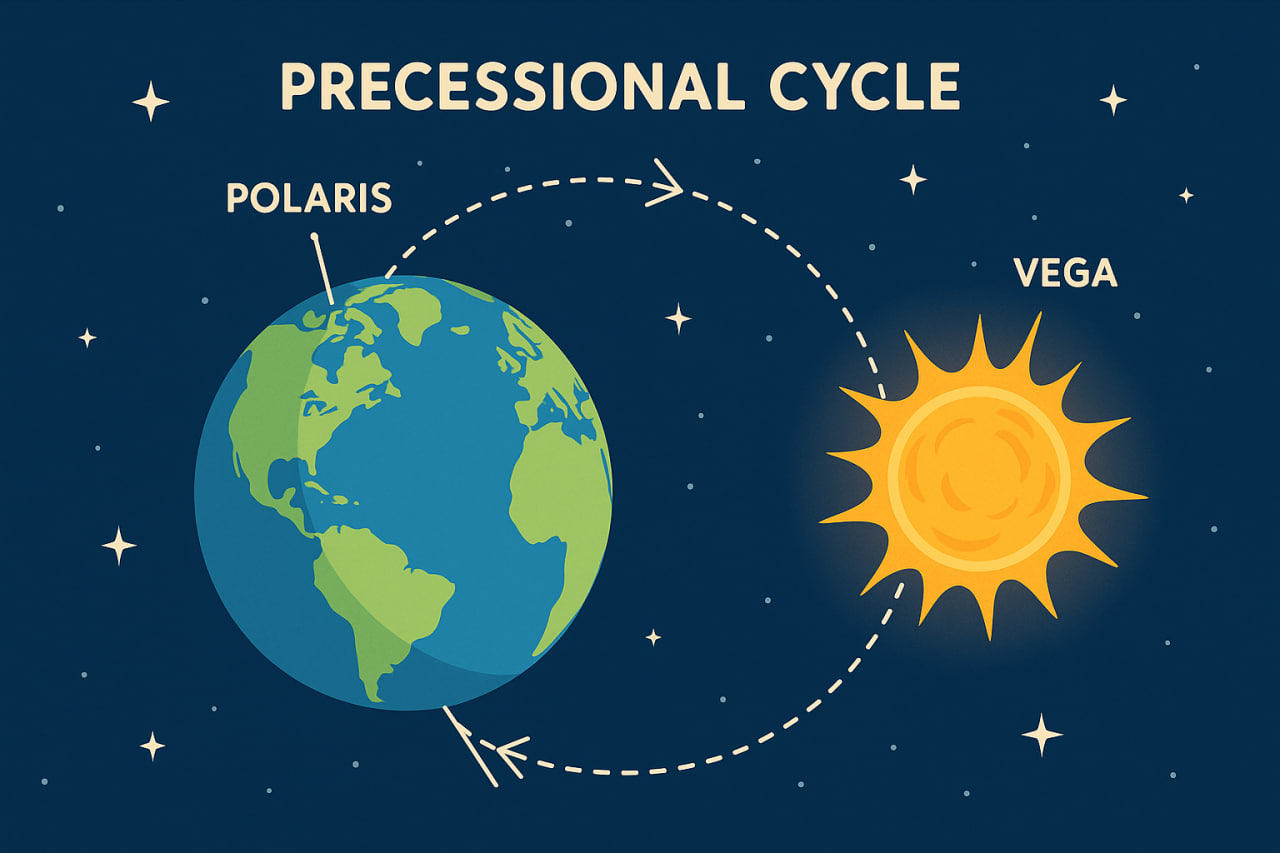
Every 26,000 years, Earth completes a slow and graceful motion known as axial precession — a subtle “wobble” in its rotational axis that alters the orientation of the planet relative to the...