
Ancient Monuments Aligned with the Precessional Cycle
Long before the invention of telescopes or modern astronomy, ancient civilizations observed the slow dance of the stars.
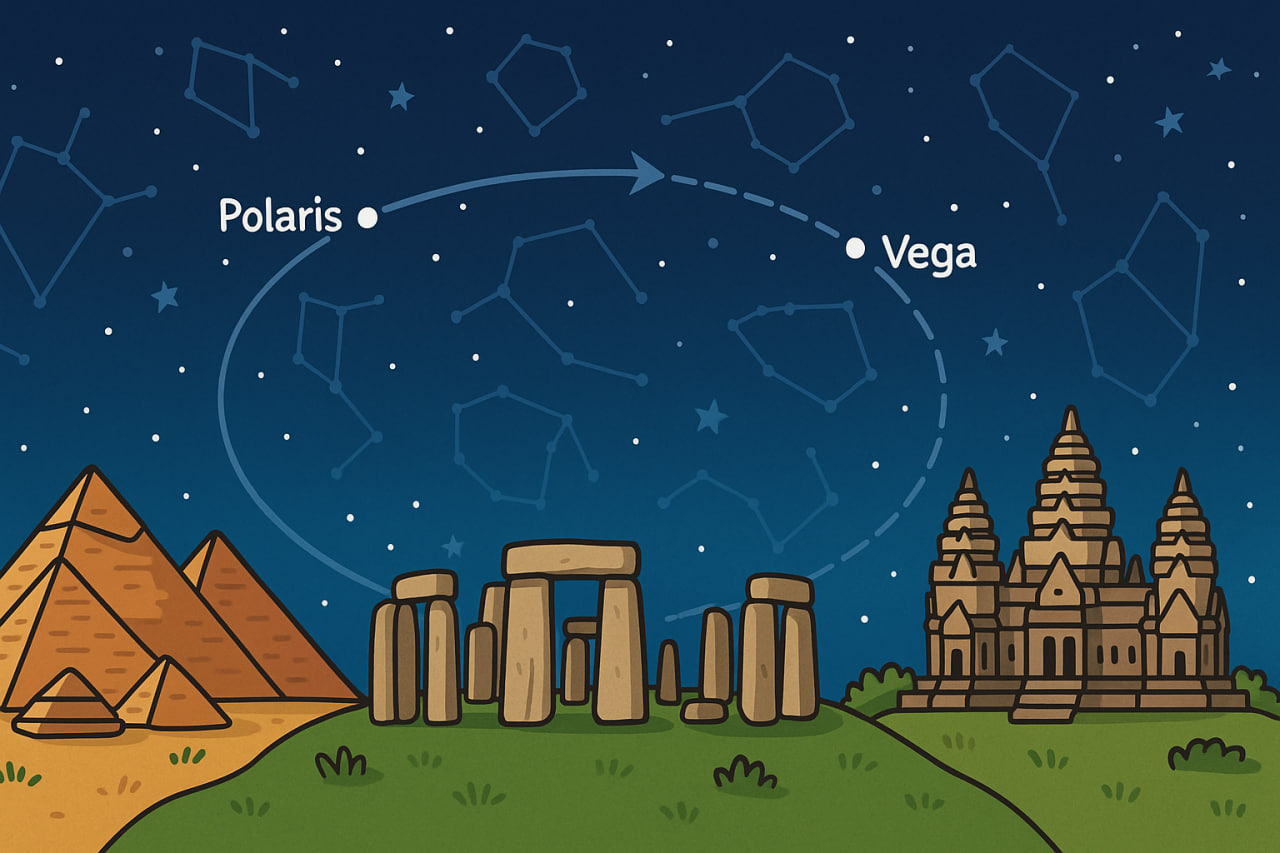
Long before the invention of telescopes or modern astronomy, ancient civilizations observed the slow dance of the stars.
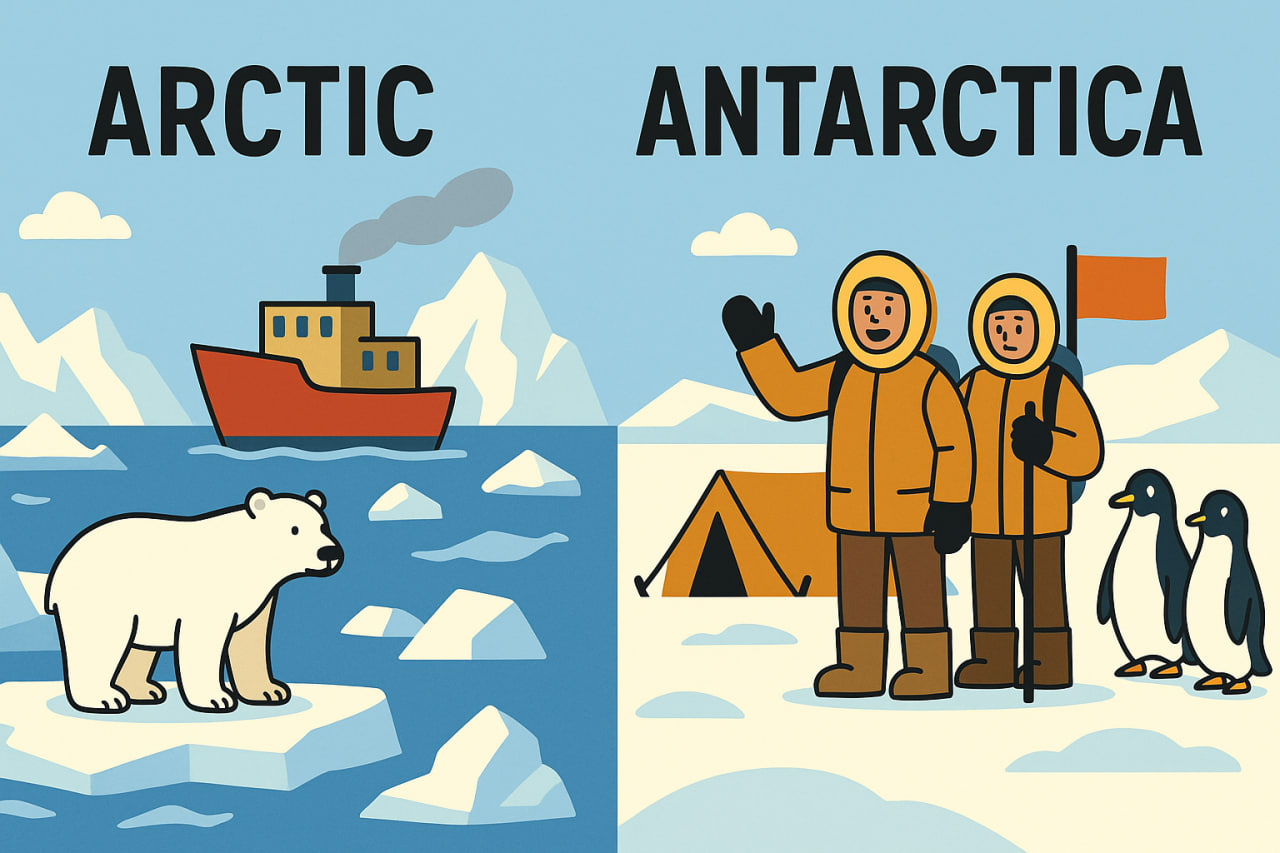
The Arctic has fascinated explorers for centuries due to its harsh climate and strategic location. As early as the Viking Age, Norse sailors reached Greenland and parts of North America.
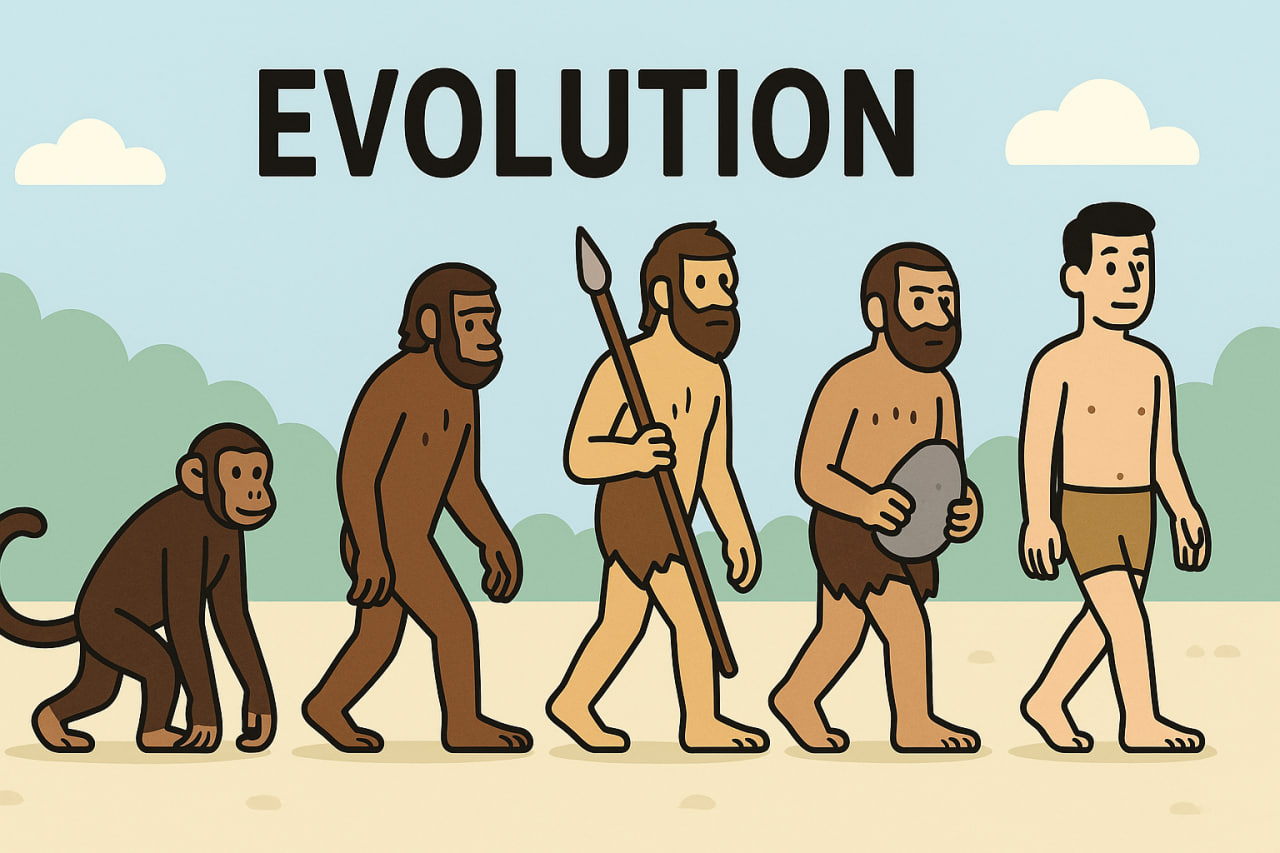
Evolution is the process by which living organisms change and diversify over time. It explains how simple life forms that appeared billions of years ago gradually developed into the complex...
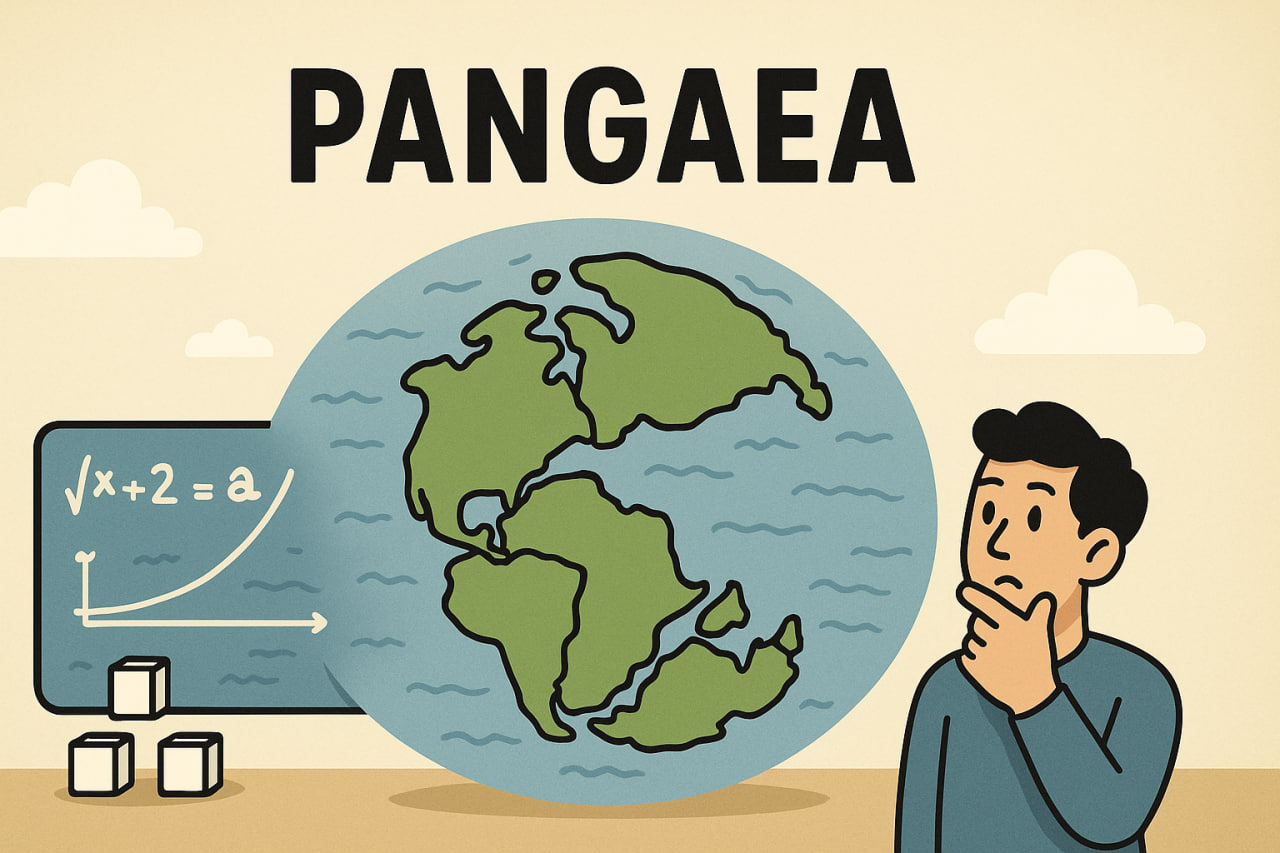
Pangaea was a massive supercontinent that existed about 335 to 175 million years ago during the late Paleozoic and early Mesozoic eras.
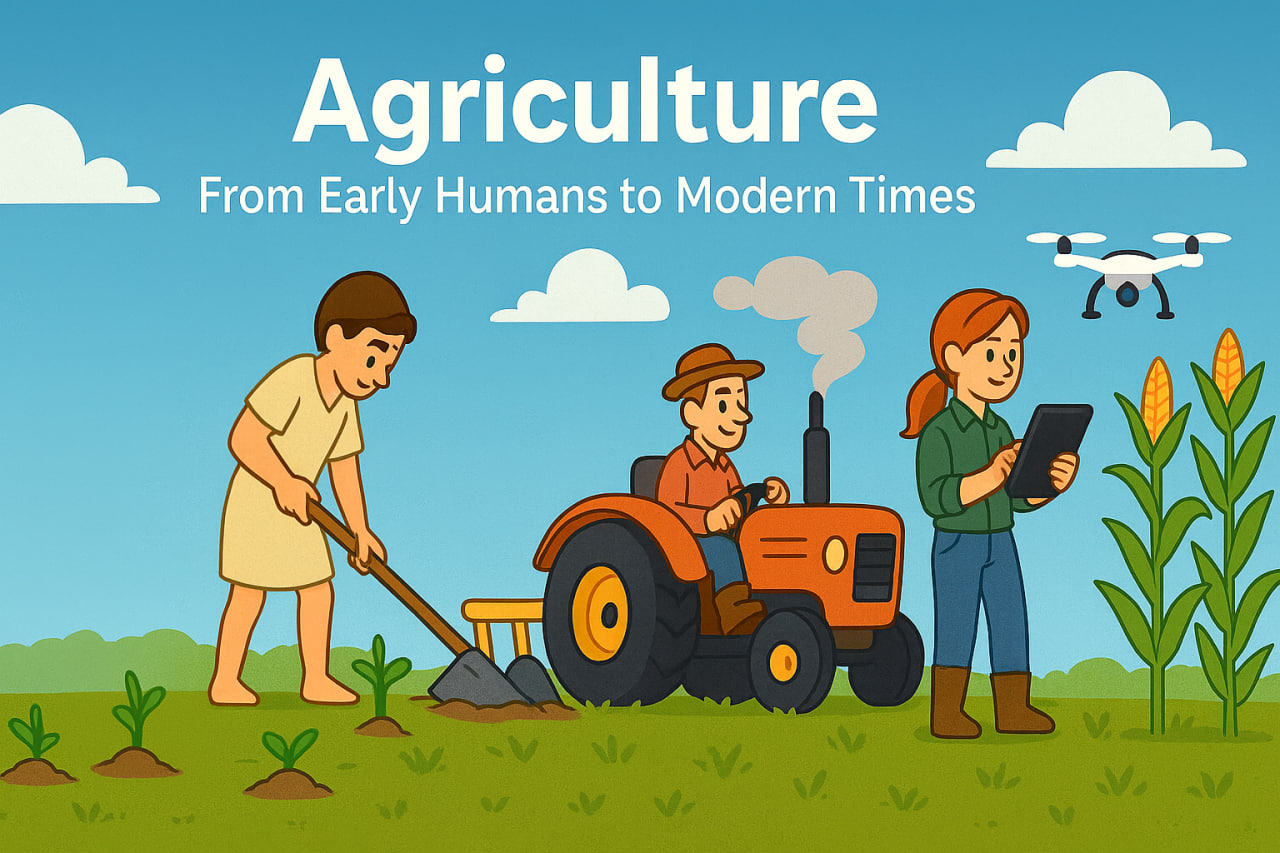
As far as we know today аgriculture began around 10,000 years ago during the Neolithic Revolution.
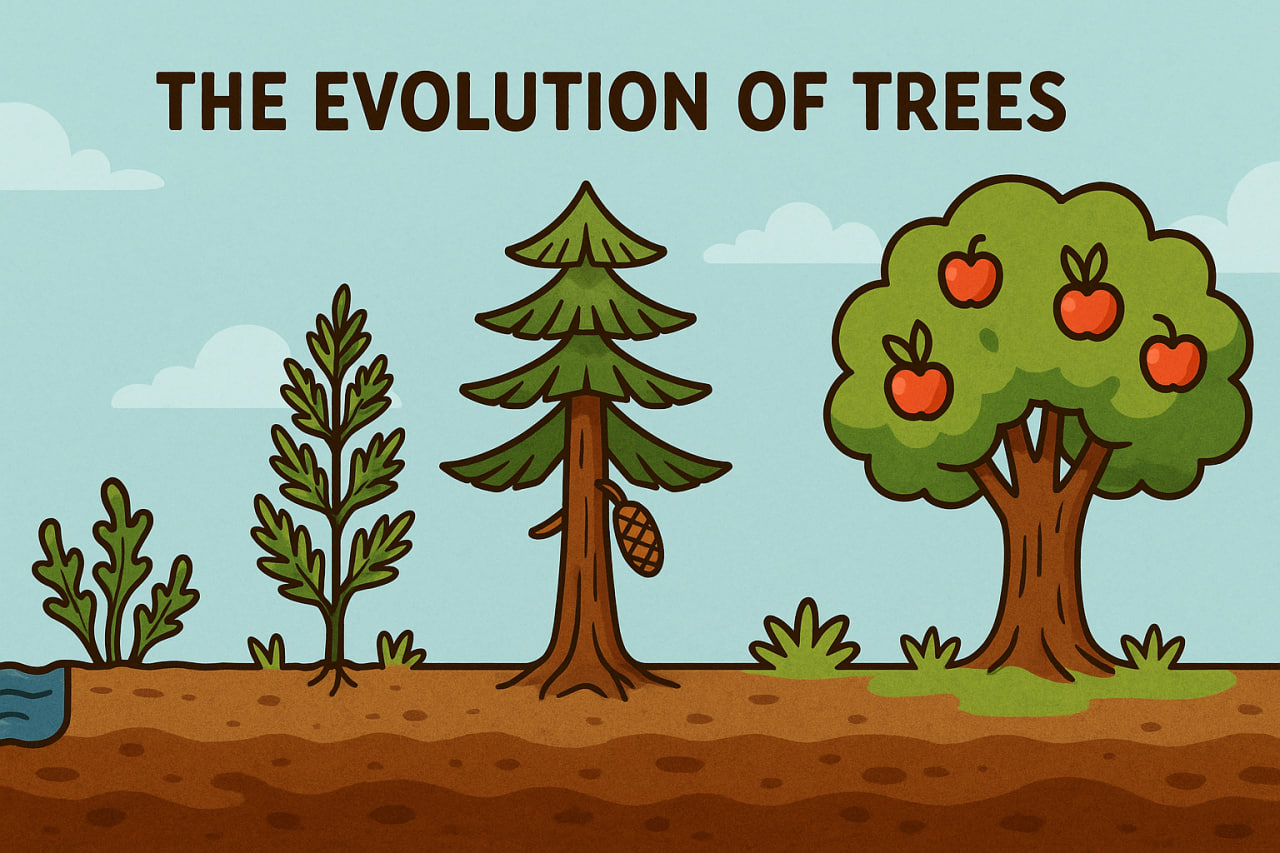
Trees are among the oldest and most important life forms on Earth. They have shaped the environment, stabilized ecosystems, and supported countless species — including humans.
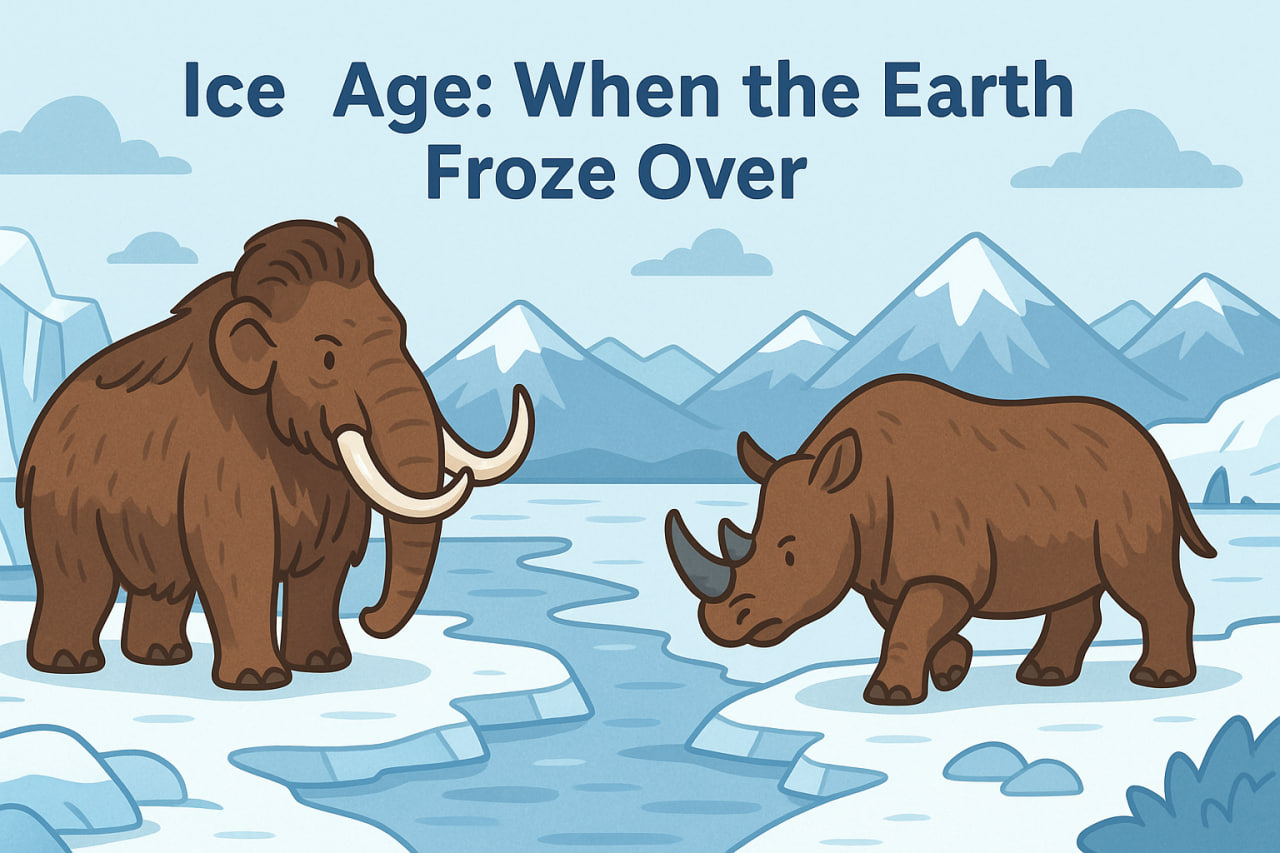
An Ice Age is a long period in Earth’s history when global temperatures drop significantly, causing large parts of the planet to be covered in glaciers.
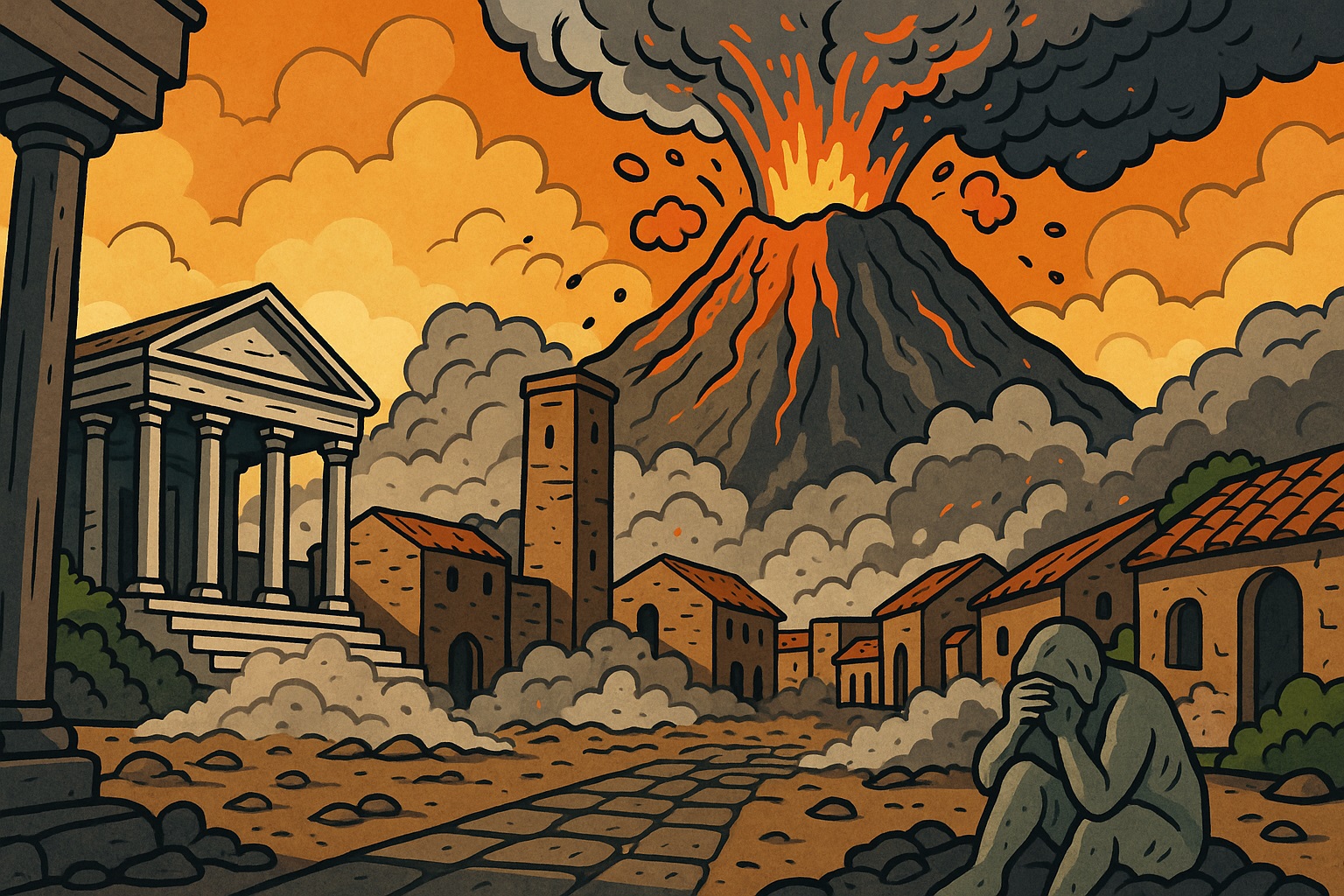
Pompeii was a prosperous Roman city located near the Bay of Naples, in southern Italy.
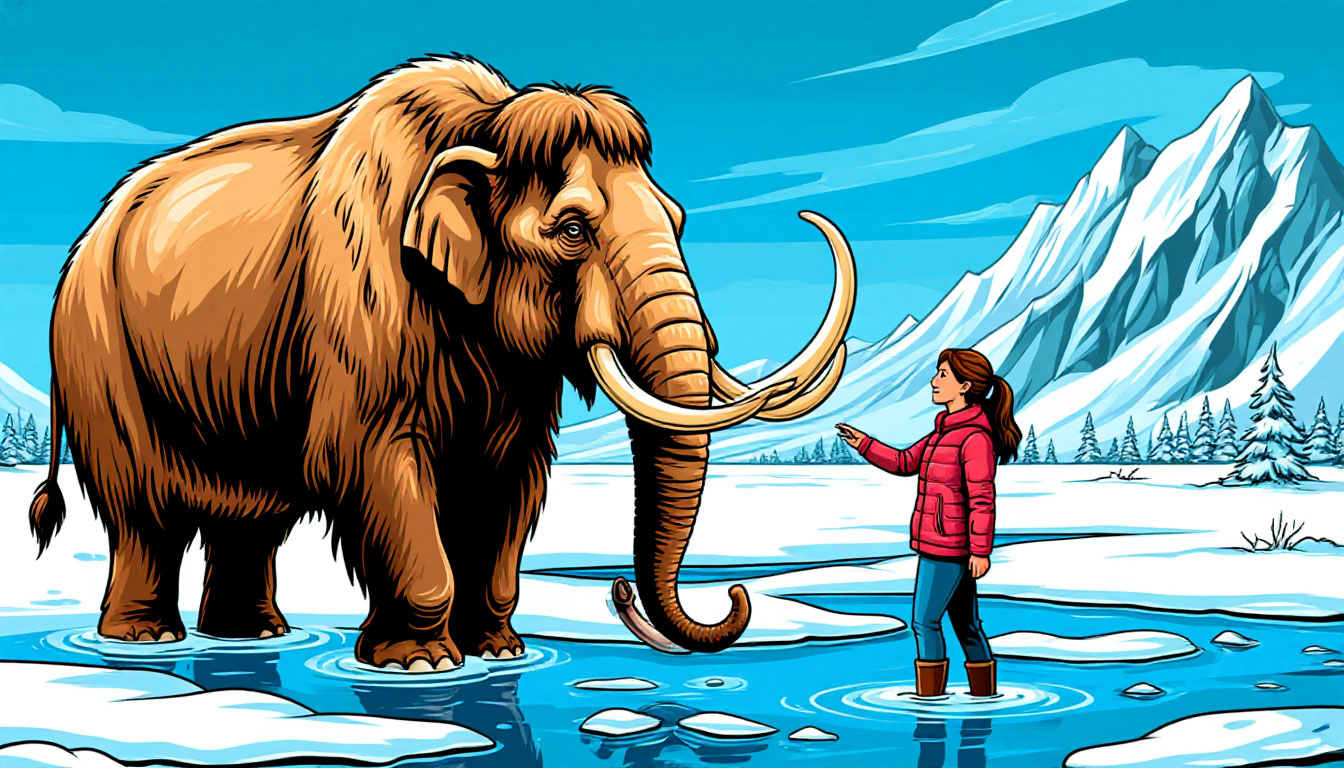
An ice age, or glacial period, is a long-lasting climate event during which global temperatures drop significantly, causing large portions of the Earth to be covered by ice sheets and glaciers.
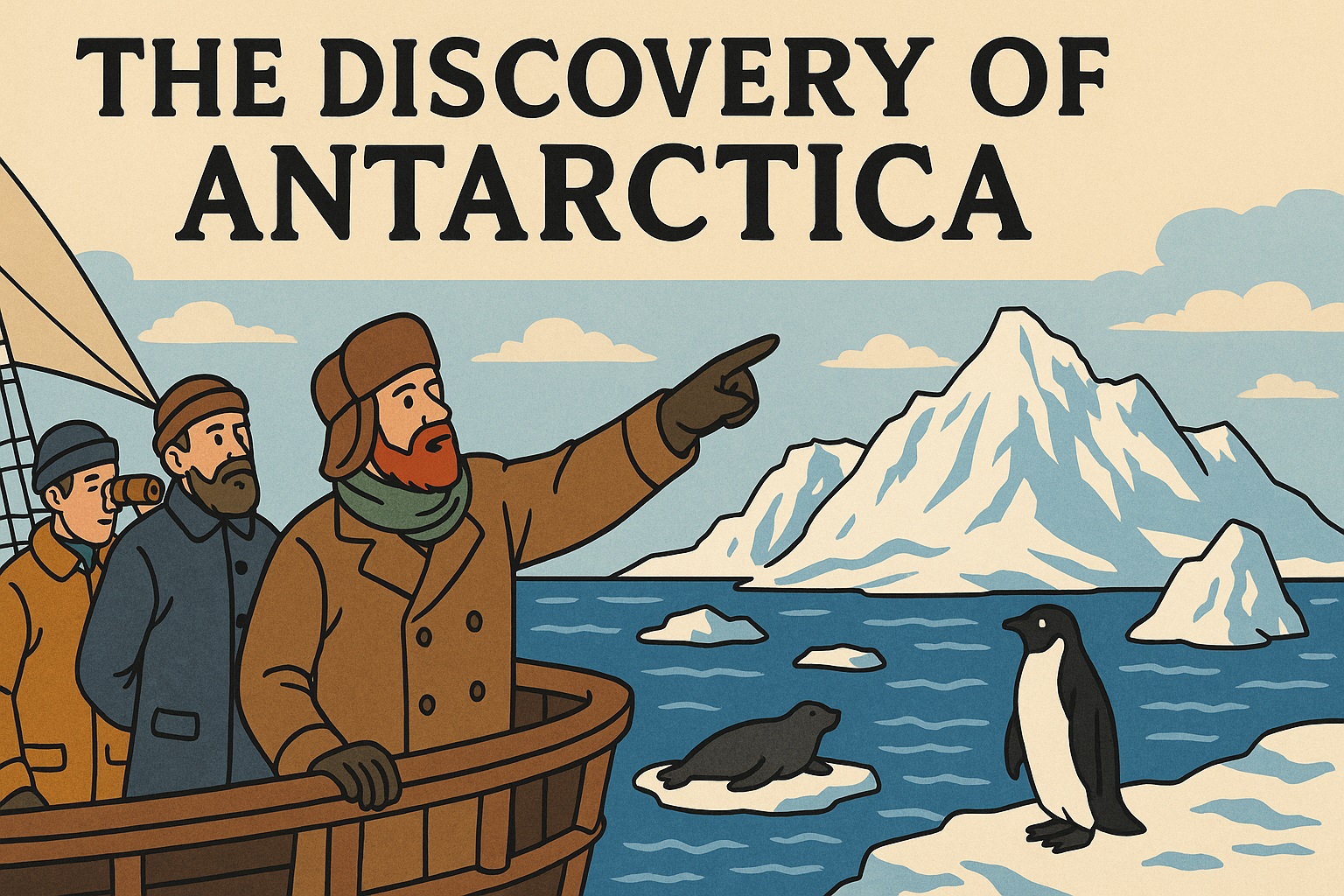
Antarctica, the fifth-largest continent and the coldest, windiest place on Earth, was the last major landmass to be discovered by humans.