
What Does “Speed of Life” Mean in Biology?
The “speed of life” describes how fast an organism goes through its life processes. These include growth, reproduction, and aging.
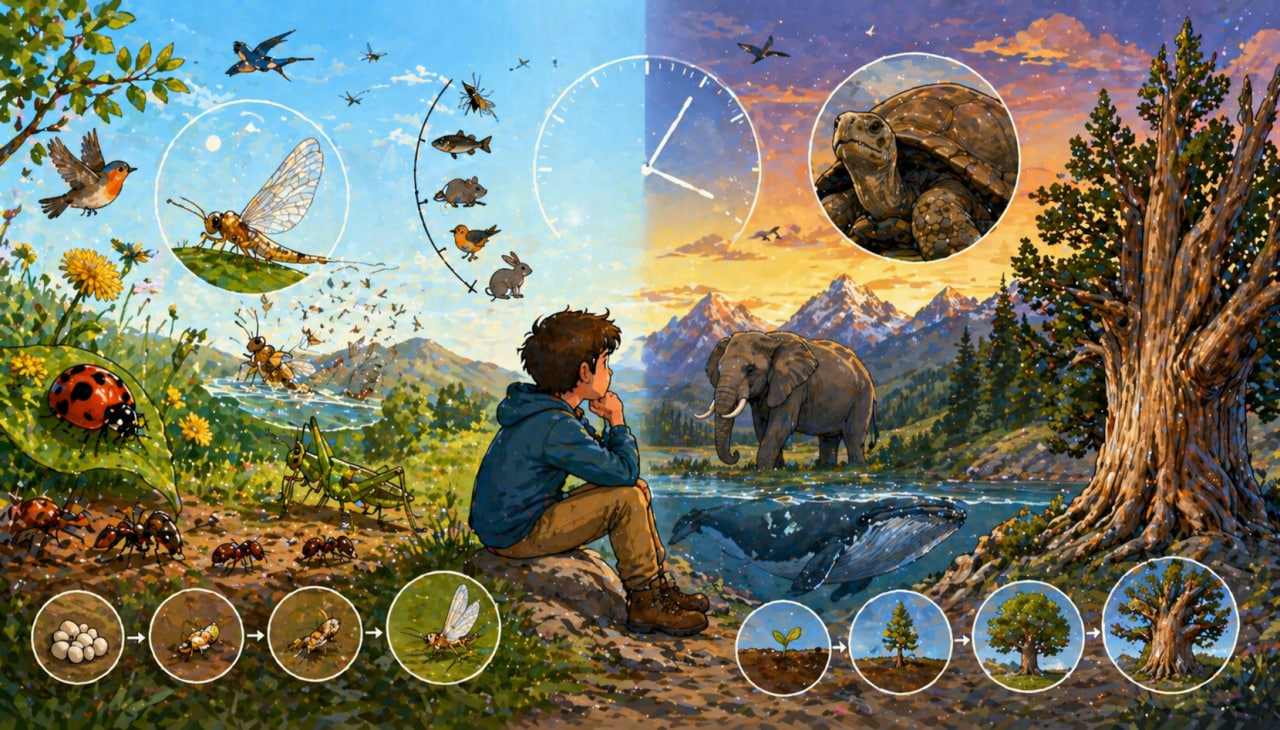
The “speed of life” describes how fast an organism goes through its life processes. These include growth, reproduction, and aging.
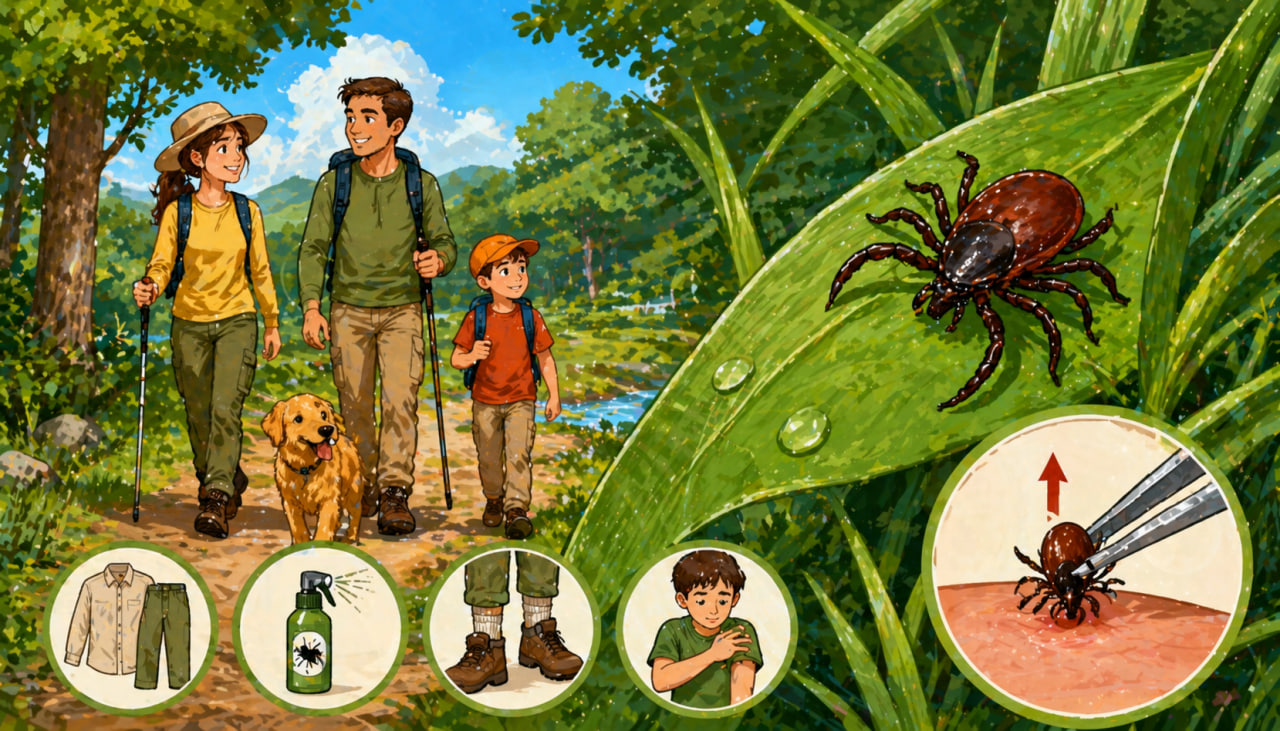
Ticks are small parasitic arachnids that feed on the blood of animals and humans. Despite their tiny size, they can pose serious health risks by transmitting diseases such as Lyme disease and...
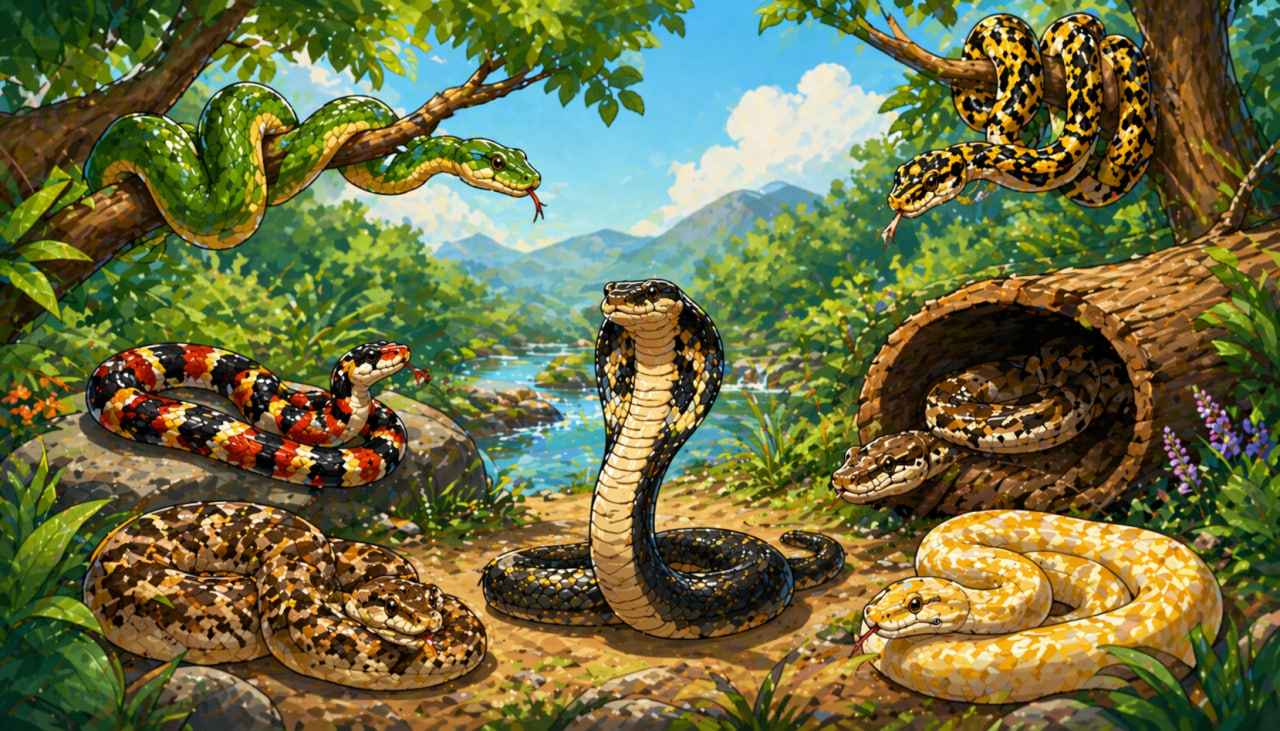
Snakes are among the most fascinating and misunderstood animals on Earth. Found on nearly every continent except Antarctica, these reptiles play a vital role in maintaining ecological balance.
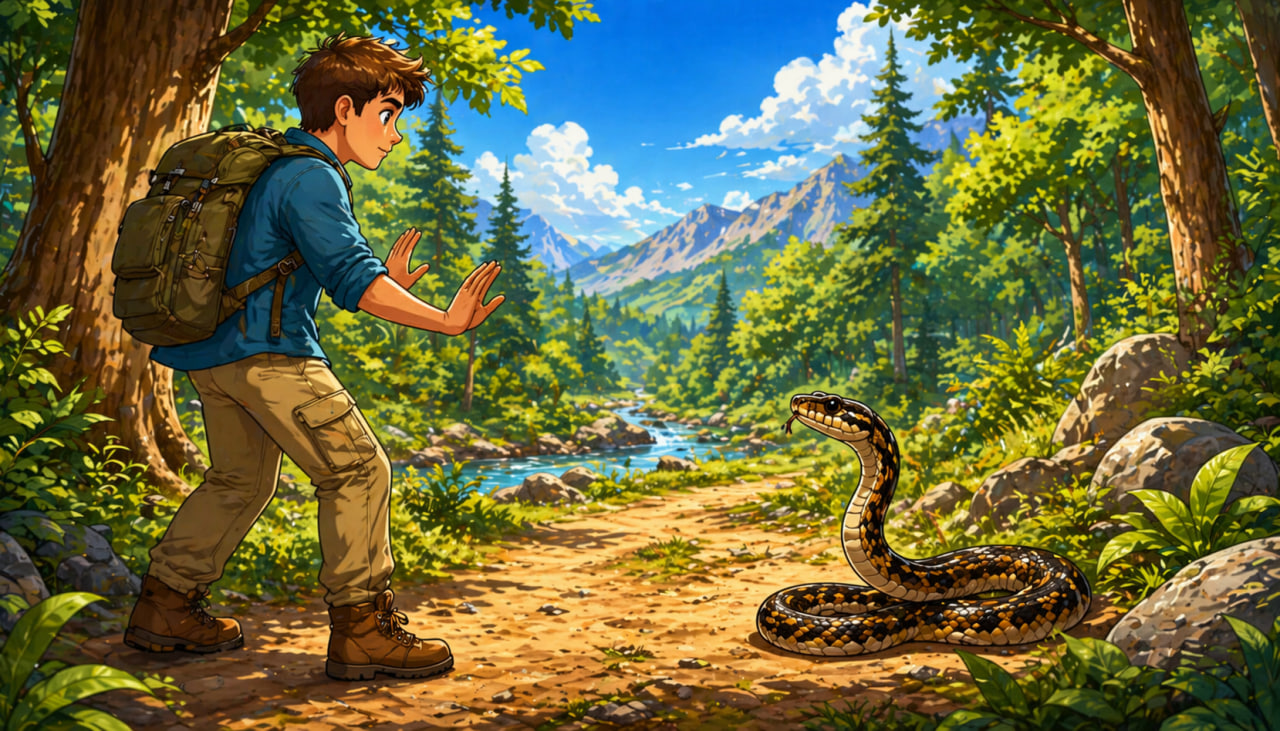
Encountering a snake in the wild can be a stressful experience, especially if you are unsure how to react. However, most snake encounters are harmless when handled correctly.
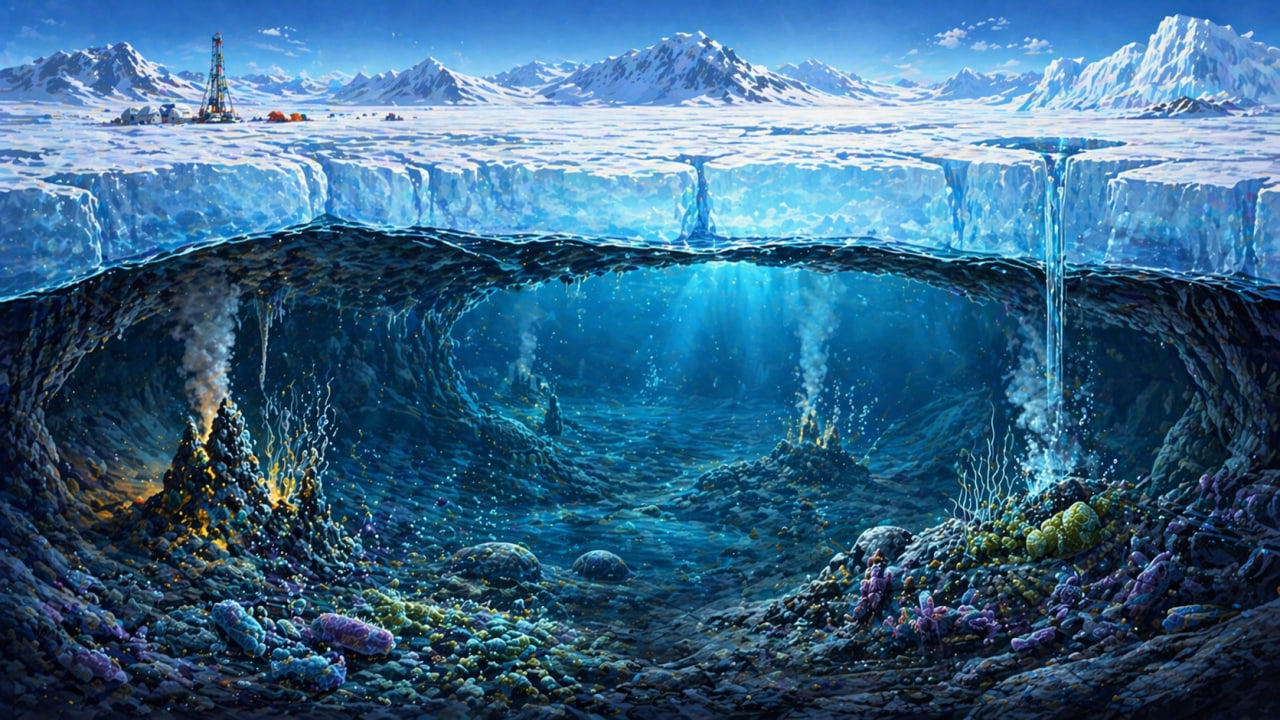
Beneath the vast ice sheets of Antarctica lies a hidden world of subglacial lakes—bodies of liquid water trapped under kilometers of ice.

Earth has not always been the relatively warm and stable planet we know today. At several points in deep geological history, it may have entered extreme ice ages so severe that glaciers...

Tsunamis are capable of producing some of the most extreme natural disasters ever recorded, with waves that can reshape coastlines and impact entire regions within hours.

Tsunamis are among the most powerful and destructive natural phenomena on Earth, capable of traveling across entire oceans and causing devastating impacts when they reach coastlines.

Storms are among the most dynamic and powerful natural events on Earth, forming when atmospheric conditions become unstable and energy is rapidly released.

The nightingale is one of the most celebrated songbirds in the world, known for its rich, melodic, and incredibly powerful voice.