
Why Nature Looks So Beautiful in Sunlight
Nature under sunlight often appears more vivid, warm, and visually striking, creating a sense of harmony and beauty that people instinctively appreciate.
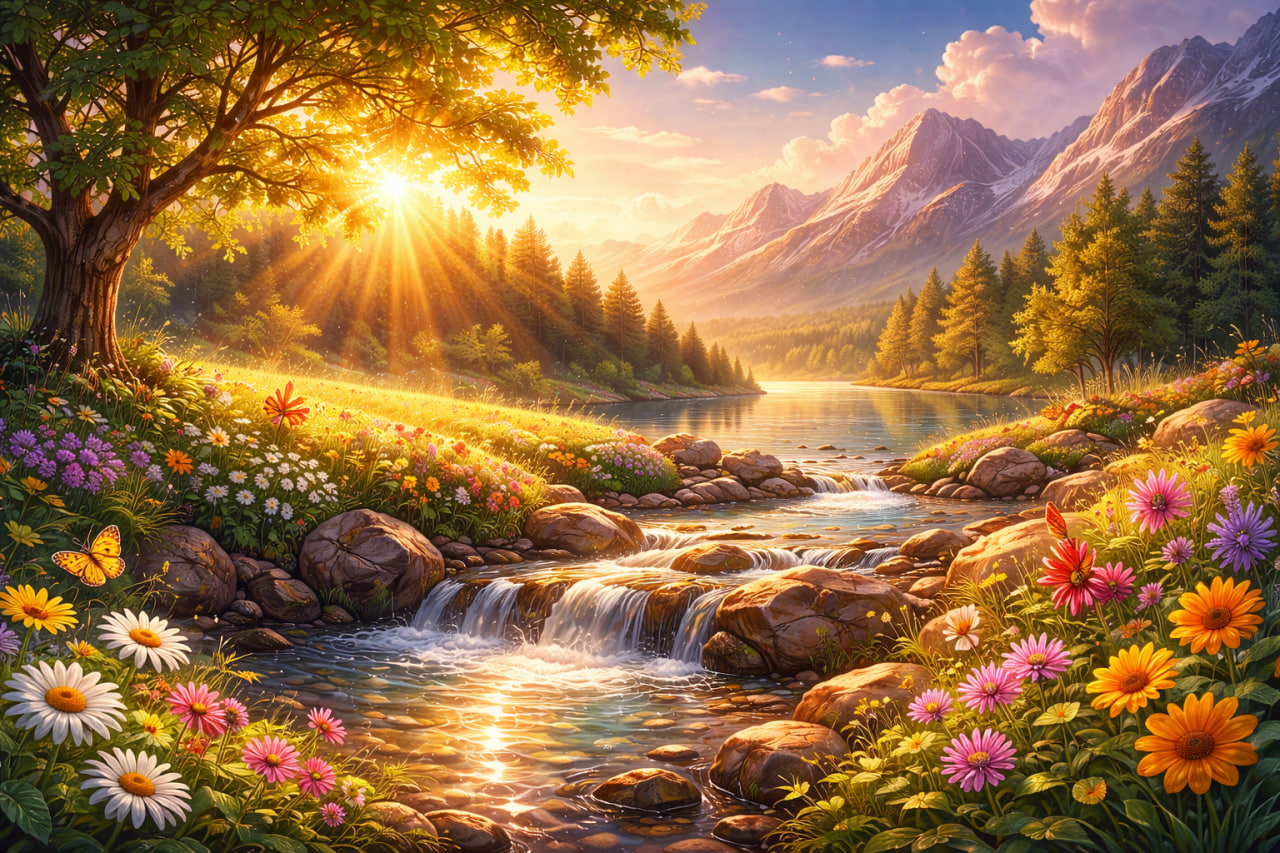
Nature under sunlight often appears more vivid, warm, and visually striking, creating a sense of harmony and beauty that people instinctively appreciate.
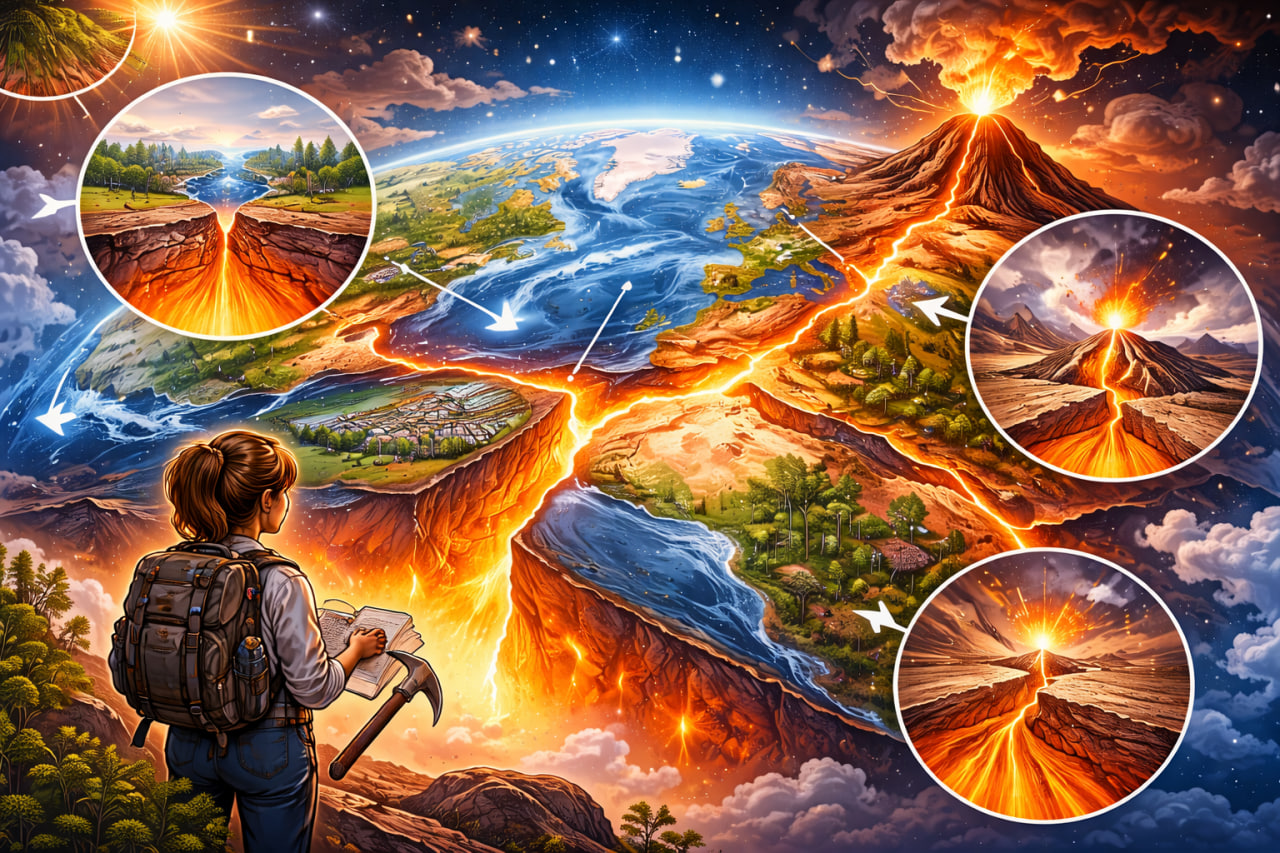
The Earth is not a static planet—it is constantly changing, shifting, and evolving. At the heart of this dynamic behavior lies plate tectonics, a powerful geological process that shapes...

When we think of prehistoric monsters, images of dinosaurs and ancient beasts usually come to mind—creatures that ruled the Earth millions of years ago and then disappeared forever.

Doves are among the most recognizable birds in the world, known not only for their gentle appearance but also for their deep symbolic meaning.

Penguins are among the most fascinating birds on Earth, uniquely adapted to life in some of the planet’s most extreme environments.
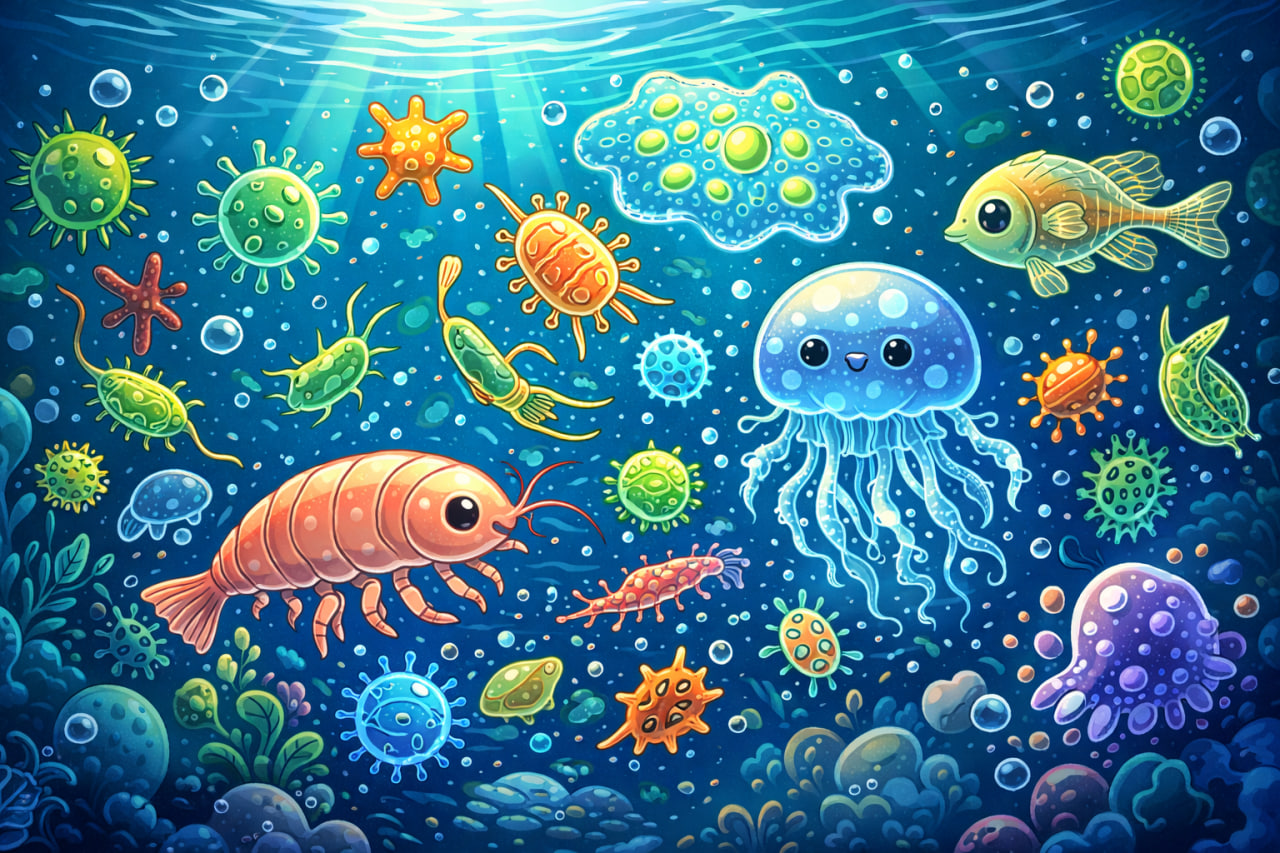
Plankton are tiny organisms that drift through oceans, seas, and freshwater environments, forming the base of aquatic ecosystems.
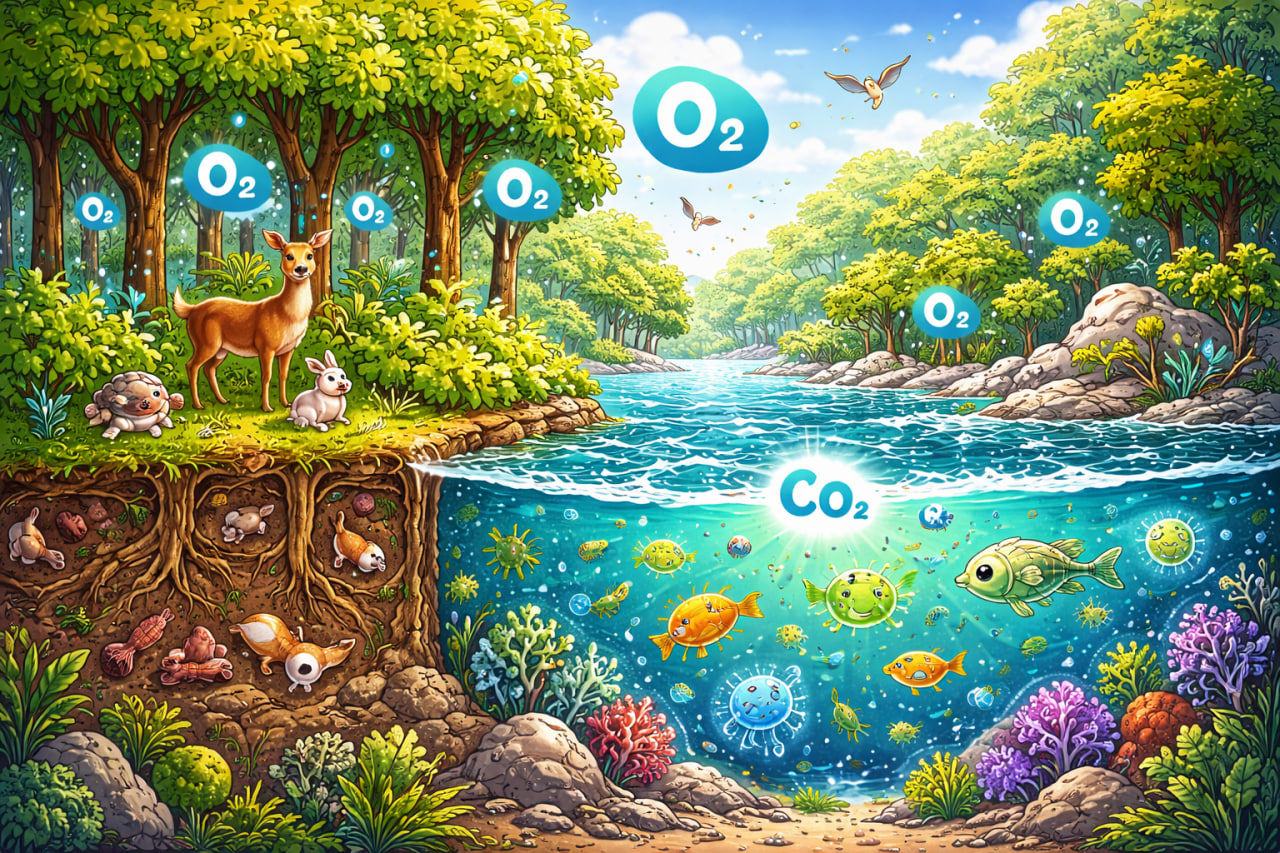
Carbon dioxide (CO₂) is a natural part of Earth’s atmosphere, playing a key role in maintaining the planet’s temperature.
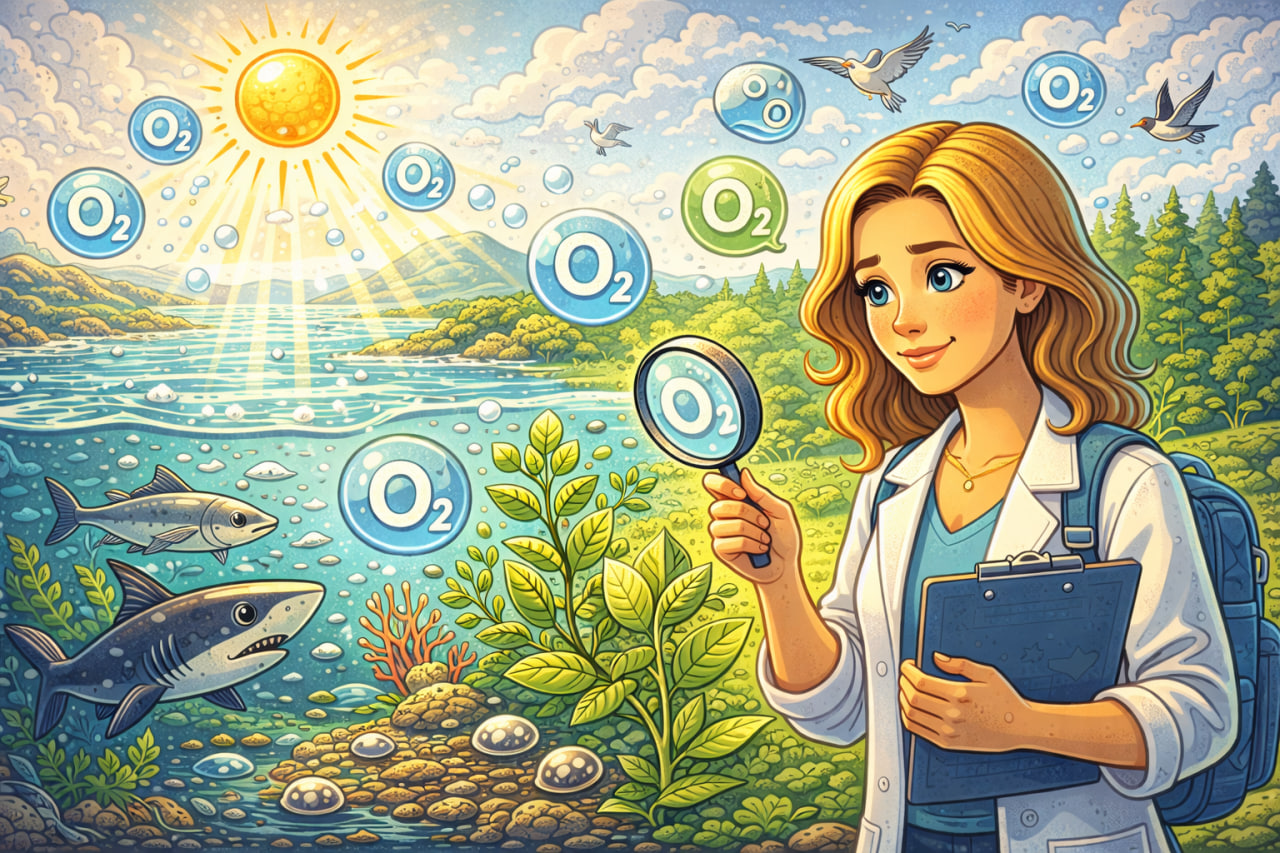
Oxygen is essential for most life on Earth, yet few people realize that the majority of it is produced not by forests, but by microscopic organisms in water.
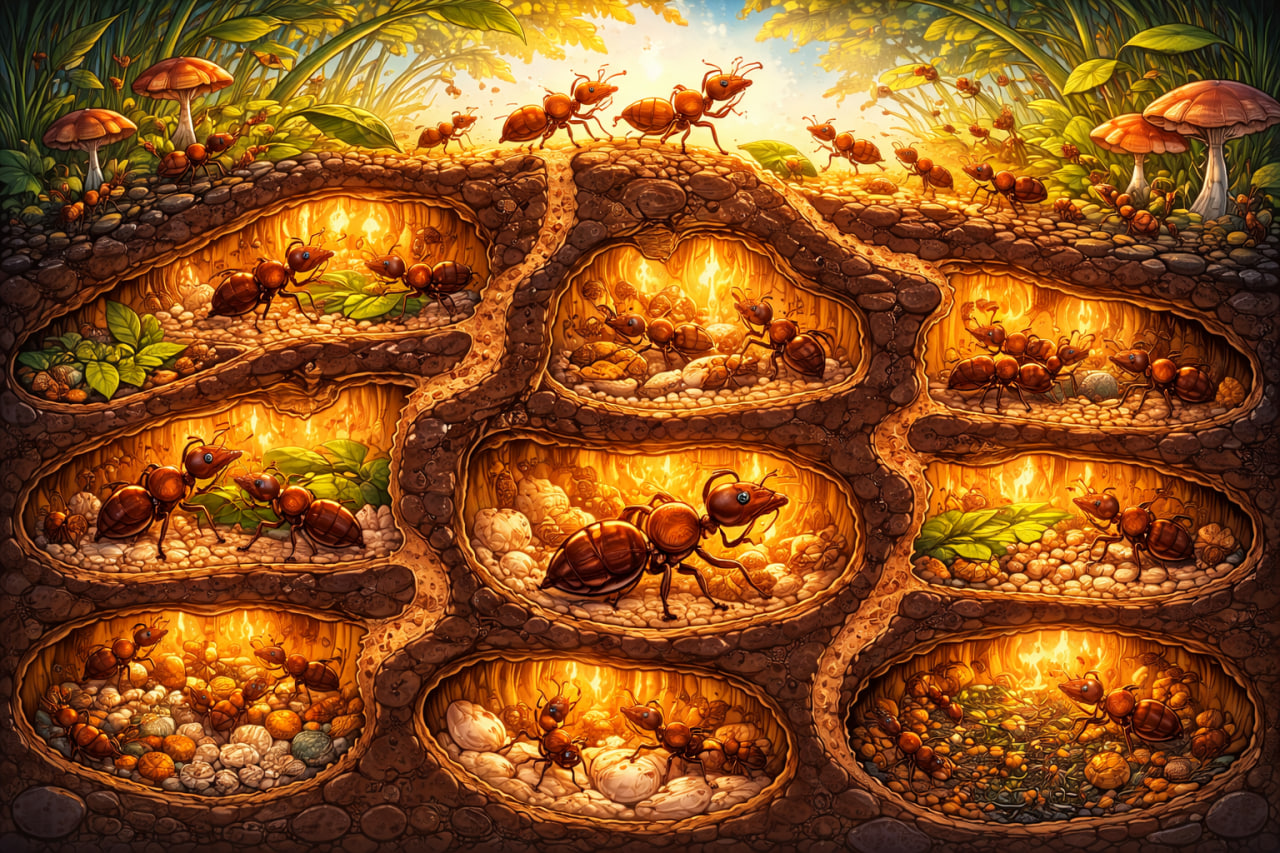
Ants are among the most successful and organized creatures on Earth, building complex underground systems that function like entire cities.
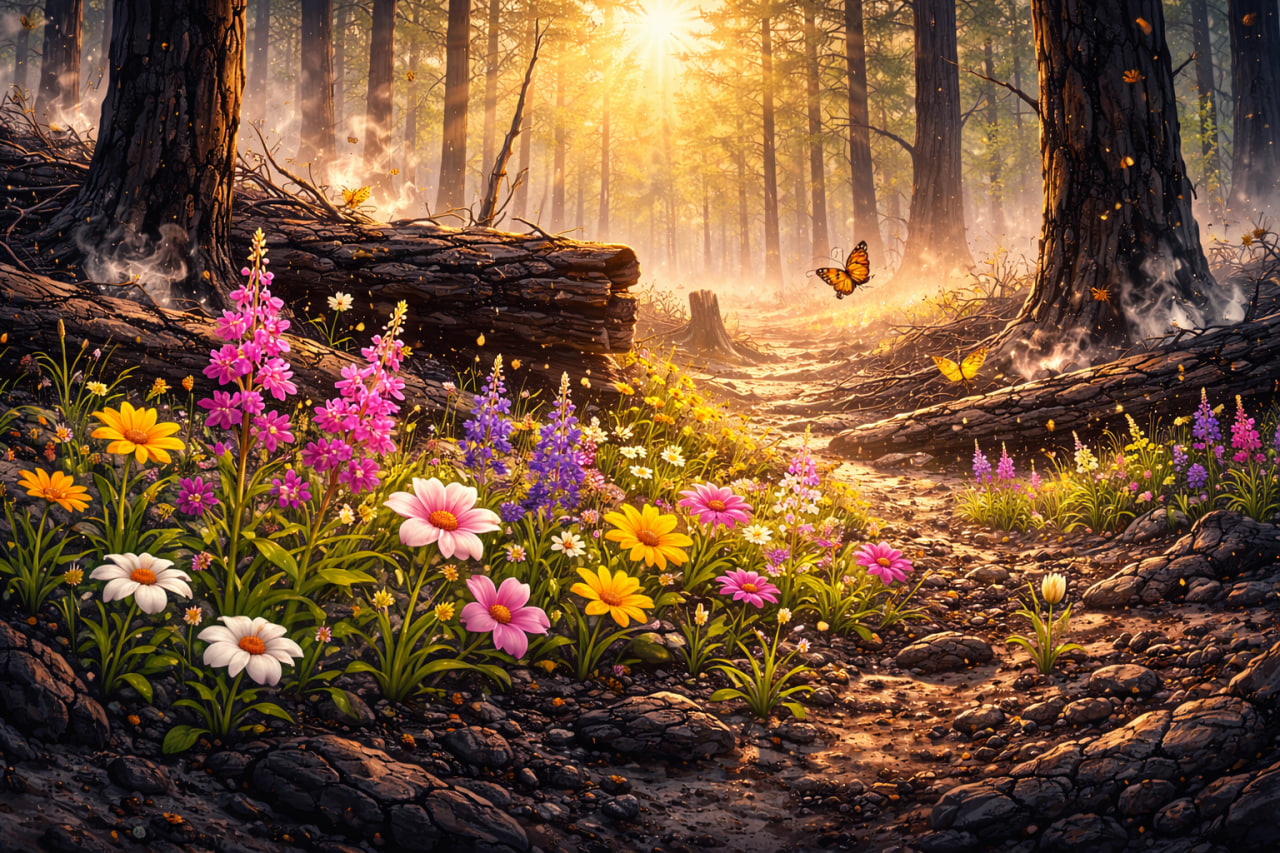
After a forest fire, the landscape may appear lifeless and destroyed, yet within a surprisingly short time, bright flowers begin to emerge from the ash-covered ground.