
How the Arctic Formed: The Geological History of the Polar North
The Arctic is one of the most extreme and scientifically fascinating regions on Earth. Today it is known for vast ice sheets, permafrost, polar seas, and unique ecosystems.
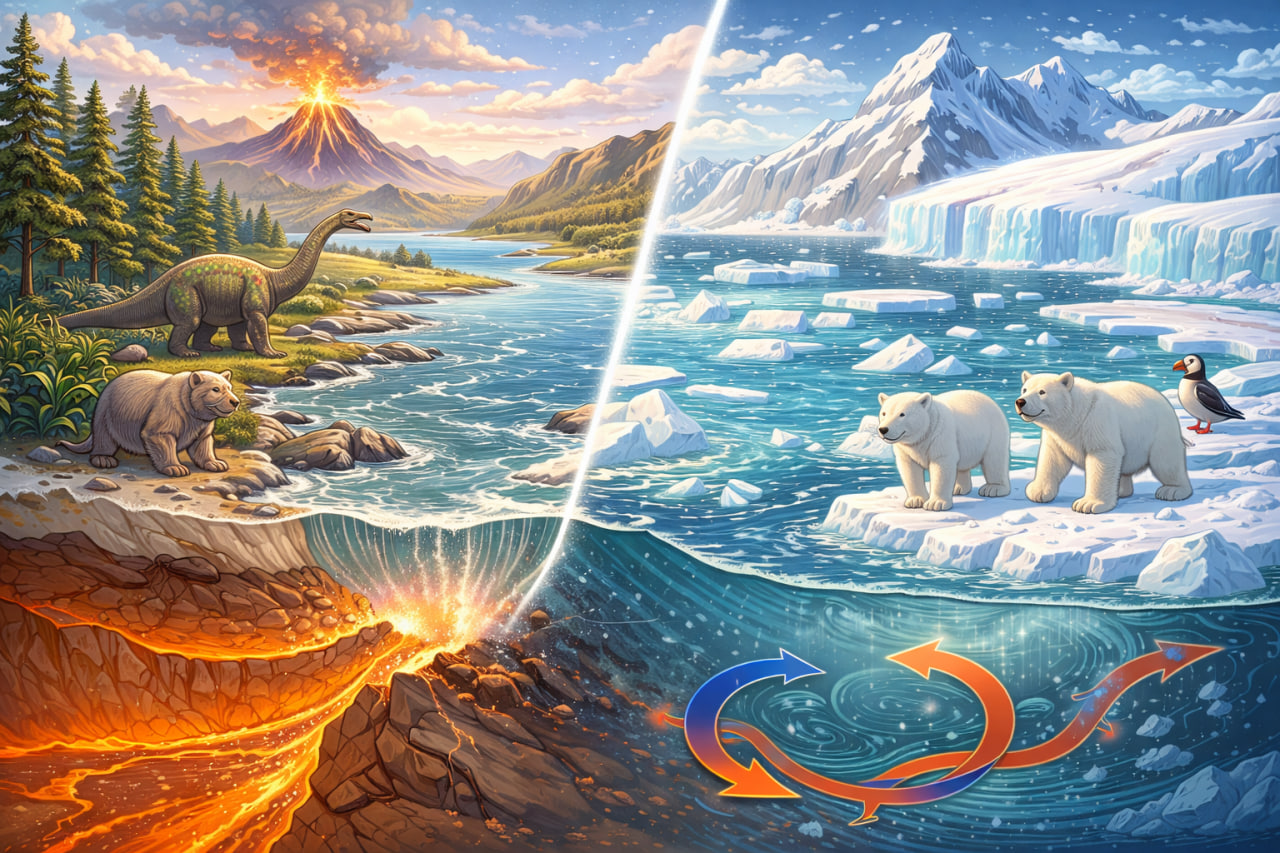
The Arctic is one of the most extreme and scientifically fascinating regions on Earth. Today it is known for vast ice sheets, permafrost, polar seas, and unique ecosystems.
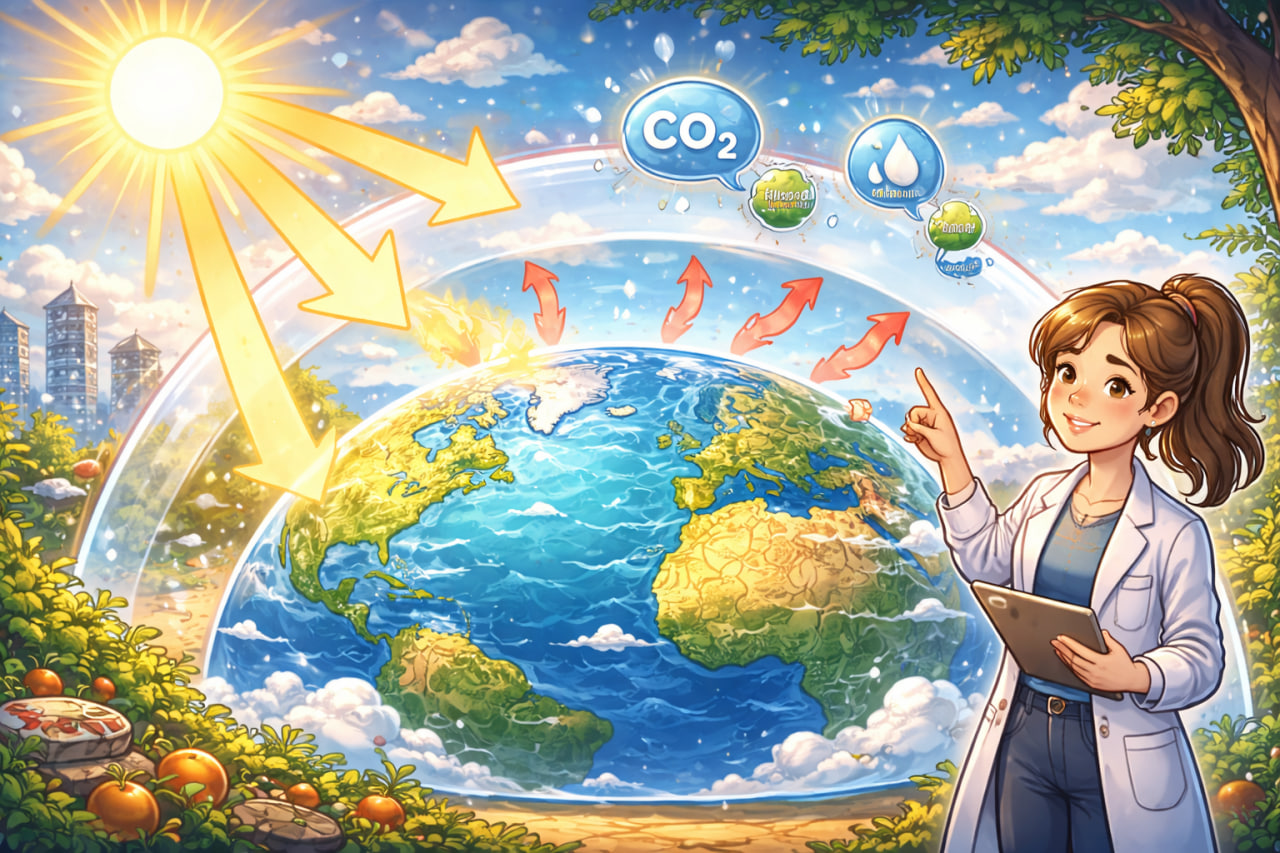
The greenhouse effect is a natural process that allows life to exist on Earth, yet it is often misunderstood or oversimplified.

A subsun is a rare and striking atmospheric optical phenomenon that looks like a bright reflection of the Sun appearing below the real Sun.
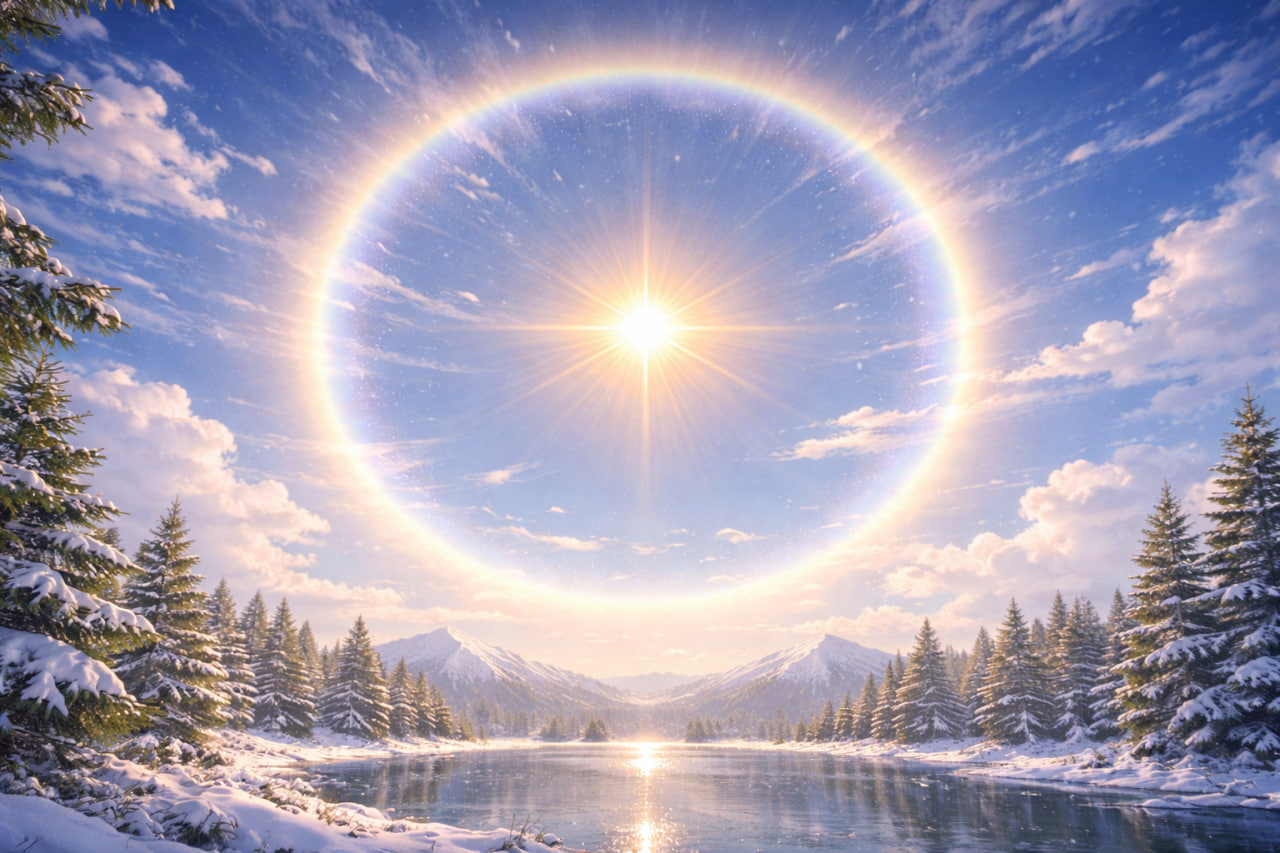
A halo is a beautiful and sometimes mysterious atmospheric phenomenon that appears as a bright ring or arc of light around the Sun or the Moon.

Australia is one of the most distinctive regions on Earth, unique in being both a sovereign country and an entire continent.

Snow is one of the most familiar natural phenomena, yet its formation involves complex physical processes happening high in the atmosphere.

Climate defines the long-term patterns of temperature, precipitation, wind, and seasonal change that characterize different regions of Earth.

Death Valley is a landscape of extremes, holding records that make it one of the most inhospitable yet scientifically fascinating places on the planet.
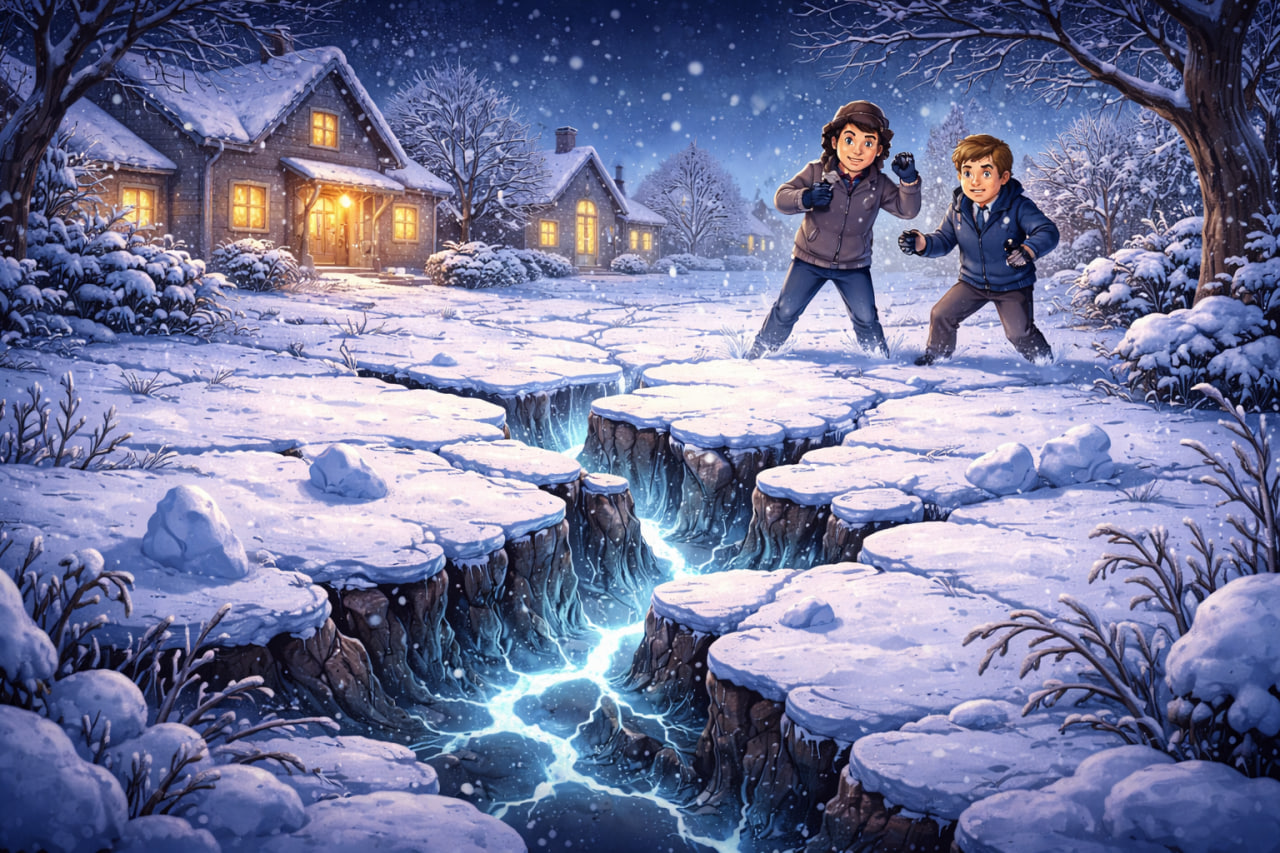
A frost quake, also known as a cryoseism, is a rare natural phenomenon that can sound and feel like a small earthquake, despite having a completely different origin.
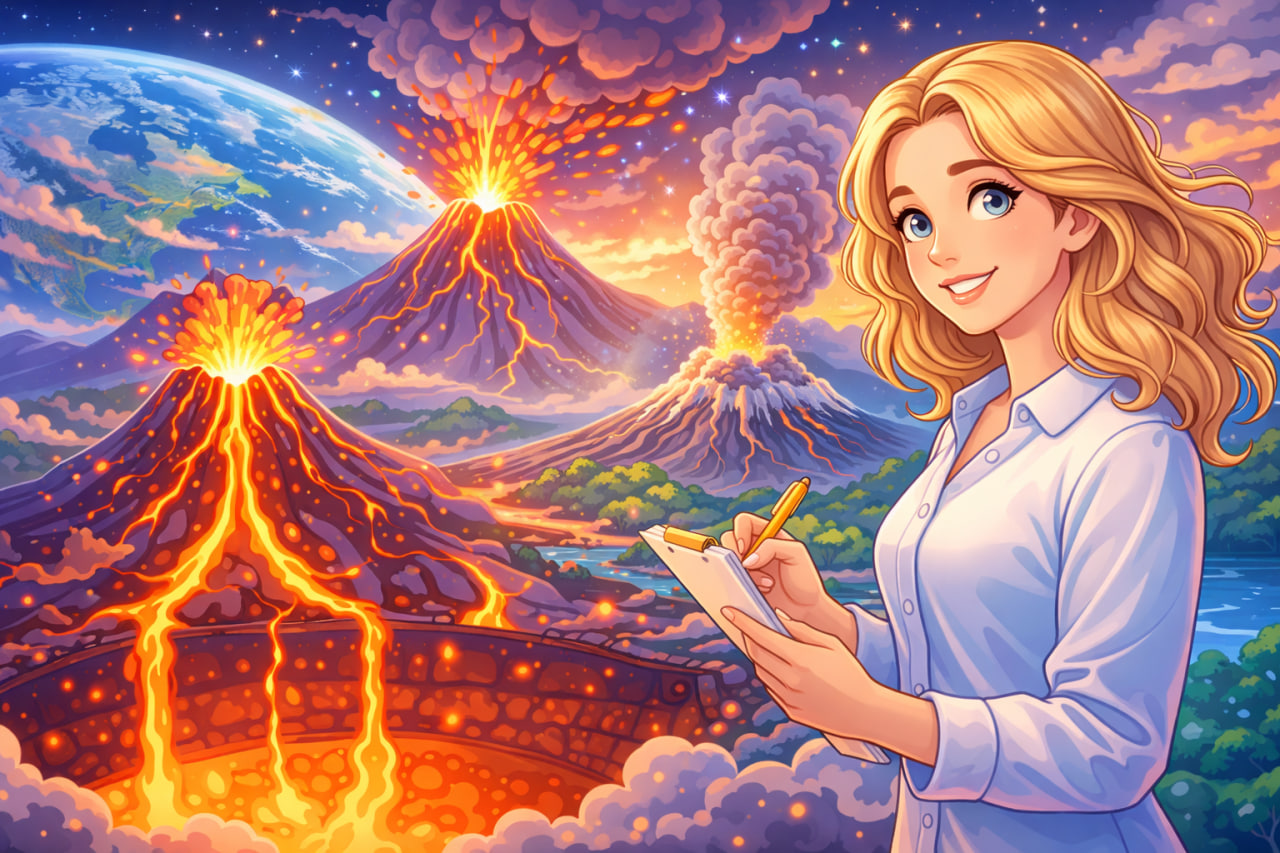
Volcanism is one of the fundamental processes shaping Earth’s surface and interior. Through volcanic activity, heat and material from deep within the planet reach the surface, influencing...